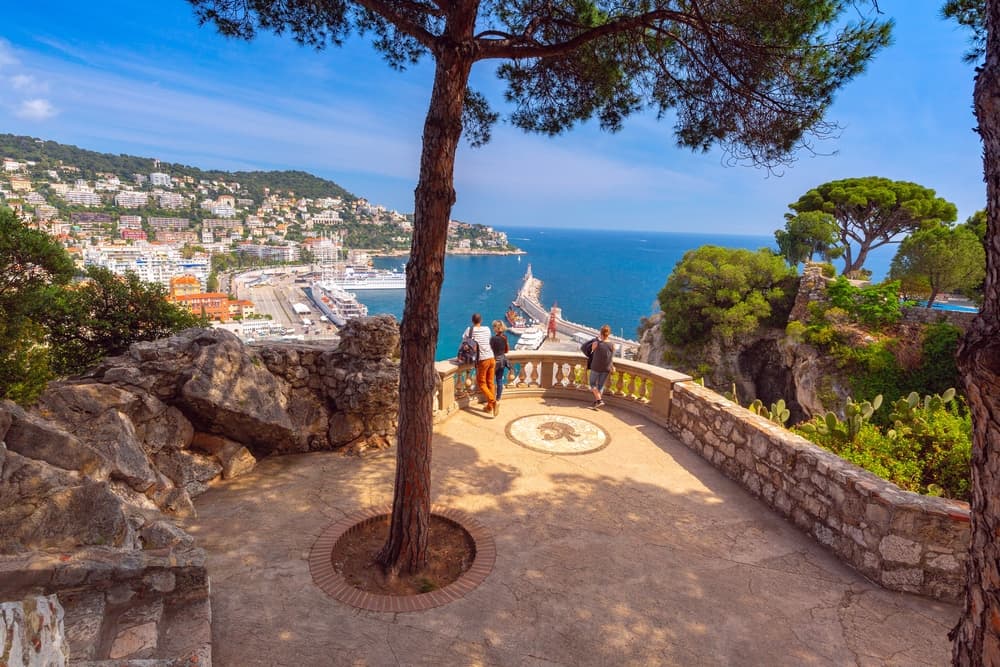
Nice: mild winters and a seafront made for walking
Mild winters, a flat seafront promenade to walk every day, a university hospital in town, and France's busiest airport outside Paris.
- 357,737
- Population (2023)
- $2,500/mo
- Monthly budget · single
- 61°F / 16°C
- Avg temperature
A single person lives comfortably in Nice on about $2,500 a month. A couple runs about $3,800, a family about $6,100, and a one-bedroom in the center rents for around $1,150. Internet is $35 a month, a transit pass is $50, and a simple restaurant meal runs $21.
It suits two kinds of Americans: retirees who want a mild winter, a flat seafront to walk every day, and a university hospital in the same city. And remote workers who want the Mediterranean plus the busiest airport in France outside Paris. The annual average temperature is 61F, winter highs sit around 56F, and the safety score is 68 out of 100.
Here's the catch: Nice is the most expensive French city we cover. The hard part isn't the monthly budget; it's finding an apartment at all. You're competing with tourists and second-home owners for the same buildings. Come with your paperwork ready and expect good listings to go in days.
At a glance
$2,500
Monthly budget · single person
$1,150/mo 1-bed rent, center
68/100
Safety index
$35
Internet / month
61°Fannual average
Jan 49° · Aug 76°
Climate
357,737
Population (2023)
Expatsi estimates, updated Aug 2026, based on rental listings, government statistics, and local reporting.
Cost of living
What it costs to live in Nice
Single person
$2,200–$2,800/mo
about 20% below Austin, TX
Couple
$3,400–$4,300/mo
about 15% below Austin, TX
Family of four
$5,000–$7,200/mo
about 25% below Austin, TX
Compared with Austin, TX (Expatsi estimate, 2026).
- $21 +5%
- Inexpensive meal
- $1,050–$1,300/mo −41%
- 1-bed rent, center
- $800–$1,050/mo −30%
- 1-bed rent, outside
- $35/mo −46%
- Internet
- $50/mo +21%
- Transit pass
- $664/sq ft +2%
- Buy price, center
Expatsi estimates, updated Aug 2026, based on rental listings, government statistics, and local reporting.
Daily life
How Nice lives
- A- grade, 85th percentile among the cities we track
- Dining & cafésstrong
- A- grade, 71st percentile among the cities we track
- Arts & culturestrong
- A+ grade, 96th percentile among the cities we track
- Parks & outdoorsstandout
- A- grade, 83rd percentile among the cities we track
- Schools & educationstrong
- A- grade, 78th percentile among the cities we track
- Healthcare accessstrong
- B+ grade, 62nd percentile among the cities we track
- Bike infrastructurestrong
- A grade, 94th percentile among the cities we track
- Public transitstandout
- A- grade, good physical accessibility
- Accessibilitygood
Graded on OpenStreetMap amenity density relative to the 298 cities we track. Accessibility is the exception: it's graded against a fixed standard (terrain steepness and sidewalk surfaces), not a curve.
Climate
Weather through the year
Annual average 61°F (16°C) · 31 in of rain a year · Source: Meteostat station normals (07690, 1991-2020)
On the ground
Scenes from Nice
Getting around
Transport in Nice
The tram is the spine of daily life here, and a monthly pass covering tram and bus runs about $50. Line 2 is the one that changes how you live: it goes underground beneath the city center and surfaces at Nice Côte d'Azur Airport, so you'd reach your gate without a taxi. Rides between the two terminals are free.
The flat strip between the hills and the sea is where walking works. The Promenade des Anglais runs about four miles along the water, and the center, Vieux Nice and the Carré d'Or included, crosses in about twenty minutes on foot. Bikes are easy on that same flat ground and awkward the moment you climb.
The coastal trains are what Americans underuse. Monaco is roughly twenty minutes east, Cannes about half an hour west, and the Italian border under an hour. Nice has four train stations, including the narrow-gauge line out of Libération that climbs into the mountains.
Most people in the center skip the car. You'd want one up in Cimiez, Mont Boron or Fabron, where the hills start, or for skiing. The nearest resorts are about ninety minutes away.
- 82/sq mi
- Transit stops
- 16/sq mi
- Bike infrastructure
- 127/sq mi
- Wheelchair-accessible places
Mapped features per square mile from OpenStreetMap.
Keep exploring
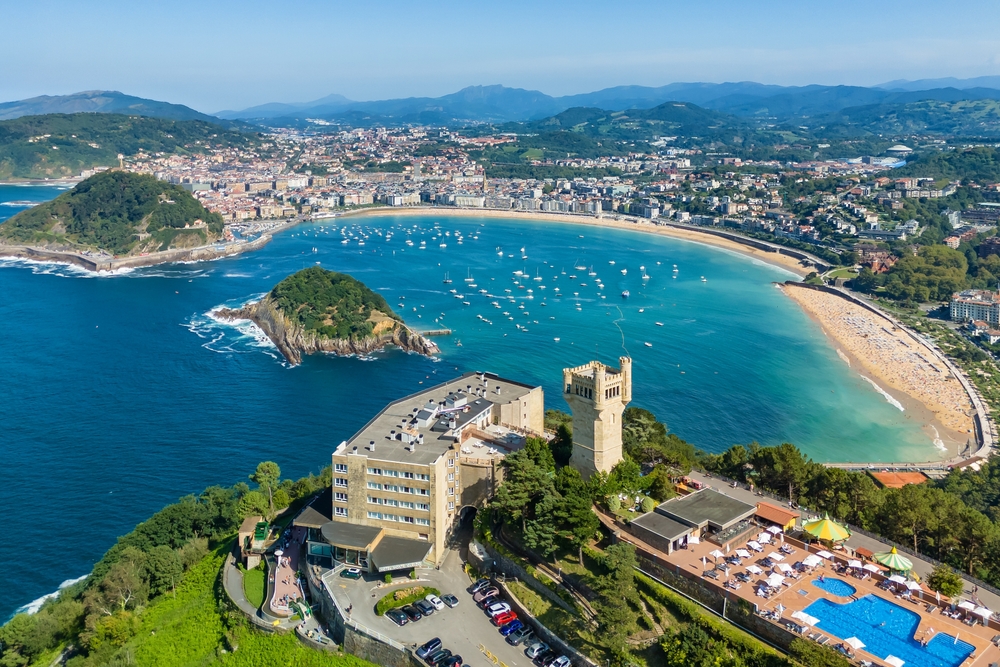
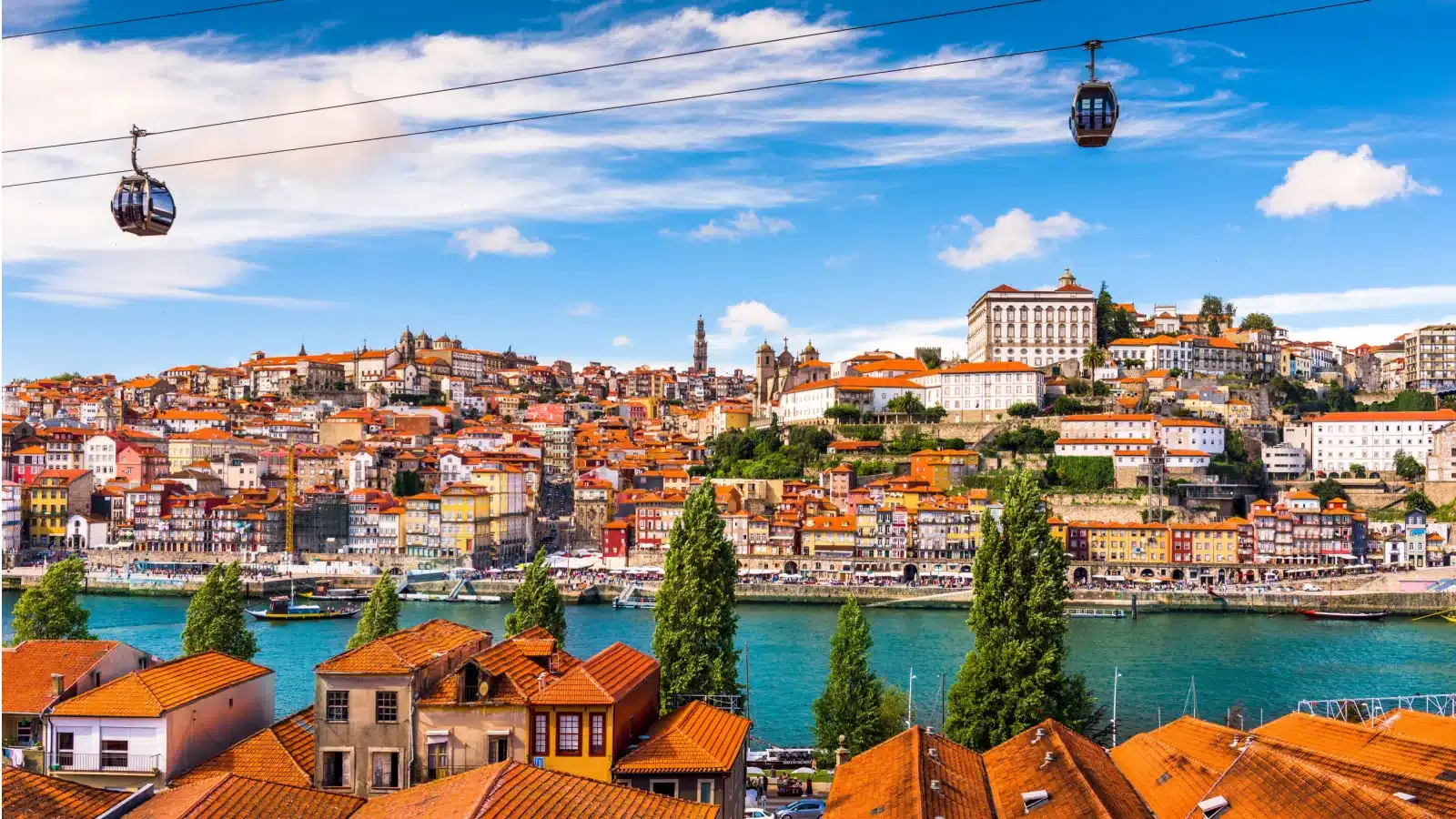
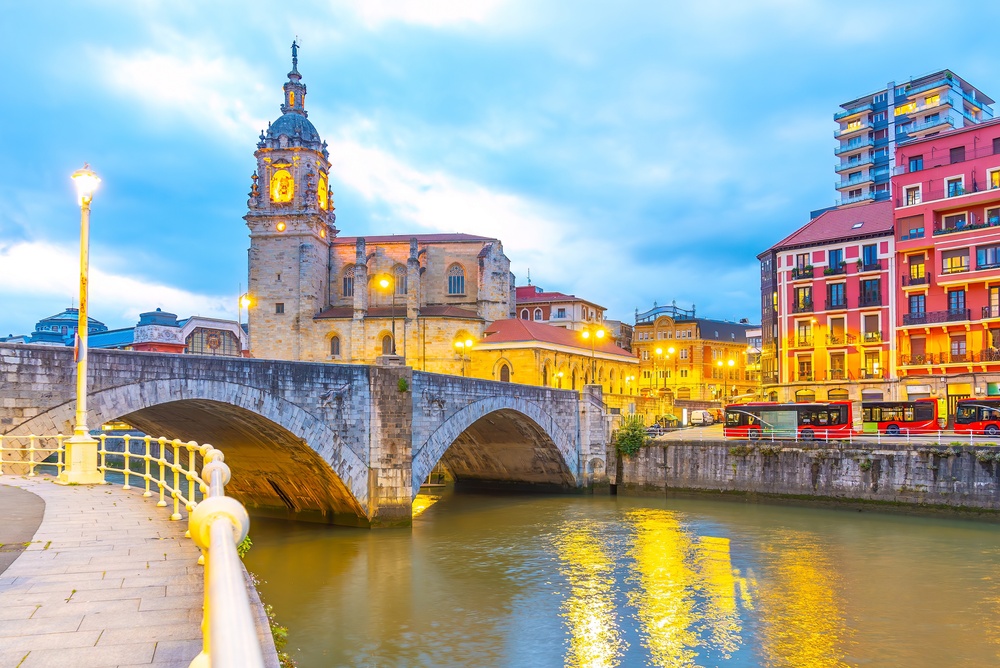
Places like Nice
Living here
Community and practical notes
The expat scene: The English-speaking community here is organized on a Riviera scale rather than a city one. The American Club of the Riviera runs coffee mornings and events that rotate between Nice, Cannes, Monaco and Cagnes-sur-Mer. The British Association of the Riviera keeps a Nice branch, and the International Club of the Riviera and the International Women's Club of the Riviera both draw from the whole coast. You inherit a network instead of building one.
Healthcare: As a legal resident you'll register with CPAM, get a carte vitale, and declare a médecin traitant, the GP who coordinates everything else. CHU de Nice is the regional university hospital and describes itself as the main general hospital provider for close to a million and a half people. Pasteur, l'Archet and Cimiez are its principal sites. Tram line 1 terminates at Hôpital Pasteur, which tells you how the city is wired. Everyone books through Doctolib.
Schools: The International School of Nice sits on rue Claude Debussy in the west of the city and teaches ages 3 to 18 in English. It's an IB World School and is also accredited by the Middle States Association, so students can finish with both an IB diploma and an American high school diploma. École Internationale Bilingue de Nice and Le Garden English Academy cover younger children, Mougins School is about half an hour west, and Lycée International Masséna runs a state-funded international section.
Remote work: Internet is $35 a month and fiber is standard in city apartments. Coworking is easy to find along the coast; Sophia Antipolis, Europe's original tech park, is about thirty minutes west if you want to sit near that world. The constraint isn't bandwidth but the clock. You're six hours ahead of New York, so afternoon calls back home land in your evening.
Limited mobility: Nice splits in two here. The flat coastal strip is genuinely good: the Promenade des Anglais gives you about four miles of wide, smooth, level pavement, trams board step-free and underground stops have lifts, and Mobil'Azur runs door-to-door trips across the metro area once you register. The city also staffs two accessible beaches, Centenaire and Carras, free through the summer, with amphibious wheelchairs and accessible showers; Carras adds sound guidance for visually impaired swimmers. The other half is harder. Vieux Nice is narrow lanes and old paving, and the residential hills, Cimiez, Mont Boron and Fabron, are steep enough that a car stops being optional. If wheels matter, live on the flat region and stay near a tram stop.
Retirement: This is a strong retirement city and the winter is why. January highs average around 56F and nights average in the low 40s, the mildest of any French city we cover. Add a flat seafront to walk, hospitals with real depth, and $3,800 a month for a couple. France has no dedicated retirement visa, so most retirees take the long-stay visitor route, which we break down on our France retirement visa page. Our guide to moving to France goes deeper on taxes and healthcare, and the retirement visa hub compares countries if you're still deciding.
Housing
Renting and buying
- 1-bed rent (center)
- $1,050–$1,300/mo
- 1-bed rent (outside center)
- $800–$1,050/mo
- Buy price (center)
- $664/sq ft
- Buy price (outside center)
- $418/sq ft
Expatsi estimates, based on rental listings, government statistics, and local reporting.
Good to know
Frequently asked questions
Is Nice wheelchair accessible?
Partly, and it depends where you live. Trams board step-free and underground stops have lifts, the Promenade des Anglais is four flat miles of smooth pavement, and two city beaches, Centenaire and Carras, run a free staffed summer service with amphibious wheelchairs. Vieux Nice's old lanes and the residential hills are the hard parts. Mobil'Azur handles door-to-door trips.
Do I need a car in Nice?
Not if you live on the flat. Trams, buses and coastal trains cover the center, the airport and the neighboring towns, and a monthly pass is about $50. You'd want a car if you settle up in Cimiez, Mont Boron or Fabron where the hills begin, or if you plan to ski, since the nearest resorts are roughly ninety minutes out.
What is the weather like in Nice?
Mediterranean, and the winter is the selling point. The annual average is 61F. January and February highs average around 56F with nights averaging in the low 40s, and summer highs average 81 to 82F. Rain totals about 31 inches a year but almost skips summer. October and November are the wettest months, and December is the darkest.
Can I retire in Nice?
Yes, and it's one of the better French cities for it. France has no dedicated retirement visa, so most American retirees use the long-stay visitor visa, which means showing stable income and private health cover for the first year. A couple lives well on about $3,800 a month. The mild winter, flat seafront and university hospital are the real draws.
Is Nice safe?
Nice scores 68 out of 100 on safety, the highest of the French cities we cover, and violent crime is rare. What's common is pickpocketing and bag-snatching, concentrated on the Promenade des Anglais, in Vieux Nice, at the markets and on crowded trams. It gets noticeably worse in peak summer. Ariane and Les Moulins carry the city's higher crime rates.
How much does it cost to live in Nice, France?
A single person needs about $2,500 a month all in, a couple about $3,800, and a family about $6,100. A one-bedroom in the center runs around $1,150, or about $950 further out. Internet is $35, a transit pass $50, and a simple restaurant meal $21. That's more than Bordeaux or Montpellier, and less than Paris.
Is it hard to find an apartment in Nice?
Harder than the price alone suggests. Nice is an officially strained housing market, and long-term stock competes with tourist rentals and second homes, so much of what you see is furnished and term-limited. Landlords want French paperwork and proof of income. Line up documents before you land, and expect to decide on a place the day you see it.
See how Nice fits your life
Take the free Expatsi Test and compare France to nearly 200 countries on what actually matters: cost, healthcare, climate, and safety. About five minutes.
Why not you?