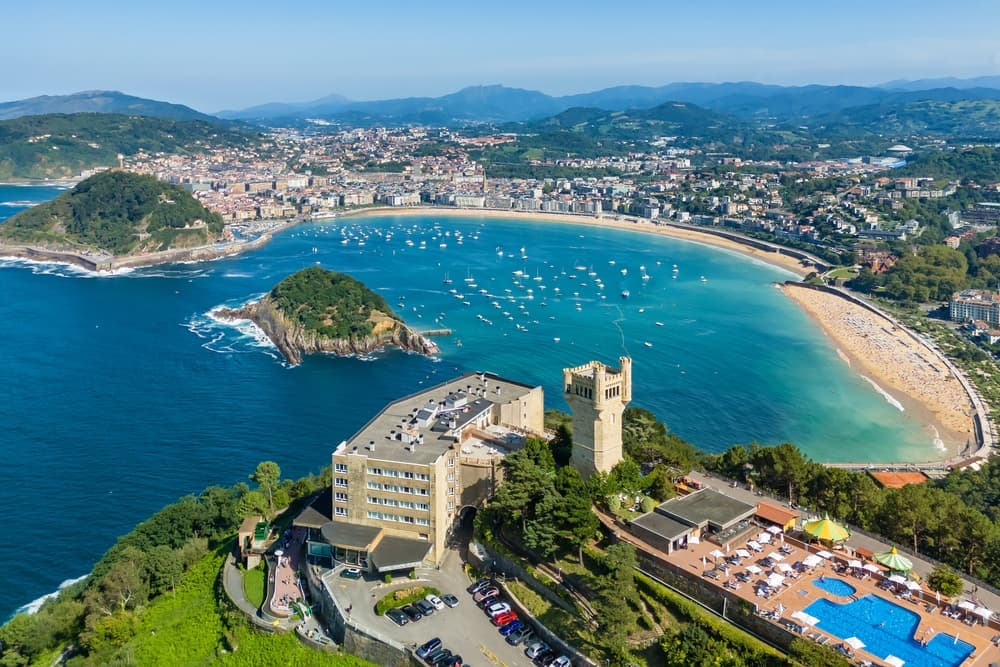
San Sebastian: Basque food and a city beach, under Atlantic skies
A walkable city of about 190,000 on the Bay of Biscay, where buses, bike lanes and your own two feet cover most of daily life.
- 189,866
- Population (2025)
- $2,500/mo
- Monthly budget · single
- 59°F / 15°C
- Avg temperature
A single person in San Sebastian spends about $2,500 a month in U.S. dollars, and most budgets in our 2026 data fall between $2,200 and $2,800. A couple needs around $3,800 and a family of four about $5,700. A one-bedroom rents for about $1,400 in the center and about $1,050 farther out. For comparison, one person gets by on about $2,300 in nearby Bilbao and about $2,600 in Madrid.
The city is the Basque coast at its most polished: a curved bay with a beach in the middle of town, a surf beach across the river, and an old town packed with pintxo bars. It suits people who plan their days around eating, the sea and long walks, and who would rather have green hills than desert sun.
Two things give people pause. Finding a long-term rental takes patience, so start looking well before your move date. And the weather is Atlantic: summers are mild and pleasant, but winters are wet and gray. November is the wettest month in our climate data.

Reviewed and updated October 1, 2026 · 4 min read
At a glance
$2,500
Monthly budget · single person
$1,400/mo 1-bed rent, center
82/100
Safety index
$35
Internet / month
59°Fannual average
Jan 48° · Aug 71°
Climate
189,866
Population (2025)
Expatsi estimates, updated Aug 2026, based on rental listings, government statistics, and local reporting.
Cost of living
What it costs to live in San Sebastian
Single person
$2,200–$2,800/mo
about 20% below Austin, TX
Couple
$3,300–$4,200/mo
about 15% below Austin, TX
Family of four
$5,000–$6,400/mo
about 30% below Austin, TX
Compared with Austin, TX (Expatsi estimate, 2026).
- $17 −15%
- Inexpensive meal
- $1,250–$1,550/mo −28%
- 1-bed rent, center
- $950–$1,200/mo −22%
- 1-bed rent, outside
- $35/mo −46%
- Internet
- $45/mo +9%
- Transit pass
- $650/sq ft ±0%
- Buy price, center
Expatsi estimates, updated Aug 2026, based on rental listings, government statistics, and local reporting.
Daily life
How San Sebastian lives
- A- grade, 78th percentile among the cities we track
- Dining & cafésstrong
- B grade, 46th percentile among the cities we track
- Arts & culturetypical
- A grade, 86th percentile among the cities we track
- Parks & outdoorsstandout
- B+ grade, 68th percentile among the cities we track
- Schools & educationstrong
- A- grade, 75th percentile among the cities we track
- Healthcare accessstrong
- A- grade, 77th percentile among the cities we track
- Bike infrastructurestrong
- A- grade, 80th percentile among the cities we track
- Public transitstrong
- B+ grade, moderate physical accessibility
- Accessibilitymoderate
Graded on OpenStreetMap amenity density relative to the 369 cities we track. Accessibility is the exception: it's graded against a fixed standard (terrain steepness and sidewalk surfaces), not a curve.
Climate
Weather through the year
Annual average 59°F (15°C) · 69 in of rain a year · Source: Meteostat station normals (08029, 1991-2020)
On the ground
Scenes from San Sebastian
Getting around
Transport in San Sebastian
Most trips here happen on foot. The city's tourism board puts walking at 45% of trips, buses at 19% and bikes at 17%. The center, the old town and the promenade around the bay are close to level, and a network of bike lanes, called bidegorris, links the neighborhoods along the river and the beaches. The city's dBizi bike share includes electric bikes for the uphill stretches.
Dbus runs the city buses and connects every part of town. Pick up a Mugi card at a newsstand or tobacconist: the same card works on Dbus, the Topo commuter train and the Lurraldebus regional buses, with free transfers. The Topo runs every 7.5 minutes through the city's districts and continues to Hendaye, just over the French border, where French trains leave for Paris. A new underground stretch through the center, with three new stations including one near La Concha, is scheduled to open in November 2026. Renfe trains from the main station reach Madrid and Barcelona.
For flights, San Sebastian's own airport sits about 12 miles (20 km) away, with flights to Madrid and Barcelona. Biarritz, in France, is about 28 miles (45 km) away, and Bilbao about 65 miles (105 km). Both have international routes.
You can skip the car for daily life. It earns its keep for trips into the hills and along the coast, but the center has been a low emission zone since 2025. Cars without a Spanish environmental label are kept out, B-label cars join the ban in 2028, and foreign-plated cars have to be registered online before they enter.
- 53/sq mi
- Transit stops
- 39/sq mi
- Bike infrastructure
- 94/sq mi
- Wheelchair-accessible places
Mapped features per square mile from OpenStreetMap.
Keep exploring
Places like San Sebastian
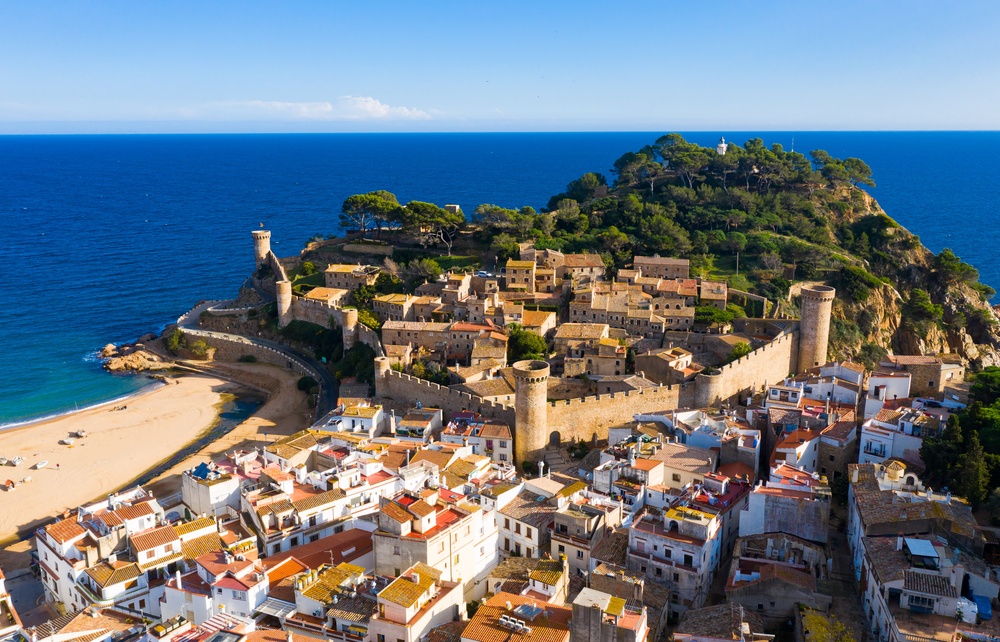
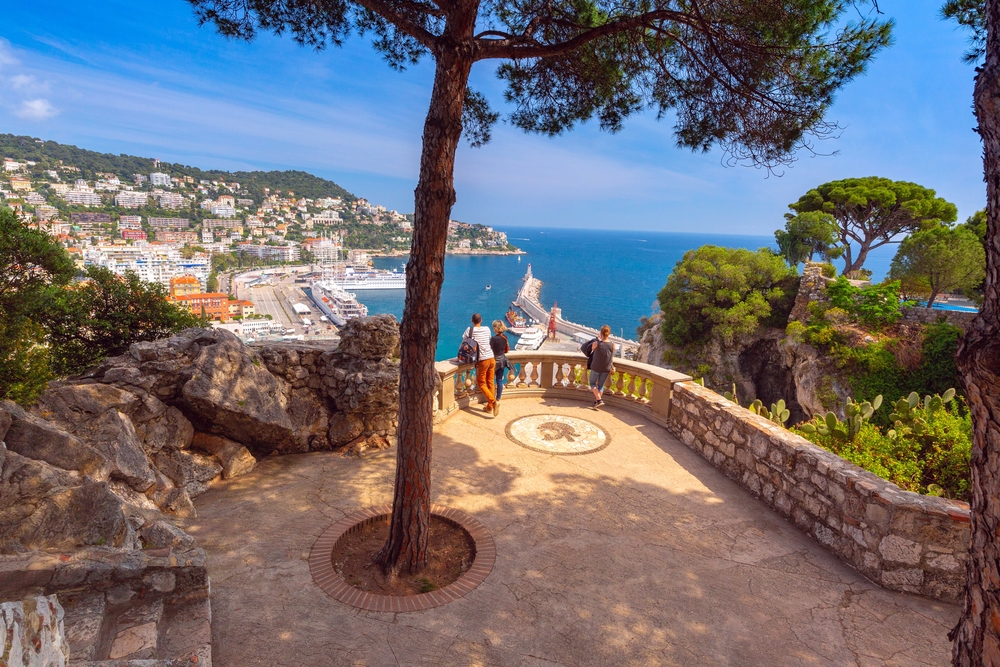
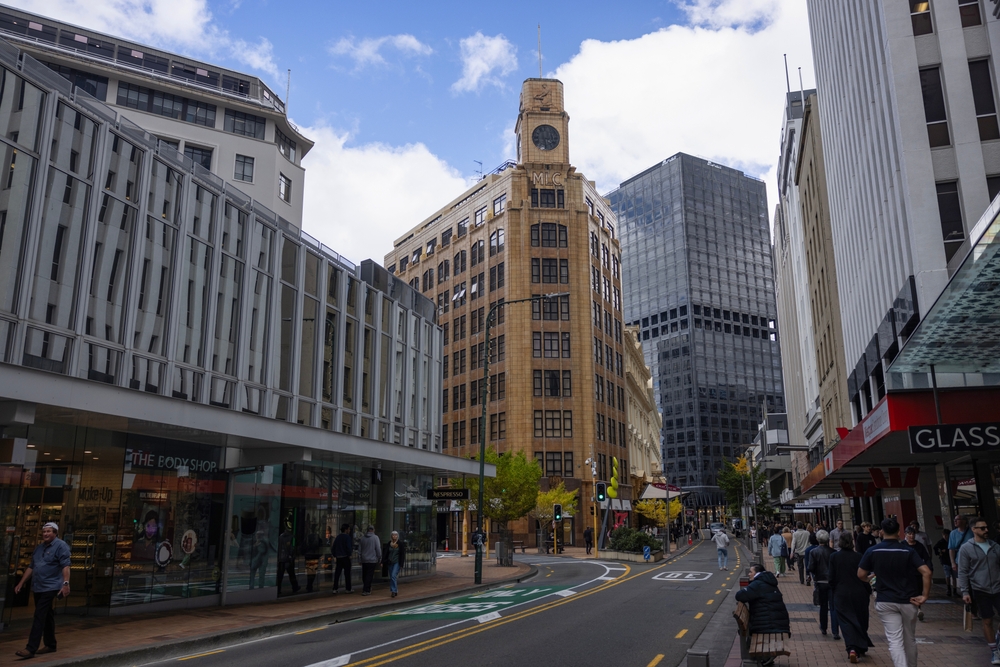
Community
Community & practical notes
Who you'll meet: This is a Basque city first. A 2021 count put the number of Basque speakers living here at about 81,000, and a city survey that year heard Basque in about 15% of street conversations. Spanish is what you'll use with landlords, doctors and the town hall, so it pays to learn it before you arrive. Don't expect a large American enclave. Most newcomers build a social life through language exchanges, surf and sports clubs, and the regulars at their local pintxo bar.
Healthcare: Osakidetza, the Basque public health service, runs Hospital Universitario Donostia, the reference hospital for the whole province of Gipuzkoa, with about 1,000 beds. Most Americans arrive on a visa that requires private health insurance, so budget for a policy from day one. Public coverage comes later, through a job that pays into Spanish Social Security or, after a year on the padrón, the paid convenio especial.
Limited mobility: Good on the flat, harder on the slopes. The center, the old town and the promenades along La Concha and Zurriola are close to level, and every Dbus bus is low-floor with a ramp and space for wheelchairs. Adapted taxis make up 6.8% of the city's fleet, above its 5% minimum. The tourism board runs a separate accessibility site listing step-free routes and adapted restaurants. The limits are the hills: Urgull, Igueldo and Ulia rise around the bay, and several residential areas sit on steep ground, so check the gradient before you pick an address outside the center.
Working online: Home internet runs about $35 a month in our data. Most Americans here work remotely for U.S. employers, and Spain's digital nomad visa is built for that.
Retiring here: The flat center, a major public hospital and the food make San Sebastian worth a look for retirees whose income fits the budget. The usual route is Spain's non-lucrative visa, which asks for passive income and private health insurance. One wrinkle: Gipuzkoa runs its own tax system, separate from the rest of Spain's, so get cross-border tax advice before you commit. Compare your retirement visa options or start with our Spain guide.
Housing
Renting and buying
- 1-bed rent (center)
- $1,250–$1,550/mo
- 1-bed rent (outside center)
- $950–$1,200/mo
- Buy price (center)
- $650/sq ft
- Buy price (outside center)
- $460/sq ft
Expatsi estimates, based on rental listings, government statistics, and local reporting.
Good to know
Frequently asked questions
How much does it cost to live in San Sebastian?
About $2,500 a month covers one person in San Sebastian, based on 2026 figures in U.S. dollars, with most single budgets between $2,200 and $2,800. Day to day, an inexpensive restaurant meal runs about $17 and a monthly transit pass about $45. Rent is the biggest line in any budget here.
Is San Sebastian safe?
Yes. San Sebastian scores 82 out of 100 on the safety index we track, with a crime index of 18, which points to low crime. The usual city precautions still apply in crowded bars and on busy summer evenings in the old town.
Is San Sebastian more expensive than the rest of Spain?
It sits near the top of the Spanish cities we track. One person spends about $2,500 a month in San Sebastian, compared with about $2,300 in Bilbao and about $2,600 in Madrid, in 2026 U.S. dollars. Housing drives most of the difference.
What is the weather like in San Sebastian?
Mild and wet. San Sebastian gets about 69 inches (1,744 mm) of rain a year. August brings average highs near 78F, while January averages highs near 56F and lows near 41F. Winters are the grayest part of the year.
Do you need a car in San Sebastian?
Not for daily life. City buses reach every part of town, the Topo commuter train runs to the French border, and the flat center is easy on foot or by bike. A car helps for trips into the countryside, but the center is a low emission zone, and foreign-plated cars must be registered online before they enter it.
Do you need to speak Basque to live in San Sebastian?
No. Everyone speaks Spanish, and it's the language you'll need for daily life and paperwork. Basque is widely spoken, though: a 2021 city survey heard it in about 15% of street conversations. Learning a few Basque greetings goes over well.
Can Americans retire in San Sebastian?
Yes. Most American retirees move on Spain's non-lucrative visa, which requires passive income and private health insurance and doesn't allow local work. Gipuzkoa, the province around San Sebastian, runs its own tax system, so get cross-border tax advice before you move.
Is it hard to find an apartment in San Sebastian?
Yes, it takes time. Idealista counted 42% fewer long-term rental listings in the city over the year to September 2026. San Sebastian has also closed its residential areas to new tourist apartments to keep homes for residents. Start your search early, and consider neighborhoods outside the center.
See how San Sebastian fits your life
Take the free Expatsi Test and compare Spain to over 100 countries on what actually matters: cost, healthcare, climate, and safety. About five minutes.
Why not you?