Moving to Botswana guide
Moving to Botswana: what Americans need to know in 2026
A steady democracy with the Okavango on its doorstep, but a permit system that runs on job offers. Here's who it works for, what it costs, and the paperwork in order.
Botswana rewards people who arrive with a job offer, a business plan or a school place. Retirees and remote workers can make it work too, but there's no visa built for them. This guide lays out the real costs, the permits, and the catches before you commit.

Reviewed and updated September 27, 2026 · 13 min read
01 · The case for Botswana
What draws people to Botswana, and what sends them home
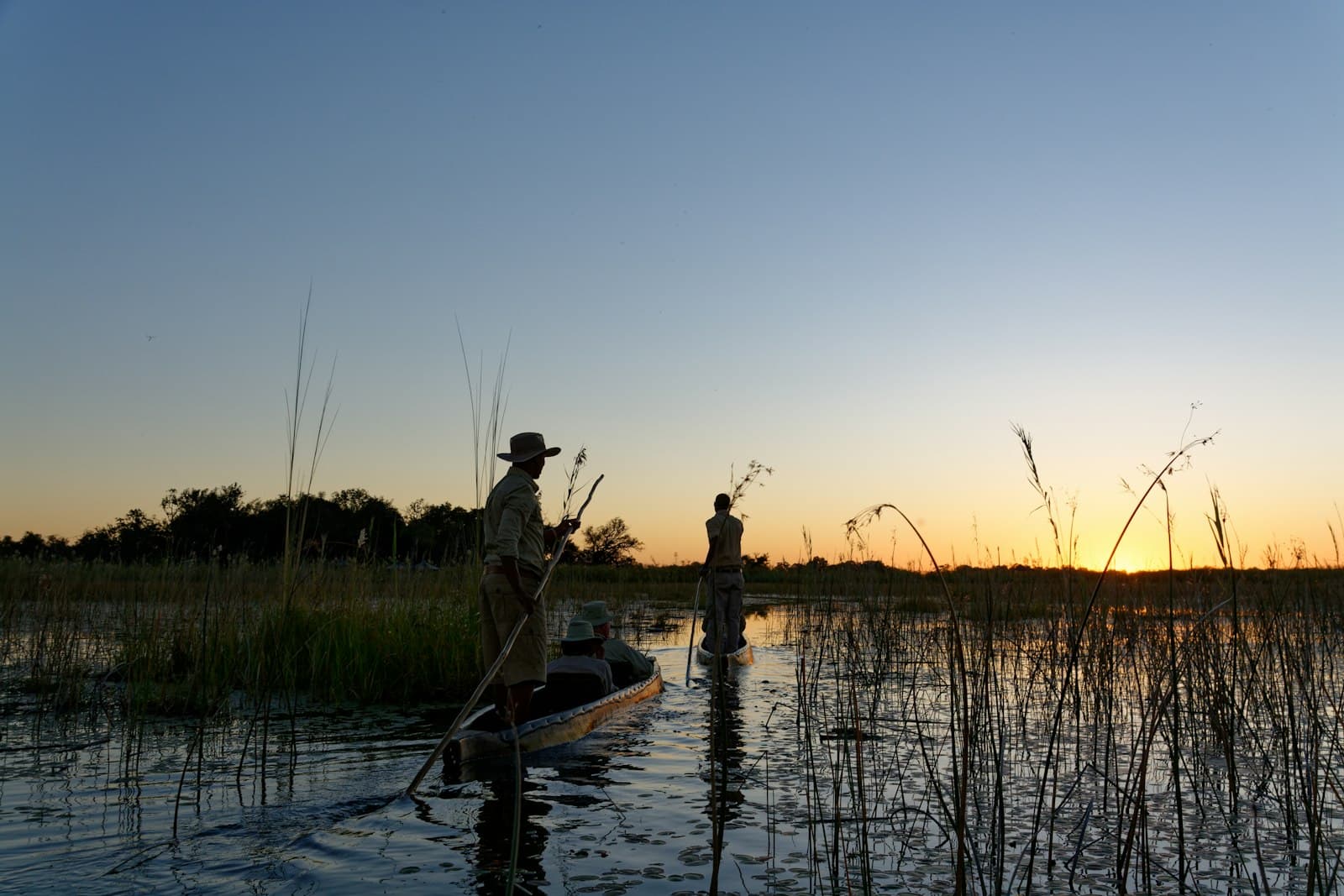
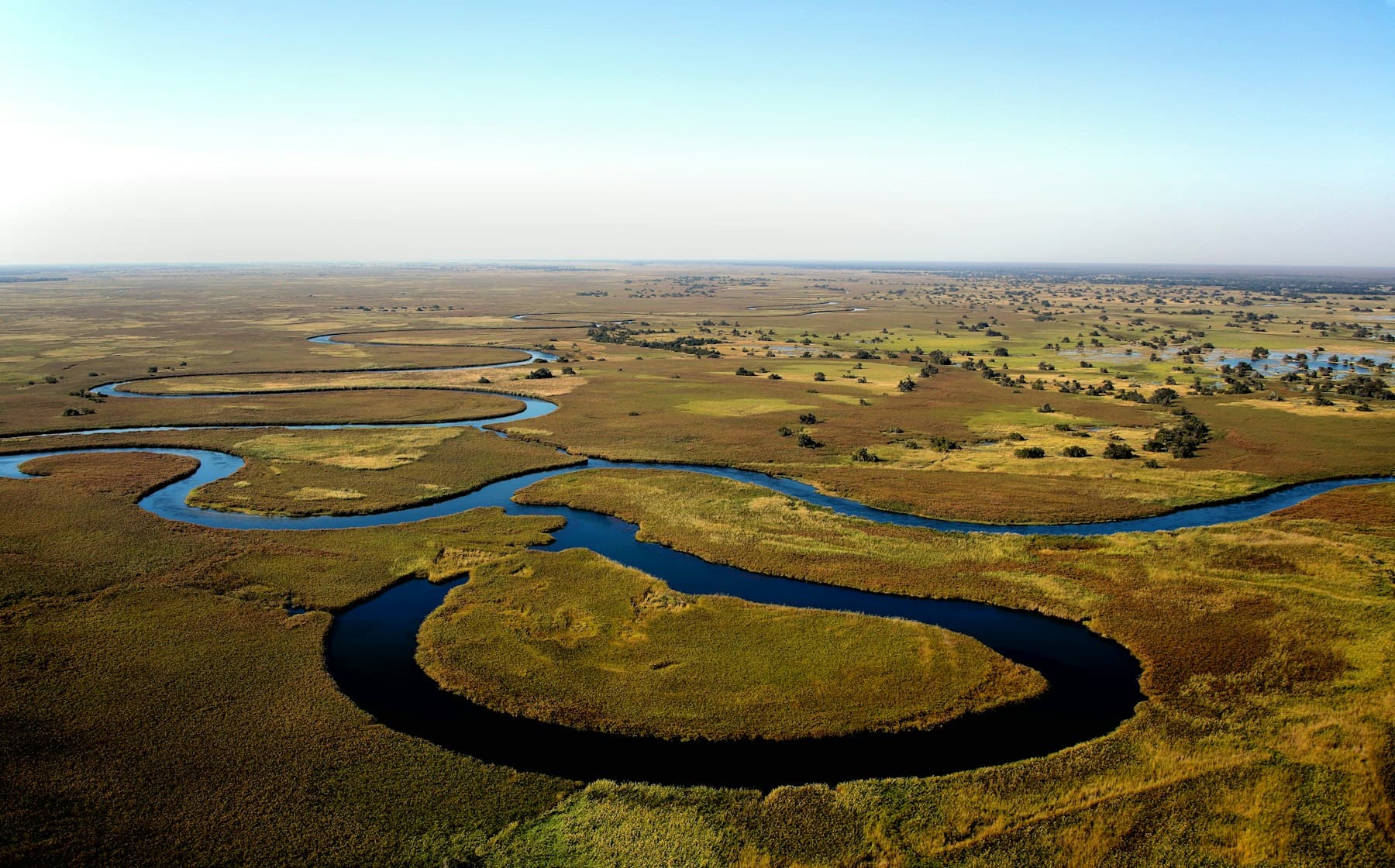
Botswana doesn't show up on many move-abroad shortlists, and for the people who do move there, that's part of the appeal. It's a country of about 2.6 million people spread across a lot of open land, with the Kalahari covering much of it and the Okavango Delta and the Chobe River in the north. Most Americans who move here come for a specific reason: a job with a mining company, an NGO or a safari operator, a business, a school, or a partner who's from here.
The politics are steady. In the 2024 election, voters handed power to the Umbrella for Democratic Change, which won 36 seats to four for the Botswana Democratic Party, the party that had governed since independence. The old guard stepped aside and a new government formed. For someone weighing a long stay, that peaceful handover says a lot about how the country works.
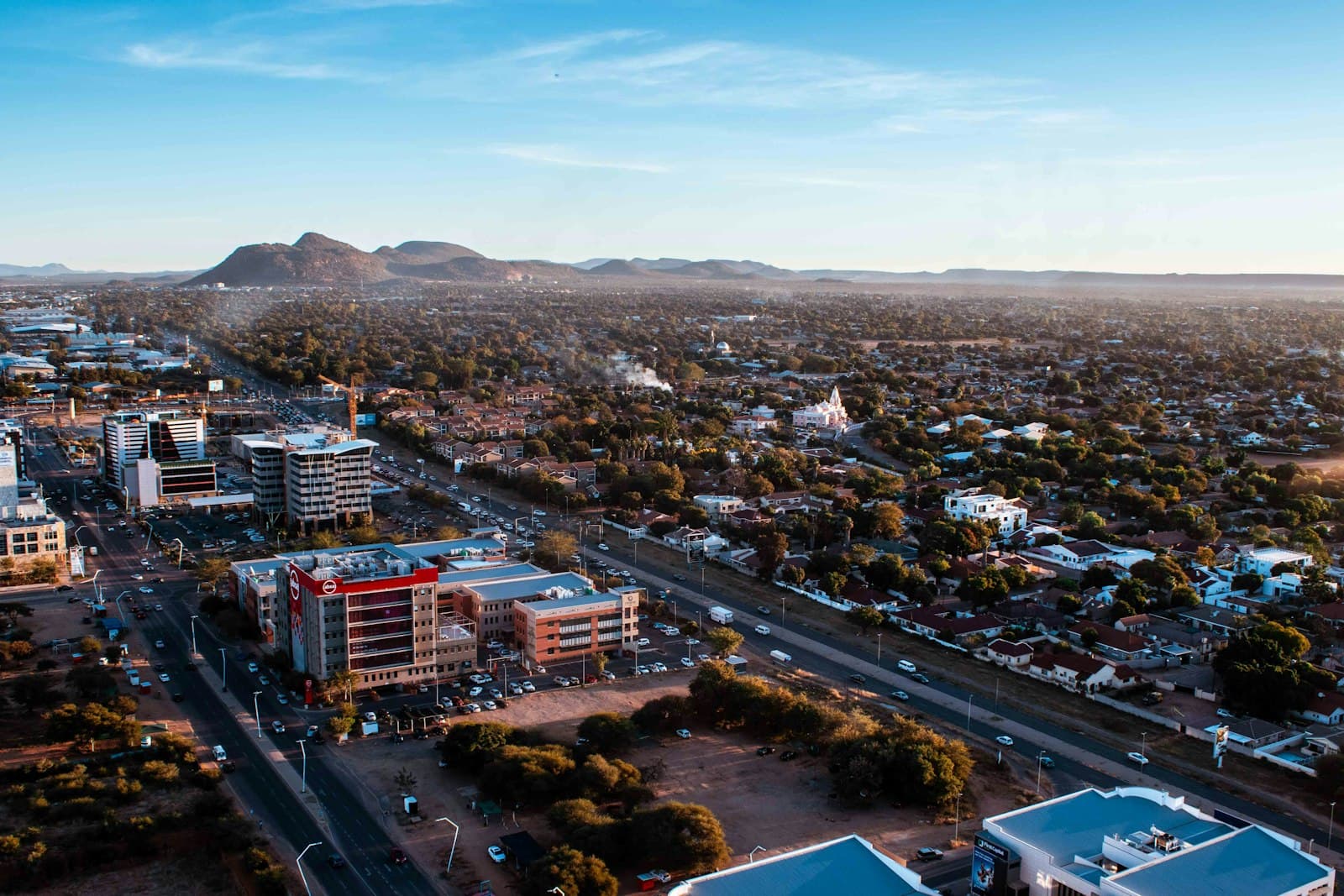
Day to day, English gets you a long way. Our data scores English proficiency at 80 out of 100, and you'll use it at the bank, the clinic and the immigration office. Gaborone, the capital, sits outside the malaria zone, while the wild north, where the risk is, stays close enough for long weekends.
Botswana has also moved on LGBTQ rights. Courts struck down the ban on same-sex relations in 2019, the Court of Appeal upheld that ruling in 2021, and the Penal Code was formally amended in March 2026. Same-sex marriage isn't recognized, and the State Department notes that gay and lesbian people still face discrimination, especially in villages and rural areas.
Here's the catch
Four things rule Botswana out for a lot of Americans, and it's better to know them now.
The permit system is built around jobs. There's no retirement visa or digital nomad visa. You can stay 90 days visa-free; after that you need a residence permit, usually paired with a work permit your employer backs. Retirees can apply as self-supporting immigrants, but the government publishes no income figure, leaving no clear bar to aim for.
Jobs go to citizens first. Before an employer can hire you, the job has to be advertised for at least 14 days, open only to Batswana citizens. With unemployment up to 25.9%, expect that rule to stay firm.
The economy is under strain. Diamonds make up over 70% of exports and around a third of government revenue, so the global slump hit hard. Real GDP is estimated to have shrunk about 1% in 2025, with a budget deficit near 7.56% of GDP. That puts pressure on public services and hiring.
Citizenship means giving up your U.S. passport. Naturalization takes 10 years of residence, and you must renounce your other citizenship first. A new investor citizenship law allows dual nationality, but as of September 2026 it still isn't taking applications.
It's also a long way from home. There are no direct flights from the U.S., so nearly every trip connects through Johannesburg, and crime is a real factor that we cover below.
Still interested? The rest of this guide covers costs, permits, healthcare, taxes, and the people who can help.
- Cost of living (single)
- $800/mo
- Safety index
- 55/100
- English proficiency
- 80/100
- Internet speed
- 25 Mbps
- Capital
- Gaborone
- Currency
- Botswana Pula (BWP)
02 · The numbers
A month in Botswana, line by line
$1,500
Monthly budget, couple
comfortable, all in
$800
Monthly budget, single
comfortable, all in
$2,500
Monthly budget, family
housing included
$250
Rent, 1-bed city center
$150 outside center
$8
Inexpensive meal out
local restaurant
$28
Monthly transport
most people drive
$71
Home internet, monthly
about 25 Mbps
55/100
Safety index
moderate crime
Where the money goes
Our data puts a comfortable month in Botswana at about $1,500 for a couple, $800 for one person and $2,500 for a family, as of 2026. A simple meal out runs about $8, a month of transport about $28, and a one-bedroom apartment averages $250 in a city center or $150 further out.
Those averages hide a wide range. In Gaborone, our city data shows rents from about 3,000 to 8,000 pula a month, roughly $220 to $590 at September 2026 exchange rates. Maun, the tourism hub for the Okavango, runs 2,000 to 5,000 pula, and Francistown 2,500 to 6,000 pula.
Internet is the line that surprises people: about $71 a month in our data, for speeds around 25 Mbps. Budget for backup power and water storage, too. In April 2025, power outages in greater Gaborone cut water supply because many neighborhoods rely on electric pumps.
Two more costs to plan for. Botswana charges 14% VAT on most purchases. And if you buy a home, non-citizens pay 10% transfer duty on property up to 2 million pula (about $147,000) and 15% above that.
Local pay is the other half of the math. The general minimum wage is 9.06 pula an hour, about 67 cents, so a local salary rarely makes the numbers work for an American. Plan on bringing your income with you or landing an expat package with housing built in.
The budget works. The permit is the hard part.
On a U.S. pension or savings, Botswana's living costs are manageable. The trouble is that the immigration system has no lane built for you. The residence permit for people who aren't working asks for proof of support and a bank statement, costs 1,500 pula (about $110) and lists 30 working days, but there's no published income floor to plan around. Here's how each path works in practice.
03 · Permits and paths
How Americans stay longer than 90 days
Botswana doesn't have the long menu of named visas you see in Europe. Nearly everyone who stays long term holds a residence permit from the Department of Immigration and Citizenship. Anyone earning money in the country also needs a work permit, filed at a Labour Office. What changes from person to person is what backs the application: a job, a business, a school or your own savings.
Visiting first: 90 days, no visa
Americans don't need a visa for tourist or business stays of up to 90 days. Bring a passport with six months of validity beyond both your arrival and departure dates, plus three blank pages. The 12-page U.S. emergency passport isn't accepted. A scouting trip on these terms is the easy part.
Retiring or living on your own money
There's no retirement visa. The route is a standard residence permit in the immigrant category, for people who won't be working. You file Form 15 and Form 3, the medical report, and show proof of support plus a bank statement. The fee is 1,500 pula (about $110), and the government lists 30 working days. What it doesn't list is a minimum income or savings figure, so a local lawyer's read on what the office accepts right now is worth paying for. Remote workers sit in the same gray zone: there's no nomad visa, and no official guidance says a residence permit covers working for a U.S. employer from Botswana.
Taking a job
This is the path the system is built for, and your employer carries most of it. Before hiring you, the employer must advertise the job for at least 14 days, open only to Batswana citizens. Then you file a work permit at a Labour Office with your contract, qualifications (translated into English), CV and passport copies, alongside the residence permit. The government lists 14 working days for the work permit. Through the embassy in Washington, the fee is $165 and processing takes at least 21 working days. Medical, teaching, accounting, aviation and sports jobs also need clearance from the relevant professional body. Guides report permits are often granted for six months and then extended, and renewals must be filed six months before expiry, so the paperwork never fully stops.
Running a business or investing
Investors go through the same work permit process, adding bank statements, a lease and company registration documents. Choose the business carefully: the Trade Act reserves 13 activities for citizens, including car washes, hairdressers, takeaway food, general dealers and gas stations. The payoff comes later because investors can apply for permanent residence before the usual five years.
Studying
Students file a residence permit with an admission letter and proof that fees are paid, at the same 1,500-pula fee.
Bringing a spouse or kids
Family members get residence as your dependents, but anyone over 18 has to file their own application, backed by the person they depend on. A spouse on an accompanying dependent permit can't work without a work permit of their own, which is a real constraint for two-career couples.
Staying for good
After five years of continuous lawful residence you can apply for permanent residence. The fee is 3,000 pula (about $220), and the government lists 56 working days. Citizenship takes 10 years of total residence, including the 12 months right before you apply, costs 1,000 pula and takes about a year. Here's the part that matters for Americans: you must renounce your foreign citizenship before the naturalization certificate is issued.
The investor passport that isn't open yet
In December 2025, Parliament approved a Citizenship Amendment Bill that lets high-end investors hold Botswana citizenship alongside another one, with a contribution advertised at $75,000 to $90,000. Investor citizens wouldn't get full rights, such as voting. The law has received assent, but as of September 2026 the program was still closed to formal applications while regulations are finished. Registering interest isn't applying, so don't send money to anyone until the government opens it.
Work Visa
The main route, and your employer drives it
Your employer advertises the role to citizens first for 14 days. Then you file a work permit at a Labour Office alongside your residence permit.
- Passport valid for at least 6 months
- Passport-sized photo
- Proof of return travel (e.g., round-trip ticket)
Investor Visa
The same permits, backed by your own capital
File a work permit with bank statements, a lease and company papers. Thirteen activities are reserved for citizens, so check yours first.
- Passport valid for at least 6 months
- Passport-sized photo
- Proof of return travel (e.g., round-trip ticket)
Student Visa
A residence permit tied to your enrollment
Apply with your admission letter and proof that your fees are paid.
- Passport valid for at least 6 months
- Passport-sized photo
- Proof of return travel (e.g., round-trip ticket)
04 · The practical stuff
Doctors, taxes, money and the drive on the left
The questions that come up once the permit is sorted, answered straight.
Healthcare
Care in the major towns is typically good, and expats use the private system. Life Gaborone Private Hospital, for example, has 132 beds and 4 operating theaters, with oncology, neurosurgery, MRI and dialysis. Two things catch Americans off guard. Private hospitals often want payment up front or proof of good insurance before they'll treat or admit you. And serious cases are commonly evacuated to South Africa, while care thins out fast outside the cities.
That's why international health coverage with medical evacuation is the setup to aim for. ExpatInsure, Expatsi's health insurance partner, can match you with a plan, and healthcare coach Hunter Schultz, who has a background in air medical transport, can help you plan care around where you'll live. For an ambulance, dial 997.
Malaria is a regional issue, not a national one. Gaborone is risk-free. The risk sits in the north and parts of the center and east, including the Okavango and Chobe areas, mainly from November to June. If you're heading to Maun or Kasane, see a travel doctor first.
Taxes
You generally become tax resident once you spend 183 days or more in Botswana in a tax year, or the year before. Botswana taxes income with a Botswana source, but residents' foreign interest counts as taxable income too. Expat employees are taxed on salary and overseas allowances wherever they're paid. At current rates, the first 48,000 pula (about $3,500) is taxed at 0%, and the top rate is 25% on income above 156,000 pula (about $11,500).
The U.S. keeps taxing you as a citizen, and Botswana isn't on the IRS list of income tax treaty countries. That makes getting the Foreign Earned Income Exclusion and foreign tax credits right more important. MyExpatTaxes, one of our partners, makes software for filing U.S. returns from abroad.
Money and banking
The pula is managed against a basket of the South African rand and the IMF's special drawing right, with small, gradual adjustments. In late September 2026, a dollar bought about 13.6 pula. Declare cash over 10,000 pula when you enter or leave. For rent and bills, Moneycorp, our currency partner, moves dollars at better rates than a typical bank and can lock a rate in advance.
Safety
The State Department rates Botswana Level 2, exercise increased caution. Petty theft is common, and so are home invasions, break-ins, muggings and smash-and-grabs from vehicles. Treat security as part of the rent: a place with solid locks, walls and a response service is worth paying more for.
Getting there and around
Gaborone has direct flights to 9 airports in 4 countries and none to the U.S. or Europe. Johannesburg is the main link, with about 319 flights a month on that route alone. Botswana drives on the left, you'll need an international driver's license, and the clocks stay on UTC+2 all year, which puts you six to seven hours ahead of Eastern, by season.
Bringing pets
Dogs and cats need a rabies shot and a wait of at least 30 days after the first vaccination, and they must fly into Sir Seretse Khama International Airport in Gaborone in IATA-compliant crates. Pets coming from outside southern Africa also need an import permit. Bodzin Pet Travel Solutions can plan the whole paperwork trail for you.
This guide is dated on purpose
Everything here reflects the rules as of September 2026. The investor citizenship program, permit fees and Botswana's economy are all in motion, and government pages don't always show when they were last updated. Before you file anything, confirm the current requirements with the Department of Immigration and Citizenship or a licensed professional.
05 · Picking a base
Capital, delta or border town
Most people moving for work end up in Gaborone. It's the economic and administrative hub, it sits outside the malaria zone, and the freehold areas in and around it, like Phakalane, are where foreigners can buy property. One trap to know about: nearby villages such as Tlokweng and Mogoditshane count as tribal land, and foreigners can't buy there even though they feel like suburbs.
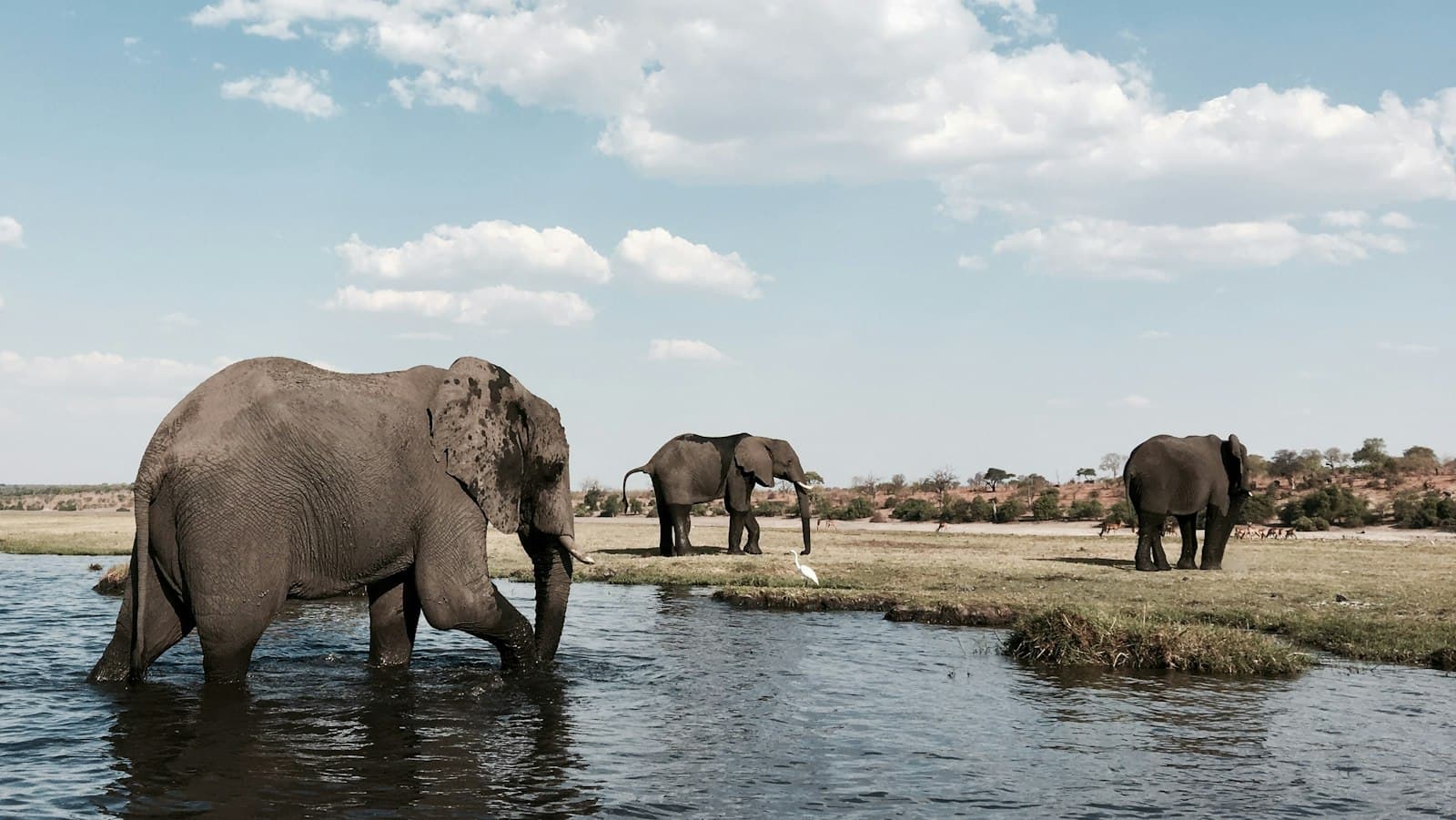
Francistown, the second city, is the practical choice for mining work and for the northeast, with an easy run to the Zimbabwe border. Maun is the gateway to the Okavango and lives on tourism, and Kasane sits beside Chobe National Park near the borders with Namibia, Zambia and Zimbabwe. Both are a different kind of life: smaller, wilder, and inside the malaria zone.
We're still building our Botswana city guides. As each one goes live, it appears below with local costs, neighborhoods and details.
Botswana city guides
Maun
Okavango gateway town
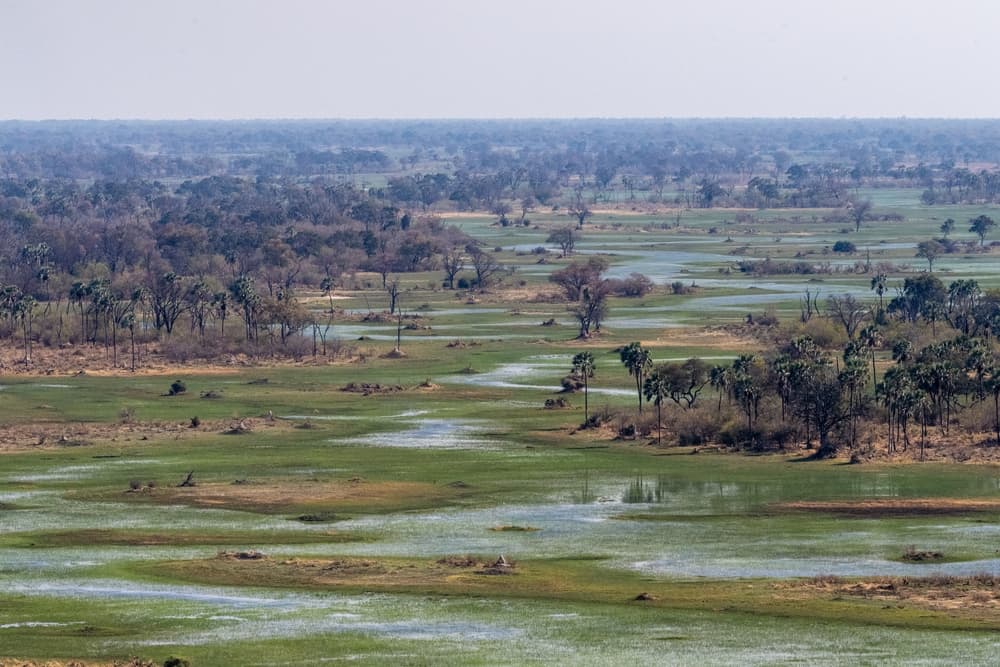
A sandy, low-slung safari town on the Thamalakane River where most expats work in tourism or conservation. Planes buzz overhead to the Delta camps, and elephants wander through the outskirts. Services are thin, so bigger medical needs mean Gaborone or South Africa.

Francistown
Northern working town
A mining and trading hub on the road to Zimbabwe, practical rather than pretty, with malls, private clinics and the Tati River nearby. It suits people with a job here. Visitors and retirees will find far less to do than in Gaborone or Maun.
06 · You don't do this alone
People who can help with the move
Botswana doesn't have a big relocation industry, so it pays to line up help early. These are Expatsi-vetted partners for the parts of the move that don't hinge on a local office: health coverage, money, U.S. taxes, pets, shipping, and settling into a new culture. For the permits themselves, your employer or a Botswana-registered lawyer usually handles the filing.

Hunter Schultz
Healthcare Coach
A healthcare coach with more than 20 years of expat living and a background in air medical transport. His one-hour consultation maps out a care plan for your destination, including where you'd go for serious treatment.
Learn more
ExpatInsure
Global Health Insurance
Expatsi's international health insurance partner, led by Andy Seale and Stephanie Edwards. They connect you with a plan that fits where you'll live, and for Botswana that means asking about medical evacuation.
Learn more
Moneycorp
Currency Exchange
A currency and international payments firm working since 1979, with Kelly Cutchin as the U.S. contact. Setup is free, every client gets a dedicated specialist, and you can lock an exchange rate for up to two years.
Learn more
MyExpatTaxes
U.S. Expat Tax Service
Software built for Americans filing U.S. taxes from overseas, running since 2018. Handy when there's no tax treaty to lean on and your exclusions and credits have to be right.
Learn more
Bodzin Pet Travel Solutions
Pet Relocation
A pet travel advisory and concierge service led by founder Aliza Bodzin. They plan the trip for your dog or cat, from the vet paperwork to the flight.
Learn more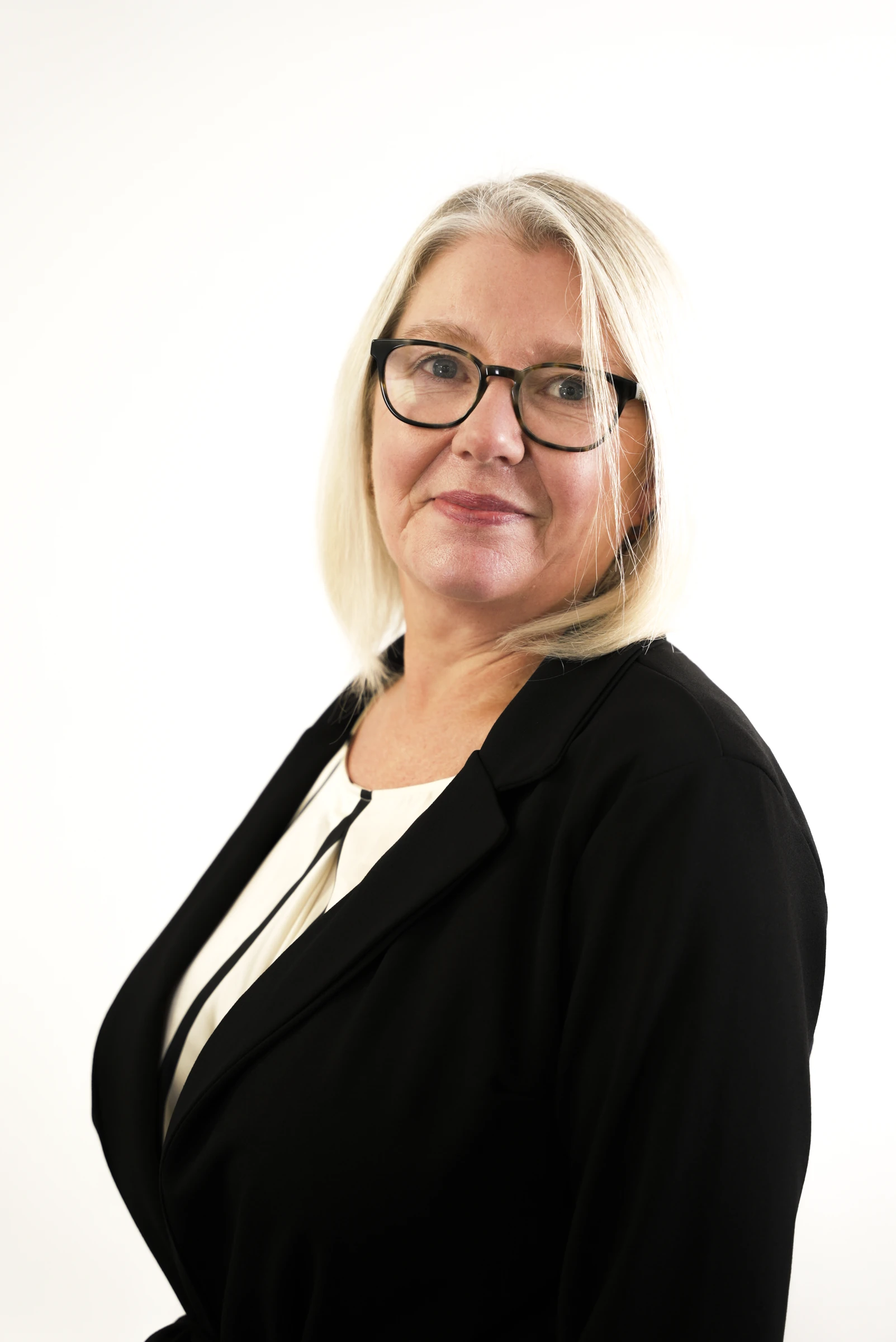
Aqua Moving Services
Worldwide Shipping and Moving Service
International movers in the Clearview Group. One survey of your belongings produces three quotes from vetted global moving partners, so you can compare prices before anything ships.
Learn more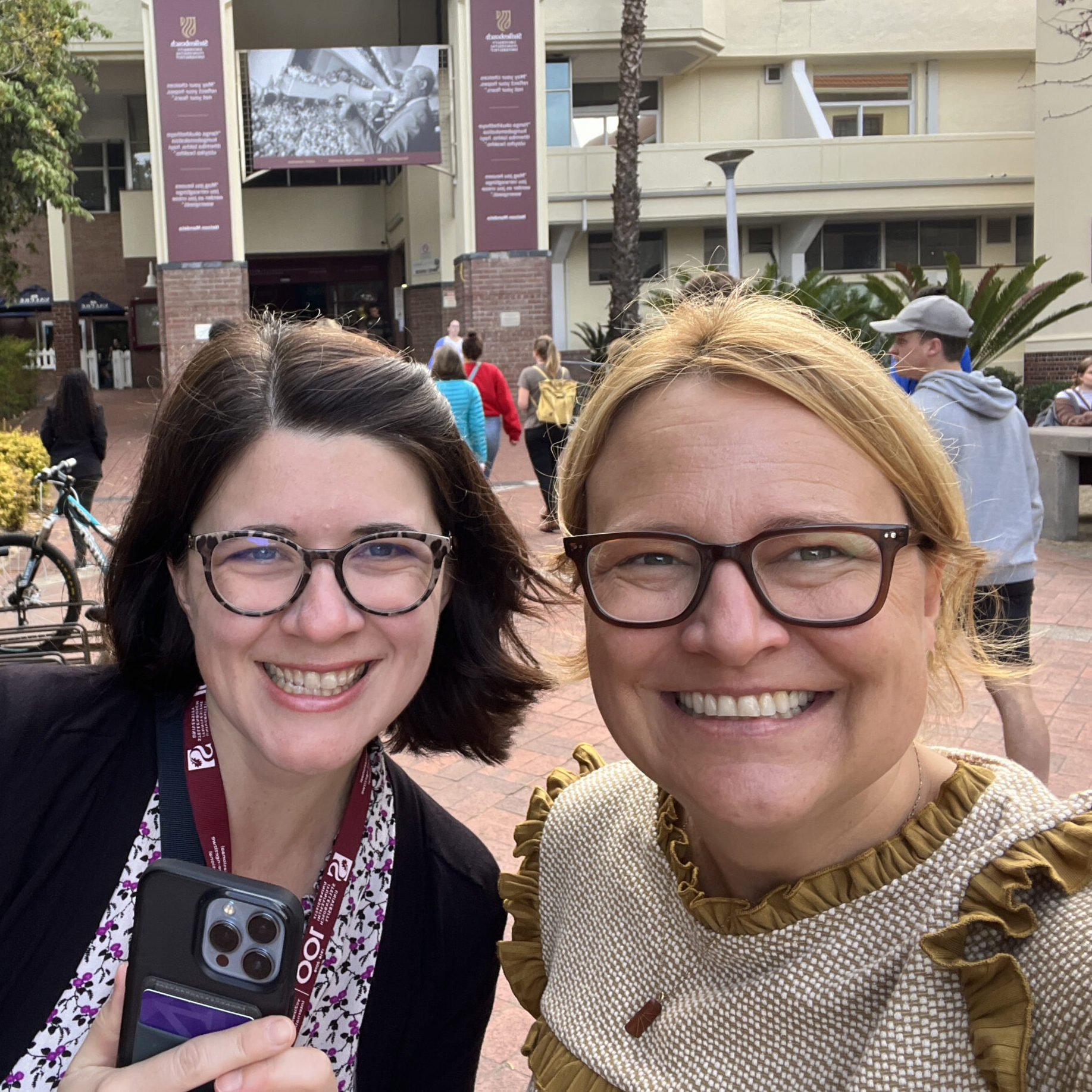
Culturosity Co.
Cultural Skills Coach
Co-founders Jennifer and Janka run intercultural training for individuals and groups. Their one-on-one coaching helps you adjust to a new culture and build a life there faster.
Learn more07 · Quick answers
Moving to Botswana: frequently asked questions
Does Botswana have a retirement visa?
No. Botswana has no dedicated retirement visa. Retirees apply for a standard residence permit as self-supporting immigrants, showing proof of support and a bank statement. The government fee is 1,500 pula (about $110 as of September 2026), and the listed processing time is 30 working days. No minimum income figure is published.
Is Botswana safe for Americans?
It's politically stable, but crime is a real concern. As of June 2026, the U.S. State Department rates Botswana Level 2, exercise increased caution. It reports that petty theft is common and that home invasions, break-ins, muggings and smash-and-grabs from vehicles are also common. Gaborone is outside the malaria zone, but parts of the north are not.
Can I work remotely from Botswana for a U.S. company?
There's no clear legal route for it. Botswana has no digital nomad visa, and no official guidance says a residence permit covers remote work for a foreign employer. Visa-free stays of up to 90 days are for tourism and business visits. If you plan to live in Botswana and keep a remote job, get advice from an immigration professional before you go.
How much does it cost to live in Botswana?
Expatsi's 2026 data puts a comfortable monthly budget at about $1,500 for a couple, $800 for a single person and $2,500 for a family. A one-bedroom apartment averages about $250 a month in a city center and $150 outside it, while rents in Gaborone run from about 3,000 to 8,000 pula a month.
Can I keep U.S. citizenship if I become a citizen of Botswana?
Not through regular naturalization. It requires 10 years of total residence, including the 12 months before you apply, and you must renounce your foreign citizenship before the certificate is issued. A law passed in December 2025 allows dual citizenship for investors, but as of September 2026 that program still wasn't accepting applications.
Can Americans move to Botswana?
Yes, but most do it through a job. U.S. citizens can visit for up to 90 days without a visa. Staying longer means a residence permit from the Department of Immigration and Citizenship, and anyone earning money in Botswana also needs a work permit. For a local job, the employer must first advertise the role to Botswana citizens for at least 14 days.
How long can a U.S. citizen stay in Botswana without a visa?
Up to 90 days for tourism or business. You need six months of passport validity beyond both your arrival and departure dates and three blank pages. Botswana doesn't accept the 12-page U.S. emergency passport for visa-free entry.
Do Americans pay taxes in Botswana?
If you become tax resident, generally by spending 183 days or more there in a tax year, Botswana taxes your Botswana-source income and some foreign income, such as interest. Resident rates run from 0% on the first 48,000 pula to 25% above 156,000 pula. The U.S. still taxes you as well, and there's no U.S.-Botswana income tax treaty.
Sources
- Botswana International Travel Information · U.S. Department of State (checked September 2026)
- Residence Permit Application · Government of Botswana (checked September 2026)
- Work Permit Application · Government of Botswana (checked September 2026)
- Permanent Residence Application · Government of Botswana (checked September 2026)
- Citizenship Application: Naturalization · Government of Botswana (checked September 2026)
- Residence and work permit applications · Embassy of the Republic of Botswana, Washington, D.C. (checked September 2026)
- Botswana: Taxes on personal income · PwC Worldwide Tax Summaries (checked September 2026)
- Botswana confronts diamonds slump · Botswana Daily News (checked September 2026)
- Citizenship programme stalls before launch · Botswana Gazette (checked September 2026)
- BTI 2026 Country Report: Botswana · Bertelsmann Stiftung (checked September 2026)
Is Botswana your kind of move?
Take the free Expatsi Test and compare Botswana with other countries on the things that decide a move: cost, healthcare, climate and safety.
Why not you?