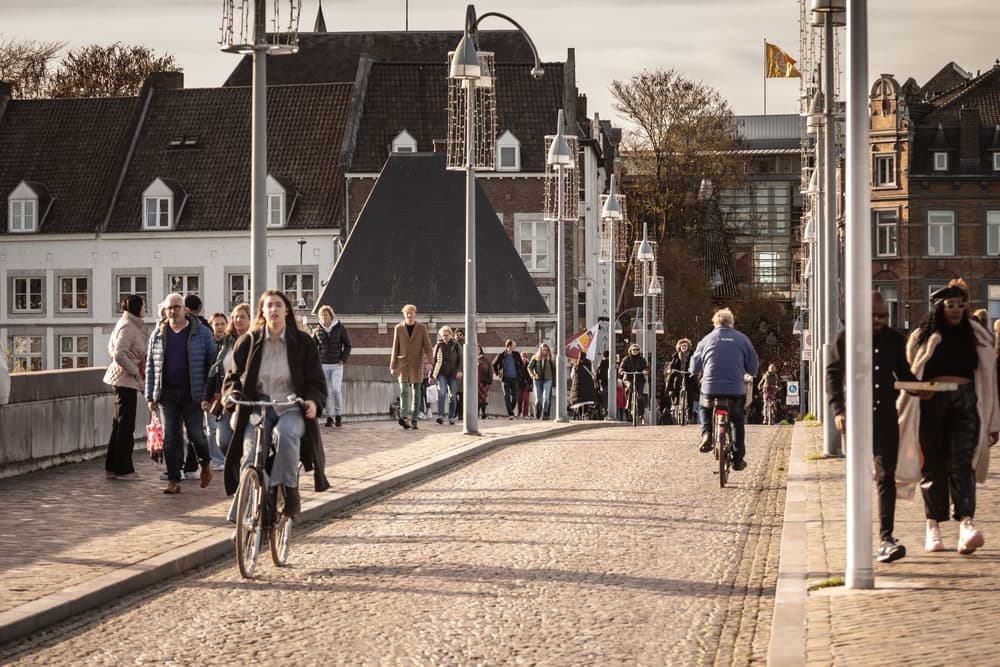
Maastricht: Dutch life with Belgium and Germany next door
A university city of about 120,000 on the Maas, with trains to Liège and Aachen and a much gentler housing bill than Amsterdam.
- 120,227
- Population (2021)
- $2,600/mo
- Monthly budget · single
- 51°F / 11°C
- Avg temperature
Plan on roughly $2,600 a month for one person in Maastricht, about $3,900 for a couple, and around $6,000 for a family of four, in U.S. dollars (2026 estimates). A one-bedroom rents for about $1,300 in the center and $1,150 farther out. Next to Amsterdam, that's about $1,500 a month less for a single person, and center rent at a little over half.
Maastricht sits in the far south of the Netherlands, in the narrow tail of Limburg between Belgium and Germany. It's a compact old city of about 120,000 people built around the Vrijthof square and the Maas river, and Maastricht University gives it a big international student population. It suits researchers, academics, self-employed Americans, and anyone who likes the idea of groceries in one country and dinner in another.
It's a harder sell if you need a big-city job market or want a retirement visa. The Netherlands doesn't offer one, so sort out your residence route before you pick a neighborhood.

Reviewed and updated October 1, 2026 · 4 min read
At a glance
$2,600
Monthly budget · single person
$1,300/mo 1-bed rent, center
77/100
Safety index
$50
Internet / month
51°Fannual average
Jan 38° · Jul 66°
Climate
120,227
Population (2021)
Expatsi estimates, updated Aug 2026, based on rental listings, government statistics, and local reporting.
Cost of living
What it costs to live in Maastricht
Single person
$2,100–$3,100/mo
about 15% below Austin, TX
Couple
$3,200–$4,600/mo
about 15% below Austin, TX
Family of four
$4,900–$7,100/mo
about 25% below Austin, TX
Compared with Austin, TX (Expatsi estimate, 2026).
- $19 −5%
- Inexpensive meal
- $1,100–$1,550/mo −33%
- 1-bed rent, center
- $950–$1,350/mo −15%
- 1-bed rent, outside
- $50/mo −23%
- Internet
- $80/mo +94%
- Transit pass
- $483/sq ft −26%
- Buy price, center
Expatsi estimates, updated Aug 2026, based on rental listings, government statistics, and local reporting.
Daily life
How Maastricht lives
- B grade, 52nd percentile among the cities we track
- Dining & caféstypical
- B+ grade, 57th percentile among the cities we track
- Arts & culturestrong
- C+ grade, 25th percentile among the cities we track
- Parks & outdoorsmodest
- B- grade, 34th percentile among the cities we track
- Schools & educationtypical
- B- grade, 25th percentile among the cities we track
- Healthcare accesstypical
- A grade, 93rd percentile among the cities we track
- Bike infrastructurestandout
- B grade, 51st percentile among the cities we track
- Public transittypical
- A grade, good physical accessibility
- Accessibilitygood
Graded on OpenStreetMap amenity density relative to the 369 cities we track. Accessibility is the exception: it's graded against a fixed standard (terrain steepness and sidewalk surfaces), not a curve.
Climate
Weather through the year
Annual average 51°F (11°C) · 30 in of rain a year · Source: Meteostat station normals (06380, 1991-2020)
On the ground
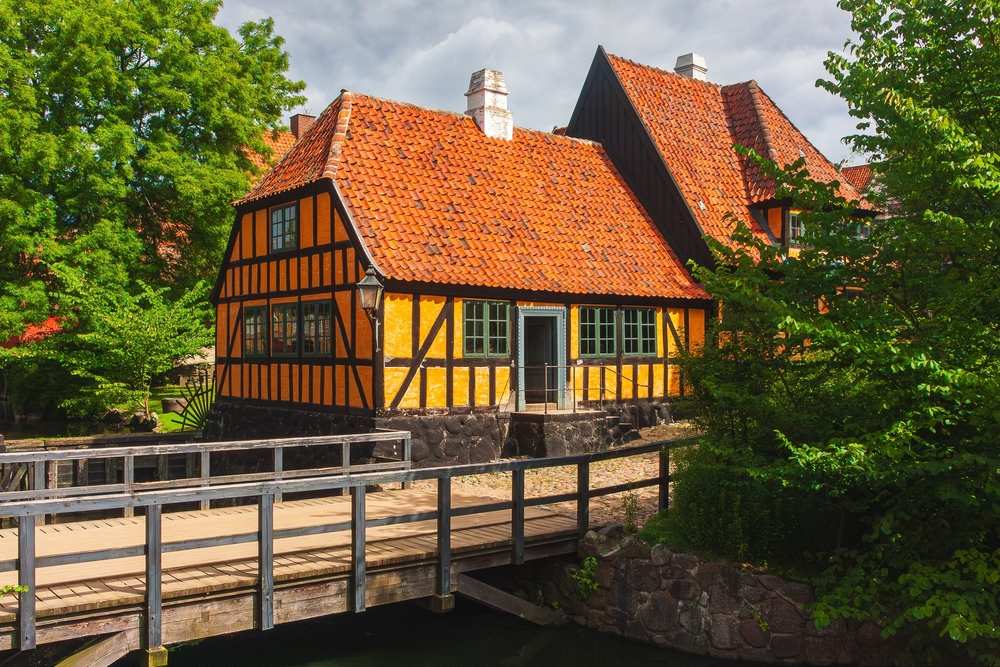
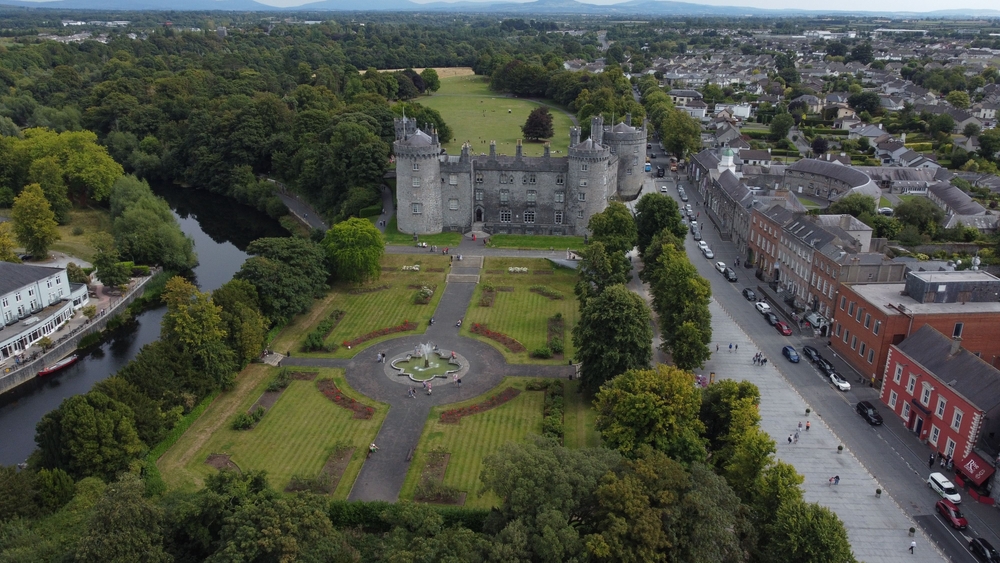
Scenes from Maastricht
Getting around
Transport in Maastricht
Most of daily life happens on foot or by bike. The city is small enough to cross in minutes, and the main station, on the Wyck side of the Maas, is about a kilometer (0.6 miles) from the Vrijthof. There's an underground bike garage at the station where the first 24 hours are free, and OV-fiets rental bikes for one-off trips.
Arriva runs the city buses, linking the station and center with the outer neighborhoods. You can pay with an OV-chipkaart or tap in with OVpay using a debit card, credit card, or phone. Budget about $80 a month if you ride transit regularly.
Trains are where the three-countries idea becomes real. NS intercity trains head north to Eindhoven, Utrecht, and Amsterdam. Arriva's regional trains run to Sittard, Heerlen, and Kerkrade, and a cross-border train that started in 2024 links Liège, Maastricht, Heerlen, and Aachen. Bus 350 is another way to Aachen, by way of Gulpen. Belgian fares apply on the Liège stretch, and a Euregioticket covers a day of buses and trains across the Meuse-Rhine region.
You don't need a car to live in town. Whether you want one comes down to how often you head into the countryside or across the border by road.
- 24/sq mi
- Transit stops
- 151/sq mi
- Bike infrastructure
- 24/sq mi
- Wheelchair-accessible places
Mapped features per square mile from OpenStreetMap.
Keep exploring
Places like Maastricht

Community
Community & practical notes
Who you'll meet
Maastricht University shapes the city's international side. It had 22,976 students in 2023, and 59% came from outside the Netherlands. About half its bachelor's programs and most master's programs are taught in English, so the English-speaking crowd is mostly students, researchers, and staff at the university and the Maastricht UMC+ academic hospital. If you're not tied to the university or hospital, expect to build your own circle.
The Expat Centre Maastricht Region is the first stop for newcomers. It's a nonprofit government agency serving 17 municipalities in the area, with one-on-one consultations, including on IND residence permits.
Where people live
Wyck, across the Maas from the old center, has the station and 19th-century streets, but it's pricier and has fewer schools and parks. Céramique, along the river just south of Wyck, has the Bonnefanten Museum and somewhat lower rents than other central areas. The Jekerkwartier holds university buildings and draws students. Families after green space look south to Sint Pieter, Jekerdal, Villapark, and Wolder, near Fort Sint Pieter and its walking trails.
Healthcare
Maastricht UMC+ is the region's academic hospital, on the Randwyck campus, and Zuyderland Medisch Centrum has hospitals in nearby Heerlen, Sittard-Geleen, Brunssum, and Kerkrade. You can only see a hospital specialist with a referral from your GP (huisarts), so register with one early. After hours, urgent care goes through the huisartsenpost, which you call first for an appointment. In an emergency dial 112; operators switch to English if you speak it.
Schools
UWC Maastricht runs the IB Primary Years Programme for ages 4 to 11 and is funded by parental fees. Check secondary options directly with the school, since places and programs change.
Working from here
Home internet runs about $50 a month. Self-employed Americans have a direct route in through the Dutch-American Friendship Treaty, covered on our DAFT self-employment page.
Limited mobility
The city says itself that accessibility in the center isn't always optimal. Cobblestones are the main problem, especially on streets without a smooth strip of sidewalk beside them, and wheelchair users boarding buses rely on rear lifts that can be awkward at some curbs. Parked bikes and sidewalk advertising block the way too. The city works with the disability foundation Stichting Samen Onbeperkt on major projects and is focusing on wider sidewalks and better-placed curb cuts. Disability parking permit holders get three hours free at regulated spaces.
Retiring here
The Dutch immigration service (IND) lists permits for work, study, family, and self-employment, but none for retirees or people living on savings or a pension. That leaves retired Americans with a family tie or a real business under DAFT. Compare retirement visa options in other countries, and see our Netherlands guide for the routes that do exist.
Housing
Renting and buying
- 1-bed rent (center)
- $1,100–$1,550/mo
- 1-bed rent (outside center)
- $950–$1,350/mo
- Buy price (center)
- $483/sq ft
- Buy price (outside center)
- $362/sq ft
Expatsi estimates, based on rental listings, government statistics, and local reporting.
Good to know
Frequently asked questions
Can Americans retire in Maastricht?
Not on a retirement visa, because the Netherlands doesn't have one. The IND's list of residence permits covers work, study, family, and self-employment, with nothing for pensioners or people living on savings. The workable routes are a Dutch or EU family tie, or a real business under the Dutch-American Friendship Treaty (DAFT).
Is Maastricht cheaper than Amsterdam?
Yes. For one person, Maastricht runs about $2,600 a month against about $4,100 in Amsterdam, based on Expatsi's 2026 estimates. A one-bedroom in the center rents for about $1,300 in Maastricht and $2,400 in Amsterdam.
Do you need a car in Maastricht?
Not to live in the city. Maastricht is compact enough to cross by bike in minutes, Arriva buses connect the station, center, and outer neighborhoods, and trains run to Amsterdam, Liège, and Aachen. A car matters mostly for countryside trips and errands across the border by road.
What is the weather like in Maastricht?
Mild and damp. Average highs reach about 75F in July, while January averages a high near 42F and a low near 33F. Rain is spread through the year, about 30 inches annually, and the average temperature over the year is around 51F.
How much does it cost to live in Maastricht?
Expatsi's 2026 estimates put a single person in Maastricht at about $2,100 to $3,100 a month in U.S. dollars, with $2,600 as a typical figure. A couple spends around $3,900 and a family of four around $6,000. Rent drives most of the difference: a one-bedroom in the center runs about $1,300 a month.
How easy is it to get to Belgium and Germany from Maastricht?
Easy. A cross-border regional train links Liège in Belgium with Maastricht, Heerlen, and Aachen in Germany, and Arriva's bus 350 also runs to Aachen. A Euregioticket covers a full day of buses and trains across the Meuse-Rhine region of the Netherlands, Belgium, and Germany.
Is Maastricht safe?
Maastricht scores 77 on Expatsi's safety index, where higher is safer, compared with 71 for Amsterdam. Its crime index, where lower is better, is 23.
See how Maastricht fits your life
Take the free Expatsi Test and compare the Netherlands to over 100 countries on what actually matters: cost, healthcare, climate, and safety. About five minutes.
Why not you?