The complete guide
So you want to move to Argentina
European bones, South American prices, a US travel advisory at its calmest setting, and an economy that never sits still. Here is the honest guide.
Retire, work remotely, or start over in a city that feels like Europe and bills like South America. We'll walk you through the real costs, every residency route, the tax trap, and where Americans are actually landing.

Reviewed and updated September 15, 2026 · 12 min read
01 · The case for Argentina
A European city at the bottom of the Americas

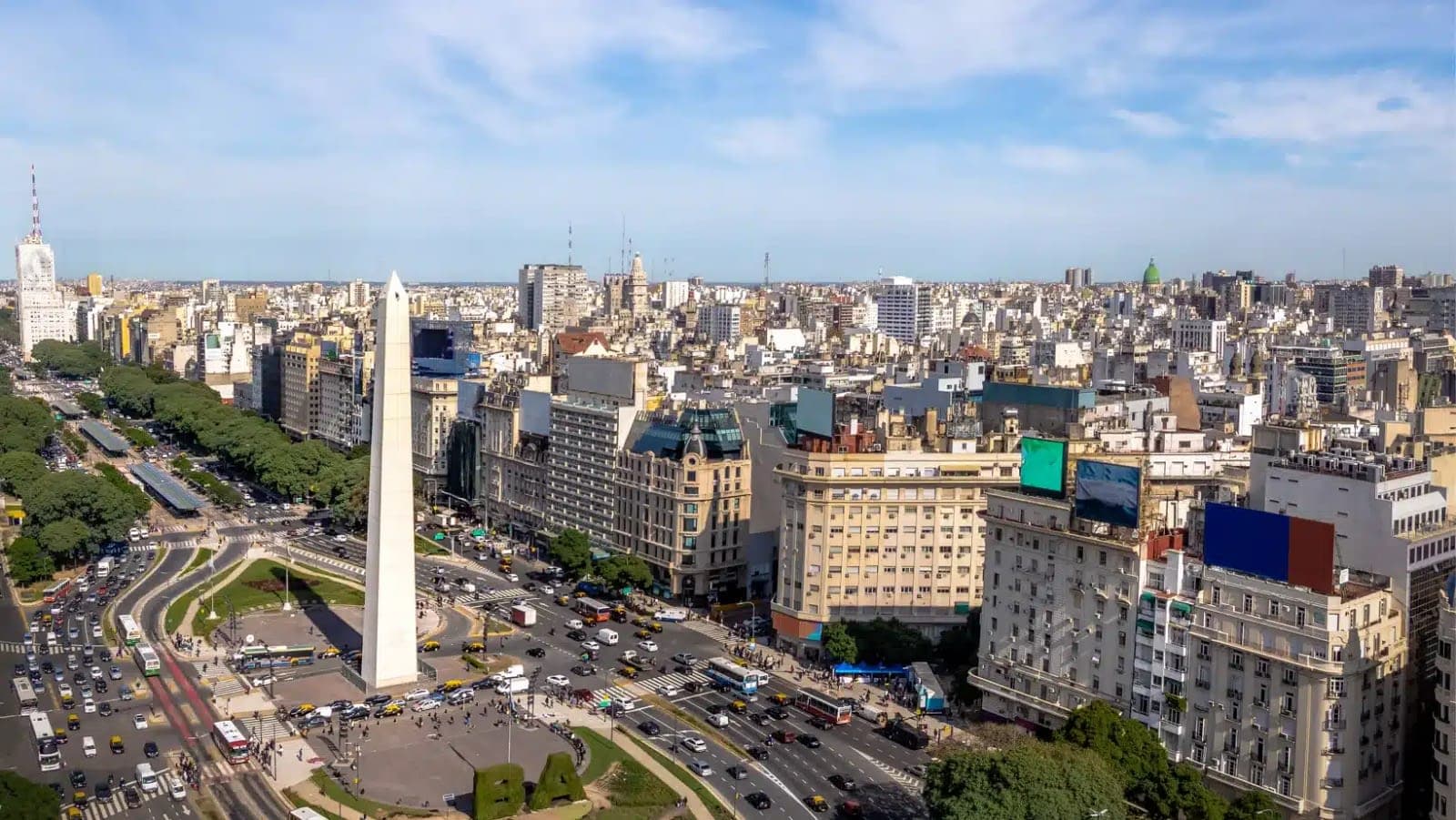
Walk through Recoleta on a Sunday and you'll swear you took a wrong turn into Paris. Wrought-iron balconies, plane trees, a bookstore built inside a 1919 opera house, cafes where nobody rushes you out. Then the bill comes and it's a third of what Paris would charge.
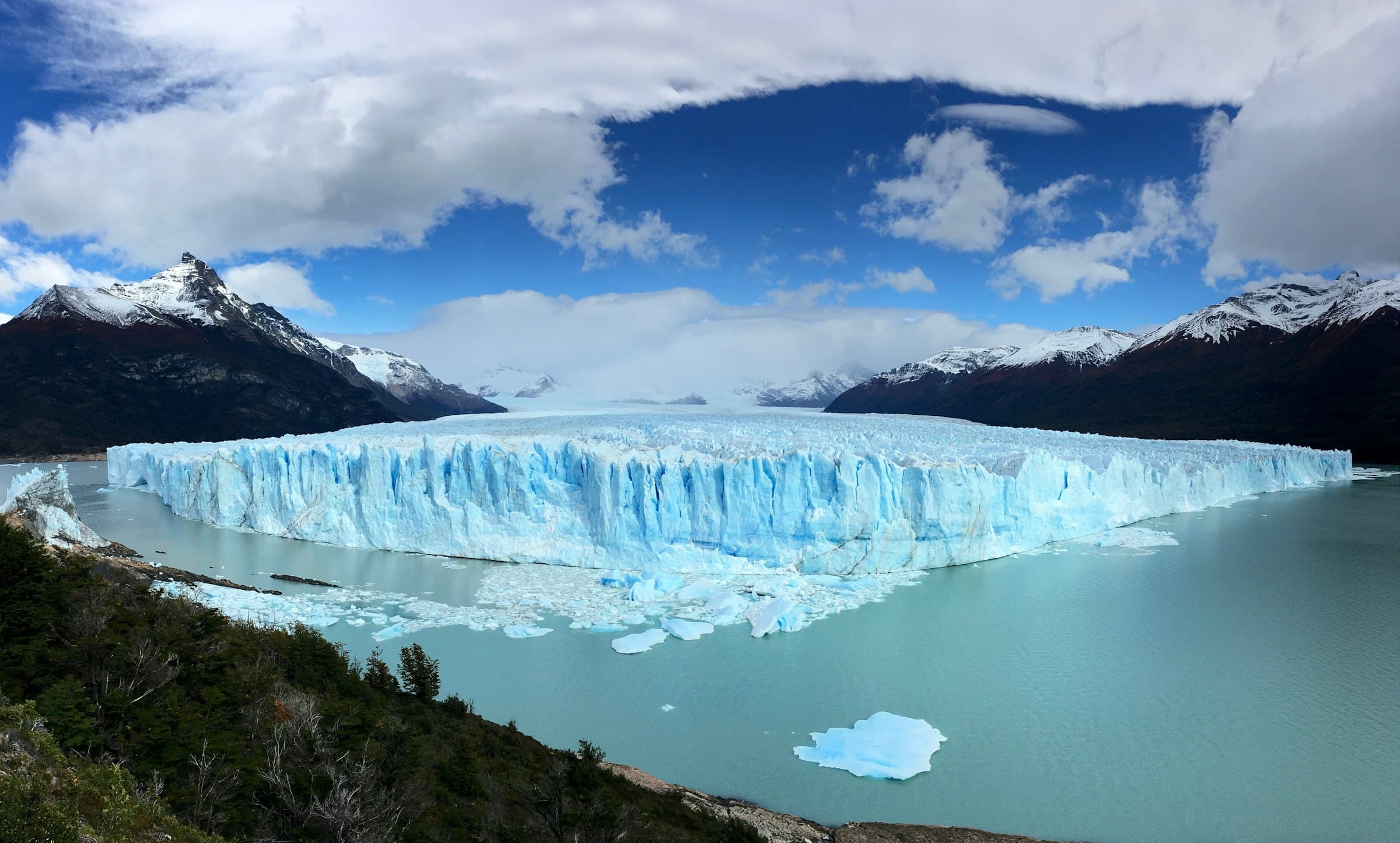
That contrast is the whole pitch. Argentina gives you a genuine world city with 46 million people, an obsessive food and wine culture, and the kind of arts scene that keeps theaters full on a Tuesday. Outside Buenos Aires, you get wine country under the Andes, a lake district that looks like Switzerland, glaciers, and a coastline with penguins on it.
Two things surprise Americans most. The first is safety. The State Department has Argentina at Level 1, "exercise normal precautions," the lowest of its four tiers and the same rating it gives Japan and Germany. The caveats in that advisory are about pickpockets and phone snatching, plus drug-related violence in one city, Rosario, rather than countrywide danger. The second is the clock. Argentina is two hours ahead of New York, so if you work U.S. hours, you start your day at a civilized time and finish in the evening like everyone else. Flights from the East Coast run about ten hours, overnight, with no time-zone hangover.
Here's the catch
The economy. Inflation was 33.5 percent over the year to August 2026. That's down from 211 percent in 2023, and monthly prices are now rising under 2 percent, but it's still a country where the price of everything moves. The legendary cheap-dollar era is over, too: currency controls came off in April 2025, the gap between the official and street rates is now about 3 percent, and Buenos Aires costs roughly what it says it costs. Groceries in particular have climbed toward U.S. prices.
Then there's the paperwork. Residency runs through an online system called RaDEX, decisions on the income-based routes take months. The DNI identity card has been taking another six to eight months after approval in 2026. Spanish is mandatory outside a few pockets, and the Spanish here is its own dialect. If you need rules to stay still while you plan, Argentina's going to test you.
- Cost of living (single)
- $1,200/mo
- Safety index
- 45/100
- Internet speed
- 70 Mbps
- English proficiency
- 45/100
- Capital
- Buenos Aires
- Population
- 46.2M
02 · The numbers
$2,100
Monthly budget, couple
all-in, comfortable outside the priciest barrios
$1,200
Monthly budget, one person
local-style, cooking most nights
$500
One-bedroom, city center
per month, before expensas and utilities
$12
Lunch at a neighborhood spot
a milanesa, a side, a glass of wine
What your money actually does here
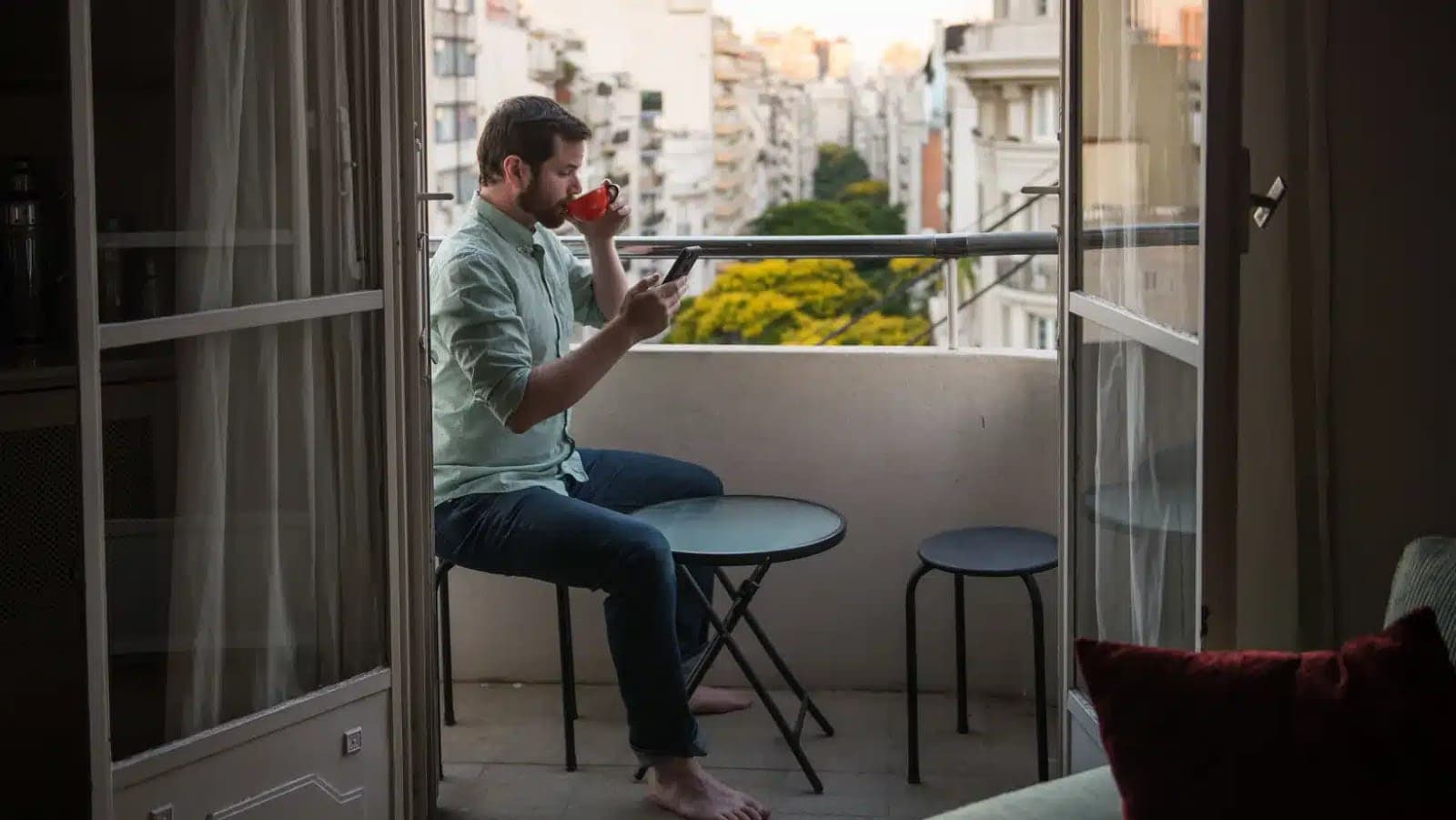
Those four figures are Expatsi estimates and sit at the frugal end. Here's the honest version. A single person living comfortably in Buenos Aires, in a decent barrio, eating out a few times a week and taking taxis, lands closer to $1,500 to $2,000 a month in 2026. Outside the capital that drops to about $1,000 to $1,500. Mendoza, Cordoba and Rosario run 20 to 40 percent under Buenos Aires on rent while keeping real hospitals, airports and supermarkets.
Rent is where the range lives. A furnished one-bedroom in Palermo or Recoleta listed to foreigners runs about $600 to $1,000 a month. The same apartment rented long term on the local market, in Spanish, with a proper lease, starts around $400 to $600. Caballito, Almagro and Flores are cheaper again and still central. Two costs blindside newcomers: expensas, the building maintenance fee, which you pay whether you rent or own, and the deposit and guarantor demands landlords make of people with no Argentine credit history.
The strange part of an Argentine budget is how unevenly it splits. Eating out, taxis, wine, the subte, the theater and a barber are all genuinely cheap by U.S. standards. Groceries and anything imported are not; in some aisles, they beat U.S. prices outright. So the people who feel richest here are the ones who live like porteños, at the parrilla and the produce market, rather than the ones rebuilding a Trader Joe's cart.
One more thing worth knowing before you move money. The peso was trading around 1,500 to the dollar in September 2026; the official and informal rates are now within a few percent of each other, and card payments give you roughly the same value as cash. The blue-dollar hustle is over. If you're moving real sums for a deposit or a property, our currency partner Moneycorp will beat what a U.S. bank wire does to your exchange rate.
Why the budget and the visa line up
Argentina pegs its two income-based residency routes to the minimum wage: you have to show five times it. In September 2026 the minimum wage was 383,800 pesos a month, so the bar works out around $1,270 per month at the official rate. That's almost exactly what a careful single person spends here. In practice, immigration lawyers tell clients to show $2,000 or more because the peso moves and officials like a comfortable margin.
03 · Daily life
Late dinners, long lunches, and a language that is its own

Spanish is the price of entry
Argentina scores 45 out of 100 on English in our data, better than Colombia or Uruguay. In Palermo or a coworking space, you'll find plenty of it. Everywhere else, no. And the Spanish you learned from an app is not quite the Spanish spoken here. Argentines say vos instead of tu, conjugate it differently, and pronounce ll and y like the s in measure. It throws people for a month, then it becomes the thing they love. Start lessons with Miss Rosa before you land.
The rhythm takes adjusting to
Dinner starts at nine, ten on a weekend. Friends turn up late and stay later. Sunday is for asado, which is less a barbecue than an all-afternoon institution: the fire is lit hours before anyone eats, sausages come first, and nobody leaves early. Coffee is sat down with, not carried. If you like your evenings to end at nine, you'll spend a while feeling out of step.
Who thrives here
People paid in dollars from abroad. Retirees with a pension who want a city with theaters and hospitals rather than a beach. Remote workers on U.S. hours. Writers, cooks, musicians and anyone who wants to be somewhere with a real cultural life at a price they can afford. Argentina is also an easy landing for LGBTQ Americans: it legalized same-sex marriage in 2010, the first country in Latin America to do it, five years before the United States.
Who struggles
People who need the rules to hold still. Argentina changes its immigration and tax rules by decree, sometimes twice in a year, then the courts argue about it. People who want everything to work on the first try also have a hard time. Opening a bank account without residency is a genuine chicken-and-egg problem; most newcomers end up hiring a gestor, a paperwork fixer, for $200 to $400 an application. Everyone who has done so says it was worth it.
Is Argentina your kind of place?
Level 1 safety
The State Department's lowest advisory tier, the same one Japan gets.
Two hours ahead
Work U.S. hours without living at dawn. Ten hours from the East Coast.
Citizenship in two years
One of the shortest naturalization clocks anywhere, with a strict catch.
Inflation is real
33.5 percent over the year to August 2026. Prices move constantly.
Spanish, with a twist
Rioplatense Spanish uses vos and its own pronunciation.
Wildly varied country
Wine country, a lake district, glaciers and subtropical falls.
04 · The visa paths
Six ways in, and one rule that catches everyone
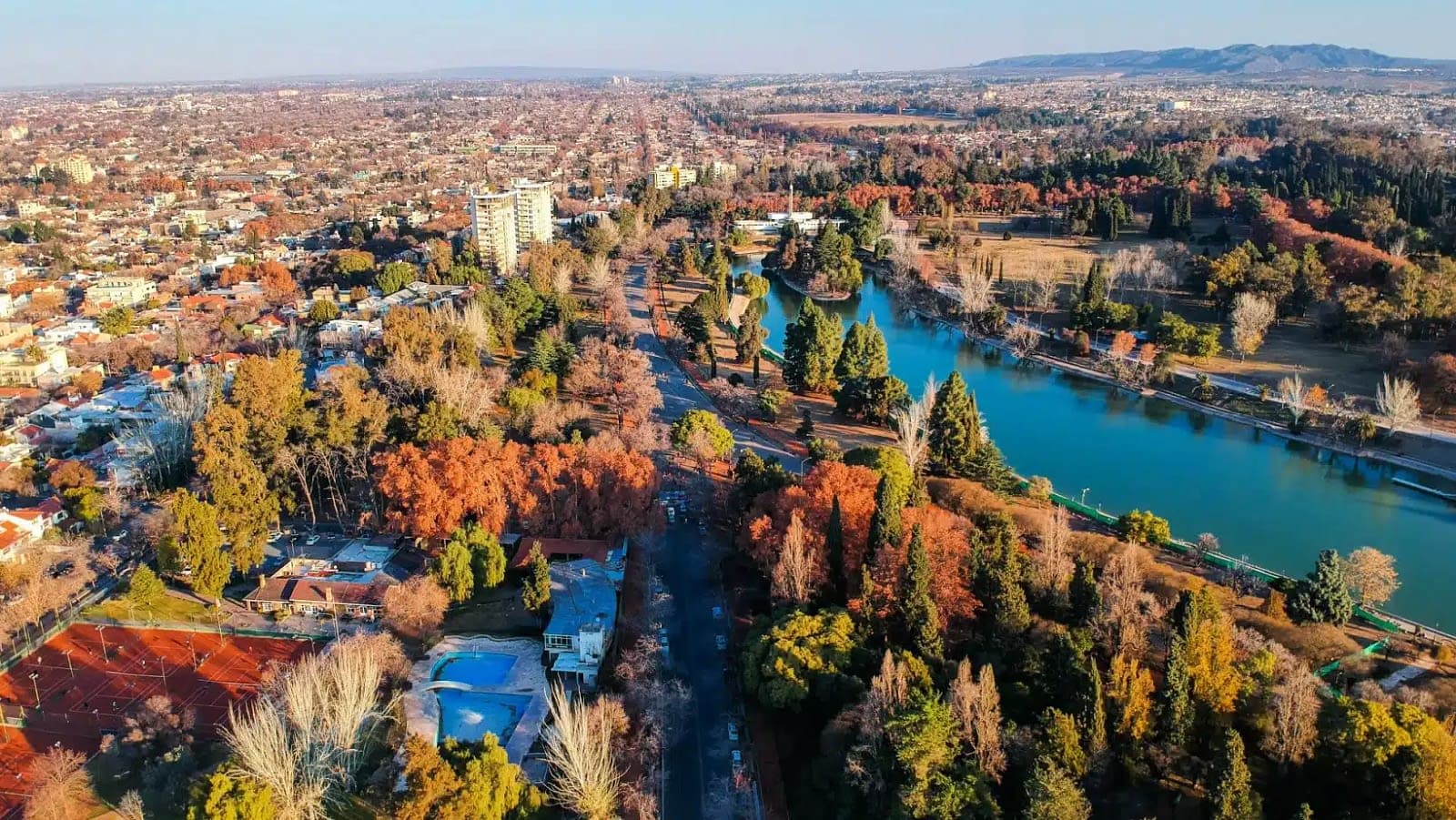
Argentina has no golden-visa shortcut or special retiree bargain. What it offers is a set of temporary residencies that all run one year at a time, renew, and eventually convert. Here's the honest shape of each.
Independent means, the rentista
The main route for anyone living on money they didn't earn this month. You show passive income from outside Argentina worth five times the minimum wage, about $1,270 a month in September 2026, and prove it lands in an Argentine bank through official channels. Rent, dividends, interest, royalties and annuities count. A salary, consulting fees and active business income do not, which is a common reason that files come back rejected. It runs one year, renews up to three, and leads to permanent residency. Expect months, not weeks: our data puts the decision at around 150 days.
Retirement, the pensionado
Same bar, same five-times-the-minimum-wage math, but built for a pension or government retirement benefit. If your income is Social Security or a defined-benefit pension, this is your file rather than the rentista one. Bring the award letter, the last three payment stubs and an apostilled police certificate.
Digital nomad
Argentina opened a remote-worker permit in 2022. It runs 180 days, extends once for another 180, and costs about $200 in government fees, which is cheap by world standards. You apply online or at a consulate and you can only work for clients and employers outside Argentina. Be clear-eyed about what it is not: it caps out at 360 days and isn't a path to permanent residency. Nomads who decide to stay switch to the rentista.
Work, study and investment
The work visa starts with an Argentine employer who sponsors you and gets Labor Ministry approval; it's a job search first and a visa second. The student visa needs an acceptance letter from an Argentine institution and is the fastest of the lot to decide, roughly a month. The investment route asks for a qualifying investment plus business plan and takes about six months.
Citizenship by investment is not open yet
You will see headlines about a $500,000 Argentine passport. The legal framework exists, created by decree in 2025, but the implementing regulations from the Economy Ministry haven't been published and nobody has been naturalized through it. Treat it as announced, not available.
The rule that catches everyone
Argentina naturalizes after just two years of continuous legal residence. Temporary residency counts, so you never need permanent residency first. That's one of the shortest clocks on earth. However, a 2025 decree redefined "continuous" to mean you didn't leave the country at all during those two years. Even a weekend ferry to Uruguay can reset it. The decree's legal standing is being fought over in the Argentine courts right now. If citizenship is your goal, get current advice before you book a single flight home.
Argentina's residency options, side by side
| Visa | Category | Application cost | Processing | Difficulty | Guide |
|---|---|---|---|---|---|
| Citizenship by Investment | investment | $500,000 | ~730 days | 5/5 | Guide |
| Independent Means (Rentista) Visa | digital nomad | — | ~150 days | 3/5 | Guide |
| Investment Visa | investment | — | ~180 days | 4/5 | Guide |
| Retirement Visa | retirement | — | ~150 days | 3/5 | Guide |
| Student Visa | student | — | ~30 days | 3/5 | Guide |
| Work Visa | skilled work | — | ~60 days | 4/5 | Guide |
05 · The practical stuff
Healthcare, taxes, banking and getting around
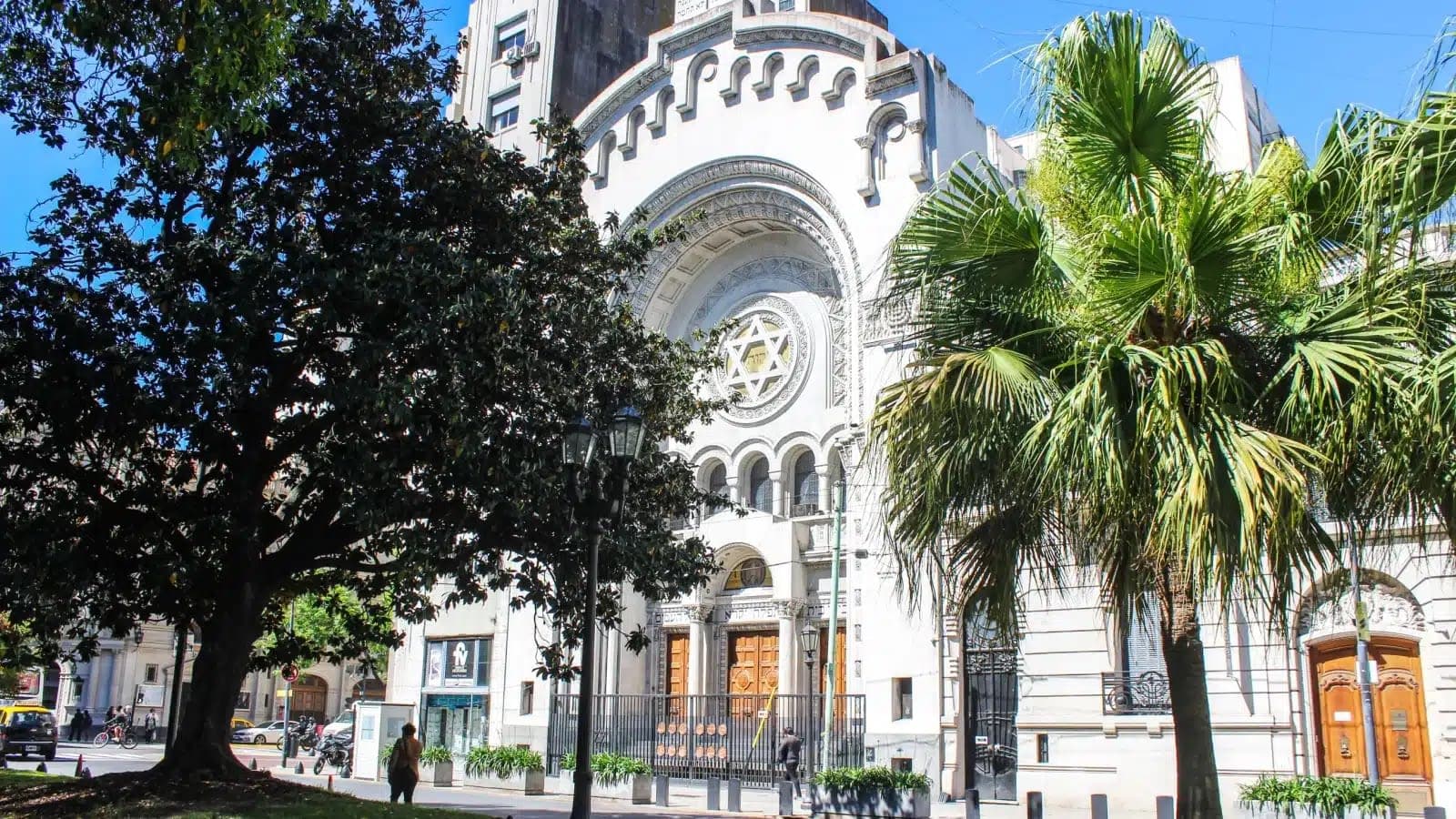
Healthcare comes in three layers
Public hospitals are free and, once you hold a DNI, open to you on the same terms as any Argentine. Obras sociales are the union and employment-linked plans. Prepagas are the private insurers, names like OSDE, Swiss Medical and Galeno; they run roughly $80 to a little over $200 a month for an adult in 2026, climbing steeply with age. Hospital Aleman and Hospital Britanico in Buenos Aires are the usual first stops for English-speaking care. Two recent changes matter: since July 2025, foreigners have been required to carry health insurance covering treatment, hospitalization and repatriation just to enter, and since August 2026 non-residents without permanent residency get billed for non-urgent care at national public hospitals. Emergency care stays free for everyone, whatever your status.
Taxes are the part people get wrong
You'll read that Argentina does not tax foreign income. That's true right up until you become a tax resident, and then it's false. You become one when you get permanent residency, or after twelve continuous months on temporary permits. From that point, Argentina taxes your worldwide income on a scale running 5 to 35 percent. There's also Bienes Personales, a real annual wealth tax on worldwide assets above a threshold, though people working here under five years are only assessed on Argentine assets. There is no US-Argentina tax treaty, so you keep filing in both places and lean on foreign tax credits to minimize your burden. Get a cross-border accountant before you move, not after.
Banking and money
Opening an account generally needs residency, which you cannot get without proving income, which you often want a bank account for. Most people solve it with a gestor and patience. Argentina runs on QR payments and transfers now. Cards work at the same rate cash does, and the days of carrying hundred-dollar bills to a cueva are behind us.
Getting around
Buenos Aires has a subway, a huge bus network and one of the cheapest transit passes anywhere, about $25 a month on the SUBE card. Ride apps are inexpensive. Most expats never buy a car. Long-distance buses are excellent and domestic flights between Buenos Aires, Mendoza and Cordoba are short and reasonably priced. Fiber internet runs about $24 to $80 a month depending on speed, and average speeds around 70 Mbps are fine for video calls in the cities, patchier in small towns.
This guide is dated on purpose
Every figure here was checked in September 2026 when the peso traded near 1,500 to the dollar and the minimum wage was 383,800 pesos. Because the income bars are pegged to that wage, the dollar equivalents move every time the wage resets, which is roughly every couple of months. Argentina also legislates by decree, and the 2025 immigration decree that tightened the citizenship residence rule is being challenged in court. Check the live numbers with Migraciones or an immigration lawyer on the day you file.
Where to live
Where Americans are settling
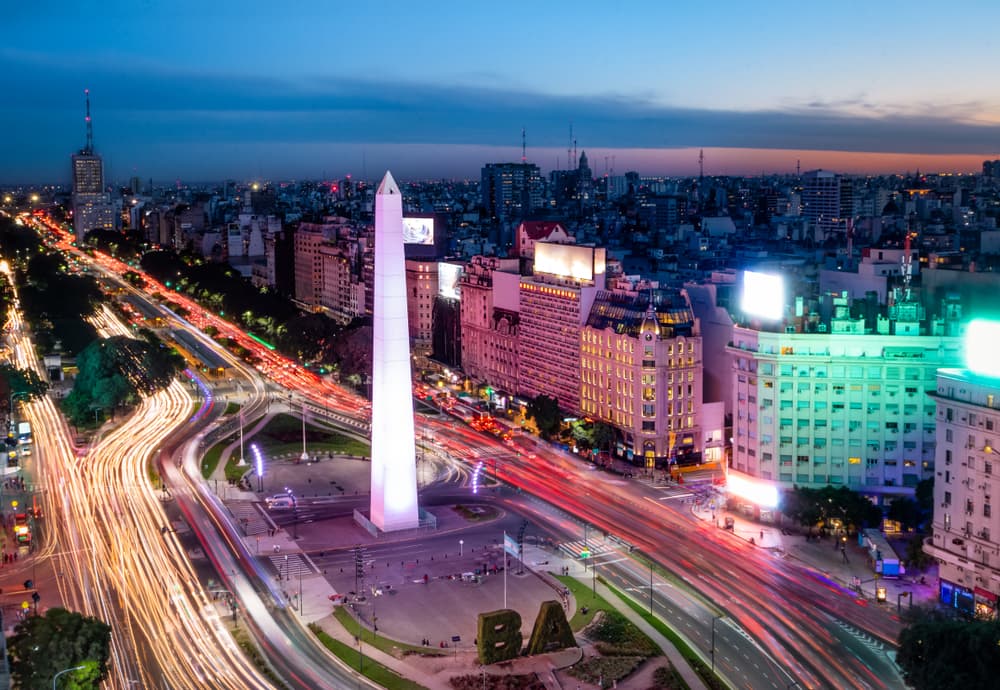
Buenos Aires
Europe on a budget
The pick for people who want theaters, late parrilla dinners and a Palermo or Recoleta address. Dinner starts at nine, and the subte and colectivos get you across town. The catch is the peso: prices still move month to month, and groceries have climbed toward U.S. levels.
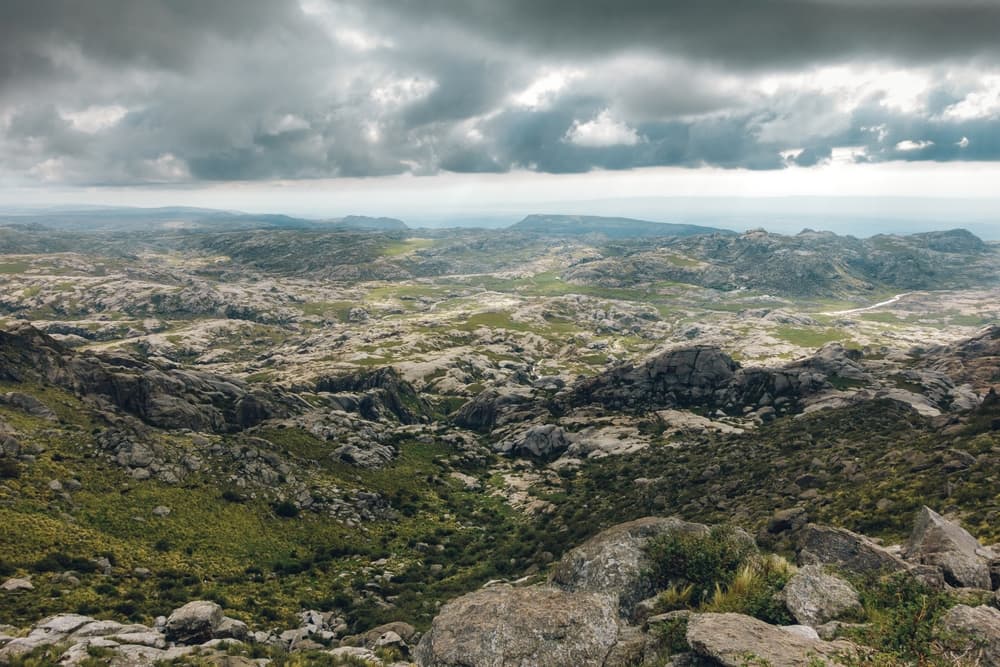
Córdoba
University city inland
Argentina's oldest university town, with the Jesuit Block downtown and the Sierras Chicas under an hour's drive away. It has real hospitals and an airport without Buenos Aires prices. Summers get hot, and there's no subway, so the bus or a bike is how you'll get around.
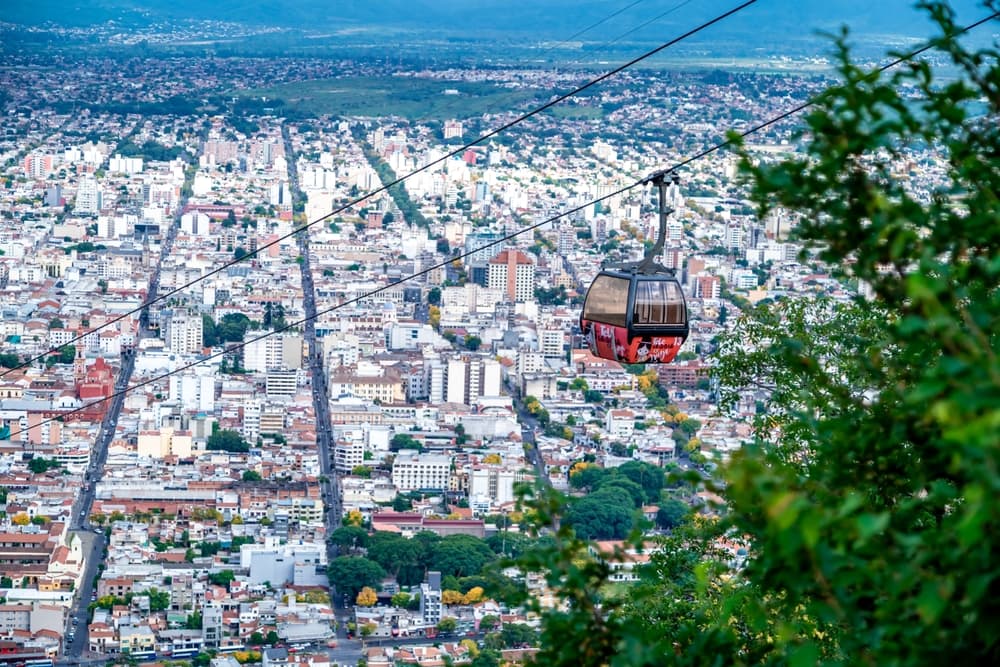
Salta
Colonial northwest
A low-rise colonial city in the Lerma Valley, with folk-music peñas, empanadas and Cafayate's high vineyards a few hours' drive south. Winters are dry and sunny, and summer brings the rain. Flights to Buenos Aires take just over two hours, and English is scarce.
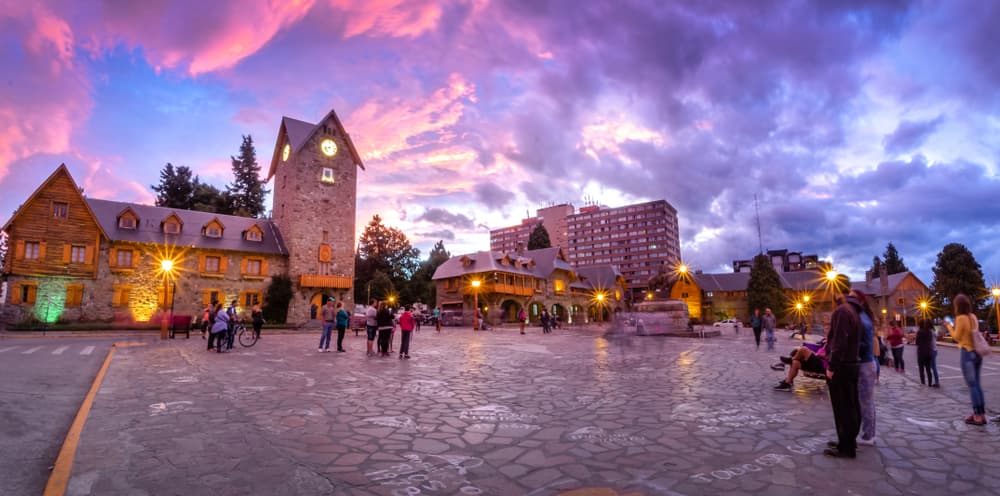
Bariloche
Lake district town
A lakeside town under the Andes with ski runs, chocolate shops and trekking out the back door. Winters are cold and snowy. It's small and far from Buenos Aires, and anything specialized in healthcare means a flight.
The people who make it easier
You don't have to assemble this alone. We work with a guide on the ground in Buenos Aires and a handful of global specialists who cover the parts that go wrong most often: knowing what a neighborhood is really like before you sign, health coverage that satisfies the entry rules, moving dollars without donating a slice to your bank, tracking the days that decide your tax residency, and learning enough Spanish that the paperwork stops being frightening. Here is who does what.


Moneycorp
Currency Exchange
Moneycorp moves dollars into pesos at rates that beat the banks, which adds up fast on a deposit, a year of rent, or a property purchase.
Learn more
Simon Conn
International Mortgage Lending
Simon Conn arranges international mortgages if you would rather finance a place abroad than pay cash for it.
Learn more

Argentina questions, answered
Does Argentina tax my US income?
Once you are a tax resident, yes, on your worldwide income at rates from 5 to 35 percent. You become a tax resident when you receive permanent residency, or after twelve continuous months on temporary permits. Before that, only Argentine-source income is taxed. There is also an annual wealth tax on worldwide assets above a threshold, though people here under five years are assessed only on Argentine assets. There is no US-Argentina tax treaty, so Americans keep filing at home and use foreign tax credits. Talk to a cross-border accountant before you move.
Do I need to speak Spanish to live in Argentina?
For daily life outside a few Buenos Aires neighborhoods, yes. Argentina scores 45 out of 100 on English in our data, so you will find it among younger professionals and at private hospitals in the capital and much less elsewhere. Argentine Spanish is also its own dialect, using vos instead of tu with its own verb endings and a distinctive pronunciation of ll and y. Starting lessons before you arrive pays for itself the first time you deal with a landlord or an immigration office.
What is the income requirement for Argentine residency?
Both income-based routes, the rentista and the retirement visa, ask for foreign income worth five times the Argentine minimum wage. With the minimum wage at 383,800 pesos in September 2026, that is about $1,270 a month at the official rate. Because it is pegged to the peso wage, the dollar figure changes every time the wage is reset. Immigration lawyers routinely tell clients to show $2,000 or more to leave room for currency swings.
How does healthcare work for foreigners in Argentina?
There are three layers. Public hospitals are free and open to residents with a DNI on the same terms as citizens. Obras sociales are employment-linked plans. Private prepagas like OSDE and Swiss Medical cost roughly $80 to a little over $200 a month for an adult, rising with age. Since July 2025 foreigners have needed insurance covering treatment, hospitalization and repatriation to enter the country, and since August 2026 non-residents without permanent residency are billed for non-urgent care at national public hospitals. Emergency care is free for everyone regardless of status.
Can I get Argentine citizenship in two years?
Legally, yes, and it is one of the fastest routes in the world. Two years of continuous legal residence qualifies you, and temporary residency counts, so you do not need permanent residency first. Since October 2025 the application is filed digitally with Migraciones rather than in federal court. The catch is severe: a 2025 decree defines continuous as not leaving Argentina at all during those two years, so even a short trip can reset the clock. That decree is being challenged in court, so check its status before you plan around it.
Is there a digital nomad visa for Argentina?
Yes, opened in 2022. It gives you 180 days, extendable once for another 180, for about $200 in government fees, and you apply online or at a consulate. You can only work for clients and employers outside Argentina. It maxes out at 360 days and does not lead to permanent residency, so remote workers who want to stay longer switch to the rentista visa. Extending it requires that you actually spent at least half of the first 180 days in the country.
How much money do you need to live in Argentina?
Our country data puts a comfortable single-person budget at about $1,200 a month and a couple at $2,100, with a one-bedroom in a city center around $500. Those are lean figures. Independent 2026 guides put a comfortable single-person life in Buenos Aires at $1,500 to $2,000 a month once rent, eating out and taxis are in. Mendoza, Cordoba and Rosario run 20 to 40 percent cheaper on rent.
Is Argentina safe for Americans?
By the official measure, yes. The State Department rates Argentina Level 1, exercise normal precautions, its lowest of four tiers and the same rating Japan and Germany get. The real risks are property crime rather than violence: pickpockets and phone snatching in Buenos Aires, plus drug-related violence concentrated in Rosario, and frequent street demonstrations in the capital that are usually peaceful but block traffic. Our own safety index scores Argentina 45 out of 100, which reflects that petty-crime picture more than the advisory does.
Sources
- Argentina Travel Advisory (Level 1, Exercise Normal Precautions) · U.S. Department of State (checked 2026-09-14)
- Residencia temporaria como rentista: requirements and the five-SMVM rule · Argentina Visa Law (checked 2026-09-14)
- Salario Minimo, Vital y Movil en septiembre 2026 (Resolucion 4/2026) · Infobae (checked 2026-09-14)
- Argentina inflation rate, August 2026 · Trading Economics / INDEC (checked 2026-09-14)
- Argentina - Individual - Residence (tax residency rules) · PwC Worldwide Tax Summaries (checked 2026-09-14)
- Healthcare in Argentina for foreign residents, 2026 · The Rio Times (checked 2026-09-14)
- Reform of the Argentine citizenship regime by naturalization · Barreiro Abogados (checked 2026-09-14)
- Cost of living in Buenos Aires 2026: a real monthly budget · The Rio Times (checked 2026-09-14)
Is Argentina your place?
Answer a few questions and see how Argentina scores against what you actually need.
green