Complete guide to moving to Mauritius
Moving to Mauritius: the 2026 guide for Americans who want island life with clear rules
A stable Indian Ocean democracy with a free one-year visa for remote earners, a 10-year permit for retirees over 50, and some very long flights home. Here's how the move works, what it costs, and where it gets hard.
Permits, costs, healthcare, taxes and the fine print, checked against Mauritian government sources as of September 2026.

Reviewed and updated September 28, 2026 · 14 min read
01 · The case for Mauritius
What island life here looks like, and where it falls short
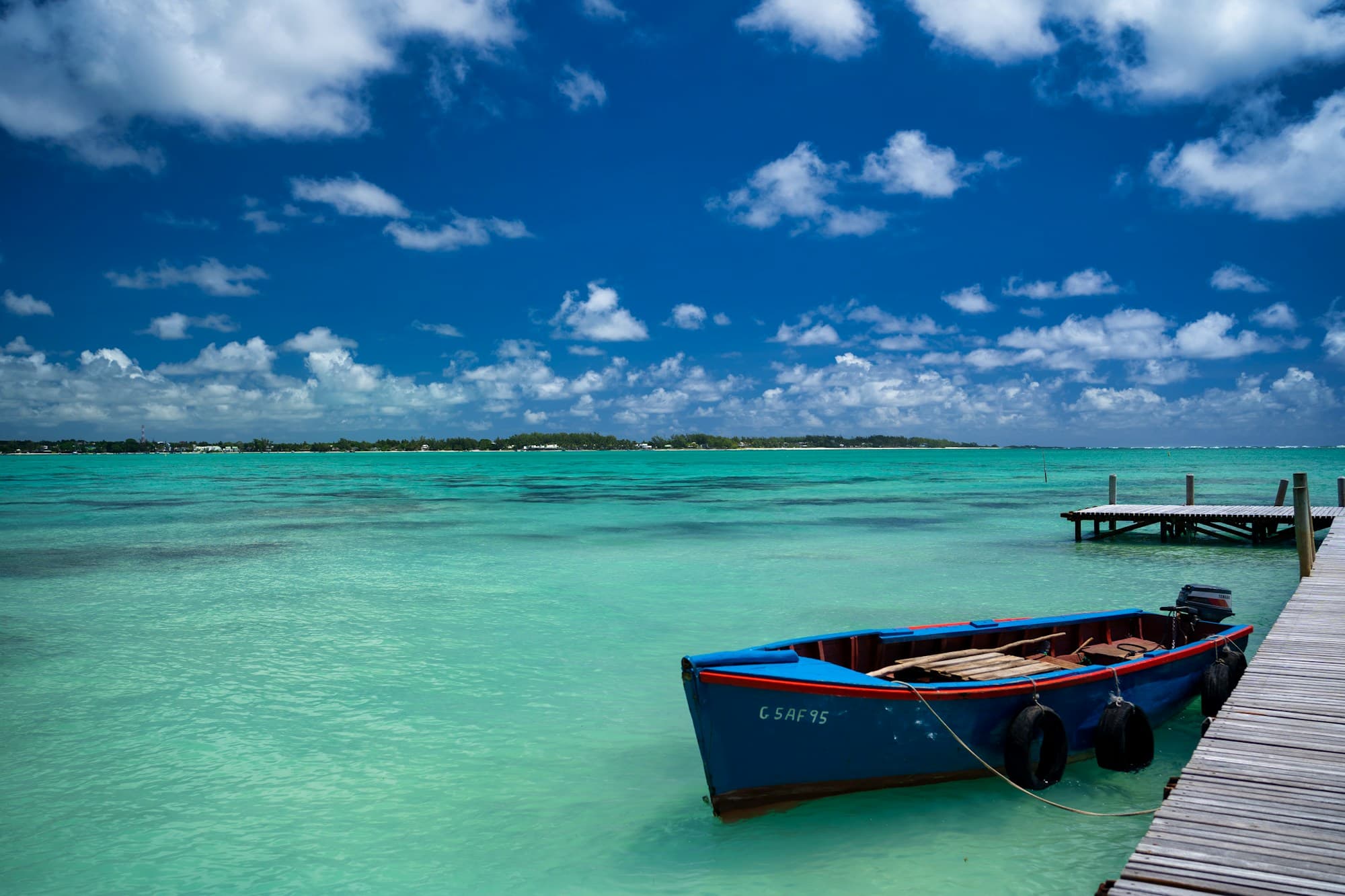
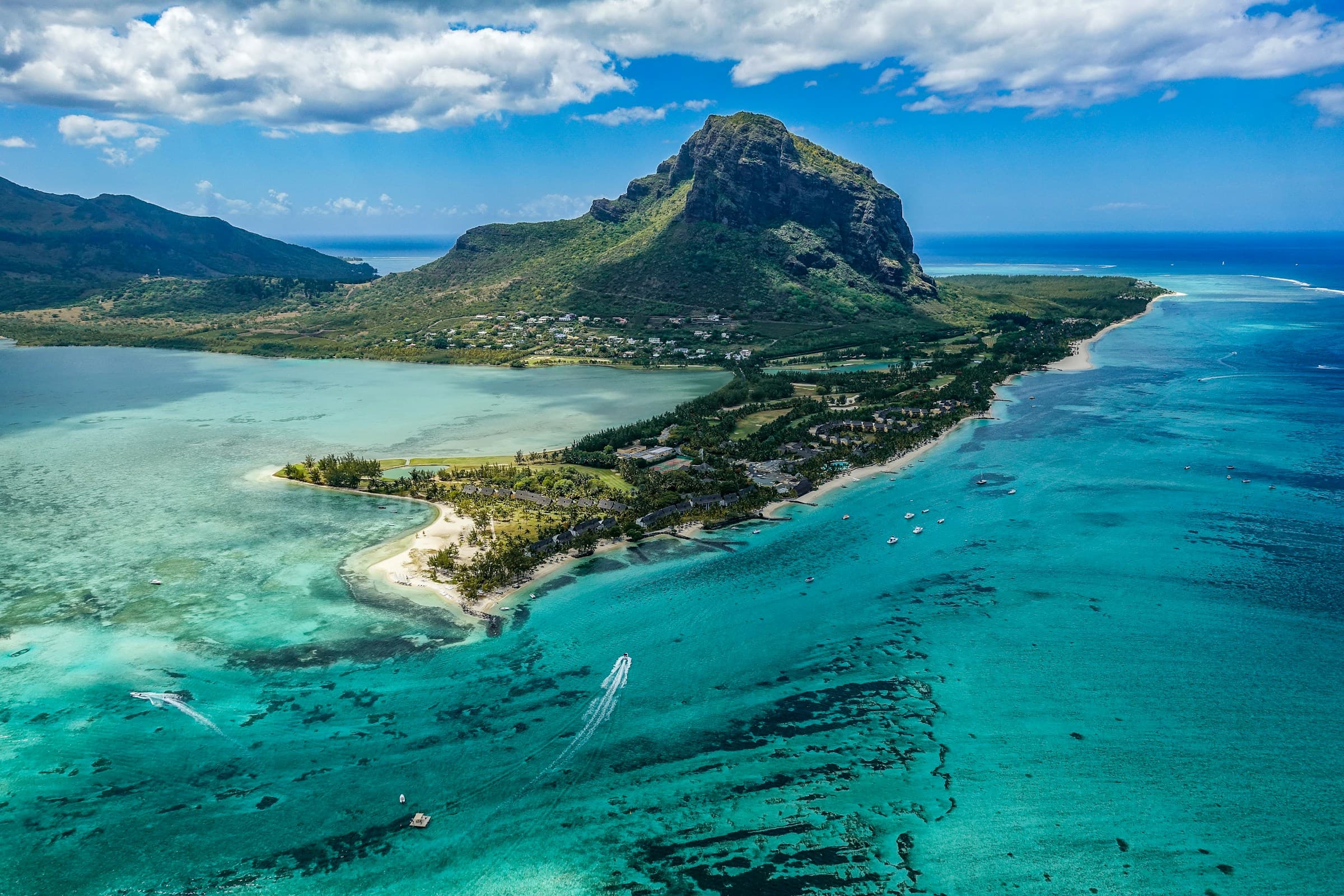
Mauritius is a small volcanic island in the Indian Ocean, east of Madagascar, with about 1.3 million people and a lagoon along most of its coast. Most Americans have never been. The ones who move tend to come for three things: warm weather all year, a stable democracy, and residence rules that are clear and mostly handled online.
Start with the politics, since that's what sets Mauritius apart from a lot of tropical options. The 2024 Democracy Index ranked it 20th in the world and the only full democracy in Africa. Day to day, that shows up as institutions that work. The Economic Development Board (EDB) runs the whole residence system through one online portal, and you can apply for the retiree permit without flying over first.
The weather is the other draw. From November through April, it's warm and humid, averaging about 76 degrees. From June to September, it's cooler and drier, averaging about 69. There's no winter to speak of. There is a cyclone season, November to April, with the peak from January to March, so you'll learn to watch the forecast and keep water and batteries on hand.
Your dollars also go further than on a U.S. coast. The tax rules are friendly to people whose money comes from abroad: residents pay nothing on the first MUR 500,000 of income a year (about $10,500), and foreign income is taxed only when you bring it into the country. We'll get into both below.
Language is easier than people expect, with a twist. There's no single official language, though English and French both work for business and paperwork. Our data scores English proficiency at 80 out of 100. At home, though, about 90% of Mauritians speak Creole, while only a small share speak English. You can live here in English, but you'll have a richer time with some French.
Here's the catch
Mauritius is a great fit for some people and a poor one for many. Four honest reasons it might not work for you.
It's far. There are no direct flights from the U.S. You'll connect through Dubai, Paris, London, Johannesburg or Istanbul, and the London leg alone takes about 12 and a half hours. If you plan to fly home for every holiday, count the cost and the jet lag first.
Local jobs pay little. Average monthly earnings were about MUR 45,800 (roughly $965) at the end of 2025. Mauritius works best when your income comes from outside the country: a pension, Social Security, investments, or a remote job.
You can't buy just any house. Non-citizens can't buy ordinary homes or land on the open market, only apartments in buildings of at least three stories and homes in government-approved developments. The property route to residence starts at $375,000.
It's not a road to a second passport. Mauritius makes you renounce your other citizenship before it will naturalize you, so the realistic finish line is a 20-year permanent residence permit for most Americans.
Still here? Then the rest of this guide is for you: what it costs, which permit fits your money, healthcare and taxes, where people live, and who can help.
- Cost of living (single)
- $1,050/mo
- Safety index
- 65/100
- English proficiency
- 80/100
- Internet speed
- 60 Mbps
- Capital
- Port Louis
- Currency
- Mauritian Rupee (MUR)
02 · The numbers
Monthly costs in Mauritius (2026)
$1,800
Monthly budget, couple
all in, comfortable
$1,050
Monthly budget, single
all in, comfortable
$3,000
Monthly budget, family
Expatsi 2026 estimate
$450
Rent, 1-bed in town
$300 further out
$7
Inexpensive meal out
local restaurants
$33
Monthly transport
public transport
Where the money goes
For a lot of American retirees, those budgets are within reach on Social Security plus a modest pension. A few things move the number more than you'd guess.
Imported goods are the big one. Mauritius is an island, and anything that arrives by ship, from cars to appliances to the brands you're used to, costs more than at home. Shop at markets and eat what's grown and caught locally and your grocery bill stays gentle. Insist on American brands and it won't.
Internet is solid for remote work. Home service runs about $31 a month for roughly 60 Mbps, which handles video calls without drama.
Then there's the rupee. In late September 2026, banks were buying dollars at about 46.7 rupees and selling at about 48.2. If your income is in dollars, a stronger dollar is a quiet raise and a weaker one is a pay cut. Moneycorp, one of our partners, can lock in an exchange rate and set up the regular transfers your rent, and possibly your permit, will call for.
One line people forget until the first bill: private health insurance. The healthcare section below has the numbers, but put it in your budget from day one.
Why the retiree math lines up
A retired couple living on about $1,800 a month is already moving the kind of money Mauritius asks retirees to bring in. The Retired Non-Citizen permit requires transferring at least $2,000 a month, or $24,000 a year, into a Mauritian bank. Spend that money on the island and the budget and the permit rule work together. Here's how each permit works.
03 · The right permit for you
Your way in, sorted by where your money comes from

Mauritius doesn't have a maze of visa categories. Americans can visit for up to 60 days without a visa (the U.S. State Department's figure), and the longer-stay options all run through the EDB's online portal. Which one fits comes down to your age and where your income comes from.
Remote work or outside income: the Premium Visa
This is the easiest door and free. The Premium Visa is for people whose money comes from outside Mauritius: remote employees, freelancers with foreign clients, and people living on savings or investments. The EDB asks for at least $1,500 a month per adult and $500 a month per dependent child, plus travel and health insurance for your first stay. It's valid for more than six months and up to a year, and it can be renewed. There's no application fee. The hard rule is that you can't take a job in the local labor market. Applicants report approvals taking anywhere from a few days to about eight weeks. It makes a great trial year, but it isn't built as a path to permanent residence. To stay long term, you switch to one of the permits below.
Retiring at 50 or older: the Retired Non-Citizen permit
For retirees, this is the one. You need to be at least 50 and transfer at least $2,000 a month, or $24,000 a year, into a Mauritian bank account, with the first transfer due within 60 days of the permit being issued. In return, you get a 10-year permit, renewable for another 10. Your spouse, dependent parents and unmarried children without income can get matching permits, too. You apply online, with no trip required first. You can invest in a business but can't work or draw a salary. One wrinkle: moving up to permanent residence after five years takes $200,000 in total transfers, more than the $120,000 the monthly minimum adds up to. If permanent residence is the goal, plan to bring in more.
A job or your own business: the Occupation Permits
These were reset by two Finance Acts gazetted in August 2026, so ignore any guide with older numbers.
- Professional: a job offer paying at least MUR 50,000 a month (about $1,050) in basic salary, now the same across every sector. Permits run up to 10 years depending on your contract, with fees from $300 to $1,000.
- Self-employed: transfer $50,000 up front, then show business income of MUR 2 million (about $42,000) a year from year three and MUR 3 million (about $63,000) from year five.
- Investor: move $100,000 into a Mauritian bank within 60 days of approval, then reach annual turnover of MUR 5 million (about $105,000) from year three and MUR 8 million (about $168,000) from year five. The EDB reviews investors in year five and can revoke the permit if the numbers aren't there.
- Young Professional: for early-career hires, with a salary floor of MUR 25,000 (about $525) a month.
Since December 2025, every occupation and retiree permit application also carries a $50 nonrefundable fee. Spouses, partners, parents and children can join you on residence permits.
Buying in: property residence
Spend at least $375,000 on a home in an approved Property Development Scheme project and you, your spouse and your children under 24 get residence for as long as you own it. It also lets you work and invest without an occupation permit, which makes it the most flexible status on offer. Registration duty for foreign buyers is 5% of the price; a planned jump to 10% in July 2026 was repealed before it took effect. There's no capital gains tax, annual property tax or wealth tax.
The new Golden Visa
Mauritius passed a Golden Visa in August 2026, built around a $1 million investment commitment in the first 12 months, with an initial approval of up to two years that leads to permanent residence. As of September 2026 the guidelines, forms and fees haven't been published, so treat it as coming soon, not open.
Permanent residence, and why citizenship is a long shot
After at least five years on a permit (up from three), you can apply for a 20-year Permanent Residence Permit, renewable, with your family included. The bar depends on your route. Retirees need $200,000 in total transfers. Investors need turnover of MUR 15 million a year (about $316,000) or MUR 75 million across five years (about $1.6 million). The self-employed need MUR 3 million a year. Professionals need a salary of at least MUR 400,000 a month (about $8,400) for five straight years, which rules out most people on a local payroll.
Citizenship is another story. Naturalizing takes at least five years of residence out of the last seven, including the 12 months right before you apply, and you must first renounce any other citizenship. For an American, that means giving up your U.S. passport, which is why most people treat the 20-year permit as the finish line.
The permits at a glance
Visit first
U.S. citizens can stay up to 60 days without a visa, per the State Department. Fill in the All-in-One Travel Form within 72 hours before you land.
Premium Visa
For remote workers and people living on income from abroad. Up to one year, renewable, and free.
Retired Non-Citizen permit
For people 50 and over. Ten years, renewable, with family permits available.
Occupation Permits
Professional, self-employed, investor and young professional routes, reset in August 2026.
Property residence
Buy in an approved development, then live and work here for as long as you own it.
Permanent residence
A 20-year permit after five years on another status, once you clear your route's bar.
| Visa | Category | Application cost | Processing | Difficulty | Guide |
|---|---|---|---|---|---|
| Occupation Permit (Investor) | investment | $1,050 | 10 years, renewable; 20-year Permanent Residence Permit possible after 5 years | 4/5 | Guide |
| Occupation Permit (Professional) | skilled work | $450 | Up to 10 years, matching the employment contract; renewable | 3/5 | Guide |
| Occupation Permit (Self-Employed) | self employment | $1,050 | 10 years, renewable; 20-year Permanent Residence Permit possible after 5 years | 3/5 | Guide |
| Premium Visa | digital nomad | $0 | More than 6 months up to 1 year, renewable | 2/5 | Guide |
| Residence Permit for Retired Non-Citizens | retirement | $1,050 | 10 years, renewable; 20-year Permanent Residence Permit possible after 5 years | 2/5 | Guide |
| Residence Permit through Property Purchase (IRS / RES / PDS / Smart City) | investment | — | Valid while the qualifying property is held | 4/5 | Guide |
04 · The practical stuff
Healthcare, taxes, pets and the daily logistics

What Americans ask about most, answered straight.
Healthcare
Mauritius runs a public system alongside private hospitals. Residents with valid permits can use public hospitals at no cost, but waits are long and English support is uneven. Expats tend to lean on private care. The main private hospitals include Wellkin in Moka, Apollo Bramwell in the Black River area, Clinique Darné in Floréal and Clinique du Nord near Grand Baie. A private GP visit runs about MUR 700 to 1,500 ($15 to $33). Insurance is the real line item: one relocation guide puts private coverage at roughly $120 to $250 a month for healthy adults under 50 and $200 to $400 between 50 and 65. Our partner ExpatInsure can quote international plans, and Hunter Schultz, a healthcare coach, can help you judge whether local care covers what you need. Bring enough of your prescriptions and declare them on arrival. Adderall is banned outright.
Taxes
You become a Mauritian tax resident after 183 days in a year, or 270 days across the current and two previous years. Since July 2025, resident rates are 0% on the first MUR 500,000 of income (about $10,500), 10% on the next MUR 500,000, and 20% above that, plus a temporary 15% Fair Share Contribution on income over MUR 12 million (about $253,000). The rule that matters most for Americans: income from outside Mauritius is taxed only when it's brought into the country. Money you leave in a U.S. account stays out of Mauritian tax, but what you transfer in, including a retiree permit's monthly minimum, can count.
The U.S. side doesn't go away. America taxes its citizens wherever they live, and there's no U.S. income tax treaty with Mauritius, so you lean on U.S. tools like the foreign tax credit to avoid paying twice. MyExpatTaxes, one of our partners, files U.S. returns for Americans abroad. Talk to a tax pro before you set up your first transfers, not after.
Bringing a pet
Every dog and cat needs an import permit, and the government's guidelines say to apply three to six months before you leave. All animals go into quarantine on arrival (the fee is Rs 15 a day), pets need a sterilization certificate, and several breeds are banned, including American Pit Bull Terriers. Those guidelines date from 2017, so confirm the details with the veterinary services before you book. Bodzin Pet Travel Solutions can plan the paperwork and the trip.
Getting around and settling in
Mauritius drives on the left. Roads are narrow and poorly lit, and the State Department calls night driving risky. You can use your U.S. license for up to a year before converting it to a Mauritian one. Public transport is limited outside the main towns, so if you live on the coast, plan on a car.
If you're shipping furniture, permit holders can bring household goods and personal effects in duty-free once, within the first 12 months, according to a local relocation firm. Aqua Moving Services can get you competing quotes for the container.
Safety
The State Department rates Mauritius Level 2, exercise increased caution, because of crime. Most crime against foreigners is opportunistic: pickpocketing, purse snatching and petty theft. The habits you'd use in any beach town cover most of it. Don't leave bags in the car, and lock up at night.
This guide is dated on purpose
Mauritius rewrote its occupation permits and passed a Golden Visa in August 2026, and raised the bar for permanent residence in 2025. Everything here reflects the rules as of September 2026, and rupee conversions use roughly 47.5 rupees to the dollar. Before you file anything, confirm the current rules with the EDB or a licensed advisor.
05 · Finding your spot
Coast or plateau: choosing where to settle
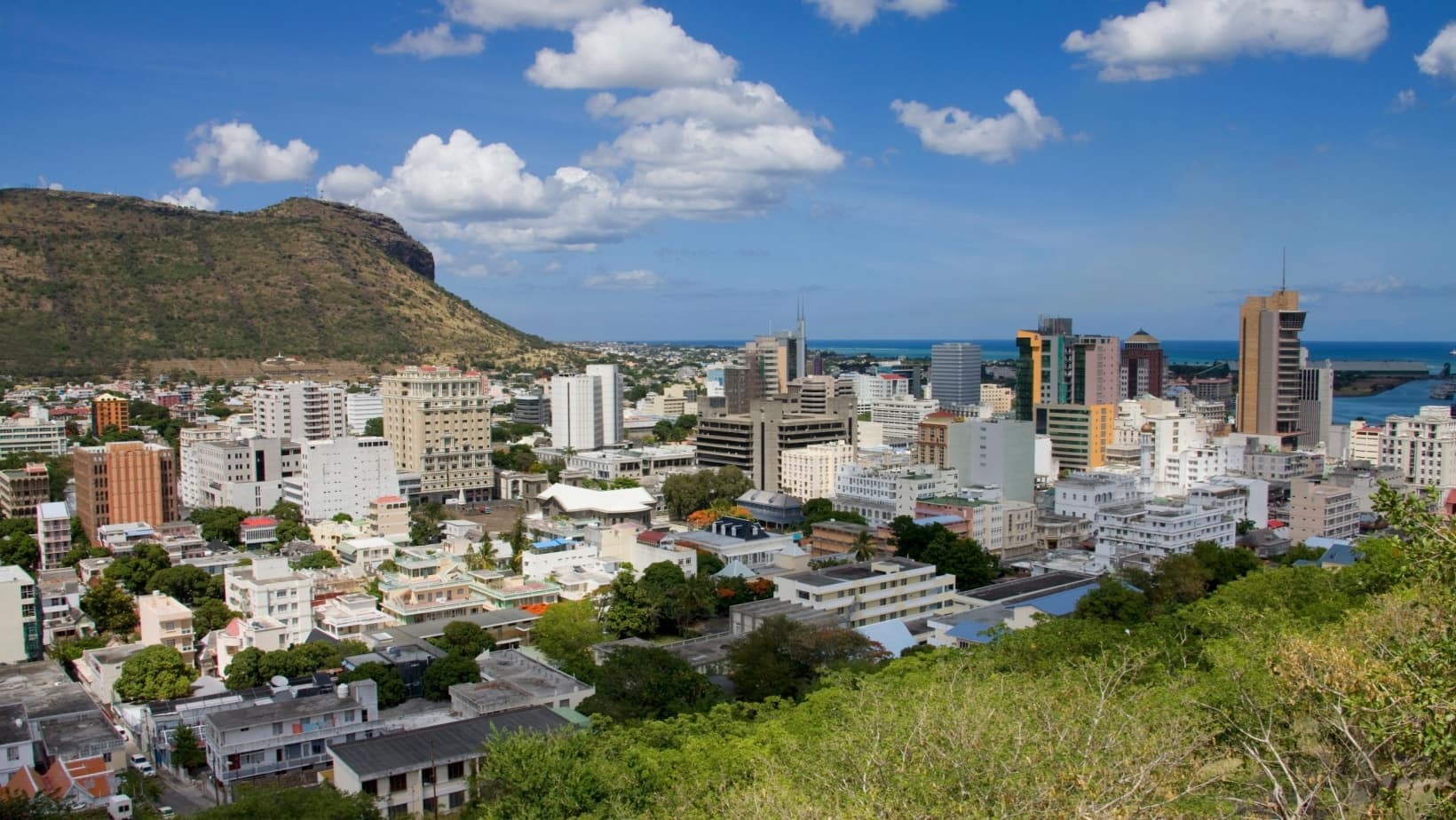
Where you live on Mauritius mostly comes down to coast or plateau. The north coast around Grand Baie is the busiest area for expats and visitors, with beaches, shopping and a private clinic nearby. The west coast around Flic en Flac is quieter beach-town living. Up on the central plateau, Curepipe is cooler and more local, and Moka is home to Wellkin Hospital. Quatre Bornes sits in the middle with markets, schools and easy access to the rest of the island, and Port Louis is the capital and business center.
Rents follow the beaches. Our figures show one-bedrooms in Grand Baie starting around MUR 30,000 a month (about $630), against about MUR 18,000 (about $380) in Quatre Bornes.
06 · Help for the hard parts
The people who can take this off your plate
Mauritius has fewer moving parts than most countries, but it's still a move to the other side of the world. The people who do it smoothly almost always have help with the pieces that trip everyone up.
These are Expatsi-vetted partners for health coverage, taxes, money transfers, pets, shipping and settling in. None of them is based on the island, so pair them with a Mauritian lawyer or notary for the permit filing and any property purchase.

Hunter Schultz
Healthcare Coach
A healthcare coach with more than 20 years of expat living and a background in air medical transport. His one-hour consultation maps your health needs to the care available where you're moving.
Learn more
ExpatInsure
Global Health Insurance
Expatsi's international health insurance partner, led by Andy Seale and Stephanie Edwards. They connect you with the international health plan that fits your situation.
Learn more
Plan-B Outbound Migration
Multi-Country Visa Support
A U.S.-based consultancy focused on outbound migration, residence and golden visas, and citizenship planning. A useful first call if you're weighing Mauritius against other residence options.
Learn more
MyExpatTaxes
U.S. Expat Tax Service
Software and support built for Americans filing U.S. taxes from abroad, operating since 2018 and set up for complex cases as well as simple ones.
Learn more
Moneycorp
Currency Exchange
A currency and international payments specialist since 1979, with Kelly Cutchin leading for U.S. clients. They can lock an exchange rate for up to two years and handle regular transfers.
Learn more
Bodzin Pet Travel Solutions
Pet Relocation
A pet travel advisory and concierge service founded by Aliza Bodzin. They plan the trip and the paperwork trail for pets relocating overseas.
Learn more
Aqua Moving Services
Worldwide Shipping and Moving Service
Part of the Clearview Group. One survey of your belongings produces three quotes from vetted international movers, so you can compare prices with a single point of contact.
Learn more
Lingoda
Language Learning
An online language-learning school founded by Felix and Fabian Wunderlich. Handy for building the French you'll hear alongside Creole in shops and daily life.
Learn more
Culturosity Co.
Cultural Skills Coach
Co-founders Jennifer and Janka coach individuals and groups on adapting to a new culture, using research-backed intercultural frameworks and certified assessment tools.
Learn more07 · Quick answers
Moving to Mauritius: common questions
How are Americans taxed in Mauritius?
Residents (183 days or more in a year) pay 0% on the first MUR 500,000 of income, 10% on the next MUR 500,000 and 20% above that, and foreign income is taxed only when it's brought into Mauritius. The U.S. still taxes you as a citizen, and there's no U.S. income tax treaty with Mauritius, so plan with an expat tax professional.
Can foreigners buy property in Mauritius?
Only in certain ways. Non-citizens can't buy ordinary houses or land on the open market. They can buy in government-approved schemes, or apartments in buildings of at least ground plus two floors priced from MUR 6 million (about $126,000). A purchase of $375,000 or more in an approved Property Development Scheme project comes with residence.
Is Mauritius safe for Americans?
The U.S. State Department rates Mauritius Level 2, exercise increased caution, because of crime. Most crime against foreigners is opportunistic, like pickpocketing, purse snatching and petty theft. Cyclones are the other risk: the season runs November to April and peaks from January to March.
How much money do I need to retire in Mauritius?
To get the Retired Non-Citizen permit you must be at least 50 and transfer at least $2,000 a month, or $24,000 a year, into a Mauritian bank account. Expatsi's 2026 estimate for a comfortable life is about $1,800 a month for a couple. Moving up to permanent residence after five years requires $200,000 in total transfers.
Can I become a Mauritian citizen and keep my U.S. citizenship?
No, not through naturalization. Mauritius requires you to renounce any other citizenship before it naturalizes you, and naturalization takes at least five years of residence in the last seven. Most Americans aim for the 20-year Permanent Residence Permit instead, available after five years on another permit.
Are there direct flights from the U.S. to Mauritius?
No. Flights from the U.S. connect through hubs such as Dubai, Paris, London, Johannesburg or Istanbul, and the London to Mauritius leg alone takes about 12 and a half hours. Plan on a long travel day each way.
Does Mauritius have a digital nomad visa?
Yes, the Premium Visa. It's free, lasts from over six months up to a year, and can be renewed. You need at least $1,500 a month per adult and $500 per dependent child from income earned outside Mauritius, plus travel and health insurance. Holders can't take a job in the local labor market.
Can Americans move to Mauritius?
Yes. U.S. citizens can visit for up to 60 days without a visa, according to the U.S. State Department, and can live there longer on a Premium Visa, a Retired Non-Citizen permit for people 50 and over, an Occupation Permit for work or business, or residence tied to buying property worth at least $375,000. Applications run through the Economic Development Board's online portal.
Sources
- Permanent Residence Permit (PRP) · Economic Development Board Mauritius (checked September 2026)
- Retired Non-Citizen +50 years · Economic Development Board Mauritius (checked September 2026)
- Mauritius Premium Visa · Economic Development Board Mauritius (checked September 2026)
- FAQs: Premium Visa · Economic Development Board Mauritius (checked September 2026)
- The Property Development Scheme (PDS) · Economic Development Board Mauritius (checked September 2026)
- What's New in Occupation and Residence Permits (August 2026) · Economic Development Board Mauritius (checked September 2026)
- Mauritius Budget 2026-2027: Permit Changes and Golden Visa · Aptec (checked September 2026)
- Mauritius Citizenship Act · Government of Mauritius (checked September 2026)
- Mauritius: Taxes on personal income · PwC (checked September 2026)
- Mauritius Travel Advisory · U.S. Department of State (checked September 2026)
- Mauritius International Travel Information · U.S. Department of State (checked September 2026)
- Buying Property in Mauritius as a Foreigner: What the 2026 Rules Allow · IR Global (checked September 2026)
- Indicative Exchange Rates · Bank of Mauritius (checked September 2026)
See how Mauritius fits your life
Take the free Expatsi Test and see how Mauritius stacks up against other countries on cost, healthcare, climate and safety.
Why not you?