The 2026 guide
New Zealand still wants skilled workers and investors
A safe, English-speaking country at the bottom of the world, two clear residency doors, and a lot of Americans already walking through them. Here's the honest guide.
We help Americans move abroad for real. This is what New Zealand asks of skilled workers and investors, what it costs, and who actually thrives once they land.

By Jen Barnett, Co-founder, Expatsi
Reviewed and updated August 19, 2026 · 12 min read

01 · The case for New Zealand
Why Americans keep looking south
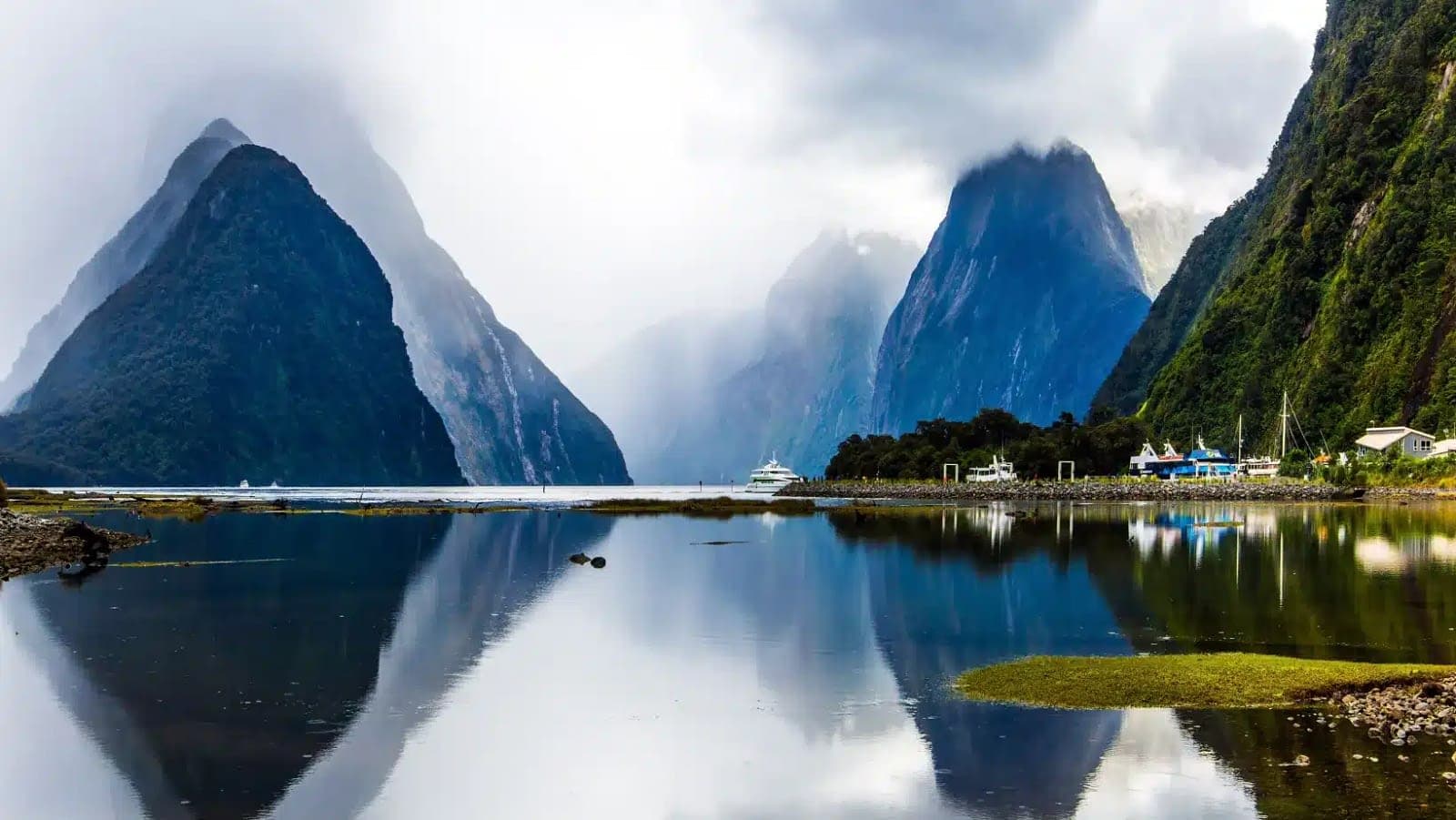
New Zealand sits about as far from the United States as you can get, and that turns out to be part of the pitch. Roughly 28,000 US-born people already live here, a number that has climbed close to 30 percent in five years. They come for reasons that show up on almost every list: it's safe, the politics are calm, the courts and the press are trusted, and everyone speaks English so there's no new language to learn. The country ranks near the top of the world on governance, low corruption, and quality of life, and it feels a long way from the noise back home. That distance is exactly what a lot of people are buying. The lifestyle seals it for many: mountains and coastline are never far, work culture actually respects your evenings and weekends, and Maori culture gives the place an identity you won't find anywhere else.
It helps that New Zealand is openly recruiting. It's a small country of five million with an odd problem: plenty of its own people leave for higher wages in Australia, so it needs skilled newcomers and outside money to keep the lights on. That's why it built two clear doors. One is a points-based residency for people with in-demand skills. The other is the Active Investor Plus visa for people with serious capital. Since that investor visa was loosened in April 2025, applications have jumped several times over, and Americans have been the single largest group applying - roughly 40 percent of the total.
You also won't be the only American figuring this out. The community is still modest but growing fast, and you'll find Kiwis broadly warm to newcomers who show up ready to contribute rather than to lecture.
Here's the catch
Distance is real, and it cuts both ways. Wellington is 17 hours ahead of the U.S. East Coast; the flight home is long and costs a fortune, so popping back for a birthday is off the table. New Zealand isn't cheap: housing is tight, wages are lower than in comparable U.S. jobs, and plenty of older homes have no central heating. The job market is small, so some professions have very few openings. And both doors are selective on purpose. They mostly want your skills or your money, not just your good intentions. If you don't have a job offer or a real nest egg, this is one of the harder countries to land in, so it's better to know that now rather than after you've packed. The rest of this guide is about which of those two doors fits you, and what it truly takes to walk through one.
- Cost of living (single)
- $2,100/mo
- Safety index
- 75/100
- Internet speed
- 120 Mbps
- English proficiency
- 100/100
- Capital
- Wellington
- Population
- 5.2M
What life costs, roughly
NZD 3,400
Monthly budget for a couple
before rent, comfortable
NZD 1,100
One-bedroom, city center
per month
NZD 5,400
Family of four, monthly
before rent
NZD 15
A casual meal out
per person
02 · The numbers
Your money goes further, until it doesn't

The New Zealand dollar is worth roughly 60 U.S. cents, which flatters the sticker prices when you first look. Expatsi's own estimates put a comfortable couple's monthly budget around NZD 3,400 before rent (close to $2,050 USD), a one-bedroom in a city center near NZD 1,100 a month, and a family of four around NZD 5,400 before rent. A casual meal out runs about NZD 15. The median household income here is around NZD 90,000, so locals live comfortably without living large. That's the mindset you'll want to bring.
Rents tell the regional story. A two-bedroom runs highest in Auckland, eases a little in Wellington, and drops again in Christchurch and smaller cities, which is why plenty of families point themselves at the South Island. Then reality sets in. Auckland is genuinely expensive, and housing is the biggest line in almost every budget, regardless of whether you rent or buy. Anything imported costs more because it traveled a long way to get here, so cars, electronics, and even a decent block of cheddar carry a surcharge. Groceries add up, petrol is pricey, and many houses were built without central heating or double glazing, which means winter power bills and space heaters are a normal part of Kiwi life. If you have young kids, budget for childcare, too. Buying is its own math: home prices have eased off their pandemic peak, but you'll still want a sizable deposit, and only residents can purchase an existing home. Everyday tax is baked into prices through a 15 percent GST, so what you see on the shelf is usually what you'll pay.
Here's the honest trade. Salaries in New Zealand tend to be lower than the U.S. equivalent, so most people do not move here to get richer on paper. What you get back is the stuff that's hard to price. The two things that quietly drain American budgets, healthcare and the cost of feeling safe, largely come off the table. Once you qualify for the public system, you're not saving for a surgery, and you're not paying a premium to live somewhere secure. You trade a bigger paycheck for shorter commutes, cleaner air, and weekends that are actually yours. Treat every number here as a planning range rather than a quote; price your own city and lifestyle before you commit, because Auckland and small-town Otago are very different budgets.
Why the budget and the visa line up
Notice how both doors are built around you being able to support yourself. The skilled route wants a job paying at least the median wage, and the investor route wants real capital held for years. New Zealand isn't cheap, and it can't absorb people who arrive without a plan. Its immigration system quietly screens for newcomers who can carry the cost of living here from day one.
03 · Who actually moves here
Two doors: your skills or your capital

New Zealand isn't trying to be everything to everyone. It built its immigration around two kinds of newcomer, and it's worth being honest about which one is you before you fall in love with the scenery.
The skilled worker
This is the main highway. If you have a profession the country is short on, the play is to land a job with an accredited employer, then that offer becomes your route to residency through the points system. Nurses, doctors, engineers, teachers, electricians, builders, and software developers are all in demand, with many of those roles sitting on the Green List, which is the fast lane. The usual on-ramp is an Accredited Employer Work Visa tied to a real job offer, and you move to residence from there. No offer yet means your first job is finding one. The upside is that the path is clear and quick by global standards: with the right role and an accredited employer, residence can come through in a matter of months rather than years.
The investor
The second door is capital. The Active Investor Plus visa, which most people still call the golden visa, hands residency to people who put serious money into New Zealand funds and businesses. It's not a park-your-cash program: you can't just buy a house or hand the government a fee. The money has to go into active investments that carry real risk. In exchange, there's no English test, no age limit, and almost no requirement to spend time in the country. That combination is exactly why wealthy Americans have made it the busiest investor program going, filing roughly four in ten of all applications since the rules eased.
Families and everyone else
Partners and dependent children come along on both routes. Kids get schooling; once the main applicant qualifies, the family gets healthcare too, which makes New Zealand a genuine draw for parents chasing safety and space. Remote workers have a narrow lane, also: since early 2025, you can work for an overseas employer while you're here on a visitor visa, which is handy for testing the country before you commit. There are smaller doors too, like working holiday visas for people under 31 and student visas that can lead to post-study work rights. But be clear-eyed: if you're over 55, in an occupation with few openings and without capital, the honest answer is that New Zealand is tough. For most Americans building a life here, their residency path comes back to skills or capital.
What comes standard
Everyday safety
Low violent crime and some of the strictest gun laws anywhere.
Public healthcare
A funded universal system once your visa qualifies you.
English everywhere
No new language to learn, and a familiar legal system.
The outdoors
Mountains, coast, and room to breathe, minutes from the city.
Stable and clean
A strong democracy that ranks near the top on low corruption.
Work-life balance
A slower, saner daily pace that actually protects your evenings.
04 · Your visa paths
The doors, in plain English
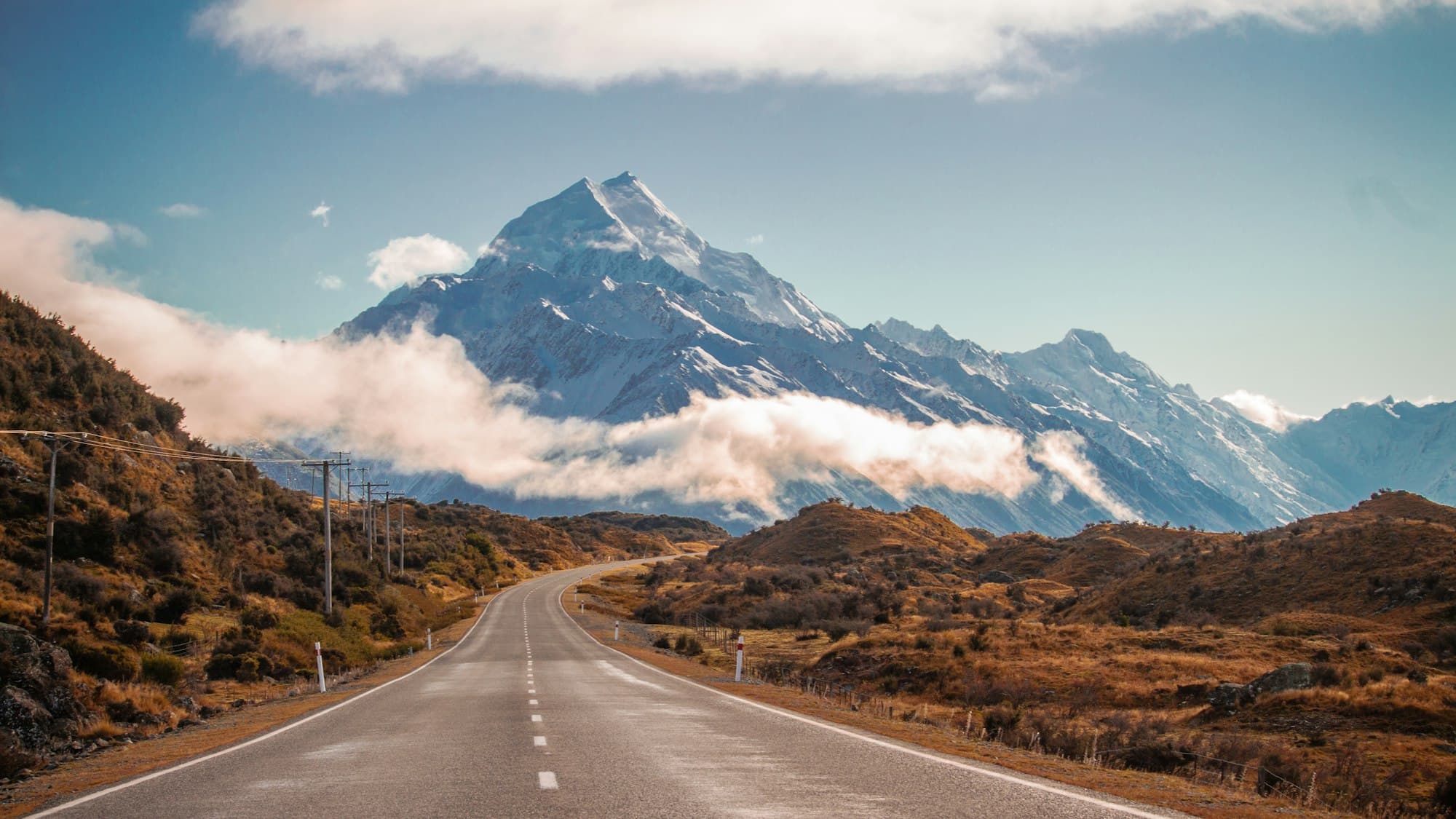
There are eight visa categories in the country's system, but Americans' choices sit between a small handful. Here are the ones that matter, in plain English:
The Skilled Migrant Category
This is the classic route to permanent residency, and it runs on a simple six-point system since late 2023. You collect points from one skill category - either a recognized qualification, an occupational registration, or your income - and you top up with as much as three points for skilled work experience in New Zealand, one point per year. You need a skilled job or job offer from an accredited employer paying at least the median wage, which rose to NZD 35.00 an hour in March 2026 (lower-graded roles need NZD 52.50). You must be 55 or younger, and you need to clear health, character, and English checks. The process starts with an Expression of Interest, and you're invited to apply if you're selected. The visa lets you live here indefinitely; after two years on it, you can apply for permanent residence. Our full guide is here: Skilled Migrant Category.
The Green List fast lane
If your job is on New Zealand's Green List of shortage occupations, you skip much of the queue. Tier 1 roles get a straight-to-residence pathway, and Tier 2 roles get a work-to-residence one. Doctors, nurses, engineers, and many tech and trade roles live here. Same points idea, much quicker path.
The Active Investor Plus golden visa
The investor door has two settings. The Growth option asks for NZD 5 million (about $3 million) held for three years, with just 21 days in the country over that whole time. The Balanced option asks for NZD 10 million (about $6 million) over five years, with 105 days here. There's no English test and no age limit, and your family's included. Read the details here: Active Investor Plus.
The smaller doors
A few other routes fill in the edges. The Business Investor visa suits people who want to buy and run an actual company rather than invest passively. Working holiday visas give under-31s up to one year to live and work; they're a popular way to try the country on. Student visas can lead to post-study work rights, and a partner who is a New Zealand citizen or resident opens a family route.
Coming in late August 2026
One heads-up. In August 2026, the Skilled Migrant Category adds two new pathways, one for experienced workers and one for trades and technicians, plus a wage lock-in so that a mid-process pay-rate rise can't quietly disqualify you. If you're mid-application, this is worth watching closely.
Every New Zealand visa, side by side
| Visa | Category | Application cost | Processing | Difficulty | Guide |
|---|---|---|---|---|---|
| Active Investor Plus Visa (Balanced) | investment | — | ~120 days | 5/5 | Guide |
| Active Investor Plus Visa (Growth) | investment | — | ~120 days | 5/5 | Guide |
| Business Investor Visa | investment | $4,130 | ~180 days | 5/5 | Guide |
| Green List Pathway Visa | skilled work | — | ~60 days | 4/5 | Guide |
| Occupational Registration Visa | skilled work | — | ~14 days | 2/5 | Guide |
| Skilled Migrant Category Resident Visa | skilled work | — | ~90 days | 4/5 | Guide |
| Student Visa | student | — | ~20 days | 2/5 | Guide |
| Working Holiday Visa | working holiday | — | ~20 days | 2/5 | Guide |
05 · The practical stuff
Healthcare, taxes, and the day-to-day
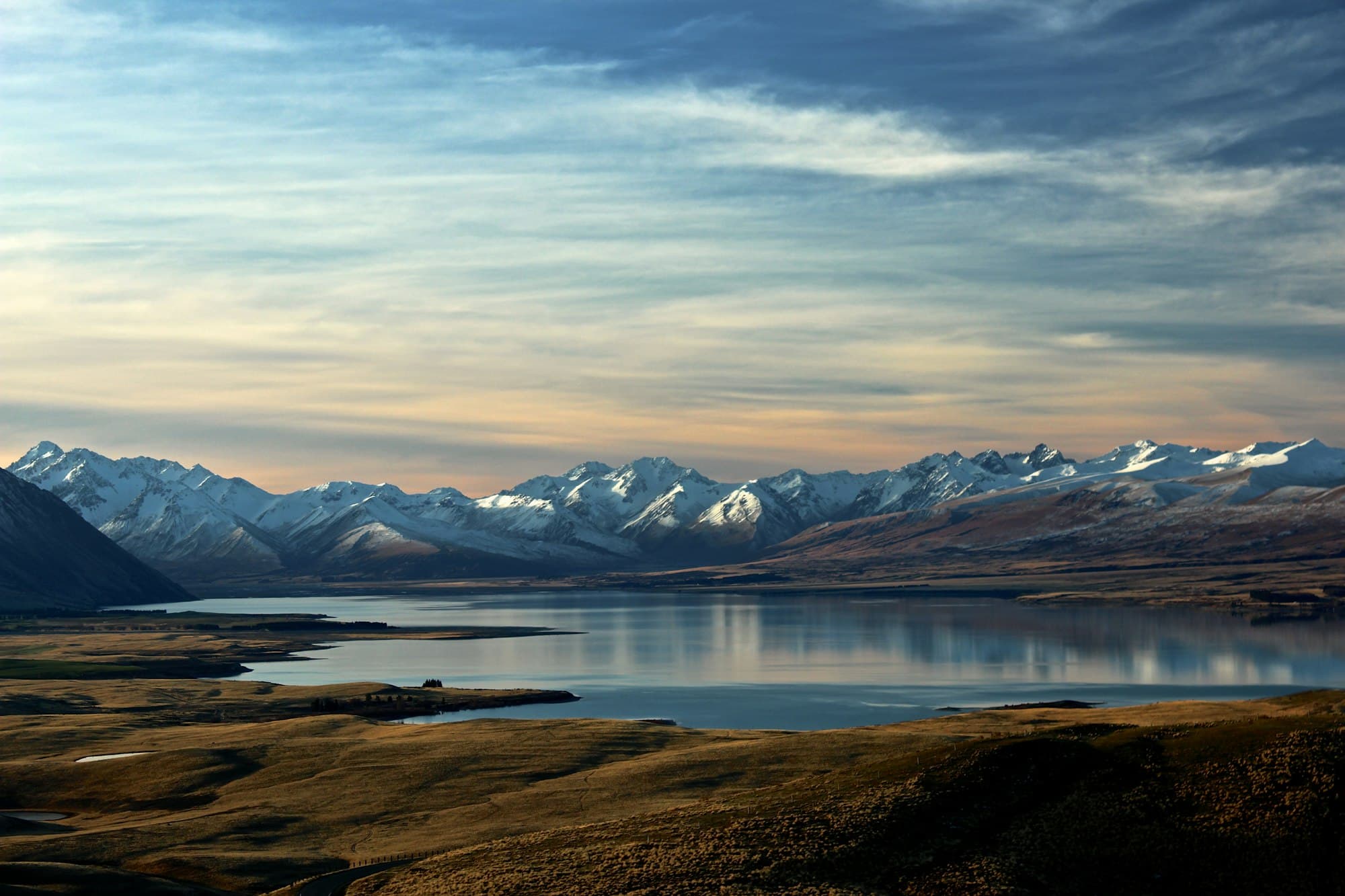
Healthcare
New Zealand runs a universal public health system, and it's one of the biggest reasons the budget works. But access isn't automatic. You qualify once you hold a resident visa, or a work visa granted for two years or more, and your partner and kids ride on your status. On a shorter visa you pay privately, so plan coverage for that gap. Once you're in, you enroll with a local GP for subsidized visits. Prescriptions are cheap through the national scheme, and public hospital care is funded. Dental for adults is mostly private, and there can be waits for non-urgent specialist care, so some residents also carry private insurance to skip the queue. One nice safety net: the ACC scheme covers accident injuries for everyone, residents and visitors alike, with no fault to prove.
Taxes, and the good news
New migrants get a real gift here. If you haven't been a New Zealand tax resident in the past 10 years, you get a four-year exemption on most of your foreign income (things like overseas dividends, interest, rental income, and pensions). New Zealand also has no general capital gains tax and no inheritance, estate, or wealth tax, which is a big deal for smart investors. There's edges to watch, though: property sold within two years can be taxed, and foreign share portfolios have their own rules once the exemption ends. The catch that every American should hear is you still file a U.S. return every year no matter where you live, though the Foreign Tax Credit usually wipes out what you'd owe. Get a cross-border accountant before you move money.
Schools, pets, and getting around
Public schools are free for residents and generally good, with private and integrated options in the cities. You can bring your dog or cat, though New Zealand's biosecurity rules are strict. The process takes planning, so start early. Opening a bank account is straightforward once you have a visa and a local address, and daily life is easy in a country that shares your language and legal habits. You'll want an IRD number for work and tax, drive on the left, lean on domestic flights to cross the country, and you'll learn that the weather can swing through four seasons in an afternoon. Expect long, costly flights home, and budget for a warm, well-insulated house, because that's the one comfort a lot of Kiwi homes skimp on.
This guide is dated on purpose
New Zealand tunes its immigration settings often, more than most countries. The median wage moves every March, two new skilled pathways land in August 2026, the investor rules were just rewritten, and the foreign-buyer exception is brand new. Everything here is current for 2026. Before you file anything, confirm the live numbers at immigration.govt.nz and run your case past a licensed advisor.
06 · Where to live
Three places to start your search

Auckland
Jobs and the big city
The largest, most diverse city and by far the deepest job market, wrapped around two harbors with beaches and vineyards in easy reach. You pay for it in rent, and traffic can test you, but if you're moving for work this is where most skilled roles actually live.

Wellington
Capital and creative
The compact, walkable capital, heavy on arts, coffee, and government and tech jobs. Windy and built on hills, but you can cross the whole city on foot, and its waterfront and cafe culture win a lot of people over fast.

Christchurch
Space and value
The South Island's hub, rebuilt and noticeably roomier than the North Island, with cheaper housing and the Southern Alps barely an hour away. Skiing, hiking, and a calmer pace make it a favorite with families stretching a budget.
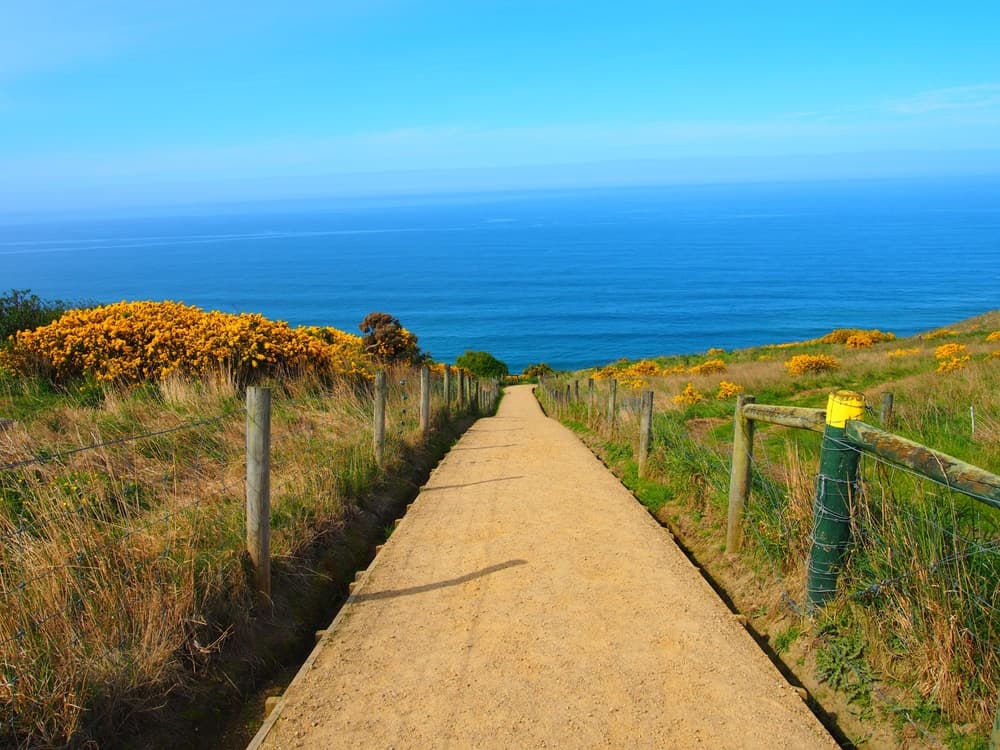
Dunedin
Scottish south
New Zealand's Victorian, Scottish-founded university town, with the country's oldest university, students everywhere, and albatross and yellow-eyed penguin colonies out on the peninsula. The catch is cold and distance: the chilliest of the main cities, and thin on work outside the university and the hospital.
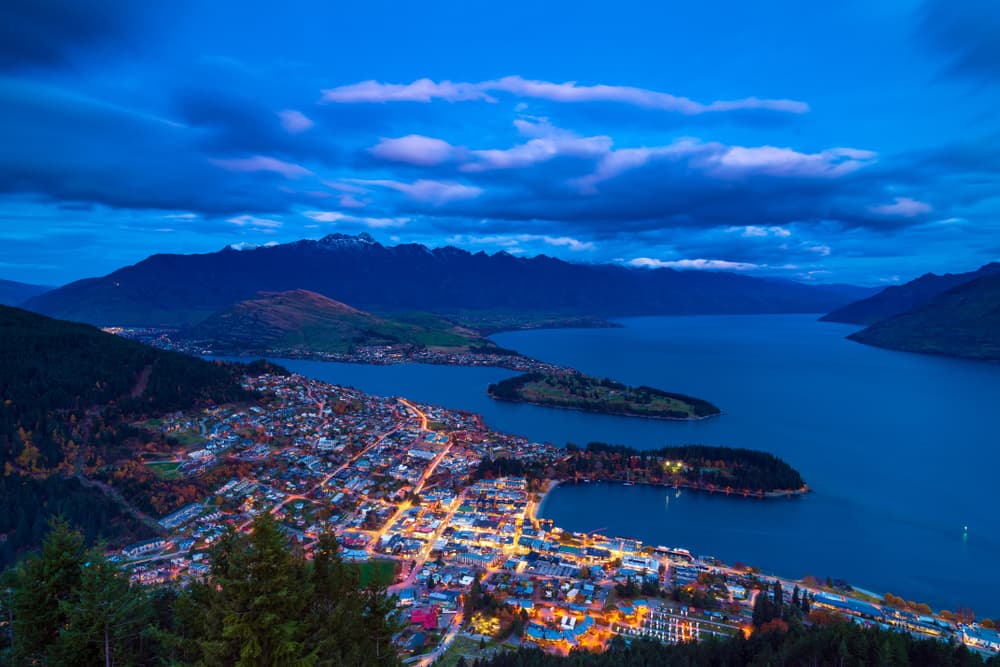
Queenstown
Mountains and adventure
A lakeside town under the Remarkables where skiing, hiking, and every adrenaline sport ever invented sit within half an hour. It is the priciest place in New Zealand, housing is scarce and seasonal, and the whole town runs on tourism, so it can feel like a holiday that never ends.
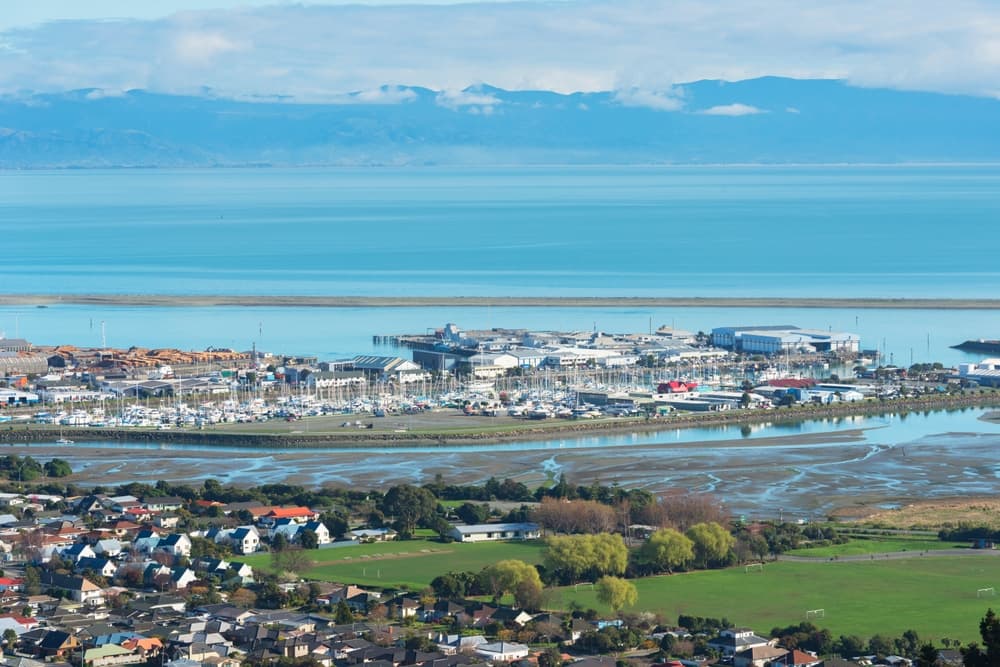
Nelson
Sunniest corner of NZ
The sunniest place in New Zealand by the official count, at the top of the South Island, with Abel Tasman's beaches an hour up the road and a craft and arts scene out of all proportion to its size. Work outside tourism, wine, and horticulture is thin on the ground.

Tauranga
Beach town gone big
Mount Maunganui's surf beach and the climb up Mauao are why people move here, with kiwifruit country inland and New Zealand's busiest port on the harbor. Growth has outrun the roads, retirees have pushed housing hard, and the place sprawls more than it centers.

Hamilton
River city inland
An inland city on the Waikato River, ringed by the dairy country that pays for it, with a set of themed gardens that everyone tells you to see. Auckland is about ninety minutes north, close enough to visit and far enough to feel like its own place. Nobody moves here for excitement.

Napier
Art deco by the sea
Rebuilt in art deco after a 1931 earthquake flattened it, so the whole center is one period, with Hawke's Bay vineyards behind it and a gannet colony out at Cape Kidnappers. A February festival fills the streets with vintage cars. Quiet, sunny, and heavily retired.

Palmerston North
University on the plain
A flat university town on the Manawatu plain, built around Massey and a cluster of agricultural research institutes, with Wellington about two hours south. Rents sit at the bottom of the New Zealand range. Students give it energy in term time, and it empties out when they go home.
The people who make it easier
You don't have to sort this out alone, and honestly you shouldn't try. New Zealand's rules move around, paperwork is exacting, and the two doors reward people who prepare. These are vetted partners we trust for the parts that trip Americans up, from landing an accredited job offer to structuring investor capital the right way, arranging a mortgage once you can buy, and simply finding your feet after you land.




Go deeper
Two Expatsi resources for when you're ready to move from reading to planning your New Zealand move.
New Zealand Healthcare Report
Healthcare guide for New Zealand
A free, plain-English breakdown of how the public health system works, who qualifies, and where private cover still makes sense.
How To Move To New Zealand
Dreaming of life in New Zealand? This webinar will help you understand what it really takes to make the move, from visa pathways and cost of living to healthcare, housing, work, and everyday life. Whether you're just starting to explore or actively planning, you'll leave with a clearer sense of whether New Zealand is the right fit and what steps come next.
Our on-demand webinar walking through the full move to New Zealand, visa by visa and step by step.
Find your people
New Zealand
Expatsi Community
Compare notes with other Americans planning the move or already settled in New Zealand, and ask the questions the government sites never quite answer.
Join the communityCommon questions
Will I get free public healthcare?
Once you hold a resident visa, or a work visa granted for two years or more, you're eligible for the public system. On a shorter visa you pay privately. The ACC scheme covers accident injuries for everyone, including visitors.
What's the easiest visa for a skilled worker?
A skilled job offer from an accredited employer is the key that unlocks the rest. With one, you can collect the six points the Skilled Migrant Category needs; if your role is on the Green List, you get an even faster path to residence.
Can I buy a house in New Zealand?
Residents can buy. There's a general ban on foreign buyers, with a narrow exception from March 2026 that lets investor-visa holders buy or build one home worth NZD 5 million or more. Most movers buy after they have residency.
Is it expensive to live there?
It's not cheap, especially in Auckland. Budget roughly NZD 3,400 a month for a couple before rent, plus around NZD 1,100 for a city one-bedroom. Imported goods cost more, but healthcare and safety take big worries off the table.
How long until residency and citizenship?
The Skilled Migrant Category grants residence up front. After two years on it you can apply for permanent residence, and after five years living here you can generally apply for citizenship, subject to character and presence checks.
How much do I need for the golden visa?
The Active Investor Plus visa has two settings. Growth asks for NZD 5 million (about $3 million) over three years with 21 days in the country. Balanced asks for NZD 10 million over five years with 105 days. There's no English test and no age limit.
Do I still pay U.S. taxes?
Yes. Americans file a U.S. return every year no matter where they live, though the Foreign Tax Credit usually erases what you'd owe. New migrants also get a four-year exemption on most foreign income, and New Zealand has no general capital gains tax.
Can Americans actually move to New Zealand?
Yes. U.S. citizens can move through several routes, and there's no US-specific quota. Most people rely on a skilled job offer or the Active Investor Plus visa, with family, student, and working holiday options alongside them.
Sources
- Skilled Migrant Category Resident Visa · Immigration New Zealand
- Active Investor Plus Visa · Immigration New Zealand
- Further SMC changes from 24 August 2026 · Immigration New Zealand
- Tax for new residents and transitional residents · Inland Revenue
- Eligibility for publicly funded health services · Health New Zealand
- New Zealand golden visa demand leaps as Americans seek a Plan B · Forbes
- Why more Americans are moving to New Zealand · Newsweek
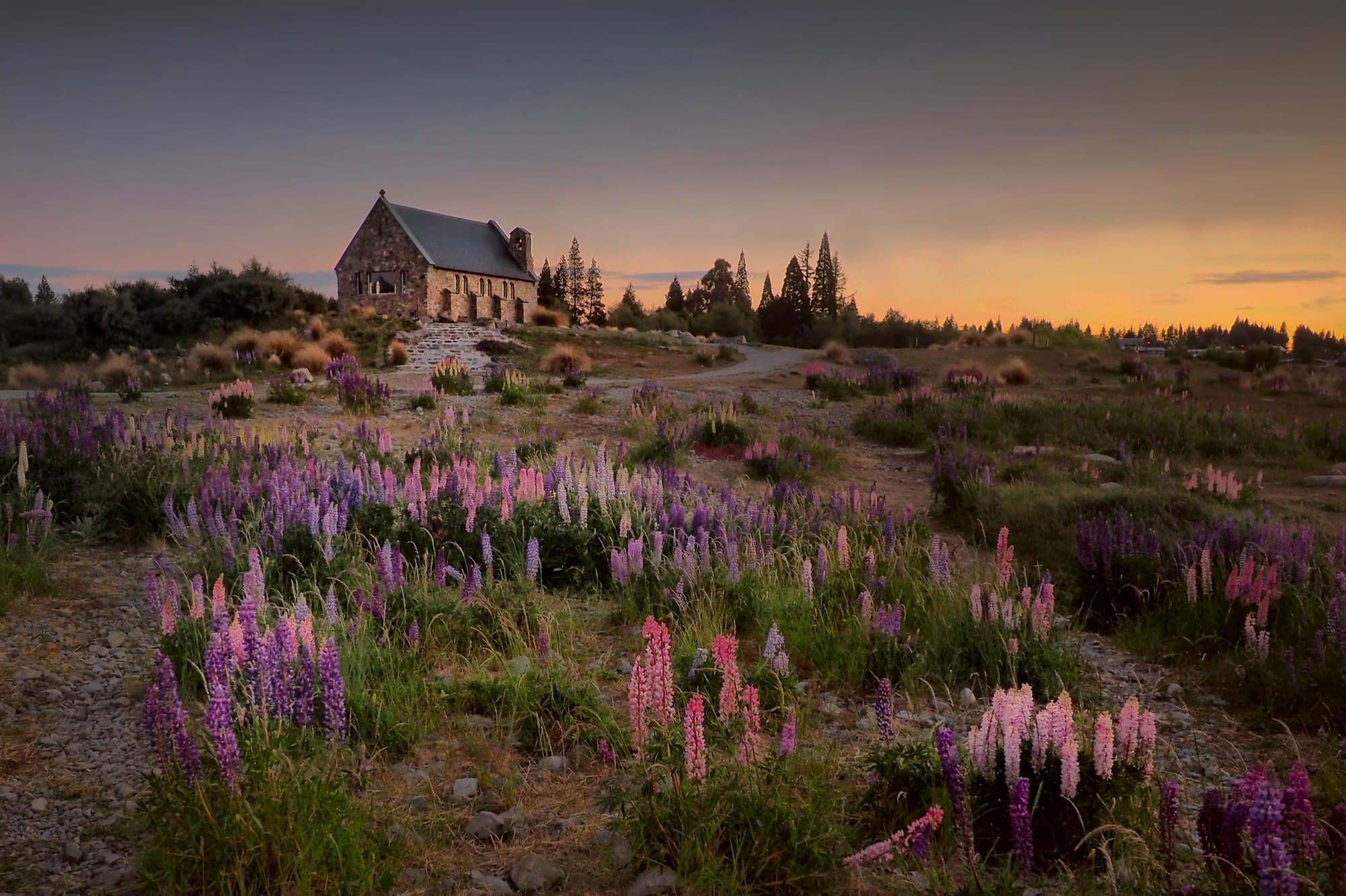
Is New Zealand actually your match?
Take the free Expatsi Test and see how New Zealand stacks up against 100-plus countries for your life, your work, and your budget.
navy