Country guide: Jordan
Moving to Jordan: the 2026 guide for Americans
Amman is a comfortable, English-friendly base in the Arab world, but there's no retirement visa, no nomad visa, and a Level 3 travel advisory to weigh. Here's how Americans make it work anyway.
What a year in Amman costs, the legal ways Americans stay longer than a vacation, and the safety picture as of September 2026, so you can decide with clear eyes.

Reviewed and updated October 22, 2026 · 12 min read
01 · The case for Jordan
What pulls Americans to Jordan, and what gives them pause

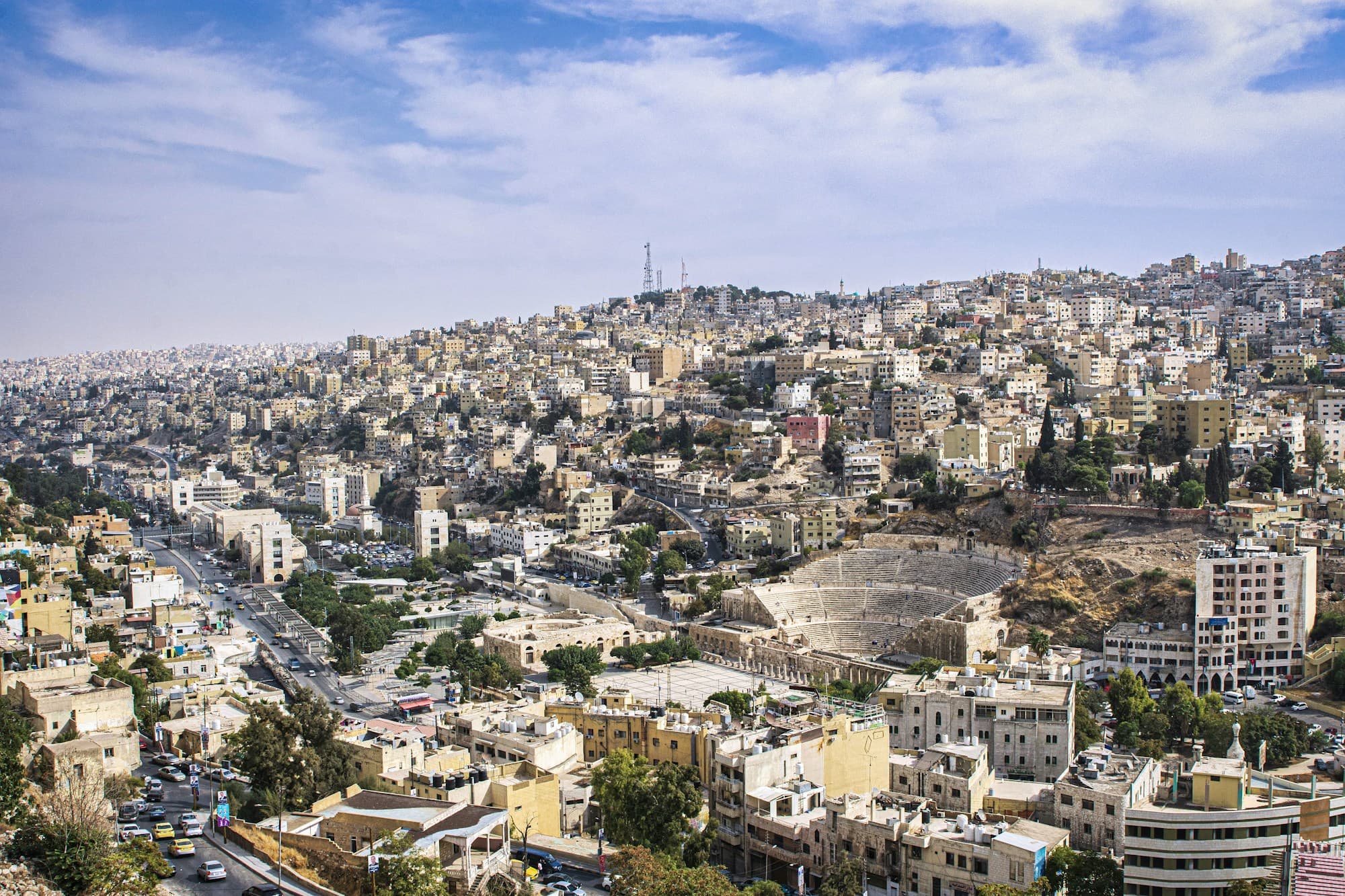
The Americans who end up in Jordan rarely stumble into it. They come to learn Arabic, to work for an NGO or international school, to be near family, or because they fell for the place on a trip to Petra and Wadi Rum and couldn't shake it. Amman is a hilly, sandstone-colored capital of cafes, bookstalls and Roman ruins. It's a comfortable base for someone who wants to live in the Arab world without starting from zero.
A few things make the landing softer than you might expect. Many doctors studied abroad and speak English, and our data puts English proficiency around 60 out of 100. The dinar has been held at about 0.709 to the U.S. dollar since 1995, so a dinar is roughly $1.41 and your budget doesn't swing with the currency markets. Royal Jordanian flies nonstop between Amman and Chicago, Detroit and New York.
The everyday numbers are friendly, too. As of 2026, a single person can live on about $1,050 a month and a couple on about $1,850, all in. The climate is dry and sunny, with about 280 sunny days a year and an average temperature near 68°F in our data. There's a visa perk most Americans don't know about: Jordan sells U.S. citizens, and only U.S. citizens, a five-year multiple-entry visa for 110 JOD (about $155).
Before you pack: the hard parts
Jordan isn't for everyone, and it's better to hear why now.
First, safety. As of August 29, 2026, the State Department rates Jordan Level 3, Reconsider Travel, citing terrorism and armed conflict. It lists several areas as Do Not Travel, including the Syria and Iraq border region and Syrian refugee camps. The embassy now allows staff families back after departures earlier in 2026, but read the advisory yourself before committing.
Second, there's no easy residence visa for retirees or remote workers. Jordan has no retirement visa or digital nomad visa. Residency comes through a job, study, family ties, a bank deposit, property or a large investment. Each has real hurdles, which the visa chapter below lays out.
Third, it's a conservative society. Same-sex relationships aren't a crime, but the State Department warns that adultery and modesty laws may be used against gay and lesbian travelers. Local jobs are hard for foreigners to get, while some professions are closed to them entirely.
Put together, Jordan fits a fairly specific American: someone with a reason to be there (a job offer, an Arabic program, a Jordanian spouse or family) or someone with savings to park in a deposit or a home, who wants a lower-cost life in the region and can live with a more cautious safety picture. It fits less well if you need a quick, simple residence visa on retirement income, or if you'd be moving with a same-sex partner.
If that sounds like you, keep reading. The rest of this guide covers the money, the legal routes, healthcare and taxes, where people live in Amman, and who can help.
- Cost of living (single)
- $1,050/mo
- Safety index
- 55/100
- English proficiency
- 60/100
- Internet speed
- 45 Mbps
- Capital
- Amman
- Currency
- Jordanian Dinar (JOD)
02 · The numbers
A month in Jordan, in dollars
$1,050
Monthly budget, single
all in, 2026
$1,850
Monthly budget, couple
all in, 2026
$3,000
Monthly budget, family
with kids
$350
Rent, 1-bed city center
$250 outside center
$6
Inexpensive meal out
local restaurants
$35
Monthly transportation
taxis and buses
$31
Home internet, monthly
about 45 Mbps
55/100
Safety index
moderate crime
Where your money goes in Amman

Jordan is affordable by U.S. standards, but it isn't a bargain basement. As of 2026, our data puts a single person at about $1,050 a month and a couple at about $1,850, with a family closer to $3,000. A simple meal out runs about $6, getting around by taxi and bus about $35 a month, and home internet about $31 for roughly 45 Mbps.
Rent is where the averages can fool you. Our figure for a one-bedroom in a city center is about $350 a month, and $250 further out, but that's a citywide average. The west Amman neighborhoods where most foreigners live cost a lot more. One Amman rental site lists one-bedrooms in Abdoun at 550 to 900 JOD a month (about $775 to $1,270, in Sweifieh at 400 to 650 JOD (about $565 to $915). If you want an elevator, parking and a doorman, budget for that end of the range.
The other costs to plan for are the ones that come with staying legal. The police registration, medical test, residency fees and, for some routes, a bank deposit all land in your first months, and they're covered in the next chapter. Because the dinar tracks the dollar, what you budget in dollars today should hold.
The budget works; the visa is the puzzle
For a lot of readers, the budget above is the easy part. Legal status is harder. With no retirement or nomad visa, the question isn't whether you can afford Jordan but which of the routes below you can use, and for how long.
03 · Staying legally
Six ways Americans stay in Jordan longer than a vacation
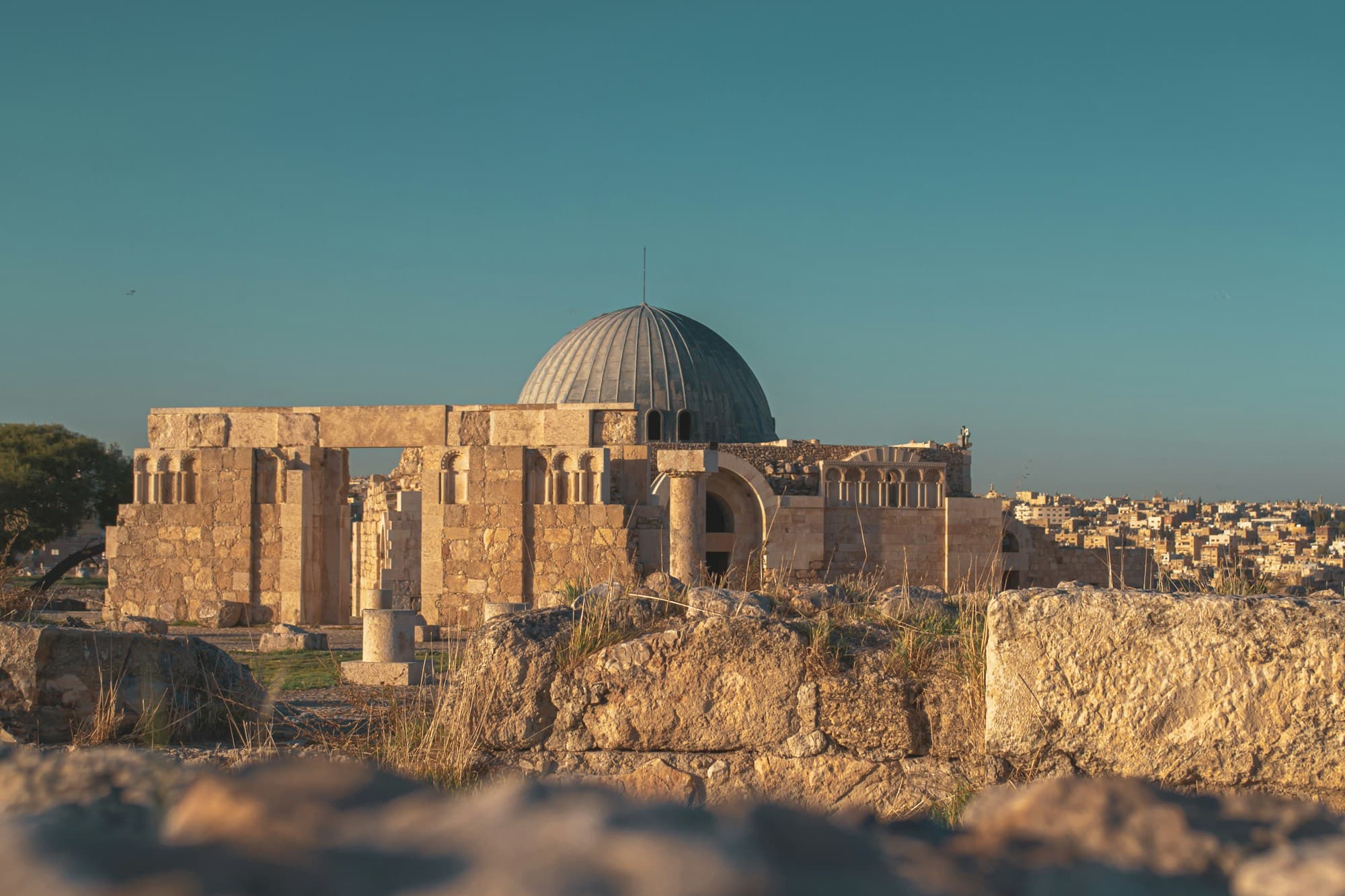
Your route depends on why you're coming and what you can put on the table: an employer, a school, a deposit, a property or a large investment. Here's each one, with the numbers as of September 2026.
The U.S.-only five-year visa (a visitor route, not residency)
Americans can buy a five-year multiple-entry visa for 110 JOD (about $155). The State Department says U.S. citizens can stay 90 days on it after registering with the local police. It's the most flexible tool for people who split their year between Jordan and the U.S. It isn't residency, though: it doesn't let you work for a Jordanian employer, and visitors who stay about six months without a residence permit have to leave and re-enter.
The registration rule is strict. Since October 1, 2025, any foreigner staying more than two weeks has to file with the Public Security Directorate or a police station within the first two weeks, bringing a passport copy, a lease or deed, the owner's ID and fingerprints. Skipping it can mean a 200 JOD fine (about $282), and overstays can cost 3 JOD a day. A Jordan Pass visa is exempt from the fine for its 30 days.
Residency with a bank deposit
Jordan's five-year residence permit asks non-property owners for a bank deposit, which the Cabinet cut from JOD 20,000 to JOD 10,000 (about $14,100) in February 2025. The rules on who qualifies are narrow and change often, so treat this as a conversation to have with a Jordanian lawyer before you move money. Every residency route also needs a medical clearance from a Ministry of Health center; one applicant reported paying 85 JOD (about $120) for the blood test and 30 JOD (about $42) in residency fees. The same applicant found her card listed her name the Arabic way, with her father's name in the middle, so it didn't match her passport; ask for the names to match exactly when you apply.
Residency by buying property
Since July 2026, buying a home gives five-year residence if it's worth at least JOD 150,000 outside Amman (about $212,000), JOD 200,000 from a developer (about $282,000), or JOD 300,000 from a private seller (about $423,000). You have to hold it five years; the value is set by the Department of Lands and Survey appraisal, not the sale price. Property gets you residence only, not citizenship. Owners who've lived in Jordan more than two years no longer need the separate JOD 10,000 deposit.
A job with a Jordanian employer
Work permits are employer-led: the company applies, sponsors you and pays the annual fee, 300 JOD (about $420) for non-Arab workers outside agriculture. The permit ties you to that employer, and changing jobs needs Ministry of Labour approval. Several fields are closed to foreigners, including sales, clerical work and most teaching roles, so the realistic employers are international organizations, NGOs, embassies and international schools hiring for specialist posts.
Studying Arabic
Many Americans come for the language. Private institutes like Qasid can't issue residency permits; instead, staff help students extend the one-month airport visa to three months. It works for a term or two, but longer stays run into the same six-month limit as other visitors.
Investor citizenship (for the few)
Jordan also offers citizenship for large investments. Since July 2026 the listed-share route needs JOD 1.5 million (about $2.1 million), locked for five years, and a new project needs JOD 700,000 in Amman or JOD 500,000 elsewhere. These routes are built for business owners, not retirees. If you do end up with a Jordanian passport, keep in mind that Jordan treats U.S.-Jordanian dual nationals as Jordanian citizens, meaning local authorities aren't obligated to notify the U.S. Embassy if you're detained.
If you work remotely
Jordan has no digital nomad visa, and we couldn't find a rule that clearly covers remote work for a foreign employer on a visitor visa. Get advice before you plan a working life around it.
Five-year visitor visa
110 JOD, U.S. citizens only. Up to 90 days per stay after police registration. No local work.
Deposit residency
Five-year permit; non-property owners deposit JOD 10,000 (about $14,100) since February 2025.
Property residency
Five years for a JOD 150,000 to 300,000 home, held five years. Residence only.
Employer work permit
Employer applies and pays 300 JOD a year. Tied to one job; some fields closed.
Arabic study
Visa extensions to three months per term; private institutes can't grant residency.
Investor citizenship
From JOD 500,000 in a new project outside Amman; JOD 1.5 million in listed shares.
Jordan's investor passport: build a business, hire locally, wait it out
A new company outside Amman needs JOD 500,000 (about $705,000) and 10 Jordanian hires; new listed shares need JOD 1.5 million (about $2.1 million). Every route comes with years of conditions.
Jordan's property residency: a five-year permit tied to the home you buy
Rules approved in July 2026 set the floor as low as JOD 150,000 (about $212,000) for a home outside Amman.
Jordan's work permit in 2026: the specialist's way in
Jordan paused most foreign hiring in June 2026. Specialists in hard-to-fill roles are exempt, and their one-year permit now costs 1,500 JOD (about $2,115).
04 · Day-to-day life
Doctors, taxes, banks and staying safe
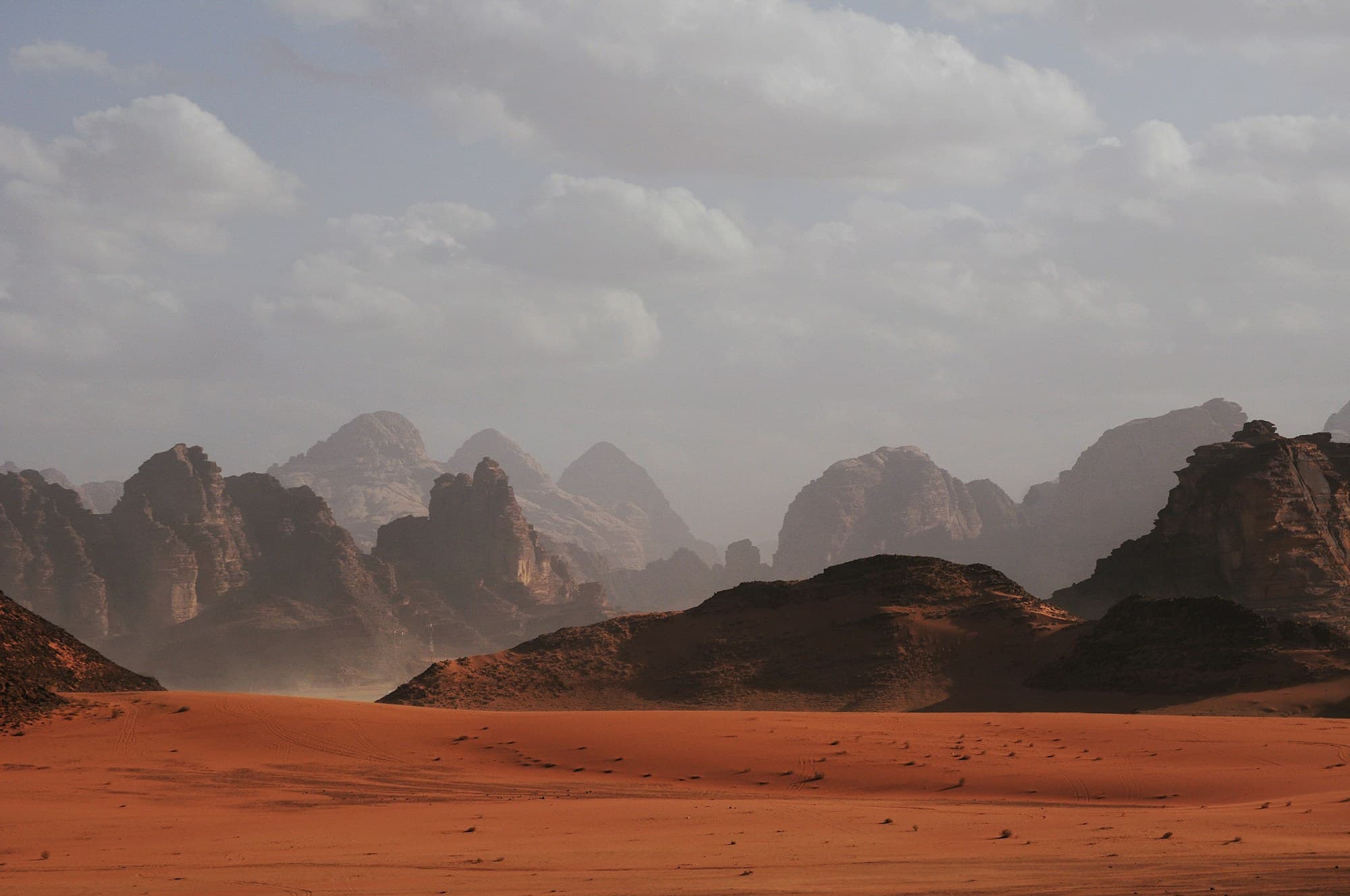
The practical side of life in Jordan, with the parts that catch Americans off guard.
Healthcare
Amman is where you find the good care. Most expats use private hospitals and clinics for shorter waits and more privacy, since the public system has long waiting times. Medical care isn't free for foreigners, even at public facilities, with hospitals often wanting payment upfront. Your U.S. insurance almost certainly won't pay, so plan on international health coverage. If you'll live outside the capital, look for a policy that covers emergency transport to Amman. Hunter Schultz, our healthcare coach, can help you judge hospitals before you choose a city. ExpatInsure can set up the coverage.
Taxes
You'll still file with the IRS every year, because the U.S. taxes its citizens wherever they live. On the Jordanian side, you become a tax resident after 183 days in a year, counted together whether or not they're in a row. Jordan taxes income earned in or from Jordan, with rates starting at 5% on the first JOD 5,000 and rising to 30% at the top; an extra 1% applies above JOD 200,000. How Jordan treats U.S. pensions, Social Security and investment income is a question for a tax professional, and MyExpatTaxes handles the U.S. filing side for Americans abroad.
Banking and money
Opening a Jordanian account usually needs a residence permit or a confirmed local address, plus a minimum deposit that's usually around JOD 200 (about $282). Arab Bank is the largest and a common pick among expats. Keep a U.S. account for Social Security and card payments, and use a currency service like Moneycorp to move larger sums.
Safety and local laws
The August 29, 2026 advisory is Level 3 for the whole country, with Do Not Travel zones along the Syria and Iraq borders, in the Syrian refugee camps, in Rusayfah and in the Baqa'a neighborhood of Ayn Basha. Register with the embassy's STEP program, keep your residency paperwork current, and dress and behave conservatively outside west Amman.
Getting there and staying in touch
Royal Jordanian runs nonstop flights between Amman and Chicago, Detroit and New York's JFK. Jordan dropped daylight saving time in October 2022 and stays on UTC+3 all year, which puts it seven to eight hours ahead of Eastern, by season. That's a workable overlap for calling family in the evening, and a tough one if you're trying to keep U.S. business hours.
Bringing pets
Dogs and cats need an ISO microchip and a rabies shot given between 21 days and 12 months before arrival. Pets flying with you and meeting the rules skip quarantine, while pets shipped as cargo face two weeks of home quarantine. Jordan has no banned-breed list.
Rules current as of September 2026
Jordan changed its registration rule in October 2025, its deposits in February 2025 and its investor thresholds in July 2026, and the travel advisory was last updated in August 2026. Everything here reflects September 2026. Check with the U.S. Embassy in Amman and a licensed Jordanian lawyer before you sign a lease or move money.
05 · Where people settle
Choosing a neighborhood in Amman
For most Americans, moving to Jordan means moving to Amman, so the real choice is the neighborhood. Most foreigners live on the west side of the city.
Abdoun is one of the most established residential areas, with newer apartment buildings that have elevators, underground parking and security. Sweifieh is busier and more commercial, full of shops and restaurants, and a little less expensive. Jabal Amman is the historic option, with hillside streets, converted villas and the cafes of Rainbow Street, and it draws artists and remote workers. Families and diplomats who want more space and privacy often look at Dabouq on the city's western edge, and Khalda is a practical middle ground with roomier apartments and good road links.
A few practical tips: visit a place at different times of day before you commit, ask what's included in the rent, from parking to building fees, and if you'll rely on taxis, look close to your work or school.
Whatever you pick, sign a lease you can show the police: you'll need it for your two-week registration.
Jordan city guides
Explore cities in Jordan

Amman
Hilly Levant capital
Stone buildings climbing steep hills, cafes in Weibdeh and Jabal Amman, and the Roman Theatre downtown. It's where Jordan's best hospitals, international schools, and expat scene sit, and west Amman suits most newcomers. The catch is no easy retiree residency and a Level 3 advisory.
Aqaba
Red Sea port town
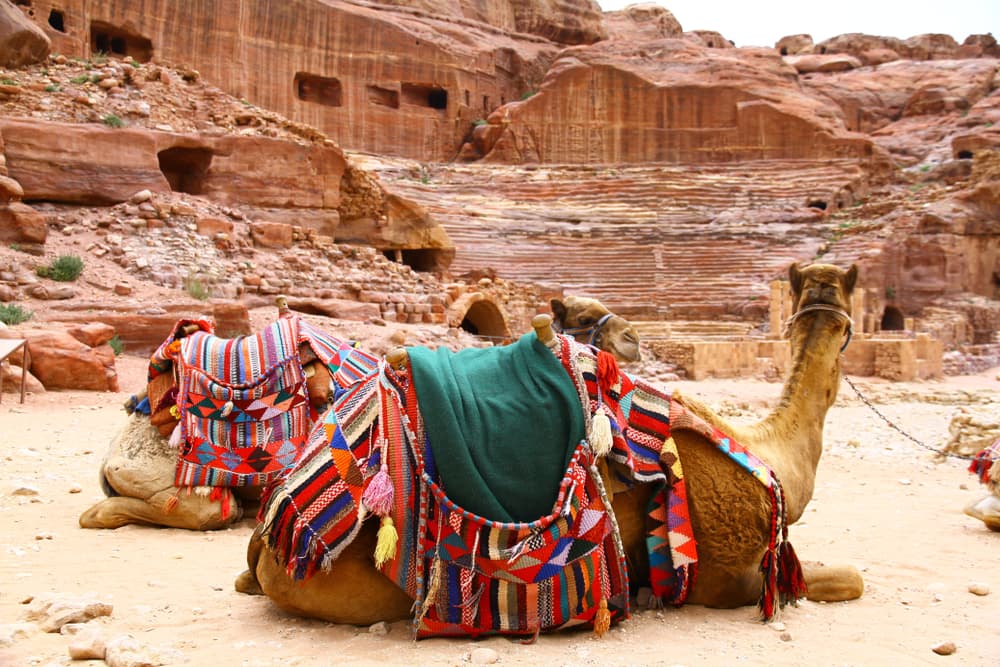
A small port and resort town with diving, warm winters, and a duty-free zone, and Wadi Rum about an hour's drive inland. It suits people who want a slow coastal life. Summers are very hot, and healthcare and work options are thin.
06 · Help on the ground
People who can take the paperwork off your plate
Jordan's rules shift often. Most of the process happens in Arabic, so having help matters here more than in many countries. These are Expatsi-vetted partners who can take on the health, money, pet, cultural and planning parts of the move. None of them is a Jordanian immigration lawyer. For the residency filing itself, hire a licensed local firm.

Hunter Schultz
Healthcare Coach
More than 20 years living abroad and a background in air medical transport. In a one-hour consultation he builds a care plan for your destination, including which hospitals and specialists to use.
Learn more
ExpatInsure
Global Health Insurance
Expatsi's international health insurance partner. They set you up with private coverage that works abroad, which matters in a country where U.S. plans don't pay.
Learn more
MyExpatTaxes
U.S. Expat Tax Service
Software built for U.S. expat tax returns, filing since 2018, with help for complicated cases. Handles the IRS side of living abroad.
Learn more
Moneycorp
Currency Exchange
A currency and international payments specialist working since 1979. Moves dollars abroad at better rates than a typical bank and sets up recurring transfers.
Learn more
Bodzin Pet Travel Solutions
Pet Relocation
A pet travel concierge that plans the paperwork and flights for your dog or cat, from the microchip and vaccines to the crate and customs forms.
Learn more
Culturosity Co.
Cultural Skills Coach
Certified intercultural trainers who coach individuals and groups on adapting to a new culture, useful before a move to a more conservative society.
Learn more07 · Quick answers
Moving to Jordan: common questions
Does Jordan have a retirement visa?
No. Jordan has no dedicated retirement or passive-income visa. Retirees can look at the U.S.-only five-year visitor visa, a five-year residence permit backed by a JOD 10,000 bank deposit (about $14,100), or residency through buying property worth JOD 150,000 to 300,000, depending on location and seller.
Can you get residency in Jordan by buying property?
Yes. Since July 2026, a home worth at least JOD 150,000 outside Amman, JOD 200,000 from a developer, or JOD 300,000 from a private seller qualifies for five-year residence, as long as you hold it five years. The Department of Lands and Survey sets the value. It gives residence only, not citizenship.
Will my U.S. health insurance work in Jordan?
Almost certainly not. The State Department notes most hospitals abroad don't accept U.S. insurance, and medical care in Jordan isn't free for foreigners, even at public facilities. Most expats buy international private coverage and use private hospitals in Amman.
How long can an American stay in Jordan without residency?
On the five-year multiple-entry visa, the U.S. State Department says Americans can stay 90 days after registering with local police. Visitors who reach about six months without a residence permit must leave and re-enter. Since October 1, 2025, anyone staying more than two weeks must register with the Public Security Directorate within those first two weeks or risk a 200 JOD fine (about $282).
Is Jordan safe for Americans right now?
As of August 29, 2026, the U.S. State Department rates Jordan Level 3, Reconsider Travel, because of terrorism and armed conflict. It lists the Syria and Iraq border region, Syrian refugee camps, Rusayfah and the Baqa'a neighborhood of Ayn Basha as Do Not Travel. Read the current advisory before you commit.
How much does it cost to live in Jordan?
As of 2026, Expatsi's data puts a single person at about $1,050 a month and a couple at about $1,850, all in. A city-center one-bedroom averages about $350, but the west Amman neighborhoods where most foreigners live cost more; one rental site lists Abdoun one-bedrooms at 550 to 900 JOD a month.
Do Americans need a visa to visit Jordan?
Yes, but it's easy to get. U.S. citizens can buy a single-entry visa on arrival at Queen Alia International Airport for 40 JOD (about $56), or a five-year multiple-entry visa for 110 JOD (about $155) that only Americans can get. A Jordan Pass bought online also covers the visa fee if you stay at least two full nights.
Can I work remotely from Jordan?
Jordan has no digital nomad visa, and no clear rule allows remote work for a foreign employer on a visitor visa. Jordanian work permits are employer-sponsored and tied to one local employer. If remote work is your plan, get advice from a Jordanian lawyer before you move.
Sources
- Jordan Travel Advisory (Level 3, August 29, 2026) · U.S. Department of State (checked September 2026)
- Jordan International Travel Information · U.S. Department of State (checked September 2026)
- Message for U.S. Citizens: New Residency Requirements · U.S. Embassy in Jordan (checked September 2026)
- Jordan eases residency requirements for foreign investors · UNCTAD Investment Policy Hub (checked September 2026)
- Jordan Amends Investor Citizenship and Residency Criteria in July 2026 · Abdullah & Partners (checked September 2026)
- Cabinet approves new investor residency, citizenship rules · Jordan Times (checked September 2026)
- Jordan: Individual taxes on personal income and residence · PwC Worldwide Tax Summaries (checked September 2026)
- Jordan: Work Permits and Working Legally · Expat Focus (checked September 2026)
- Travel and Visas · Qasid Arabic Institute (checked September 2026)
- Cost of living and country data for Jordan · Expatsi (checked September 2026)
See how Jordan stacks up for you
Take the free Expatsi Test and compare Jordan with other countries on cost, healthcare, climate and safety.
Why not you?