Complete guide to moving to Monaco
Moving to Monaco: the 2026 guide for Americans
No income tax for residents, very low crime, and the Riviera out your window, at a price few movers can pay. Here's how Americans get a residence card, what it costs, and what Monaco's tax deal does and doesn't do for a U.S. passport.
The straight version: which card you'll hold, the paperwork that runs through a French consulate, what housing and banks expect, and why your IRS bill doesn't disappear.

Reviewed and updated October 22, 2026 · 12 min read
01 · The case for Monaco
A tiny country with a very specific kind of resident
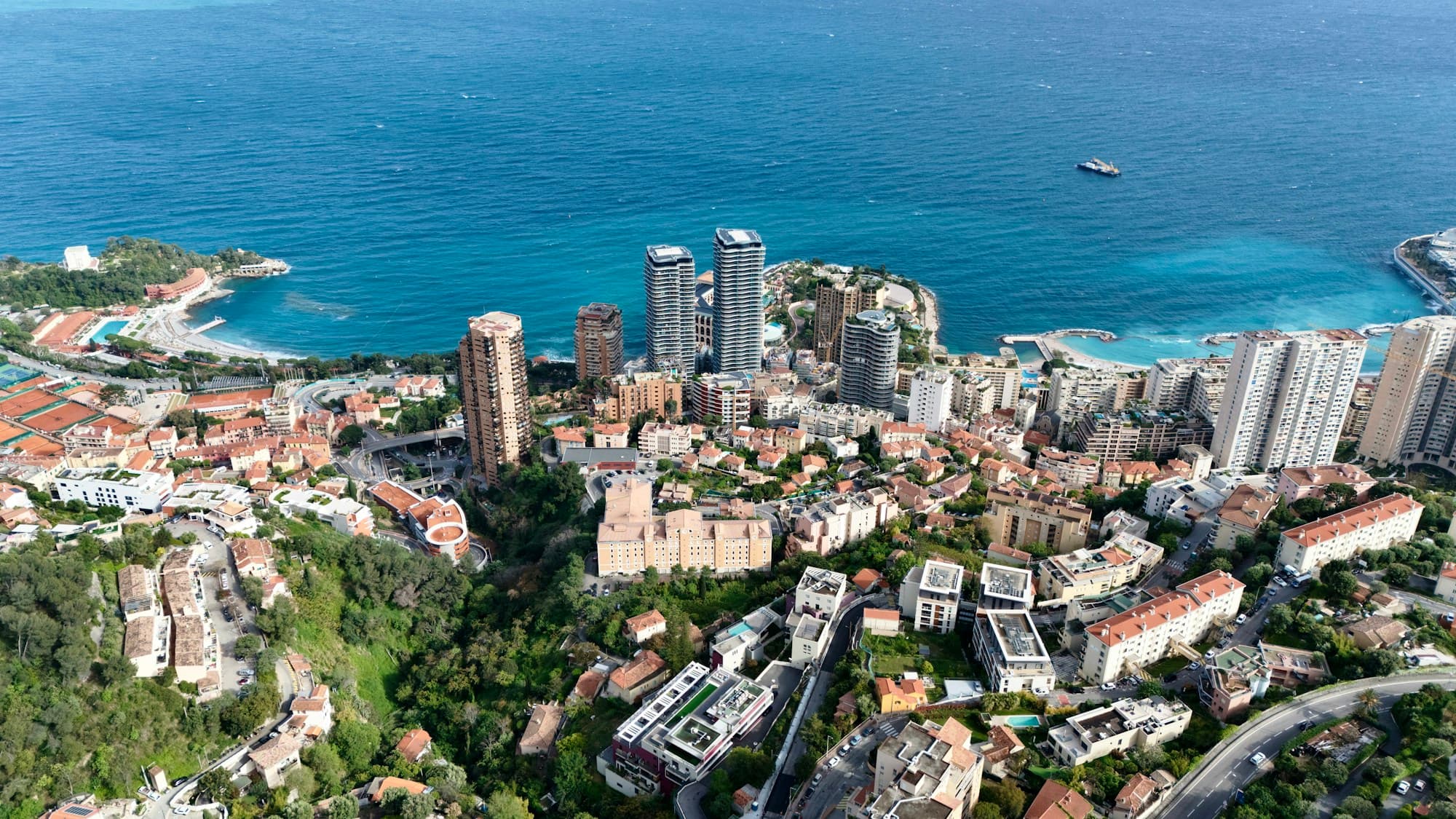
Monaco is a city-state of roughly 38,400 people squeezed between the French Alps and the Mediterranean, and most of them weren't born Monegasque. The 2023 census counted 141 nationalities, with Monegasque citizens the largest single group at just 23.9% of residents. Americans are a small crowd here, so don't count on a ready-made U.S. community.
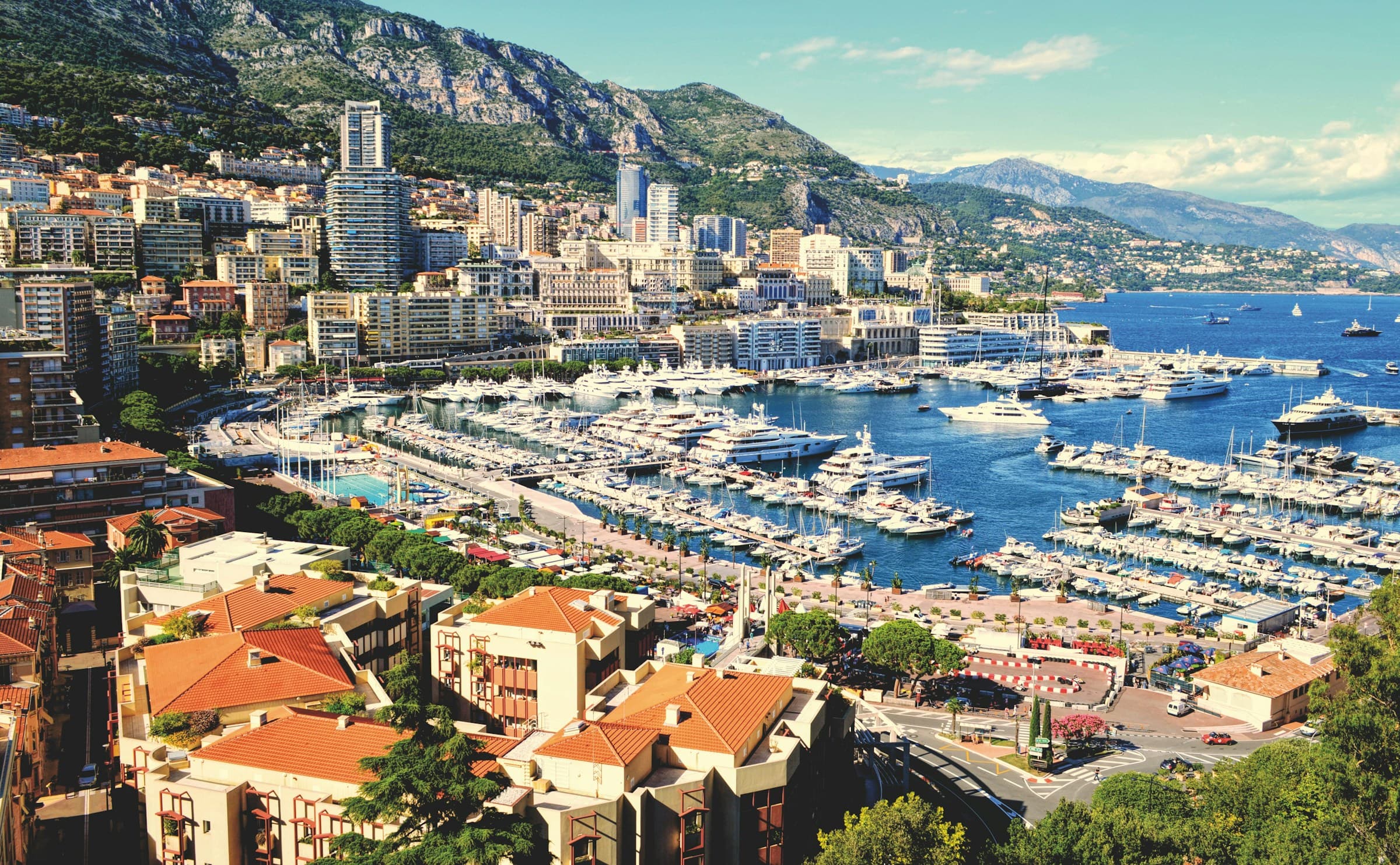
What draws people is a short, specific list. Monaco doesn't tax residents' personal income (French citizens are the one exception). It's safe, with very low crime, and it's policed closely (details below). The weather is classic Riviera, with around 300 sunny days a year. And it's compact: our walkability score for Monaco is 80 out of 100.
France is part of daily life here. VAT matches France's, and your long-stay visa comes from a French consulate, not a Monegasque one. Nice's airport is about 45 minutes away by car, or seven minutes by helicopter if the budget allows.
Before any paperwork, most people visit. Americans can spend up to 90 days in the Schengen area, which includes France, without a visa, as long as their passport stays valid for three months past the planned departure. That's enough time to walk the neighborhoods, meet a bank, and see apartments before committing to a lease.
Here's the catch
Monaco isn't for most people who move abroad, and it's better to hear that on the first screen than after you've talked to a bank.
First, it's priced for wealth. Our data puts a single person's comfortable monthly budget at $10,900, and a one-bedroom in the center at about $8,600 a month. Buying means paying tens of thousands of euros per square meter. If you're moving to stretch a fixed income, look at France or Portugal instead.
Second, the tax dream is smaller for Americans than the headlines suggest. The U.S. taxes its citizens on worldwide income wherever they live, so moving here doesn't end your IRS filings. Monaco's zero rate mostly helps people from countries that tax by residence.
Third, the passport path is effectively closed to Americans who want to stay American. Naturalization takes at least ten years of residence, is granted at the Prince's discretion, and requires giving up your previous nationality.
Still here? Then you're probably someone with substantial savings or a Monaco job offer who wants a safe, walkable, sunny base in Europe. The rest of this guide is for you.
- Cost of living (single)
- $10,900/mo
- Safety index
- 85/100
- English proficiency
- 80/100
- Internet speed
- 250 Mbps
- Currency
- Euro (EUR)
- Population
- 38,423
02 · The numbers
What Monaco costs each month
$13,800
Monthly budget, couple
comfortable, all in
$10,900
Monthly budget, single
comfortable, all in
$8,600
Rent, 1-bed central
$8,200 further out
$31
Inexpensive meal out
one person
$26
Monthly transit
public transport
$80
Home internet, monthly
about 250 Mbps
85/100
Safety index
very low crime
300
Sunny days a year
Mediterranean climate
Where the money goes
Those budgets are our September 2026 figures, and rent is by far the biggest line in them.
Renting
A studio or one-bedroom generally starts around 3,500 euros a month, according to a Monte Carlo agency; our average for a central one-bedroom is about $8,600. Budget for the move-in bill, too: a security deposit is typically three months' rent, and the agency fee is about 10% of a year's rent, due when you sign. Local press reports that rents have almost doubled over the last three years, so quotes you saw even in 2024 are probably stale.
Buying
Monaco's statistics office puts the average resale price at 57,569 euros per square meter in 2025. Larvotto, the beach district, topped the list at about 71,167 euros per square meter. The upside for owners is that Monaco has no annual property tax.
The one-time costs people forget
The government fees are small next to the housing: 80 euros for your first residence card and 99 euros for the French long-stay visa application, plus any service-center fees. Documents add up, though. You'll need a fresh birth certificate and criminal record checks, each less than three months old, from every country you've lived in over the past five years.
Why the bank comes before the visa
Monaco's official rules ask for sufficient resources without naming a number. In practice, relocation advisers report that banks expect new residents to deposit between 500,000 and 1,000,000 euros before issuing the letter of good standing most applicants file, and that opening the account takes two to five months. That's why the bank is step one, and why the visa section below starts with money.
03 · The right path for you
How Americans get a Monaco residence card
Monaco doesn't have a menu of visas the way Portugal or Spain does. It has one door and a ladder. Everyone from outside the EU walks through the same door, and your money source decides how you qualify.
Step one: the long-stay visa from France
Non-EU citizens can't apply straight to Monaco. Under the France-Monaco neighborhood agreement, you file with a French consulate through the France-Visas system and receive a long-stay visa for Monaco issued by French authorities. The application fee is 99 euros for most visa types. Americans can visit for up to 90 days without a visa, but a visit doesn't replace this step if you're moving.
Step two: the temporary residence card
With the visa in your passport, you apply to the police Residency Section at 9 rue Suffren-Reymond, or online. You'll show accommodation big enough for your household, proof you can support yourself, and a clean record. Expect an interview. Advisers report the card takes about two to five months once filed. The first card is the temporary one, valid for one year, and it costs 80 euros.
What goes in the file
Plan the documents before anything else, because two of them expire fast. Your birth certificate and your criminal record extracts must each be less than three months old when you file, and the record checks cover every country you've lived in over the past five years. Add your passport with the long-stay visa, the housing contract, your bank or income evidence, and a signed declaration. If you've lived in two or three countries recently, order everything at once and file quickly, or you'll be reordering.
Moving up the ladder
After three years in Monaco you can move to the ordinary card, valid for three years (100 euros). After ten years of residence comes the privileged card, valid for ten years (160 euros). Plan to live here for real: Monaco's income tax exemption only covers people who are genuinely established in the country and advisers warn that extended absences risk a refused renewal.
Working for a Monaco employer
Every foreigner in a private-sector job needs a work permit, and your employer applies for it. Monaco's hiring law puts Monegasques first, then their families, then Monaco residents, then people from four neighboring French towns who've worked here before. The permit is tied to your job, so switching employers means a new application.
Starting a business or working for yourself
The self-employed skip the work permit and apply for a business authorization instead. Since an April 2025 law, the government has 45 days to decide, and your business needs real premises in Monaco. The two usual company forms are the SARL and the SAM.
Working remotely for a U.S. company
There's no digital nomad visa and no special remote-work status. You'd apply for the ordinary temporary card on your own resources like anyone else. Get advice on how your remote job fits Monaco's rules before you file.
A realistic first-year timeline
Most of the calendar goes to waiting. Advisers report two to five months to open a Monaco bank account and receive its good-standing letter, several weeks for the French visa, and another two to five months for the residence card once you file. With the 90-day visitor limit in mind, you can handle the bank and housing groundwork on short trips, then make the real move once the visa is issued.
Citizenship
Naturalization takes at least ten years of residence after age 18, is decided by the Sovereign Prince, and requires renouncing your previous nationality. Marrying a Monegasque opens nationality by declaration only after 20 years of marriage. For almost every American reader, the residence card is the goal, not the passport.
Type D Long-Stay Visa
The French-issued visa that opens the door
Filed with a French consulate through France-Visas. You need it before Monaco will accept a residence application.
- Apply at French consulate (Monaco does not issue visas directly)
- Valid passport
- Proof of accommodation in Monaco (purchase or lease for at least 12 months)
Carte de Séjour Temporaire
One year, renewable
Issued by the police Residency Section once you show housing, resources, and a clean record.
- Valid Type D visa
- Proof of accommodation
- Proof of financial self-sufficiency
Carte de Séjour Ordinaire
A three-year card
The next rung once you've lived in Monaco for three years.
- Previous temporary residence
- Continued proof of accommodation and financial means
- Clean criminal record
Carte de Séjour Privilégiée
A ten-year card
The long-term card for residents with a decade in Monaco.
- At least 9 years of continuous residency in Monaco
- Proof of accommodation
- Proof of financial self-sufficiency
Employment-Based Residence Permit
Your employer files the work permit
Tied to one job, with legal hiring priority for Monegasques and residents.
- Job offer from a Monaco-based employer
- Employer must demonstrate the role cannot be filled by a local resident
- Valid Type D visa
04 · The practical stuff
Healthcare, taxes, banking and getting around
Healthcare
You need health insurance to get a residence card. If you work for a Monaco employer, you're enrolled in the Caisses Sociales de Monaco (CCSS) automatically. Retirees and the self-employed arrange their own coverage, usually an international private policy. Monaco has one hospital, the Centre Hospitalier Princesse Grace, and its emergency department runs around the clock. For some specialties, residents head to Nice or Menton, a short drive west or east. Healthcare coach Hunter Schultz and our insurance partner ExpatInsure, below, help you pick coverage that works on both sides of the border.
Taxes
The good news is real: Monaco residents (other than French citizens) pay no personal income tax, and there's no wealth tax or annual property tax. VAT matches France at 20%. Inheritance and gift tax only applies to assets located in Monaco, at 0% between spouses, parents and children, 8% between siblings and 16% for unrelated heirs. Here's what Americans often miss. The IRS taxes you on worldwide income no matter where you live, and you still report foreign accounts on an FBAR. Monaco's zero rate doesn't switch off what you owe the U.S. MyExpatTaxes handles the U.S. filing, and Beacon Global Advisors plans the bigger picture.
Safety
The government reports almost 600 police officers and more than 1,000 surveillance cameras for a population of roughly 38,400, and our safety index scores Monaco at 85 out of 100 with very low crime.
Banking
Most applicants open a Monaco bank account early, because the bank's letter of good standing carries a lot of weight in the file. Advisers report typical minimums of 500,000 to 1,000,000 euros and a two-to-five-month opening process, with source-of-funds checks throughout. One more thing to know in September 2026: Monaco has been on the Financial Action Task Force's grey list since June 2024. It was working toward removal as of June 2026, with an on-site visit still to be scheduled.
Proving you live here
Once you hold a card, the police Residency Section can issue a residence certificate, which proves your current address in Monaco. It's valid for six months and costs a 5-euro stamp. Organizations that need proof of your Monaco address ask for it; since it lasts six months, expect to request it more than once.
Getting around
Monaco is compact enough that many errands happen on foot. If you drive, you have one year after becoming a resident to exchange a recognized foreign license, or it stops being valid in Monaco. Non-EU licenses need a sworn French translation. For trips home, Nice Côte d'Azur is the airport, about 45 minutes by car or an hour on the express bus.
This guide is dated on purpose
Everything here reflects the rules we could confirm as of September 2026. Monaco changed its business authorization law in 2025, France raised some visa-related fees in May 2026, and the grey-list status could change any month. Bank deposit expectations aren't written in law, so they shift with each bank. Check the current rules with a licensed professional before you file.
05 · Finding your spot
Where to live in Monaco, and next door
Monaco is one small city, so choosing where to live is about the neighborhood and the view, not the region. Monte Carlo holds the casino and the most famous addresses. Larvotto is the beach district and the priciest per square meter. La Condamine wraps around the main port and its market. Fontvieille, built on reclaimed land, is newer and quieter, and Monaco-Ville on the Rock is the old town around the palace.
Some people look across the border in France instead. That's a different move with different rules: you'd hold French residence under French law, and Monaco's income tax exemption wouldn't apply. If that sounds more like your budget, our France guide covers it, and Nice and Provence are the Riviera bases we cover in depth.
The France-side option
Riviera bases just over the border
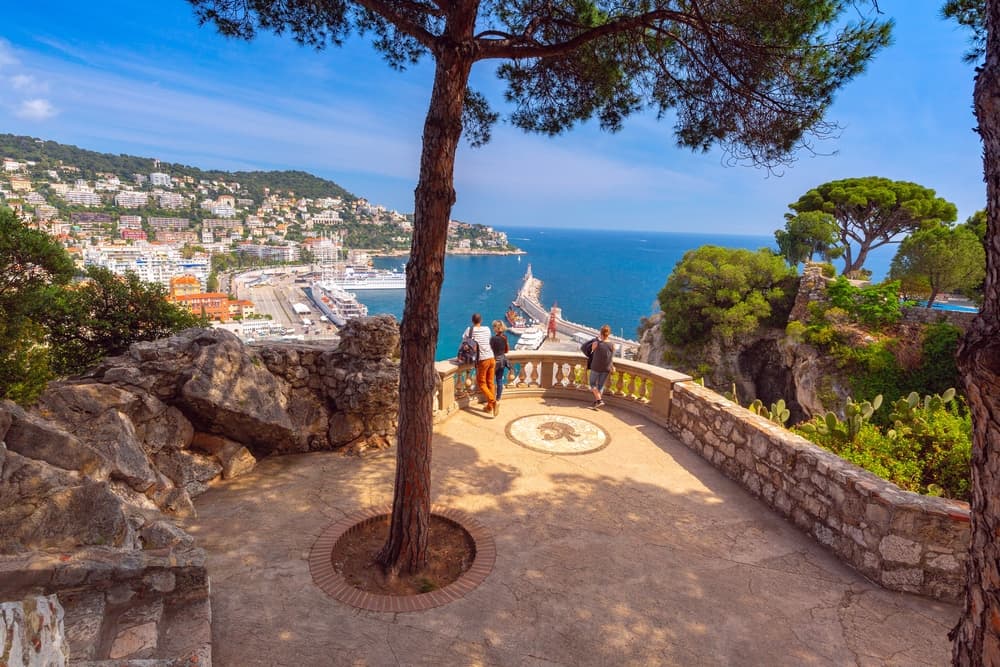
Nice
Sun and the sea
Nice, Toulon, and the Côte d'Azur trade grey northern winters for Mediterranean light and mild years. A longtime favorite with retirees, though prices climb the closer you get to the water.
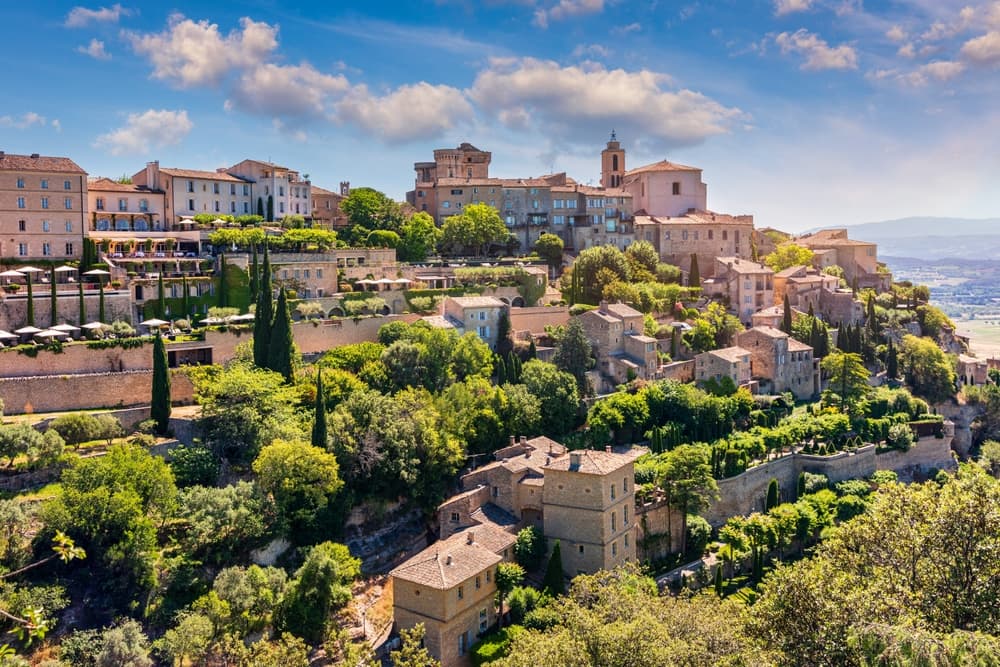
Provence
Markets, lavender, mistral
Inland Provence, anchored on Aix, with plane-shaded market squares, Cezanne's Mont Sainte-Victoire on the skyline, and lavender across the Valensole plateau from late June. The Luberon villages hold a long-settled foreign crowd. The mistral blows for days at a time and summers run dry and hot.
06 · You don't do this alone
Your Monaco move team
A Monaco move runs through three sets of offices: a French consulate, a Monegasque bank, and the police Residency Section, with the IRS watching from home. The people below don't file your Monaco card for you, but they handle everything around it: health coverage, U.S. taxes, currency, documents, the dog, and your French.

Hunter Schultz
Healthcare Coach
A healthcare coach with more than 20 years of expat living and a background in air medical transport. His one-hour consultation maps out a care plan for your destination.
Learn more
ExpatInsure
Global Health Insurance
Expatsi's global health insurance partner, led by Andy Seale and Stephanie Edwards. They match you with the private international policy a residence application asks you to show.
Learn more
MyExpatTaxes
U.S. Expat Tax Service
Tax software and support built for Americans abroad, filing U.S. returns since 2018. Useful when you live somewhere with no local income tax but still owe the IRS a return every year.
Learn more
Beacon Global Advisors
Financial Planning
Financial planners for Americans overseas. They keep 401(k)s, IRAs and brokerage access working after you leave the U.S.
Learn more
Flamingo Compliance | Tax Residency and Visa Tracker Platform
Tax Residency and Visa Tracker Platform
An app that tracks your travel and counts days against tax and residency thresholds, then produces reports for your advisers. Expatsi users get 15% off the first year.
Learn more
Legalize That Doc
Document Preparation
Founder Melissa Di Nardo's team orders, apostilles and legalizes U.S. documents like birth certificates and FBI background checks, and plans which to start first so nothing expires before you file.
Learn more



07 · Quick answers
Moving to Monaco: frequently asked questions
Can I become a citizen of Monaco?
Only in rare cases. Naturalization requires at least ten years of residence after age 18, is granted at the Sovereign Prince's discretion, and requires renouncing your previous nationality, which for Americans means giving up U.S. citizenship.
Does Monaco have a digital nomad visa?
No. Monaco has no digital nomad visa or special remote-work status. Remote workers apply for the ordinary temporary residence card like other foreigners, showing housing and enough resources, and should get advice on how their foreign employment fits Monaco's rules.
How much money do you need to live in Monaco?
Expatsi's data puts a comfortable budget at about $10,900 a month for a single person and $13,800 for a couple as of 2026, with a central one-bedroom around $8,600 a month. Monaco sets no official savings minimum, but relocation advisers report banks expect deposits of 500,000 to 1,000,000 euros from new residents.
How long does it take to get Monaco residency?
Advisers report about two to five months for the residence card once filed, after several weeks for the French long-stay visa. Opening the Monaco bank account many applicants need first can take another two to five months, so budget several months for each stage.
Do Americans pay income tax if they live in Monaco?
Monaco itself doesn't tax residents' personal income, except for French citizens. The U.S. still taxes its citizens on worldwide income wherever they live, so Americans in Monaco keep filing U.S. returns and reporting foreign bank accounts on an FBAR.
Can an American move to Monaco?
Yes. Americans get a French long-stay visa for Monaco through a French consulate, then apply to Monaco's police Residency Section for a one-year temporary residence card. You'll need housing in Monaco big enough for your household, proof you can support yourself, health insurance, and a clean criminal record.
Can I work in Monaco as an American?
Yes, with a work permit your employer applies for. Monaco's law gives hiring priority to Monegasques, their families, Monaco residents, and people from four neighboring French towns, and the permit is tied to one job. Self-employed people need a business authorization instead, which the government must decide within 45 days.
Is healthcare good in Monaco?
Monaco has one hospital, the Centre Hospitalier Princesse Grace, with round-the-clock emergency care, and residents also see specialists in nearby Nice and Menton. Employees are covered by Monaco's social security fund, while retirees and the self-employed must buy their own health insurance to qualify for residence.
Sources
- How to apply for a residence permit · Government of Monaco (checked September 2026)
- The residence permit (card types and fees) · Government of Monaco (checked September 2026)
- Settling in Monaco · Embassy of Monaco in France (checked September 2026)
- Entry and stay in Monaco (visa) · French Embassy in Monaco (checked September 2026)
- Acquiring Monegasque nationality · Government of Monaco (checked September 2026)
- Tax in Monaco · Government of Monaco (checked September 2026)
- U.S. citizens and resident aliens abroad · IRS (checked September 2026)
- Business Office frequently asked questions · Government of Monaco (checked September 2026)
- Monaco property prices, 2025 figures · Monaco Tribune (checked September 2026)
- Monaco moves closer to FATF grey list exit · NEWS.MC (checked September 2026)
- France and Monaco international travel information · U.S. Department of State (checked September 2026)
- Cost of living and country data for Monaco · Expatsi (checked September 2026)
See how Monaco stacks up for you
Take the free Expatsi Test and compare Monaco with other countries on cost, healthcare, climate and safety, weighted by what matters to you.
Why not you?