Country guide
Moving to Ecuador: the honest 2026 guide
The Andes, the coast, and the Amazon, all priced in US dollars. Here's what it costs, which visa fits you, and where Americans actually settle.
Ecuador is one of the cheapest, easiest countries in the Americas to get residency, and you spend U.S. dollars the whole time. This guide covers the money, the visas, the safety questions, and the towns worth a look.

By Jen Barnett, Co-founder, Expatsi
Reviewed and updated August 19, 2026 · 11 min read
01 · The case for Ecuador
Why Americans keep landing in Ecuador

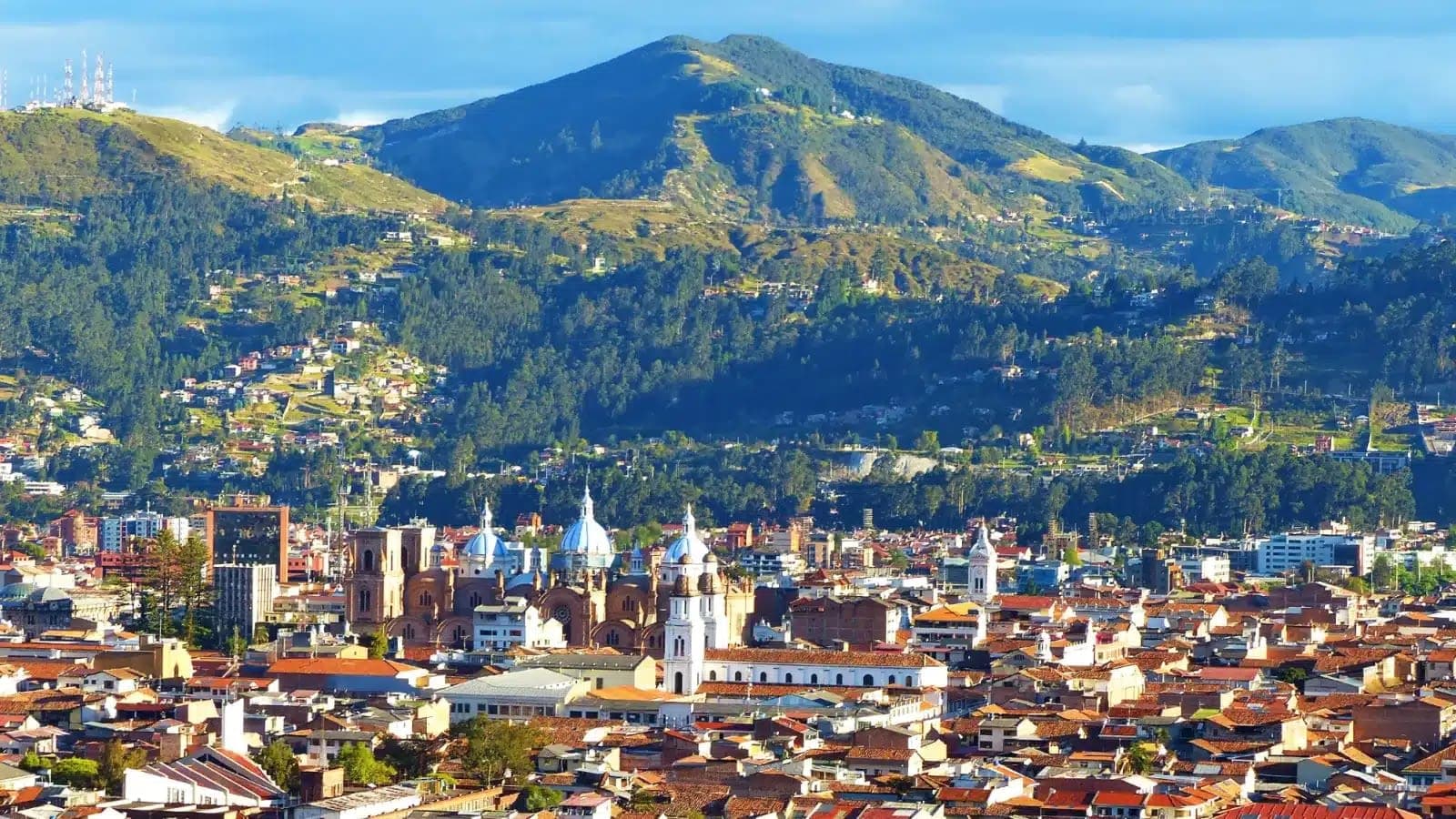
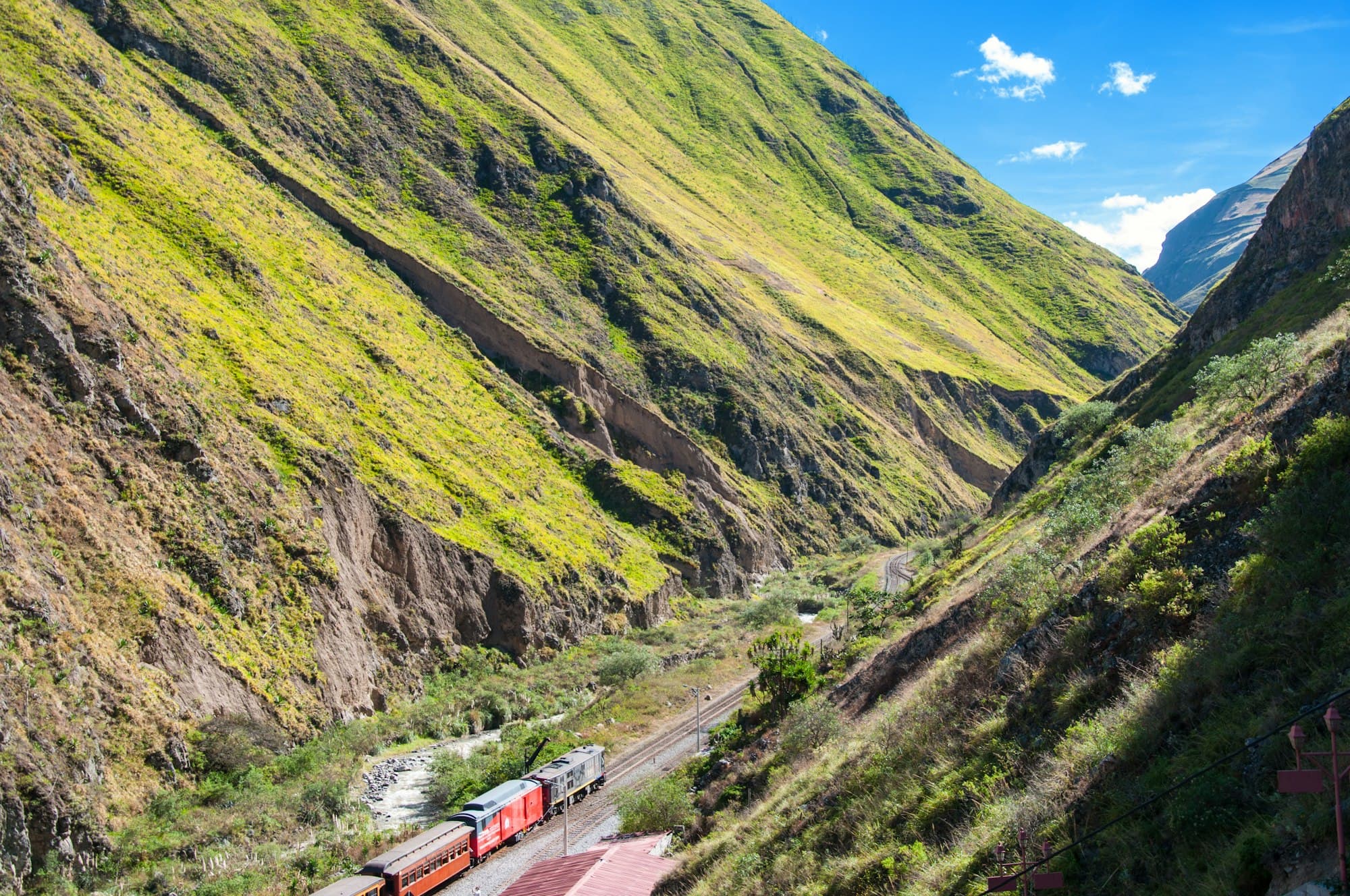
Ecuador packs three countries into one. There's the Andes, where cities like Quito and Cuenca sit close to 8,000 feet and stay in the 60s and 70s all year. There's the Pacific coast, with warm beach towns and a slower pace. And then there's the Amazon, green and wild, just a few hours east. You get to pick your climate, and you can change it on a weekend.
The thing that makes people book a scouting flight, though, is the money. Ecuador dropped its own currency back in 2000 and adopted the U.S. dollar. Your Social Security check, disability, pension, your savings: all of it is already in the local currency. There's no exchange rate to watch, no conversion fee every month, and no gut-punch when a foreign currency swings. For Americans, that's rare, and it's a big deal.
On top of that, Ecuador asks for some of the lowest income to qualify for residency you'll find anywhere. A retiree needs to show a pension of about $1,446 a month. A college grad can qualify on roughly $482 a month. You read that right. Pair that with a cost of living that runs well under half of most U.S. cities, and the math starts to feel almost too easy.
Then there's the country itself. Ecuador is small on a map but stuffed with things to do: volcanoes you can climb before lunch, Amazon lodges, hot springs, indigenous markets like Otavalo, and the Galapagos Islands a short flight offshore. The expat scene is large and long-established, so you won't be the first American working out where to buy peanut butter. And it's close to home. Quito and Guayaquil are roughly a four-hour flight from Miami, on about US Eastern time, which keeps trips back and calls with the grandkids easy.
Here's the catch
Ecuador is not a copy of home with better weather. Outside expat pockets, daily life happens in Spanish, and English is not widely spoken. The country is also working through a real security problem tied to drug trafficking on the coast, and we cover that honestly below, because the picture is more specific than the headlines make it sound. Internet and roads can get patchy once you leave the big cities, altitude takes some people a week to shake, and the residency paperwork rewards patience. None of that has stopped the tens of thousands of Americans already living here. You just want to go in with clear eyes.
- Cost of living (single)
- $900/mo
- Currency
- US Dollar (USD)
- Capital
- Quito
- Language
- Spanish
- Internet speed
- 35 Mbps
- Safety index
- 45/100
02 · What Ecuador actually costs
$900
One person, per month
rent, food, and the basics
$1,550
A couple, per month
comfortable, not bare-bones
$350
One-bedroom in the center
about $250 outside the core
$4
A lunch out
the set-menu almuerzo
Your money just goes further here
These are Expatsi estimates; your number will move with your zip code and habits. But the shape is real. A couple who rents a nice apartment, eats out a few times a week, and keeps a car can live well on roughly $1,550 to $2,000 a month. A one-bedroom in central Quito runs about $400 to $900; in Cuenca, the expat favorite, closer to $350 to $800. A filling set lunch, the famous almuerzo, is about $4.
Healthcare is the other place the budget breaks in your favor. Private care is good and cheap by U.S. standards; retirees can buy into the public IESS system for roughly $85 a month with no exclusion for pre-existing conditions. The good news is, you're paying all of it in dollars, so none of these numbers get eaten by a currency swing.
The small stuff cuts your way too. A month of utilities in a highland apartment often lands under $60, since you're barely heating or cooling. A city bus ride is a quarter, a cross-town taxi a couple of dollars, and hiring a cleaner or a gardener a few times a month is genuinely affordable and totally normal here.
Where Ecuador is not cheap: imported goods, electronics, and cars all carry stiff duties, so a new laptop or a Jeep costs more than back home. Plan to buy those before you come, or budget for the markup.
Why the budget and the dollar fit together
Here's what sets Ecuador apart from other cheap countries. Not only are you spending less, you're spending less in your own currency. A $1,550 monthly plan in Ecuador is $1,550, full stop: no exchange math, no currency risk quietly shrinking a fixed pension. That's why dollarized Ecuador shows up on so many early-retirement spreadsheets. The number you plan with is the number you live on.
03 · Who actually thrives here
Is Ecuador your kind of move?
Retirees on a fixed income
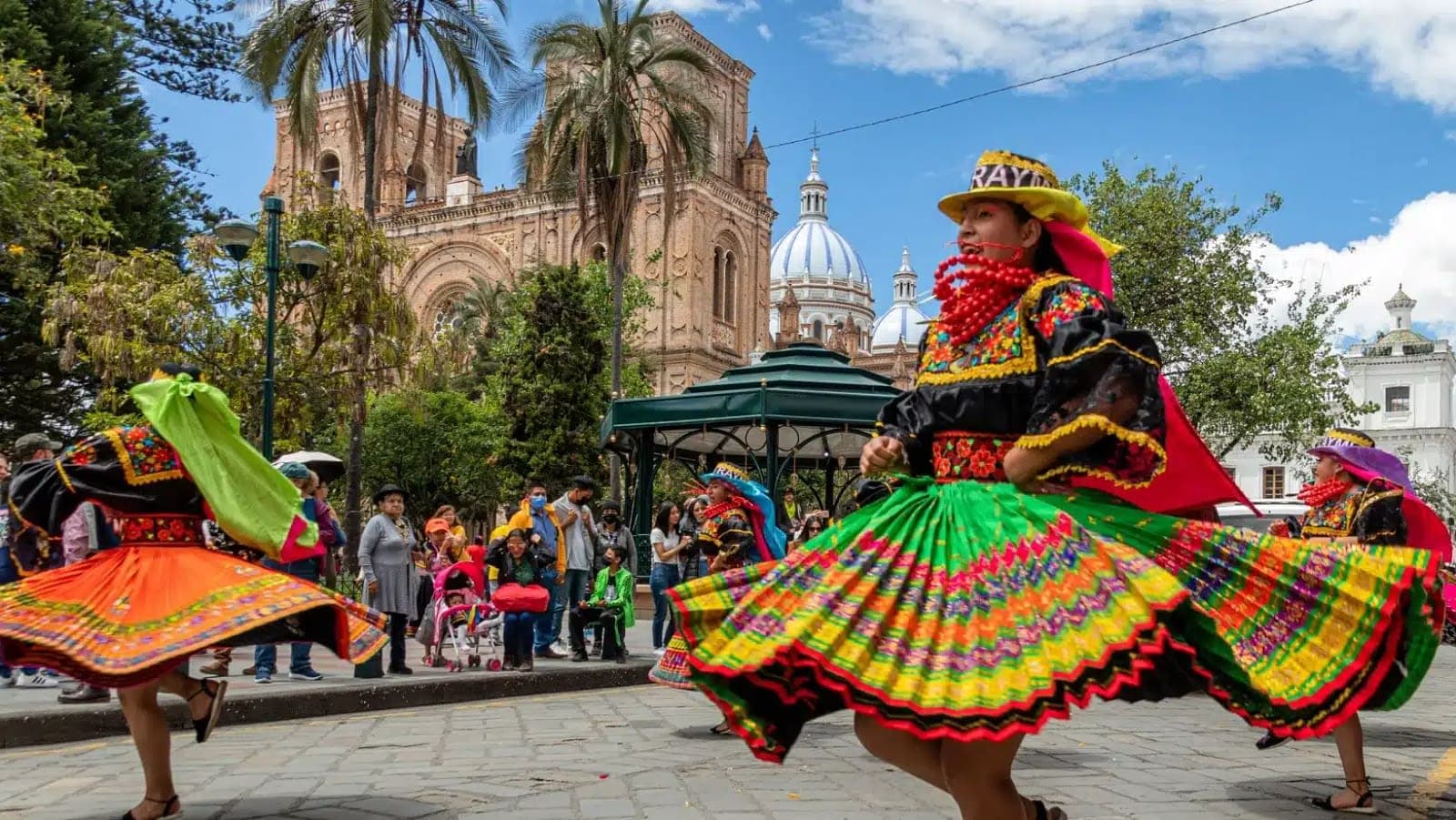
This is the classic Ecuador story, and it still holds. A guaranteed pension of about $1,446 a month clears the bar for the Retirement Visa, dollars mean your buying power doesn't slide, and the Andes give you spring weather without a heating bill. Cuenca alone has a large, settled community of American and Canadian retirees, so there's a book club, a hiking group, and a happy hour waiting. Many couples find a comfortable, car-optional retirement lands around $2,000 a month, all in.
Remote workers and freelancers
If you earn in dollars from clients back home, Ecuador is easy money. Your income already matches the local currency, the cost of living is low, and Ecuador sits on roughly U.S. Eastern time (it skips daylight saving, so it's an hour behind in summer), which keeps you in sync with American clients. The catch is internet: great in the cities, spotty in small towns, so test the connection before you sign a lease.
Investors and homebuyers
Foreigners can own property outright in their own name, with the same rights as citizens and no need for a local partner or trust. Property taxes are tiny (think a few hundred dollars a year, not thousands), a title worth about $48,200 can anchor an Investor Visa, and prices in Cuenca and Quito run a fraction of U.S. city prices. Just budget time for a proper title search, since Ecuador has no US-style title insurance.
Families and the slow-living crowd
Ecuador is family-friendly and cheap enough that one income often covers a household. Homeschooling is allowed, private schools are affordable, and small towns like Vilcabamba draw people who want a garden, a view, and a slower gear.
The catch: who tends to struggle
If you refuse to learn any Spanish, want a big-city career with a local salary, or need everything to run on U.S. timelines, Ecuador will wear you down. Salaried local jobs are hard to get and don't pay like home. This is a place to bring your income with you, not to find one.
The quick fit test
You want mild weather
The Andes stay spring-like all year, no heat or heating bills.
You're on a set income
Dollars stretch far and don't need converting.
You'll pick up Spanish
It's essential once you step outside expat hubs.
You want cheap healthcare
Solid private care and low-cost public IESS.
You love the outdoors
Volcanoes, cloud forest, coast, and jungle.
You'll do your safety homework
Risk swings hard by region, so location matters.
04 · Your paths to residency
Five ways in, and a clear road to citizenship
Ecuador keeps residency refreshingly simple: pick the visa that matches your income, hold temporary residency for two years, and you can apply for permanent residency after 21 months in the country (you can't be away more than 90 days a year in that window). About three years after that you can go for citizenship, and Ecuador lets you keep your U.S. passport.
The Retirement (Pensioner) Visa
For anyone with a guaranteed lifetime pension of about $1,446 a month (Social Security, military, or a company pension). Couples can combine incomes. See the Ecuador Retirement Visa guide.
The Income (Rentista) Visa
Same roughly $1,446-a-month bar, but for steady passive income like an annuity or rental income rather than a pension. Good if your money is guaranteed but you're not yet a retiree.
The Professional Visa
The bargain of the bunch. If you hold a university degree (apostilled and registered with Ecuador's SENESCYT), you qualify on income of about $482 a month, and you get full rights to work or start a business. No local job offer needed. Here's the Professional Visa guide.
The Investor Visa
Buy property (or place a bank deposit) worth about $48,200 and you're in. Details in the Real Estate Investor Visa guide.
The Digital Nomad Visa
For remote workers billing foreign clients, on income of roughly $1,350 to $1,410 a month. You can't work for Ecuadorian companies, and all income has to come from abroad.
A few things apply across the board. Government fees run about $335 (the digital nomad visa costs a little more), you can add a spouse and kids as dependents for roughly $250 a month each in extra income, and every visa expects you to carry Ecuadorian health insurance. Since 2026, applications go through Ecuador's online E-Visa portal. Official processing is about 60 days, though from first document to cedula in hand, plan on a few months and a lawyer worth their fee.
Compare every Ecuador visa side by side
| Visa | Category | Application cost | Processing | Difficulty | Guide |
|---|---|---|---|---|---|
| Digital Nomad Visa | digital nomad | $450 | ~60 days | 2/5 | Guide |
| Income Visa | retirement | $335 | ~60 days | 2/5 | Guide |
| Investment Visa (Real Estate) | investment | $335 | ~60 days | 3/5 | Guide |
| Professional Visa | skilled work | $335 | ~60 days | 3/5 | Guide |
| Retirement Visa | retirement | $335 | ~60 days | 2/5 | Guide |
05 · The practical stuff
Healthcare, taxes, banking, and the safety question
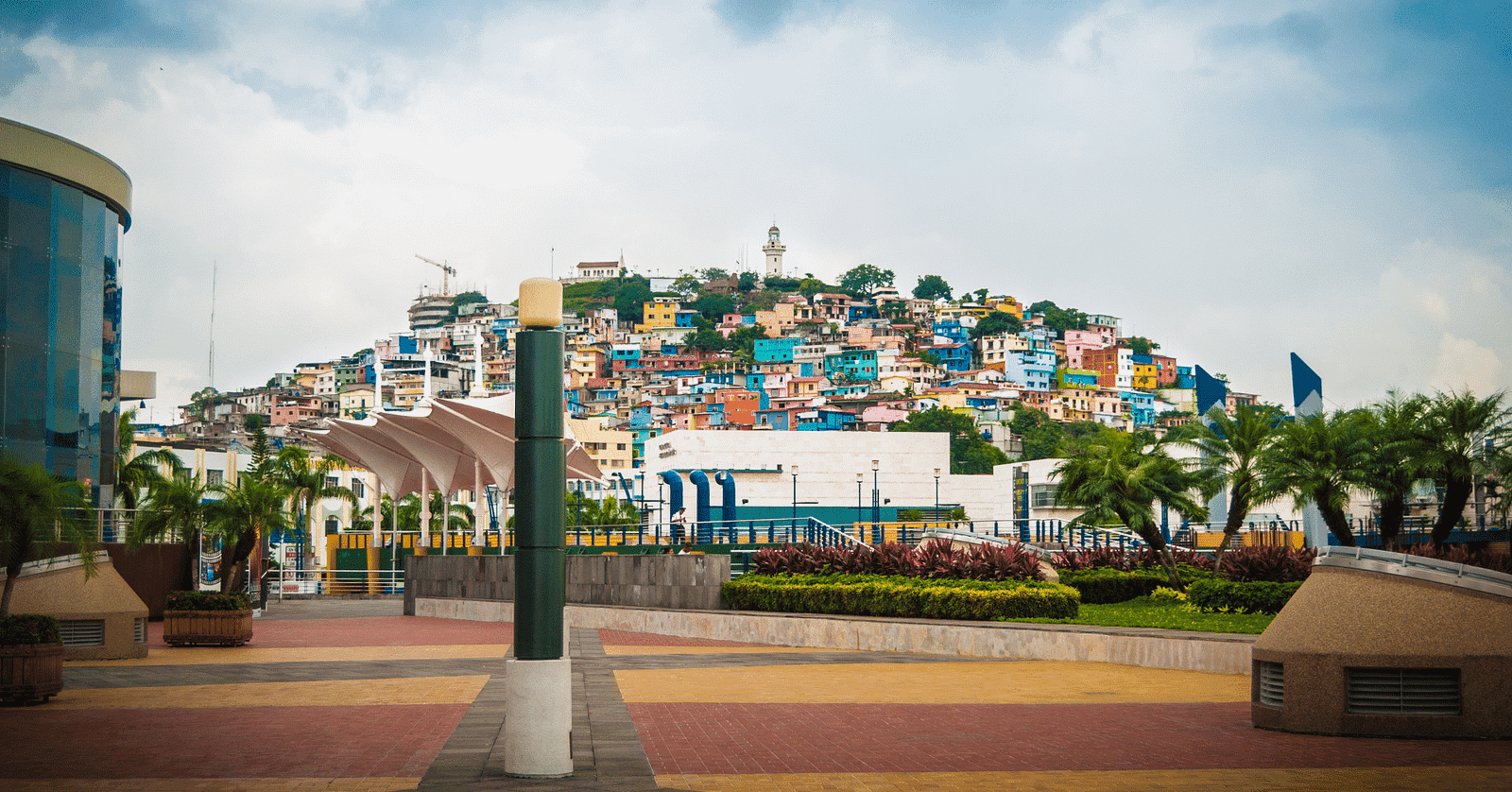
Healthcare
Ecuador runs a mixed system. Private clinics in Quito, Cuenca, and Guayaquil are modern and inexpensive, and many doctors trained abroad and speak English. A specialist visit might run $40 to $60 out of pocket, and dental work costs a fraction of U.S. prices, which is why some expats plan procedures around the move. Residents can also join the public IESS system for about $85 a month. Most visas ask you to carry Ecuadorian health insurance, which is where a local broker earns their fee. One extra: buy travel-style evacuation coverage if you'll spend time in the Galapagos or remote areas, where major hospitals are far away.
Taxes
This one needs a pro. As a U.S. citizen, you'll still file with the IRS every year, no matter where you live. Also, the Foreign Earned Income Exclusion (FEIE) only covers earned income, not pensions or Social Security. On the Ecuador side, becoming a tax resident can put your worldwide income in scope, but in practice the country generally does not tax foreign pensions and Social Security, and there's no US-Ecuador tax treaty. Translation: most retirees owe little or nothing to Ecuador, but confirm your own case with a cross-border accountant before you assume.
Banking and money
Because Ecuador uses the dollar, you can spend and withdraw without converting anything, which quietly removes a whole layer of expat hassle. Opening a local bank account as a foreigner takes patience and paperwork (and usually your cedula), so most people keep a US account and use it while they settle in. Cash still rules in small towns, and card fraud means you'll want to use ATMs at banks rather than on the street.
Getting around and connectivity
You don't need a car in Cuenca or central Quito; buses, taxis, and ride apps cover most trips for a few dollars. Home internet in the cities is solid, with cheap fiber widely available, but speeds and reliability fall off in small towns and on the coast. If you work online, treat a good connection as a must-check before you rent, not a nice-to-have.
Safety, honestly
The U.S. State Department rates Ecuador Level 2, exercise increased caution, the same tier as France or the UK. That national rating hides a sharp split. Drug-trafficking violence is real and concentrated on the coast and near the Colombian border, where parts of Guayaquil, Esmeraldas, and border provinces carry Level 3 and Level 4 warnings. The Andean highlands are a different world: Cuenca, calmer parts of Quito, Cotacachi, and Vilcabamba stay quiet, and Cuenca posts one of the lowest homicide rates of any large city in South America. Where you settle matters far more than the country-wide number.
This guide has a shelf life
We date our numbers on purpose. Ecuador's visa income floors are tied to the national minimum wage, which nudges up every January, so the figures here are 2026 and will drift. Security conditions and visa rules change too. Treat this as an accurate snapshot, then confirm the current numbers with an immigration lawyer before you file.
06 · Where to live
Where Americans actually land
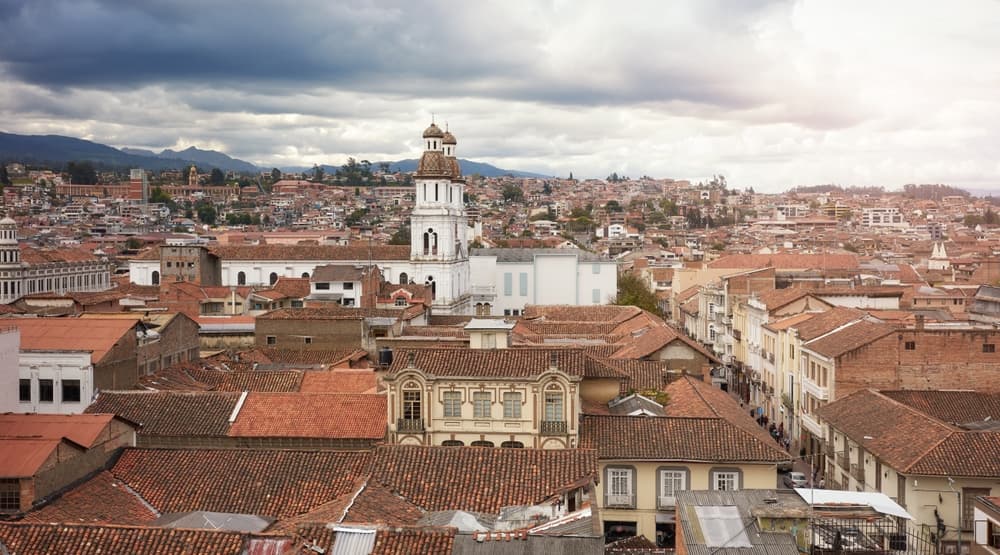
Cuenca
The expat capital
A UNESCO colonial city at 8,400 feet with the largest, most settled American and Canadian community in Ecuador. Mild all year, walkable, rich in cafes and culture, and famously calm, with cheap rents and hospitals a short taxi away. The default first stop for a reason.

Manta
The Pacific coast
Ecuador's tuna-port city on the Pacific, and a real working town rather than a resort strip. Warm and dry most of the year, with wide city beaches at Murcielago and Barbasquillo and ceviche for a couple of dollars. The coast runs humid, and it takes more street smarts than the calm Andes.
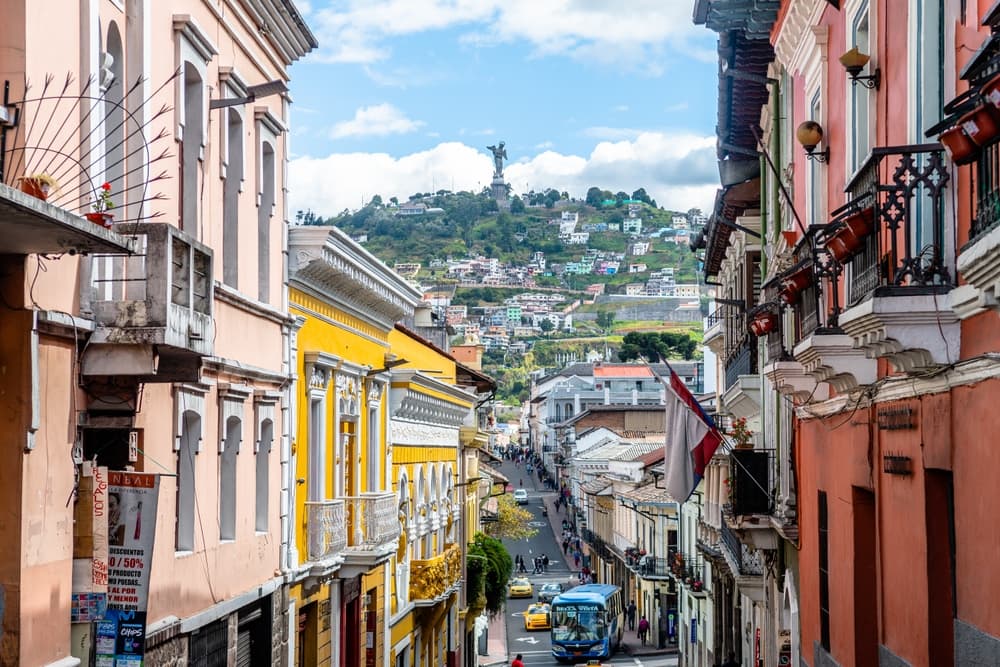
Quito
High Andean capital
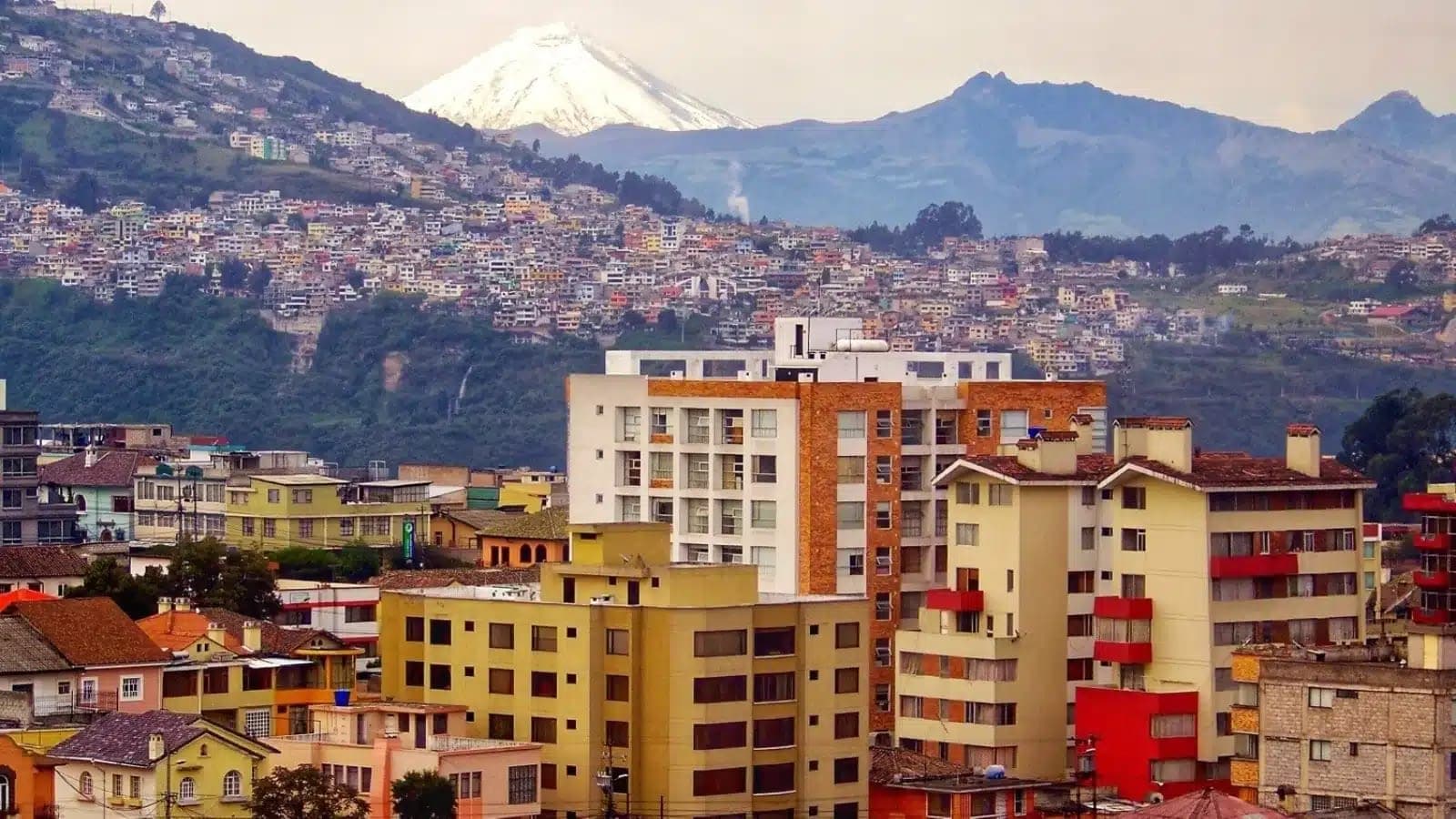
A colonial center on the UNESCO list, spring weather every month, and the whole of Ecuador within a short flight. It sits at 9,350 feet, so the altitude takes weeks to settle into, and petty crime means you pick your neighborhood carefully. It also runs cheaper than Cuenca, the expat favorite to the south.

Vilcabamba
Valley of longevity
A village in the southern Andes that built its name on how long its residents supposedly live, and has held a small, long-settled crowd of American retirees ever since. Mild weather year round, hiking up Mandango straight out of town, and Loja an hour away for anything serious. Healthcare here is basic.
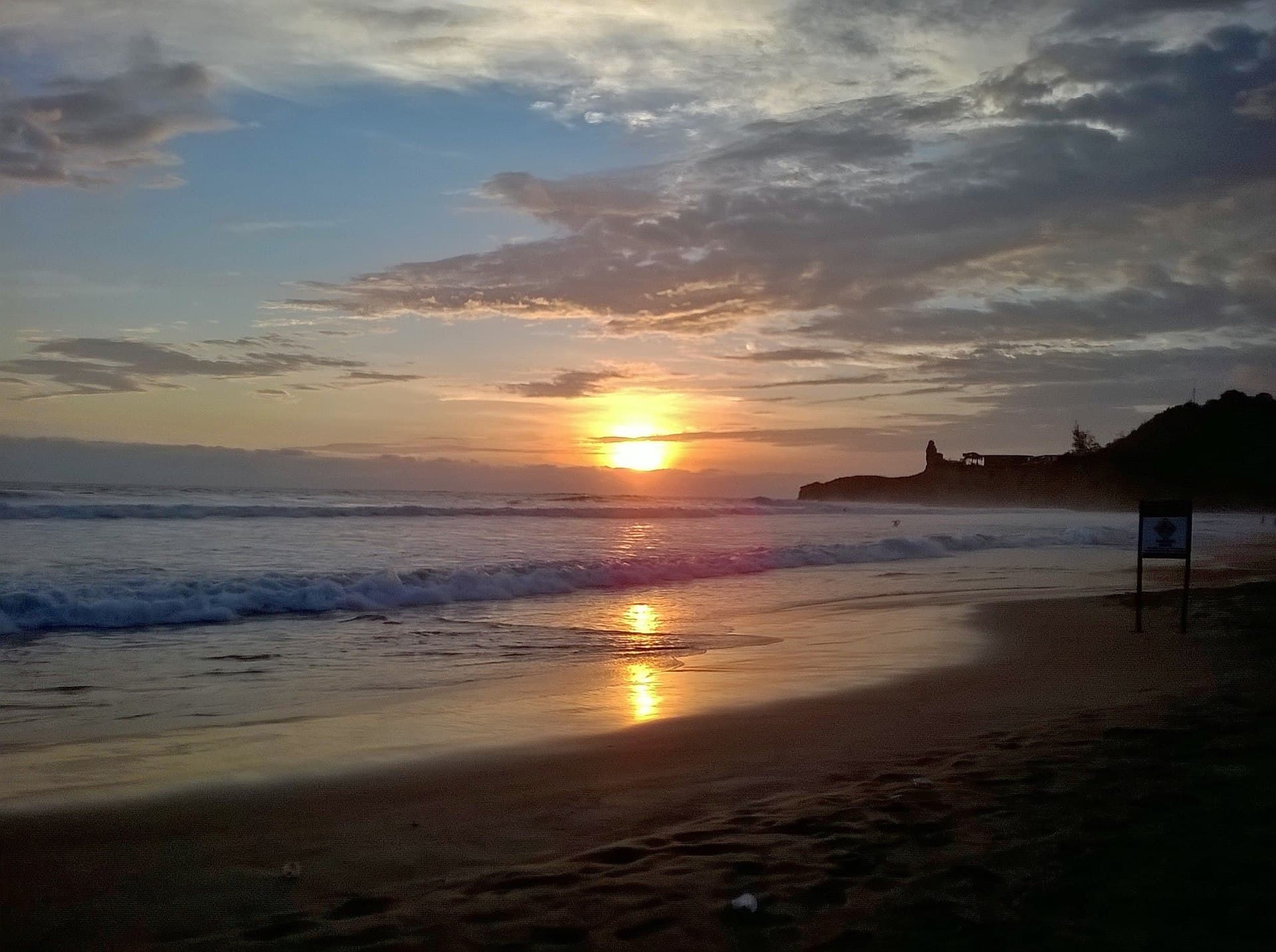
Salinas
Ecuador's beach resort
Ecuador's best-known beach town, a condo-lined crescent on the Santa Elena peninsula, with humpbacks passing offshore from late June into October and Guayaquil two hours inland. High season fills it and the rest of the year empties it out. A resort strip rather than an Ecuadorian town.
07 · Your team on the ground
The people who get you there
You don't have to figure Ecuador out alone, and you shouldn't. The paperwork runs in Spanish, the health-insurance rule trips people up, degree apostilles have to be done just so, and knowing which neighborhood actually fits you is worth a dozen blog posts. These are the vetted partners Expatsi members lean on: the relocation specialists who handle your visa end to end, the broker who sorts your insurance, the local guide who helps you land, and the teacher who gets your Spanish moving.




08 · See it before you commit
Try Ecuador before you move
Reading about Cuenca is one thing. Standing in its flower market, checking a real connection speed, tasting a $4 almuerzo, and pricing an actual apartment is another. Expatsi runs small-group scouting trips built for exactly this: a low-stakes way to test whether the daily reality matches the spreadsheet before you ship your life south. You'll tour real homes and neighborhoods with people who live there, meet Americans who've already made the jump, and come home either excited or relieved you looked first. Either answer is worth the trip.
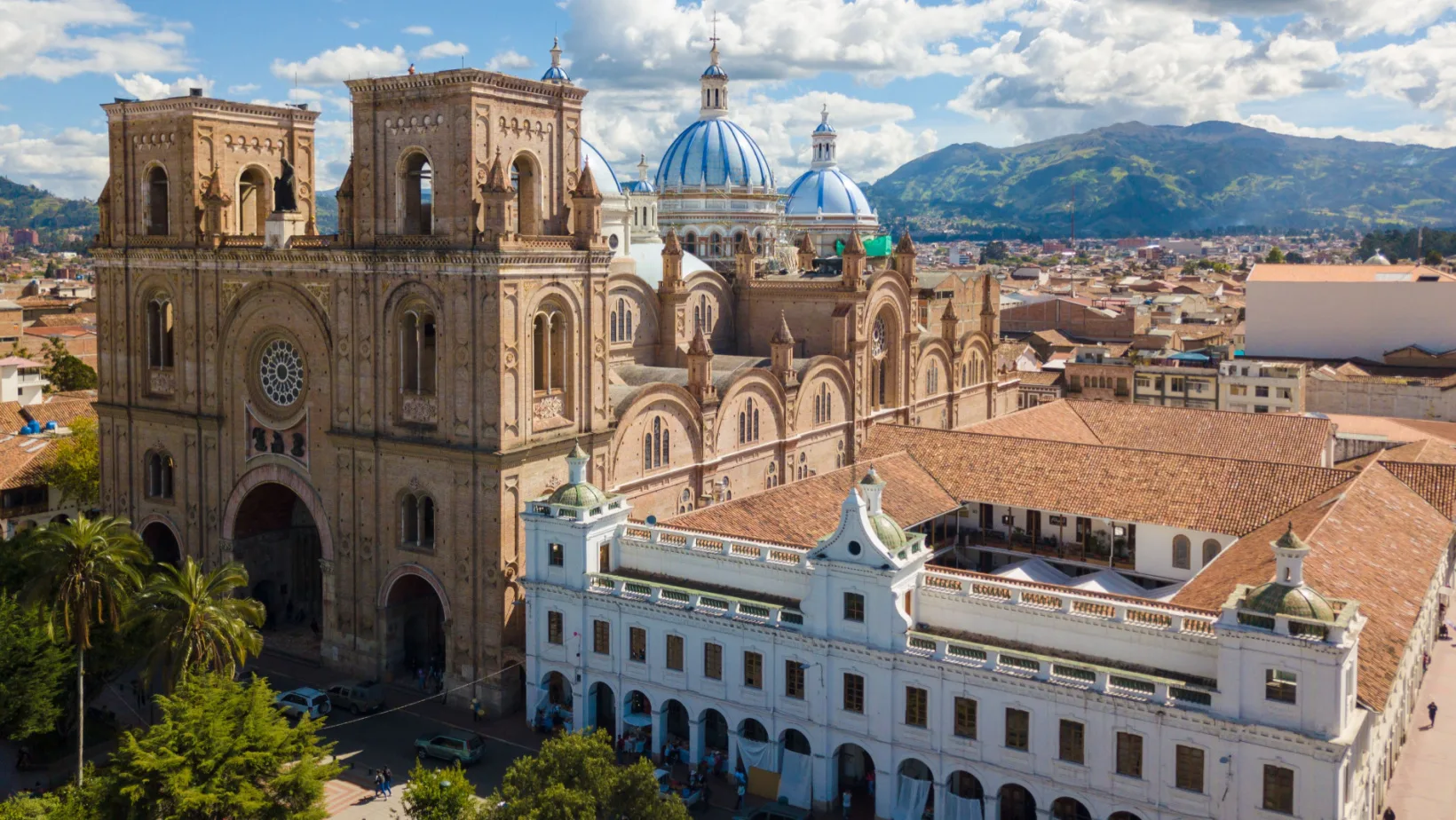
Cuenca
5 nights · Apr 18-23 or Sep 19-24, 2027 · hosted by Emily Burt
- Seminar & opening dinner with experts in visas, healthcare, & taxes
- Lodging included: Four-star accommodations, breakfast, and group transportation
- 5 nights
From $2,399 per person
See this tripGo deeper
When you're ready to move from browsing to planning, start here.
How To Move To Ecuador
Description This webinar offers a clear, straightforward overview of what it takes to move to Ecuador. You’ll learn about visa options, cost of living, healthcare, safety, and how to choose the right city or region for your lifestyle. The session also covers essential preparations, cultural expectations, and common mistakes to avoid, giving you a practical roadmap for a smooth transition. Perfect for anyone considering a move or simply exploring whether Ecuador is the right fit, this webinar provides the guidance and clarity you need to plan your next steps with confidence.
Our full walk-through of moving to Ecuador: visas, cost, healthcare, and the on-the-ground steps, in one session.
You won't be doing this alone
Ecuador
Expatsi Community
Trade notes with other Americans planning or already living the Ecuador move, from visa paperwork to which Cuenca neighborhood to rent in first.
Join the communityEcuador questions, answered
Can I get permanent residency and citizenship?
Yes. You start on a two-year temporary visa, then apply for permanent residency after 21 months in the country (with no more than 90 days abroad per year). Roughly three years after that you can apply for citizenship, and Ecuador allows dual citizenship, so you keep your U.S. passport.
Is Ecuador safe for Americans right now?
It depends heavily on where you go. The U.S. State Department rates Ecuador Level 2 (exercise increased caution) overall, the same as France or the UK. Drug-related violence is real but concentrated on the coast and near the Colombian border, where some areas carry Level 3 and Level 4 warnings. Highland expat towns like Cuenca and Vilcabamba stay very safe, and Cuenca has one of the lowest homicide rates of any big city in South America.
How much money do I need to move to Ecuador?
A single person lives comfortably on about $900 a month and a couple on around $1,550, all in U.S. dollars. To qualify for residency you'll also need to show income: roughly $1,446 a month for the retirement or income visa, or about $482 a month for the professional visa if you hold a college degree.
What's the healthcare like?
Better than most people expect and very affordable. Private hospitals in Quito, Cuenca, and Guayaquil are modern, and residents can join the public IESS system for about $85 a month with no exclusion for pre-existing conditions. Care thins out in rural areas, so serious cases head to the cities.
Which Ecuador visa is easiest to get?
For retirees with a pension, the Retirement Visa is the well-worn path. For anyone with a university degree, the Professional Visa is the cheapest to qualify for, since it only asks for about $482 a month in income. The right choice comes down to your income source, so compare them in the table above.
Does Ecuador really use the US dollar?
Yes. Ecuador adopted the U.S. dollar as its official currency in 2000 and has used it ever since. For Americans, that means no exchange rates, no conversion fees, and no currency risk on a fixed income.
Do I need to speak Spanish?
Yes, eventually. English is not widely spoken outside tourist areas and expat circles, so you can get started with very little Spanish but daily life (doctors, banks, landlords, government offices) runs in Spanish. Most happy expats take lessons before and after the move.
Will I have to pay taxes in Ecuador?
Probably little or nothing on your foreign pension, but get advice. As a U.S. citizen, you always keep filing with the IRS. Ecuador can treat residents as taxable on worldwide income, but in practice it generally does not tax foreign pensions and Social Security. There's no US-Ecuador tax treaty, so a cross-border accountant is worth the fee.
Sources
Sources
- Ecuador Travel Advisory (Level 2) · U.S. Department of State (checked 2026-07-27)
- Salario Básico Unificado 2026: USD 482 · Ministerio del Trabajo del Ecuador (checked 2026-07-27)
- Ecuador crime and homicide data · WorldStats (UNODC / World Bank) (checked 2026-07-27)
- Ecuador country overview and cost of living · Expatsi (checked 2026-07-27)
Could Ecuador be your move?
Take the free Expatsi Test and see how Ecuador stacks up against the other countries that fit your budget, your visa odds, and your life.
green