Buy a home in Ecuador, get residency
One titled property worth about $48,200 turns a place to live into a two-year residency, in a country that already runs on the U.S. dollar.
Your down payment for the home doubles as your visa. Here's how it actually works.

Why Ecuador
Why buyers keep choosing Ecuador
Ecuador runs on the U.S. dollar, so the price you see is the price you pay. Property taxes are tiny, and foreigners can buy with the same rights as locals.
- Everything is priced in U.S. dollars, so no currency risk
- Foreigners own their home outright, in their own name
The numbers that matter
$48,200
Minimum property value
100x the 2026 minimum wage
~$335
Government filing fees
before your lawyer
21 months
Until you can go permanent
if you stay in country
The visa, in plain English
Buy a titled property worth at least $48,200 and prove the purchase money is yours. That earns a two-year residency. You can live in the home, rent it out, or run a business from it. Bank deposits and company shares also qualify.
Investment Visa (Real Estate)
For real estate investors; can engage in business and leasing; can apply for permanent residency after 21 months.
- Government cost
- $335
- Processing time
- ~60 days
- Timeline
- 2 years (can convert to permanent after 21 months in country, with no more than 90 days per year outside Ecuador)
- Difficulty
- Moderate
Key requirements
- Property title worth at least $47,000 (recommended $100,000)
- Proof of investment
- Ecuadorian health insurance
- No criminal record
Here's the catch
Your money isn't liquid. A lien stays on the property until you go permanent, so you can't sell and leave early. Budget 2-5% for closing costs, and don't spend more than 90 days a year outside Ecuador during the temporary years. Rental income you earn in Ecuador is taxed there, so loop in a tax pro.


See it before you wire a dollar
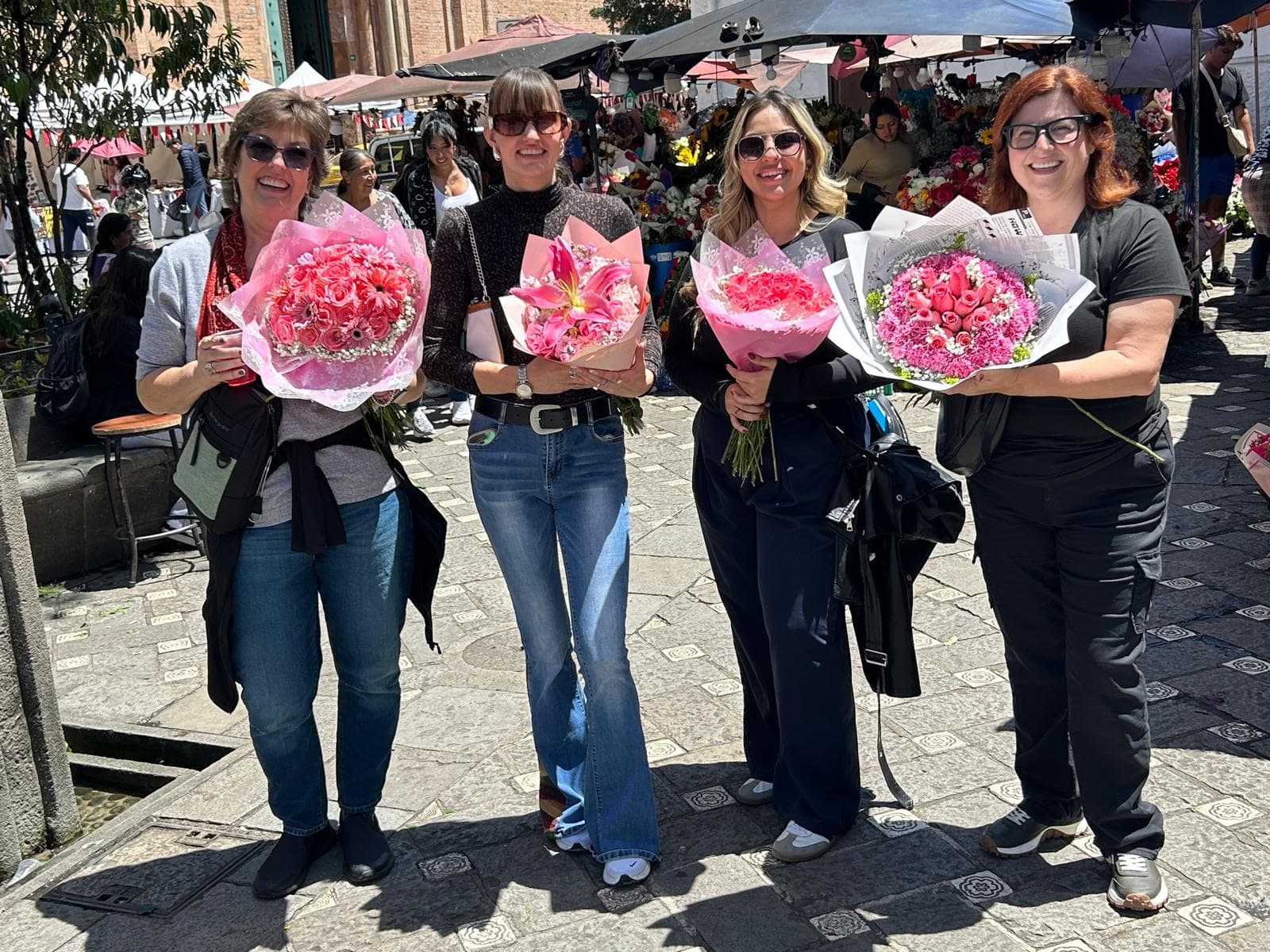
Buying sight unseen is how people get stuck. Expatsi runs a small-group Cuenca trip in September 2026, six days with local guide Emily Burt, walking through homes, markets, and the neighborhoods where expats settle. Twelve guests, four-star rooms, from $2,499.
- We walk neighborhoods
- Meet local experts
- Tour healthcare facilities
- Explore housing options
- Help you understand what daily life actually feels like
Where to buy
Where American buyers actually land

Cuenca
The expat capital
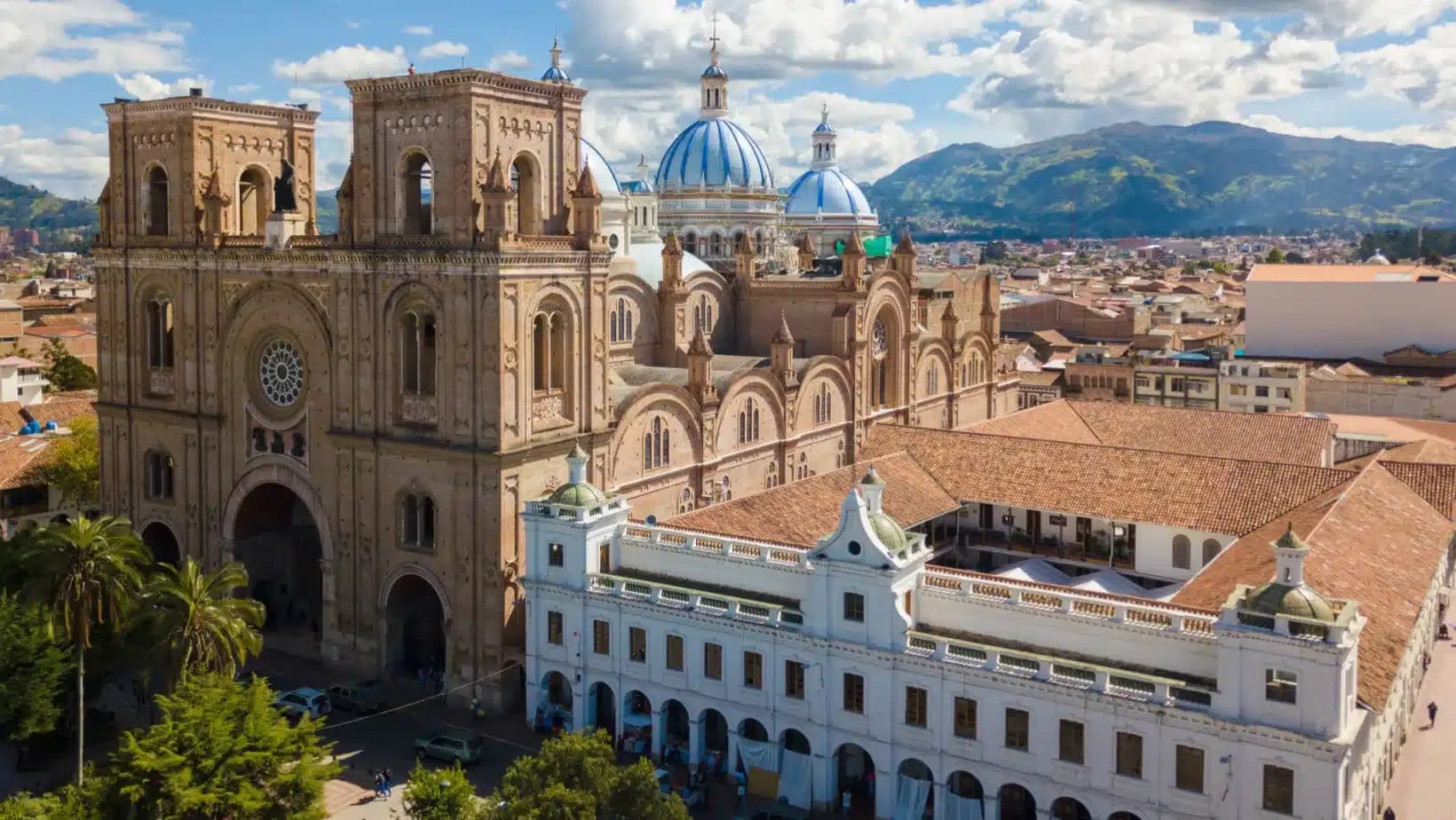
A UNESCO colonial city at 8,400 feet with the largest, most settled American and Canadian community in Ecuador. Mild all year, walkable, rich in cafes and culture, and famously calm, with cheap rents and hospitals a short taxi away. The default first stop for a reason.
Salinas
Ecuador's beach resort
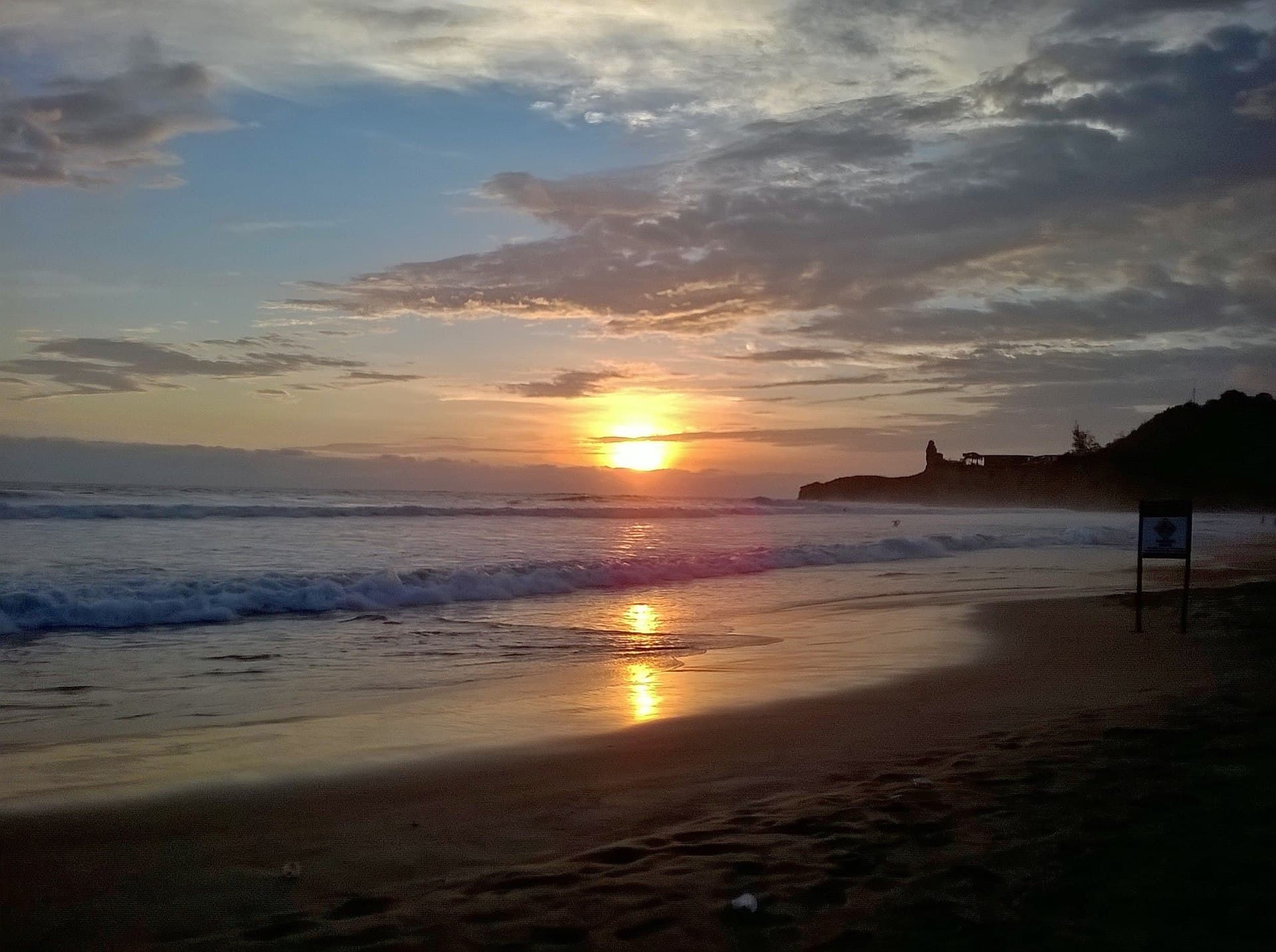
Ecuador's best-known beach town, a condo-lined crescent on the Santa Elena peninsula, with humpbacks passing offshore from late June into October and Guayaquil two hours inland. High season fills it and the rest of the year empties it out. A resort strip rather than an Ecuadorian town.

Vilcabamba
Valley of longevity
A village in the southern Andes that built its name on how long its residents supposedly live, and has held a small, long-settled crowd of American retirees ever since. Mild weather year round, hiking up Mandango straight out of town, and Loja an hour away for anything serious. Healthcare here is basic.

Manta
The Pacific coast
Ecuador's tuna-port city on the Pacific, and a real working town rather than a resort strip. Warm and dry most of the year, with wide city beaches at Murcielago and Barbasquillo and ceviche for a couple of dollars. The coast runs humid, and it takes more street smarts than the calm Andes.
The people who make it painless

EcuaAssist
Ecuador Relocation Specialist
EcuaAssist files the visa and coordinates the property purchase and due diligence.

Blue Box Insurance Broker
Insurance Broker in Ecuador
Sets up the Ecuadorian health coverage the visa requires.
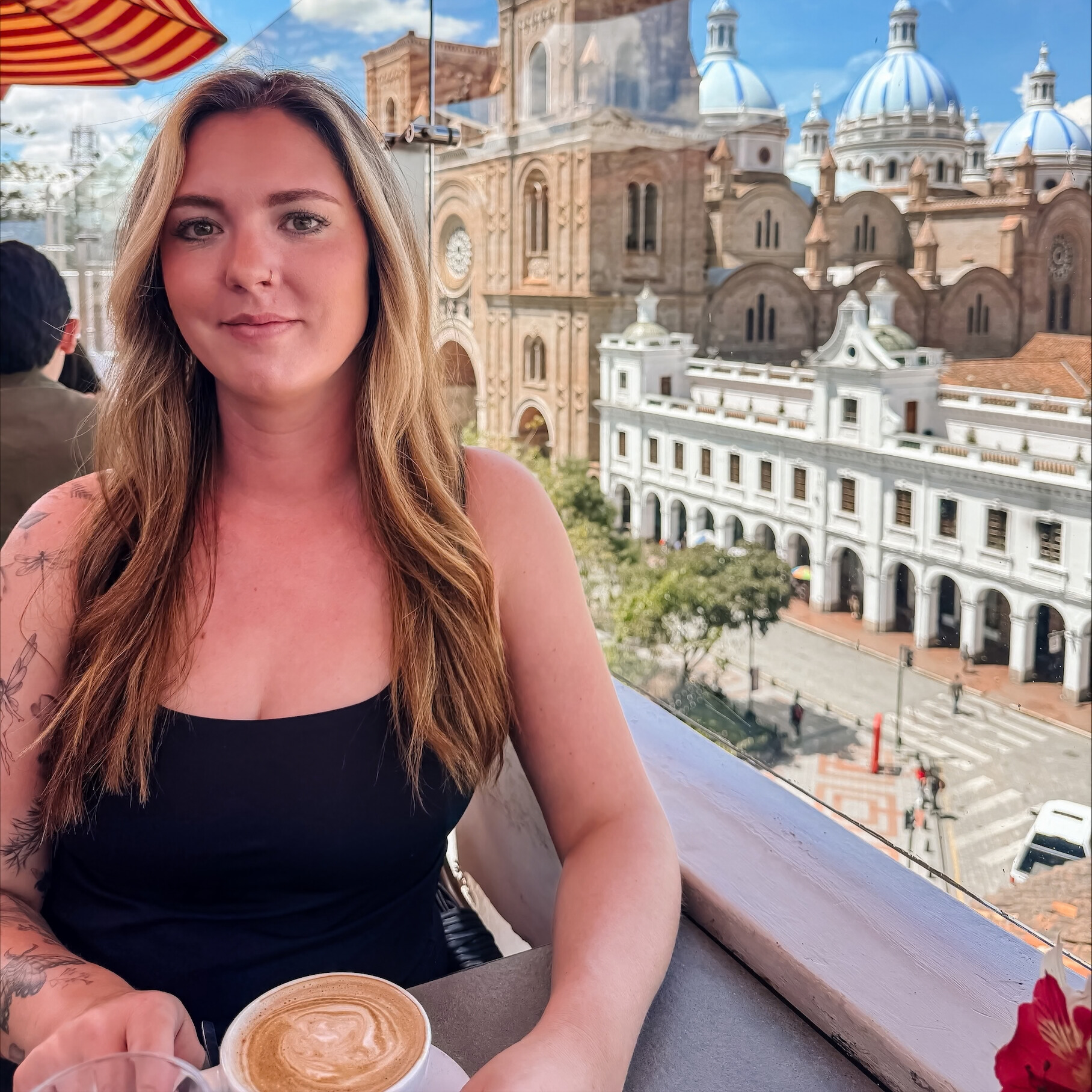
Emily Burt
Ecuador Local Guide
Helps you scout neighborhoods and settle in once you arrive.
Questions buyers ask
How much do I have to invest?
For 2026, at least $48,200 in Ecuadorian real estate, which is 100 times the country's minimum wage. That number ticks up a little each January, so confirm the current figure before you buy. Many buyers aim closer to $100,000 for a home they actually want.
Can I rent out the property?
Yes. You can live in it, rent it long-term, or run a short-term rental. Rental income earned in Ecuador is taxable there. You'll report this as a U.S. citizen, too, so keep good records.
Do I need to show monthly income too?
The investment usually replaces the income test that the pension and rentista visas require. Some offices still ask for modest proof you can cover living costs, so ask your attorney what your consulate expects. EcuaAssist can help.
Does my money get locked up?
For a while, yes. A lien sits on the property so you can't sell it until you convert to permanent residency, which you can do after 21 months in the country. After that, the lien comes off.
How long does it take, and how long can I be away?
Official processing runs about 60 days, though four to six months from first document to ID card is realistic. During the two-year temporary period, don't spend more than 90 days a year outside Ecuador if you want to go permanent.
Can my family come with me?
Yes. Your spouse and children can be added as dependents on the same investment, each with their own filing fees. Ecuador allows dual citizenship down the road, so you won't have to give up your U.S. passport.

Is Ecuador your move?
Talk it through with an advisor.
Why not you?