Your 2026 guide
So you want to move to Italy
The dream is real, and so's the paperwork. Here is an honest, up to date look at what Italy costs, which visa fits your life, how the healthcare works, and where Americans are actually settling in 2026.
No sales pitch. Just the numbers, the trade-offs, and the routes that actually work for Americans.

By Jen Barnett, Co-founder, Expatsi
Reviewed and updated October 5, 2026 · 12 min read
01 · The case for Italy
Why Italy, and why now

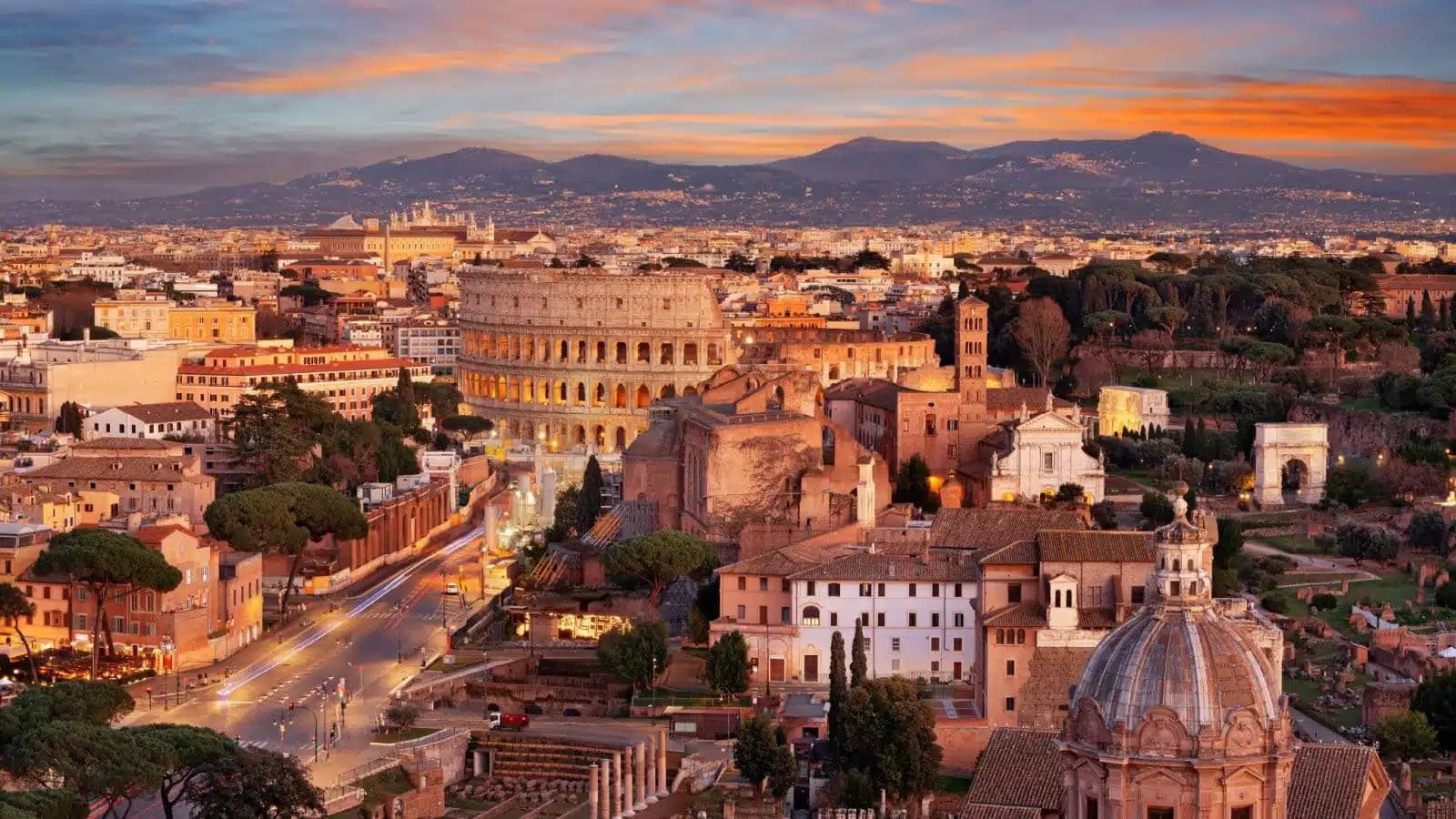
Italy sells itself. The food, the light, the piazza that turns into a living room every evening, the fast train that can put you in Paris or the Alps by dinner. You already know the good part. What most guides skip is whether it actually works for your life, and what it costs to stay.
Here is the honest version. Italy runs on a rhythm that rewards people who slow down. Meals are long. Shops close in the afternoon. The bureaucracy moves at its own pace, and it will test you before it welcomes you. If that sounds like a feature rather than a bug, you will do well here.
The numbers back up the daydream, too. A couple can live comfortably in much of the country for around $3,150 a month, less if you skip Rome and Milan. Healthcare is universal and genuinely good. Home internet is fast enough to work from, so a remote paycheck stretches further here than it does at home. And Americans are moving in real numbers: about 17,650 US citizens were legally resident at the start of 2025, up almost 7 percent in a single year, and the real figure is probably higher.
The payoff compounds, too. Five years of legal residence gets you permanent residency; ten years, or a qualifying Italian ancestor, can get you an EU passport that lets you live and work anywhere from Lisbon to Helsinki. Few moves buy that much optionality.
Who Italy fits
Retirees with a pension or steady passive income. Remote workers whose paychecks come from outside Italy. People with a parent or grandparent born in Italy who may already have a claim to citizenship. Anyone who wants great food, deep history, and a slower pace, and is willing to learn some Italian to get it.
Here is the catch
Italy is not a place you conquer on a spreadsheet. English is common in the big cities and along the tourist coast, but daily life happens in Italian, so plan to learn. The bureaucracy is slow and often contradictory, and the south still has fewer jobs than the north. If you need everything to run on time and in English, you will be frustrated. If you can laugh, wait in line, and let the country set the pace, it gives back more than almost anywhere.
- Cost of living (single)
- $1,900/mo
- Safety index
- 60/100
- Internet speed
- 90 Mbps
- Language
- Italian
- Capital
- Rome
- Population
- 58.9M
What a month really costs
$3,150
Comfortable monthly budget for a couple, rent included
Less outside Rome and Milan
$1,900
A single person living comfortably
All in, most regions
$850
One bedroom in a city center
About $650 further out
$18
A sit-down meal out for one
Espresso at the bar: under $2
02 · The money
What Italy actually costs
Italy is cheaper than the US in the ways that matter day to day, and the gap is biggest away from the tourist center. Expatsi's cost of living data puts a comfortable single budget around $1,900 a month and a couple around $3,150, rent included. Numbeo and other trackers land in a similar range, so treat these as solid estimates rather than a quote.
Rent is the swing factor. A one bedroom in the center of a mid-sized city runs about $850, closer to $650 a little further out. Rome and Milan cost noticeably more; Bologna, Naples, and most of the south cost less. Groceries, wine, produce, and eating out are where your dollar really stretches. A good meal out is about $18, and an espresso at the bar is still under two dollars.
The recurring bills are gentle by US standards, too. Home internet runs about $32 a month, a city transit pass around $43, and a mobile plan a small fraction of what you pay at home. The two budget killers most Americans carry, a big health insurance premium and a car payment, often shrink or vanish entirely once you are settled and riding the train.
The property daydream
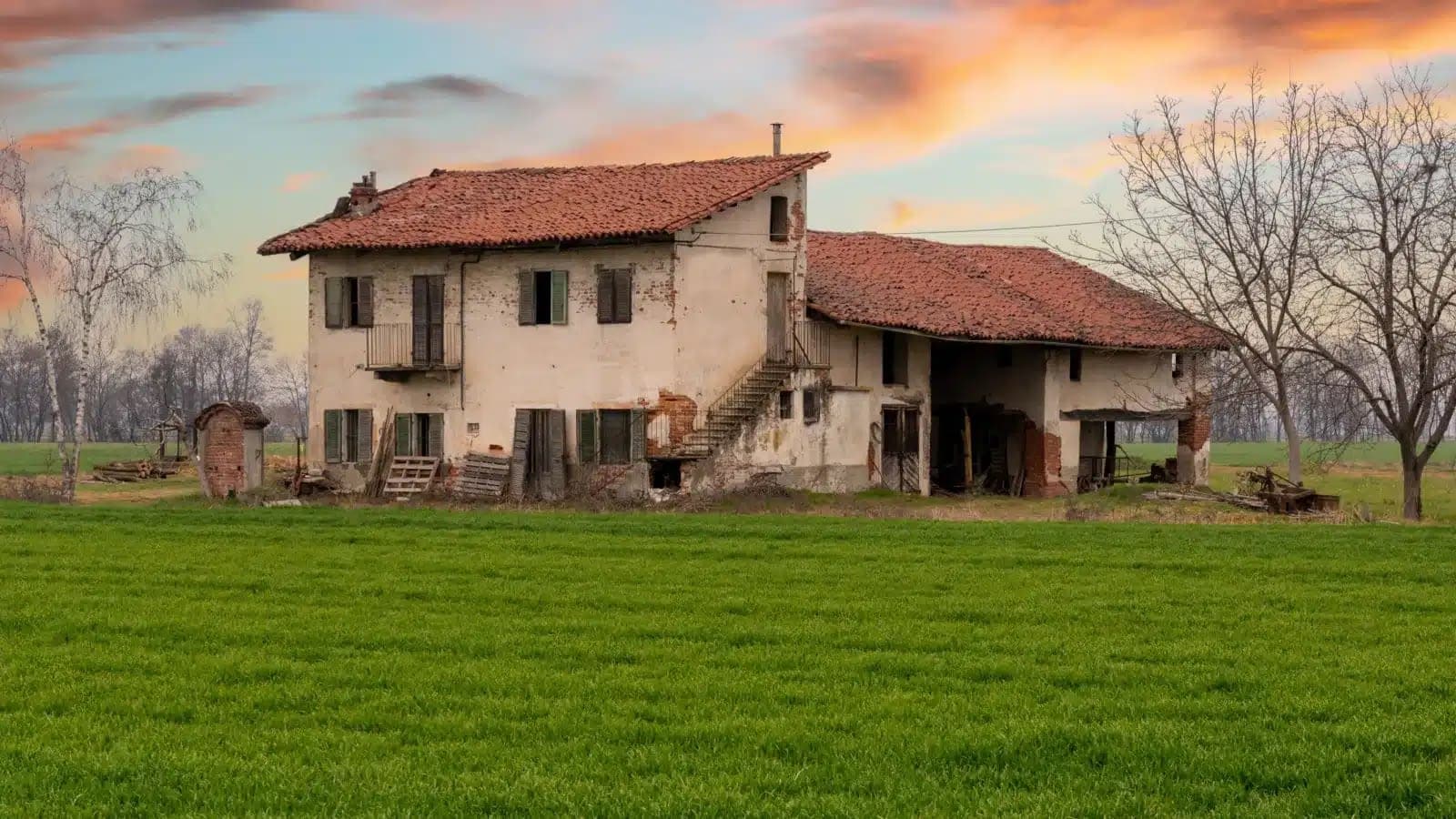
You have seen the headlines about one euro houses and towns paying people to move in. They are real, and they come with fine print: the cheap homes usually need a full renovation that runs into tens of thousands of dollars, and the relocation grants carry residency and sometimes work strings. Buying is open to Americans with no special restrictions, but do it with an English speaking notaio and a proper survey, not on holiday impulse.
The good news is that your money buys a life, not just a lower rent. The trade you are making is fewer big paychecks for more time, better food, and a walkable town where you may not need a car. Budget for the setup, too: a deposit, agency fees, furnishing, and the health coverage we will get to next. Once you are settled, the monthly math is kind.
Why the budget and the visa line up
Here is the pattern that trips people up. A visa officer wants to see that you can support yourself without an Italian job, and the cost of living decides how much that takes. Retirees need roughly $36,000 a year in passive income for the elective residency visa, which is no accident: it is a comfortable single budget with real room on top. Prove the income, and the daily math already works.
03 · Daily life
What living there is actually like

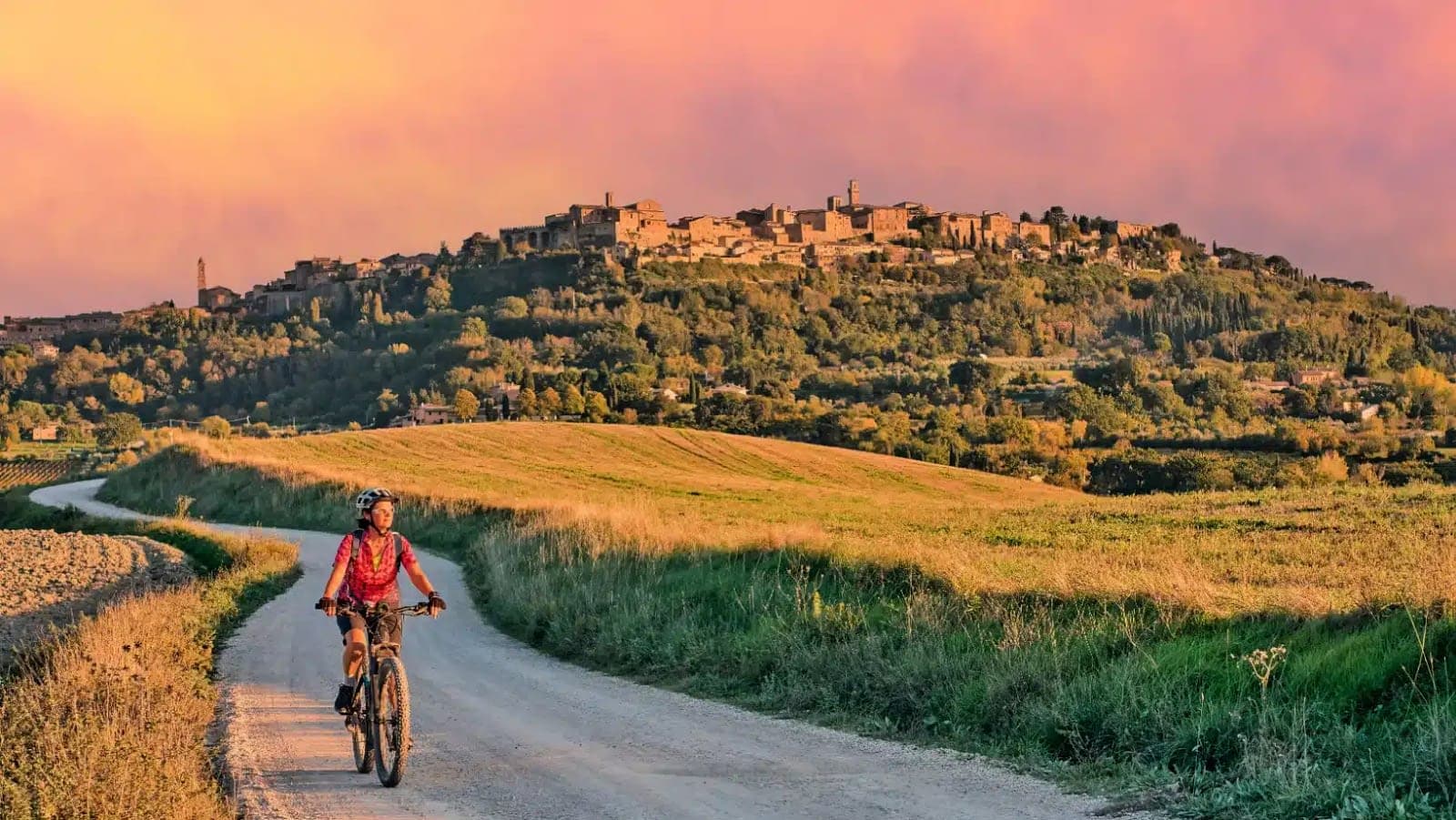
Day to day, Italy is social, safe, and slower than you are used to. You will shop in smaller quantities, more often, and you will know the people who sell you your bread and your coffee. It can feel like stepping back a generation, in the best way.
The language
English proficiency is moderate, and it drops fast outside cities and tourist areas. In Rome, Milan, and Florence you can get by; in a village in Calabria you cannot. Learn enough Italian to handle a landlord, a doctor, and the post office, and life gets dramatically easier. Locals warm up fast to anyone who tries.
Safety
Italy is a safe country for daily life. The US State Department keeps it at Level 2, the same tier as France, Germany, and the UK, mostly for the general terrorism risk that applies across Europe. The real day to day threat is petty: pickpockets on crowded buses and around stations like Rome's Termini. Keep a hand on your bag and you will be fine. Expect the occasional transport strike, too, so check before you travel.
Food, community, and the calendar
This is the part that lives up to the hype. Meals are events, not fuel. Every town has its festivals, its patron saint, its market day, and aperitivo is a genuine institution. The American community is moderate in size and clustered in Rome, Milan, Florence, and Tuscany, so you can find English speakers when you need them without living in a bubble.
The weather helps set the mood. Most of the country gets around 220 sunny days a year, with hot Mediterranean summers and mild, green winters in the south, while the north gives you four real seasons and snow in the Alps. Wherever you land, life spills outdoors for a good part of the year.
Who struggles
People who need everything fast, efficient, and in English. People who move somewhere remote and beautiful, then feel isolated once the summer crowds leave. And anyone expecting the move to fix a problem that traveled with them. Italy rewards patience and punishes hurry.
What you get
Universal healthcare
One of the world's best public systems, with private care on top
The climate
Mild Mediterranean weather and about 220 sunny days a year
Europe next door
Cheap flights and fast trains to the rest of the EU
History everywhere
You live inside 3,000 years of art, ruins, and Renaissance towns
Coast and mountains
Beaches, lakes, and the Alps and Dolomites in one country
A real community
A moderate, welcoming American and expat scene in the main hubs
04 · The visa paths
Which visa fits your life
There is no single move to Italy visa. You pick the one that matches how you will support yourself, apply at an Italian consulate before you go, then convert it to a residence permit (permesso di soggiorno) within eight days of landing. Here are the routes Americans actually use.
Retiring on passive income
If you have a pension, annuities, or investment income and will not work in Italy, the elective residency visa is the classic retiree route. Plan on showing roughly $36,000 a year for one person, plus housing and health insurance. Italy sets that floor in euros, about 31,000 a year, so the dollar figure moves with the exchange rate. Settle in a small southern town and a special 7 percent flat tax on foreign pension income can make it even cheaper.
Working remotely or freelancing
If your income comes from clients or an employer outside Italy, start with the freelance and self employment route on our freelance and remote work visa page. Italy also runs a dedicated digital nomad visa for remote workers, which skips the tight annual quota that makes the classic self employment visa so competitive.
Claiming what may already be yours
If a parent or grandparent was born in Italy, you may be able to claim Italian citizenship by descent. A 2025 reform capped this at two generations, so most great grandparent claims have closed, but the parent and grandparent crowd is exactly who still qualifies. Citizenship means a full EU passport, not just residency.
Other routes
There is an investor golden visa (from about $290,000 into an innovative startup, up to $2.3 million in government bonds), a startup visa for innovative founders, a standard work visa tied to a job offer and the annual quota, and a student visa. Whatever route you take, five years of legal residence opens permanent residency and ten years opens citizenship, with an Italian language test at each step.
One expectation to set now: the timeline runs in months, not weeks. Consulate appointments can be scarce and slow to book, and the residence permit itself takes time to process after you land. Build that lag into your plans, keep copies of everything, and start early. Patience is part of the price of admission.
The table below lays out every option side by side, with difficulty, processing time, and a link to the full guide where one exists. Start with the route that matches your income, not the one that sounds easiest.
Every Italian visa, side by side
| Visa | Category | Application cost | Processing | Difficulty | Guide |
|---|---|---|---|---|---|
| Citizenship by Descent (Jure Sanguinis) | citizenship | $700 | ~730 days | 5/5 | Guide |
| Elective Residency Visa | retirement | $116 | ~90 days | 3/5 | Guide |
| Investor Visa (Golden Visa) | investment | $116 | ~120 days | 4/5 | Guide |
| Self-Employment/Freelance Visa | self employment | $116 | ~90 days | 4/5 | Guide |
| Startup Visa | self employment | $116 | ~90 days | 4/5 | Guide |
| Student Visa | student | $50 | ~30 days | 2/5 | Guide |
| Work Visa | skilled work | $116 | ~60 days | 4/5 | Guide |
05 · Getting settled
Healthcare, taxes, and the practical stuff
Once you have a visa, a handful of systems decide how smoothly life runs. Get these right early.
Healthcare
Italy's national health service, the SSN, is universal and well regarded. If you work or freelance here, enrollment is mandatory and free, paid through your taxes. If you are a retiree on the elective residency visa, you register voluntarily and pay an annual fee, about $2,300 at the floor and more as your income rises. Many people add affordable private insurance to skip the waits for specialists. Either way, coverage does not depend on your age or pre-existing conditions.
Taxes
Spend more than 183 days a year in Italy and you are a tax resident, taxed on your worldwide income at rates from 23 to 43 percent. As an American you will always file a US return too, and the US Italy treaty plus the Foreign Earned Income Exclusion usually prevent true double taxation. Italy also offers headline regimes: the 7 percent flat tax for pensioners in the south, a 50 percent break for skilled workers who move in, and a flat option of roughly $230,000 to $350,000 a year aimed at the very wealthy. Talk to a cross border accountant before you move, not after.
Money and banking
You will need a codice fiscale, an Italian tax ID, almost immediately; it is free and quick. Opening a bank account gets easier once you have residency, and a service like Moneycorp can move dollars to euros for less than your bank. Keep a US card active for the first few months.
Getting around
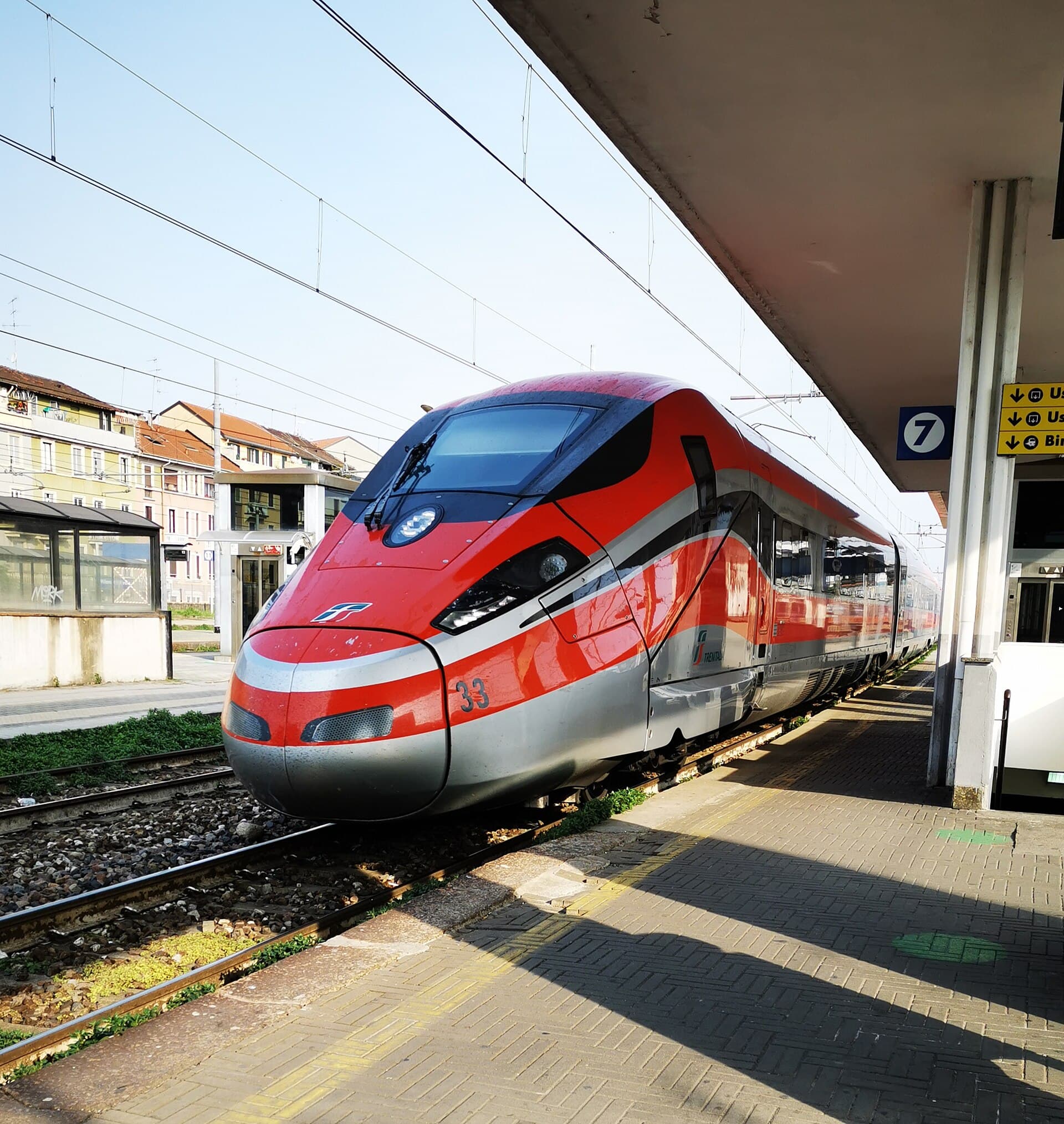
This is a quiet joy. Fast trains link the major cities, regional trains reach almost everywhere, and most historic centers were built for walking, not driving. In much of Italy you can live well without a car. Out in the countryside, a car still helps.
Schools and your license
Public schools are free and solid, and the big cities have international options if you want instruction in English. One surprise to plan for: your US license works as a visitor, but once you are a resident you generally cannot just swap it, and Italy has no reciprocity with most US states, so you may have to sit the Italian driving exam. Sort it out early if you will need to drive.
This guide is dated on purpose
Italy's rules are moving in 2026. The EU's new EES border checks are rolling out now, and the ETIAS travel authorization is expected later this year. The flat tax aimed at wealthy new residents rose to about $350,000 in January. Healthcare fees and tax thresholds get adjusted every year. One note on the dollar figures here: Italy writes its visa and tax rules in euros, and we have converted them at about $1.16 to the euro as of August 2026. Check the euro amount and the day's rate before you file anything.
Where to live
Eight very different versions of Italy
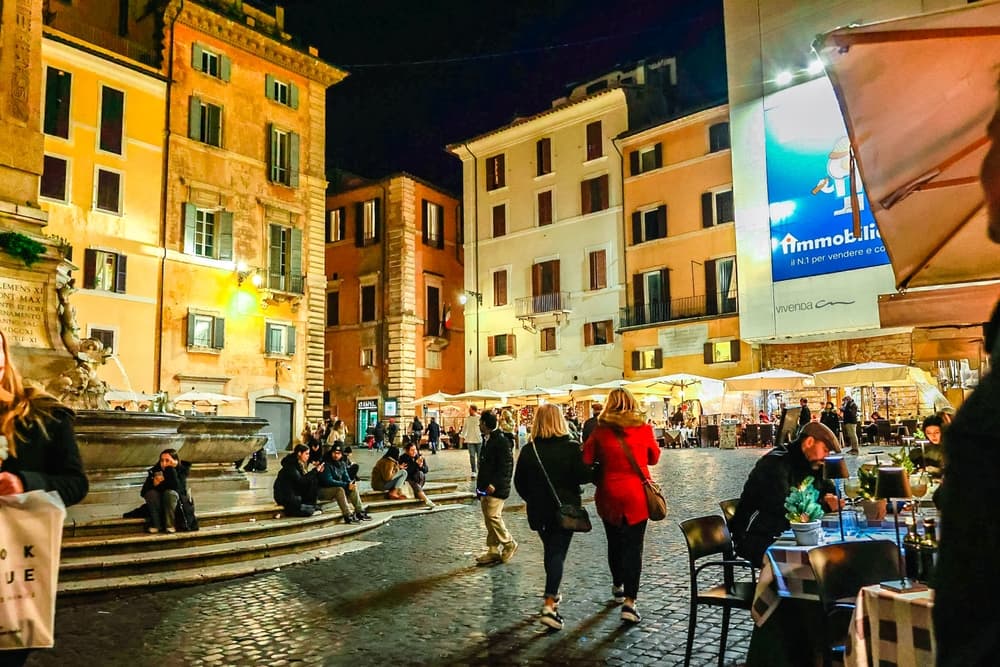
Rome
The eternal capital
History on every corner, the largest American community in the country, and the job market to match. Rents run higher than the south and the summers are hot, but nothing else feels quite like living in Rome.
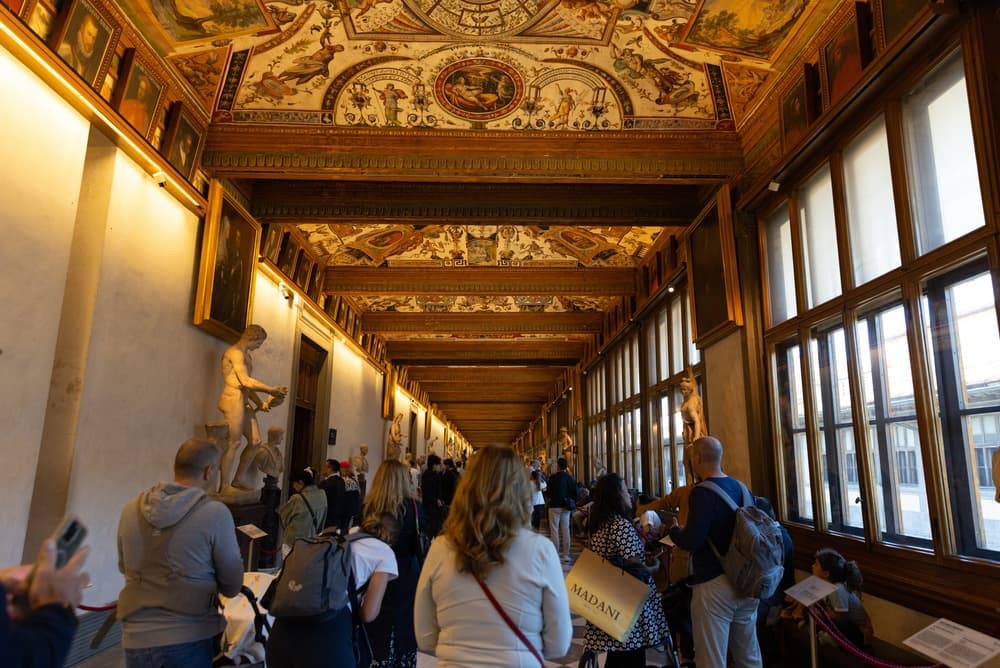
Florence
Art and expat classic
Renaissance beauty, a large American community, and the rest of Tuscany at the doorstep. Popular, walkable, and not cheap, but the quality of life is hard to beat.

Bologna
Porticoes and pasta
A red-brick university city with miles of covered walkways, the food Italy is famous for at its source, and Florence 35 minutes by train. Few tourists linger, so it stays Italian. The trade is humid summers and a foggy plain in winter.
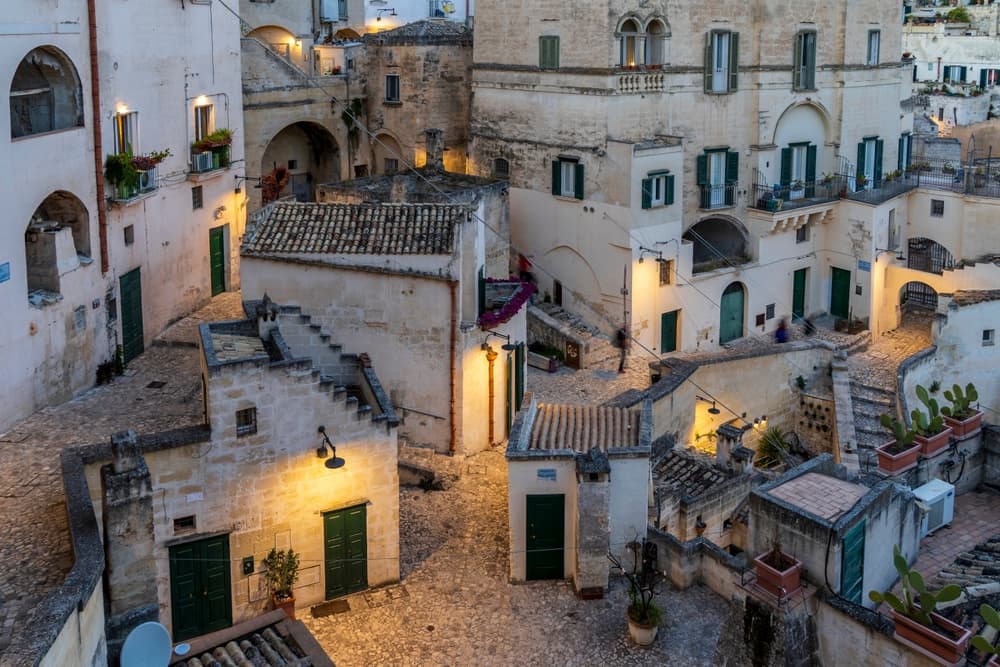
Matera
City of caves
A city of cave dwellings cut into a ravine in Basilicata, a UNESCO site and European Capital of Culture in 2019, and one of the cheapest places to live in Italy. It is also the deep south: hot dry summers, a thin job market, and the nearest airport an hour away at Bari.
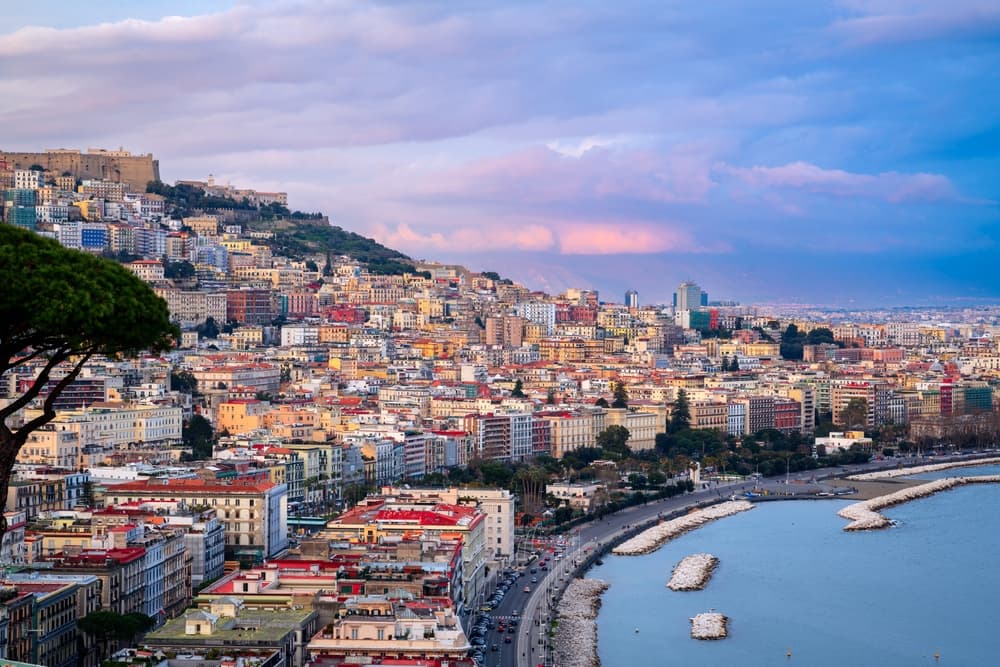
Naples
Pizza and Vesuvius
Where pizza was invented, under a volcano, with Pompeii on the local commuter line and Rome an hour away by fast train. Nothing here is orderly and nothing is quiet. Petty crime is constant, and the bureaucracy defeats people who managed fine elsewhere in Italy.
Sicily
Island of its own
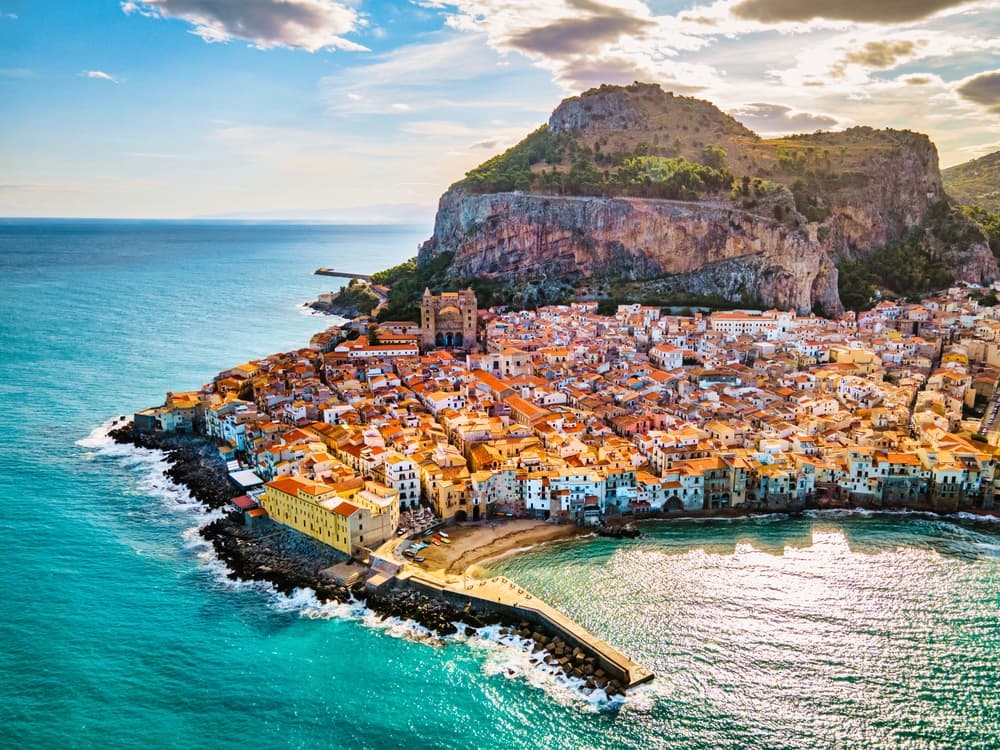
An island that runs on its own terms, with Greek temples older than the Colosseum, Etna smoking above Catania, and street markets in Palermo that feel closer to North Africa than to Rome. Towns under 20,000 people qualify for Italy's 7% flat tax for foreign pensioners. Summers punish, and the paperwork is slower still.

Dolomites
Alps that speak German
South Tyrol runs on German as much as Italian, with Bolzano as the gateway, apple orchards down the valleys and limestone towers over them. Ski lifts and via ferrata routes start near town, and public services work better here than almost anywhere in Italy. Winters are long and housing is tight.
Milan
Work, fashion, and money
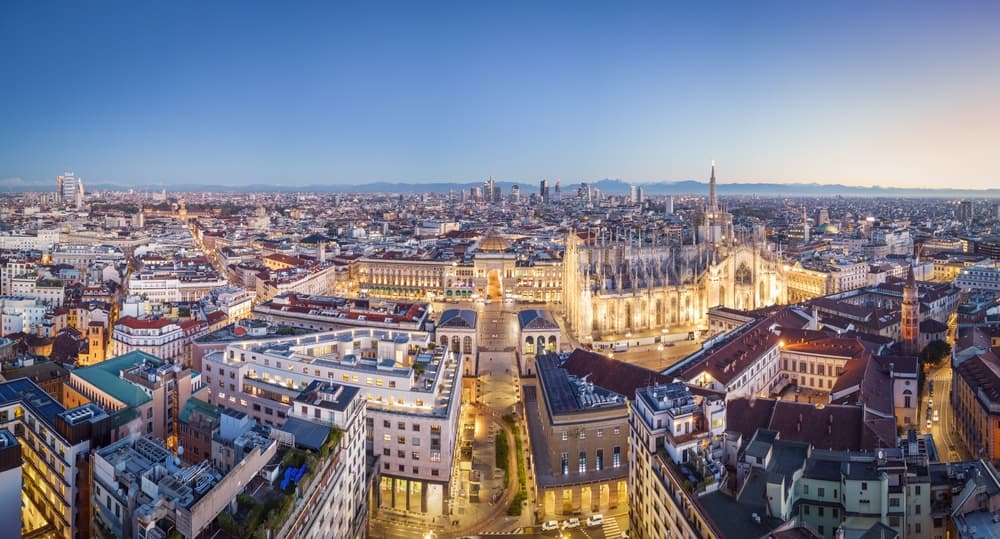
Italy's business capital, where the jobs and the salaries actually are, with the Duomo's marble spikes at the center and aperitivo along the Navigli canals. The Alps and the lakes are an hour north for weekends. The most expensive city in Italy, and the least classically beautiful, as locals will tell you.
The people who make it easier
You can absolutely do this yourself. Most people who bring in help do it for two things: the visa paperwork and the tax setup, because those are where mistakes cost the most time and money. Everyone below is a real partner we work with, grouped by what they actually do. None of it replaces your own lawyer or accountant. Start with the free Expatsi Test to see which countries and routes fit you, then talk to the specialists who match your plan.

Move To Dolce Vita
Italian Immigration
An Italian immigration and tax specialist who handles the elective residency and self employment routes, and knows the 7 percent southern pensioner regime cold.
Learn more
Thea Duncan
Italy Relocation Specialist
A relocation specialist based in Milan who helps with visas, housing, and settling in, and works closely with Black American movers.
Learn more
Sovereign Roots
Citizenship by Ancestry
Specialists in citizenship by ancestry who assess whether your parent or grandparent gives you a claim under the new two generation rules.
Learn more
Legalize That Doc
Document Preparation
Document preparation for the paperwork nobody enjoys: apostilles, certified Italian translations, and the vital records a descent claim needs.
Learn more

Simon Conn
International Mortgage Lending
An international mortgage broker for Americans buying Italian property, including finance a US bank will not touch.
Learn more
Moneycorp
Currency Exchange
A currency service that moves your dollars into euros at better rates than a standard bank transfer.
Learn more
Lingoda
Language Learning
Online Italian classes with real teachers, so you land able to handle a landlord, a doctor, and the post office.
Learn moreGo deeper
One free download to start with, straight from our research library.
Italy Healthcare Report
Healthcare guide for Italy
A plain English breakdown of how Italian healthcare works, what it costs by visa type, and when to add private insurance.
Talk to people already there
Italy
Expatsi Community
Our Italy community is where movers and residents swap real time answers on visas, neighborhoods, doctors, and the small stuff guides never cover. Come ask your questions.
Join the communityItaly questions Americans actually ask
How does healthcare work for Americans in Italy?
Once you are a legal resident you can use the national health service, the SSN. If you work or freelance, enrollment is mandatory and free. If you are a retiree on an elective residency visa, you register voluntarily and pay an annual fee, about $2,300 at the floor and more as your income rises. Many residents add inexpensive private insurance to cut waits for specialists.
Will I pay taxes in both Italy and the US?
You will file in both, but you usually will not be taxed twice on the same income. Spend more than 183 days a year in Italy and you become an Italian tax resident on your worldwide income. As a US citizen you always file a US return too, and the US Italy treaty plus the Foreign Earned Income Exclusion normally prevent real double taxation. This is worth a cross border accountant before you move.
Can I buy one of those one euro houses and get residency?
They are real, but they are not a shortcut to a visa. Buying property, cheap or not, does not by itself give you the right to live in Italy; you still need a residency visa. The one euro homes also require a signed commitment to renovate within a few years, which runs into tens of thousands of dollars. Great projects, not free lunches.
Which visa is easiest for Americans?
It depends entirely on how you earn. Retirees and people with passive income usually go for the elective residency visa. Remote workers and freelancers look at the self employment route or the dedicated digital nomad visa. If a parent or grandparent was born in Italy, citizenship by descent can be the strongest option of all. There is no single easy button, so match the route to your income.
How long until I can get permanent residency or citizenship?
Five years of continuous legal residence opens permanent residency, and ten years opens citizenship by naturalization, each with an Italian language requirement. If you qualify through Italian ancestry, citizenship by descent can be much faster because you are recognizing a right you already hold rather than waiting out the residency clock.
Is Italy safe?
Yes, for daily life. The US State Department rates Italy Level 2, the same as France, Germany, and the UK, mainly for the general terrorism risk common across Europe. Violent crime against foreigners is rare. The real nuisance is pickpocketing on crowded transit and near train stations, plus occasional transport strikes. Normal city awareness is enough.
Do I need to speak Italian?
To get a visa, no. To live well, yes. English proficiency is moderate and drops off outside cities and tourist areas, so daily errands, doctors, and bureaucracy mostly happen in Italian. You do not need to be fluent to arrive, but enough Italian to handle a landlord and a pharmacy makes an enormous difference, and citizenship later requires a language test.
How much money do I need to move to Italy?
Enough to live on plus enough to prove it. Expatsi's data puts a comfortable single budget around $1,900 a month and a couple around $3,150, rent included. Most residency visas also ask you to show income: retirees need roughly $36,000 a year in passive income, which Italy sets in euros at about 31,000, and the exact figure varies by consulate. Treat the living costs as estimates and budget extra for setup.
Sources
- How many US citizens live in Italy and where · The Local Italy / ISTAT (checked 2026-07-31)
- Italy Travel Advisory (Level 2) · U.S. Department of State (checked 2026-07-31)
- Visiting and Living in Italy: entry, EES and residency · U.S. Embassy and Consulates in Italy (checked 2026-07-31)
- Italy: taxes on personal income and flat tax regimes · PwC Worldwide Tax Summaries (checked 2026-07-31)
- Italy raises its new-resident flat tax to 300,000 euros · Investment Migration Insider (checked 2026-07-31)
- How the Italian public healthcare system (SSN) works · Feather (checked 2026-07-31)
- How to move to Italy as an American · Bright!Tax (checked 2026-07-31)
Ready to find out if Italy is your place?
Take the free Expatsi Test and see which countries, cities, and visas actually fit your life, your money, and your must-haves.
warm