
Italy's golden visa doesn't do real estate
Four ways in, from 250,000 euros, and Italy approves you before your money moves.
Buying a house in Tuscany won't get you residency here, at any price. Italy's golden visa runs on four other routes instead, and asks for no days on Italian soil. Here's what it takes and what it costs an American.
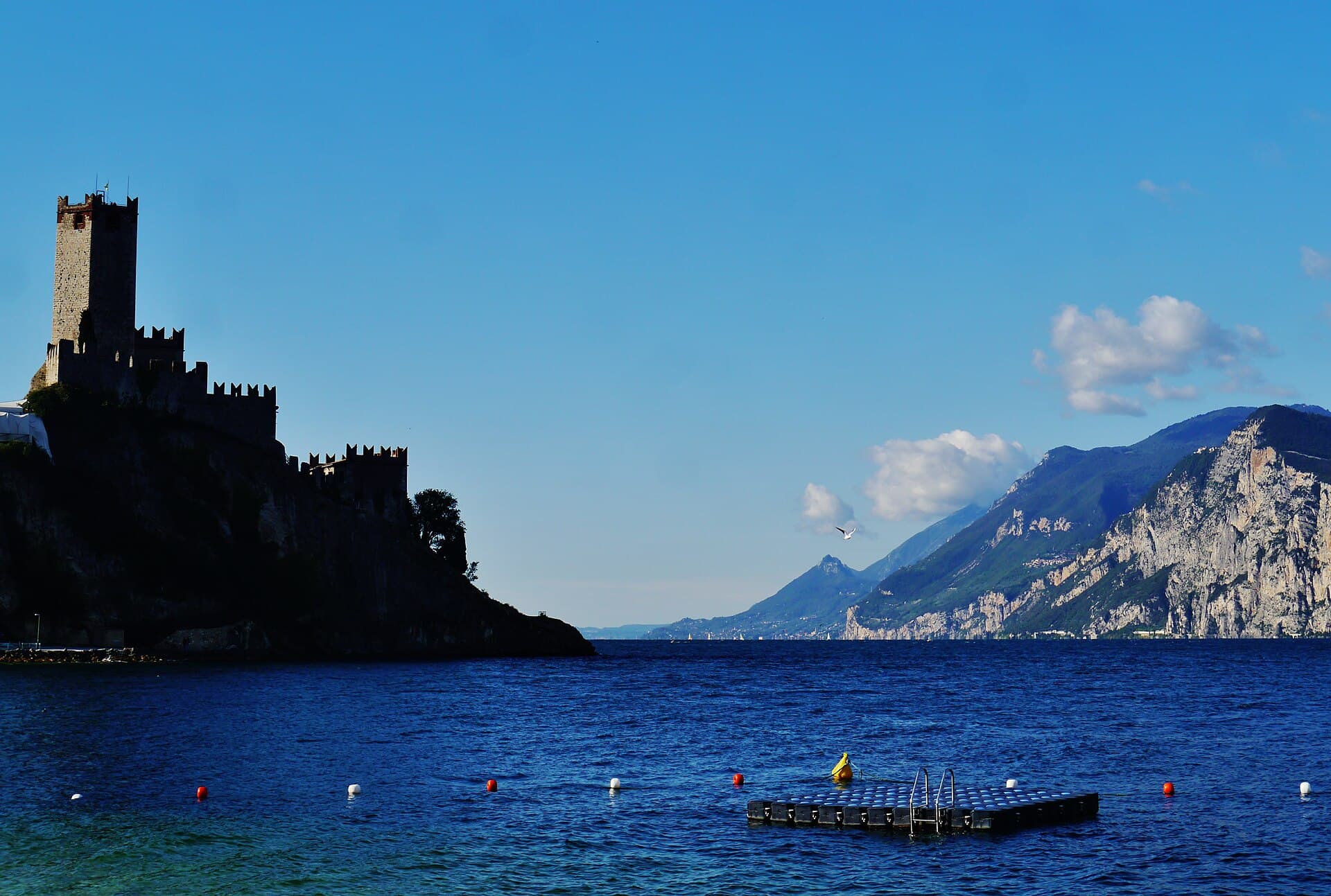
Still open
Spain closed. Portugal cut property. Italy didn't move.
Spain shut its golden visa down in April 2025. Portugal pulled real estate out of its own in 2023. Greece raised its Athens threshold to 800,000 euros. Italy wrote this visa into law in 2017 and hasn't touched a number since.
There's no annual quota either, no click day and no application window. You file when your paperwork is ready, rather than when a portal opens. You also get the government's answer before you part with anything. Your spouse and minor children are included without raising the investment.
It stays a small program. Italy logged roughly 209 investor applications in 2025, up from 128 the year before. That's one committee reading files, not a machine.
The shape of the deal
250,000 euros
The lowest of the four routes
about $288,000, into an innovative startup
30 days
The committee's deadline to decide
and it decides before any money moves
Zero days
Time you must spend in Italy
to hold and renew the permit
2 then 3 years
First permit, then each renewal
as long as the investment stays put
Pick one
Four doors, and you only get to open one
You choose a single route and fund it in full, whether one company or one project. Splitting 250,000 euros across two startups doesn't work, and neither does topping up a small stake with bonds.
250,000 euros into an innovative startup
The lowest number on the list. The company has to sit on Italy's innovative startup register, keep its base in Italy and run under 5 million euros of revenue. You're buying shares, not running the place.
500,000 euros into an Italian company
Shares in a company that already trades, with at least a year of activity and a filed balance sheet behind it. Some buyers use this route for large listed Italian names. Convertible notes and loans are out because they don't make you a shareholder on day one.
1 million euros as a donation
A gift, not an investment. It funds a public interest project in culture, education, research, heritage or immigration management, and none of it comes back.
2 million euros in government bonds
The cautious route. Italian state paper with at least two years left to run, held through an Italian institution.
Notice what isn't on that list. Italy has never sold residency for a property purchase, and the ministry's own guidance says real estate doesn't even count as proof you have the money.
The requirements
Investor Visa (Golden Visa)
Residency by investment program. Offers a path to permanent residency and citizenship after 10 years, with visa-free Schengen travel and family inclusion.
- Government cost
- $116
- Processing time
- ~120 days
- Timeline
- 2 years initially, renewable, path to citizenship after 10 years
- Difficulty
- Hard
Key requirements
- Minimum investment: €250,000 in startups, €500,000 in Italian companies, €2 million in government bonds, or €1 million philanthropic donation
- Proof of investment
- Clean criminal record
- Health insurance
About that data card
A few lines up there need a footnote. The 116 in our fee line is euros, not dollars, so budget about $134 per person; that's only what the consulate charges. Italy also writes every threshold in euros. We converted at about $1.15 to the euro on September 15, 2026, so check the euro figure and day's rate before you wire anything. The 120 day processing line covers the whole run, not the committee's 30 day slice of it.
How it runs
Nothing moves until Rome says yes
The order of operations is the whole trick here. Italy approves you first and takes your money second.
You apply online to the Investor Visa Committee at the Ministry of Enterprises for a nulla osta, a certificate of no impediment. The committee has 30 days to answer. If it wants more paperwork the clock stops until you send it.
Certificate in hand, you have six months to take it to your Italian consulate for the type D visa, in person, with biometrics. Then you fly, and you have eight days to file for the permesso di soggiorno at the local questura. The investment itself has to land within three months of the day you arrive.
Miss that three month window and the permit is revoked. Take the money back out later and the renewal is refused. Start to finish, a typical file runs three to six months.


The honest part
A permit is not the same as a life there
Zero days works, right up until it doesn't
No other Italian permit lets you keep residency without showing up, and this one genuinely does. But the two prizes people came for run on ordinary rules. Permanent residence at five years and citizenship at ten both need real residence exceeding 183 days a year, no single absence past six months, and Italian at A2 for the first and B1 for the second. You can hold this permit for a decade from Miami and be no closer to a passport.
Washington still wants a return
Cross 183 days and Italy taxes your worldwide income at 23 to 43 percent. New residents can elect a flat tax of 300,000 euros a year on foreign income, raised from 200,000 in January 2026, though that only makes sense at serious income levels. A 250,000 euros stake can also push you past 10 percent of a foreign company, which is Form 5471 territory; Packaged startup products can drag you into the PFIC rules. Talk to a cross-border accountant before you pick a route, not after.
Who to call before you wire anything

Move To Dolce Vita
Italian Immigration
Italian immigration and tax, including which route and which tax framework suit your file.

Beacon Global Advisors
Financial Planning
U.S. side financial planning for Americans whose accounts are about to cross an ocean.

Moneycorp
Currency Exchange
Currency specialists for the day six figures of dollars have to become euros.
If you do come
Where the companies are, and where the houses are
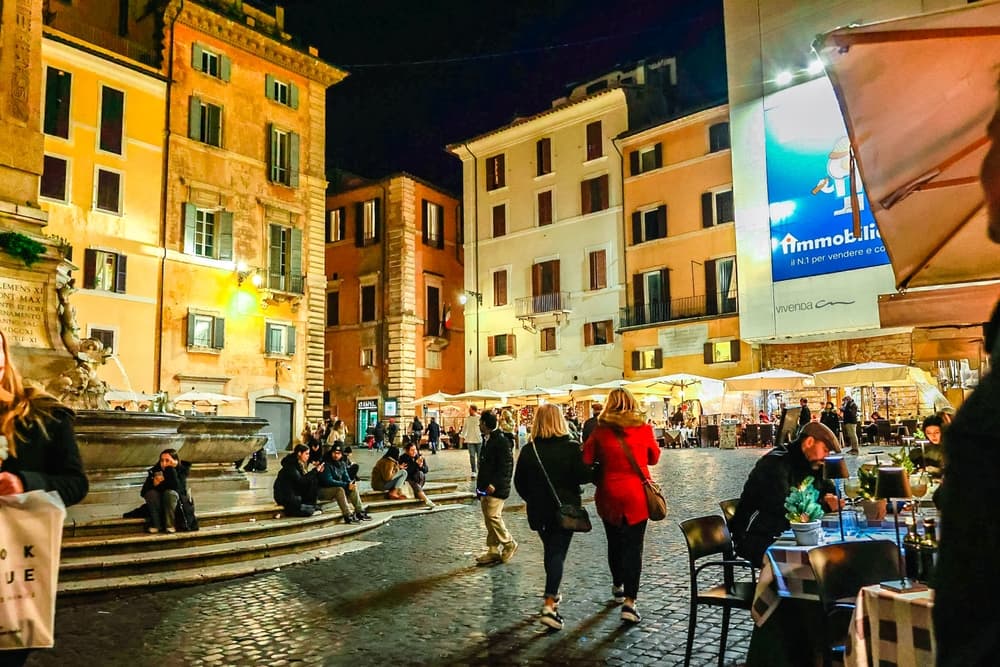
Rome
The eternal capital
History on every corner, the largest American community in the country, and the job market to match. Rents run higher than the south and the summers are hot, but nothing else feels quite like living in Rome.
Florence
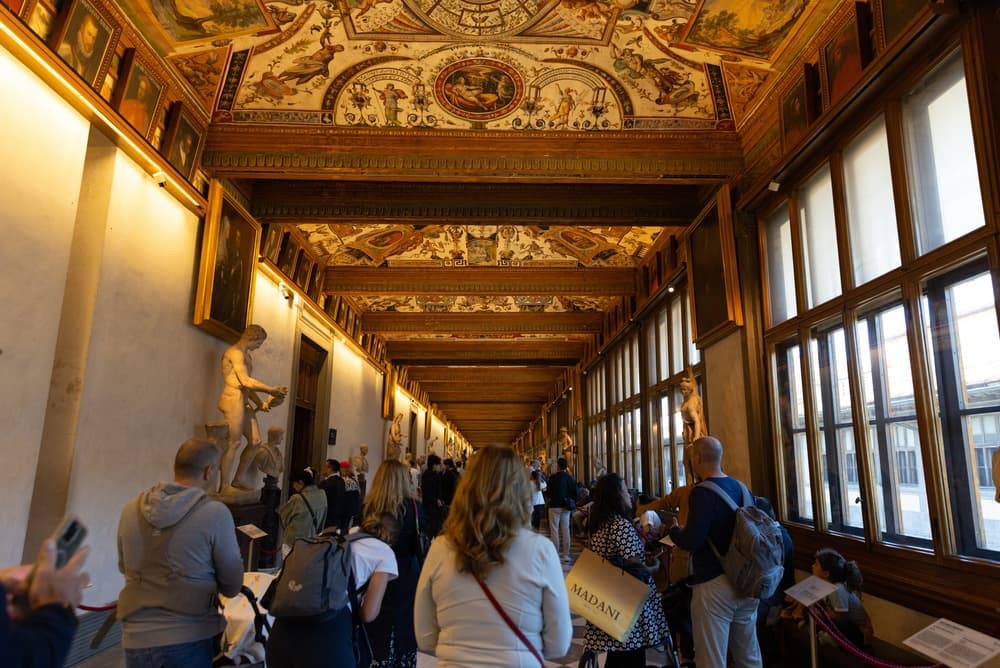
Art and expat classic
Renaissance beauty, a large American community, and the rest of Tuscany at the doorstep. Popular, walkable, and not cheap, but the quality of life is hard to beat.

Bologna
Porticoes and pasta
A red-brick university city with miles of covered walkways, the food Italy is famous for at its source, and Florence 35 minutes by train. Few tourists linger, so it stays Italian. The trade is humid summers and a foggy plain in winter.

Milan
Work, fashion, and money
Italy's business capital, where the jobs and the salaries actually are, with the Duomo's marble spikes at the center and aperitivo along the Navigli canals. The Alps and the lakes are an hour north for weekends. The most expensive city in Italy, and the least classically beautiful, as locals will tell you.
What people ask before they file
How long does the Italy investor visa take?
Figure three to six months from filing to permit card. The committee's decision is capped at 30 days by law, and the consulate appointment follows quickly once the certificate is in hand. Gathering and legalizing documents is usually the slow part, and it is the part you control.
How much do I have to invest in Italy to qualify?
The lowest threshold is 250,000 euros, roughly $288,000 in September 2026, into an innovative Italian startup. The others are 500,000 euros for shares in an established Italian company, 1 million euros as a donation, and 2 million euros in government bonds. You pick one and fund it in full. They can't be combined.
Will Italy tax my worldwide income if I get this visa?
Only if you become an Italian tax resident, which happens once you spend more than 183 days a year there. Below that line Italy taxes Italian source income only. Above it, rates run 23 to 43 percent, with a 300,000 euro flat tax on foreign income available to qualifying new residents. Americans file with the IRS either way.
What does the Italian golden visa cost beyond the investment?
The consular fee is 116 euros per applicant, about $134. The residence permit adds roughly 112 euros plus stamps and postage. Then come the costs nobody advertises: immigration counsel, sworn translations, apostilles, a criminal record check for every US state you have lived in, and bank charges on a six figure transfer.
Can my family come with me on Italy's investor visa?
Yes. A spouse, minor children and dependent parents can be included without raising the investment amount. Family applications tend to follow the main applicant rather than run alongside it, so allow a longer calendar if everyone is coming.
Can I get Italy's golden visa by buying property?
No. Italy has never had a real estate route and hasn't added one. The four qualifying options are an innovative startup, shares in an Italian company, a philanthropic donation, or government bonds. Italy's policy guidance goes further and says property doesn't even count as proof that you hold the required funds.
When does my money actually leave my account?
After the approval, not before. You apply online for a nulla osta and the committee has 30 days to decide. Only after the visa is issued and you have entered Italy do you fund the investment, within three months of arrival. Money invested before you apply does not count.
Do I have to live in Italy to keep the investor visa?
No. The investor permit is the one Italian residence permit with no minimum stay, so you can hold it while living in the States. Permanent residence at five years and citizenship at ten are different: both need real residence of more than 183 days a year, plus Italian at A2 and B1.
Cheaper ways into Italy
If your parent or grandparent was born in Italy, you may already be Italian
Citizenship by descent (jure sanguinis) can make you an Italian and EU citizen while you keep your US passport. Italy's 2025 reform changed the rules, so here's exactly who still qualifies.
Freelance your way to Italy
A real route for non-EU freelancers to live and work in Italy. Here's who it fits, what it costs, and the catch.
Retire to Italy on a passive income
The Elective Residency Visa lets retirees settle in Italy on a pension or savings. Here's how it works and what it really costs.
Italy answers startup founders in 30 days
The money test is 50,000 euros for the whole founding team. The hard test is how narrowly Italian law defines an innovative startup.
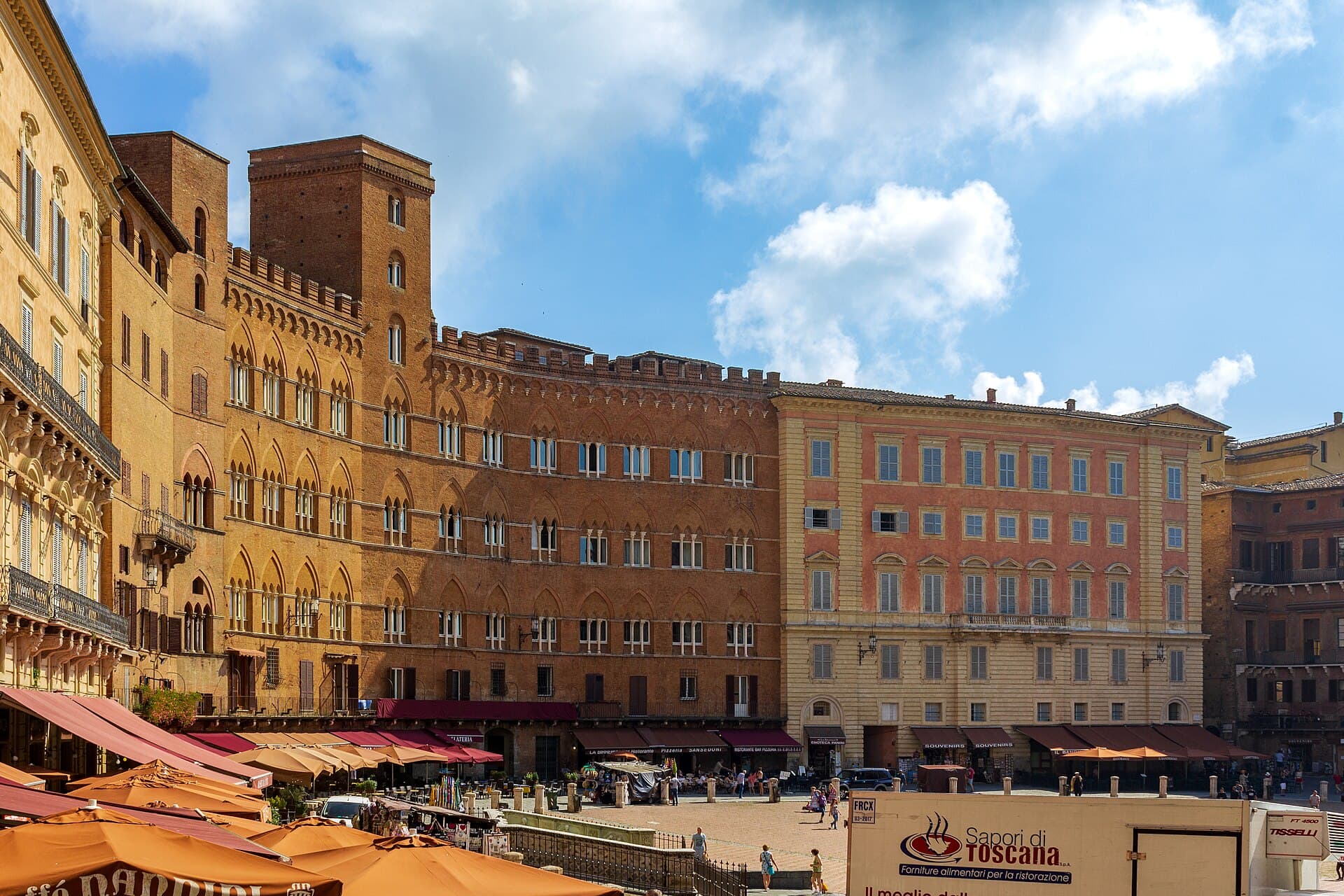
Before you pick a country, price them all.
See which places fit what you want and what you've got.
Why not you?