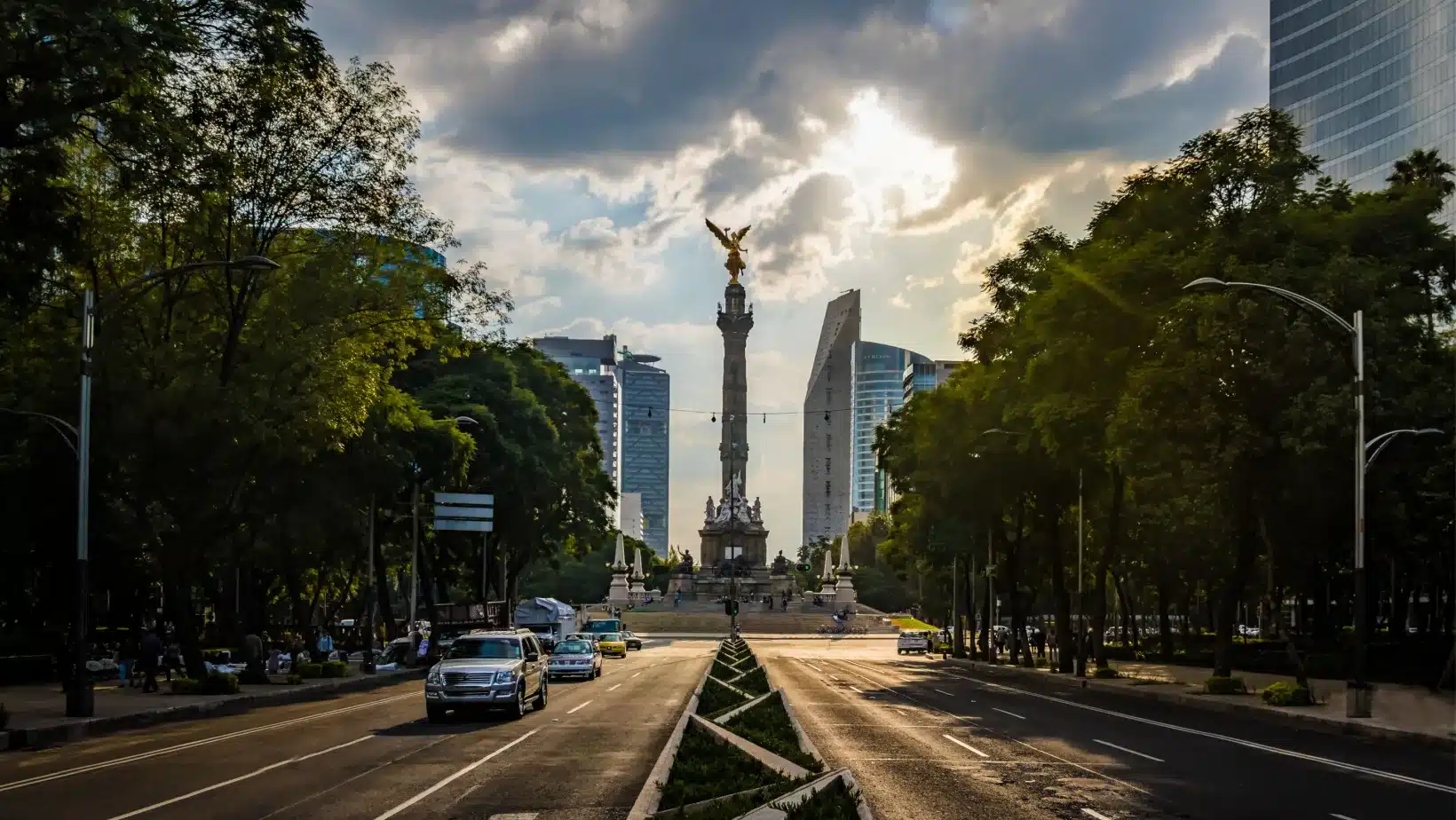
Mexico City: a world capital one time zone from home
A world capital of museums, food, and transit, one time zone from most of the U.S.
- 9,209,944
- Population (2020)
- $2,000/mo
- Monthly budget · single
- 65°F / 18°C
- Avg temperature
A single person can live in Mexico City on about $2,000 a month, a couple on about $3,000, and a family on about $5,000. A one bedroom in a central neighborhood runs about $1,100, or about $700 further out. A meal out costs around $10, internet $30 a month, transit $20.
That buys a real world capital: 9.2 million people in the city itself, one of the best food scenes anywhere, and more museums than you could see in a decade. It suits remote workers who want a big city at a discount, anyone wanting to stay one time zone away from family in the U.S., and people happy to trade a car for a transit card.
The trade-off is that this is a dense city at 2,240 meters (about 7,349 feet); the altitude takes most people a few days to shake off. Its safety score of 41 is the lowest of the Mexican cities we cover, which reflects everyday theft rather than the violence that headlines suggest.
At a glance
$2,000
Monthly budget · single person
$1,100/mo 1-bed rent, center
41/100
Safety index
$30
Internet / month
65°Fannual average
Jan 59° · Apr 69°
Climate
9,209,944
Population (2020)
Expatsi estimates, updated Aug 2026, based on rental listings, government statistics, and local reporting.
Cost of living
What it costs to live in Mexico City
Single person
$1,800–$2,300/mo
about 35% below Austin, TX
Couple
$2,700–$3,400/mo
about 35% below Austin, TX
Family of four
$4,400–$5,600/mo
about 35% below Austin, TX
Compared with Austin, TX (Expatsi estimate, 2026).
- $10 −50%
- Inexpensive meal
- $1,000–$1,250/mo −44%
- 1-bed rent, center
- $600–$800/mo −48%
- 1-bed rent, outside
- $30/mo −54%
- Internet
- $20/mo −52%
- Transit pass
- $325/sq ft −50%
- Buy price, center
Expatsi estimates, updated Aug 2026, based on rental listings, government statistics, and local reporting.
Daily life
How Mexico City lives
- B+ grade, 61st percentile among the cities we track
- Dining & cafésstrong
- A- grade, 85th percentile among the cities we track
- Arts & culturestrong
- B grade, 48th percentile among the cities we track
- Parks & outdoorstypical
- A- grade, 77th percentile among the cities we track
- Schools & educationstrong
- B grade, 53rd percentile among the cities we track
- Healthcare accesstypical
- B- grade, 27th percentile among the cities we track
- Bike infrastructuretypical
- B grade, 47th percentile among the cities we track
- Public transittypical
- A+ grade, good physical accessibility
- Accessibilitygood
Graded on OpenStreetMap amenity density relative to the 298 cities we track. Accessibility is the exception: it's graded against a fixed standard (terrain steepness and sidewalk surfaces), not a curve.
Climate
Weather through the year
Annual average 65°F (18°C) · 33 in of rain a year · Source: Meteostat station normals (76680, 1991-2020)
On the ground
Scenes from Mexico City
Photos by Wikimedia Commons contributors; open any photo for its credit and license.
Getting around
Transport in Mexico City
You don't need a car; in the center, you actively don't want one. The Metro is the backbone and is genuinely cheap. Metrobús rapid buses operate in dedicated lanes down the big avenues, light rail toward Xochimilco, and Cablebús gondolas go up to the hillside neighborhoods. It all runs on one rechargeable MI card, which also covers Ecobici bike share, and transit costs about $20 a month. Metrobús stations take the card only, not cash, and a Metro to Metrobús transfer is not free.
The Metro's in a long modernization program, so stations close for renovation at times. It's worth checking service alerts before building your commute around one line. Uber, DiDi and Cabify all work well; residents use them rather than hailing a street taxi, which the State Department also advises against.
Roma, Condesa, Juárez, Polanco and Coyoacán are each walkable within themselves, but crossing the city takes real time. If you bring a car, Hoy No Circula keeps it off the road on set days based on its plate number.
- 23/sq mi
- Transit stops
- 0.5/sq mi
- Bike infrastructure
- 8.7/sq mi
- Wheelchair-accessible places
Mapped features per square mile from OpenStreetMap.
Keep exploring
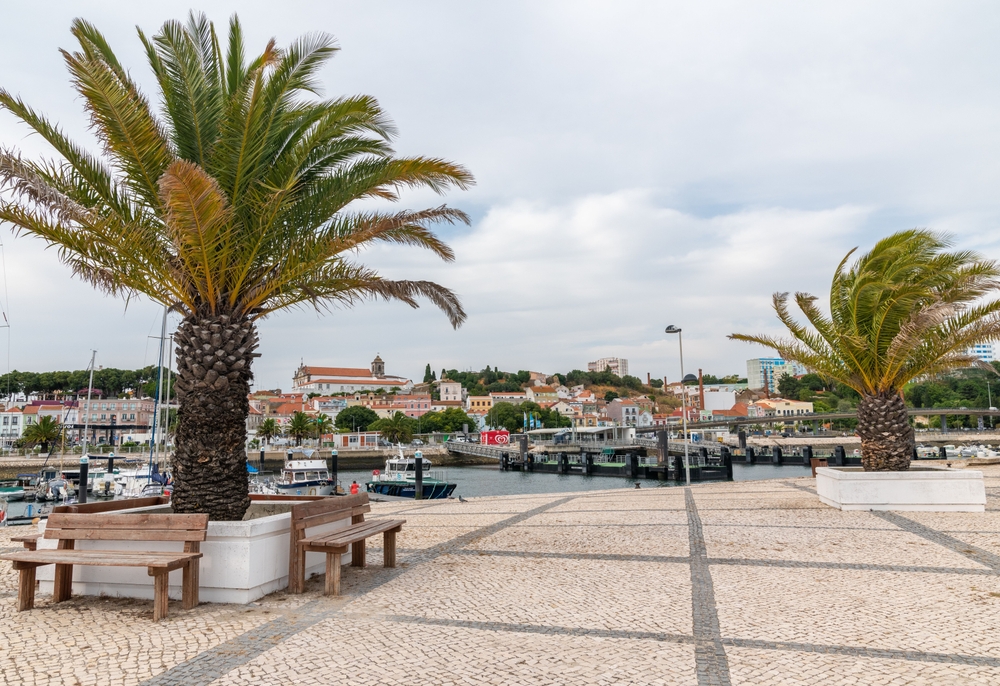
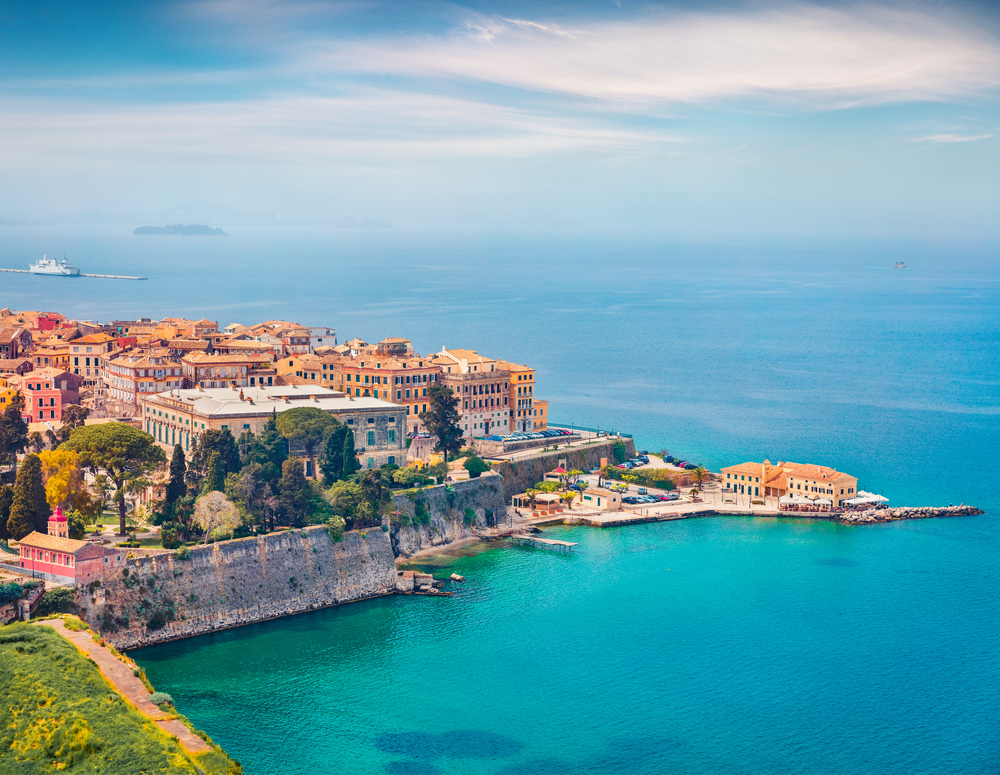
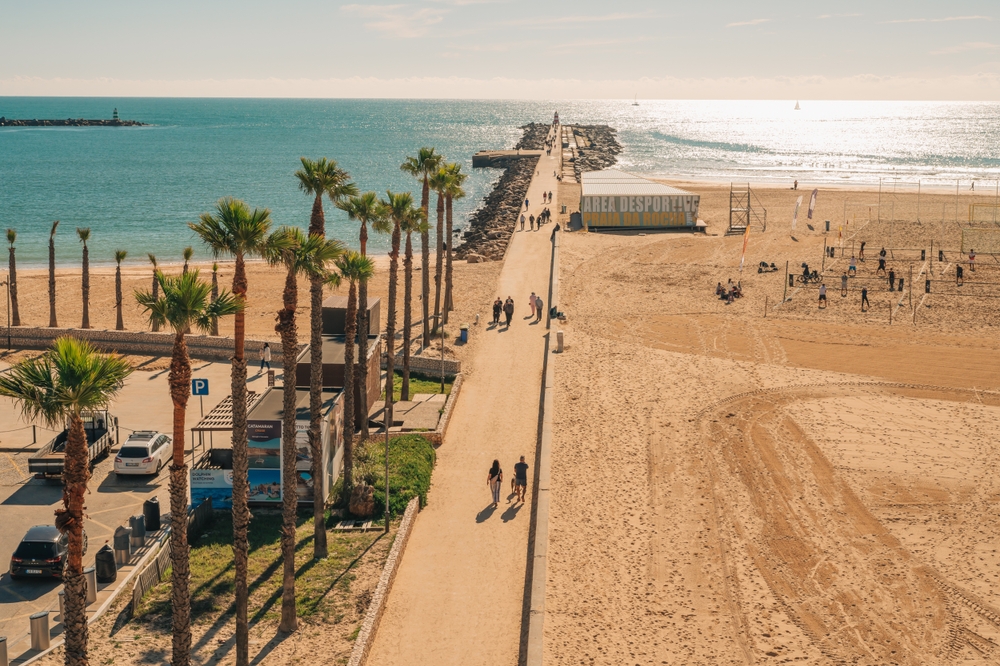
Places like Mexico City
Community & practical notes
The expat scene: Americans cluster in a few central neighborhoods, Roma Norte and Condesa first, then Juárez, Polanco, Del Valle and Coyoacán. You can line up a meetup, a coworking desk and an English-speaking dentist in your first week. It's smaller than it feels, though: Segob counted 19,122 US-born residents in 2022, up almost 70% from 2019, in a city of over nine million.
Gentrification: Rents in Roma and Condesa have climbed hard since 2020 and there is an organized local backlash. Anti-gentrification marches in mid-2025 drew chants of "fuera gringos" and some vandalism, after which President Sheinbaum rejected the xenophobic tone. Day to day, almost nobody meets hostility, but learning Spanish, paying in pesos and looking beyond the Roma and Condesa core all help.
Healthcare: The deepest private hospital network in the country is here. Centro Médico ABC is the one the U.S. Embassy points Americans to; Médica Sur, Hospital Ángeles and Hospital Español all have English-speaking staff. Legal residents can join the public IMSS system, though most Americans carry private coverage. Plan around two things: U.S. Medicare and Medicaid do not pay for care in Mexico, and most hospitals expect payment at time of service.
Remote work: Internet runs about $30 a month; fiber from Telmex, Totalplay and Izzi reaches most central apartments. Coworking space is thick on the ground in Roma, Condesa and Juárez. You're also on U.S. Central time most of the year - the quiet reason many remote workers pick this city.
Earthquakes: A seismic city, built partly on an old lake bed that amplifies shaking, and also one of the best-prepared places in the world for it. Loudspeakers sound the SASMEX alert seconds before shaking arrives, and a national drill runs every September 19, the anniversary of the 1985 and 2017 quakes. Ask about a building's age and retrofit history before signing a lease.
Retirement: A real option for retirees, just not an automatic one. The upside is world-class private hospitals, about $2,000 a month for a single person, and neighborhoods where you live well without a car. The limit is altitude: 7,349 feet is worth a conversation with your doctor if you have a heart or lung condition, as the air gets thin when you first arrive. Mexico has no dedicated retirement visa, so retirees use the same residency routes as everyone else. Our retirement visa guide and Mexico moving guide cover the thresholds.
Limited mobility: Honestly mixed. The valley floor is close to flat, which helps, and newer Metrobús and Cablebús stations were built with level boarding. Against that, sidewalks are uneven and often blocked, curb cuts are inconsistent, many older Metro stations have stairs only, and older buildings frequently have no elevator. The State Department notes Mexico's disability law is not enforced consistently, naming public transport, sidewalks and intersections. Polanco, Del Valle and newer buildings work best; see any apartment and its route to the station in person.
Housing
Renting and buying
- 1-bed rent (center)
- $1,000–$1,250/mo
- 1-bed rent (outside center)
- $600–$800/mo
- Buy price (center)
- $325/sq ft
- Buy price (outside center)
- $190/sq ft
Expatsi estimates, based on rental listings, government statistics, and local reporting.
Good to know
Frequently asked questions
Does the altitude in Mexico City cause problems?
Mexico City sits at 2,240 meters, about 7,349 feet, where there is meaningfully less oxygen than at sea level. Most healthy people adjust within one to three days, often with a headache, tiredness or broken sleep at first. Anyone with a heart or lung condition should get medical advice.
How do I move to Mexico City from the US?
There is no city-level visa. Americans apply for Mexican temporary or permanent residency at a consulate in the US, showing income or savings. The thresholds are set in multiples of a Mexican benchmark called the UMA, so they reset yearly and vary by consulate. Most start with temporary residency, which allows remote work for a foreign employer.
Can I retire in Mexico City?
Yes, and the private hospitals plus a roughly $2,000 a month single budget make it tempting. Check the altitude first, since at 7,349 feet anyone with a heart or lung condition should talk to a doctor. Mexico has no dedicated retirement visa, so retirees use the same residency routes as everyone else.
Is Mexico City safe for Americans?
The State Department puts Mexico City at Level 2, exercise increased caution, with no specific travel restrictions for US government employees, and says petty crime occurs frequently in both tourist and non-tourist areas. Theft and phone snatching are the daily risk, not cartel violence. Our safety score of 41 is the lowest of the Mexican cities we cover.
Is Mexico City wheelchair accessible?
Partly. The ground is close to flat and newer Metrobús and Cablebús stations have level boarding, but sidewalks are uneven, curb cuts are inconsistent and many older Metro stations have stairs only. The State Department notes Mexico's disability law is not enforced consistently. Polanco, Del Valle and newer buildings work best.
What is the weather like in Mexico City?
Remarkably steady. Average highs run between 72F and 82F in every month of the year, and the annual average is 64.7F. January nights average about 47F, and most apartments have neither heating nor air conditioning. Rain comes as afternoon storms from June through October, about 33 inches a year.
Do I need a car in Mexico City?
No, and most residents of the central neighborhoods don't have one. The Metro, Metrobús and ride-hailing cover the city, and transit runs about $20 a month. A car also gets caught by Hoy No Circula, which keeps it off the road on set days based on the plate number.
How much does it cost to live in Mexico City?
A single person needs about $2,000 a month all in, a couple about $3,000, and a family about $5,000. A one bedroom in a central neighborhood runs about $1,100, or about $700 outside the center. A meal out is around $10, internet $30 a month, transit $20.
See how Mexico City fits your life
Take the free Expatsi Test and compare Mexico to nearly 200 countries on what actually matters: cost, healthcare, climate, and safety. About five minutes.
Why not you?