Tavira: the quiet, flat, walkable end of the Algarve
A riverside town of about 26,000 at the quiet eastern end of Portugal's Algarve, with a Roman bridge, island beaches by ferry and a settled, retiree-heavy expat community.
- 26,167
- Population (2011)
- $2,100/mo
- Monthly budget · single
- 65°F / 18°C
- Avg temperature
Tavira runs about $2,100 a month for one person and $3,000 for a couple, all in. A one-bedroom in the city center is around $1,050, about $850 outside it, and a family of four budgets closer to $4,400. Dinner out is about $11 and internet about $35, a little under the Algarve average and well under Lisbon or Cascais.
Tavira and the eastern Algarve suits retirees and slower-paced remote workers best. The foreign community skews older and organized: the Tavira Expats network runs coffee mornings and hiking groups, and English-speaking lawyers, agents and doctors are easy to find. The center is flat and walkable, the safety score is 84 out of 100, and Spain is about 40 minutes east.
The trade-off is the beach, which sits on a barrier island you reach by boat, so daily swimmers tire of the crossing. Nightlife is minimal. Summer crowds land hard on a small center, and winters are quiet. About 26,000 people live in the municipality, and daily life still happens in Portuguese at the market.
At a glance
$2,100
Monthly budget · single person
$1,050/mo 1-bed rent, center
84/100
Safety index
$35
Internet / month
65°Fannual average
Jan 54° · Aug 76°
Climate
26,167
Population (2011)
Expatsi estimates, updated Aug 2026, based on rental listings, government statistics, and local reporting.
Cost of living
What it costs to live in Tavira
Single person
$1,700–$2,500/mo
about 30% below Austin, TX
Couple
$2,500–$3,500/mo
about 35% below Austin, TX
Family of four
$3,600–$5,200/mo
about 45% below Austin, TX
Compared with Austin, TX (Expatsi estimate, 2026).
- $11 −45%
- Inexpensive meal
- $900–$1,250/mo −46%
- 1-bed rent, center
- $700–$1,000/mo −37%
- 1-bed rent, outside
- $35/mo −46%
- Internet
- $316/sq ft −51%
- Buy price, center
Expatsi estimates, updated Aug 2026, based on rental listings, government statistics, and local reporting.
Daily life
How Tavira lives
- B- grade, 32nd percentile among the cities we track
- Dining & caféstypical
- B- grade, 30th percentile among the cities we track
- Arts & culturetypical
- B grade, 41st percentile among the cities we track
- Parks & outdoorstypical
- C+ grade, 20th percentile among the cities we track
- Schools & educationmodest
- C grade, 10th percentile among the cities we track
- Healthcare accessmodest
- B- grade, 29th percentile among the cities we track
- Bike infrastructuretypical
- B- grade, 29th percentile among the cities we track
- Public transittypical
- B grade, moderate physical accessibility
- Accessibilitymoderate
Graded on OpenStreetMap amenity density relative to the 298 cities we track. Accessibility is the exception: it's graded against a fixed standard (terrain steepness and sidewalk surfaces), not a curve.
Climate
Weather through the year
Annual average 65°F (18°C) · 19 in of rain a year · Source: Meteostat station normals (08554, 1991-2020)
On the ground
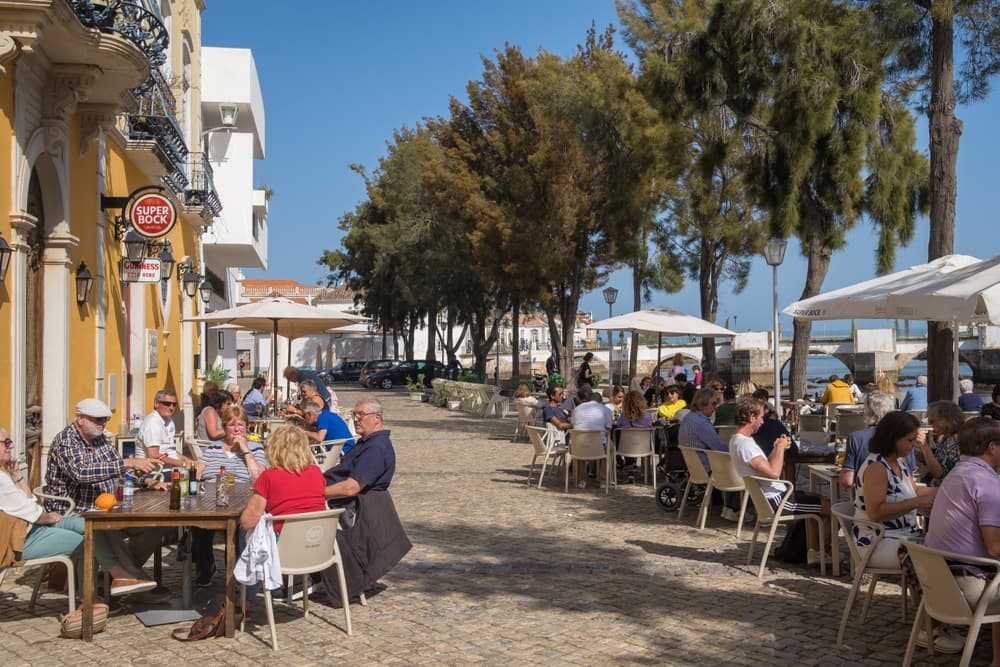
Scenes from Tavira
Getting around
Transport in Tavira
Tavira sits on the regional Faro to Vila Real de Santo António line, with trains roughly every one to two hours. Faro is about 35 to 40 minutes west, while you cross the Spanish border about half an hour east. There is no direct train to Lisbon: you change at Faro, which makes it a little over four hours. Most people take the direct coach from the bus station on Rua dos Pelames. Faro airport is not on the railway, so that leg is a 35-40 minute drive.
In town, you mostly walk. The center on both banks of the Gilão is flat, the Sobe e Desce urban buses cover the wider municipality, Vamus Algarve runs the regional routes, and the Ecovia do Litoral cycle path runs through town between Olhão and Cabanas. Beach trips mean the ferry, and the routes differ: the Quatro Águas crossing runs year round, but the one from the town quay only runs in season. Uber and Bolt are patchy here, so a local taxi is safer.
Most residents still keep a car for supermarket runs, the airport, and winter when ferries and bus timetables thin out.
- 7.5/sq mi
- Transit stops
- 0.7/sq mi
- Bike infrastructure
- 8.2/sq mi
- Wheelchair-accessible places
Mapped features per square mile from OpenStreetMap.
Keep exploring
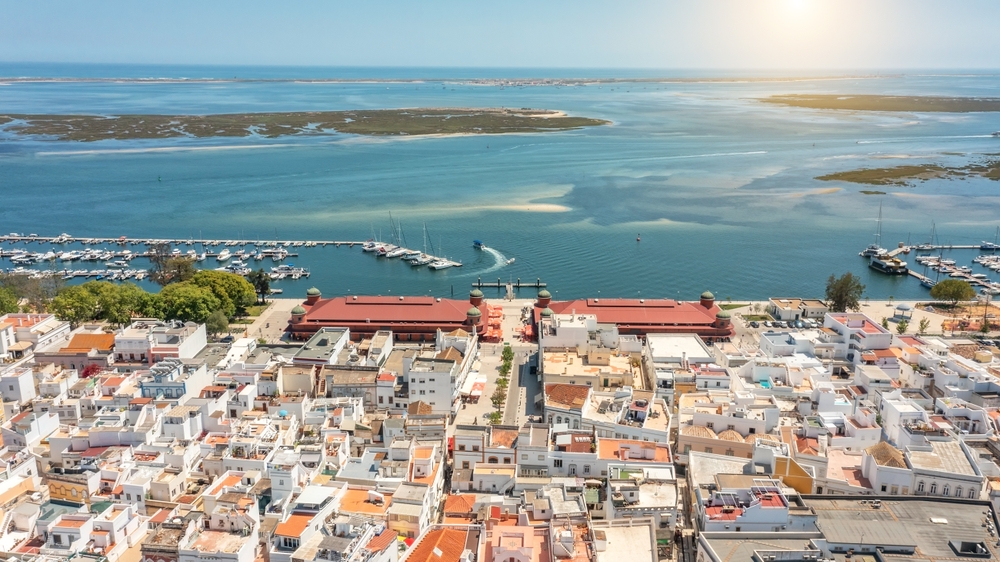
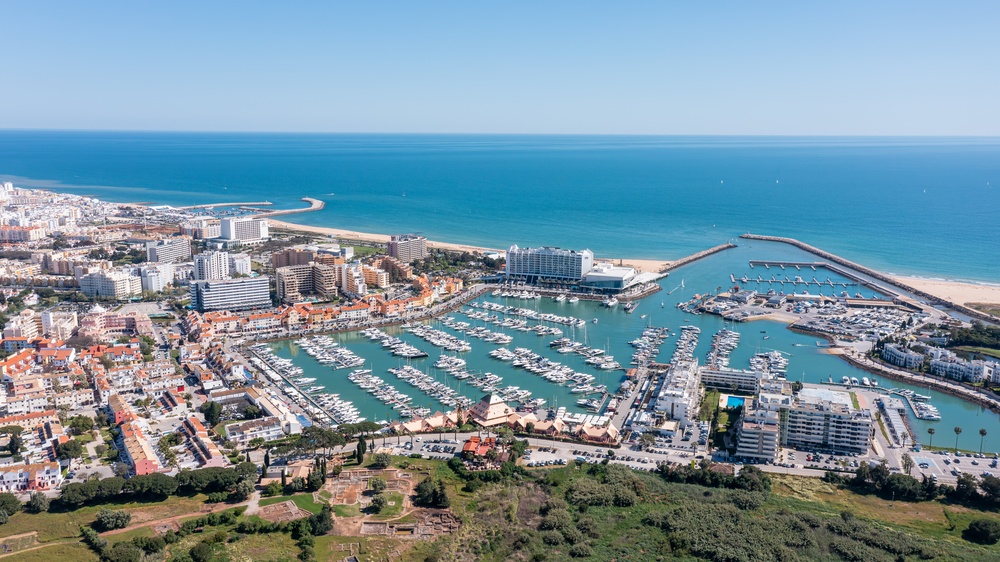
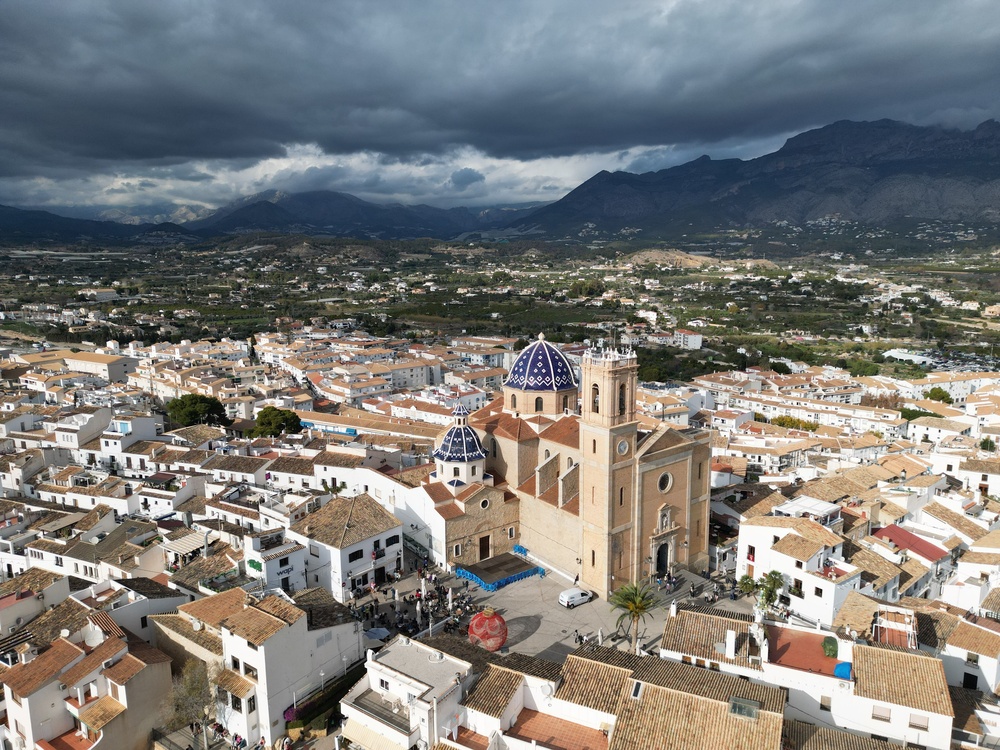
Places like Tavira
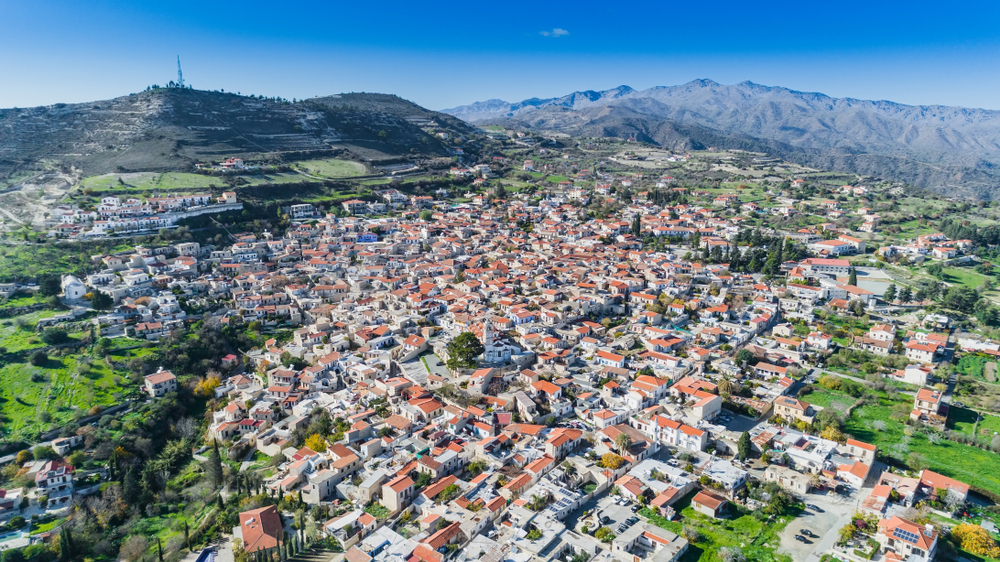
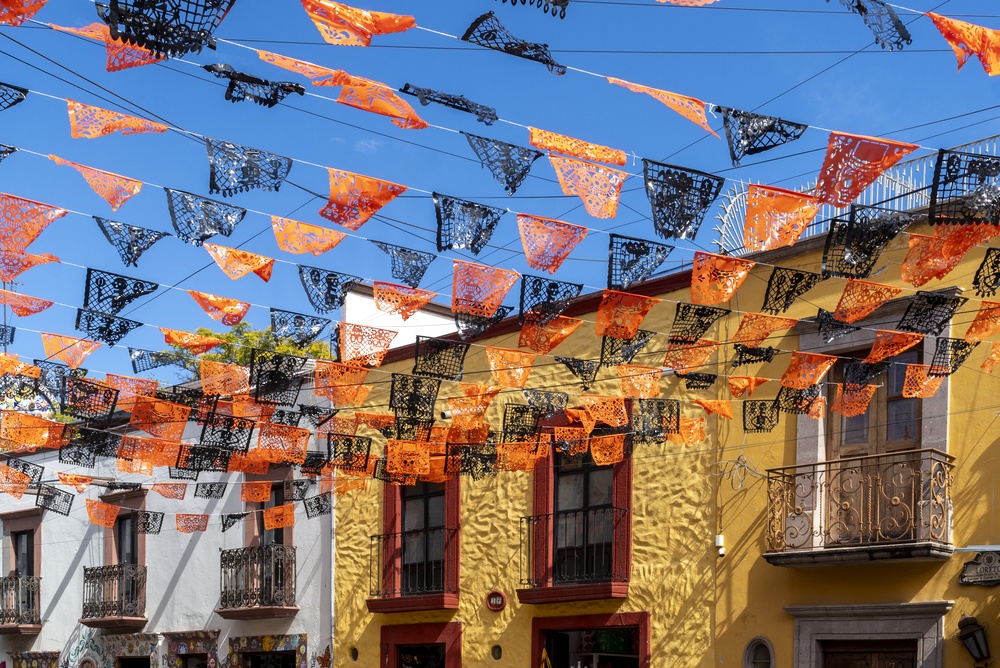
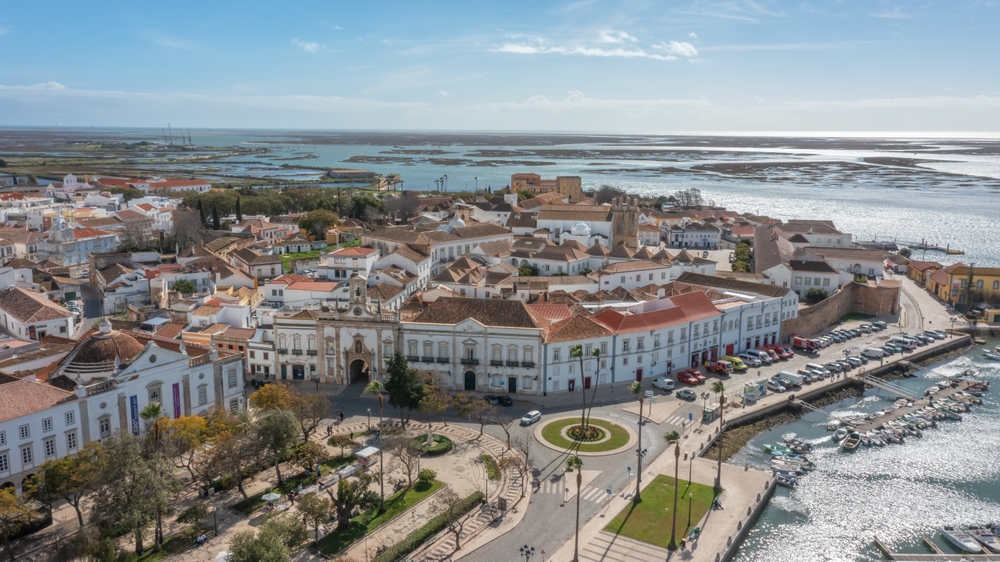
Community
Community & practical notes
The expat scene: Tavira's foreign population skews older and settled, mostly British, French and German. The Tavira Expats network runs coffee mornings and hiking groups; there's enough English-speaking lawyers, agents and doctors to make a first year without Portuguese workable. It's not a bubble, though: the market and civic life still run in Portuguese.
Healthcare: Routine care is solid. The Centro de Saúde de Tavira covers public primary care, with an after-hours service evenings and weekends; the private Clínica do Plaza in the Gran Plaza mall takes walk-ins until 9pm across most common specialties. The limit is emergencies: Tavira has no 24-hour urgency unit. The nearest are Vila Real de Santo António, half an hour east. In Faro, you'll use the public Hospital de Faro or the private, JCI-accredited Hospital CUF Faro at Gambelas, formerly Hospital Particular do Algarve.
Remote work: Internet runs about $35 a month and fiber is normal. What Tavira lacks is a dedicated coworking building, so the scene is meetup-driven: LOFT, a remote-worker community covering Loulé, Olhão, Faro and Tavira, runs in-person coworking and socials, and the Tavira Works group hosts regular sessions. The nearest dedicated spaces are in Faro.
Limited mobility: One of the friendlier Algarve towns on this front, since the riverside center is largely flat. The old town is heavily cobbled, though, and lanes near the castle climb. Praia do Barril is the municipality's designated accessible beach, with an amphibious chair in season through the concessionaire, reserved parking at Pedras d'El Rei and adapted places on the little train to the sand. Portugal's tourism board publishes an accessible itinerary for the town.
International schools: Colégio Santiago Internacional, in a 15th-century building in the center, is the eastern Algarve's main international school: bilingual English and Portuguese on the English national curriculum, ages 4 to 18, IGCSEs and A-levels, around 130 students. Fees run roughly 5,200 to 8,000 euros a year.
LGBTQ+ life: Portugal's legal framework is strong: same-sex marriage since 2010, adoption rights, anti-discrimination law. However, Tavira has no dedicated venues or Pride event. It's a traditional small town with a live-and-let-live feel, so the nearest visible scene is Faro. LGBTQ+ retirees report being left in peace in a community that's private rather than scene-based.
Expats of color: Tavira's foreign residents skew white British, French and German, though Brazilian and Eastern European residents work in hospitality. Black expats in Portugal generally describe calmer daily life than elsewhere in Europe, with occasional quiet prejudice, more often from the older generation that is a large share of the population here. Evidence specific to Tavira is thin, and Faro is the nearest more diverse city.
Retirement: Tavira is a genuinely good retirement fit: flat, walkable, safe, warm most of the year, and cheap enough for a couple to live comfortably on $3,000 a month. Most Americans arrive on the D7, which in 2026 asks 920 euros a month in passive income for one person and 1,380 for a couple. Our retirement visa guide compares that with other countries, and the Portugal guide covers taxes and healthcare registration.
- Colégio Santiago Internacional (Tavira)
Housing
Renting and buying
- 1-bed rent (center)
- $900–$1,250/mo
- 1-bed rent (outside center)
- $700–$1,000/mo
- Buy price (center)
- $316/sq ft
- Buy price (outside center)
- $279/sq ft
Expatsi estimates, based on rental listings, government statistics, and local reporting.
Good to know
Frequently asked questions
How do beach days work when the beach is on an island?
By ferry, and the route matters. The crossing from Cais das Quatro Águas, just over a mile south of town, runs year round in about ten minutes; the one from the town quay only operates in season. Praia do Barril is reached instead by footbridge from Pedras d'El Rei.
How much does it cost to live in Tavira?
Budget about $2,100 a month for one person, $3,000 for a couple and $4,400 for a family of four, all in. A one-bedroom in the center typically runs $900 to $1,250, about $850 outside it, an inexpensive meal is about $11 and internet about $35. These are Expatsi estimates, updated August 2026.
Is Tavira a good place to retire?
It is one of the better fits in the Algarve: flat, walkable, mild in winter, with a high safety score, and a couple lives comfortably on about $3,000 a month. The expat community skews retired and runs its own social calendar. The honest caveat is medical, since serious or emergency care means a drive to Faro.
Do I need a car in Tavira?
Realistically yes. The flat center is easy on foot or by bike and the town has a station on the regional Faro line. But supermarket runs, Faro airport at 35 to 40 minutes, and winter, when ferries and bus timetables thin out, all assume a car. Uber and Bolt coverage is patchy.
How do I move to Tavira as an American?
You apply for a Portuguese national visa before you go, most often the D7 passive-income visa, which in 2026 asks 920 euros a month for one applicant and 1,380 for a couple, plus savings and a Portuguese address. Remote workers with active income use the D8 instead.
Is Tavira safe?
Yes. Tavira scores 84 out of 100 on safety, among the highest of the Portuguese cities we cover, in one of the safest countries in the world. The realistic risk is summer pickpocketing in the crowded center. Retirees here consistently cite safety as a reason they chose the east over the resort coast.
What is healthcare like in Tavira?
Routine care is good. The Centro de Saúde de Tavira covers public primary care with an after-hours service, and the private Clínica do Plaza in the Gran Plaza mall takes walk-ins until 9pm. Tavira has no 24-hour emergency unit, though: the nearest are Vila Real de Santo António, half an hour east, and the Faro hospitals.
Can I get by with only English?
For practical life, yes. The British, French and German community means English-speaking lawyers, agents and doctors are easy to find. Daily life at the market and the riverside cafés still happens in Portuguese.
See how Tavira fits your life
Take the free Expatsi Test and compare Portugal to nearly 200 countries on what actually matters: cost, healthcare, climate, and safety. About five minutes.
Why not you?