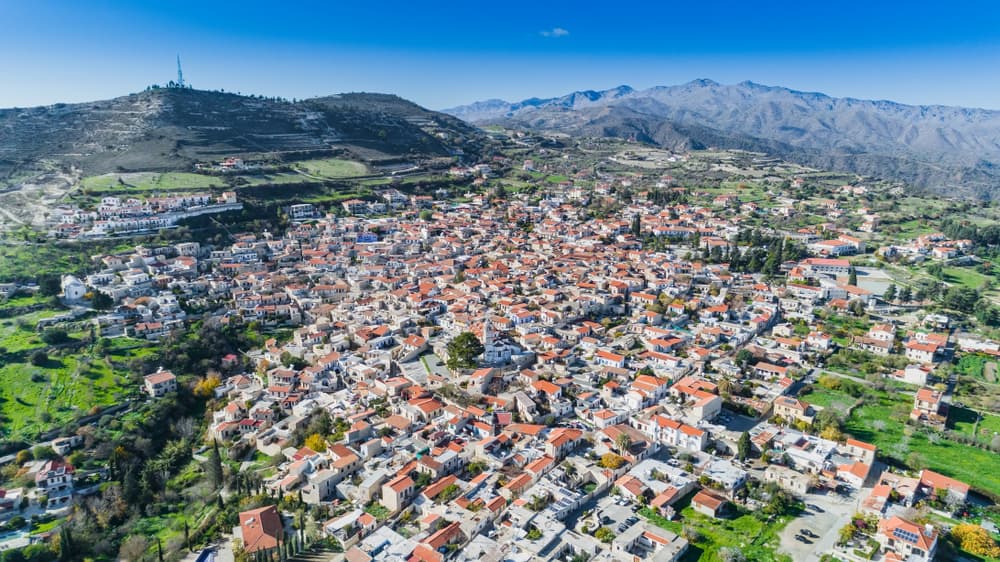
Living in Larnaca, Cyprus's seafront airport city
A palm-lined promenade, a salt lake where flamingos winter, and the island's main airport a short drive from your door.
- 59,200
- Population (2016)
- $2,000/mo
- Monthly budget · single
- 68°F / 20°C
- Avg temperature
Larnaca runs about $2,000 a month for a single person in U.S. dollars, and most budgets in our 2026 data land between $1,600 and $2,400. A couple needs about $3,000 and a family of four about $4,400. A one-bedroom in the center rents for about $900, or about $700 farther out. In Limassol, one person spends about $2,500 and a central one-bedroom goes for about $1,300.
It suits people who fly often, retirees on a fixed income, and anyone who wants a seafront town that people actually live in rather than a resort. You'll use the airport more than you think: the State Department tells Americans to enter and leave Cyprus only through Larnaca or Paphos airports.
The trade-offs are real. The social scene is quieter than Limassol's, the town beach at Finikoudes is more city than resort, and summer is hot, with average August highs near 92F.

Reviewed and updated October 9, 2026 · 3 min read
At a glance
$2,000
Monthly budget · single person
$900/mo 1-bed rent, center
70/100
Safety index
$35
Internet / month
68°Fannual average
Jan 54° · Aug 83°
Climate
59,200
Population (2016)
Expatsi estimates, updated Oct 2026, based on rental listings, government statistics, and local reporting.
Cost of living
What it costs to live in Larnaca
Single person
$1,600–$2,400/mo
about 35% below Austin, TX
Couple
$2,500–$3,500/mo
about 35% below Austin, TX
Family of four
$3,600–$5,200/mo
about 45% below Austin, TX
Compared with Austin, TX (Expatsi estimate, 2026).
- $14 −30%
- Inexpensive meal
- $750–$1,050/mo −54%
- 1-bed rent, center
- $550–$850/mo −48%
- 1-bed rent, outside
- $35/mo −46%
- Internet
- $35/mo −15%
- Transit pass
- $279/sq ft −57%
- Buy price, center
Expatsi estimates, updated Oct 2026, based on rental listings, government statistics, and local reporting.
Daily life
How Larnaca lives
- B- grade, 39th percentile among the cities we track
- Dining & caféstypical
- B grade, 41st percentile among the cities we track
- Arts & culturetypical
- B- grade, 32nd percentile among the cities we track
- Parks & outdoorstypical
- B- grade, 32nd percentile among the cities we track
- Schools & educationtypical
- B- grade, 39th percentile among the cities we track
- Healthcare accesstypical
- B- grade, 39th percentile among the cities we track
- Bike infrastructuretypical
- B grade, 48th percentile among the cities we track
- Public transittypical
- A+ grade, good physical accessibility
- Accessibilitygood
Graded on OpenStreetMap amenity density relative to the 298 cities we track. Accessibility is the exception: it's graded against a fixed standard (terrain steepness and sidewalk surfaces), not a curve.
Climate
Weather through the year
Annual average 68°F (20°C) · 14 in of rain a year · Source: Meteostat station normals (17609, 1991-2020)
On the ground
Scenes from Larnaca
Getting around
Transport in Larnaca
Plan on owning a car. The State Department notes that Cyprus has few public buses and no rail lines at all, so trips beyond town, to the mountains, Nicosia or Limassol, are far easier with your own wheels. Traffic drives on the left. Local driving habits take some getting used to: the State Department warns that speeding, tailgating and running caution lights are common, even though they're illegal.
In town, Cyprus Public Transport runs the city buses, the same company that runs Nicosia's. A route links the airport with the Finikoudes seafront, and the Pame app shows when the next bus is due. Our data puts local transport at about $35 a month. A fare increase was scheduled for August 2026, so check the current price before you budget around the bus.
The promenade and the streets just behind it are easy to cover on foot, and taxis are widely available for the rest. For the beach villages outside town, such as Voroklini and Pervolia, you'll want a car.
- 24/sq mi
- Transit stops
- 3.0/sq mi
- Bike infrastructure
- 4.2/sq mi
- Wheelchair-accessible places
Mapped features per square mile from OpenStreetMap.
Keep exploring
Places like Larnaca
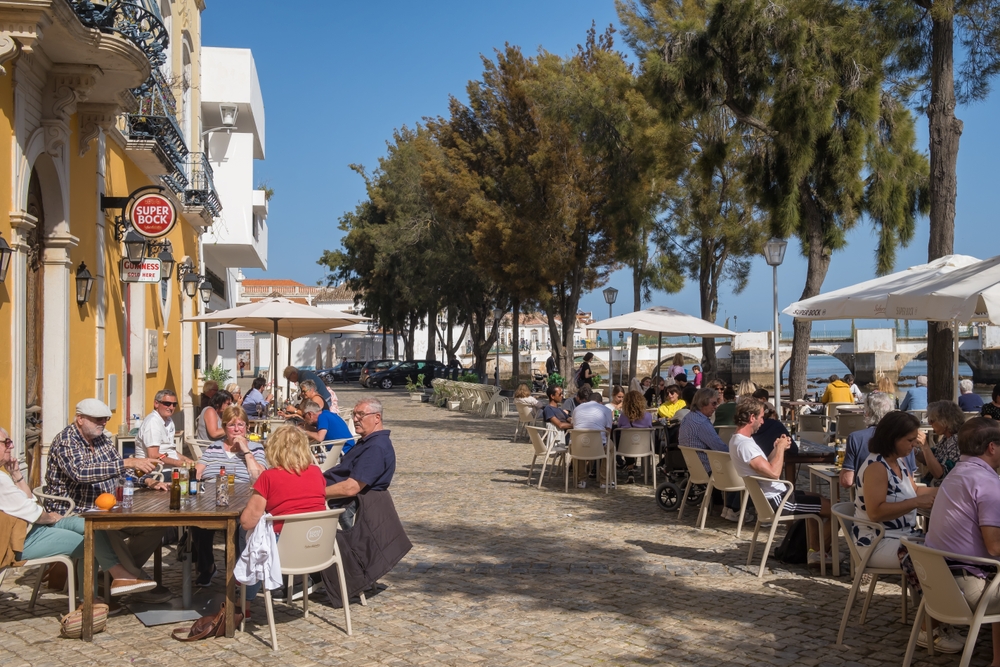
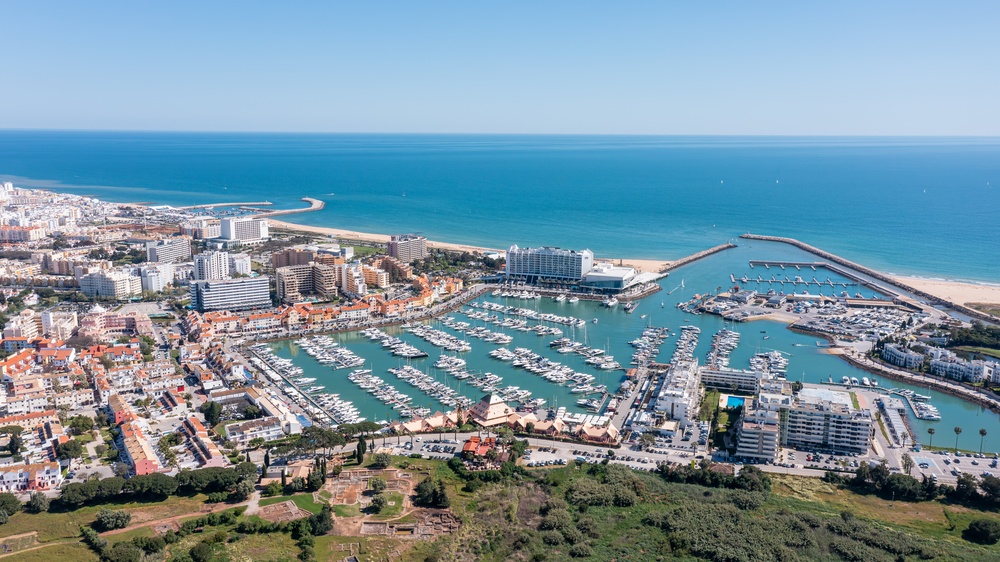
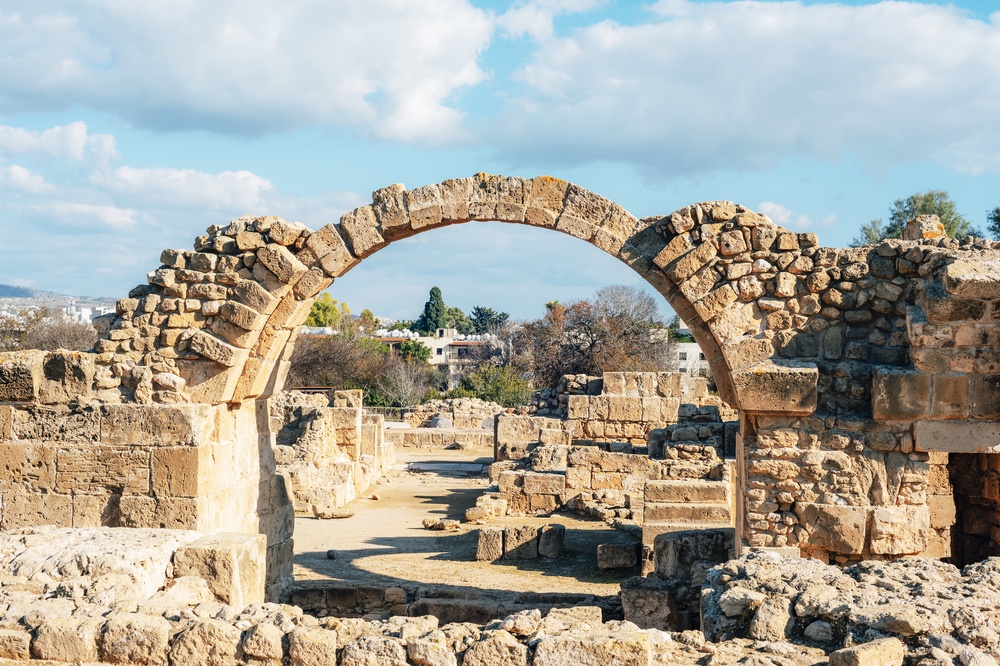
Community
Community & practical notes
Who you'll meet: Larnaca is a Cypriot town first, with a working seafront and a winter population that doesn't vanish when the tourists leave. Don't expect an American enclave. Most newcomers build a social life through neighbors, the cafes along the promenade, and the other foreigners who've moved to Cyprus.
Healthcare: Larnaca General Hospital, run by the state health services organization OKYPY, opened a new emergency department in September 2025. The State Department says appropriate treatment for injuries is widely available across the country. Medicare won't pay for care here, so budget for private health insurance from the start.
Working online: Home internet runs about $35 a month in our data, and the airport makes trips back to clients or family straightforward.
Schools: The American Academy Larnaca, founded in 1908, is a selective, co-educational private school that teaches from preschool through university entrance. Ask the school directly about curriculum and fees.
LGBTQ expats: Cyprus has offered civil partnerships to same-sex couples since Parliament passed them in November 2015, though joint adoption isn't included. The State Department says there are no legal restrictions on same-sex relations or LGBTQ events, but that LGBTQ people sometimes face social discrimination. Few are open about their orientation.
Black Americans: The State Department's Cyprus page doesn't address travelers of African descent, and we didn't find good published guidance on daily life for Black residents. The American community here is small, so talk to Black expats who've lived on the island before you commit.
Limited mobility: Strongest at the water. The tourism ministry's 2026 list includes nine fully accessible beaches in the Larnaca district, among them Finikoudes, Mackenzie and Kastella in town, each with a floating wheelchair. Away from the beach it's harder: the State Department warns that older buildings often lack access and sidewalks can be narrow or missing. See an apartment's entrance and elevator in person before you sign.
Retiring here: A seafront town with a hospital nearby and an airport for visits home makes Larnaca a good fit for retirees whose income covers the budget. Most self-funded retirees come on the pink slip, a visitor residence permit renewed each year, while those who want permanent status from the start look at the golden visa. Compare your retirement visa options or start with our Cyprus guide.
Housing
Renting and buying
- 1-bed rent (center)
- $750–$1,050/mo
- 1-bed rent (outside center)
- $550–$850/mo
- Buy price (center)
- $279/sq ft
- Buy price (outside center)
- $204/sq ft
Expatsi estimates, based on rental listings, government statistics, and local reporting.
Good to know
Frequently asked questions
Is Larnaca safe for Americans?
Yes, for most people. The U.S. State Department set Cyprus at Level 1, exercise normal precautions, on June 1, 2026, and says the country generally has low crime. It advises more caution in the Turkish Cypriot-administered north, where you can't get a Republic of Cyprus residence permit to live. Regional conflict can shift the picture: a drone struck a building on a British base on the island in March 2026.
Is Larnaca a good place to retire?
It can be, if your income fits the budget. Larnaca has a seafront promenade, a public hospital with an emergency department that opened in September 2025, and Cyprus's main airport nearby. Most self-funded retirees live there on the pink slip, a visitor residence permit renewed each year that requires income from outside Cyprus. Summers are hot, so plan for air conditioning.
Is Larnaca cheaper than Limassol?
Yes. In Expatsi's 2026 data, one person spends about $2,000 a month in Larnaca versus about $2,500 in Limassol. A central one-bedroom rents for about $900 in Larnaca and about $1,300 in Limassol. The trade-off is a quieter social scene.
Do you need a car to live in Larnaca?
Most residents have one. Cyprus has no rail lines and, according to the State Department, few public buses, so getting to other cities and the countryside is much easier by car. In town, Cyprus Public Transport runs city buses, including a route between the airport and the Finikoudes seafront, and taxis are easy to find. Traffic drives on the left.
Can Americans buy property in Larnaca?
Yes. Non-EU buyers, including Americans, need permission from the district administration before the title transfers, which is routine for a genuine buyer. Use your own lawyer rather than the developer's, because some older coastal developments have had title deed problems. Buying a qualifying new-build home can also be the basis for Cyprus's golden visa.
How much does it cost to live in Larnaca, Cyprus?
A single person in Larnaca spends about $2,000 a month in U.S. dollars, based on Expatsi's 2026 data, with most budgets between $1,600 and $2,400. A couple needs about $3,000 a month and a family of four about $4,400. Rent is the biggest line: a one-bedroom near the center runs about $900 a month.
What is the weather like in Larnaca?
Hot, dry summers and mild, wetter winters. Average highs reach about 91F in July and 92F in August, while January averages highs near 63F and lows near 46F. Nearly all the rain falls between November and March, with December the wettest month. The city gets about 14 inches of rain a year.
See how Larnaca fits your life
Take the free Expatsi Test and compare Cyprus to over 100 countries on what actually matters: cost, healthcare, climate, and safety. About five minutes.
Why not you?