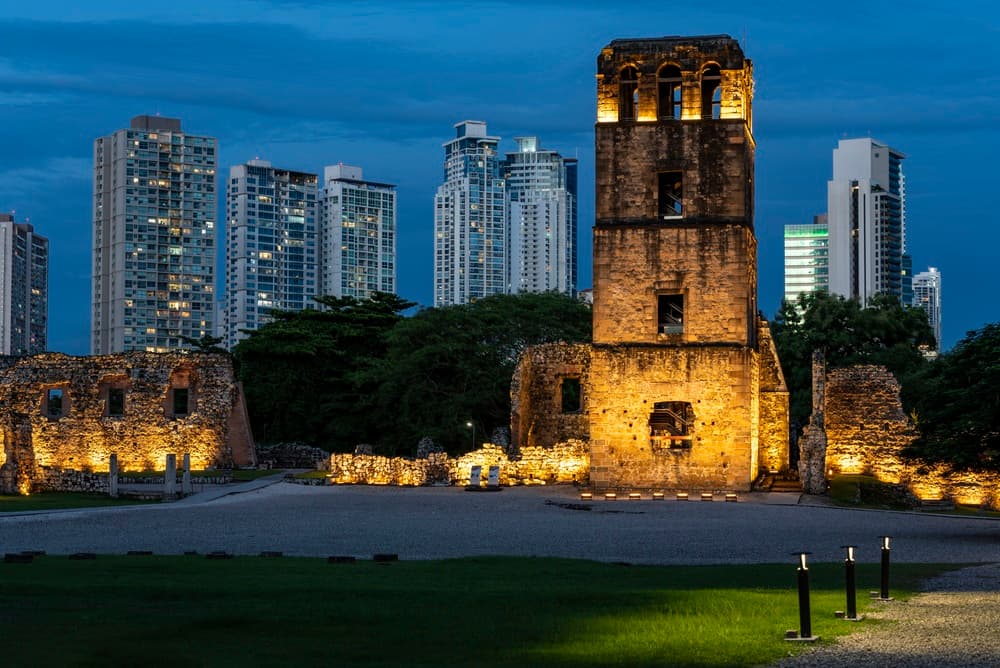
Panama City: urban life in the tropics, one flight from home
Central America's only metro, real private hospitals, and a skyline that surprises Americans. Which neighborhood you pick decides almost everything else.
- 1,540,000
- Population (2026)
- $2,100/mo
- Monthly budget · single
- 79°F / 26°C
- Avg temperature
Budget about $2,100 a month in Panama City for one person, around $3,100 for a couple, and roughly $4,800 for a family, all in U.S. dollars, because the U.S. dollar is what Panama spends. A one-bedroom apartment averages about $1,200 in central neighborhoods like El Cangrejo, San Francisco, or Costa del Este, and about $850 outside the core. No exchange rate or no conversion math to think about, which removes a whole category of stress.
The city suits people who want an urban life in the tropics: remote workers, retirees on the well-known Pensionado program, and anyone who wants to stay one flight from home. Copa flies out of Tocumen to Miami, New York, and more than a dozen other U.S. cities. English is common in banking and medicine, though daily life still runs in Spanish.
The honest drawback is the heat and the traffic. Average daily highs run from about 83°F in the rainy months to about 87°F in March. Nights average in the mid-70s, with roughly 80 inches of rain falling between May and November. Add a rush hour severe enough that residents plan their day around it, and you've got a good idea of the challenges you're likely to face here.
At a glance
$2,100
Monthly budget · single person
$1,200/mo 1-bed rent, center
53/100
Safety index
$45
Internet / month
79°Fannual average
Nov 78° · Apr 80°
Climate
1,540,000
Population (2026)
Expatsi estimates, updated Aug 2026, based on rental listings, government statistics, and local reporting.
Cost of living
What it costs to live in Panama City
Single person
$1,900–$2,400/mo
about 30% below Austin, TX
Couple
$2,700–$3,500/mo
about 35% below Austin, TX
Family of four
$4,200–$5,400/mo
about 40% below Austin, TX
Compared with Austin, TX (Expatsi estimate, 2026).
- $10 −50%
- Inexpensive meal
- $1,050–$1,350/mo −38%
- 1-bed rent, center
- $750–$950/mo −37%
- 1-bed rent, outside
- $45/mo −31%
- Internet
- $30/mo −27%
- Transit pass
- $246/sq ft −62%
- Buy price, center
Expatsi estimates, updated Aug 2026, based on rental listings, government statistics, and local reporting.
Daily life
How Panama City lives
- B+ grade, 64th percentile among the cities we track
- Dining & cafésstrong
- B- grade, 38th percentile among the cities we track
- Arts & culturetypical
- A- grade, 85th percentile among the cities we track
- Parks & outdoorsstrong
- B+ grade, 57th percentile among the cities we track
- Schools & educationstrong
- B+ grade, 67th percentile among the cities we track
- Healthcare accessstrong
- B- grade, 26th percentile among the cities we track
- Bike infrastructuretypical
- B grade, 41st percentile among the cities we track
- Public transittypical
- A+ grade, good physical accessibility
- Accessibilitygood
Graded on OpenStreetMap amenity density relative to the 298 cities we track. Accessibility is the exception: it's graded against a fixed standard (terrain steepness and sidewalk surfaces), not a curve.
Climate
Weather through the year
Annual average 79°F (26°C) · 80 in of rain a year · Source: Open-Meteo Historical Weather API (temps: ERA5-Land 0.1°; precip/sunshine: ERA5 best-match; 1991-2020 normals)
On the ground
Scenes from Panama City
Getting around
Transport in Panama City
Panama City has the only metro in Central America, and it is genuinely good: clean, air conditioned, heavily used. One line runs north to San Miguelito, another east across the city. A short branch pulls into Tocumen airport, so you can land and ride in, changing once at Corredor Sur. A third line is being built under the canal toward Panamá Oeste.
A rechargeable Metrobús card covers the metro and the city buses; also, contactless Visa and Mastercard now work at metro turnstiles. Budget about $30 a month for transit.
Where the metro doesn't reach, Uber is the default for most expats; street taxis do not run meters and every fare is a negotiation. Cabs outside hotels and the airport quote two to three times the going rate.
Walkability depends on where you land. El Cangrejo is the most walkable neighborhood, with cafes, a supermarket, and metro stations inside a few blocks, and the Cinta Costera waterfront path is pleasant on foot. Crossing between districts is another matter once you add the heat, downpours, and the sidewalks.
A car earns its keep mainly if you leave the city for the beaches or interior. In town, traffic is the worst part of daily life. Metro use plus Uber handles almost everything.
- 17/sq mi
- Transit stops
- 0.4/sq mi
- Bike infrastructure
- 8.2/sq mi
- Wheelchair-accessible places
Mapped features per square mile from OpenStreetMap.
Keep exploring
Places like Panama City
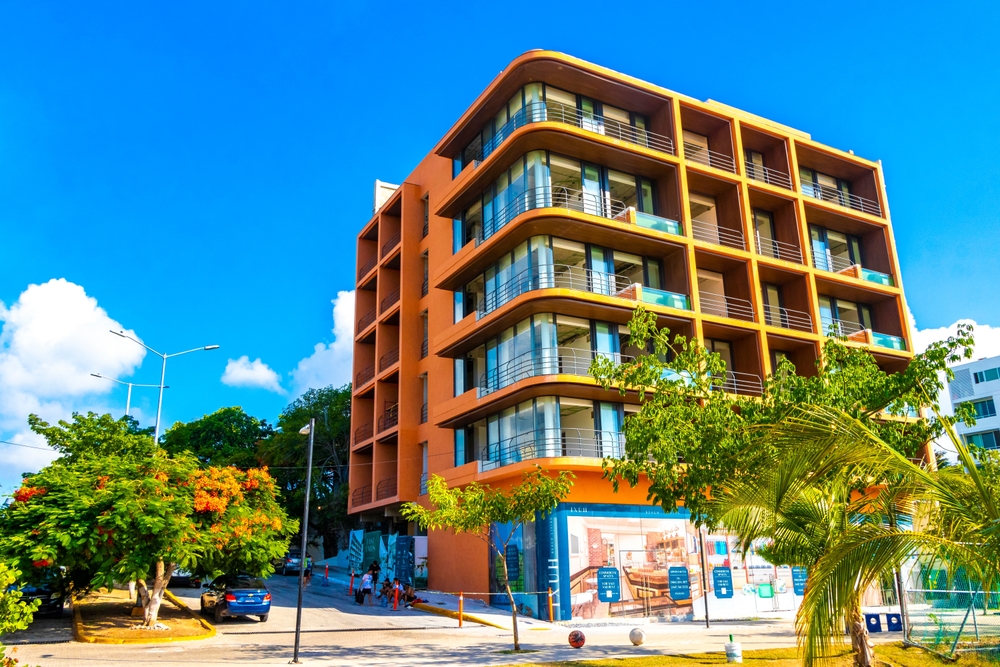
Playa del Carmen
Mexico
304.9K people · $1,900/mo
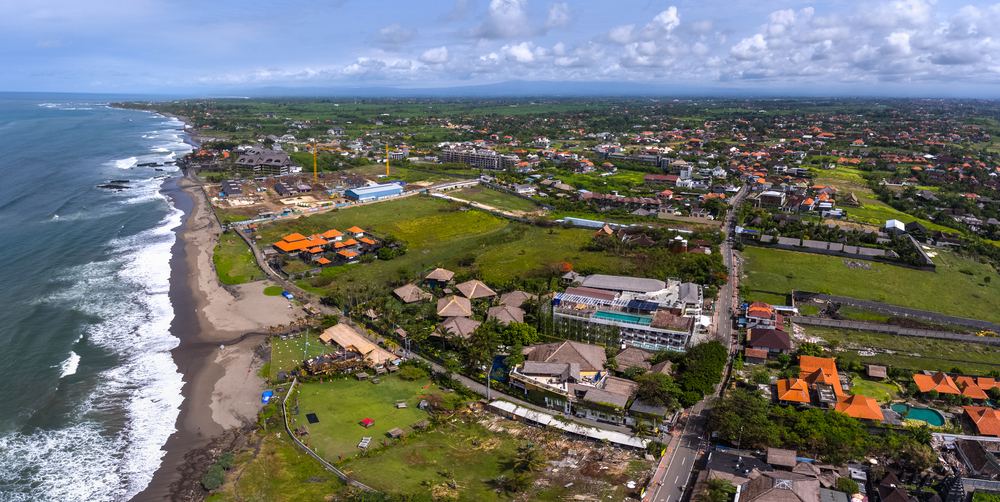
Canggu
Indonesia
7.1K people · $2,100/mo
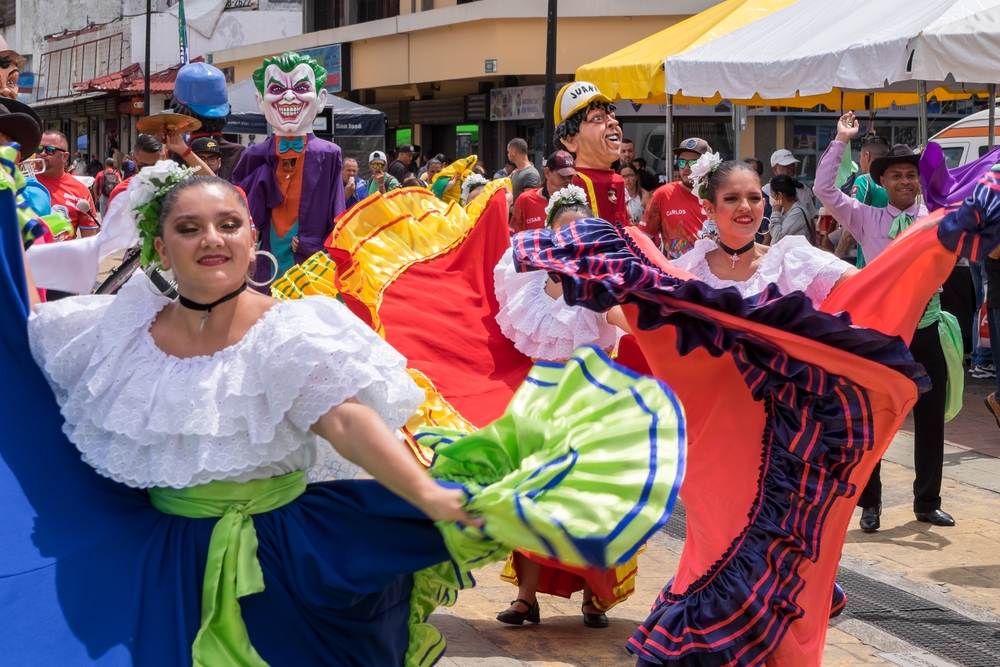
San José
Costa Rica
335K people · $1,900/mo
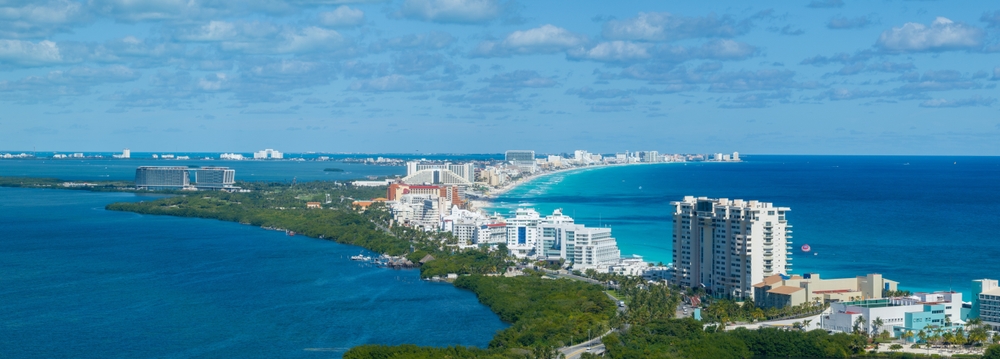
Riviera Maya
Mexico
$2,100/mo
 Coming soon
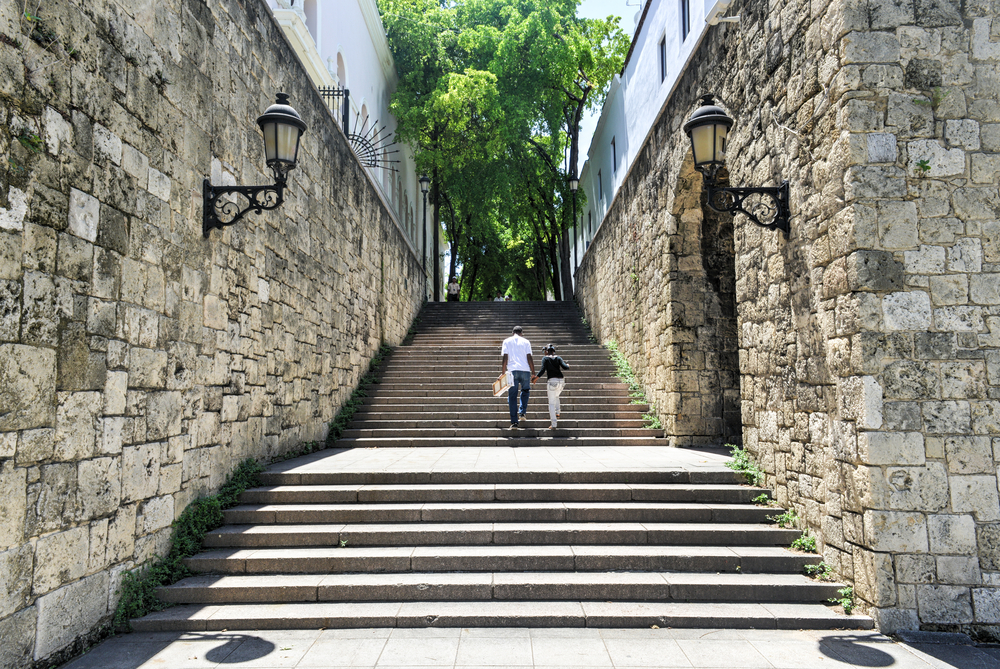
Santo Domingo
Dominican Republic
2.2M people · $2,100/mo
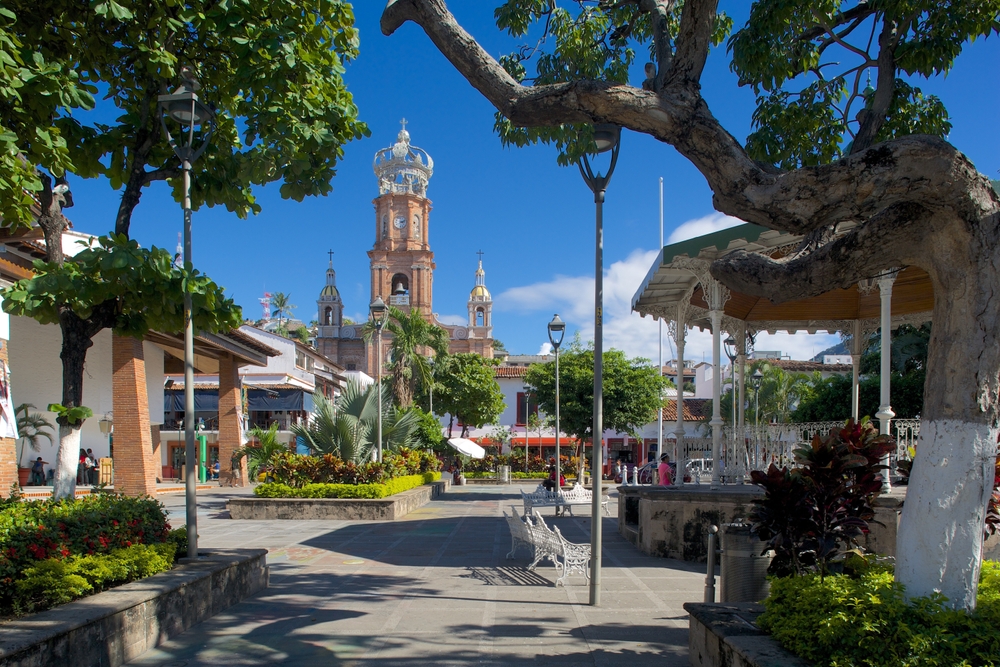
Puerto Vallarta
Mexico
224.2K people · $2,300/mo
Community
Community & practical notes
The expat scene: Panama City has one of the largest and longest-settled American populations in Latin America, a leftover from the Canal Zone years. Americans and Canadians cluster in El Cangrejo, San Francisco, Costa del Este, and Clayton, alongside Venezuelan, Colombian, and Chinese communities that shape the food and businesses. Expat Facebook groups and English-language meetups are active.
Healthcare: Private care is the norm. Pacífica Salud, the hospital most Americans still call Punta Pacífica, has been affiliated with Johns Hopkins Medicine International since the early 2000s and now has a second branch in Costa del Este; Paitilla is the other big private name. Plenty of doctors trained in the States. Sort your insurance out early: local insurers get reluctant somewhere around age 65 or with a pre-existing condition.
Getting online: Fiber reaches most of the residential towers and costs about $45 a month. Coworking clusters in Obarrio, San Francisco, and the banking district, with a scruffier scene in Casco Viejo and El Cangrejo. Panama is on Eastern Standard Time and never changes the clocks, so you'll match New York in winter and Chicago in summer.
Families and schools: The international schools sit mostly in Costa del Este and Clayton, which is much of why corporate families land there instead of downtown. Both are planned, green, and low-rise in a way the rest of the city is not; both also add a commute.
Limited mobility: Mixed, and it swings block to block. The main corridors along the bay are flat, metro stations have elevators, and the newer planned districts were built with proper sidewalks and curb cuts. Older areas are harder going: Casco Viejo is cobblestone, sidewalk quality drops off a block or two from the main avenues, and missing curb ramps and open drainage grates are common. Buses are not a realistic option. Test the neighborhood before you sign a lease.
Retiring here: The Pensionado is one of the most straightforward retirement visas anywhere. Show a guaranteed lifetime pension of about $1,000 a month, which Social Security counts toward, and you'll get permanent residency from day one, plus discounts written into law on medical care, restaurants, flights, and utilities. You have to come back periodically to keep your visa current. Compare it with other countries at retirement visa options, and get the full picture in our Panama guide.
Housing
Renting and buying
- 1-bed rent (center)
- $1,050–$1,350/mo
- 1-bed rent (outside center)
- $750–$950/mo
- Buy price (center)
- $246/sq ft
- Buy price (outside center)
- $153/sq ft
Expatsi estimates, based on rental listings, government statistics, and local reporting.
Good to know
Frequently asked questions
Do I need a car in Panama City?
Most expats do not. Transit costs about $30 a month, the metro reaches the airport, the Metrobús network fills in around it, and Uber is everywhere. Congestion is severe enough that driving often makes a trip slower. Buy one only if you plan regular runs to the beaches or the interior.
What is the weather like in Panama City?
Hot and humid all year, with no winter at all and an annual average around 79°F (26°C). Rain totals roughly 80 inches a year (2,024 mm), most of it arriving as heavy afternoon downpours between May and November. The dry stretch runs about December through April, and January to March is close to rainless.
How much does it cost to live in Panama City?
One person needs roughly $2,100 a month here, a couple about $3,100, and a family around $4,800, in U.S. dollars, Panama's currency. Rent averages about $1,200 for a one-bedroom in the center, $850 outside it. An inexpensive restaurant meal runs about $10.
How is healthcare in Panama City?
Private healthcare is the draw. Pacífica Salud, still widely known as Hospital Punta Pacífica, carries a Johns Hopkins Medicine International affiliation, and Paitilla is the other hospital expats name first. English-speaking, often U.S.-trained specialists are easy to find. Most expats carry private or international insurance, though enrolling past age 65 gets hard. Medicare does not cover treatment in Panama.
Is Panama City safe for Americans?
Panama City scores 53 on the safety index with a crime index of 47. Of the seven places we track in Panama, that is the lowest reading, well below Boquete at 72. The gap is mostly geography: San Francisco, Costa del Este, El Cangrejo, and Clayton are calm, while El Chorrillo, Curundú, and parts of San Miguelito are not places to wander. Casco Viejo is patrolled inside the restored core, much less so on the blocks just outside.
Can I retire in Panama City on Social Security?
Yes, and Panama makes it unusually easy. The Pensionado visa asks for about $1,000 a month in guaranteed lifetime pension income, and Social Security qualifies. It grants permanent residency plus discounts set in law on healthcare, dining, and travel. Against a budget of roughly $2,100 a month for one person, an average Social Security check plus modest savings covers it.
Do people speak English in Panama City?
Enough to get by. English turns up constantly in banking, medicine, and business, and the long American presence from the Canal era left a mark you can still hear. Government offices and daily errands run in Spanish, so you can land without it but you will want to learn.
How do I move to Panama City from the US?
Americans enter visa-free as tourists. For residency the usual routes are the Pensionado visa for anyone with a lifetime pension, and the Friendly Nations visa, which since 2021 expects about $200,000 in Panamanian property or a fixed-term deposit, or a job with a Panamanian employer. A remote worker permit exists too, but it is capped at 18 months, not a path to residency. Residency filings have to go through a licensed Panamanian immigration attorney.
See how Panama City fits your life
Take the free Expatsi Test and compare Panama to nearly 200 countries on what actually matters: cost, healthcare, climate, and safety. About five minutes.
Why not you?