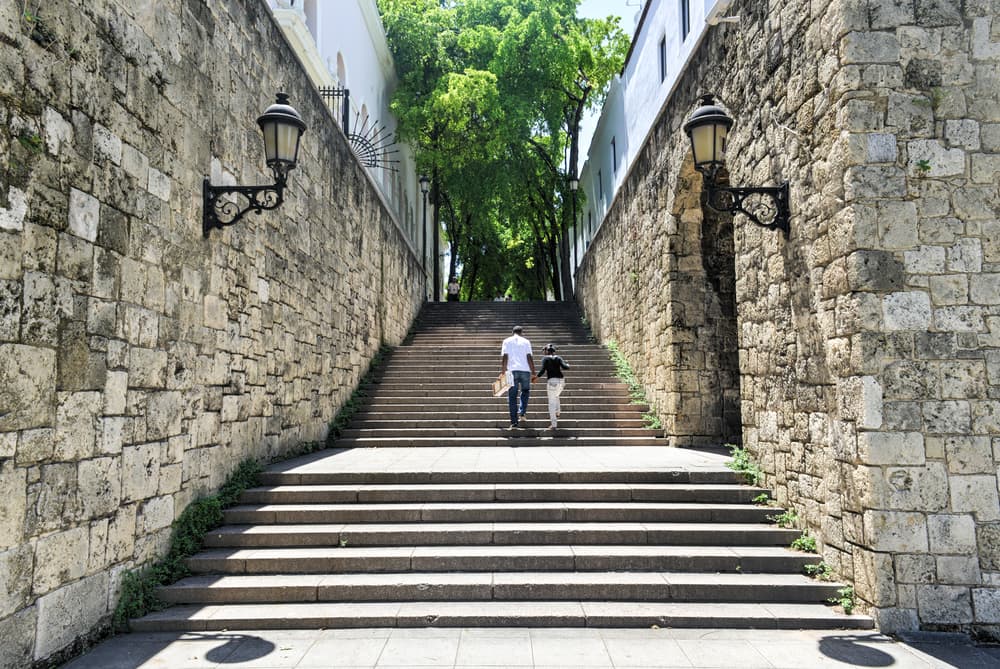
Living in Santo Domingo, the Dominican Republic's busy capital
What it costs, how safe it is, and whether it suits retirees and remote workers who'd rather live in a real city than a resort.
- 2,201,941
- Population (2025)
- $2,100/mo
- Monthly budget · single
- 77°F / 25°C
- Avg temperature
Plan on about $2,100 a month in U.S. dollars for one person in Santo Domingo, with most single budgets falling between $1,700 and $2,500. A couple spends about $3,000, and a family of four about $4,400. A one-bedroom near the center rents for around $1,050 a month, or closer to $700 farther out. Those are 2026 figures.
This is the country's capital and its biggest city, home to about 2.2 million people as of 2025. Foreign residents tend to settle in the apartment towers of Piantini and Naco or in the Zona Colonial, the old stone-street historic center. The U.S. Embassy is here too, on Avenida República de Colombia.
It suits people who want city life in the Caribbean: international schools, private hospitals, offices and coworking, and a Spanish-speaking daily routine. It's a weaker fit if you want a beach out your front door, quiet streets, or a place where you won't need a car or a ride app.

Reviewed and updated October 9, 2026 · 4 min read
At a glance
$2,100
Monthly budget · single person
$1,050/mo 1-bed rent, center
45/100
Safety index
$35
Internet / month
77°Fannual average
Jan 74° · Aug 80°
Climate
2,201,941
Population (2025)
Expatsi estimates, updated Oct 2026, based on rental listings, government statistics, and local reporting.
Cost of living
What it costs to live in Santo Domingo
Single person
$1,700–$2,500/mo
about 30% below Austin, TX
Couple
$2,500–$3,500/mo
about 35% below Austin, TX
Family of four
$3,600–$5,200/mo
about 45% below Austin, TX
Compared with Austin, TX (Expatsi estimate, 2026).
- $8 −60%
- Inexpensive meal
- $850–$1,250/mo −46%
- 1-bed rent, center
- $550–$850/mo −48%
- 1-bed rent, outside
- $35/mo −46%
- Internet
- $214/sq ft −67%
- Buy price, center
Expatsi estimates, updated Oct 2026, based on rental listings, government statistics, and local reporting.
Daily life
How Santo Domingo lives
- B grade, 44th percentile among the cities we track
- Dining & caféstypical
- B- grade, 35th percentile among the cities we track
- Arts & culturetypical
- B- grade, 34th percentile among the cities we track
- Parks & outdoorstypical
- B grade, 54th percentile among the cities we track
- Schools & educationtypical
- B+ grade, 66th percentile among the cities we track
- Healthcare accessstrong
- B- grade, 39th percentile among the cities we track
- Bike infrastructuretypical
- B- grade, 26th percentile among the cities we track
- Public transittypical
- A+ grade, good physical accessibility
- Accessibilitygood
Graded on OpenStreetMap amenity density relative to the 298 cities we track. Accessibility is the exception: it's graded against a fixed standard (terrain steepness and sidewalk surfaces), not a curve.
Climate
Weather through the year
Annual average 77°F (25°C) · 55 in of rain a year · Source: Open-Meteo Historical Weather API (temps: ERA5-Land 0.1°; precip/sunshine: ERA5 best-match; 1991-2020 normals); precipitation: Meteostat station 78486 normals 1991-2020
On the ground
Scenes from Santo Domingo
Getting around
Transport in Santo Domingo
Most Americans here get around by Uber, which runs around the clock in Santo Domingo, or by driving. Traffic is heavy, so plan errands around rush hour.
The Metro is the one form of public transit the U.S. State Department lists for the Dominican Republic, and it's only in Santo Domingo. Its two lines cover about 22 miles as of April 2026. Line 2 runs east to west under Avenida John F. Kennedy and crosses Line 1 in the middle of the city. The Teleférico, a cable car run as part of the Metro, links neighborhoods in the north. Buy a reloadable card at any station.
Guaguas, the shared minibuses, and street taxis are another story. The State Department advises avoiding unregulated taxis and guaguas, which lack basic safety features, and not hailing cabs off the street.
If you drive, know the rules of the road before you need them. The State Department puts the country's road death rate at 65.2 per 100,000 people, the highest in the world. In a crash between a car and a motorcycle, the car's driver is usually found at fault, and after a serious accident drivers are often detained even when they didn't cause it. Plenty of residents hire a driver instead.
- 5.3/sq mi
- Transit stops
- 2.8/sq mi
- Bike infrastructure
- 5.7/sq mi
- Wheelchair-accessible places
Mapped features per square mile from OpenStreetMap.
Keep exploring
Places like Santo Domingo

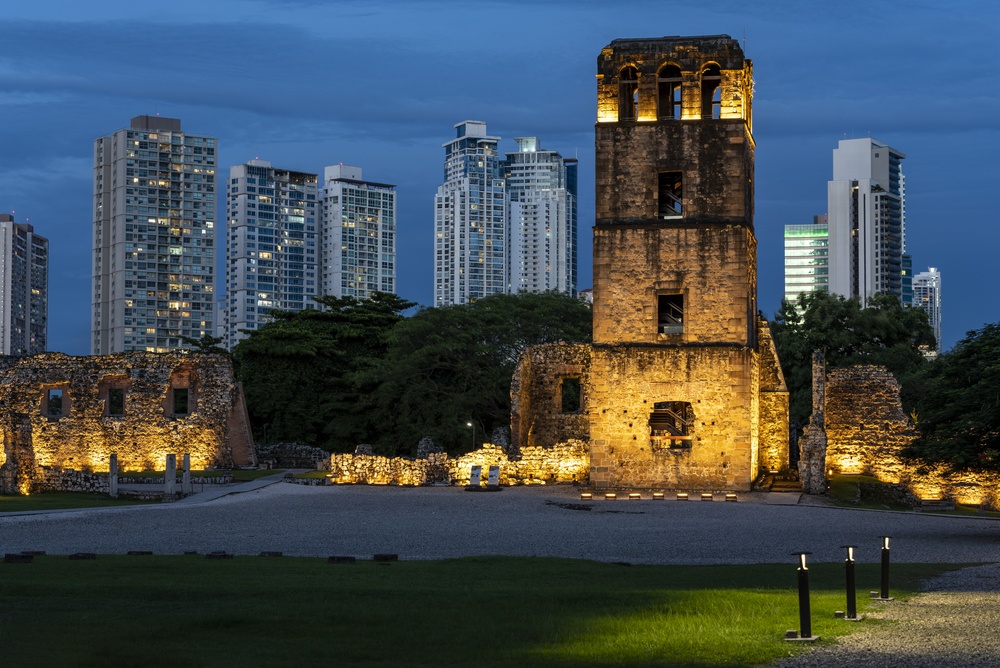
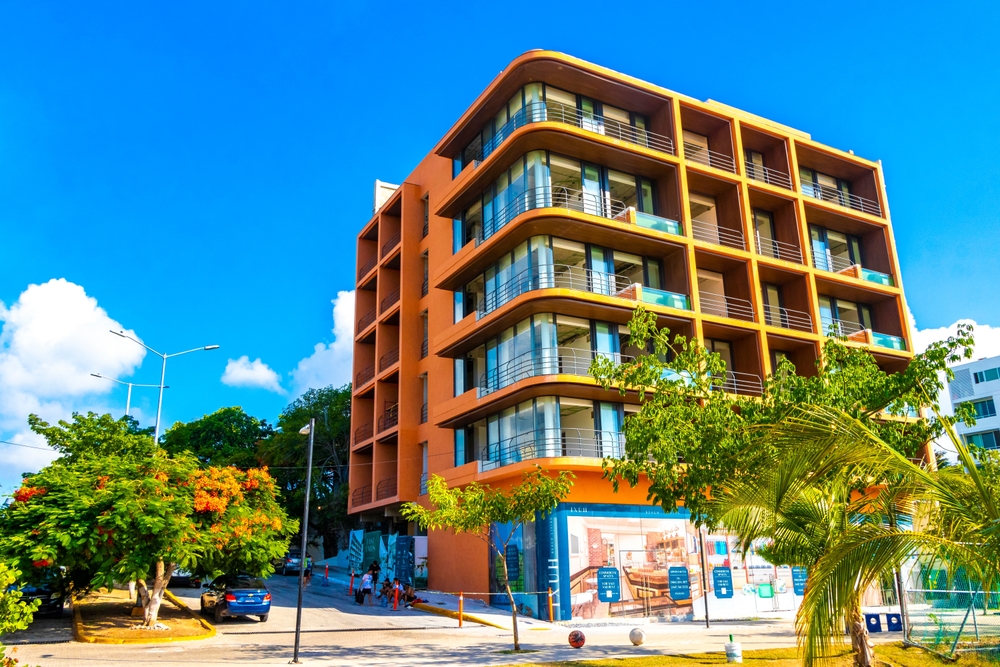
Community
Community & practical notes
Community: Americans here are spread through a big city rather than packed into one enclave, so your social life depends on work, school, and your building. Piantini and Naco put you near malls, offices, and restaurants; the Zona Colonial trades convenience for history and street life. Either way, Spanish is the language of daily life, from the landlord to the pharmacy.
Healthcare: The State Department says most private hospitals want payment up front and don't take U.S. insurance, and many ask for a deposit before admitting you. Medicare doesn't work abroad, so budget for a local or international policy plus medical evacuation coverage. Ambulances are more dependable in Santo Domingo than in most of the country. Medical staff may speak little or no English, which is one more reason to learn Spanish lessons early from Miss Rosa. Our healthcare expert Hunter Schultz can walk you through coverage options before you go.
Remote work: Home internet runs about $35 a month. Spaces has a coworking center in Piantini's Roble Corporate Center if you'd rather not work from your apartment.
Schools: Carol Morgan School started in 1933 to give children an American-curriculum education in Santo Domingo, and today it teaches the IB Diploma alongside a U.S.-style program. The American School of Santo Domingo offers Advanced Placement courses. Visit both, since admissions and fees change.
LGBTQ expats: Same-sex relationships and gay events face no legal restrictions, according to the State Department, but the law doesn't recognize same-sex civil unions, marriages, or families. If you're married, ask an immigration lawyer how your marriage will be treated on a residency application.
Black Americans: The State Department reports that some U.S. citizens have been mistaken for Haitian migrants during immigration operations and temporarily detained, and in rare cases assaulted. Carry your passport at all times, as the State Department advises; call the embassy if you're held.
Limited mobility: Better than most of the country, but not easy. The State Department says Santo Domingo may have better infrastructure than elsewhere, though it's usually not up to U.S. standards. Choose a newer building with an elevator and plan on getting around by car or Uber rather than on foot.
Retirement: Santo Domingo fits retirees who want city amenities and warm winters, with January highs averaging about 81°F, and who are ready to handle healthcare paperwork in Spanish. Summers are hotter and wetter, with average highs near 87°F in July and August. Compare countries on our retirement visa page, and read the residency routes in our Dominican Republic guide.
Housing
Renting and buying
- 1-bed rent (center)
- $850–$1,250/mo
- 1-bed rent (outside center)
- $550–$850/mo
- Buy price (center)
- $214/sq ft
- Buy price (outside center)
- $130/sq ft
Expatsi estimates, based on rental listings, government statistics, and local reporting.
Good to know
Frequently asked questions
Is Santo Domingo safe for Americans?
The U.S. State Department rates the Dominican Republic Level 2, meaning exercise increased caution, because of crime. It says security outside resort areas is unpredictable, especially at night. Road safety is also a real risk: the country's road death rate is 65.2 per 100,000 people, which the State Department calls the highest in the world.
How much is rent in Santo Domingo?
A one-bedroom apartment near the center of Santo Domingo typically rents for $850 to $1,250 a month, with $1,050 as a middle figure. Outside the center, expect $550 to $850, around $700 in the middle. These are 2026 figures in U.S. dollars.
How much does it cost to live in Santo Domingo?
One person spends about $2,100 a month in Santo Domingo, with most budgets between $1,700 and $2,500. A couple spends about $3,000 a month and a family of four about $4,400. These are 2026 figures in U.S. dollars.
Do I need to speak Spanish to live in Santo Domingo?
Yes, for everyday life. Santo Domingo is a Spanish-speaking city, not an English-speaking resort zone, and you'll need Spanish for landlords, banks, and government offices. The State Department notes that medical staff may speak little or no English.
Is Santo Domingo a good place to retire?
It can be, if you want a city rather than a beach town. Winters are warm, with January highs averaging about 81°F, and you'll have private hospitals, an international airport, and the U.S. Embassy nearby. Plan to speak Spanish for daily life and doctor visits, since many medical staff speak little English.
Do I need a car in Santo Domingo?
No, but most Americans use one or rely on Uber, which runs 24 hours a day in Santo Domingo. The Metro is safer than shared minibuses and covers parts of the city, and many residents hire a driver instead of facing the traffic themselves.
Can I use my U.S. health insurance in Santo Domingo?
Usually not. The State Department says most private hospitals in the Dominican Republic require payment in advance and don't accept U.S. insurance, and Medicare doesn't work abroad. Most Americans living there buy a local or international policy and add coverage for medical evacuation.
See how Santo Domingo fits your life
Take the free Expatsi Test and compare Dominican Republic to over 100 countries on what actually matters: cost, healthcare, climate, and safety. About five minutes.
Why not you?