The complete guide to retiring abroad
How to retire abroad: the complete 2026 guide for Americans
The average Social Security check barely covers rent in a lot of American cities. In the right country, it funds a good life. Here's what retiring abroad actually costs, the three visas that matter, and who handles the hard parts for you.

Reviewed and updated October 1, 2026 · 18 min read

01 · The case for leaving
Why retire abroad, and who it's really for

More than 700,000 Americans already collect Social Security overseas. Here's the honest version of why they left and who should stay home.
The good news is, you can probably afford to retire abroad. For a lot of Americans, it's the difference between just getting by and living well.
Here's the math that starts most of these conversations. The average Social Security retirement check is just over $2,000 a month as of mid-2026, per the SSA. In most American metros, that's rent and not much else. In the Algarve, in Cuenca, in the Panamanian highlands, a couple's entire comfortable budget runs $2,300 to $2,850 a month, including housing. The same income that has you stretched thin at home covers a walkable town, lunch out on most days, and help around the house abroad.
It's not just the money, either. The countries in this guide, from Portugal and Spain to Panama and Ecuador, offer something American retirement increasingly doesn't: affordable healthcare, towns built for walking instead of driving, and a slower pace that people in their 60s tell us feels like getting a decade back. Most countries also have an established community of American retirees, so the support system is already there: English-speaking doctors, lawyers who work with American clients, and a Facebook group for every town you'd consider.
You also don't have to go far, at least not for the Latin American picks. Mérida is a direct two-hour flight from Houston. Panama City is about three hours from Miami. The European countries are an overnight flight from the East Coast. Uruguay, at the bottom of South America, is the one real long-haul. Still, you could be at a grandchild's birthday with less travel time than a lot of cross-country American trips.
Here's the catch
Retiring abroad isn't right for everyone, and we'd rather you found out now rather than after you've sold the house.
The distance is real, even when the flight is short. If your happiness depends on weekly family visits, a more affordable life abroad won't fix that; video calls can only go so far. The people who thrive abroad tend to be the ones who fly family in, not the ones waiting to be visited.
Second, Medicare doesn't follow you. Outside the U.S., you're building a new healthcare setup; while it almost always costs far less and is better than expected, it takes planning, especially if you have ongoing conditions. We'll cover exactly how this works below.
Third, there's paperwork. Every country here asks you to prove your income, apostille documents, and sit through at least one appointment that gets rescheduled. It's rarely hard, but it tests your patience, which is why the smoothest movers hire someone to handle it. You'll meet the people we trust below.
If you're still reading, you're probably a good fit. The rest of this guide covers what it costs across both Europe and Latin America, which visa matches which country, what happens to Medicare and Social Security, where people actually settle, and who does the hard parts for you.
02 · The numbers
What retirement actually costs, country by country
All-in monthly cost estimates come from Expatsi's cost-of-living data as of mid-2026, in U.S. dollars. We default to Portugal, Panama and Mexico, the three where the cost, visa, and expat infrastructure line up best for American retirees. Swap any column to compare the other eight paths, and every income floor is the current 2026 figure.
| Monthly budget, couple | $2,850 | $2,650 | $2,300 |
|---|---|---|---|
| Monthly budget, single | $1,850 | $1,700 | $1,400 |
| Rent, 1-bed city center | $1,050 | $900 | $700 |
| Inexpensive meal out | $13 | $10 | $11 |
| Safety index | 78 | 55 | 45 |
| English proficiency | 80 | 60 | 35 |
| Visa income floor | €920/monthpassive income, one person | $1,000/month pensionlifetime pension, +$250 per dependent | ~$4,400/monthor roughly $74,000 in savings |
The honest caveat on the cost numbers: they're the national middle. Capital cities and the beach towns Americans love cost more, and the budgets hold if you live like a local, not if you import an American suburb. The income floors are current as of 2026. A few of them (France, Italy, Uruguay, and Mexico) are set by consular discretion or reset every January, so confirm the live figure before you file.
Read the table like this. Your Social Security check stretches furthest and stays closest to home in Latin America: Mexico, Panama, Costa Rica, Ecuador and Uruguay all run a comfortable couple's budget in the $2,300 to $2,900 range. Panama and Ecuador even use the U.S. dollar, and Panama, Costa Rica, Ecuador and Uruguay tax territorially, so across most of the region your money doesn't leak to currency swings or a second tax bill. Panama's Pensionado piles on legally mandated discounts, generally 10 to 50 percent, on flights, restaurants, medical bills and utilities.
Europe costs a bit more and the flight is longer, but you're buying Europe: Portugal, Spain, Italy, France and Ireland give you strong public healthcare, real walkable cities, and residency that puts the EU (or, for Ireland, the English-speaking EU) on your doorstep. Portugal and Spain are the value end; Ireland is the priciest by a wide margin.
The honest caveat on every number: it's the national middle. Capital cities and the beach towns Americans love cost meaningfully more, and the budgets hold if you live the way locals do, not if you recreate an American suburb with imported groceries.
Why a $2,000 Social Security check works abroad
The average American retirement check, just over $2,000 a month as of mid-2026, clears the income bar on its own in the most affordable paths. Portugal's D7 asks one person for €920 a month. Panama's and Costa Rica's pension routes ask for a $1,000 lifetime pension. Ecuador wants about $1,446, and couples can combine two checks to get there. These programs were designed to want American retirees. The higher bars are a different tier: Spain at €2,400 a month, Mexico at about $4,400 or roughly $74,000 saved, Italy at €31,000 a year, and Ireland at €50,000 per person, which tend to fit couples stacking incomes or retirees with a solid nest egg. More on each visa next.
03 · The paperwork, decided
The retirement visa, matched to the country
People drown in visa research, and for retirement it's mostly unnecessary. Almost every country here has one obvious retiree route, sorted by what you have: passive income, a guaranteed pension, or savings. We've grouped them by region, since that's how most people start: closer and cheaper, or Europe.
Europe
The European routes cost more and sit an overnight flight away, but they buy strong public healthcare and, usually, a path to permanent residency and the EU.
Portugal's D7 fits anyone with steady passive income (Social Security, a pension, rentals). It has the lowest bar in Europe at €920 a month for one person, about €1,380 for a couple in 2026. The catch is a real immigration backlog that tests your patience on renewals. See the D7 retirement visa.
Spain's Non-Lucrative Visa wants €2,400 a month in passive income and bans work of any kind, including remote work; staying 183 days makes you a Spanish taxpayer on worldwide income. See the non-lucrative visa.
Italy's Elective Residency asks about €31,000 a year in passive income, no work allowed, and it's consular-discretionary. The payoff: retire to an eligible southern town and a 7% flat tax on foreign income can follow for up to a decade. See elective residency.
France's long-stay visitor visa runs on roughly one French minimum wage, about €1,500 a month per person, and opens the door to one of the world's best healthcare systems after a few months. The exact figure is consular-discretionary. See the long-stay visa.
Ireland's Stamp 0 is the English-speaking option and the priciest: €50,000 a year per person (€100,000 a couple) plus a reserve near the price of an Irish home, and mandatory private insurance, since Stamp 0 can't use public hospitals. See Stamp 0.
Latin America
The Latin American routes are cheaper, closer, and often faster, and several run on the dollar or skip tax on foreign income.
Panama's Pensionado is the most retiree-shaped visa in the Americas: a $1,000 lifetime pension buys permanent residency on day one, no renewals, plus the famous discount program. The pension must be guaranteed for life, so IRA withdrawals generally don't count. See the Pensionado.
Mexico's residency is the fastest and closest. Apply at a U.S. consulate showing about $4,400 a month or roughly $74,000 saved; the numbers reset each January and vary by consulate. See residency for retirees.
Costa Rica's Pensionado takes a $1,000 lifetime pension that covers a couple; its Rentista takes $2,500 a month for two years (or a $60,000 deposit that's paid back to you) from any source, not just a pension. Both mean joining the public health system. See the Pensionado and Rentista.
Ecuador's Retirement Visa has the lowest cost of living here and runs on the U.S. dollar. It asks about $1,446 a month from a guaranteed pension, and couples can combine incomes to reach it. See the Retirement Visa.
Uruguay's permanent residency is the calm, stable, LGBTQ-friendly pick. There's no fixed legal income minimum, though about $1,500 a month is the working expectation, and residency is granted directly. See permanent residency.
Other retirement routes exist
The three defaults aren't your only options. Swap any column to compare Spain's non-lucrative visa, Costa Rica's Pensionado and Rentista, Ecuador, France, Italy, Ireland or Uruguay. Every published retirement path we've written up, from Ghana's Right of Abode for the diaspora to newer routes in the Caribbean, Asia, the Middle East and Africa, is listed by region next and sits in the full grid below. We lead with Portugal, Panama and Mexico because the cost of living, the visa, and the on-the-ground support all line up.
More retirement routes, region by region
The paths above are where most retirees start, but they aren't the whole map. Each route below has its own page with the details, and none of them is in the cost table yet, so check its page for the income bar before you compare.
Europe and its edges
Western and southern Europe: Greece's retirement visa, Austria's retirement visa, Belgium's permanent residency, Cyprus's Pink Slip, and Malta's Permanent Residence Programme and Global Residence Programme. Monaco has a long-stay Type D visa plus three residence cards: the carte de séjour ordinaire, temporaire and privilégiée.
Central and eastern Europe: Czechia's long-term residence permit, Croatia's long-stay D visa, Bulgaria's Type D long-stay visa, Serbia's residency by investment, North Macedonia's long-stay D visa, and Albania's retirement permit and Type D long-stay visa.
Where Europe meets Asia: Türkiye's residence permit and Georgia's visa-free stay.
Latin America
Mexico now has two pages, one for temporary residency and one for permanent residency.
South America: Argentina's retirement visa and rentista visa, Chile's retirement visa for periodic income, Colombia's Migrant (M) visa, Ecuador's rentista visa, Peru's rentista visa, and Paraguay's permanent residence.
Central America: Belize's Qualified Retired Persons Program and permanent residency, Guatemala's permanent residence, Honduras's resident visa, El Salvador's permanent residency, and Nicaragua's pensionado and rentista residence.
The Caribbean
Antigua and Barbuda, Barbados, Dominica and Jamaica each have a permanent residency page, and the Dominican Republic has its RP-1 permanent residency. The Bahamas offers an annual residence permit, Saint Kitts and Nevis a residency by real estate route, and Saint Vincent and the Grenadines both temporary and permanent residence.
Asia and the Pacific
Thailand's Long-Term Resident visa, the Philippines' SRRV Classic, Cambodia's ER retirement visa, and Fiji's residence permit on assured income. Malaysia has four MM2H pages: Silver, Gold, Sarawak's S-MM2H, and the Forest City special economic zone.
The Middle East and Africa
The UAE has a retirement visa and a separate residence visa. Bahrain has a Golden Residency for retirees, Oman a property owner residence, and Egypt a residence permit.
In Africa, there's South Africa's retired person visa, Kenya's Class K permit, Rwanda's K permit, Zambia's retiree residence permit, Mauritius's retirement permit, and Madagascar's retiree visa.
Every retirement visa, at a glance
Passive Income Visa
Europe's lowest bar, and an EU future
For income that lands whether or not you work. Full residency and healthcare access now, with a path to citizenship later.
- Proof of sufficient passive income (e.g., pensions, rental income, dividends)
- Clean criminal record
- Valid health insurance
Non-Lucrative Residence Visa
The Mediterranean, minus the job
Show €2,400 a month in passive income and live in Spain without working. Remote work isn't allowed either, and staying 183 days makes you a Spanish taxpayer.
- Valid passport
- Completed visa application form
- Proof of sufficient financial means
Elective Residency Visa
A pension goes further below Rome
About €31,000 a year in passive income, no work allowed. Settle in an eligible southern town and a 7% flat tax on foreign income can follow for up to ten years.
- Proof of sufficient passive income (e.g., pensions, investments)
- Proof of accommodation in Italy
- Health insurance covering Italy
Pensionado Visa
Permanent residency on day one
A $1,000 lifetime pension buys permanent status immediately, no renewals, plus legally mandated discounts on daily life. Panama runs on the U.S. dollar.
- Proof of lifetime income of at least $1,000 USD per month
- Valid passport
- Police clearance certificate
Residente Temporal or Permanente
The fastest yes, decided before you move
Apply at a U.S. consulate showing about $4,400 a month or roughly $74,000 saved, and get up to four years of residency you can convert to permanent.
- Application at Mexican consulate
- Proof of financial means or qualifying family ties
- Interview
Financially Independent Visa (Rentista)
For income that isn't a pension
Show $2,500 a month for two years from any stable source, or deposit $60,000 that gets paid back to you. Built for early retirees living on investments.
- Proof of stable income of at least $2,500/month or a $60,000 deposit in a Costa Rican bank for two years
- Medical insurance valid in Costa Rica
04 · The big question
Medicare, healthcare and staying insured abroad

Medicare stops at the border
Let's deal with the hard fact first: Medicare does not cover care outside the United States, except in a few narrow situations. Moving abroad means building a new healthcare setup. Most retirees keep premium-free Part A as a fallback for trips home. Part B is the real decision: keep paying the monthly premium for coverage you won't use abroad but might want if you return, or drop it and accept a late-enrollment penalty that grows about 10 percent for each year you go without it. There's no universal right answer; it depends on how likely you are to move back, and it's worth an hour with a cross-border advisor before you decide.
What you use instead
The replacement is a mix of public systems and private insurance, and the prices are the pleasant shock of this whole process. In Europe, legal residents can generally use the public systems (Portugal's SNS, Spain's and Italy's regional services, and France's, which has long ranked among the world's best), and most expats add private cover for speed and English-speaking doctors, often $50 to $150 a month depending on age. Ireland is the outlier: Stamp 0 holders can't use public hospitals at all, so private insurance is mandatory.
In Latin America the model varies by country. Panama City's private hospitals are the strongest in Central America, including a Johns Hopkins-affiliated facility, and the Pensionado discounts medical bills. In Mexico, expats lean on private care: modern hospitals, many U.S.-trained doctors, and out-of-pocket prices that routinely run a tenth of U.S. billing. Costa Rica and Ecuador ask residents to join the public system (the Caja and IESS) for a modest monthly contribution, and Uruguay's private mutualista plans run about $50 to $250 a month.
The honest caveats: private insurers everywhere get pricier and choosier as you age, some cap new enrollment around 70 or exclude pre-existing conditions, and public wait times are real. Get quotes for your age and conditions before you commit to a country, not after. Hunter Schultz, our healthcare coach based in Panama City, and the relocation experts below do exactly this.
This guide is dated on purpose
Visa thresholds, insurance pricing, and tax rules move every year, and Mexico's financial requirements change every January. Everything here reflects the rules as of July 2026. Before you file anything or cancel any coverage, confirm the current numbers with a licensed professional. The experts below stay current so you don't have to.
06 · Finding your spot
Where American retirees actually settle
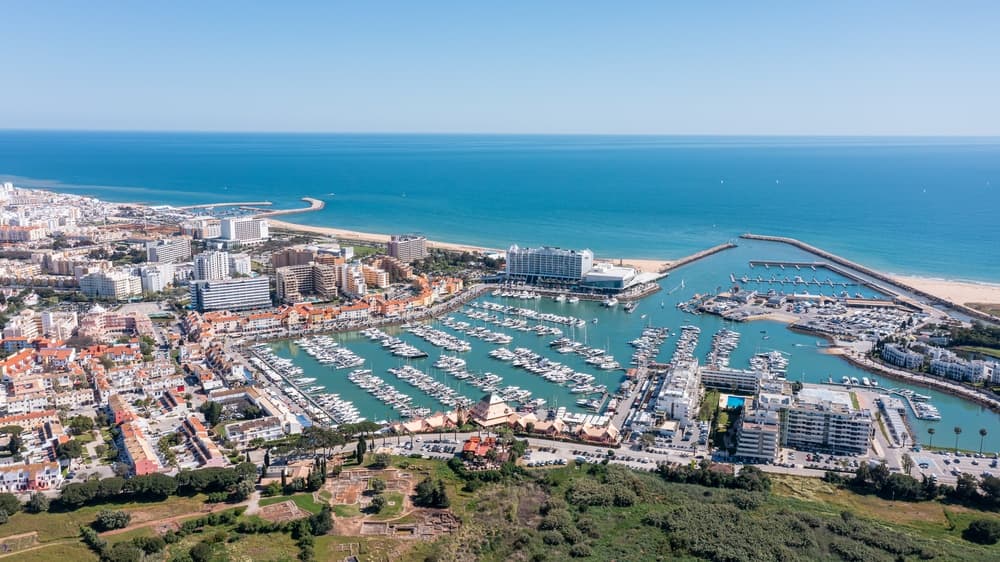
Algarve
The expat coast
Portugal's southern coast as a whole, with cliff-backed coves, golf, and the biggest English-speaking community in the country. Towns differ a lot: Lagos and Tavira stay alive year-round, while the resort strips go quiet in winter. Pick the town, not the region.

San Miguel de Allende
Arts and expats
A UNESCO-listed colonial town in the central highlands that keeps getting voted the best city in the world. Think cobblestone streets, a fairy-tale pink church, galleries and great food, plus one of the oldest and largest American and Canadian communities anywhere. The weather is mild all year, though its fame has pushed prices up.

Mérida
Safe and colonial
The capital of Yucatan and one of the safest large cities in the Americas. Grand colonial architecture, a booming expat scene, great hospitals, and the Gulf beaches an hour away. A favorite first landing for cautious movers.
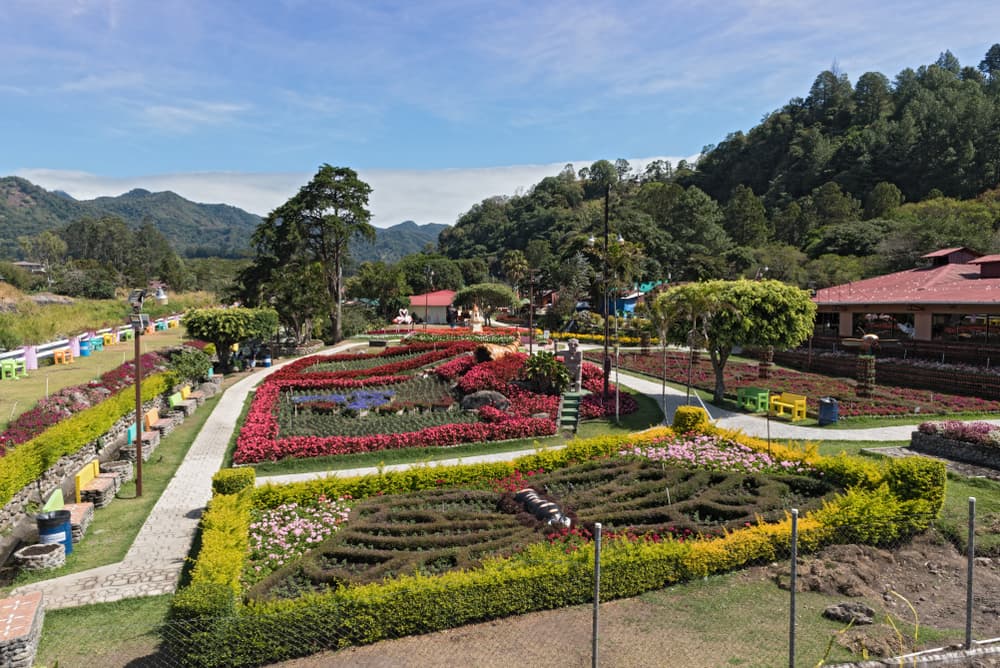
Boquete
Cool mountain town
Spring-like weather in the Chiriqui highlands, coffee farms, hiking, and one of Panama's oldest expat communities. David's hospitals and airport are close by, and your budget stretches further up here than almost anywhere else.
07 · You don't do this alone
One thing we've learned from helping thousands of Americans plan a move: the retirees who do it smoothly almost always have help. Not because they couldn't figure it out, but because doing it once yourself, in a second language, against a real bureaucracy, is much harder than letting someone who's done it hundreds of times handle it.
Your move team, by what retirees actually need

Viv Europe
Portugal Relocation Specialist
Has helped more than 1,000 families move to Portugal since 2020: visas, paperwork, insurance, and real estate, start to finish. Also hosts Expatsi’s Portugal scouting trips, above.
Learn more
Shasta Townsend
Mexico, Mexican Visas & Relocation, Puerto Vallarta Local Guide
Guides Americans through the consulate process, the Residente Temporal, and the move itself. The consulate-strategy conversation starts here. Shasta also hosts the Puerto Vallarta scouting trip.
Learn more
Freedom Panama
Panama Relocation Specialist
Panama City-based relocation specialists who run the Pensionado process with the required local lawyer, then handle the landing: housing, banking, and the first months on the ground. Sabrinna hosts our Panama scouting trip.
Learn more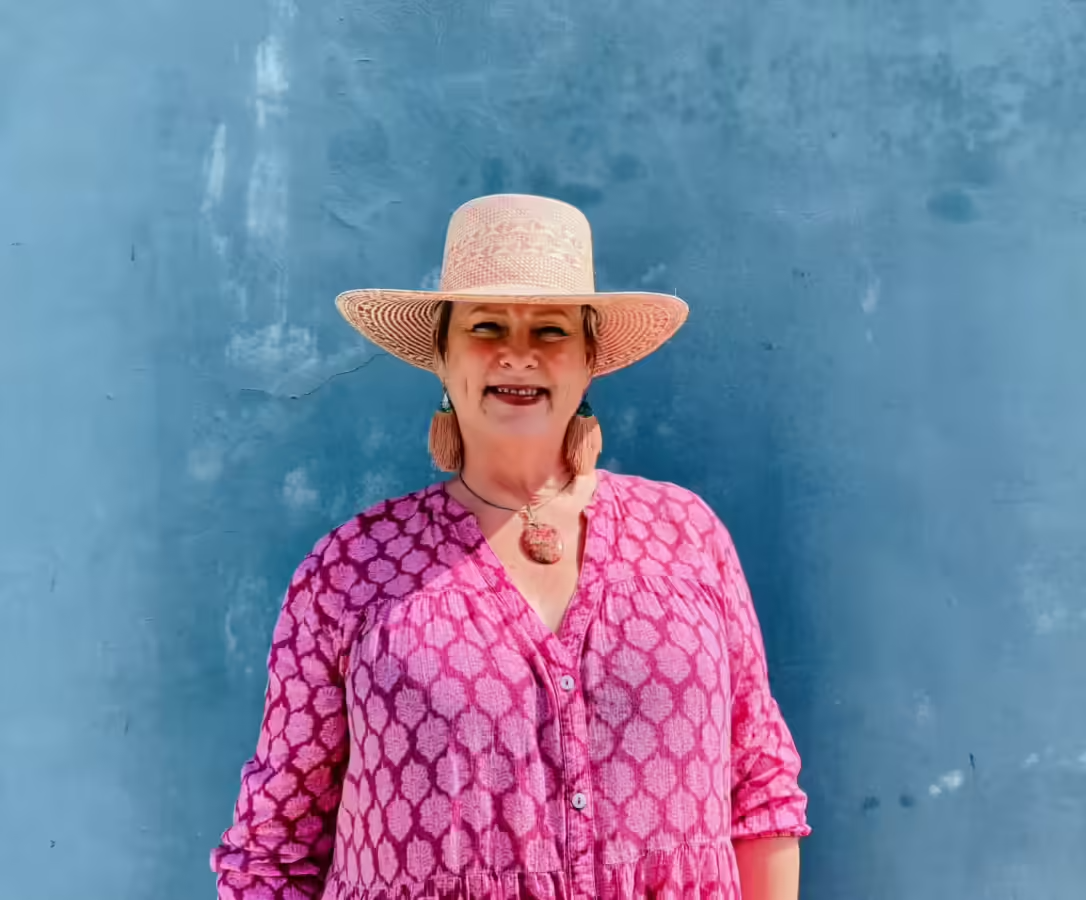
Life in Merida
Mérida Relocation Specialist, Mérida Local Guide
The on-the-ground team in Expatsi's founder's own city: neighborhood scouting, rentals, healthcare connections, and the practical settling-in that turns a move into a life. Amy hosts our Mérida scouting trip.
Learn more
Hunter Schultz
Healthcare Coach
Based in Panama City, Hunter helps retirees solve the Medicare question and build real coverage abroad: what to keep, what to drop, and what to buy for your age and conditions.
Learn more
Hannah Moody-Goo
Disability and Pre-Existing Conditions
Helps people plan a move abroad around a disability or ongoing condition, with a personal intake and a customized research report on the countries that can actually support your care.
Learn more
ExpatInsure
Global Health Insurance
Expatsi's international health insurance partner. Andy Seale and Stephanie Edwards quote real coverage for Americans abroad, including the over-60 policies that take more shopping.
Learn more
MyExpatTaxes
U.S. Expat Tax Service
Handles the annual U.S. returns that never stop when you move abroad, including treaty positions and foreign tax credits, so you file right in both countries without paying twice.
Learn more
Moneycorp
Currency Exchange
Kelly has spent more than 18 years in global payments. For the monthly Social Security-to-euros-or-pesos transfer, better rates and a set schedule beat winging it at your bank.
Learn more
Beacon Global Advisors
Financial Planning
Keeps American finances working after you leave: 401(k)s, IRAs, brokerage access, estate planning, and staying compliant on both sides of the border. Call before you change your address.
Learn more
Emily Benner
Pet Moving Coach
Emily has lived the move herself, three years in Europe with Braxton the mini-dachshund. She turns the vet paperwork, airline rules, and timing into a plan your pet can actually fly on.
Learn moreYou can read every guide on the internet and still not know how a place feels until you're standing in it. People come back from a scouting trip either certain they've found their spot, or certain it's not for them; both answers are worth the trip. These two hit the retirement towns from this guide directly, and you can browse every scouting trip here.
09 · Keep learning
Retirement webinars and guides
Expatsi runs live webinars with the experts you just met, and the recordings live in the member library. These six map straight onto this guide.
How To Retire To Portugal
Discover what it takes to retire in Portugal, from residency options and healthcare to lifestyle benefits that make it one of Europe’s top retirement destinations.
Residency options, healthcare, and what retired life in Portugal actually looks like day to day.
Do I have enough money?
Our partners at Beacon Financial outline how much money a move abroad could cost you as well as how much you may need to retire.
Beacon Global walks through what a move really costs and how much you need to retire abroad.
How to Move To Panama
Join this webinar to explore everything you need to know about moving to Panama—from navigating residency and cost of living to embracing a new lifestyle in one of Central America’s most welcoming destinations.
Residency, cost of living, and settling in, Pensionado included.
Puerto Vallarta vs. Merida: Choosing Your Perfect Destination
Join us as we compare Puerto Vallarta and Mérida for expats! Discover the pros and cons, lifestyle differences, and which destination suits your needs best for a seamless relocation.
Two of Mexico's favorite retirement cities, compared honestly so you can pick your fit.
Navigating Healthcare as an Expat
Moving abroad? don't let healthcare be an afterthought. This webinar covers everything you need to know about securing the right international health coverage and care plan.
How coverage abroad works and what to sort out before you cancel anything at home.
Leaving Adult Children
Handling the emotions and challenges of leaving grown children behind.
The emotional side of retiring abroad while your kids and grandkids stay behind.
Talk to other future retirees abroad

Visa Path: Retirement
Expatsi Community
Everyone in this group is working the same problem you are: which country, which visa, what to do about Medicare, and what to tell the kids. Ask the question you're chewing on, compare notes with people a few steps ahead, and share what you learn when it's your turn. No performing, no gurus, just people making the same move.
Join the conversation11 · Quick answers
Retiring abroad: frequently asked questions
Do I still pay U.S. taxes if I retire abroad?
You still file every year, since the U.S. taxes citizens worldwide. Whether you also owe abroad depends on the country. The territorial Latin American picks, Panama, Costa Rica, Ecuador and Uruguay, generally don't tax your foreign pension or Social Security. The European countries and Mexico tax residents on worldwide income but have U.S. tax treaties and credits that prevent most double taxation, and Italy offers pensioners a 7% flat tax in eligible southern towns. Get cross-border advice before you move.
Which country is easiest to retire to?
It depends what 'easy' means. For the visa, Panama and Uruguay grant permanent residency immediately, and Panama adds discounts and runs on the dollar. For the lowest income bar, Portugal and Ecuador win, and Ecuador is dollarized too. Mexico is the fastest and closest to the U.S. Spain, Italy, France and Ireland are the European lifestyle picks, with higher bars and, except Ireland, some language to learn.
How much income do I need to retire abroad?
Less than you'd guess for the most affordable paths. As of 2026, Portugal's D7 asks €920 a month for one person, Panama's and Costa Rica's pension routes ask for a $1,000 lifetime pension, and Ecuador wants about $1,446 (couples can combine checks). The bars climb from there: Spain at €2,400 a month, Mexico at about $4,400 or roughly $74,000 saved, Italy at €31,000 a year, and Ireland at €50,000 per person. Most Social Security checks clear the lowest bars on their own.
Can I keep my 401(k) and IRA accounts?
Yes, and withdrawals work abroad. But some U.S. brokerages restrict or close accounts once you have a foreign address, so where your accounts live and what address you use should be sorted before you move, not after.
Is healthcare abroad good enough for retirees?
Across these countries, yes, and it costs a fraction of what the same care runs in the U.S. Europe's public systems (Portugal, Spain, Italy and France especially) are strong, and most expats add affordable private cover; Ireland is the exception, requiring private insurance. In Latin America, Panama City's private hospitals include a Johns Hopkins-affiliated facility, Mexico's are modern with many U.S.-trained doctors, and Costa Rica and Ecuador let residents buy into the public system. The planning point is insurance: get quotes for your age and conditions before committing to a country.
What if I try it and change my mind?
Nothing about retiring abroad is irreversible. Most people rent for the first year, keep their U.S. accounts open, and treat the first stretch as a long test drive. A scouting trip before you commit is the smartest insurance you can buy, and some people come back certain it's not for them, which is also a win.
Can I collect Social Security if I retire abroad?
Yes. Social Security pays U.S. citizens in almost every country, by direct deposit, including every country in this guide. Hundreds of thousands of retirees already collect their benefits overseas.
What happens to Medicare if I move abroad?
Medicare doesn't cover care outside the U.S. Most retirees keep premium-free Part A for trips home and make a deliberate decision about Part B, weighing the premium against the late-enrollment penalty if they return. Abroad, you'll use local systems and private insurance, which cost a fraction of U.S. prices.
Sources
- Payments while outside the United States · Social Security Administration (checked July 2026)
- Coverage when traveling outside the U.S. · Medicare.gov (checked July 2026)
- D7 residence visa requirements · AIMA (Portugal) (checked July 2026)
- Pensionado permanent residency program · Servicio Nacional de Migración (Panama) (checked July 2026)
- Visa de residencia temporal · Gobierno de México (checked July 2026)
Not sure which country fits your retirement?
Take the free Expatsi Test and see how Portugal, Panama, Mexico and nearly 200 other countries score on what actually matters to you: healthcare, cost, climate, safety, and more. About five minutes.
05 · Keeping what's yours
Social Security, taxes and your nest egg
Social Security travels well
Start with the good news: Social Security pays U.S. citizens in almost every country on earth, by direct deposit, including every country in this guide. Hundreds of thousands of retirees already collect abroad. In Panama and Ecuador there's not even a currency conversion, since both run on the U.S. dollar. Elsewhere, a growing number of retirees keep their U.S. bank account for deposits, moving money over monthly with a low-fee transfer service, keeping a clean U.S. financial footprint for taxes and credit.
You'll still file U.S. taxes, but you shouldn't pay twice
The U.S. taxes its citizens no matter where they live, so filing never stops. Whether you owe anything abroad depends on the country. The Latin American picks that tax territorially (Panama, Costa Rica, Ecuador and Uruguay) generally don't touch your foreign pension or Social Security at all. The European countries and Mexico tax residents on worldwide income, but tax treaties and foreign tax credits mean most retirees avoid true double taxation. Italy even offers pensioners a 7% flat tax in eligible southern towns. The famous mistake is assuming taxes sort themselves out; done wrong, a bad default quietly costs you for years. This is the single best place to spend money on professional help before you move.
Your 401(k), IRA and brokerage accounts
You keep them, and withdrawals work abroad. The thing nobody warns you about is your brokerage's compliance department: some U.S. firms restrict or even close accounts once you have a foreign address. Where your accounts live, what address you use, and how you draw down are all part of planning the move, not an afterthought. Beacon Global Advisors, one of our partners, specializes in exactly this, keeping American 401(k)s, IRAs and investments working properly once you've left. For the annual filings, MyExpatTaxes handles U.S. expat returns. If buying a home abroad is part of the plan, Simon Conn has arranged international mortgages for over 40 years.