
Retire to Italy on a passive income
The Elective Residency Visa lets retirees settle in Italy on a pension or savings. Here's how it works and what it really costs.

No work allowed
Let your pension do the earning
This visa is for retirees who live on residual income - money that arrives whether they clock in or not. A pension, Social Security, rental income, or investment payouts all qualify. The one catch: you can't work while living in Italy, not even remotely for a US boss.
By the numbers
31,000 euros
Passive income, single
yearly minimum
3,150 euros
Monthly budget, couple
all in
7% flat tax
Foreign income, southern towns
up to 10 years
650 euros
One-bed rent, small towns
outside big cities

A slower pace, with fine print
Italy runs on long lunches, evening strolls, and towns where the pharmacist knows your name. The south is the most affordable and sunniest corner of the country. Expats can also qualify for a low tax rate on their first decade in Italy, provided they move to a smaller town in the southern region.
Here's the catch
The paperwork is slow, English is spotty outside the cities, and you'll want to learn some Italian in order to get by. Give the visa and permit a few months as you get your bearings.
Elective Residency Visa
For retirees or individuals with sufficient passive income who wish to reside in Italy without working. Applicants must demonstrate they can support themselves without employment.
- Government cost
- $116
- Processing time
- ~90 days
- Timeline
- Long-term, renewable
- Difficulty
- Moderate
Key requirements
- Proof of sufficient passive income (e.g., pensions, investments)
- Proof of accommodation in Italy
- Health insurance covering Italy
- No intention to work in Italy
Skip Rome and Milan. Down south, low rents and a 7% tax rate stretch a fixed income farther than it goes in larger cities.
Life in larger cities may certainly offer more familiar amenities, though you'll see higher living costs and tax rates there.
Italy people we trust

Move To Dolce Vita
Italian Immigration
Italian immigration and taxes, including the south's 7% pensioner regime.

Thea Duncan
Italy Relocation Specialist
Milan-based help with visas, housing, and settling in.

Debbie Levitt
Italy Local Guide
On-the-ground answers, based in Sardinia.
Where retirees are settling
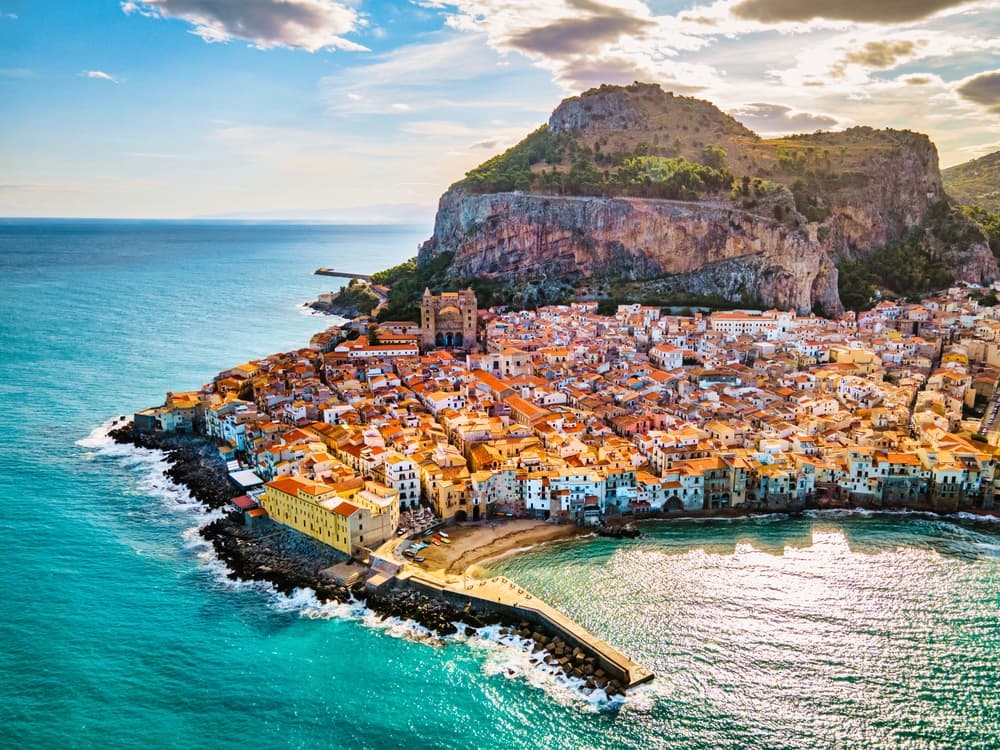
Sicily
Island of its own
An island that runs on its own terms, with Greek temples older than the Colosseum, Etna smoking above Catania, and street markets in Palermo that feel closer to North Africa than to Rome. Towns under 20,000 people qualify for Italy's 7% flat tax for foreign pensioners. Summers punish, and the paperwork is slower still.
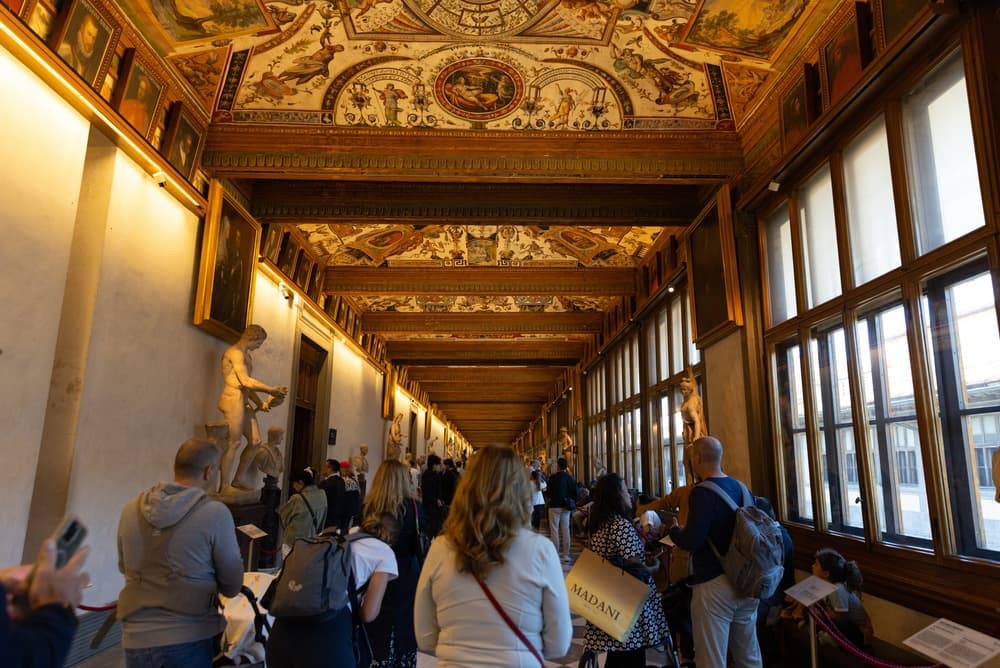
Florence
Art and expat classic
Renaissance beauty, a large American community, and the rest of Tuscany at the doorstep. Popular, walkable, and not cheap, but the quality of life is hard to beat.
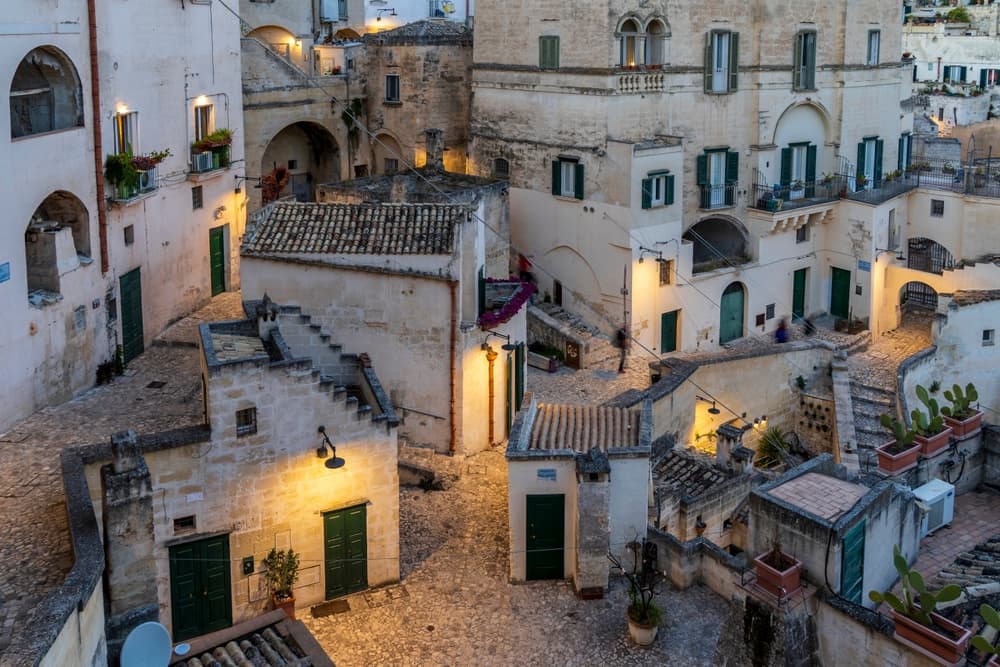
Matera
City of caves
A city of cave dwellings cut into a ravine in Basilicata, a UNESCO site and European Capital of Culture in 2019, and one of the cheapest places to live in Italy. It is also the deep south: hot dry summers, a thin job market, and the nearest airport an hour away at Bari.
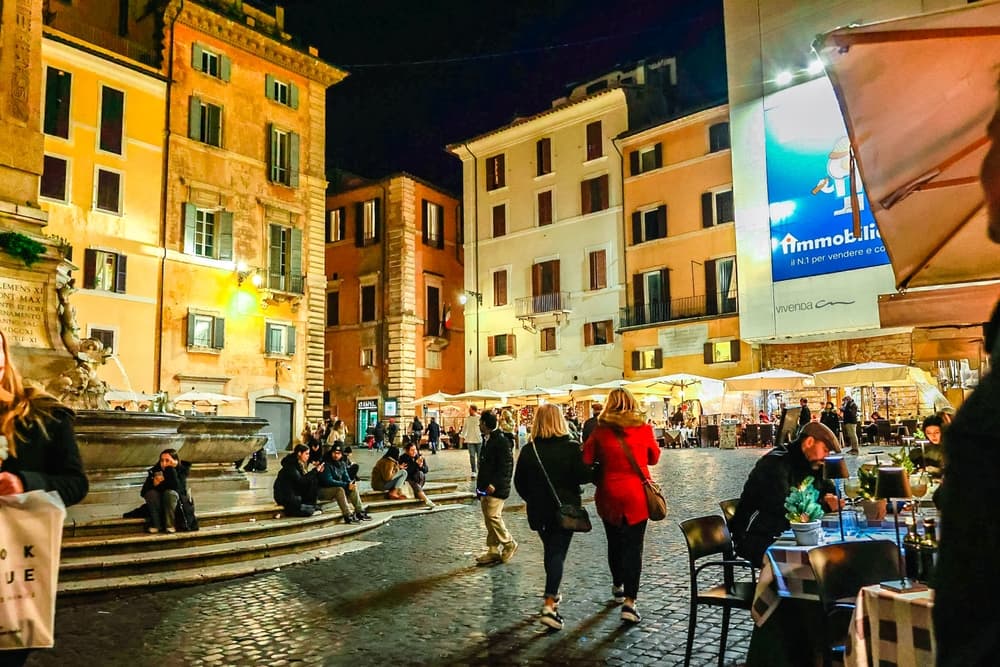
Rome
The eternal capital
History on every corner, the largest American community in the country, and the job market to match. Rents run higher than the south and the summers are hot, but nothing else feels quite like living in Rome.
Common questions
How long until residency or citizenship?
The visa starts at one year and renews. After five years of living there you can apply for permanent residency, and after ten you can apply for citizenship, with a B1 Italian language test.
Do I get healthcare?
You need private health insurance to apply. Once you're a resident, you can usually register with Italy's national health service, often for a modest yearly fee.
Do I have to buy a home?
No. You can rent instead, but you need a registered lease of at least a year or a property deed in your name before you apply for the visa.
What is the 7% tax deal?
If you move your tax home to an eligible town of under 30,000 people in southern Italy, you can pay a flat 7% on all your foreign income, including your pension, for up to 10 years. Rome, Milan, and Florence don't qualify.
Can I work or freelance remotely?
No. The Elective Residency Visa bans work in Italy, including remote work for a US employer. Your income has to be passive, like a pension or investments. If you need to work, look at the self-employment or digital nomad visa instead.
How much income do I need?
Most consulates want to see about 31,000 euros a year in passive income for one person, and roughly 38,000 for a couple. Some ask for more, so check the consulate that covers your state.
Other ways into Italy
If your parent or grandparent was born in Italy, you may already be Italian
Citizenship by descent (jure sanguinis) can make you an Italian and EU citizen while you keep your US passport. Italy's 2025 reform changed the rules, so here's exactly who still qualifies.
Freelance your way to Italy
A real route for non-EU freelancers to live and work in Italy. Here's who it fits, what it costs, and the catch.
Italy's golden visa doesn't do real estate
Four ways in, from 250,000 euros, and Italy approves you before your money moves.
Italy answers startup founders in 30 days
The money test is 50,000 euros for the whole founding team. The hard test is how narrowly Italian law defines an innovative startup.

You can move abroad.
Thousands of Americans have already done it.
Why not you?