Retire in Uruguay, South America's steady hand
Temporary or permanent residency for Americans who want a calm, stable home by the sea.
Stable democracy, strong LGBTQ protections, and a calm coastal life. Here's how residency works.

Why Uruguay
A calm, stable home base
Uruguay runs quietly: low corruption, a stable democracy, and some of the world's strongest LGBTQ protections. People call it "the Switzerland of South America," and daily life feels that way, offering safe streets and a beachfront you'll actually use.
- Safest country in South America
- Same-sex relationships legal since 1934
- Strong public and private healthcare
The numbers that matter
2,500/mo
Income to show, single
about $2,500 for a couple
10 years
Foreign-income tax holiday
under 2026 rules
3 to 5 yrs
Then citizenship
3 years for married couples, 5 for single people
Safest
in South America
48th on the Global Peace Index
How it works
The temporary or permanent residency visa, in plain English
Here's the catch: Uruguay has no special retirement visa. You apply for legal residency and prove steady monthly income: usually a pension, Social Security, disability income, or an annuity. There's no fixed figure in the law, so officials weigh each case. Better still, residency is granted directly. You can even apply within the country.
- Pensions, Social Security, annuities, disability, and rental income count
- An FBI check and a local medical exam
- Apply from inside Uruguay on a tourist entry
Permanent Residency
After holding temporary residency, applicants can apply for permanent residency, which allows indefinite stay. Additional documentation proving continuous residence in Uruguay is required.
- Processing time
- ~60 days
- Timeline
- Indefinite
- Difficulty
- Moderate
Key requirements
- Proof of sufficient financial means
- Clean criminal record
- Health certificate
- Proof of continuous residence in Uruguay
Before you commit
Taxes, healthcare, and the trade-offs
Uruguay taxes local income, not your foreign pension. New residents can claim a long tax holiday on any foreign investment income. Most retirees join a mutualista (a private health cooperative) for a modest monthly fee. The trade-offs: dining out isn't cheap and you'll want to know some Spanish. The dialect here is different than Spain or Mexico, so it's best to learn locally.




Scouting Trips
See Uruguay like a local resident before you move
- We walk neighborhoods
- Meet local experts
- Tour healthcare facilities
- Explore housing options
- Help you understand what daily life actually feels like
People who can help

Guru'Guay
Uruguay Relocation Specialist
A Montevideo team that has guided newcomers through Uruguayan residency for years.

Sierra Atlántica
Uruguay Relocation Specialist
Handles relocation and visa paperwork on the ground in Montevideo.
Where to live
Four places retirees love

Montevideo
City life on the water
Half the country lives in the capital, and it is where most expats start. Walkable neighborhoods like Pocitos and Ciudad Vieja, the endless rambla, theaters, and the best healthcare in the country.

Punta del Este
Beaches and glamour
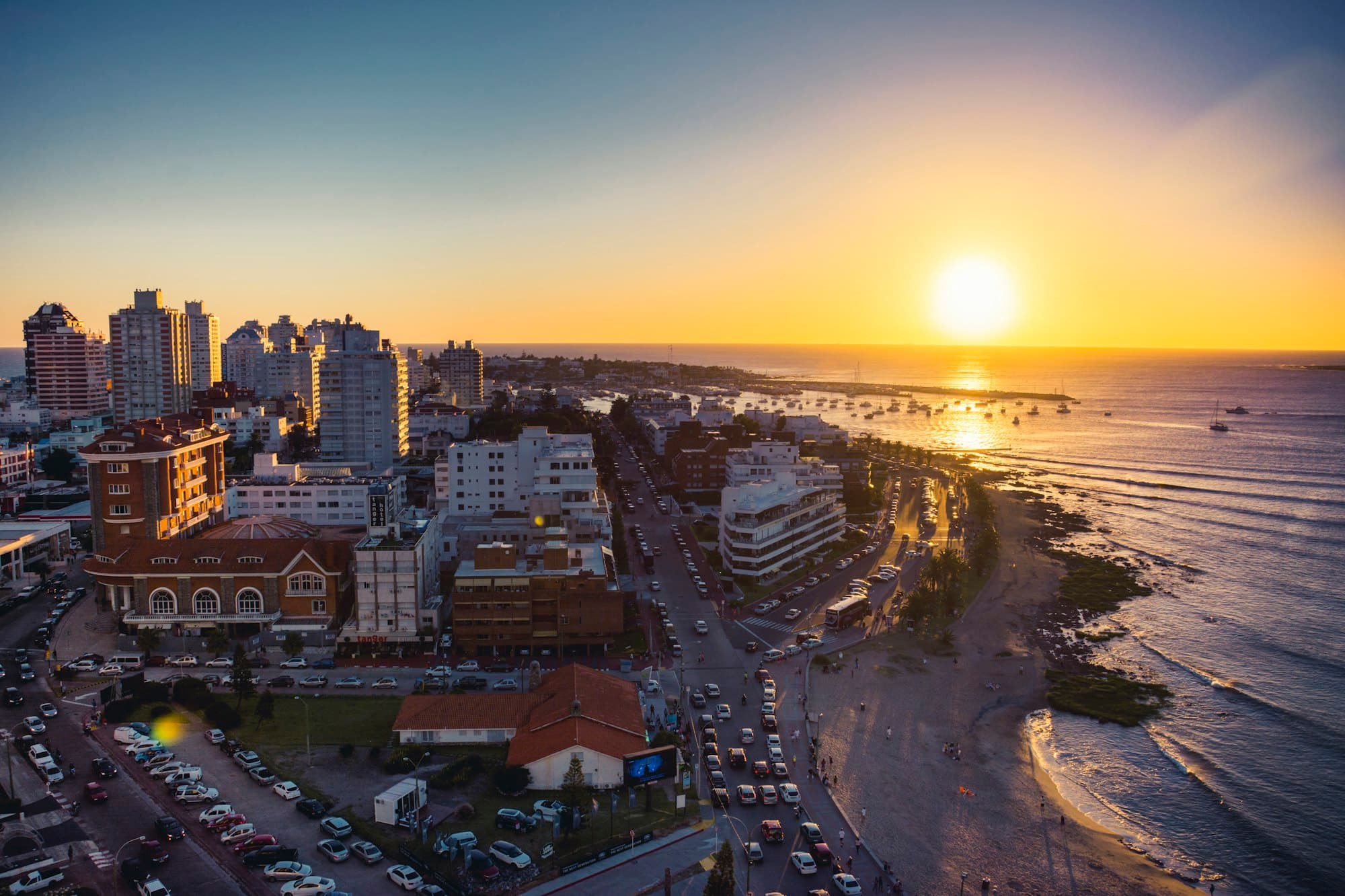
South America's flashiest beach resort in summer and a calm seaside town the rest of the year. Higher prices, big-sky sunsets, and Casapueblo down the coast.

Colonia del Sacramento
Colonial calm
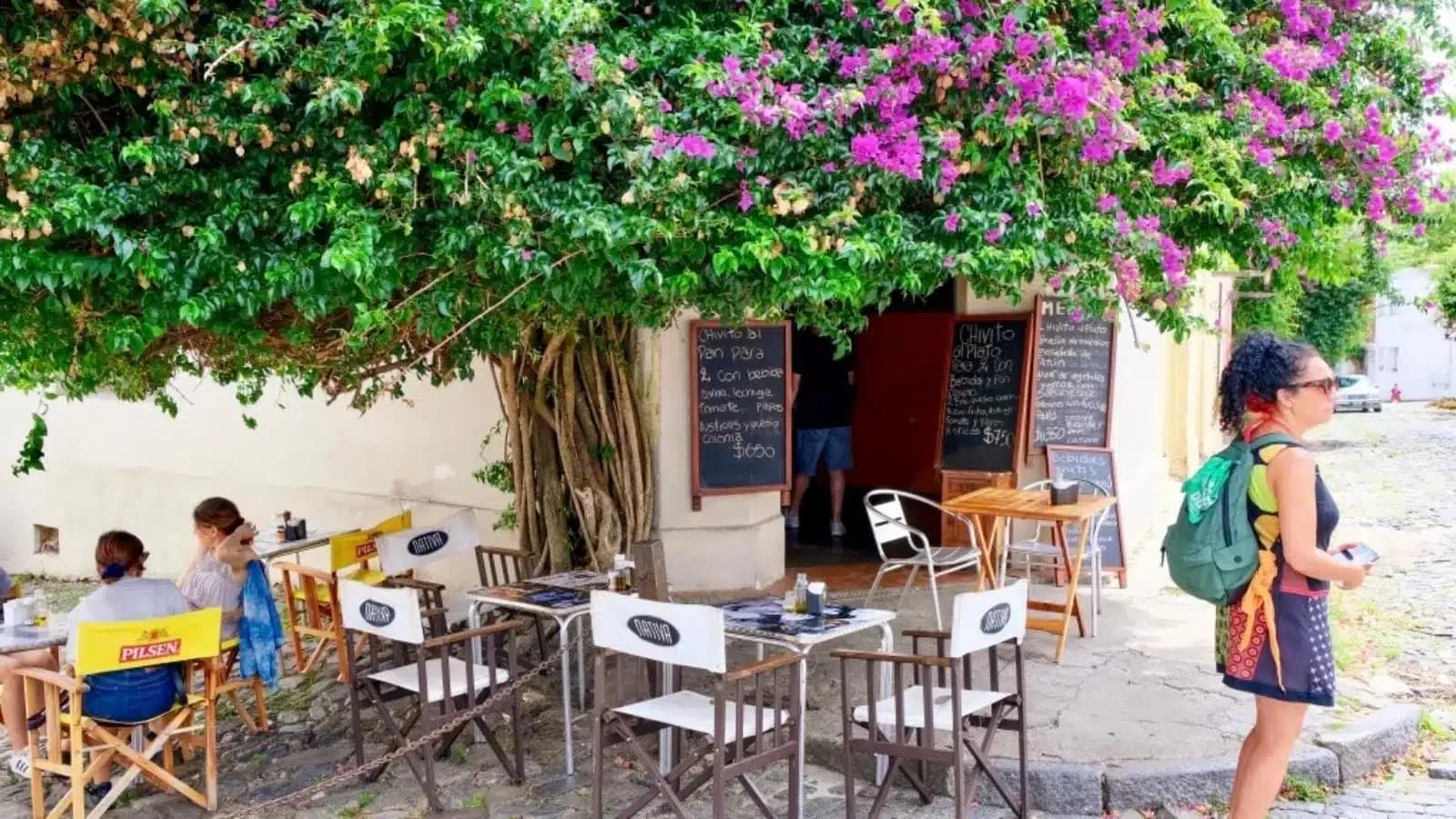
A UNESCO-listed colonial town of cobblestone streets and bougainvillea, an hour by ferry from Buenos Aires. Small, pretty, and popular with people who want quiet.

Interior
Hot springs and ranchland
Uruguay away from the coast: Salto and the river towns, hot-spring resorts, cattle country, and Argentina a bridge away across the river. Almost nobody speaks English here, services are basic, and Montevideo is a long drive south. For people who want the quiet itself, not the idea of it.
Uruguay residency questions
How does Uruguay tax my US income?
Uruguay uses a territorial system, so it taxes local income rather than your foreign pension. New residents can also claim a multi-year tax holiday on foreign investment income. You still file a US return, so talk to a cross-border tax pro.
How much income do I need to show?
There's no fixed number in Uruguayan law. In practice, officials look for roughly ,500 a month for a single applicant and about ,500 for a couple, documented and stable. An advisor can help you present it well.
Do I have to get temporary residency first?
No. Uruguay grants permanent residency directly, so there's no separate temporary visa step. The process still takes about a year, and you hold a provisional ID while it's reviewed.
Does Uruguay have a retirement visa?
Not a separate one. Retirees apply for permanent legal residency (residencia legal permanente) and prove a steady monthly income, usually from a pension, Social Security, or an annuity.
How much time do I need to spend in Uruguay?
Plan to make it your real home. Long absences can trigger a review, and the citizenship path expects roughly six months a year in the country.
Can I become a citizen?
Yes. After three years of residency if you're married, or five years if single, you can apply. You'll need conversational Spanish, and Uruguay allows dual citizenship, so you keep your US passport.
Other ways to move to Uruguay
Move to Uruguay as a Digital Nomad
Work remotely from South America's safest, steadiest country, then turn a short stay into residency.

Ready to make Uruguay home?
Expatsi has helped other retirees just like you.
Why not you?