Complete guide to moving to Latvia
Moving to Latvia: the 2026 guide for Americans, updated for the new immigration law
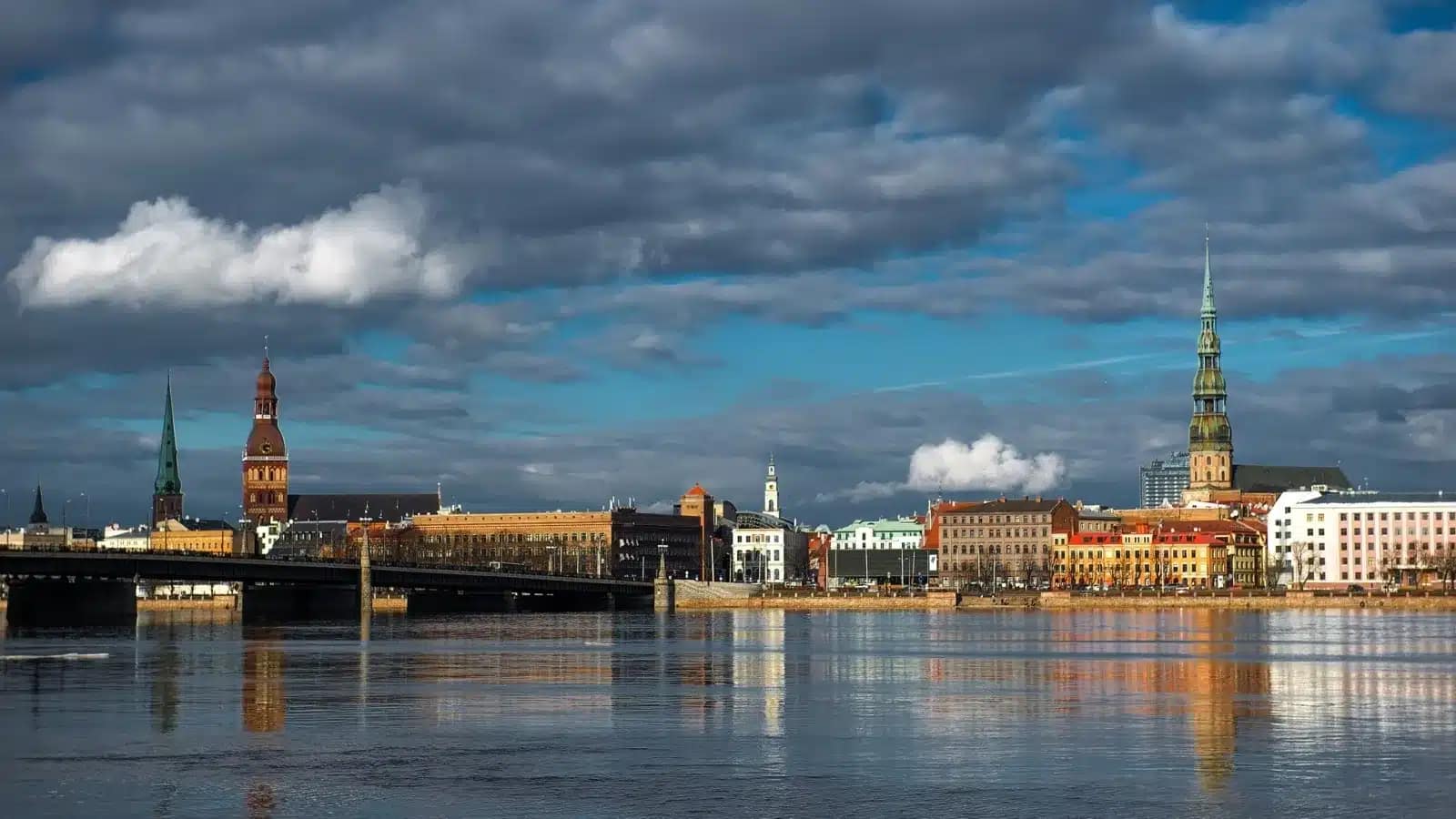
Riga's Old Town, long Baltic beaches and euro-zone living costs well under most U.S. cities. Here's who still qualifies to move, what it costs in dollars, and who can help.
Latvia rewrote its immigration law in September 2026. The property golden visa is gone and most permits got shorter, but remote workers, retirees 65 and up, students and people with Latvian roots still have clear ways in.

Reviewed and updated September 28, 2026 · 13 min read

01 · The case for Latvia
What pulls Americans to the Baltic, and what pushes back

Latvia is a small country of about 1.87 million people on the Baltic Sea, with Riga as its capital and the euro as its currency. It belongs to the EU, NATO and the Schengen Area, so a home here puts the rest of Europe within easy reach.
The everyday appeal is a calm, green, walkable life at prices well below what most Americans pay now. Riga's Old Town is a UNESCO World Heritage site, the coast is lined with sandy beaches and pine forest, and extensive forests and lakes cover the countryside. Our data puts a comfortable budget at about $1,450 a month for one person and $2,500 for a couple, housing included.
English goes further than many people expect. Latvia scores 70 out of 100 on our English proficiency measure, and it's most widespread among younger Latvians. You'll hear a lot of Russian too: in a 2021 to 2022 survey, Latvian was the mother tongue of 64.3% of residents and Russian of 37.7% (some people claim both).
It's a safe place to land. The U.S. State Department rates Latvia Level 1, "Exercise Normal Precautions," as of April 2026; our safety index puts it at 75 out of 100. Summers make up for a lot: in June, a Riga day runs close to 18 hours from dawn to dusk.
Latvia also offers a path to a second passport you don't have to trade your U.S. one for. Latvia allows dual citizenship for citizens of NATO countries, which includes the United States.
Here's the catch
Four things decide whether Latvia is a fit, and it's better to hear them now.
The rules just got stricter. A new Immigration Law took effect on September 15, 2026. It closed the residence route for property buyers, cut new local-job permits to up to one year, and trimmed investor permits to up to two. Starting December 31, 2027, permit holders will also have to learn Latvian and take a course on Latvian history and culture. Renewals must already be filed in Latvian.
Local paychecks are small. Average gross pay was about $2,090 a month in early 2026 (€1,831), and the minimum wage is about $890 (€780). Latvia works best when your money comes from outside the country: a remote job, a pension, or savings.
Winters are long and dark. Riga averages about -3°C (27°F) in January, and daylight shrinks to roughly seven and a half hours.
It's a trek from the U.S. There's no nonstop service between New York and Riga. Every trip home includes a connection, plus the American community is small.
If those don't scare you off, the rest of this guide covers costs, the routes that still work, healthcare and taxes, where people settle, and who can do the paperwork with you.
- Cost of living (single)
- $1,450/mo
- Safety index
- 75/100
- English proficiency
- 70/100
- Internet speed
- 80 Mbps
- Capital
- Riga
- Currency
- Euro (EUR)
02 · The numbers
Monthly costs in Latvia, in dollars
$1,450
One person, per month
comfortable, housing included
$2,500
Couple, per month
comfortable, housing included
$4,150
Family, per month
housing included
$450
One-bedroom rent, city center
$350 outside the center
$14
Simple meal out
one person
$35
Monthly transit pass
public transit
$20
Home internet, monthly
reliable connections
75/100
Safety index
State Dept. Level 1
Those numbers come from our 2026 cost data, and they're all in U.S. dollars. The biggest difference from home is housing. At about $450 for a central one-bedroom, rent eats a far smaller share of a budget than it does in most American cities, which is why a couple can live comfortably on $2,500 a month. Riga is the exception: a central one-bedroom there runs closer to $850.
Keep local pay in mind, though, because prices follow it. Riga pays the most in the country, with average gross pay of about $2,290 a month in early 2026 (€2,011), while the eastern Latgale region averaged about $1,470 (€1,287). Rents and restaurant prices in Riga and the seaside town of Jūrmala run higher than in smaller towns, so your budget stretches further the farther you get from the capital.
Latvia uses the euro, so your costs move with the exchange rate. The dollar figures in this guide use the European Central Bank's rate of $1.1403 per euro from September 25, 2026. A few cents' swing either way changes a fixed-income budget more than people expect. A currency service like Moneycorp can lock in a rate and schedule transfers so you're not paying bank spreads every month.
One money rule shapes everything else. Latvia sets its visa and permit thresholds in euros and updates many of them every year, since they're pegged to the minimum wage or to the average salary. Check the current figure before you apply, not the one you read last spring.
Where the budget meets the visa rules
The remote work visa asks for about $4,800 a month in income, nearly double what our data says a couple needs to live comfortably. Remote workers who qualify tend to have room to spare. The pensioner route is the opposite: its 2026 floor of about $1,400 a month sits just under our $1,450 single budget, so a retiree at the minimum will be living tight. Plan on more than the floor.
03 · Routes that still work
Your way in after the September 2026 rewrite
Latvia doesn't have a single catch-all visa for Americans. Start with where your income comes from, then read only the route that matches. All figures below are as of September 2026.
Remote workers: the long-stay visa for remote work
If you work for a company registered in an OECD country (the U.S. counts) or you're self-employed and registered in one, you can ask for a one-year long-stay visa to work from Latvia. The income floor is 2.5 times Latvia's average gross salary: about $4,800 a month (PMLP, the immigration office, lists it at €4,213). You'll need health insurance with at least about $48,600 (€42,600) of coverage, and employees need proof they've already worked for their employer for a while. The visa fee is about $100 (€90). The big limit: you can't take a job with a Latvian employer. When Latvia approved the rules in 2022, the government said holders could request a repeat visa for another year. It's a visa, not a residence permit, so ask an advisor before you count that time toward permanent residence.
Retirees 65 and up: the pensioner residence permit
Latvia has a residence permit for pensioners from visa-free countries, which includes the U.S. You need to have reached Latvia's retirement age, which is 65 as of 2025, and show enough income. PMLP's 2026 table sets pension-based applicants at double the average old-age pension, about $1,400 a month (€1,231); an older PMLP page still shows €784, so confirm the current figure. Under the new law, these permits run two years at a time. If you're under 65, this door isn't open yet, and Latvia has no general passive-income visa to fall back on.
Taking a Latvian job: work permit or EU Blue Card
A Latvian employer has to register the vacancy with the State Employment Agency for at least 10 working days before hiring you. For a standard work permit, your salary must be at least double the average gross wage, about $4,140 a month (€3,630). EU Blue Card holders need about $3,100 (€2,723), or about $2,480 (€2,178) in shortage occupations. You'll enter on a D visa and switch to a residence permit. The new law cut new local-job permits to up to one year, so expect yearly renewals.
Investors: only the company route is open
The property golden visa ended on September 15, 2026, along with the bank route. What's left is a company investment: about $57,000 (€50,000) in a smaller company that pays at least €40,000 a year in taxes, or about $114,000 (€100,000) in one paying at least €100,000, plus a state payment of about $11,400 (€10,000). No more than 10 foreigners can use one company, and permits last up to two years. A new state fund route of about $171,000 (€150,000) exists in the law, but the funds haven't been created yet. If you already hold an investor permit, it stays valid while the original conditions hold, and renewals carry a payment capped at about $5,700 (€5,000) in total.
Students: a D visa, and your family can come
Some Latvian universities teach full degrees in English. At Riga Stradiņš University, 2026 to 2027 tuition is about $15,400 a year (€13,500) for Medicine and about $3,800 (€3,300) for its international business bachelor's. Under the new law, only students from NATO countries, Americans included, or doctoral students can bring family.
Latvian roots: citizenship by descent
If a parent or grandparent left Latvia during the 1940 to 1990 occupation, you may be able to register as a Latvian citizen outright, as long as you were born by October 1, 2014. The Latvian Embassy in Washington lists the documents U.S. applicants need, and you can keep your U.S. passport.
The long game: permanent residence and a passport
Permanent residence takes at least five years on a temporary residence permit, and the application must be in Latvian. Naturalization comes five years after that, with Latvian language, constitution, anthem and history tests and a small state fee (€28.46). Because the U.S. is a NATO member, you won't have to give up your American citizenship.
Long-stay (National) Work Visa (D)
For a local job, with the employer doing the first step
Your employer registers the vacancy first; you enter on a D visa and switch to a residence permit. New permits now run up to one year.
- Valid US passport
- Work permit issued by Latvian authorities
- Employment contract
Long-stay (National) Student Visa (D)
English-taught degrees, and room for your family
For a degree at a Latvian university. As NATO citizens, Americans can bring family members under the new law.
- Valid US passport
- Letter of acceptance from a Latvian educational institution
- Proof of financial means
04 · The practical side
Doctors, taxes, bank accounts and getting there

The questions every American asks once the visa is sorted, with the new rules folded in.
Healthcare
Latvia's state-funded system covers people with permanent residence permits, plus EU citizens who work or live there. Americans start on a temporary permit, so plan on private health insurance for your first years; the remote work visa, for one, requires coverage of at least €42,600 (about $48,600). Once you're covered by the state system, a family doctor is your entry point and writes referrals to specialists. The emergency number is 113. Expatsi's health insurance partner ExpatInsure can set up the private policy your application needs, and healthcare coach Hunter Schultz can help you judge hospitals and plan care for any conditions you're bringing with you.
Taxes
Latvia treats you as a tax resident after 183 days in any 12-month period, or if your declared home is there, and residents pay Latvian tax on worldwide income. In 2026 the rate is 25.5% on income up to about $120,000 (€105,300) and 33% above that, with an extra 3% over about $228,000 (€200,000). The U.S. still taxes you as a citizen, but a U.S.-Latvia tax treaty and foreign tax credits are designed to keep you from paying twice on the same income. The gap to watch: there's no Social Security agreement between the two countries, so self-employed people and those working abroad for a U.S. company can end up paying into both systems. You'll also file an FBAR if your foreign accounts pass $10,000 combined. MyExpatTaxes handles U.S. filings from abroad, and Beacon Global Advisors keeps 401(k)s, IRAs and investment accounts working once you're a non-resident.
Banking
The main banks are Swedbank, SEB, Citadele and Luminor. As a non-EU citizen, expect to visit a branch in person, bring your residence permit or D visa, and answer questions about where your money comes from and what the account is for. That's standard anti-money-laundering practice, not a red flag, so have pension statements or pay stubs ready.
Getting there and staying legal
Americans can visit visa-free for up to 90 days in any 180-day period, which is plenty of time to scout. The EU's Entry/Exit System has been fully running since April 10, 2026, and it logs every border crossing, so overstays show up. ETIAS, the EU's travel authorization costing about $23 (€20), isn't operating yet; once it starts, it'll be valid for three years. There are no nonstop flights from New York, so plan on connecting through another European city.
Written in September 2026, days after the law changed
Latvia's new Immigration Law took effect on September 15, 2026, and some pieces are still being filled in: the state investment funds don't exist yet, and the language and culture course starts December 31, 2027. Income floors also reset each year. Everything here reflects the rules as of September 2026, so confirm them with a licensed professional before you file.

05 · Finding your spot
Riga first, then the coast and the forest towns
Riga is the natural first stop. It's the capital and biggest city, with the most jobs, the country's main airport and the highest pay. Rent in the center runs higher than in the outer neighborhoods, which are a tram or bus ride away.
Jūrmala is Riga's seaside resort, a strip of sandy beach and pine forest close enough to commute, with higher rents to match. Sigulda sits beside Gauja National Park and suits people who want castles, hiking trails and a slower pace within reach of the capital. Liepāja, on the western coast, has beaches and a lively music and arts scene. Daugavpils, the second-largest city, sits in the southeast and is known for affordable living.
We're still building our Latvia city guides. As each one goes live, it'll show up right below with local costs and scores.
Latvia city guides
Where to live in Latvia

Riga
Art Nouveau capital
For people who want a big, walkable Baltic capital with a UNESCO Old Town and a famous Art Nouveau district. The Central Market in its old zeppelin hangars is the weekend ritual, and the beaches of Jūrmala are a short train ride away. The catch is the long grey winter and no nonstop flight to the U.S.

Jūrmala
Seaside resort town
A long strip of beach towns for people who want pine forest and sand within easy train reach of Riga. Jomas iela, the wooden-villa main street in Majori, is the center of the summer scene. The catch is that it empties out in winter, and the long, thin layout means a car or the train for most errands.
Liepāja
Windy coast city
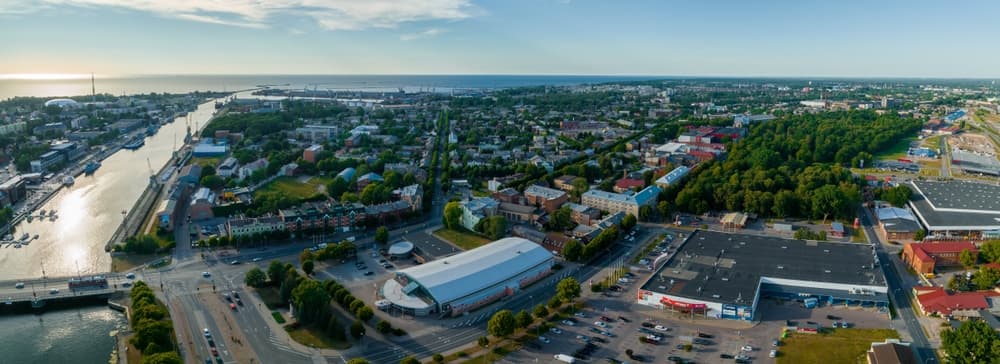
A port city on Latvia's west coast for people who want a wide sandy beach, a rock-music heritage, and a small-city price tag. Locals call it the city where the wind is born, and the Karosta naval district is the quirky draw. The catch is distance, with Riga about three hours away, and gray, windy winters.

Sigulda
Gauja valley town
A small town for outdoors people, set in Gauja National Park with castle ruins, a bobsled track, and a cable car over the valley. Riga is about an hour away by train. The catch is that it's tiny and quiet in the off-season, and anything beyond groceries means the train or a car.
06 · Your move team
The people to call before you file anything
A brand-new immigration law is exactly when a second pair of eyes pays off. These Expatsi-vetted partners cover the parts of a Latvia move that trip people up: insurance for your permit, taxes on both sides of the Atlantic, moving money, bringing pets, and settling into a new culture.
None of them will tell you Latvia is right for you. They'll help you find out, and do the hard parts once you've decided.

Hunter Schultz
Healthcare Coach
A healthcare coach with more than 20 years of expat living and a background in air medical transport. His one-hour consultation maps out the care you'll need abroad, including mental health and family needs.
Learn more
ExpatInsure
Global Health Insurance
Expatsi's international health insurance partner, led by Andy Seale and Stephanie Edwards. They match you with the private plan a Latvian permit application calls for.
Learn more
MyExpatTaxes
U.S. Expat Tax Service
Online software built for Americans abroad, filing U.S. expat returns since 2018, and it takes on complex cases too.
Learn more
Beacon Global Advisors
Financial Planning
Private wealth management for U.S. citizens living overseas. They keep 401(k)s, IRAs and investment accounts accessible and compliant after you leave the U.S.
Learn more
Moneycorp
Currency Exchange
A currency and international payments firm dating to 1979. Each client gets a dedicated specialist, and rates can be locked for up to two years, which helps when your budget is in dollars and your rent is in euros.
Learn more
Starwood Pet Travel
Pet travel and transport
International moves for dogs and cats, handled end to end: health certificates, USDA endorsements, crate rules and airline booking.
Learn more
Culturosity Co.
Cultural Skills Coach
Intercultural coaches Jennifer and Janka run one-on-one sessions and workshops on adapting to a new culture, useful in a country that will soon expect newcomers to learn its language and history.
Learn more
Sovereign Roots
Citizenship by Ancestry
Citizenship-by-descent consultants for Canada and Europe who help families secure second passports through their ancestry.
Learn more
Skola
Studying Abroad in Europe
An advisory service that helps Americans find affordable, English-taught degree programs in Europe, then works through visas and the move.
Learn more07 · Quick answers
Latvia move questions, answered
Do I have to learn Latvian to live in Latvia?
Not to get started, but it's coming. First residence applications can be filed in English, while renewals and permanent residence applications must be in Latvian. From December 31, 2027, permit holders will have to learn Latvian and take a course on Latvian history and culture. Naturalization also requires a Latvian language test. Day to day, English is widely spoken among younger Latvians.
Can Americans still get Latvian residency by buying property?
No. Latvia's new Immigration Law, in force since September 15, 2026, removed the residence permit for real estate buyers and for bank-deposit investors. Investors can still qualify by putting about $57,000 (€50,000) or about $114,000 (€100,000) into a Latvian company that pays enough tax each year, plus a state payment of about $11,400 (€10,000), for a permit of up to two years.
Do Americans need a visa to visit Latvia?
No, not for short trips. U.S. citizens can stay visa-free for up to 90 days in any 180-day period across the Schengen Area. Border crossings are logged by the EU's Entry/Exit System. Once the EU launches ETIAS, Americans will also need that online travel authorization, which costs about $23 (€20) and lasts three years. Staying longer requires a long-stay visa or residence permit.
Is Latvia safe for Americans?
Yes. The U.S. State Department rates Latvia Level 1, "Exercise Normal Precautions," its lowest advisory level, as of April 2026. Expatsi's safety index scores the country 75 out of 100. The usual big-city care applies in busy tourist areas of Riga, and the emergency number for medical help is 113.
Can I keep my U.S. citizenship if I become a Latvian citizen?
Yes. Latvia allows dual citizenship for citizens of NATO member countries, and the United States is one, so Americans who naturalize or register through Latvian ancestry don't have to give up their U.S. passport. Naturalization generally takes five years of permanent residence, which itself takes five years on a temporary permit.
How much does it cost to live in Latvia?
As of 2026, Expatsi's cost data puts a comfortable life in Latvia at about $1,450 a month for one person, $2,500 for a couple and $4,150 for a family, housing included. Riga and the seaside town of Jūrmala cost more than smaller towns. Local pay is modest, so the move works best with income from outside the country.
Does Latvia have a digital nomad visa?
Yes. Latvia issues a one-year long-stay visa for remote work to people employed by a company registered in an OECD country, including the U.S., or self-employed and registered in one. As of 2026 you need income of at least 2.5 times Latvia's average gross salary, about $4,800 a month (the immigration office lists €4,213), plus health insurance. You can't take a job with a Latvian employer on this visa.
Can I retire in Latvia as an American?
Yes, if you're at least 65. Latvia offers a residence permit to pensioners from visa-free countries, including the U.S., who have reached its retirement age (65 as of 2025) and have enough income. The immigration office's 2026 table sets pension-based applicants at about $1,400 a month (€1,231). Under the new law the permit runs two years at a time. There's no general passive-income visa for people under 65.
Sources
- New Immigration Law Takes Effect: Key Changes and Regulations · Office of Citizenship and Migration Affairs (PMLP) (checked September 2026)
- Latvia's Property Golden Visa Ends on 15 September 2026 · Lex & Finance (checked September 2026)
- The new Immigration Law in Latvia · COBALT (checked September 2026)
- Obtaining a long-stay visa for remote work · PMLP (checked September 2026)
- If you are a pensioner of a visa-free country · PMLP (checked September 2026)
- The necessary subsistence (2026 amounts) · PMLP (checked September 2026)
- Requesting Latvian citizenship · Embassy of Latvia to the USA (checked September 2026)
- Naturalisation · PMLP (checked September 2026)
- Latvia: Taxes on personal income · PwC Worldwide Tax Summaries (checked September 2026)
- US-Latvia expat tax guide · MyExpatTaxes (checked September 2026)
- Where to obtain medical assistance · National Health Service of Latvia (checked September 2026)
- Gross salary at 1 831 euro in Q1 2026 · Official Statistics Portal of Latvia (checked September 2026)
- Latvia Travel Advisory · U.S. Department of State (checked September 2026)
- ETIAS and the Entry/Exit System · European Union (checked September 2026)
- Euro foreign exchange reference rates: US dollar · European Central Bank (checked September 2026)
- Cost of living and country data for Latvia · Expatsi (checked September 2026)
Find out if Latvia fits the life you want
Take the free Expatsi Test and see how Latvia stacks up against other countries on cost, healthcare, climate and safety.
Why not you?