Complete guide to moving to The Bahamas
Moving to The Bahamas: the 2026 guide for Americans
No income tax, English everywhere and the same clock as the East Coast. Here's what it costs, which permit actually lets you stay, and the parts of island life nobody puts in the brochure.
Residency routes with the real fees, a monthly budget from our data, and the catches (power bills, hurricanes, a suspended remote-work permit) you'll want to know before you sign a lease.

Reviewed and updated September 27, 2026 · 13 min read
01 · The honest pitch
No income tax, East Coast hours, and a price tag to match
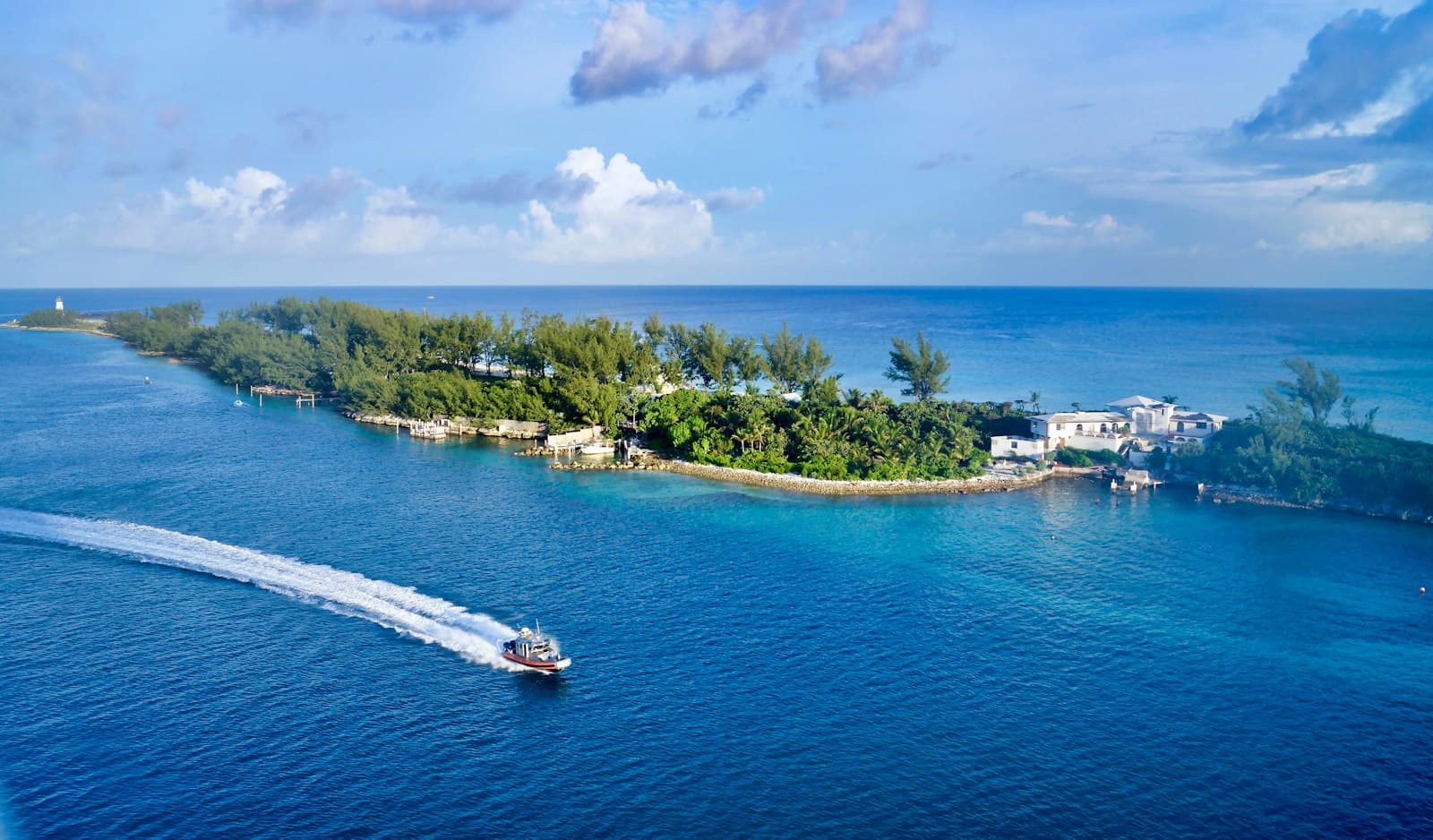
The Bahamas pulls in a specific kind of American: someone who wants warm water and a slower pace without learning a new language, switching time zones, or giving up quick trips home. It delivers on all three. The question is whether your budget and your plans for work fit what the country allows.
Start with geography. The Bahamas is a chain of more than 700 islands and cays in the Atlantic, with about 413,400 people, most of them on New Providence, the island that holds Nassau. English is the official language and the everyday one. The islands keep the same clock as the U.S. East Coast, so a call with your family in Atlanta or a meeting in New York happens at a normal hour.
Getting home is unusually easy. Nassau's Lynden Pindling International Airport has U.S. Customs and Border Protection preclearance, which means you clear U.S. immigration and customs before you board. When you land in Miami or Charlotte, you walk off the plane like a domestic passenger and head straight to your connection.
The money side is the other big draw. The Bahamas doesn't have personal income tax, so salaries, pensions, dividends, interest and rent aren't taxed as income there. The Bahamian dollar is pegged one to one with the U.S. dollar, so there's no exchange-rate math on your Social Security check. The government raises money through a 10% VAT, import duties and property tax instead, which is part of why daily life costs what it does.
Day to day, life here runs on boats, beaches and small communities. Outside Nassau and Freeport, the Family Islands are quiet places with small towns and long stretches of empty coast. If you love the water (fishing, sailing, diving, or just a porch that faces the ocean), that's the whole appeal.
Here's the catch
The Bahamas is a wonderful place to live and a demanding place to move to. Four things rule it out for a lot of people.
First, it's expensive. Our data puts a comfortable budget for a couple at about $4,650 a month as of 2026, and electricity alone runs roughly 33 to 39 cents per kWh. If you're hoping to stretch a modest Social Security check, your money will go further in plenty of other places.
Second, you can't work locally without a work permit, and work permits are built to protect Bahamian jobs. Most roles need a labor certificate and newspaper ads before a foreigner can be considered. Visitors and annual residents aren't allowed to take a job.
Third, there's no digital nomad visa right now. The BEATS remote-work permit has been suspended since January 2022, and nothing has replaced it. If your plan is to keep your U.S. job and log in from Exuma, the legal path is murky.
Fourth, hurricanes are real. Hurricane Dorian in September 2019 did damage and losses equal to over a quarter of the country's GDP, most of it on Abaco. Where you buy, how you build and how you insure all matter here.
If you've got retirement income or savings that can carry island prices, and you're fine not working locally, keep reading. The rest of this guide covers the costs, each legal way to stay, healthcare and taxes, and where people settle.
- Cost of living (single)
- $2,750/mo
- Safety index
- 65/100
- English proficiency
- 100/100
- Internet speed
- 60 Mbps
- Capital
- Nassau
- Currency
- Bahamian Dollar (BSD)
02 · The numbers
A Bahamas budget, line by line (2026)
$4,650
Monthly budget, couple
comfortable, all in
$2,750
Monthly budget, single
comfortable, all in
$9,100
Monthly budget, family
housing included
$1,200
Rent, one-bedroom
same in and out of center
$30
Inexpensive meal out
restaurants charge 10% VAT
$96
Home internet, monthly
about 60 Mbps
33-39¢
Electricity per kWh
about $4,800 a year per home
$45
Monthly transport
public transit is limited
Where the money goes, and the bill that surprises people
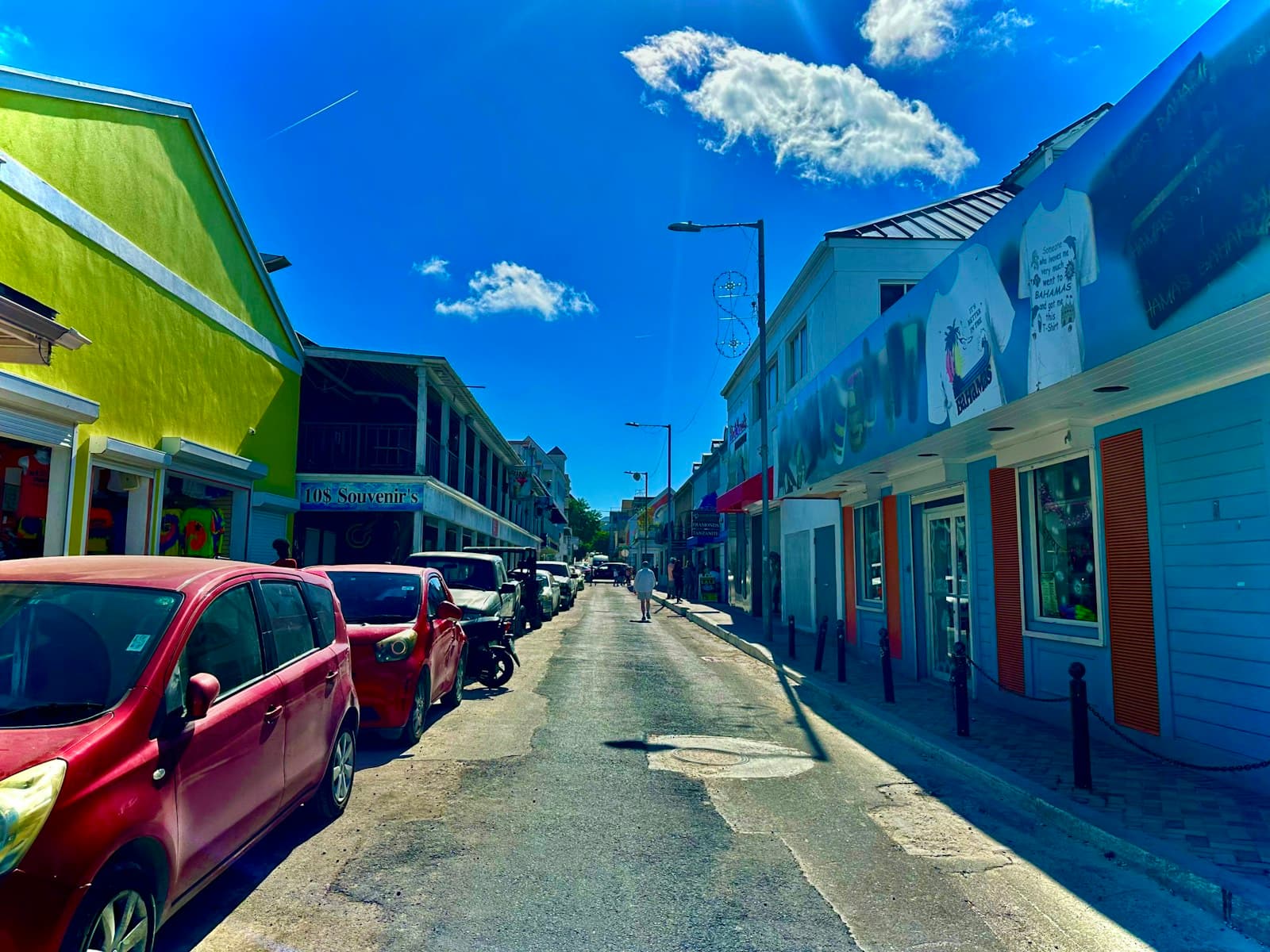
As of 2026, our data puts a comfortable life in The Bahamas at about $4,650 a month for a couple, $2,750 for a single person and $9,100 for a family with kids. Those are island prices. The Bahamian dollar trades one to one with yours, so the figures on your bank statement are the figures you'll see at the register.
Housing is the first big line. A one-bedroom rents for about $1,200 a month in our data, and that number doesn't drop much when you move away from the center. On the islands themselves, the range is wide: our country data shows Nassau one-bedrooms from about $1,200 to $2,000, Marsh Harbour and George Town from about $700 to $1,200, and Harbour Island's Dunmore Town from about $1,500 to $2,500.
Electricity is the line that catches newcomers. An Inter-American Development Bank report found all-in residential power costs of 33.3 to 38.8 cents per kWh, or roughly $4,800 a year for the average household, with fuel making up about half the bill. Air conditioning a large house year-round adds up fast, which is why people ask about solar, insulation and ceiling fans before they ask about the view.
Groceries got a break in April 2026. Unprepared food sold in food stores (fresh meat, fish, fruit, vegetables, frozen goods and baby food) is now exempt from VAT. Restaurant meals still carry the full 10%, and a simple meal out runs about $30 in our data. Much of what's on the shelves is imported, so the price of anything packaged reflects shipping and duties.
The smaller lines are more familiar. Home internet runs about $96 a month for around 60 Mbps, and transport averages about $45 a month in our data, though most residents drive. Public transit is limited; on the Family Islands a car, a golf cart or a boat is how you get around.
Why your savings matter more than your income here
The Bahamas doesn't publish an income floor for its annual residence permit; immigration asks for bank statements showing a range of funds. Permanent residence is tied to a $1 million investment. So the realistic question isn't what you earn each month but what you can show in the bank and whether you'll buy property. That shapes every path below.
03 · Legal ways to stay
Four ways to stay longer than a vacation
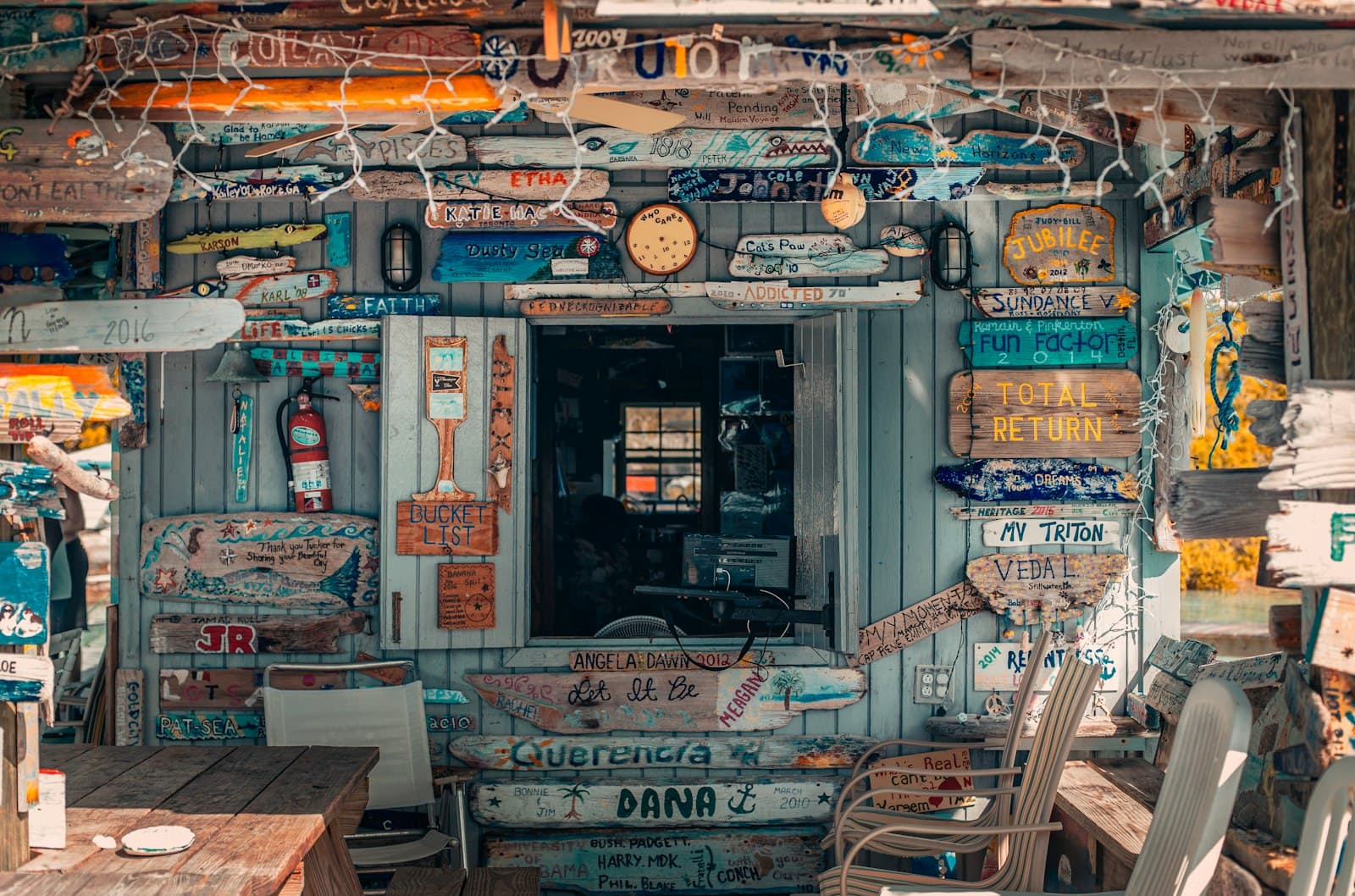
The Bahamas doesn't sort foreigners by lifestyle labels like retiree or nomad. It sorts them by status: visitor, annual resident, homeowner, permanent resident or worker. Match your situation to the right one, and remember that none of the non-work statuses let you take a Bahamian job.
Testing the waters: the eight-month visitor stay
Americans don't need a visa to visit. As a bona fide visitor, you can be granted up to eight months. Longer stays need permission from the Department of Immigration. That's generous enough for a full winter season and a useful way to scout islands before committing. The limit that matters is work: visitors can't engage in any gainful occupation while in the country.
Retiring or living on savings: the annual residence permit
This is the route for Americans who want to live in The Bahamas without investing $1 million. The government fee is $3,000 a year (the Bahamian dollar trades one to one with the U.S. dollar), plus $300 a year for each dependent, per the 2026 fee scale. Permits are usually issued for one to three years and can run up to five. You'll show financial support with statements from your bank but no fixed minimum is published, so a local attorney's read on what's enough is worth paying for. The permit doesn't give employment rights.
Owning a second home: the Home Owner's card
If you own a habitable home in The Bahamas and a primary residence back in the U.S., you can apply for a Home Owner's card under the International Persons Landholding Act. The processing fee is $200, and you'll need your deed, your landholding certificate, proof your property tax is paid, and proof of your home in the States. One quirk: first-time applicants shouldn't be in the country while the application is processed. It suits snowbirds who split the year rather than full-time movers.
Investing $1 million: economic permanent residence
Permanent residence is the closest thing The Bahamas has to a golden visa. As of January 2025, the minimum investment is $1 million (up from $750,000), in real estate or zero coupon bonds from the Central Bank of The Bahamas, held for at least 10 years. On top of that come government fees of $20,000, or $25,000 if you want the right to work in your own business, plus a $200 processing fee. Every U.S. document needs an apostille and authentication by the Bahamian Ministry of Foreign Affairs, and processing takes several months. The payoff is a certificate that lasts for life unless revoked.
Taking a job: the work permit
A Bahamian employer can hire you, but the system is built to put Bahamians first. Most positions need a labor certificate and three days of newspaper ads before a permit is considered, though top-level roles are exempt. Annual permit fees run from $500 to $16,275 depending on the job's scale, after a 2026 increase at the top. Expect 8 to 12 weeks once the file is complete.
What about remote work?
The Bahamas had a remote-work permit, BEATS, that allowed up to a year of living there while working for a foreign employer. It's been suspended since January 2022, but no replacement has been confirmed as of 2026. Old promotional pages still circulate, so don't plan around them. If you intend to work remotely while living there, get written advice from a Bahamian attorney first.
And citizenship?
Naturalization is discretionary, and adults who naturalize generally have to give up their existing nationality. For most Americans, that makes permanent residence the realistic finish line, not a Bahamian passport.
Visitor stay
Up to eight months for Americans, no visa needed. Good for scouting islands. No local work of any kind.
Annual residence permit
A route for retirees and people living on savings. $3,000 a year plus $300 per dependent (2026). No work allowed.
Economic permanent residence
A $1 million investment in real estate or Central Bank bonds, held 10 years, plus $20,000 to $25,000 in fees (2026).
Work permit
Employer-backed, with a labor market test for most roles. $500 to $16,275 a year depending on the job (2026).
Bahamas visa pages on Expatsi
| Visa | Category | Application cost | Processing | Difficulty | Guide |
|---|---|---|---|---|---|
| Annual Residence Permit (Permit to Reside) | residency | $3,200 | 1 year, renewable annually | 3/5 | Guide |
| Annual Work Permit | skilled work | — | Up to 1 year, renewable; permanent residence possible after long periods on work permits (10-20+ years depending on scale) | 4/5 | Guide |
| Economic Permanent Residence (Investor) | investment | $20,200 | Permanent (for life unless revoked); qualifying investment must be held at least 10 years | 5/5 | Guide |
04 · Life on the ground
Doctors, taxes, banks, storms and safety
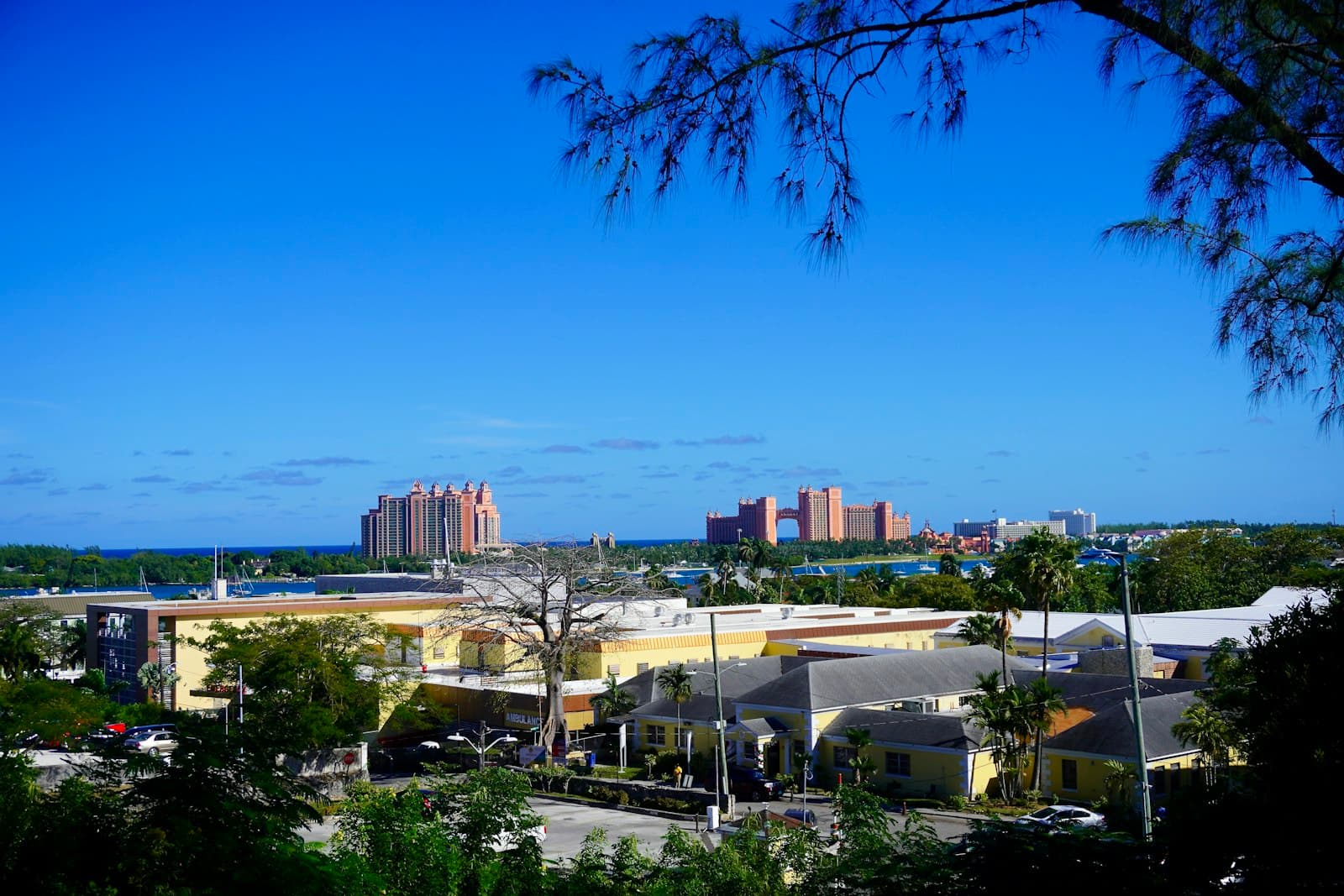
The practical questions Americans ask most, with the answers that change your budget or your plans.
Healthcare
Care in Nassau is solid, and many Bahamian doctors trained in the U.S., Canada or Europe. Princess Margaret Hospital is the public referral hospital, Rand Memorial serves Grand Bahama, and Doctors Hospital in Nassau is the only privately owned hospital in the country with international accreditation. Legal residents with a National Insurance Board card can enroll in National Health Insurance, but it covers primary care only: no hospital stays, surgery, emergency care, scans, pharmacy or childbirth. Private medical bills also carry 10% VAT. On the Family Islands, clinics are small, and serious cases get flown to Nassau, Freeport or Florida by air ambulance. That's the real planning point: carry international coverage that includes medical evacuation. Hunter Schultz, our healthcare coach, spent years in air medical transport and can help you decide what coverage your island needs, and ExpatInsure can quote the plan.
Taxes
The Bahamas doesn't tax personal income, and that's a big deal. The U.S. still taxes its citizens wherever they live, though, so you'll keep filing a U.S. return every year; MyExpatTaxes handles that from abroad. The Bahamian taxes you'll feel are VAT at 10% on most things and property tax. If you buy, foreign buyers pay 10% VAT on the conveyance, usually split with the seller. Each year, non-Bahamian owners of a home (four units or fewer) pay a flat $300 on the first $75,000 of value and 0.625% above that, while vacant land is taxed at 2% above the first $7,000. Pay in full by March 31 and you get a 10% discount.
Banking
As a U.S. citizen, you can open a Bahamian account as a resident or a non-resident. Expect to bring your passport, a second ID, proof of address and a bank reference or recent statement, and to meet a minimum deposit that ranges from B$150 to B$10,000 depending on the account. Because the currency is pegged to the dollar, you can keep most of your money in U.S. accounts and move over what you need for local bills.
Safety
As of July 2026, the U.S. State Department rates The Bahamas Level 2, exercise increased caution. The warnings focus on Nassau and Freeport, particularly the Over the Hill area south of Shirley Street in Nassau, where gang violence has killed residents. The advisory also flags poorly maintained rental watercraft. Our safety index gives the country 65 out of 100.
Hurricanes
Hurricane season is the price of the scenery. Dorian hit Abaco and Grand Bahama in September 2019 and caused about $3.4 billion in damage and losses, with Abaco taking 87% of them. Check a home's elevation and build quality, budget for windstorm insurance, and have a plan for leaving before a storm, not after.
Getting around
Bahamians drive on the left. You can use your U.S. license for up to three months after arrival, then you'll need a Bahamian one.
Pets
Dogs and cats need to be more than six months old, with a rabies shot given no less than a month and (for a one-year vaccine) no more than 10 months before arrival, plus a vet certificate issued within 10 days of travel. Starwood Pet Travel can handle the paperwork and flights.
This guide is dated on purpose
The Bahamas passed immigration and fee amendments with its 2026/2027 budget, raised the permanent residence investment to $1 million in January 2025, and took VAT off groceries in April 2026. Everything here reflects the rules as of September 2026. Fees and requirements can change with little notice, so confirm the current version with a Bahamian attorney before you file anything.
05 · Picking an island
Nassau, Freeport or the Family Islands
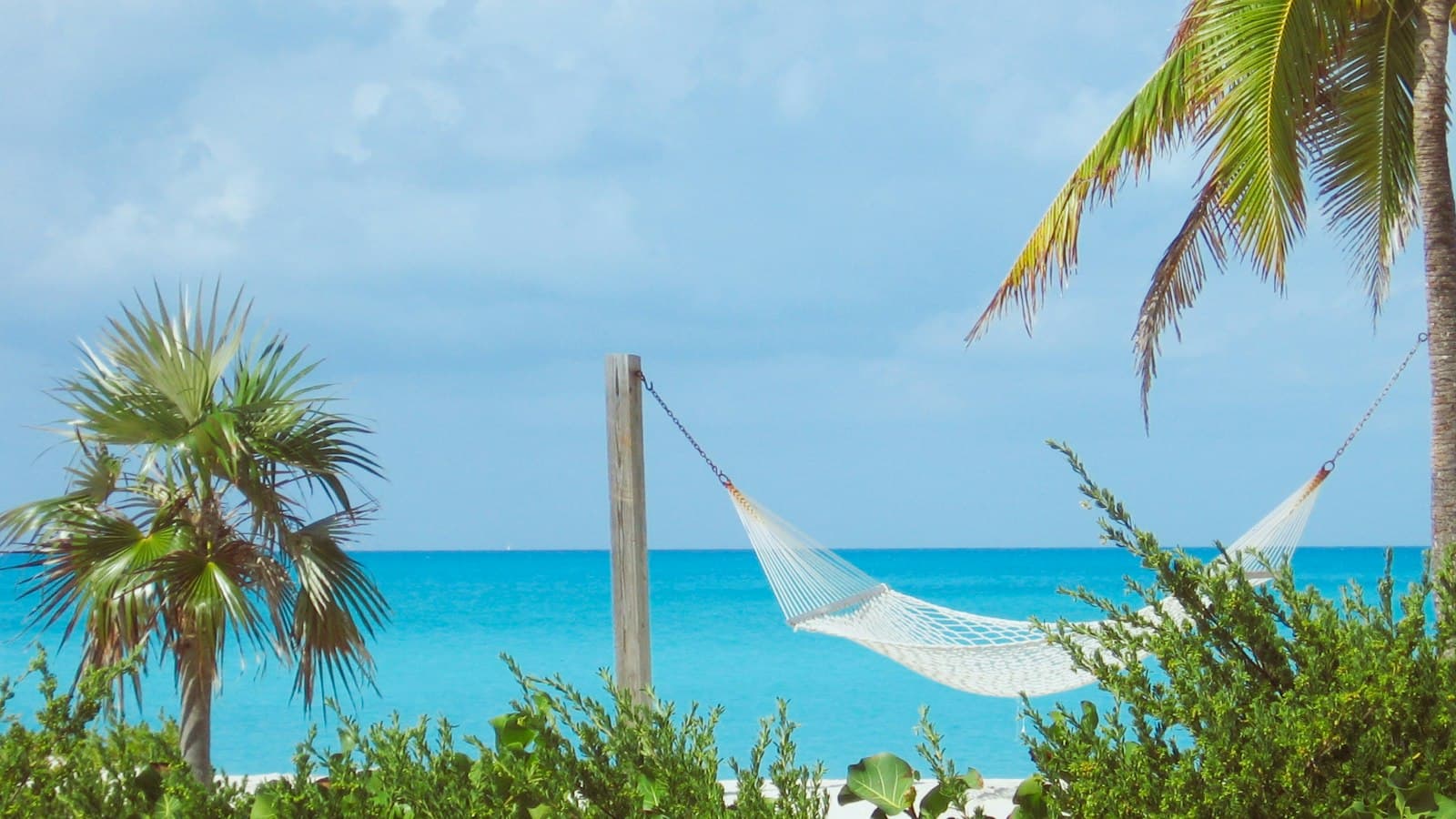
Choosing where to live in The Bahamas is really choosing a trade-off between convenience and quiet.
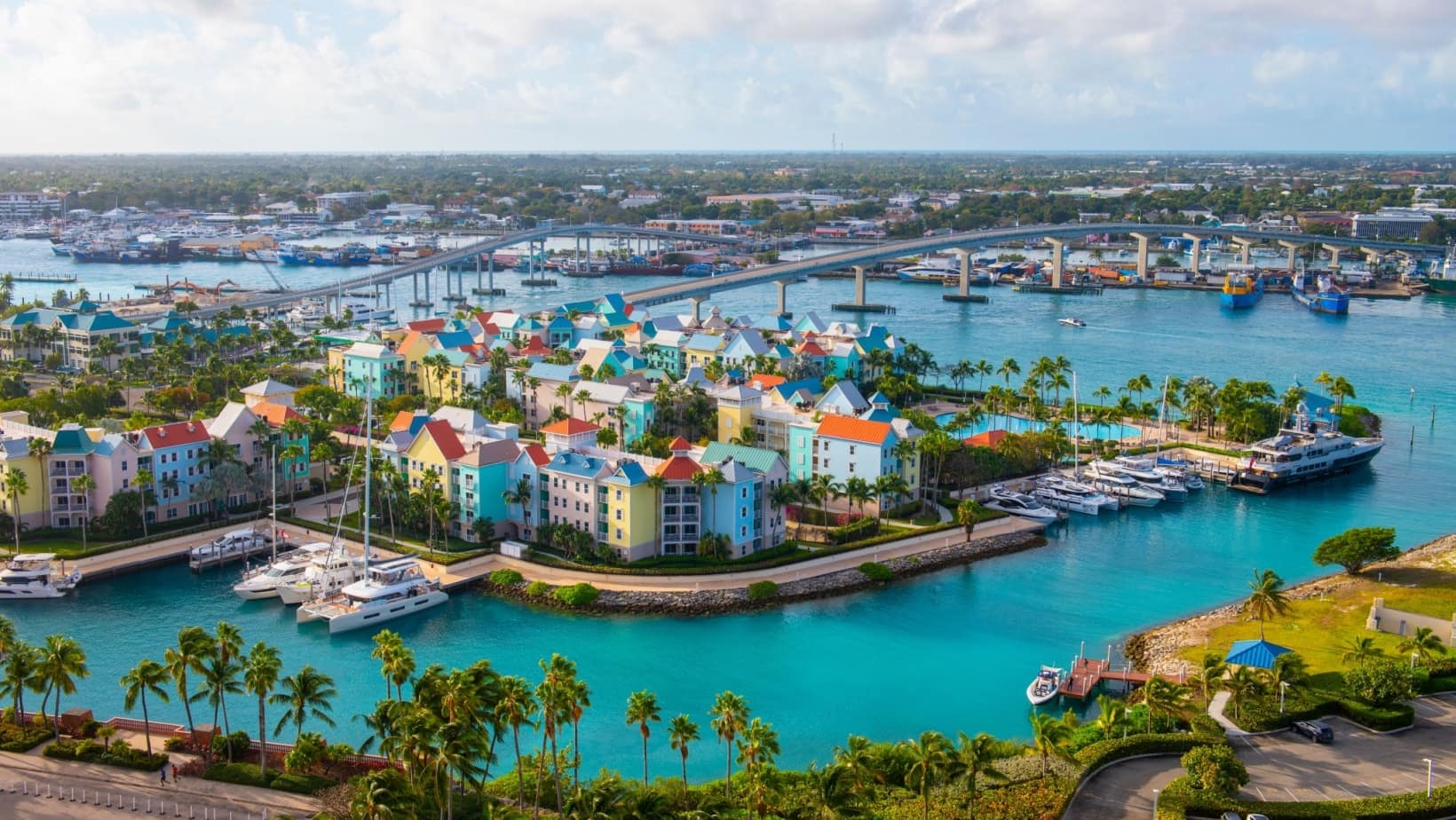
Nassau, on New Providence, is where most people live and where the services are: Doctors Hospital, the big grocery stores, the preclearance airport, restaurants and schools. It's also where rents run highest and the safety warnings concentrate. Freeport, on Grand Bahama, is quieter with more modest rents, about $800 to $1,500 for a one-bedroom in our data, and its own hospital.
The Family Islands are the postcard. Marsh Harbour on Abaco and George Town on Great Exuma are boating towns with rents around $700 to $1,200 in our data, and Harbour Island's Dunmore Town is known for its upscale resorts. What you give up is quick access to hospitals, stores and flights, and on Abaco, a fresher memory of Dorian.
Trying an island for a season on the eight-month visitor stay is the easiest way to test it before you sign anything long term.
Expatsi city guides for The Bahamas
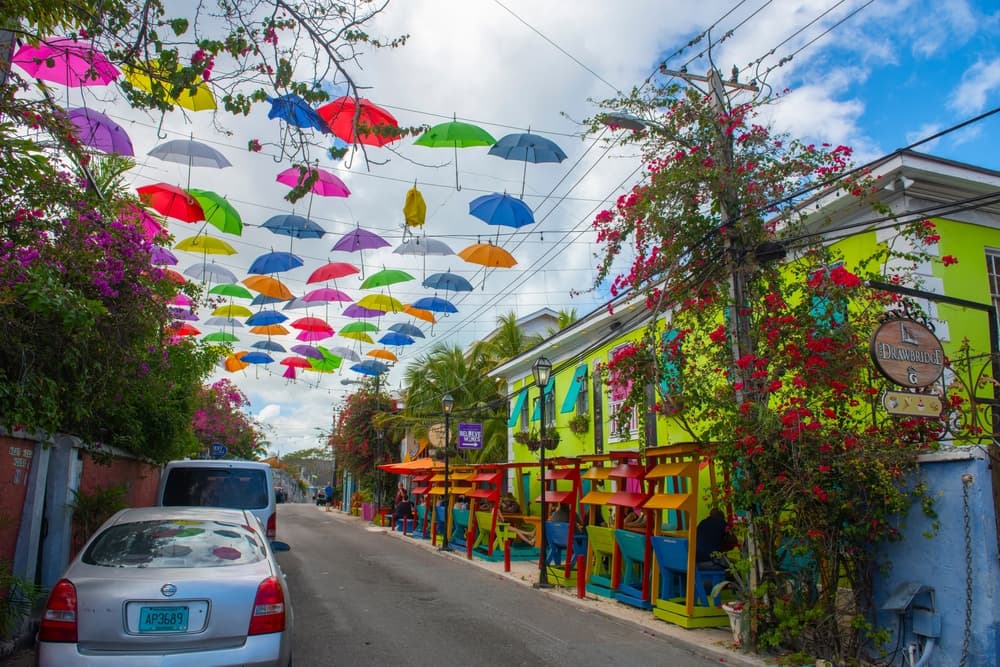
Nassau
Capital with preclearance
For people who want the Bahamas' hospitals, banks, and flight schedule in one place. Cable Beach and the western end of New Providence hold the condos and beaches, and U.S. preclearance at the airport means you land in Miami like a domestic passenger. The catch is crime, so most expats choose their neighborhood carefully and drive.
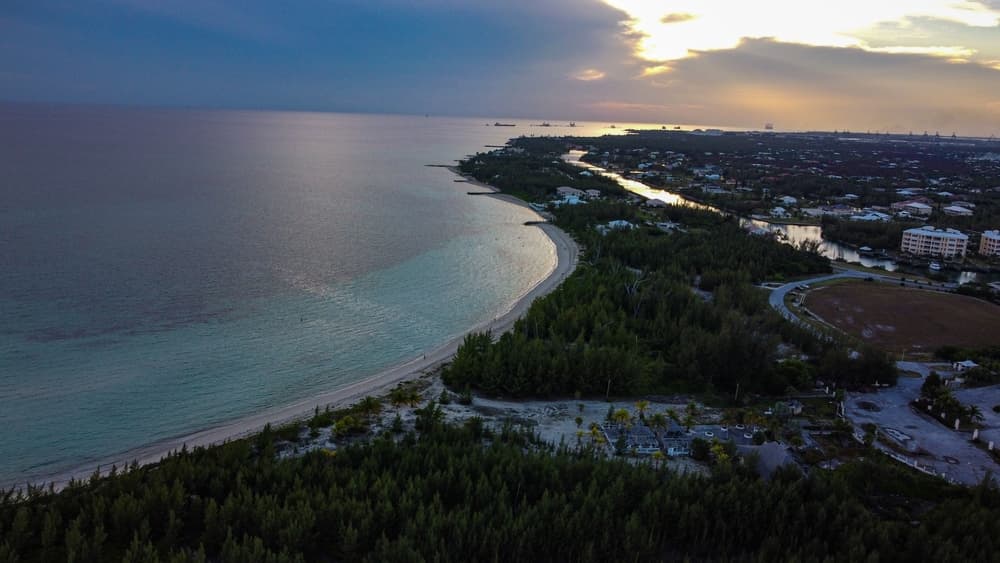
Freeport
Grand Bahama's quiet option
A calmer, cheaper alternative to Nassau on Grand Bahama, with a free trade zone, a container port, and the beaches and canal-front homes of Lucaya a short drive away. Florida is close enough for easy trips home. The catch is a smaller job market and an airport still being rebuilt since Hurricane Dorian in 2019.
George Town
Cruisers' harbor town
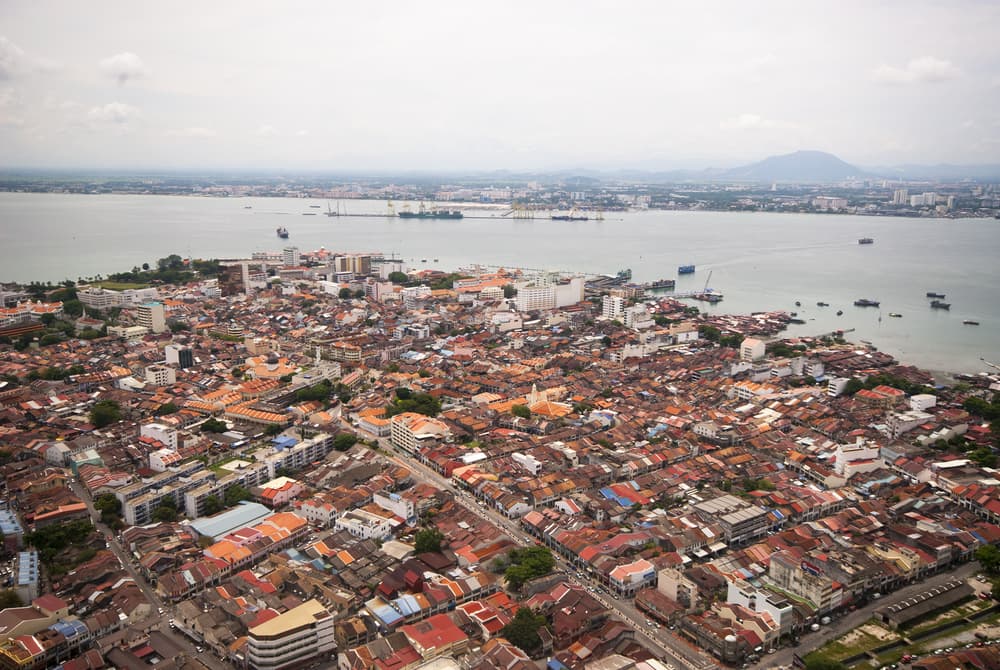
The main settlement on Great Exuma, set on Elizabeth Harbour, where the cruising boats gather and the Family Island Regatta fills the town each spring. It's small, social, and built around the water. The catch is thin services: groceries arrive by boat or plane, and serious medical care means a flight to Nassau or Florida.
06 · Your move team
The people who make a Bahamas move easier
A Bahamas move is mostly paperwork, logistics and insurance, and the people who do it smoothly tend to hand those pieces to someone who's done them before. These are the Expatsi-vetted partners we'd call, grouped by the part of the move they handle.

Hunter Schultz
Healthcare Coach
A healthcare coach with more than 20 years of expat living and a background in air medical transport. In a one-hour consultation he maps where you'd get care and what coverage you need for your island.
Learn more
ExpatInsure
Global Health Insurance
Expatsi's international health insurance provider, led by Andy Seale and Stephanie Edwards. Their team compares international plans and connects you with the one that fits your age, health and destination.
Learn more
MyExpatTaxes
U.S. Expat Tax Service
Tax software and support built for Americans abroad, filing since 2018. Useful here because the U.S. return doesn't go away just because The Bahamas has no income tax.
Learn more
Moneycorp
Currency Exchange
A currency and international payments specialist working with private clients since 1979, with a dedicated specialist for each client. They handle large transfers, like a property purchase, and recurring payments abroad.
Learn more
Starwood Pet Travel
Pet travel and transport
An international pet transport company for dogs and cats. They manage health certificates, USDA endorsements, crate rules and airline bookings so your animals arrive with the right paperwork.
Learn more
Aqua Moving Services
Worldwide Shipping and Moving Service
International movers that survey your belongings once and return three competing quotes from vetted partners, with one point of contact for the whole shipment.
Learn more
Culturosity Co.
Cultural Skills Coach
Intercultural trainers Jennifer and Janka coach individuals and groups on adapting to a new culture. Sharing a language doesn't mean sharing customs, and they help you adjust to local ones.
Learn more07 · Quick answers
Moving to The Bahamas: common questions
Does The Bahamas have income tax?
No. The Bahamas has no personal income tax, so pensions, salaries, dividends, interest and rent aren't taxed as income there. The country relies on a 10% VAT, import duties and property tax instead. U.S. citizens still have to file U.S. tax returns every year, wherever they live.
Can I retire in The Bahamas without investing $1 million?
Yes, through an annual residence permit, which costs $3,000 a year in government fees plus $300 a year per dependent as of 2026. It's usually issued for one to three years and can run up to five. Applicants show financial support with bank statements, since no fixed income minimum is published. The permit doesn't allow local employment.
Do Americans need a visa to visit The Bahamas?
No. U.S. citizens enter The Bahamas without a visa as bona fide visitors and can be granted a stay of up to eight months. Staying longer requires permission from the Bahamas Department of Immigration. Visitors aren't allowed to work in any form while in the country.
Is The Bahamas safe for Americans to live in?
The U.S. State Department rated The Bahamas Level 2, exercise increased caution, in July 2026. Its warnings center on parts of Nassau and Freeport, especially the Over the Hill area south of Shirley Street in Nassau, plus poorly maintained rental watercraft.
Can Americans buy property in The Bahamas?
Yes. Foreign buyers pay 10% VAT on the property transfer, customarily split with the seller, and then annual real property tax: for a non-Bahamian owner's home, a flat $300 on the first $75,000 of value and 0.625% above that, with a 10% discount for paying in full by March 31. Owning a home can also qualify you for a Home Owner's card, and a $1 million purchase can support permanent residence.
Can I work remotely from The Bahamas?
There's no remote-work visa open right now. The Bahamas Extended Access Travel Stay (BEATS) permit, which let remote workers stay up to a year, has been suspended since January 2022, and no replacement has been confirmed as of 2026. Visitors are barred from any gainful occupation, so anyone planning to work for a U.S. employer while living in The Bahamas should get written advice from a Bahamian attorney first.
How much does it cost to live in The Bahamas?
Expatsi's 2026 data puts a comfortable monthly budget at about $2,750 for a single person, $4,650 for a couple and $9,100 for a family. A one-bedroom apartment rents for about $1,200 a month. Electricity is the cost that surprises newcomers: all-in residential rates run about 33 to 39 cents per kWh, roughly $4,800 a year for an average household.
How much does permanent residency in The Bahamas cost?
Economic permanent residence requires a minimum investment of $1 million (the Bahamian dollar is pegged one to one with the U.S. dollar) in Bahamian real estate or Central Bank zero coupon bonds, held for at least 10 years. As of 2026, the government fee is $20,000, or $25,000 with the right to work in your own business, plus a $200 processing fee. The certificate lasts for life unless revoked.
Sources
- Entry Requirements · Bahamas Department of Immigration (checked September 2026)
- Immigration Fee Scale · Bahamas Department of Immigration (checked September 2026)
- Permanent Residence · Bahamas Department of Immigration (checked September 2026)
- Home Owner Identification · Bahamas Department of Immigration (checked September 2026)
- Work Permit (New) · Bahamas Department of Immigration (checked September 2026)
- Permanent and Annual Residency · Alexiou Knowles & Co. (checked September 2026)
- The Bahamas Immigration Reforms 2026 · Higgs & Johnson (checked September 2026)
- Bahamas Digital Nomad Visa Suspended: Long-Stay Options in 2026 · Work and Wanderlust (checked September 2026)
- Real Property Tax FAQs · Bahamas Department of Inland Revenue (checked September 2026)
- About VAT · Bahamas Department of Inland Revenue (checked September 2026)
- Taxes in the Bahamas for Expats 2026 · The Rio Times (checked September 2026)
- Healthcare in the Bahamas 2026 · The Rio Times (checked September 2026)
- The Bahamas Travel Advisory · U.S. Department of State (checked September 2026)
- Power bills five times more than regional average · The Tribune (checked September 2026)
- Damages from Hurricane Dorian estimated at $3.4 billion · Inter-American Development Bank (checked September 2026)
- Preclearance · U.S. Customs and Border Protection (checked September 2026)
- Cats and Dogs import requirements · Bahamas Agricultural Health and Food Safety Authority (checked September 2026)
- Cost of living and country data for The Bahamas · Expatsi (checked September 2026)
See how The Bahamas fits your life
Take the Expatsi Test and compare The Bahamas with other countries on cost, healthcare, climate and safety before you commit to island prices.
Why not you?