The Bahamas Annual Residence Permit for Americans
$3,000 a year to live in the islands on your own money. No investment minimum, no local job, and one filing rule that catches first-timers.
Immigration calls it the Permit to Reside. Here's who it suits, the yearly bill for one person or a couple, and how to file from the U.S.
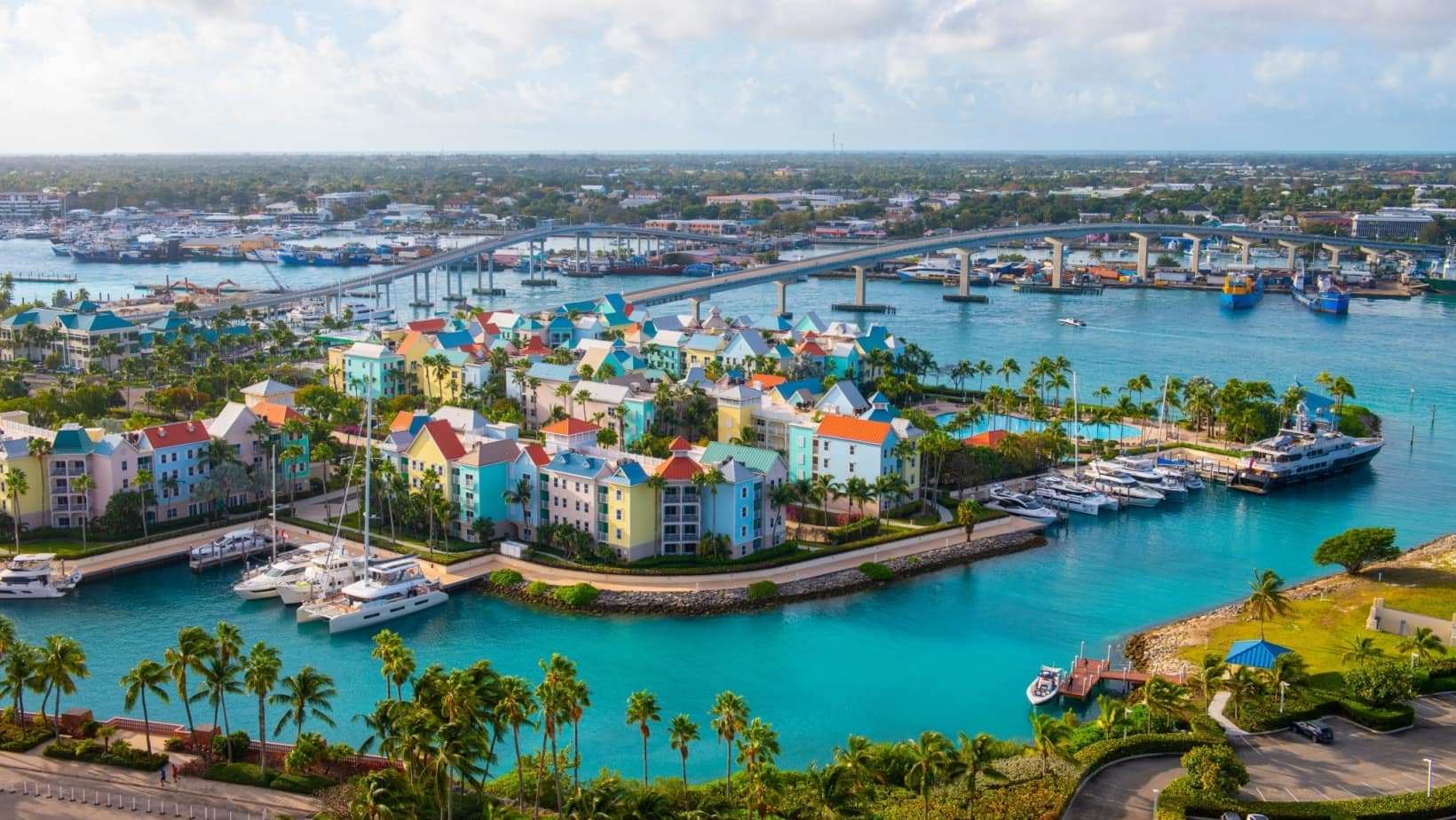
Who it fits
Built for savings and pensions, not paychecks
If you're living on Social Security, a pension, investments or savings, this is the main legal way to stay longer than a visit without putting $1 million into Bahamian property.
It won't work if you need to earn locally. The permit covers living there for any purpose other than work, and holders can't take a Bahamian job. Remote work for a U.S. employer isn't settled in the published rules, so get a Bahamian attorney's view in writing first.
There's no published income floor. You show a bank reference stating a figure range or a CPA statement.
What it costs (2026)
$3,000
Permit fee per year, main applicant
B$3,000, pegged 1:1 to the dollar
$300
Per spouse or child, per year
each one files separately
$200
Processing fee per application
non-refundable, due again at renewal
8-12 weeks
Official processing time
once the file is complete
Annual Residence Permit (Permit to Reside)
A one-year permit for people who want to live in The Bahamas and can support themselves, commonly used by retirees and people of independent means. It is renewed each year and does not give the right to work. First-time applicants should not be in the country while it is processed.
- Government cost
- $3,200
- Timeline
- 1 year, renewable annually
- Difficulty
- Moderate
Key requirements
- Financial institution reference or CPA statement showing you can support yourself (independent adults)
- Medical certificate dated within 30 days of submission
- Police certificate issued within the last 6 months covering 5 years of residence (age 14+)
- Two character references with contact details
- Notarized First Schedule Form 1, questionnaire and a letter of request to the Director of Immigration
- Stay outside The Bahamas while a first-time application is processed
Filing from the U.S.
Four steps, in the order that saves you a redo
1. Start with the slow U.S. paperwork
Order an FBI Identity History Summary early. The police certificate has to be issued within six months and cover five years of residence, for everyone 14 and up. Ask your bank for a reference letter stating a figure range, or have a CPA prepare a statement.
2. Book the medical last
The medical certificate must be dated within 30 days of filing, so schedule it once everything else is ready.
3. Assemble and notarize
Fill in the First Schedule Form 1, attach a B$10 Bahamian postage stamp and have it notarized. Add the Annual Permit Questionnaire, a letter to the Director of Immigration, two character references, passport photos and, if you own Bahamian property, your conveyance.
4. File, then wait at home
Pay the $200 fee by card, postal money order or certified check. First-time applicants shouldn't be in The Bahamas while the file is processed. Immigration says to check in after 8 to 12 weeks.
Other ways to stay in The Bahamas
Bahamas Annual Work Permit: the employer-sponsored route for Americans
A Bahamian employer files it, a Bahamians-first hiring test comes before it, and the yearly fee runs from $500 to $16,275 depending on your job title.
Bahamas permanent residence for $1 million investors
Put $1 million into Bahamian property or Central Bank bonds, keep it there 10 years, and you get a residence certificate that lasts for life.
Life on the permit
Taxes, doctors and what happens at renewal
Taxes
The Bahamas has no personal income tax and doesn't tax pensions, savings income or capital gains. VAT is 10% on most goods and services. The U.S. still taxes your worldwide income, and the foreign earned income exclusion doesn't cover pensions or Social Security, so retirees keep filing a full U.S. return.
Healthcare
The outer islands have only small clinics. The State Department warns that hospitalization or evacuation to the U.S. can cost tens of thousands of dollars, so carry international coverage that includes medical evacuation.
Renewal and the long game
Permits are typically issued for one to three years and can run up to five. Each renewal means another $200 fee and a fresh medical. Immigration's permanent residence page doesn't list years on this permit as a route; the investor category needs $1 million in property or Central Bank bonds held for 10 years.
Partners for the parts people get stuck on

Hunter Schultz
Healthcare Coach
A healthcare coach who helps you map where you'd get care and what coverage your plans call for, including evacuation.

ExpatInsure
Global Health Insurance
Compares international health insurance plans for people living outside the U.S. and matches you with one.
MyExpatTaxes
U.S. Expat Tax Service
Tax filing software and support for Americans who live abroad and still owe the IRS a return every year.
Fees checked October 2026
The B$3,000 yearly fee took effect in July 2023, up from B$2,000. Older guides and some government pages still show lower fees or shorter processing times. These figures come from Immigration's own fee scale; confirm them before you pay.
Bahamas annual residence: common questions
How long can Americans stay in The Bahamas without a permit?
Bahamian Immigration lets U.S. citizens enter as visitors for up to eight months, though the officer at the port of entry decides the exact stay. Visitors can't work, and staying longer than granted needs permission from Immigration.
Can I work in The Bahamas on an annual residence permit?
No. The permit is for living in The Bahamas for any purpose other than work, and holders can't take local employment. Whether remote work for a U.S. employer is allowed isn't settled in published guidance, so ask a Bahamian immigration attorney before relying on it.
Do annual residents pay Bahamian income tax?
No. The Bahamas has no personal income tax and doesn't tax pensions, savings income or capital gains. You'll pay 10% VAT on most purchases, and as a U.S. citizen you keep filing a U.S. return on your worldwide income.
Does the annual permit lead to permanent residence or citizenship?
Not on its own. The investor route to permanent residence needs at least $1 million in Bahamian real estate or Central Bank zero-coupon bonds, held for 10 years, plus a $20,000 certificate fee. Naturalization is discretionary, and Bahamian law doesn't allow adults to hold dual nationality.
Can my spouse and children come with me?
Yes. Spouses and children under 18 count as dependents, and each one files their own Permit to Reside application. The yearly fee is $300 per dependent, plus a $200 processing fee per application. Homeschooled children must be registered with the Ministry of Education.
Is there a minimum income or savings requirement?
No figure is published. Independent applicants submit a reference from their bank stating a figure range, or a statement prepared by a CPA, and the Department of Immigration decides whether it shows you can support yourself.
Can I stay in The Bahamas while my application is processed?
Not as a first-time applicant. The Department of Immigration says people applying for the first time shouldn't be in the country during processing, which officially takes 8 to 12 weeks after a complete application.
How much does the Bahamas annual residence permit cost?
The government fee is $3,000 a year for the main applicant (B$3,000; the Bahamian dollar is pegged one to one to the U.S. dollar), plus $300 a year for each spouse or child. Every application also carries a $200 non-refundable processing fee and a B$10 stamp on the form. A single person pays about $3,200 the first year; a couple about $3,700.
Planning a Bahamas move on your savings?
Talk it through with an Expatsi advisor and see whether the annual permit, a second home or another country fits your budget best.
Why not you?