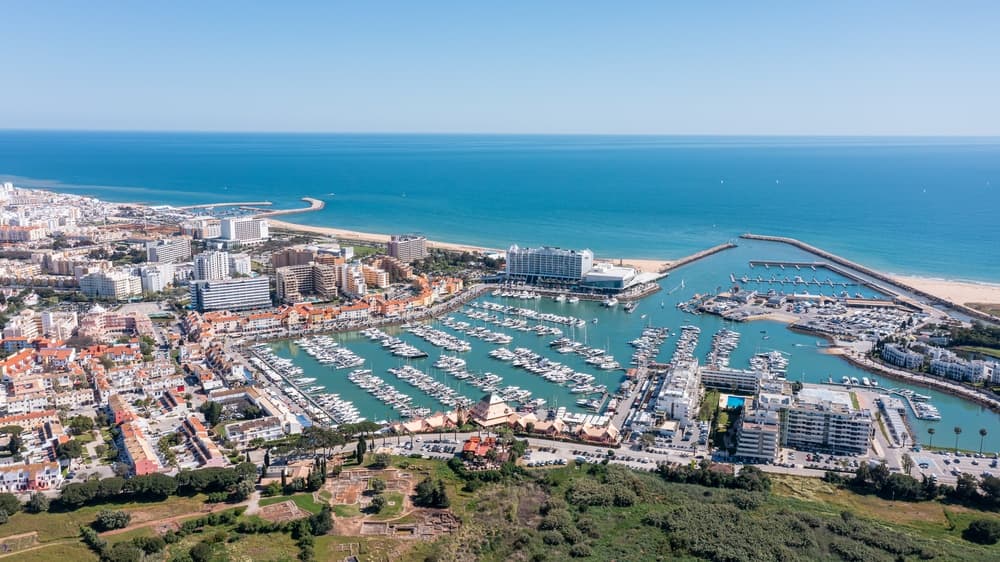
Living in the Algarve, Portugal's south coast
Sixteen municipalities strung along Portugal's southern shore, from surf villages near Sagres to quiet riverside towns at the Spanish border.
- 438,864
- Population (2018)
- $2,200/mo
- Monthly budget · single
- 65°F / 18°C
- Avg temperature
Plan on roughly $2,200 a month for one person in the Algarve and about $3,100 for a couple, in U.S. dollars as of 2026. That's a regional middle: most singles land between $1,800 and $2,600. A one-bedroom in a town center runs about $1,050 (typically $850 to $1,250), and around $850 farther out. A family of four should budget near $4,500.
The Algarve is a region, not a town, so choose the town first. In our data, Olhão and Faro come in a little under the regional figure and [Lagos](/cities/portugal/lagos) sits right on it, while the gated golf resorts around Quinta do Lago and Vale do Lobo are priced for a different market.
It suits retirees after mild winters and an easy English-speaking start, families near the international schools of the central coast, and remote workers in towns that stay busy year-round, like Lagos and [Tavira](/cities/portugal/tavira). The trade-off is the season: resort strips fill up in July and August, then go quiet in winter.

Reviewed and updated September 30, 2026 · 4 min read
At a glance
$2,200
Monthly budget · single person
$1,050/mo 1-bed rent, center
80/100
Safety index
$50
Internet / month
65°Fannual average
Jan 54° · Aug 76°
Climate
438,864
Population (2018)
Expatsi estimates, updated Aug 2026, based on rental listings, government statistics, and local reporting.
Cost of living
What it costs to live in Algarve
Single person
$1,800–$2,600/mo
about 30% below Austin, TX
Couple
$2,500–$3,700/mo
about 35% below Austin, TX
Family of four
$3,700–$5,300/mo
about 45% below Austin, TX
Compared with Austin, TX (Expatsi estimate, 2026).
- $16 −20%
- Inexpensive meal
- $850–$1,250/mo −46%
- 1-bed rent, center
- $700–$1,000/mo −37%
- 1-bed rent, outside
- $50/mo −23%
- Internet
- $40/mo −3%
- Transit pass
- $376/sq ft −42%
- Buy price, center
Expatsi estimates, updated Aug 2026, based on rental listings, government statistics, and local reporting.
Daily life
How Algarve lives
- C- grade, 4th percentile among the cities we track
- Dining & cafésmodest
- C- grade, 5th percentile among the cities we track
- Arts & culturemodest
- C grade, 9th percentile among the cities we track
- Parks & outdoorsmodest
- C grade, 7th percentile among the cities we track
- Schools & educationmodest
- C- grade, 2nd percentile among the cities we track
- Healthcare accessmodest
- C+ grade, 23rd percentile among the cities we track
- Bike infrastructuremodest
- C+ grade, 18th percentile among the cities we track
- Public transitmodest
Graded on OpenStreetMap amenity density relative to the 369 cities we track. Accessibility is the exception: it's graded against a fixed standard (terrain steepness and sidewalk surfaces), not a curve.
Climate
Weather through the year
Annual average 65°F (18°C) · 19 in of rain a year · Source: Meteostat station normals (08554, 1991-2020)
On the ground
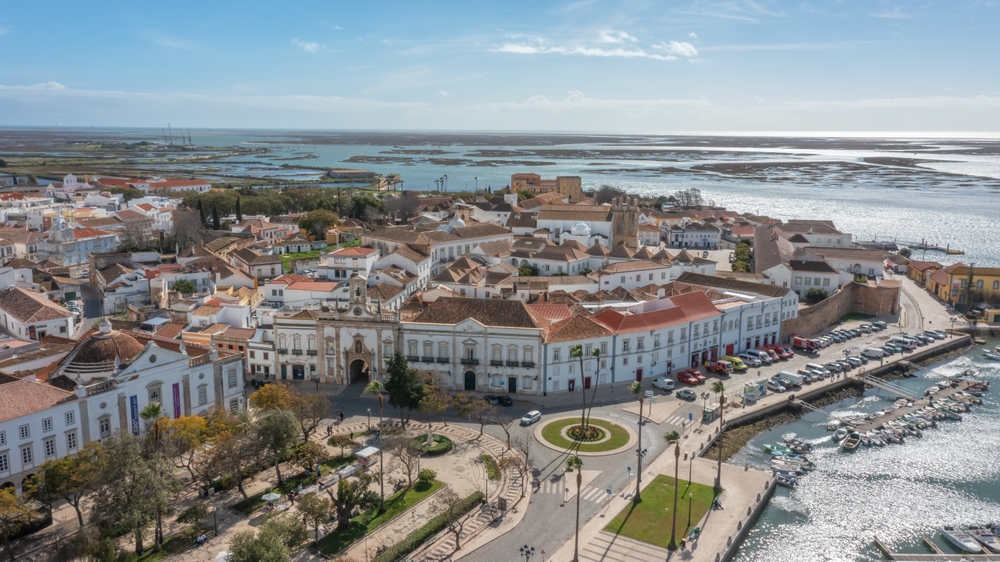
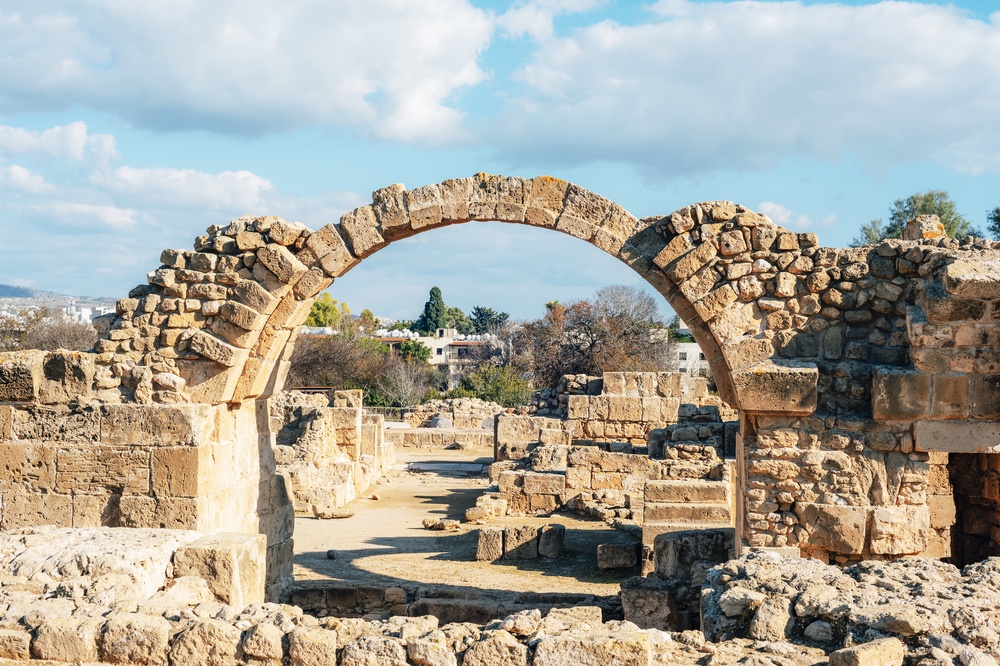
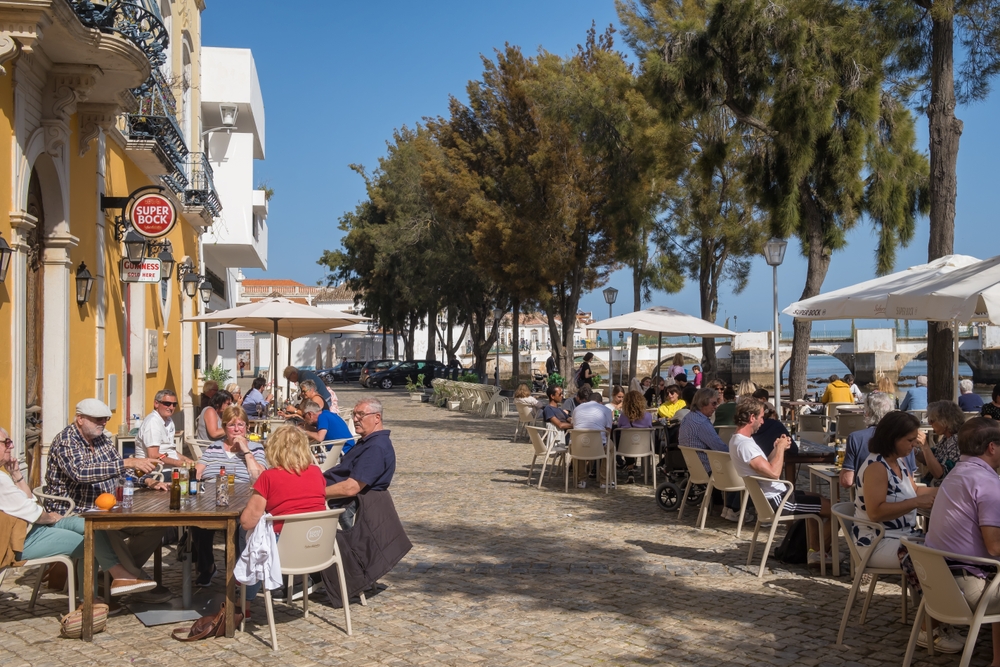
Scenes from Algarve
Getting around
Transport in Algarve
Most people here drive, and outside a few town centers you'll want a car too. The A22 motorway (Via do Infante) runs along the coast from Lagos to Castro Marim at the Spanish border, and it's been toll-free since January 2025, so you don't need a toll transponder for it. The older EN125 runs parallel and passes through the towns.
The regional train covers about 87 miles between Lagos and Vila Real de Santo António. Since July 2026 the whole line runs electric trains, with direct service end to end, and CP now schedules about one train an hour between Faro and Vila Real de Santo António and one every two hours between Faro and Lagos. Vamus buses fill some gaps, but inland villages are thinly served. The centers of Faro, Lagos and Tavira are the places where living car-free is realistic.
Faro Airport is the region's gateway. United flies seasonal nonstops to Newark starting in mid-May; the rest of the year you connect through a European hub.
- 2.2/sq mi
- Transit stops
- 0.1/sq mi
- Bike infrastructure
- 0.9/sq mi
- Wheelchair-accessible places
Mapped features per square mile from OpenStreetMap.
Keep exploring
Places like Algarve
Community
Community & practical notes
The expat scene: The foreign community is large and long-settled, concentrated on the central coast between Lagoa and Almancil, where real estate and restaurants often run in English. The eastern towns and the inland villages still do daily life in Portuguese, which suits people who want to learn it.
Healthcare: Public hospital care runs through ULS Algarve, with hospitals in Faro, Portimão and Lagos and a health center in every municipality. The private side changed names in 2026: the old Hospital Particular do Algarve group is now part of Portugal's CUF network, so you'll see Hospital CUF Faro (in Gambelas) and Hospital CUF Alvor, both with 24-hour care, plus Hospital São Camilo in Portimão.
Remote work: Home internet runs about $50 a month. Faro has several coworking spaces with monthly hot desks, Lagos has its own, and there's a Regus center in Quinta do Lago.
Limited mobility: It depends heavily on the town. Newer resort developments tend to be flatter, while old centers like Tavira and Faro's walled town mean cobblestones, curbs and slopes. Beaches are the bright spot: Portugal's Praia Acessível program certifies beaches with ramps, boardwalks and amphibious chairs in season, and around Lagos that includes Meia Praia, Praia da Luz, Porto de Mós and Alvor.
International schools: One 2026 count puts 17 international schools in the Algarve, second only to Lisbon. Most sit in the central Lagoa to Almancil belt, which is why school families cluster there. Popular year groups at Nobel and Vilamoura International can waitlist by January, so apply early.
LGBTQ+ life: Portugal has allowed same-sex marriage since 2010 and adoption by same-sex couples since 2016. In the Algarve, expect quiet acceptance in the coastal towns rather than a big scene; Lisbon is where the nightlife is.
Expats of color: The coastal towns are mixed and international, so foreigners of any background draw little attention there. Black expats describe Portugal as generally comfortable, with occasional quiet bias, and inland villages are less diverse than the coast.
Retirement: With average January highs near 61°F and summer highs near 84°F, flat town centers in the east, and English widely spoken, the Algarve is a natural shortlist pick for retirees. Read our D7 visa guide, compare options in the retirement visa guide, and see the Portugal guide for taxes and residency.
- Nobel Algarve British International School (Lagoa and Almancil)
- Vilamoura International School (CIV)
- Aspire International School (Almancil)
- Vale Verde International School (Luz, near Lagos)
- Colégio Santiago Internacional (Tavira)
- Deutsche Schule Algarve (German curriculum)
Housing
Renting and buying
- 1-bed rent (center)
- $850–$1,250/mo
- 1-bed rent (outside center)
- $700–$1,000/mo
- Buy price (center)
- $376/sq ft
- Buy price (outside center)
- $279/sq ft
Expatsi estimates, based on rental listings, government statistics, and local reporting.
Good to know
Frequently asked questions
What's healthcare like in the Algarve?
Public care runs through ULS Algarve, with hospitals in Faro, Portimão and Lagos and a health center in each municipality. Private care is now under the CUF brand, which took over the former Hospital Particular do Algarve group in 2026: Hospital CUF Faro and Hospital CUF Alvor both offer 24-hour care.
How much does it cost to live in the Algarve?
Expect about $2,200 a month for one person and $3,100 for a couple, in U.S. dollars as of 2026, with a central one-bedroom renting for around $1,050. Your town matters: Olhão and Faro come in a little under the regional figure, while the golf resorts around Quinta do Lago cost far more.
Is the Algarve safe?
Yes. The region scores 80 out of 100 on the Expatsi safety index. The usual issues are petty theft in crowded resort areas during the summer peak, so lock the car and watch your bag on busy beaches.
Can I get by with only English in the Algarve?
On most of the coast, yes, especially in the central resort towns, where real estate and restaurants often run in English. Inland villages and the eastern towns still run on Portuguese, and learning it makes dealing with local offices much easier.
What's the weather like in the Algarve?
Warm and dry in summer, with average highs near 84°F in July and August, and mild in winter, with January highs near 61°F and lows near 47°F. Rain totals about 19 inches a year, most of it from October through January, with December the wettest month.
Do I need a car in the Algarve?
In most places, yes. The A22 motorway has been toll-free since January 2025, and the electric regional train links Lagos, Faro and Vila Real de Santo António, but trains run every one to two hours and inland villages get little bus service. Only central Faro, Lagos and Tavira work well without a car.
Which Algarve town should I look at first?
Match the town to your life. Retirees often look at Tavira and quieter parts of Lagos, families at Loulé and Almancil for the international schools, and remote workers at Lagos and Faro, which have coworking and stay lively year-round. The east feels more Portuguese, the central coast more international.
Is the Algarve a good place to retire?
For many Americans, yes. Winters are mild, with average January highs near 61°F, English is widely spoken, and there are public hospitals in Faro, Portimão and Lagos plus private 24-hour hospitals in Faro and Alvor. Retirees usually move on Portugal's D7 passive-income visa.
See how Algarve fits your life
Take the free Expatsi Test and compare Portugal to nearly 200 countries on what actually matters: cost, healthcare, climate, and safety. About five minutes.
Why not you?