Digital nomad and remote-work visas
Digital Nomad Visas: Work From Anywhere, Legally
The visas that let Americans live abroad while they work remotely, compared on the one thing that matters most: how much income you have to prove.
You already work from a laptop. These are the visas that let you do it legally from Lisbon, Mexico City, or a beach town in Costa Rica, and the honest numbers on what each one asks of you.

Reviewed and updated October 1, 2026 · 13 min read

01 - Why go
Your job comes with you now

A few years ago, moving abroad meant finding a job abroad. That wall is gone. Since 2022, more than a dozen countries have written visas specifically for people who earn their money online and want to live somewhere else while they do it.
That's the opportunity: keep your U.S. salary or client list, trade your rent for a place that costs half as much, and wake up somewhere you'd normally pay to visit. You don't need a local job offer. You don't need to be rich. You need proof of steady remote income and a plan for the paperwork.
Here's the catch
A nomad visa is not a vacation. You still work full days, usually on U.S. hours, so a nine-hour time difference gets old fast. You'll still file U.S. taxes, and you may owe local tax too once you become a resident. The income floors are real, some of them high. Most of these visas expect you to actually live there, not hop between six countries a year. If you want to keep moving constantly, a long tourist stay may fit better than any of these.
02 - The numbers
The numbers, side by side
We default to Portugal, Spain, and Costa Rica because they're the three most-asked-about nomad visas. Between them, they cover Europe and the Americas. Swap in any of the others to compare the one number that decides most of this: how much monthly income you have to prove.
| Monthly budget, couple | $2,850 | $2,900 | $2,900 |
|---|---|---|---|
| Monthly budget, single | $1,850 | $1,900 | $1,700 |
| Rent, 1-bed city center | $1,050 | $1,050 | $800 |
| Inexpensive meal out | $13 | $16 | $10 |
| Safety index | 78 | 70 | 60 |
| English proficiency | 80 | 56 | 55 |
| Visa income floor | 3,680 euros/moFour times Portugal's minimum wage. Ten years of residence gets you an EU passport. | ~2,850 euros/mo200% of minimum wage, with a 24% flat-tax option for up to six years. | $3,000/mo$4,000 with family. Foreign income is tax-free and you're one hour off US time. |
Income floors are what you show at application, verified for 2026. They shift with local minimum wages and exchange rates, so treat them as a target with a buffer, not a promise.
Read the fine print
What that income number really means

The income floor isn't the same as your budget. It's the minimum income you prove on paper to get approved, usually with six to twelve months of bank statements or pay stubs. Your actual cost of living is often well below it.
Watch for three things. First, most of these visas require your income to come from outside the country: a foreign employer or foreign clients. Spain lets up to 20% come from Spanish sources, and that's unusually generous. Second, the euro floors move with local minimum wages every January, so a number that's true today can nudge up next year. Third, if you're bringing a partner or kids, the floor climbs - sometimes a lot.
The good news is that if you earn a typical U.S. remote salary, you clear most of these with room to spare. The ones that trip people up are the family add-ons and paperwork, not the headline number.
Why the visa and the lifestyle line up
These floors aren't random. They're set so a government can be sure you won't need local welfare. That's why the number tends to sit near a comfortable local salary. Clear Portugal's 3,680 euros and you're living better than most locals; clear Ecuador's $482 and you're living very well, indeed.
03 - The visa paths
The visa paths, country by country
Every path below links to its own full guide with requirements, costs, and how to apply. Here's the shape of each one.
Europe
Portugal's D8 is the flagship. Show 3,680 euros a month, work remotely for non-Portuguese companies, and you're on a ten-year track to an EU passport. Spain's digital nomad visa wants about 2,850 euros a month but pairs it with the Beckham regime, a flat 24% tax for up to six years. Italy's route has the lowest floor in Europe at roughly 28,000 euros a year, no lottery, no quota, though you'll need a degree and six months of remote-work history.
Malta's nomad permit asks for about $47,900 a year in gross income (Malta sets it at €42,000) and can run up to four years. Your first 12 months of remote-work income aren't taxed in Malta, then a flat 10% applies. Estonia's Digital Nomad Visa wants 4,500 euros a month gross, lasts up to a year, and can't be renewed. Czechia's Digital Nomad Program is narrower: it's for people in IT and marketing who earn at least 73,823 koruna a month (about $3,460), and decisions come in 45 days. Andorra's permit costs about $256 in fees and expects you in the country at least 90 days a year.
Croatia's digital nomad permit asks 3,622.50 euros a month in foreign income for 2026 and runs up to 18 months with no Croatian income tax, but it doesn't lead to permanent residence. Greece's digital nomad visa wants 3,500 euros a month measured after tax, and since February 2026 you have to file at a Greek consulate before you fly. Hungary's guest self-employed permit is for freelancers and runs on a Hungarian tax office certificate showing about $24,500 a year (Hungary sets it at 7.75 million forint), plus reports the authority keeps asking for.
Latin America
Mexico's temporary residency is the workhorse: about $4,400 a month or $73,000 in savings, good for up to four years, and a two-hour flight from most of the U.S. Costa Rica's nomad visa asks $3,000 a month, taxes zero of your foreign income, and puts you one hour off Eastern time. Uruguay has no legal income minimum and is the safest, steadiest country in the region. Ecuador's professional visa is the budget champion at $482 a month, the catch being a university degree you register locally.
Brazil's digital nomad visa asks $1,500 a month from outside Brazil, or $18,000 in the bank, for one year plus one renewal. Guatemala's foreign-employer residence, open since October 2025, wants $2,000 a month from a company abroad and can lead to permanent residence after five years.
Colombia's digital nomad route sits inside its Visitor Visa (Type V): about $1,700 a month in foreign income (Colombia sets it at COP 5,252,715 for 2026), for up to two years, and none of that time counts toward residency. Paraguay's temporary residence is the card everyone now starts on: up to two years, renewable once, about $500, and the required step before permanent residence.
The Caribbean
The Barbados Welcome Stamp gives you 12 months on the island with no Barbados income tax, on $50,000 a year and a $2,000 fee. Its current approval runs to December 2026, so check where it stands before you plan around it.
Antigua and Barbuda's Nomad Digital Residence runs up to two years if you declare $50,000 a year from work outside the country, for $1,500 single, $2,000 for a couple, or $3,000 for a family of three or more. Grenada's remote-work permit needs about $37,000 a year earned outside Grenada (Grenada sets it at EC$100,000) and a $1,500 fee, lasts up to a year at a time, and you apply on paper by mail.
Africa and the Indian Ocean
The Mauritius Premium Visa is free, needs $1,500 a month per adult plus $500 per child, and lasts up to a year at a time, renewable. Kenya's Class N permit puts you in Nairobi on an income floor of $24,000. It costs $200 to apply and $1,000 a year once approved.
Asia and the Middle East
Malaysia's DE Rantau pass splits by field: $24,000 a year if you work in tech, $60,000 if you don't, for up to 12 months, renewable once. South Korea's F-1-D can run up to three years, and since June 30, 2026 its income bar depends on your age and the region you'll live in. The UAE's virtual work visa needs $3,500 a month in salary from an employer outside the country, so freelancers don't qualify, and you renew every year.
Japan's digital nomad visa is short and steep: six months, no extension and no residence card, on income near $63,700 a year (Japan sets it at 10 million yen). Taiwan's Employment Gold Card bundles an open work permit and residence card for one to three years with no employer sponsor; one route is a salary of at least NT$160,000 a month in qualifying fields, and only income your tax statement calls salary counts. Freelancers shut out of the UAE's virtual work visa can look at the UAE Green Visa: five years of self-sponsored residence on AED 360,000 a year of self-employment income over the previous two years.
Routes that don't fit the table
A few options sit just outside the headline grid. If your money is passive, from a pension, rentals, or dividends rather than active work, Portugal's D7 needs only about 920 euros a month. Ecuador also runs a separate digital nomad visa at $1,446 a month for people without a degree. Guatemala's self-employed residency asks for a business license instead of an income floor. Georgia lets a U.S. passport stay 365 days with no visa, as long as you carry the required health coverage; check its stricter 2026 work rules first.
Several general residence permits also take remote workers. Slovenia's temporary residence permit lists remote work among its purposes, Romania lets U.S. passport holders enter visa-free and file for residence inside the country, and Bosnia and Herzegovina's permit has no remote-work category, so you'd have to argue your case. Dominica gives Americans six months visa-free, then a one-year residence permit for about $296 (EC$800), and the Dominican Republic's temporary residency runs a year at a time and asks for paperwork rather than pension income. If you make paid content in Bali, Indonesia's C5A visa gives 60 days, extendable twice by 60 days, and an Indonesian guarantor has to file it.
And two countries people ask about have no nomad visa right now: Iceland ended its remote-work visa in May 2026, and Sweden doesn't offer one. More countries add nomad visas every year; if none of these fit, the list keeps growing.
Every published nomad path
Digital Nomad Visa
Europe with a passport at the end
The most popular nomad visa for a reason. Strong English-speaking scene, good weather, and a real path to EU citizenship.
- Proof of remote work or self-employment for a foreign company
- Minimum monthly income of €3,680 (as of 2026)
- Clean criminal record
Digital Nomad Visa
Beckham Law, 24% flat
Beach cities, world-class food, and a special expat tax regime that caps your rate for six years if you register in time.
- Valid passport
- Completed visa application form
- Proof of remote employment or freelance work for non-Spanish companies
Digital Nomad Visa
Pura vida, zero tax on foreign income
One hour off US Eastern time and a short flight home. Your foreign income isn't taxed locally. No path to permanent residency, though.
- Proof of remote income of at least $3,000/month (or $4,000/month for families)
- Medical insurance valid in Costa Rica
Residente Temporal
Up to four years, a flight away
Technically a residency visa, but it's the route remote workers actually use. Huge expat scene, and you can qualify on savings instead of income.
- Application at Mexican consulate
- Proof of financial means
- Interview
Self-Employment/Freelance Visa
28,000 euros a year, no quota
Italy's floor is the friendliest in Europe. You will need a degree, six months of remote-work history, and patience with the paperwork.
- Proof of viable business activity
- Sufficient financial means
- Professional qualifications (if applicable)
Temporary or Permanent Residency
No legal income minimum
The calmest country in South America, with a strong time-zone overlap with the US and a tax holiday for new residents.
- Proof of sufficient financial means
- Clean criminal record
- Health certificate
04 - Taxes
Taxes: the part nobody enjoys
Two rules save you a lot of grief. One: U.S. citizes file a U.S. return, no matter where you live. The Foreign Earned Income Exclusion can wipe out federal tax on a big chunk of your salary, but you'll still file. Two: once you spend enough time in a country, usually 183 days, you become its tax resident, too.
How much the second one hurts depends on where you land. Latin America is friendlier: Costa Rica, Uruguay, and Panama use territorial tax, so foreign income mostly isn't touched. Europe taxes worldwide income, but the sweeteners are real, Spain's flat 24% Beckham regime and Italy's forfettario among them. Uruguay throws in a multi-year tax holiday for new residents.
This is the one area not to wing. A cross-border accountant like MyExpatTaxes handles the U.S. side, and a tracker like Flamingo counts your days so you don't trip a residency line you didn't mean to cross. Spend a little here and save a lot.
The IRS moves with you
There's no nomad visa that ends your U.S. filing obligation. Wherever you go, you still file a US return every year, and possibly FBAR and FATCA forms for foreign accounts. Budget for a U.S. expat tax pro in year one.
05 - The long game
From a one-year visa to a second passport

Most of these start as a one or two-year permit, but the good ones are the front door to something permanent. In Europe, five years of legal residence usually earns long-term or permanent residency, and ten years earns citizenship. Your nomad years count toward both clocks in Portugal, Spain, and Italy.
Latin America is often faster. Ecuador lets you convert to permanent residency after 21 months. Uruguay is famous for letting you apply for permanent residency almost immediately and reaching citizenship in three to five years. Mexico turns temporary residency into permanent after four years.
The honest exceptions are the short, fixed-term permits. Costa Rica's nomad visa maxes out at two years with no residency path, Brazil's stops at two years, and Estonia's lasts up to a year with no renewal. If Costa Rica is the dream long-term, you'd switch to its rentista or pensionado track at this point. Pick your visa for where you are now, but check the exit door before you walk in if you might want to stay forever.
Where to land
Where nomads actually set up
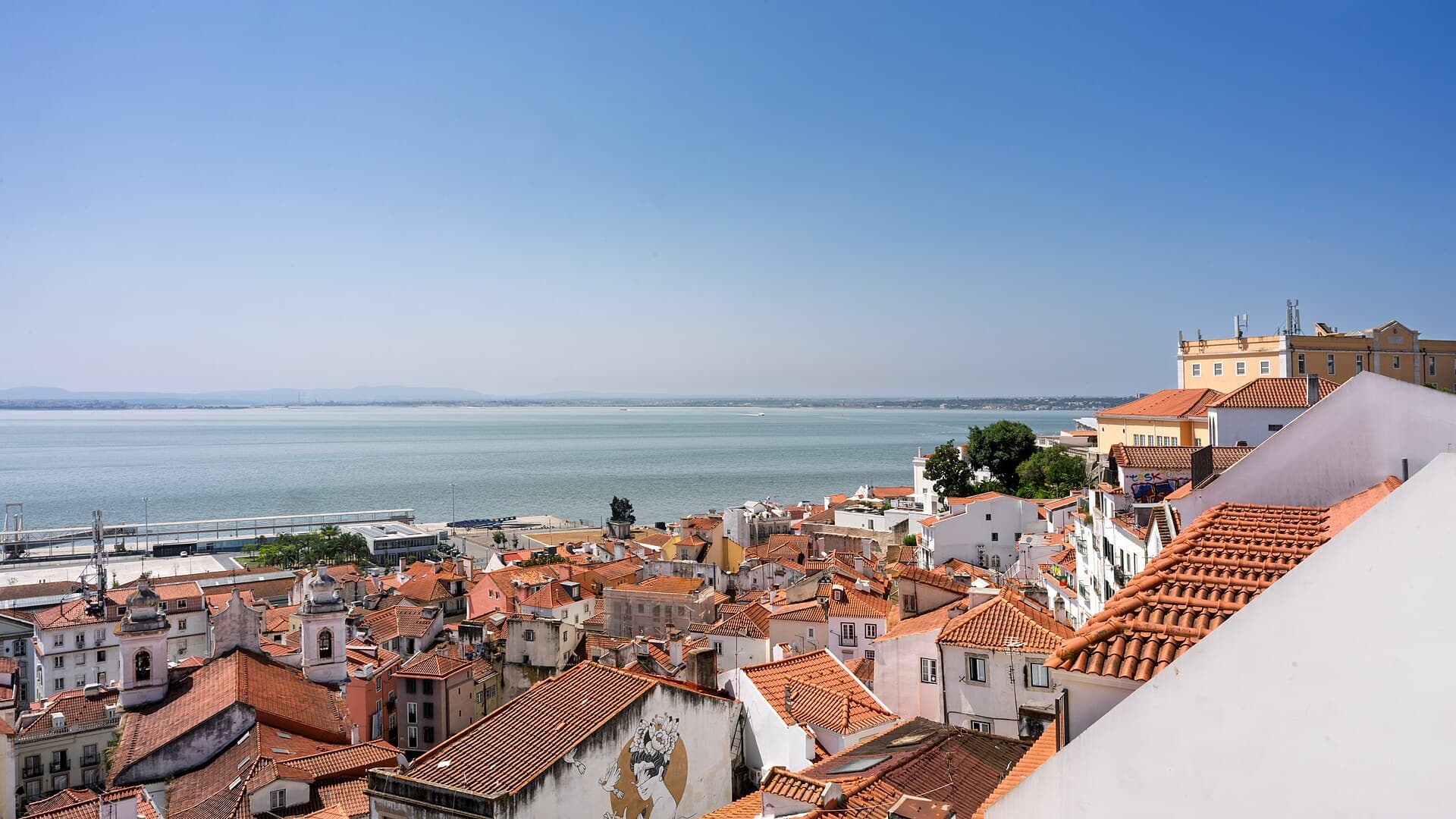
Lisbon
City life and culture
The capital is walkable, historic, and the most international city in the country, with the most direct flights home and the deepest expat network. Also the priciest place to rent, and prices have climbed, so it's the one to love if your budget can handle it.

Porto
Value and charm
Smaller and easier on the wallet than Lisbon, Porto has a gorgeous riverfront and a food and wine scene people fall hard for. The pick for anyone who wants a real city without Lisbon prices, and the north stretches a budget further.

Valencia
The expat favorite
The current darling: a proper city with beaches, the birthplace of paella, futuristic architecture, and rents well below Madrid. Big American community, easy to settle into, and hard to leave.

Seville
Andalusian soul
Flamenco, orange trees, and maybe the most Spanish city on this list, with the Costa de la Luz beaches an hour and a half southwest. Gorgeous and affordable, if you can handle brutal summer heat.

Florence
Art and expat classic
Renaissance beauty, a large American community, and the rest of Tuscany at the doorstep. Popular, walkable, and not cheap, but the quality of life is hard to beat.
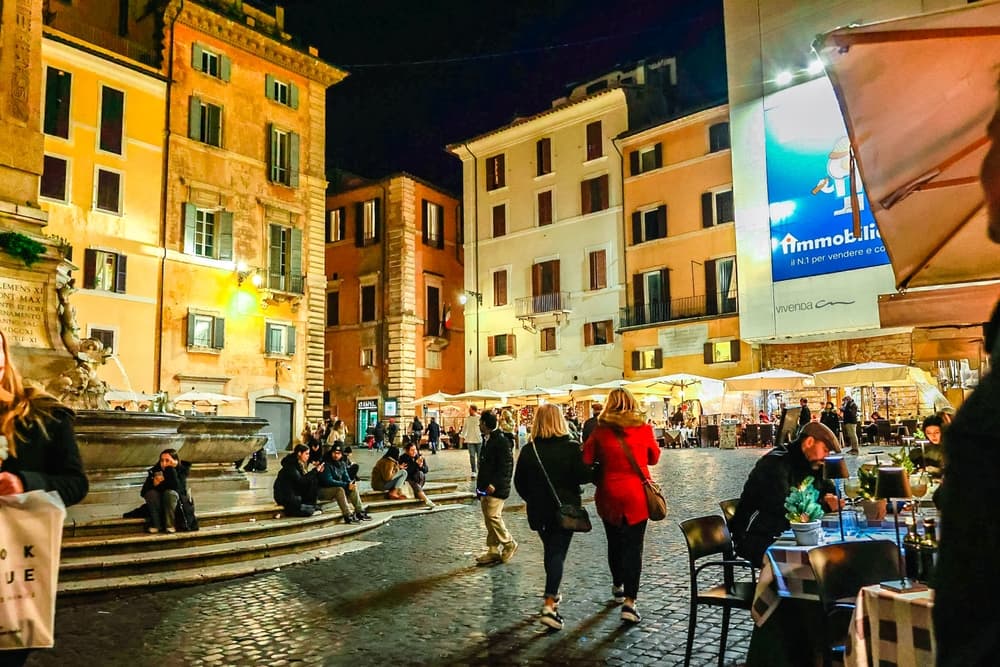
Rome
The eternal capital
History on every corner, the largest American community in the country, and the job market to match. Rents run higher than the south and the summers are hot, but nothing else feels quite like living in Rome.

Medellín
Eternal spring
The expat capital. El Poblado and Laureles for walkable, English-friendly streets, Envigado and Sabaneta for better value. A metro, a real tech scene, and 72-degree days.

Mexico City
Big-city energy
Some of the best food, museums, parks, and coworking in the hemisphere, at a fraction of New York prices. The top landing spot for remote workers, especially the leafy Roma and Condesa neighborhoods.
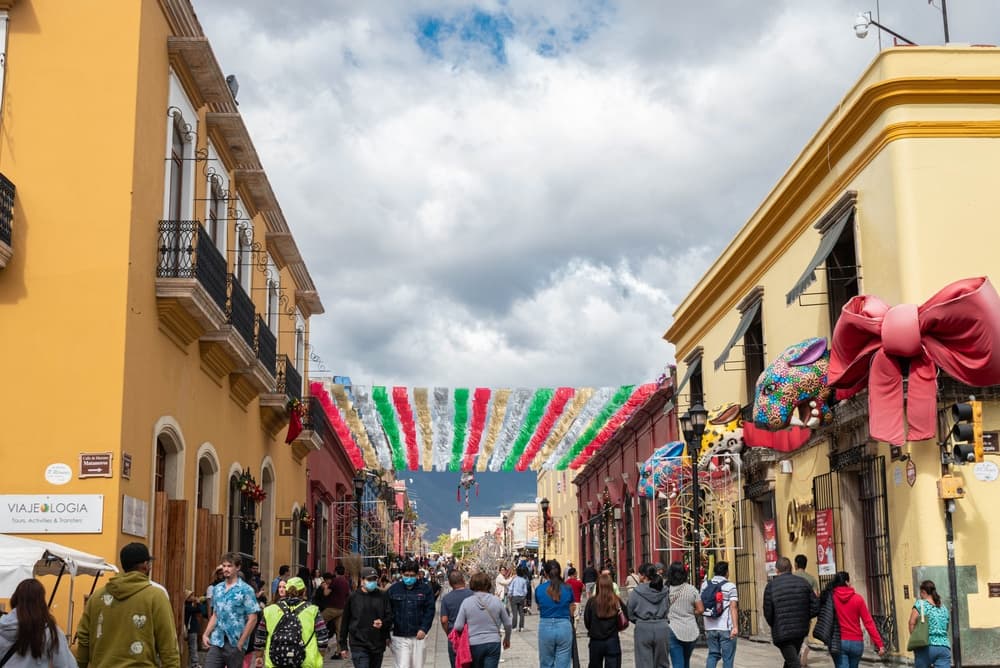
Oaxaca
Culture and food
A UNESCO-listed colonial city that food lovers obsess over, packed with art, mezcal, and festivals. A growing base for creatives and nomads who want depth over polish.

Guanacaste
Pacific beaches, dry heat
Costa Rica's northwest, where Liberia's airport takes direct US flights and the beach towns spread south from there, Tamarindo and Nosara among them. The dry season runs December to April and turns the hills brown and hot. Towns are far apart, so a car is not optional.

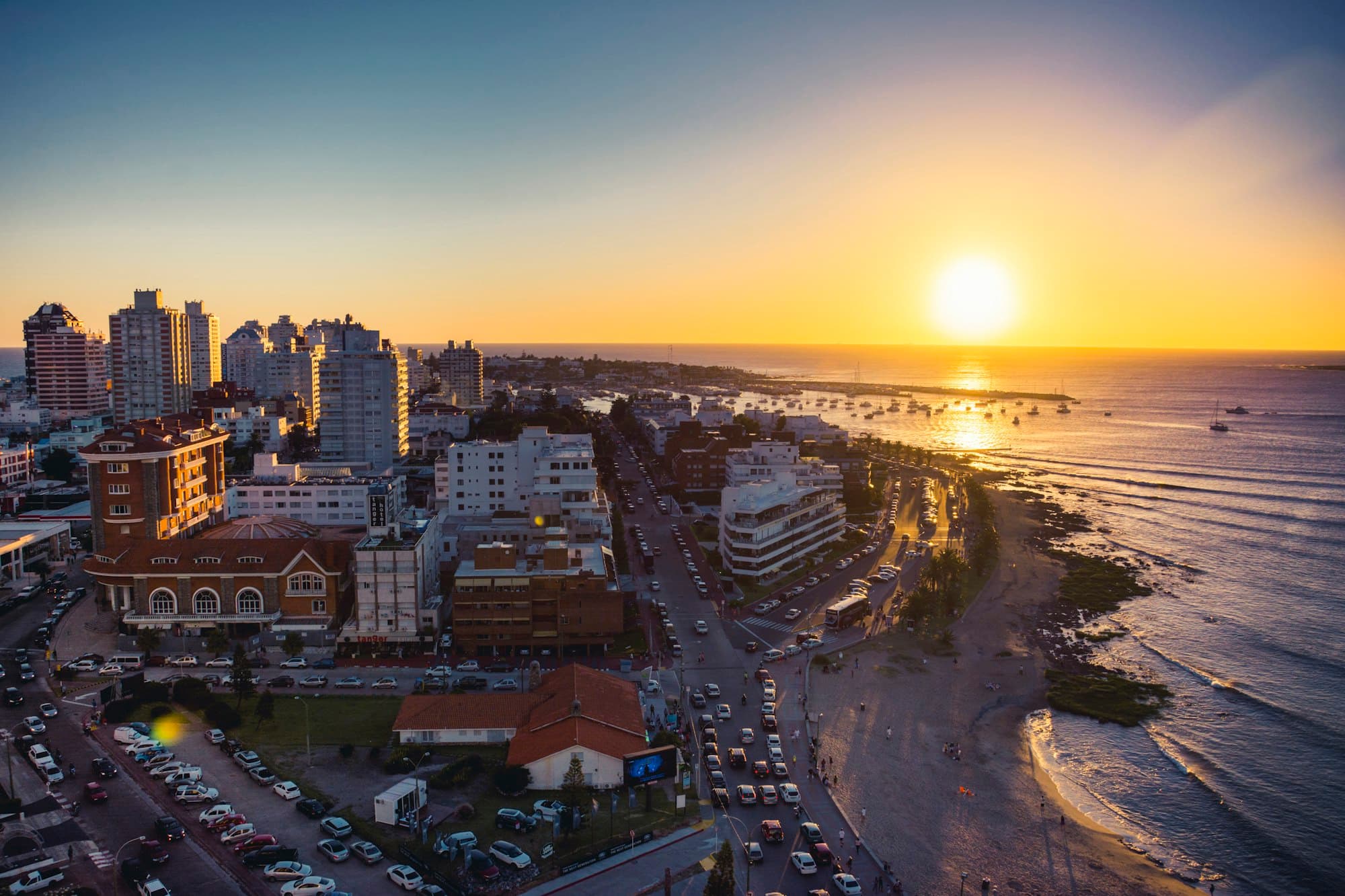
Montevideo
City life on the water
Half the country lives in the capital, and it is where most expats start. Walkable neighborhoods like Pocitos and Ciudad Vieja, the endless rambla, theaters, and the best healthcare in the country.

Cuenca
The expat capital
A UNESCO colonial city at 8,400 feet with the largest, most settled American and Canadian community in Ecuador. Mild all year, walkable, rich in cafes and culture, and famously calm, with cheap rents and hospitals a short taxi away. The default first stop for a reason.
Get help
The people who can actually help
You can do most of this yourself, but the paperwork is where good weeks turn into lost months. These are vetted partners we've worked with, grouped by where you're headed and what you need. They handle the visa filings, apostilles, and tax side so you can keep working while it all goes through.

Viv Europe
Portugal Relocation Specialist
Viv Europe runs relocations out of Lisbon and knows the D8 filing inside out, from NIF numbers to housing.
Learn more
Moving to Spain
Spain Relocation Specialist
Moving to Spain handles the digital nomad visa end to end, including the Beckham tax registration that has a tight deadline.
Learn more
Move To Dolce Vita
Italian Immigration
Move To Dolce Vita specializes in Italian immigration and taxes, useful given how consulate-specific Italy's paperwork can be.
Learn more
StartAbroad
Costa Rica Relocation Specialist
StartAbroad covers Costa Rica relocation, visas, and real estate, so the same team can sort your permit and your rental.
Learn more
Life in Merida
Mérida Relocation Specialist, Mérida Local Guide
Life in Merida are local specialists for Mexico's temporary residency and the on-the-ground settling in once you land.
Learn more
Guru'Guay
Uruguay Relocation Specialist
Guru'Guay is the go-to relocation specialist in Montevideo for Uruguay residency and the tax-holiday paperwork.
Learn more
EcuaAssist
Ecuador Relocation Specialist
EcuaAssist handles Ecuador visas including the SENESCYT degree registration the professional visa hinges on.
Learn more
MyExpatTaxes
U.S. Expat Tax Service
MyExpatTaxes files the U.S. returns that follow you everywhere, built for Americans living abroad.
Learn more
Flamingo Compliance | Tax Residency and Visa Tracker Platform
Tax Residency and Visa Tracker Platform
Flamingo tracks your days across borders so you can see when you're about to become a tax resident somewhere new.
Learn moreTry before you commit
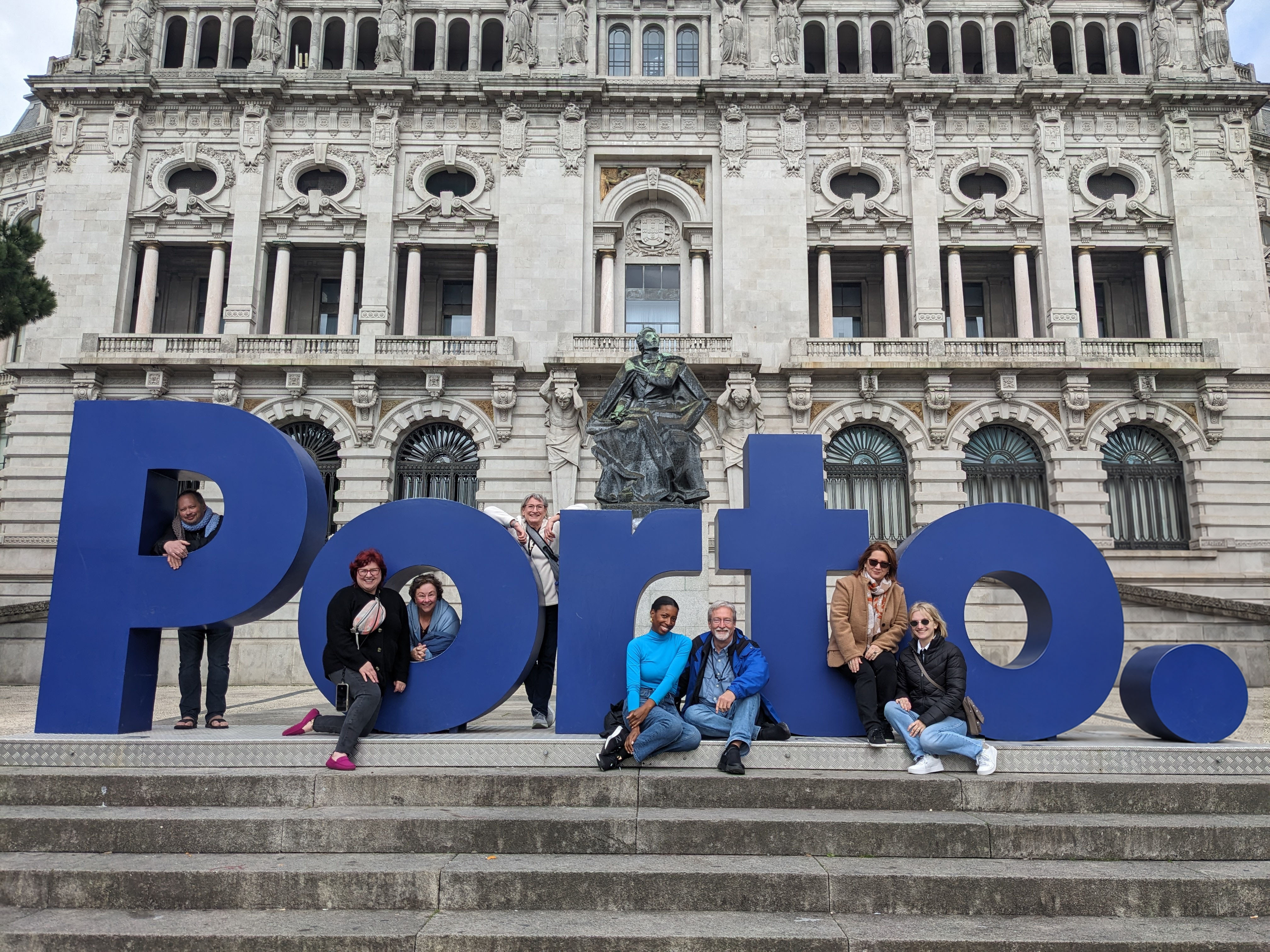
Algarve
5 nights · Feb 24-Mar 1 or Apr 15-20, 2027 · hosted by Tânia Teixeira, Viv Europe
- Daily tours of cities, neighborhoods, and real estate options with local guides
- Q&A session in Lisbon with experts
- 5 nights
From $1,399 per person
See this trip
Portugal
10 nights · Feb 14-24 or Apr 5-15, 2027 · hosted by Tânia Teixeira, Viv Europe
- Seminar & opening dinner with experts in visas, healthcare, & taxes
- Daily tours of cities, neighborhoods, and real estate options with local guides
- Q&A session in Lisbon with experts
From $1,999 per person
See this tripGo deeper
Do your homework
A short shelf to answer the questions that come next: whether your income clears the bar, how the money and taxes work once you're abroad, and how to build a remote income that travels with you.
Guides and webinars
Do I have enough money?
Our partners at Beacon Financial outline how much money a move abroad could cost you as well as how much you may need to retire.
A quick gut-check on whether your income and savings clear the visa floors.
Building Your Coaching or Consulting Business As A Digital Nomad
Learn how to grow and scale a coaching or consulting business to sustain a digital nomad lifestyle.
For coaches and consultants: building a portable income that qualifies you anywhere.
Managing Your Money Abroad
Moving abroad as a U.S. expat comes with unique financial hurdles—from taxes and regulations to limited service availability. Join us for an exclusive webinar where we will break it all down
Banking, transfers, and currency once your money crosses borders.
US Expat Taxes 101
Moving abroad doesn't mean leaving the US tax system behind. In this webinar, we'll cover the basics every American expat should know, including filing requirements, foreign income exclusions, tax treaties, reporting foreign bank accounts, and common mistakes to avoid. Whether you're planning your move or already living overseas, this session will help you better understand your tax obligations and where to turn for professional guidance.
The U.S. tax basics every American abroad needs before, not after, the move.
You CAN Move Abroad
Thinking about moving abroad but not sure where to start—or if it’s even realistic for you? This webinar is your roadmap. We’ll walk you through what it actually takes to move overseas, from choosing the right country and understanding visa options to budgeting, timelines, and avoiding the most common (and costly) mistakes. You’ll leave with a clear picture of what’s possible based on your situation, plus simple next steps to turn the idea into a real plan—and get your questions answered live along the way.
Still deciding if this is even possible? Start here.
Compare notes with other nomads
Visa Path: Digital nomad visa
Expatsi Community
Trade real numbers, wifi reports, and visa war stories with Americans figuring out the same move.
Join the communityCommon questions
Do these visas lead to permanent residency or citizenship?
Many do. In Portugal, Spain, and Italy, five years of residence earns permanent residency and ten years earns citizenship, with your nomad years counting. Ecuador converts after 21 months, Mexico after four years, and Uruguay is unusually fast. Not all of them lead anywhere permanent, though: Costa Rica's and Brazil's nomad visas both stop at two years, Estonia's lasts up to a year with no renewal, Croatia's tops out at 18 months, Japan's is six months with no extension, and time on Colombia's nomad visa doesn't count toward residency.
Which country has the lowest income requirement?
Among nomad routes with a set dollar figure, Ecuador's professional visa is the one to beat at $482 a month, if you hold a university degree you can register with SENESCYT. Uruguay has no legal minimum at all, just proof you can support yourself, and Guatemala's self-employed residency asks for a business license instead of an income floor. Brazil and Mauritius each start at $1,500 a month. In Europe, Italy sits at about 28,000 euros a year.
What if my income is mostly savings or investments, not a salary?
You have options. Mexico lets you qualify on about $73,000 in savings instead of monthly income, and Brazil's nomad visa accepts $18,000 in the bank instead of $1,500 a month. Ecuador and Uruguay accept income from almost any lawful source. And if your money is passive, from pensions, rentals, or dividends, Portugal's D7 visa is built for exactly that at a much lower floor.
Can I keep working for my US employer or clients?
Yes, and that's the whole point. Almost every nomad visa requires your income to come from outside the country, so a US employer or US clients are exactly what they want to see. The main rule is that you usually can't take a local job or bill local clients. Spain is the exception that lets up to 20% of your income come from Spanish sources.
Do I still owe US taxes if I move abroad on one of these?
Yes. US citizens file a federal return every year no matter where they live. The Foreign Earned Income Exclusion can erase federal tax on a large slice of your salary, but you still file, and you may owe local tax once you become a resident. Talk to a US expat tax pro before you go.
Which one is easiest and fastest to get?
Costa Rica and Uruguay are among the simplest, with low bars and quick decisions. Spain and Portugal are well-trodden but paperwork-heavy. Italy's floor is low, but the process is slow and consulate-dependent. Mexico is fast at the consulate and hugely popular. Easiest depends on your income and how much paperwork you'll stomach.
Can my partner and kids come with me?
In almost every case, yes. Spouses and minor children can be added as dependents, and in several countries a spouse can work freely. The trade-off is that the income you have to prove goes up for each person you bring, sometimes steeply, so check the family numbers on each visa's page.
What's the difference between a digital nomad visa and just staying on a tourist stamp?
A tourist stamp lets you visit, usually up to 90 days, and technically doesn't allow you to work, even remotely. A nomad visa is legal residency: you can stay a year or more, open a bank account, sign a lease, and work online without breaking the rules. It also starts a clock toward permanent residency in most countries.
Sources
Where these numbers come from
- Portugal 2026 minimum wage and D8 income (4x) · Garrigues (checked 2026-08)
- Spain digital nomad visa income (200% SMI) · Citizen Remote (checked 2026-08)
- Italy digital nomad visa income (28,000 euros/yr) · Remote Work Europe (checked 2026-08)
- Mexico 2026 residency economic solvency · Mexperience (checked 2026-08)
- Costa Rica remote worker visa ($3,000/mo) · Visit Costa Rica (checked 2026-08)
- Ecuador 2026 SBU and professional visa ($482) · EcuaPass (checked 2026-08)
- Uruguay residency and digital nomad permit · Nomad Capitalist (checked 2026-08)
- Malta Nomad Residence Permit income (42,000 euros/yr) and 10% tax · Mondaq (checked 2026-10)
- Estonia Digital Nomad Visa income (4,500 euros/mo) and duration · e-Residency, Republic of Estonia (checked 2026-10)
- Brazil digital nomad visa ($1,500/mo or $18,000 savings) · ZS Associados (checked 2026-10)
- Mauritius Premium Visa FAQs ($1,500/mo, free) · Economic Development Board Mauritius (checked 2026-10)
- UAE virtual work residence ($3,500/mo salary) · Futura Law (checked 2026-10)
- Croatia digital nomad stay (3,622.50 euros/mo, up to 18 months) · Ministry of the Interior, Republic of Croatia (checked 2026-10)
- Greece nomad visa income (3,500 euros net) and Law 5275/2026 · Young Urban Project (checked 2026-10)
- Colombia V nomad visa income (COP 5,252,715/mo in 2026) · Stamped Nomad (checked 2026-10)
- Paraguay Law 6984/2022, Article 46 (temporary residence) · BaseLegal Paraguay (checked 2026-10)
- Antigua and Barbuda Nomad Digital Residence ($50,000/yr, fees) · Antigua and Barbuda (checked 2026-10)
- Grenada Remote Employment Bill (EC$100,000/yr, $1,500 fee) · Parliament of Grenada (checked 2026-10)
- Japan digital nomad visa (10 million yen, six months) · Japan National Tourism Organization (checked 2026-10)
- Taiwan Employment Gold Card salary route (NT$160,000/mo) · Taiwan Employment Gold Card Office (checked 2026-10)
- UAE Green Visa for freelancers (AED 360,000/yr, five years) · Emirates 24|7, citing ICP (checked 2026-10)
- Indonesia C5A content creator visa (60 days, two extensions) · Visamundi (checked 2026-10)
Not sure which country fits you?
Take the Expatsi Test and we'll match your income, work, and must-haves to the visas that actually fit.
Why not you?