Antigua's nomad visa is the easy part of moving to Antigua
Declare $50,000 a year from work outside the country, pay $1,500 to $3,000, and a decision usually lands in five to seven business days.
Plenty of nomad visas make you prove your life to a consulate. This one is a web form, a declaration and a card payment. What follows is the money, the paperwork, the tax math for Americans, and the parts of island life the form never mentions.
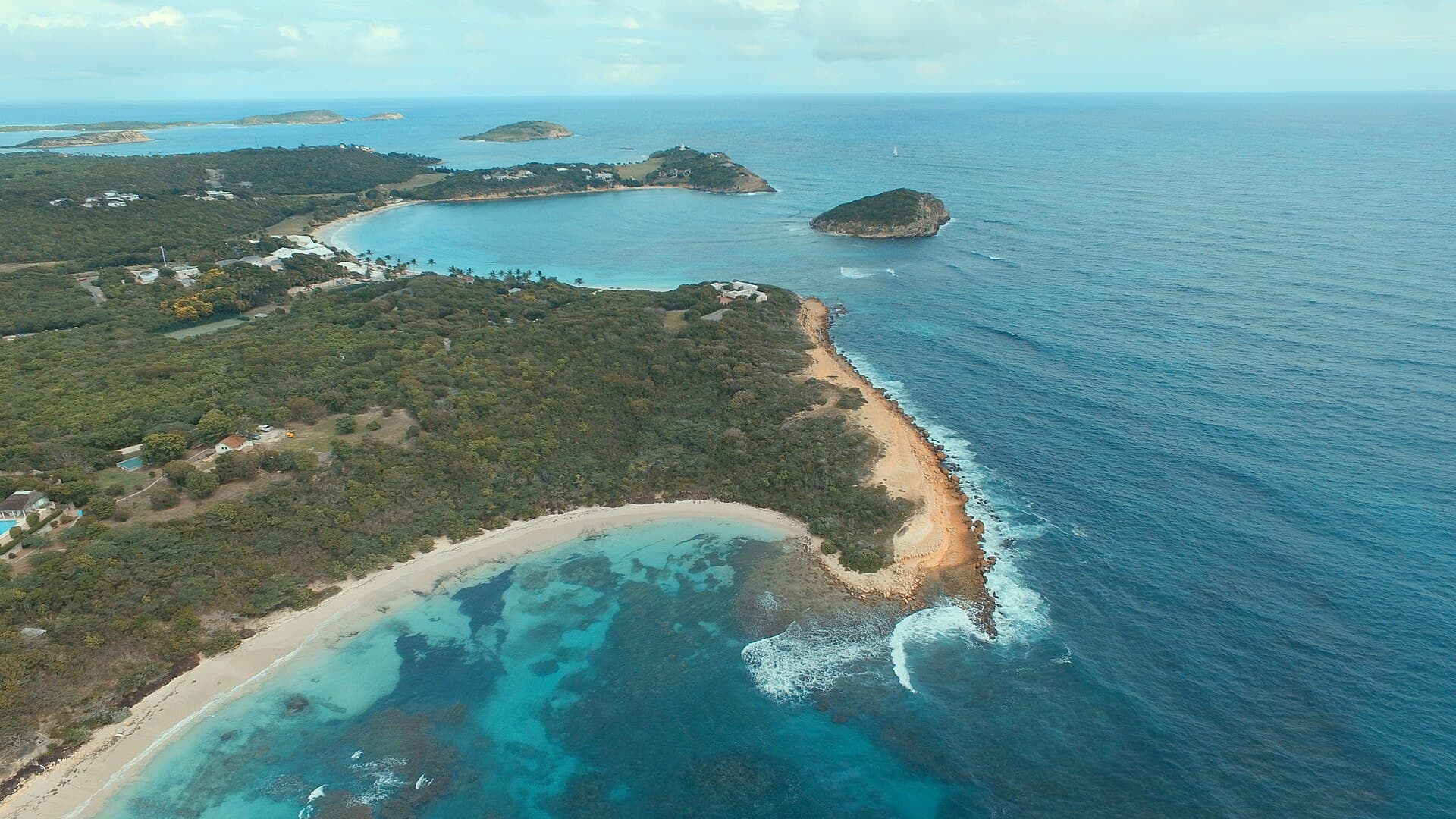
- Population
- 105,182
- English proficiency
- 90/100
- Currency
- Eastern Caribbean Dollar (XCD)
- Capital
- St. John's
The permit
Two years is the whole offer
The permit is a special-resident authorization for people whose income lands from somewhere else. Remote employees qualify. So do freelancers with foreign clients, and owners of a company registered abroad. You have to be 18 or older. You can't take a job with an Antiguan employer or bill Antiguan clients while you hold it.
Then there's the part the sales pages skip. The program's own FAQ answers it flatly: the visa can't be renewed and can only be issued once. No extension, no conversion to residency, no credit toward a passport. When month 24 comes, you leave or you switch to a different route. Bear in mind that Antigua's other routes are priced for investors.
So treat this as a defined chapter instead of a full-fledged move. Two years is long enough to rent a real house, put kids in a school and find out whether a small island suits you. It just isn't the first step of anything.
The bar, the bill, the wait, the ceiling
$50,000
Declared income, for each of the two years
about $4,170 a month, earned outside the country
$1,500
Fee for a single applicant
$2,000 with one dependent, $3,000 for a family of four
5 to 7
Business days to a decision
counted from when your documents are complete
24 months
How long the permit runs
the clock starts at approval, not at arrival
Applying
Everything happens online, until you land
You apply on the government's nomad portal. There's no consulate appointment, no attorney and no apostille, which is unusual for this part of the world. The portal confirms receipt within a day, and the published turnaround only starts once your file is complete.
Buy the insurance before you start. The policy has to cover medical and travel for the whole two years, and it's a condition of submitting, not something you arrange after approval. The fee is charged up front by card, and you don't get it back if the answer is no.
Approval arrives by email with a Travel Letter attached, and that's what gets you through the airport. Once you're on the island you book the NDR office at the Coolidge Business Complex and an officer endorses the visa into your passport.
One scheduling trap is worth planning around. Your two years run from the approval date, not from the day you land. File when you're ready to fly.
- A signed declaration of the income you expect in each of the two years
- Pay stubs and bank statements, plus a job letter, business license or client contracts
- A police certificate for every adult, and the official checklists disagree on whether that starts at 16 or 18
- Passport bio pages, two-inch photos, and birth certificates for any children
Nomad Digital Residence
Allows remote workers to reside in Antigua and Barbuda for up to two years; renewable. Designed for digital nomads and remote professionals.
- Processing time
- ~14 days
- Timeline
- 2 weeks
- Difficulty
- Easy
Key requirements
- Proof of remote employment or business ownership outside Antigua and Barbuda
- Minimum income threshold (varies)
- Health insurance
- Clean criminal record
About that data card
We show that card straight from our own data, so here are the corrections. The requirements list calls the income threshold variable. It isn't. You declare $50,000 for each of the two years. There's no fee on the card because the field sits empty in our data, and the real number runs $1,500 to $3,000 by household size. Two weeks is the slow end of the decision window rather than the normal one. Worst of the four, the description calls the permit renewable, and the program's own FAQ says it can't be. All four are flagged for the data team.
Day to day
What the island does to a workday
Your hours
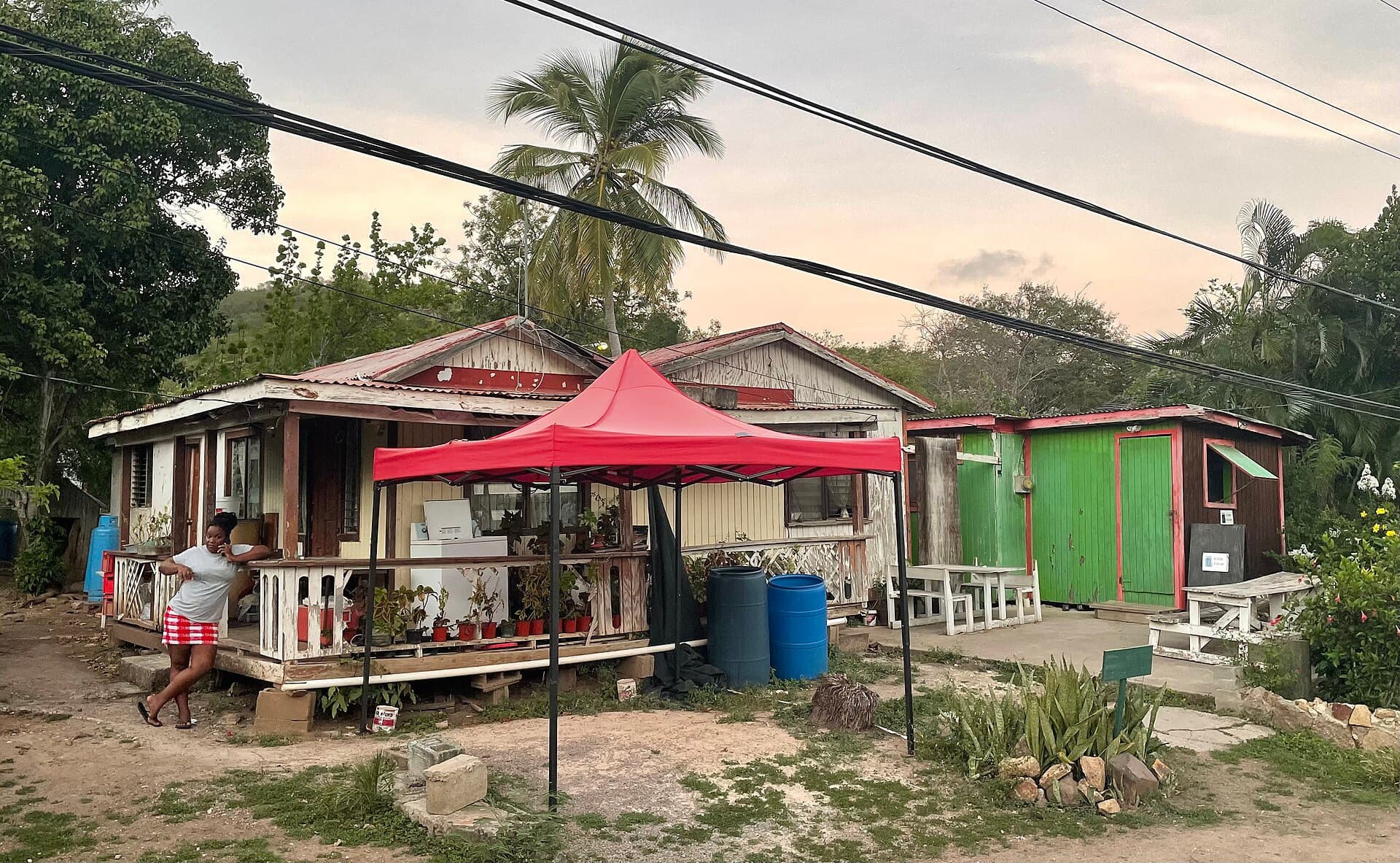
Antigua sits on Atlantic Standard Time and never moves the clocks. From March to November, you're on the same hour as New York. The rest of the year you're an hour ahead of it, so the 9 a.m. standup starts at 10 for you. No night shifts, in other words. Everything also happens in English, so no lease, contract or school form arrives in translation.
The connection
Three companies sell internet here: APUA, Flow and Digicel. APUA's home fiber tiers go from 50 Mbps to 500, and the entry plan runs about $71 a month (EC$193), plus roughly $163 upfront for the modem and the line. Treat the advertised numbers carefully. The fastest fixed network in the country averaged about 34 Mbps down in early 2025, and APUA's measured latency was around 58 milliseconds, which is fine for calls. Keep a mobile plan as a backup.
Storm season
June 1 to November 30, you watch the Atlantic forecast like everyone else. That isn't a reason to skip the island. It's a reason to ask what happens at the house you're renting when the power goes out and the water tanker doesn't come.
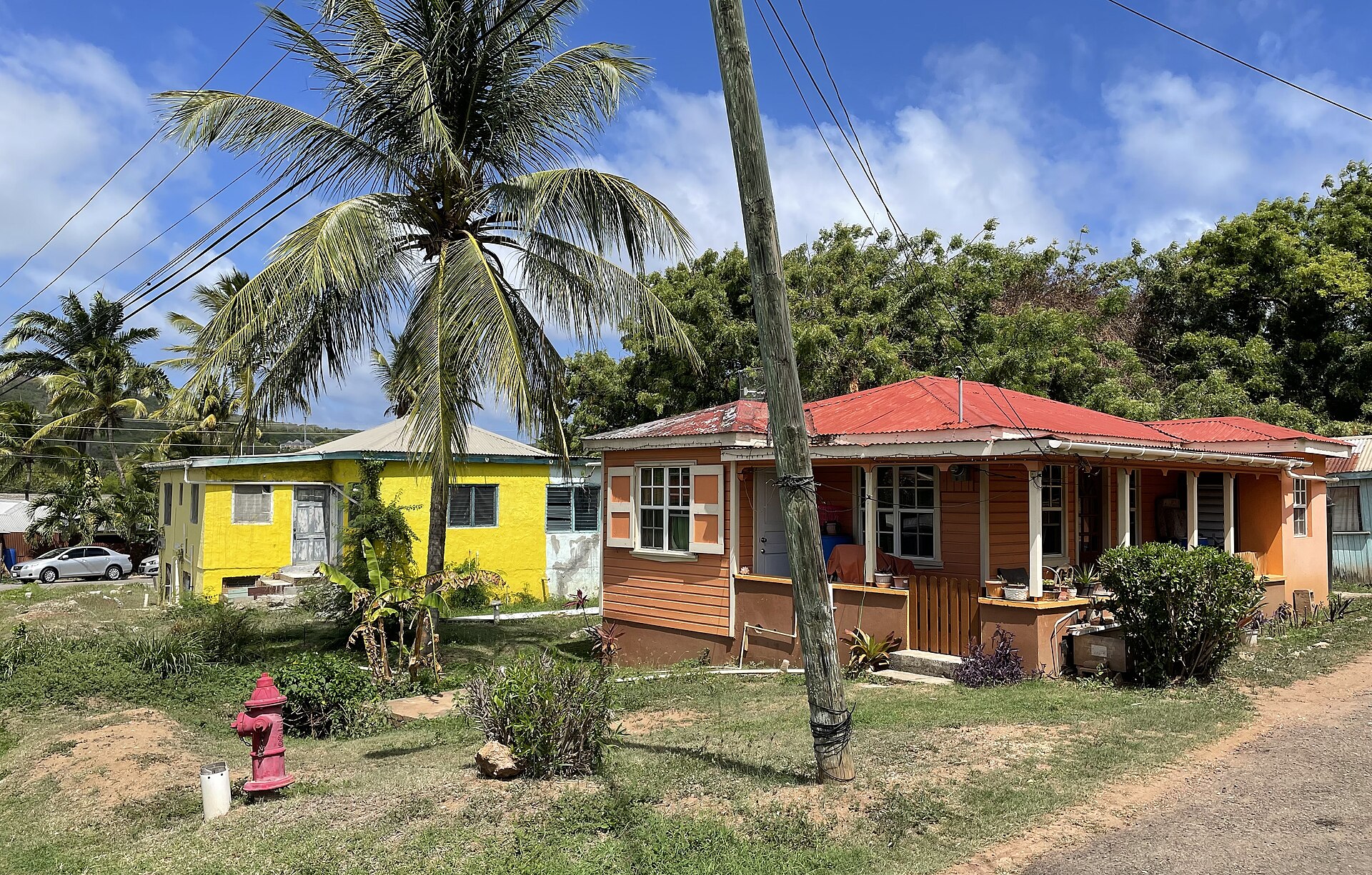
Your money
No income tax here, and your 1040 doesn't care
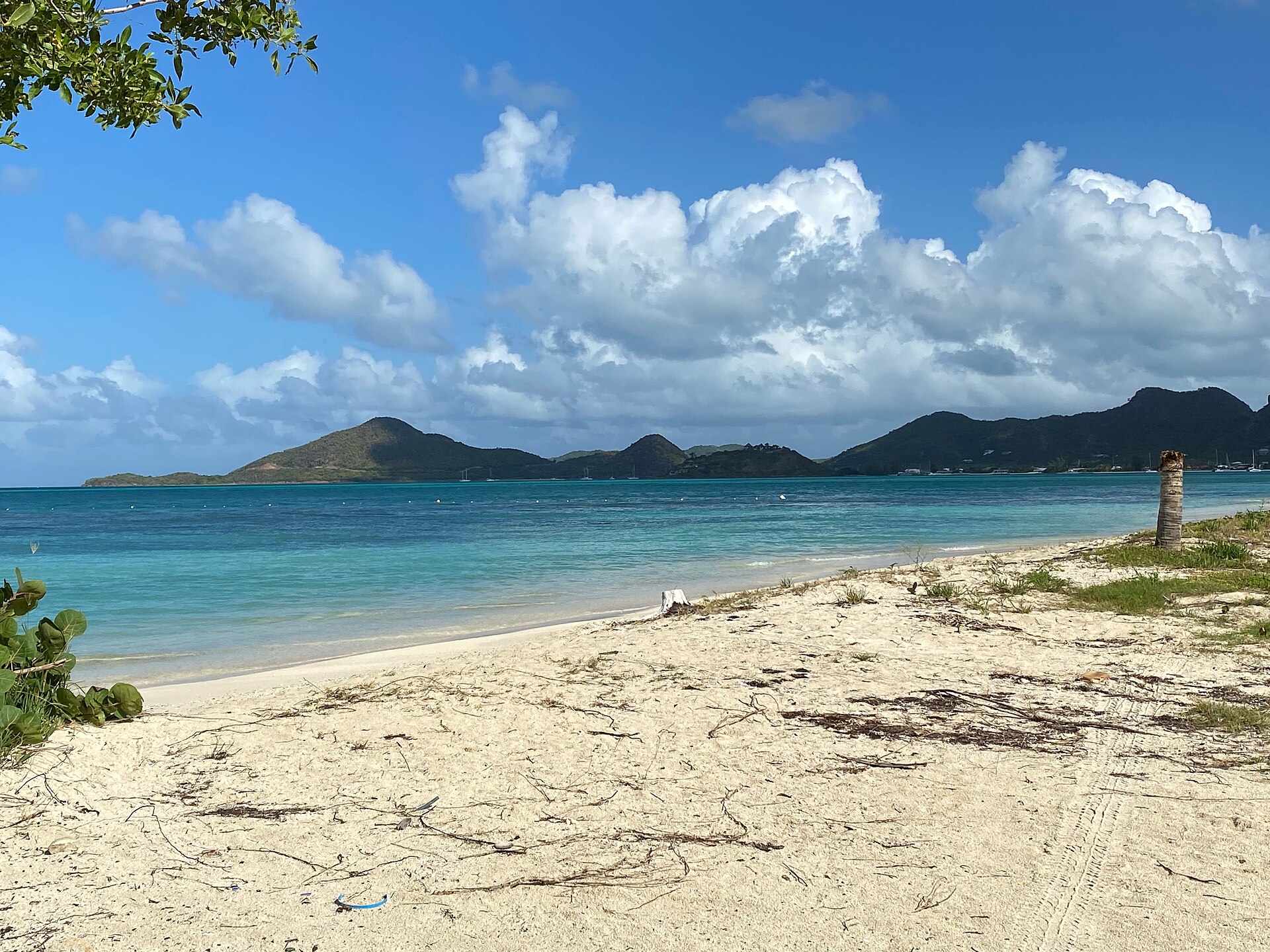
There has been no personal income tax in Antigua and Barbuda since 2016. The program's unusually blunt about what that means for you: its FAQ says a visa holder's income tax affairs stay entirely with their country of normal residence.
For an American, that's the whole story. You keep filing a 1040 and an FBAR from the beach. The foreign earned income exclusion can shelter up to $132,900 of earned income in 2026 if you clear the physical presence test, which means 330 full days outside the United States inside a 12-month window. Salary and self-employment income count. Dividends, capital gains, a pension and Social Security don't.
No relief arrives from the other direction either. The two countries have no income tax treaty, and a zero local bill leaves you nothing to offset the American one with. Your old state may also still count you as a resident, and no island fixes that.
Two years without local income tax is real money. It's just smaller than it sounds.
Who we would call about this one

ExpatInsure
Global Health Insurance
ExpatInsure brokers international health cover. The file needs medical and travel insurance for the full two years before you can submit it, so price that first, and check you are buying a two-year window rather than an annual policy you renew.

Flamingo Compliance | Tax Residency and Visa Tracker Platform
Tax Residency and Visa Tracker Platform
Flamingo Compliance tracks residency days across borders. The counts that decide your money here are American ones: the days outside the U.S. that the exclusion depends on, and whatever your old state uses to decide you never left.

Suzanne Severance
Solo Nomad Coach
Suzanne Severance coaches people who are doing this on their own. The permit expires on a date you already know, so the useful conversation is what month 25 looks like, before you ship anything to the island.
Questions we get about working from Antigua
Will Antigua tax my remote income?
No. The government's own FAQ says your income tax affairs stay with your country of normal residence. That doesn't touch your US return. You keep filing, and the foreign earned income exclusion only covers earned income, up to $132,900 in 2026, and only if you meet the 330-day test.
Do I need this if Americans can already visit for six months?
A visitor stamp isn't a work status, and it runs out. The permit buys two settled years, an endorsement in your passport, and the standing to sign a lease, enroll children and ship your household in without explaining yourself at the border twice a year.
What does the Antigua nomad visa cost?
The government fee is $1,500 for one person, $2,000 for you plus one dependent, and $3,000 for a family of up to four, then $650 a head. You pay by card when you apply, before anyone reviews the file, and it isn't refundable if you're refused.
What's the income requirement for Antigua's Nomad Digital Residence?
You declare an expected income of at least $50,000 for each of the two years, or about $4,170 a month. It has to come from work outside Antigua and Barbuda. You back it up with pay stubs and bank statements, plus a job letter, business license or client contracts.
Can my spouse, children and pets come with me?
Yes, on one family application. Every adult needs a police certificate, and the official checklists disagree on whether that starts at 16 or 18, so get one for a teenager too. Children have to enroll in a private school and need a student permit. Pets need an import permit from the Chief Veterinary Officer.
Can the Nomad Digital Residence be renewed after two years?
No. The program's FAQ says the visa cannot be renewed and can only be issued once. There's no extension and no path from it into residency or citizenship. What happens after month 24 is a separate decision and a separate application, so work it out before you go.
How long does approval take?
You hear back within a day that they have the file, and a decision follows in five to seven business days once your documents are complete. Some guides say up to two weeks, which is the slow end. Remember that the two-year clock starts the day you're approved, so don't file months before you can move.
Is the internet good enough to work from Antigua?
For everyday remote work, yes. APUA sells home fiber from 50 Mbps to 500, and the entry plan is around $71 a month. Measured averages run well under the advertised tiers, closer to 34 Mbps on the fastest fixed network. Buy a higher tier than you would at home and keep a mobile backup.
Antigua, or somewhere easier?
Answer a few questions and see which countries actually fit the way you work, earn and live.
Why. not you?