Ancestry and heritage visas
Your ancestors already did the hard part
One parent or grandparent from the right country can make you a citizen of it, often an EU citizen, sometimes without ever leaving home. Here are the ancestry routes that actually work for Americans.
We map every ancestry and heritage path Expatsi covers, what each one really costs, and who still qualifies after the 2025 rule changes.

Reviewed and updated October 1, 2026 · 11 min read

01 - Why it is worth the paperwork
You are not applying. You are proving what is already yours.

Millions of Americans have a grandparent or great-grandparent who left Ireland, Italy, Poland, or Ghana and never looked back. Here's the part most people miss: that move can run in reverse. Several countries treat citizenship as something you inherit, not something you earn. If the paperwork checks out, they recognize you as a citizen who has been one all along.
The payoff is big. An Irish or Italian passport is an EU passport, which means the right to live, work, study, and retire in any of 27 countries. A Canadian passport reconnects you with family roots and one of the world's easier borders. Plus, you keep your U.S. citizenship the whole way.
Here's the catch
Ancestry routes reward documents, not enthusiasm. You need an unbroken paper trail of birth and marriage records linking you to your ancestor, and a few countries tightened their rules hard in 2025. This hub is honest about who still qualifies and who quietly got shut out.
02 - The routes, side by side
The routes, side by side
We default to the three strongest ancestry routes for Americans. Swap in Spain, Ghana, or India to compare fees, difficulty, and how long each one takes. The number we had to research by hand is the government fee, since it is the only real out-of-pocket cost on most of these paths.
IrelandCitizenship by Descent (Foreign Birth Registration)See the Citizenship by Descent (Foreign Birth Registration) | |||
|---|---|---|---|
| Monthly budget, couple | $4,400 | $3,150 | $3,700 |
| Monthly budget, single | $3,000 | $1,900 | $2,400 |
| Rent, 1-bed city center | $1,800 | $850 | $1,350 |
| Inexpensive meal out | $21 | $18 | $18 |
| Safety index | 70 | 60 | 70 |
| English proficiency | 100 | 60 | 95 |
| Visa income floor | 278 eurosGov fee per adult. Qualify through a grandparent born anywhere on the island of Ireland. No residency, ever, and English all the way. | 600 eurosConsular fee per adult. Since the 2025 reform you need a parent or grandparent born in Italy. Great-grandparents no longer count. | CAD $75Fee per person. Bill C-3 scrapped the generation cap for anyone born before Dec 15, 2025. You prove status, you do not apply for a visa. |
Fees are the 2026 government charge per adult applicant and do not include gathering records, apostilles, or translations. India's figure includes the fixed welfare fund and VFS charges. Everything else updates live from Expatsi's data.
Three kinds of route, one goal
Look closely and these paths split into three families. Descent routes (Ireland, Italy, Canada) hand you citizenship you already hold by blood, usually claimed from home. A naturalization route (Spain) asks you to live there a couple of years first, then rewards eligible nationalities with a passport in two years instead of ten. Finally, heritage routes let you live in the country your family came from without making you a citizen: Ghana's Right of Abode for the African diaspora, India's OCI card for people with Indian roots, and residence in Slovakia and Slovenia for people with roots there. The good news is that the cheapest options are often the strongest, because a low fee usually means the country is simply recognizing what is already true.
For descent routes, the prize is the passport
The descent and naturalization routes here end in a second citizenship you keep for life and can pass to your kids. An Irish, Italian, or Spanish passport is an EU passport, so it opens 27 countries instead of just one. The heritage routes work differently. India's OCI card and the Slovak and Slovenian permits give you the right to live there, not a passport, and for Americans that can be the better deal: India doesn't allow dual citizenship, and Slovenia expects new citizens to give up their old nationality unless the government grants an exception.
03 - The routes in depth
Where your family came from decides your best move
Ireland: the easiest EU passport
One grandparent born anywhere on the island, north or south, and you register on the Foreign Births Register from your kitchen table. No residency, no language test, about 278 euros. See Irish citizenship by descent.
Italy: still open, but narrower
A parent or grandparent born in Italy can still make you Italian, and Italian means EU. A 2025 law capped it at two generations, so great-grandparents no longer count unless you filed before March 2025. See Italian citizenship by descent.
Canada: the most generous
Bill C-3 removed the old one-generation limit in December 2025, so a Canadian ancestor can qualify you no matter how far back the line runs. It costs about CAD $75 and is proof of status, not a visa. See Canadian citizenship by descent.
Spain: for Latin American and Puerto Rican roots
If you are an Ibero-American, Puerto Rican, or Sephardic national, you can naturalize after just two years living in Spain and keep your first passport. See Spain's fast-track citizenship.
Ghana: coming home to the diaspora
Ghana's Right of Abode lets people of African descent live and work there indefinitely, the everyday engine behind the Year of Return. See Ghana's Right of Abode.
India: a lifelong card for the diaspora
If you, a parent, a grandparent, or a great-grandparent held Indian citizenship on or after January 26, 1950, you can apply for an OCI card from the U.S. for $297 including service charges. It lets you live in India with no time limit, but it isn't citizenship, and anyone with a Pakistani or Bangladeshi citizen in that line is shut out. See India's OCI card.
Slovakia and Slovenia: roots as a reason to move
Both countries count your heritage as grounds to live there. A Slovak Living Abroad certificate brings Slovak residence for up to five years with no work permit, plus a three-year residence path to citizenship. See Slovakia's national visa. In Slovenia, background up to the grandparent generation is a named purpose for the long-stay visa and the residence permit, and descendants of emigrants get a faster path to citizenship. See Slovenia's D visa and Slovenia's temporary residence permit.
Hungary: when your spouse holds the passport
Hungary's family permit fits the American married to a Hungarian citizen, including a spouse who just claimed citizenship through a grandparent. With a Hungarian sponsor it runs up to five years, and if your own ancestor held Hungarian citizenship, you can skip the usual three-year wait for permanent residence. See Hungary's family reunification permit.
Other doors worth knowing about
This list is not everything. Italy still allows a pre-1948 maternal-line case through the courts, plus a two-year residency route if your Italian roots are one generation too far. Poland, Lithuania, Germany, and Hungary run their own descent programs. If you're marrying into a country, the Netherlands partner route grants the right to work the day it's approved. Ask us and we'll point you at the right program.
Every ancestry path we track
Citizenship by Descent (Foreign Birth Registration)
The gentlest EU passport
Register on the Foreign Births Register from home. No residency, no language test, and Northern Ireland counts too.
- A grandparent born on the island of Ireland (Republic or Northern Ireland) — the standard route
- An unbroken documentary chain: birth/marriage certificates linking grandparent → parent → you
- For a great-grandparent claim: proof your parent registered on the FBR (or naturalized) BEFORE you were born
Citizenship by Descent (Jure Sanguinis)
Italian by blood, EU by extension
Still open within two generations after the 2025 reform. The hard part is the apostilled, translated record chain.
- A parent or grandparent born in Italy who held only Italian citizenship (the 2-generation cap) — OR a complete application filed before March 27, 2025 (grandfathered)
- An unbroken citizenship chain: no ancestor in the qualifying line naturalized abroad before the next descendant’s birth
- Full civil records for the line — birth/marriage certificates for the Italian ancestor and every direct descendant, apostilled and translated into Italian
Citizenship by Descent
No generation cap since Bill C-3
Prove an unbroken link to a Canadian ancestor and claim a certificate of citizenship. Cheapest of the bunch.
- A documented Canadian-citizen parent, grandparent, or earlier ancestor in your direct line
- Proof of that ancestor's Canadian citizenship (birth certificate, citizenship certificate, or naturalization record)
- An unbroken chain of birth/marriage/adoption records connecting you to that ancestor
Fast-Track Citizenship (2-Year Residency)
Citizenship in two years, not ten
Live in Spain two years on any permit, then naturalize and keep your original nationality.
- Be a national of an eligible country: an Ibero-American/LATAM country, the Philippines, Equatorial Guinea, Andorra, Portugal, or a recognized Sephardic Jew
- 2 years of legal, continuous residence in Spain on a valid permit (work, student, family, non-lucrative, digital nomad, etc.) with absences under ~3 months/year
- Pass the CCSE exam (Spanish constitution & culture, Instituto Cervantes, ~€85)
Right of Abode
Come home for good
Right of Abode gives indefinite residence and the right to work without a permit. Not citizenship, but close.
- Proof of African descent
- Good character, attested by two Ghanaian citizens of reputable standing
- No criminal convictions resulting in imprisonment of 12 months or more
Family Reunification Visa (Partner/Spouse Route)
Family, not bloodline
Reunite with a spouse or partner in the Netherlands and get the right to work as soon as it is approved.
- A sponsor in the Netherlands who is a Dutch national or holds a valid Dutch residence permit (e.g., Highly Skilled Migrant, EU Blue Card)
- A genuine, durable relationship: marriage/registered-partnership certificate (apostilled + sworn-translated) or proof of a committed unmarried partnership
- Sponsor income at or above the IND threshold — about €2,337/month gross (partner sponsor, H2 2026), reassessed each January and July

04 - The part that actually stops people
Ancestry cases are won and lost on paper
Each of these routes runs on the same fuel: an unbroken chain of civil records linking you to your ancestor. This can be birth certificates for each generation, marriage certificates where names changed, sometimes a death record. For Ireland and Canada, English documents are usually fine. For Italy and Spain, everything gets apostilled and translated into the local language, which is where costs and months quietly pile up.
A quick reality check: Canada now says an application cannot rest on Ancestry or FamilySearch printouts alone, and a large share of Irish cases stall on missing or short-form certificates. This is the stage where a records specialist earns their fee. Our partner Legalize That Doc does nothing but assemble and certify these chains, while Sovereign Roots runs the citizenship claim end to end.
These rules moved in 2025, and they will move again
Italy capped descent at two generations in May 2025. Canada scrapped its cap in December 2025. Spain's old grandchild law closed to new filings in October 2025. Fees and processing times shift every year. We date this hub on purpose and re-check it, but always confirm the current rule before you file.

05 - Life with two passports
You keep your American life. You just add options.
None of the descent routes here ask you to hand back your U.S. passport, and the U.S. is fine with dual citizenship. That matters more than people expect. It means you can claim an Italian or Irish passport now, keep living in Ohio, and hold the option to move to Lisbon, Madrid, or Galway later without another visa in sight.
Taxes are the one thing that doesn't change. Every country here taxes you on where you live, not on the passport you hold, so a second citizenship you're not using creates no foreign tax bill. However, the U.S. taxes its citizens no matter where they live, so you keep filing with the IRS. If you do move, tax credits and the foreign earned income exclusion usually wipe out the double hit. A cross-border accountant is worth every penny here.
Where these roots lead
Ten places your family tree might take you
Ireland
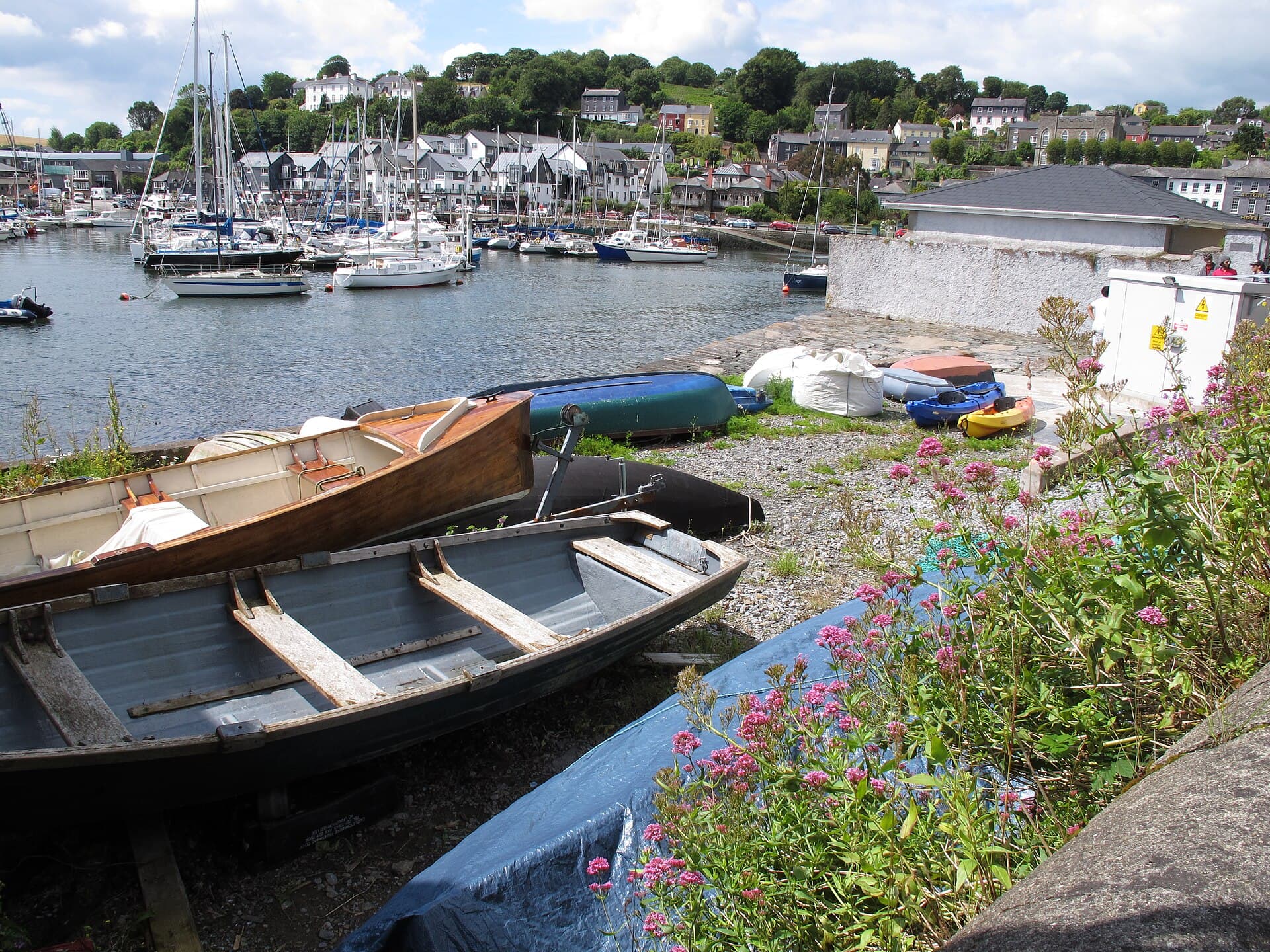
One grandparent, an EU passport
Green, English-speaking, and the friendliest descent rule in Europe.

Ghana
The diaspora's homecoming
Right of Abode and the Year of Return welcome the African diaspora back.
Italy
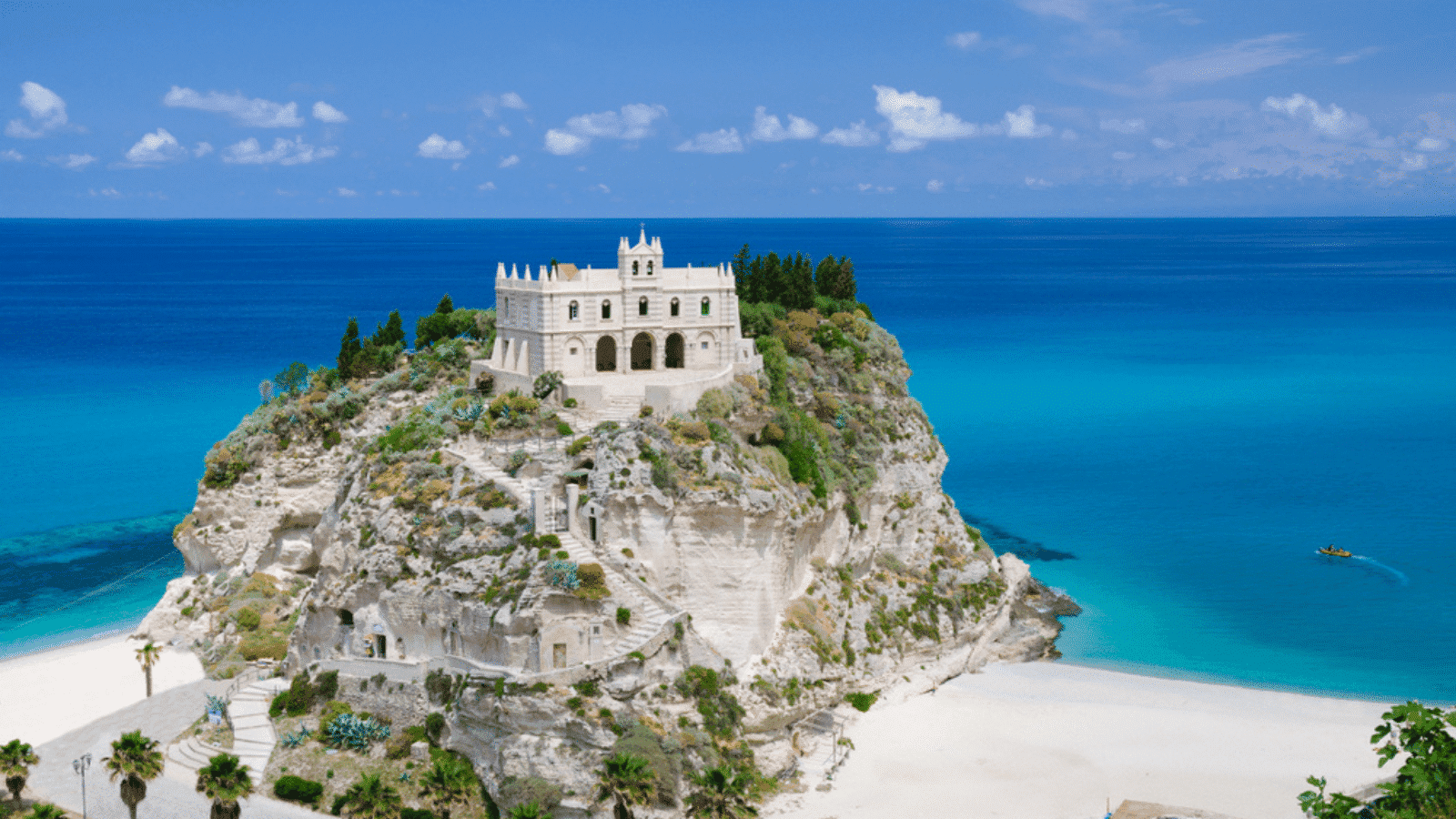
The old country, still open
Two generations of Italian blood can make you a citizen of the whole EU.

Spain
Two years to a passport
Latin American, Puerto Rican, and Sephardic roots naturalize on the fast track.

Canada
The most generous rule
A Canadian anywhere in your line can qualify you since Bill C-3 dropped the cap.

Netherlands
Family, not bloodline
Reunite with a partner or spouse and get the right to work on day one.

India
Roots back to a great-grandparent
The OCI card gives the Indian diaspora a lifelong right to live in India.

Slovakia
Heritage that shortens the wait
A Slovak Living Abroad certificate opens a three-year residence path to citizenship.
Slovenia
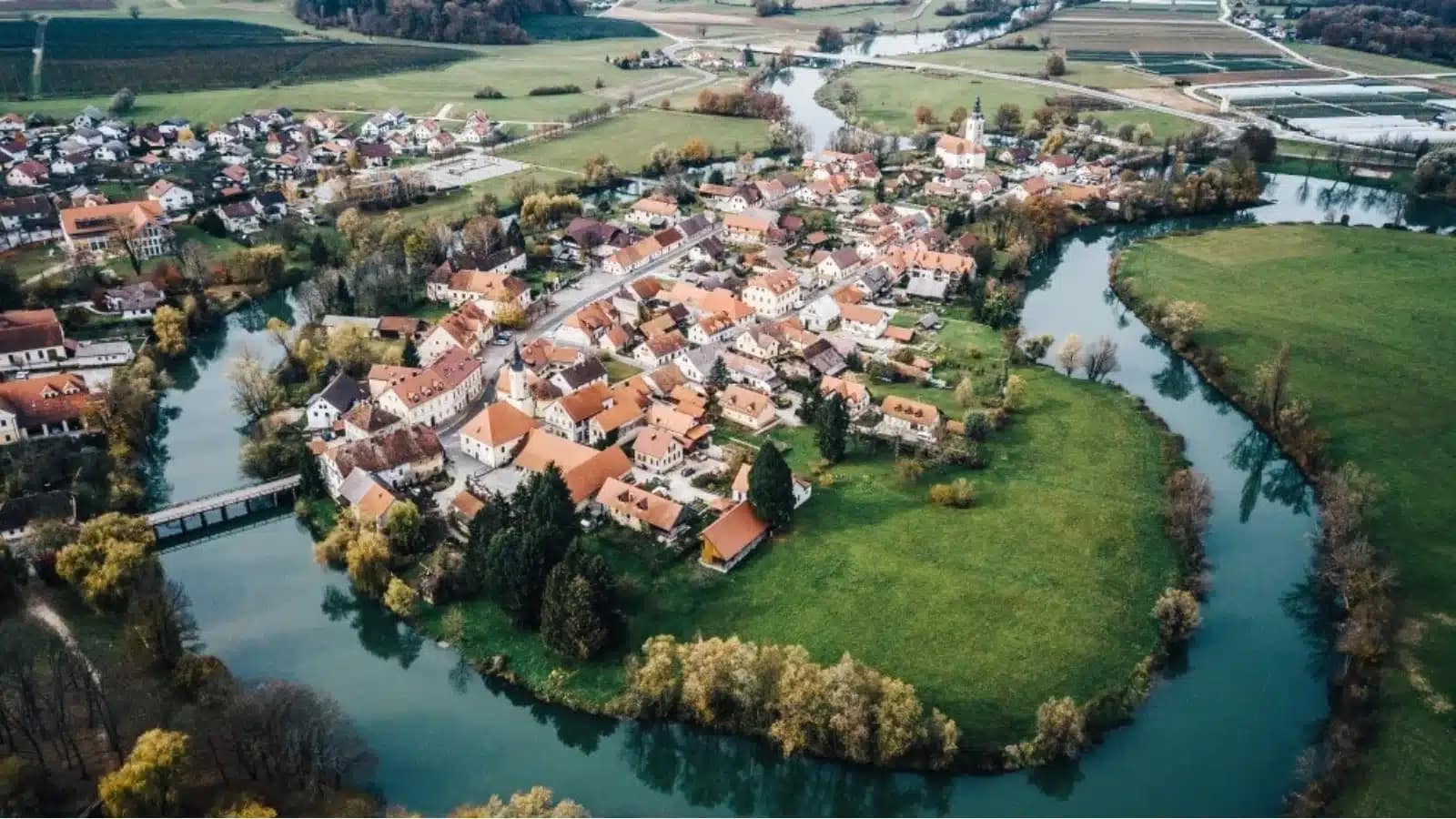
Ancestry as an official purpose
Slovene background up to a grandparent counts as a reason to live there.

Hungary
Married into the family
Spouses of Hungarian citizens can hold a family permit for up to five years.
The people who actually do this for a living
You can run an ancestry claim yourself, and plenty of people do. But when a certificate is missing, a name is spelled three different ways across a century, or a consulate goes quiet for a year, the right specialist saves you months. These are the partners we trust for descent and heritage work.

Sovereign Roots
Citizenship by Ancestry
Ancestry citizenship is all they do. They confirm whether your line qualifies and run the Irish, Italian, or Spanish claim from first record to final passport.
Learn more
Legalize That Doc
Document Preparation
The document chain is where cases die. They track down, certify, apostille, and translate the birth and marriage records every one of these routes demands.
Learn more
Move To Dolce Vita
Italian Immigration
Italian immigration and tax specialists for the consular and in-Italy routes, including the two-year residency naturalization if descent no longer fits.
Learn more
Master Immigration Services (Canada)
Canada Immigration
Licensed Canadian consultants who handle proof-of-citizenship claims and whatever comes next if you decide to actually move north.
Learn more
Moving to Spain
Spain Relocation Specialist
Relocation specialists who get you legally resident in Spain, which is what starts the two-year clock toward fast-track citizenship.
Learn more
African Diaspora Resource Centre Ltd
Ghana Relocation and Visas
Ghana relocation, visas, and heritage support, from Right of Abode paperwork to settling into life in Accra.
Learn moreWalk the ground first

Ghana
8 nights · Feb 5-13 or Apr 10-18, 2027 · hosted by Jessy Bernard
- Seminar & opening dinner with experts in visas, healthcare, & taxes
- Breakfast and group transportation
- 7 nights
From $2,499 per person
See this tripGo deeper before you file
A few guides and webinars we lean on when a reader is ready to trace a line and start gathering documents.
Guides and webinars
You CAN Move Abroad
Thinking about moving abroad but not sure where to start—or if it’s even realistic for you? This webinar is your roadmap. We’ll walk you through what it actually takes to move overseas, from choosing the right country and understanding visa options to budgeting, timelines, and avoiding the most common (and costly) mistakes. You’ll leave with a clear picture of what’s possible based on your situation, plus simple next steps to turn the idea into a real plan—and get your questions answered live along the way.
Start here if the whole idea still feels out of reach.
How To Prepare Your Documents
Planning an international move? Don't let paperwork slow you down. In this essential webinar, Legalize That Doc will walk you through everything you need to know about preparing and legalizing your documents for use overseas.
The exact playbook for assembling and certifying a records chain.
Moving To Ireland
Thinking about moving to Ireland? In this webinar, we’ll walk through the main pathways for relocating, including visa and residency options, housing realities, cost of living, healthcare, and what to plan for before you go. You’ll get a clear picture of what it really takes to make the move so you can decide if Ireland is the right next chapter for you.
For the most popular descent route of all.
How To Move To Canada
Thinking about relocating to Canada but not sure where to start? This webinar is your step-by-step guide to making the move with clarity and confidence. Whether you're considering a temporary stay, permanent residency, or exploring citizenship options.
What comes after the citizenship certificate arrives.
Do I have enough money?
Our partners at Beacon Financial outline how much money a move abroad could cost you as well as how much you may need to retire.
Budget the move, not just the passport.
Compare notes with other roots-seekers
Visa Path: Citizenship by ancestry or family reunification
Expatsi Community
Swap document tips, consulate wait times, and small wins with others tracing a family line back to a new passport.
Join the communityAncestry visa questions, answered
How much does an ancestry claim really cost?
The government fee is small, from about CAD $75 in Canada to 600 euros in Italy. The real cost is documents: ordering certified records, and for Italy and Spain, apostilles and sworn translations. Most Irish and Canadian cases run a few hundred dollars all in, while Italian cases can reach the low thousands.
What if none of these fit my family?
Take the Expatsi Test and tell us about your roots. There are more descent programs than we can list here, from Poland to Lithuania to Germany, plus family and marriage routes. We will point you toward the ones worth your time.
Will a second passport increase my taxes?
Not on its own. All of these countries tax you based on where you live, not on which passports you hold, so an unused second citizenship creates no foreign tax. The US, though, taxes its citizens worldwide, so you keep filing with the IRS wherever you live.
Can I keep my US citizenship?
Yes, on the descent routes. Ireland, Italy, and Canada let you claim citizenship by descent and keep your U.S. passport, and the U.S. permits dual citizenship. Two heritage countries are stricter if you go on to naturalize: India doesn't allow dual citizenship, and Slovenia expects new citizens to give up their old nationality unless the government grants an exception. For Americans with roots there, India's OCI card or a Slovenian residence permit lets you keep your U.S. citizenship.
Do I have to move to the country to get citizenship by descent?
Usually no. Ireland, Italy, and Canada recognize citizenship you already hold by blood, so you can claim it while living in the US. Spain is the exception: it is a naturalization route, so you must live in Spain for two years first. Ghana's Right of Abode also generally expects you to be resident.
How long does it take?
Plan on the better part of a year or more. Ireland runs roughly nine to twelve months, Canada about nineteen months and rising, and Italy anywhere from two to four years once you count records, a consular appointment, and adjudication. Gathering documents is usually the slowest part, and it is the part you control.
Which ancestry route is the easiest for Americans?
Ireland, by a mile. One grandparent born anywhere on the island of Ireland lets you register on the Foreign Births Register entirely from home, with no residency, no language test, and English documents. It costs about 278 euros and usually takes nine to twelve months.
My only connection is a great-grandparent. Am I out of luck?
It depends on the country. Italy closed automatic recognition beyond a grandparent in 2025, and Ireland only reaches past a grandparent if your parent registered before you were born. But Canada removed its generation cap entirely in December 2025, so a more distant Canadian ancestor can still qualify you. India's OCI card also reaches back to a great-grandparent, though it gives you a lifelong right to live in India, not citizenship.
Sources
Where these facts come from
- Registering a foreign birth (fees and eligibility) · Department of Foreign Affairs, Ireland (checked 2026-08)
- Italian citizenship by descent and the 600 euro fee (Law 74/2025) · Consulate General of Italy, Miami (checked 2026-08)
- Apply for a Canadian citizenship certificate (Bill C-3, CAD $75) · Immigration, Refugees and Citizenship Canada (checked 2026-08)
- Tasa 790-026 for Spanish nationality (about 104 euros) · Ministerio de Justicia, Spain (checked 2026-08)
- Right of Abode for the diaspora · Ghana Immigration Service (checked 2026-08)
- New OCI card fees for U.S. applicants ($275 plus $3 and $19) · VFS Global, for the Government of India (checked 2026-10)

Find the passport hiding in your family tree
Take the Expatsi Test and we'll match your roots to the routes that actually fit.
Why not you?