One Irish grandparent makes you an EU citizen
If a grandparent was born on the island of Ireland, an EU passport is your birthright.
No move, no language test, no giving up your American passport.


How it works
You don't apply for it. You prove it.
Irish citizenship by descent isn't a visa you win. If the bloodline is there, the citizenship already is, too. The Foreign Birth Register just writes it down. Once your name is on it, you're an EU citizen, free to live and work across 27 countries.
The deal, in four numbers
278 euros
Government fee, per adult
One-time and non-refundable
Zero
Years you must live in Ireland
No residency required, ever
9 to 12 months
For your Foreign Birth Register certificate
Passport comes after, and faster
Both passports
Keep your U.S. citizenship
Ireland is fine with dual

Who qualifies
Start with where your people were born
The family line runs through your parents and grandparents, not distant cousins. Where your Irish relative was born decides your route.
- Grandparent born in Ireland, North or South: you register on the Foreign Birth Register.
- Parent born in Ireland: you're already a citizen, so skip ahead to a passport.
- Great-grandparent only: still possible, with a strict catch below.
Citizenship by Descent (Foreign Birth Registration)
If you have a grandparent born on the island of Ireland, you can become an Irish (and therefore EU) citizen by registering on Ireland’s Foreign Births Register — no residency in Ireland required, ever. If your connection is a great-grandparent, you generally qualify only if your parent had already registered on the FBR before you were born, keeping the chain unbroken. If a parent was born in Ireland, you are already a citizen automatically and can skip FBR entirely and apply straight for a passport.
- Government cost
- $317
- Processing time
- ~270 days
- Timeline
- ~9 months for the Foreign Birth Registration certificate (can run 12+ months for complex cases); the Irish passport afterward is separate and faster
- Difficulty
- Moderate
Key requirements
- A grandparent born on the island of Ireland (Republic or Northern Ireland) — the standard route
- An unbroken documentary chain: birth/marriage certificates linking grandparent → parent → you
- For a great-grandparent claim: proof your parent registered on the FBR (or naturalized) BEFORE you were born
- Completed Foreign Birth Registration application (via fbr.dfa.ie), printed, signed, and mailed with certified documents
- Non-refundable government fee (€278 adult / €153 minor)
- Copy documents certified by a qualified witness using the exact required wording
- No Irish or EU residency required at any point
- A separate Irish passport application after FBR approval
Here's the catch
The great-grandparent route only works if your parent was on the Foreign Birth Register before you were born. And the real work isn't the form, it's the paper: original, long-form birth and marriage certificates linking every generation. About half of all applications stall on a photocopy or a short-form cert, so be sure to work with a professional to get the paperwork done right.

People who do this daily

Sovereign Roots
Citizenship by Ancestry
Ancestry specialists who map your line and confirm which route fits your family.

Legalize That Doc
Document Preparation
Finds, certifies, and translates the records an application lives or dies on.
Plan-B Outbound Migration
Multi-Country Visa Support
Handles the move itself once your passport lands, in Ireland or the EU.
The homeland, waiting
Where your passport feels like home
Dublin
The capital and the jobs
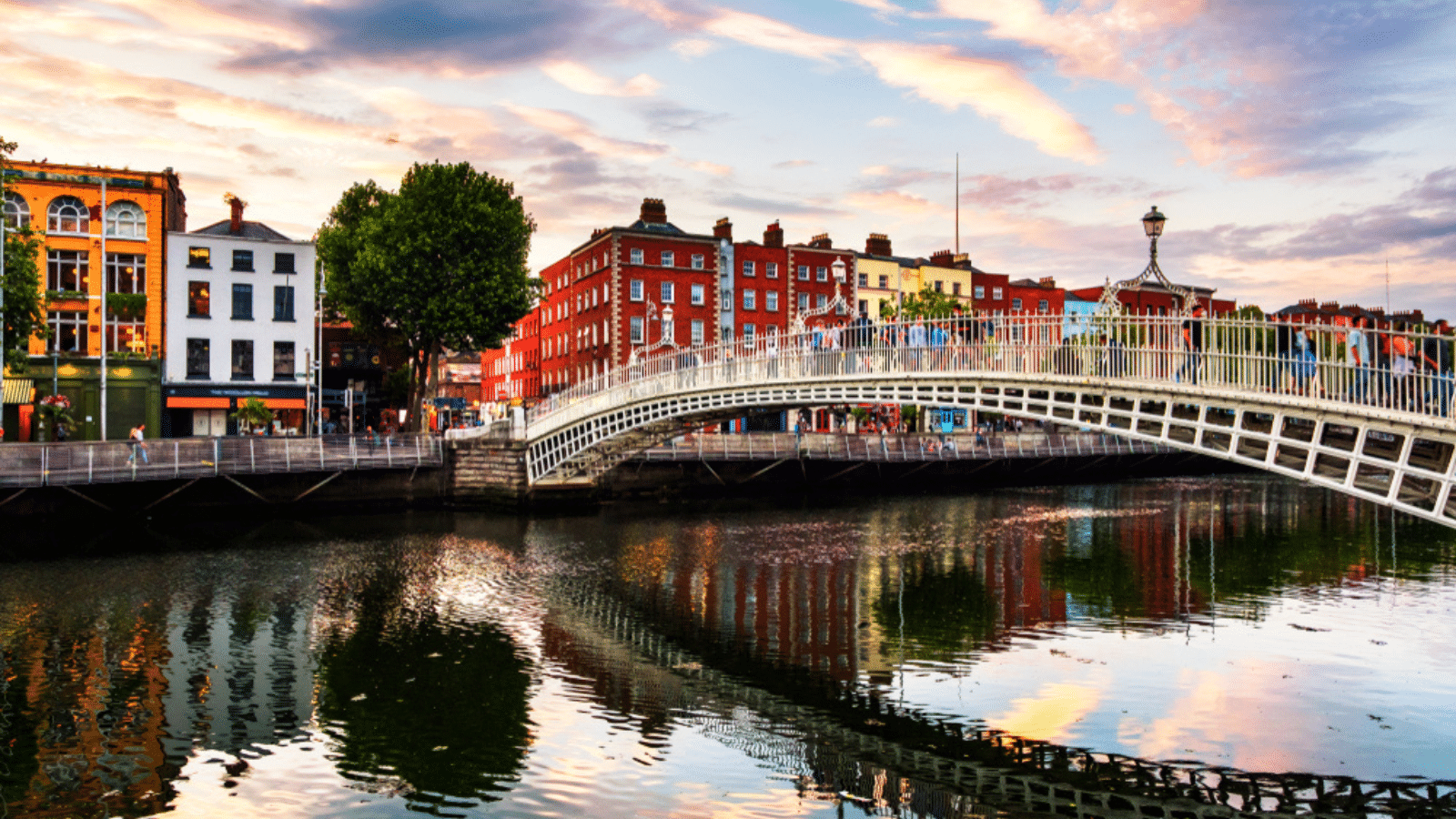
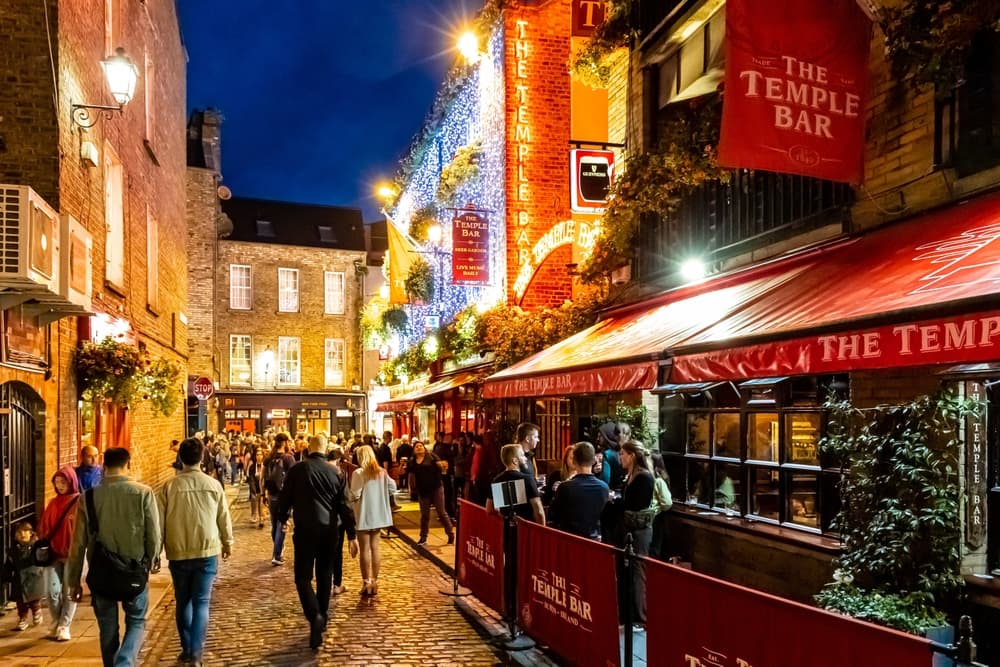
The economic and cultural engine, home to most of the big employers and the busiest social scene. It is also the priciest place to rent, so most people trade some space for the shorter commute.

Cork
Second city, gentler prices
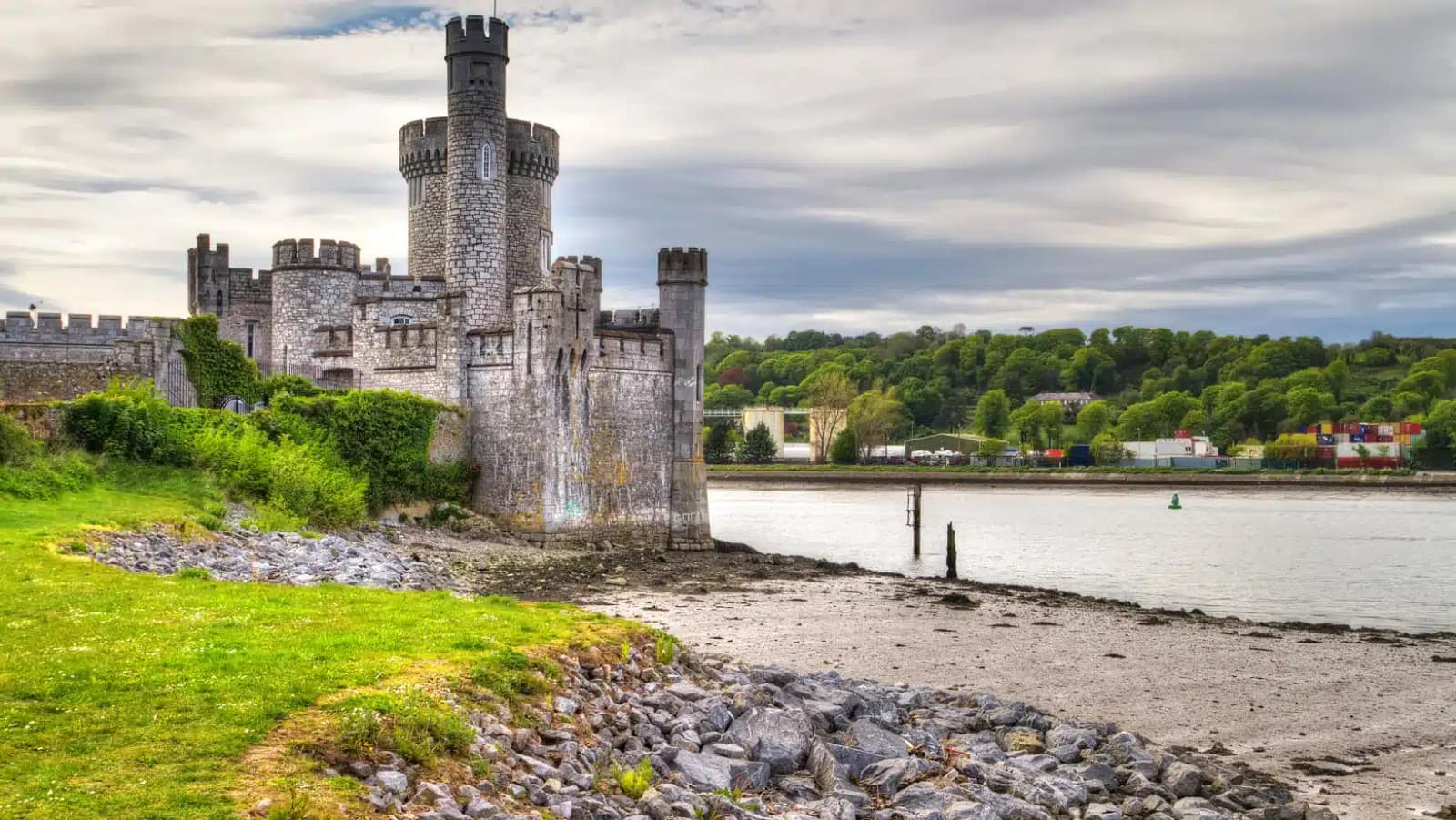
Ireland's laid-back second city, with a serious food scene, a deep-water harbour and pastel towns like Cobh and Kinsale close by. Rents run comfortably below Dublin.
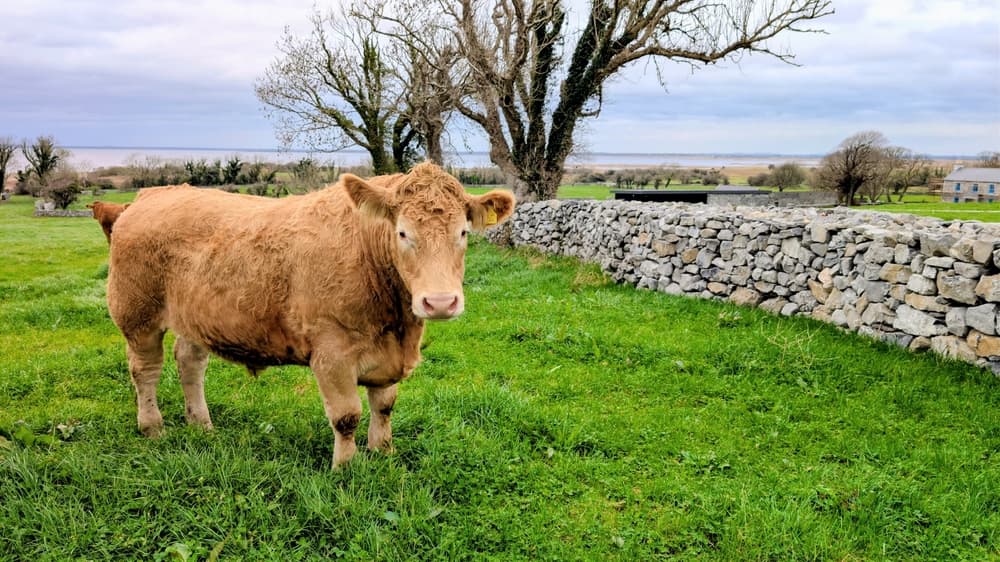
Galway
Music and the Atlantic
A small harbor city that feels like a big pub session, with Connemara and the Wild Atlantic Way starting at the edge of town and a young university crowd. Housing is the problem: it's scarce and expensive for a city this size.
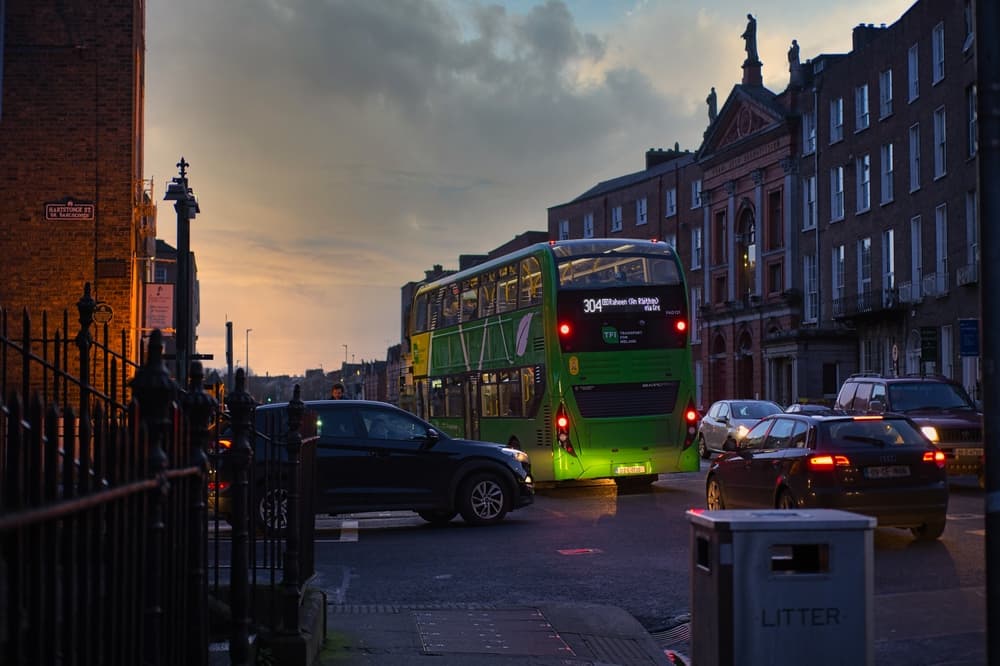
Limerick
Rugby on the Shannon
A river city that lives and dies by Munster rugby at Thomond Park, with a Norman castle on the Shannon, a large university, and Shannon airport half an hour out. US preclearance there means you land back home as a domestic arrival. The old reputation for rough edges has faded, but not entirely.
Questions Americans ask us
Will an Irish passport make me pay Irish tax?
No. Ireland taxes people on where they live, not on their passport. Holding Irish citizenship while you live in the U.S. creates no Irish tax bill on its own. Talk to a cross-border accountant if you actually move.
Can my kids get Irish citizenship too?
Yes, if you register before they are born. Once you are on the Foreign Birth Register, children born after that can claim through you. Register after they arrive and they miss out, so timing matters.
My Irish ancestor is a great-grandparent. Can I still qualify?
Only if your parent was registered on the Foreign Birth Register before you were born. A grandparent is the normal limit. Beyond that, there is no automatic claim through descent.
Do I have to move to Ireland?
No. Irish citizenship by descent has no residency requirement, ever. You can register, get your passport, and keep living in the US. The move is optional.
My grandparent was born in Northern Ireland. Does that count?
Yes. Anywhere on the island of Ireland counts, including the six counties of the North. You just pull the birth record from the GRONI office instead of the Republic's General Register Office.
What documents will I actually need?
Original, long-form civil birth certificates for you, your parent, and your Irish-born grandparent, plus marriage certificates for any name changes and a death certificate if your ancestor has passed. Photocopies and commemorative certificates get rejected.
Can I keep my US citizenship?
Yes. Ireland allows dual citizenship and the U.S. permits it in practice, so you hold both passports. You keep filing U.S. taxes because the U.S. taxes its citizens no matter where they live.
Other ways into Ireland
The Irish work permit that turns into residency in 21 months
Land a job on Ireland's critical skills list at 40,904 euros or more, about $47,000, and 21 months later you can drop the permit system entirely. Here's what that takes in 2026.
An Irish job offer, 36,605 euros, and 28 days of advertising
The General Employment Permit is how Americans take an ordinary Irish job. Here's the 2026 pay floor, the list that can block you, and what it costs in time.
Retire in Ireland
Stamp 0 is the Emerald Isle's route for retirees of independent means, and one of the harder European visas for a US retiree to qualify for.
Americans don't apply for an Irish student visa
You fly in, then register for Stamp 2 in Dublin. Here's what it costs, what it lets you do, and the two Irish rules that catch people out.
Find out if your Irish line qualifies.
Talk to our Expatsi advisor about next steps.
green