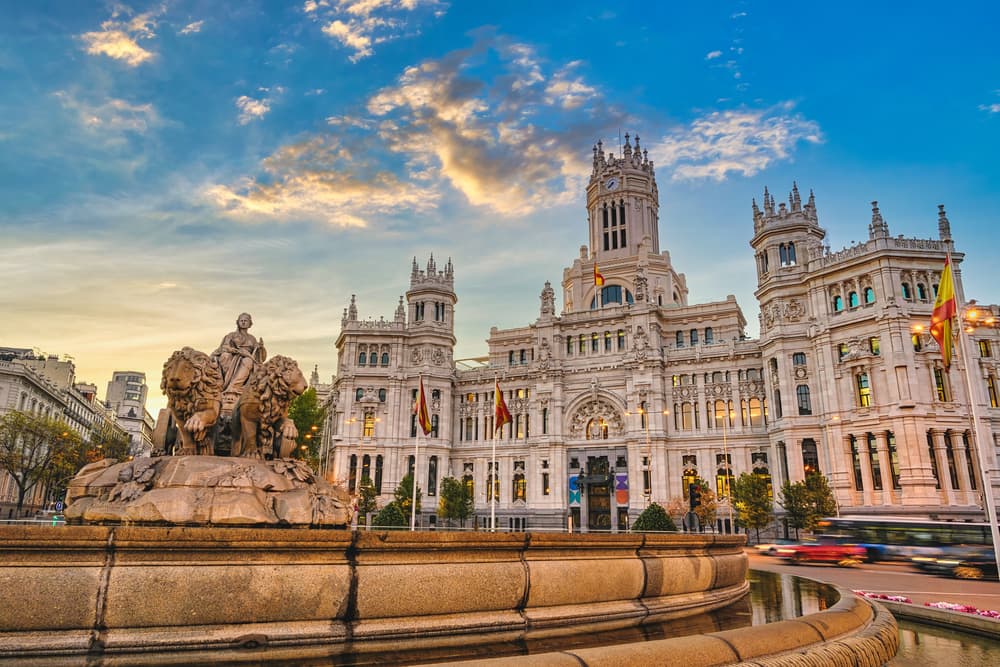
Madrid: Europe's late-night capital
Spain's biggest city: metro coverage that makes a car optional, a deep Latin American expat scene, mid-pack safety scores, and a retirement route through the non-lucrative visa.
- 3,506,730
- Population (2025)
- $2,600/mo
- Monthly budget · single
- 60°F / 15°C
- Avg temperature
Plan on about $2,600 a month in U.S. dollars for a single person in Madrid, around $3,800 for a couple, and roughly $6,000 for a family. A one-bedroom apartment averages about $1,500 in the center and about $1,150 in outer districts like Carabanchel or Puente de Vallecas, which is where a lot of newcomers end up once they see what the same money buys near Sol.
Madrid suits people who want a full-sized capital, about 3.5 million people, with the friction dialed down. The city runs on a late schedule: two-hour dinner at 9 or 10 pm is normal, and social life happens in public, in plazas and terrazas and 100-year-old bars. English-speaking jobs, international schools, and direct flights to the U.S. all exist here in a way they don't in smaller Spanish cities.
The honest drawback is the housing market. Rents have climbed fast; competition for decent apartments is intense, and landlords often want proof of Spanish income or several months up front. Buying is no easier: at about $7,350 per square meter in the center, Madrid is the priciest of the 19 Spanish cities we track. Budget real time into your apartment hunt.
At a glance
$2,600
Monthly budget · single person
$1,500/mo 1-bed rent, center
69/100
Safety index
$35
Internet / month
60°Fannual average
Jan 44° · Jul 79°
Climate
3,506,730
Population (2025)
Expatsi estimates, updated Aug 2026, based on rental listings, government statistics, and local reporting.
Cost of living
What it costs to live in Madrid
Single person
$2,300–$2,900/mo
about 15% below Austin, TX
Couple
$3,400–$4,300/mo
about 15% below Austin, TX
Family of four
$5,300–$6,700/mo
about 25% below Austin, TX
Compared with Austin, TX (Expatsi estimate, 2026).
- $16 −20%
- Inexpensive meal
- $1,350–$1,700/mo −23%
- 1-bed rent, center
- $1,000–$1,300/mo −15%
- 1-bed rent, outside
- $35/mo −46%
- Internet
- $50/mo +21%
- Transit pass
- $683/sq ft +5%
- Buy price, center
Expatsi estimates, updated Aug 2026, based on rental listings, government statistics, and local reporting.
Daily life
How Madrid lives
- A+ grade, 99th percentile among the cities we track
- Dining & cafésstandout
- A+ grade, 97th percentile among the cities we track
- Arts & culturestandout
- A grade, 93rd percentile among the cities we track
- Parks & outdoorsstandout
- A grade, 94th percentile among the cities we track
- Schools & educationstandout
- A+ grade, 98th percentile among the cities we track
- Healthcare accessstandout
- A- grade, 80th percentile among the cities we track
- Bike infrastructurestrong
- A+ grade, 98th percentile among the cities we track
- Public transitstandout
- B+ grade, moderate physical accessibility
- Accessibilitymoderate
Graded on OpenStreetMap amenity density relative to the 298 cities we track. Accessibility is the exception: it's graded against a fixed standard (terrain steepness and sidewalk surfaces), not a curve.
Climate
Weather through the year
Annual average 60°F (15°C) · 16 in of rain a year · Source: Meteostat station normals (08222, 1991-2020)
On the ground
Scenes from Madrid
Getting around
Transport in Madrid
Madrid is a metro city. Metro de Madrid reaches nearly every neighborhood, runs frequently and stays clean; budget about $50 a month to get around. In addition to the metro is Cercanías commuter rail, linking the suburbs and satellite towns like Alcalá de Henares and Getafe to the center. An extensive city bus network including night buses (búhos) serves the city for the hours the metro is closed.
The center is genuinely walkable. From Sol you can reach the Prado, the Retiro park, Malasaña, and La Latina on foot, and most residential neighborhoods have groceries, pharmacies, and cafés within a few blocks. BiciMAD, the public e-bike share, covers a growing share of the city, though Madrid's hills make the electric assist earn its keep.
A car doesn't make sense for most residents. The entire municipality is a low-emission zone, with two stricter cores inside it, and what you may drive depends on the emissions label your car carries. The rules have changed almost every year since 2022, so check the current version rather than a guide. Street parking is scarce and the metro is usually faster anyway.
The realistic case for a car is the outer suburbs or weekend trips into the countryside; even then, most people just rent one for the excursion. High-speed AVE trains from Atocha put you in Barcelona, Seville, and Valencia within about three hours or less.
- 102/sq mi
- Transit stops
- 49/sq mi
- Bike infrastructure
- 249/sq mi
- Wheelchair-accessible places
Mapped features per square mile from OpenStreetMap.
Keep exploring
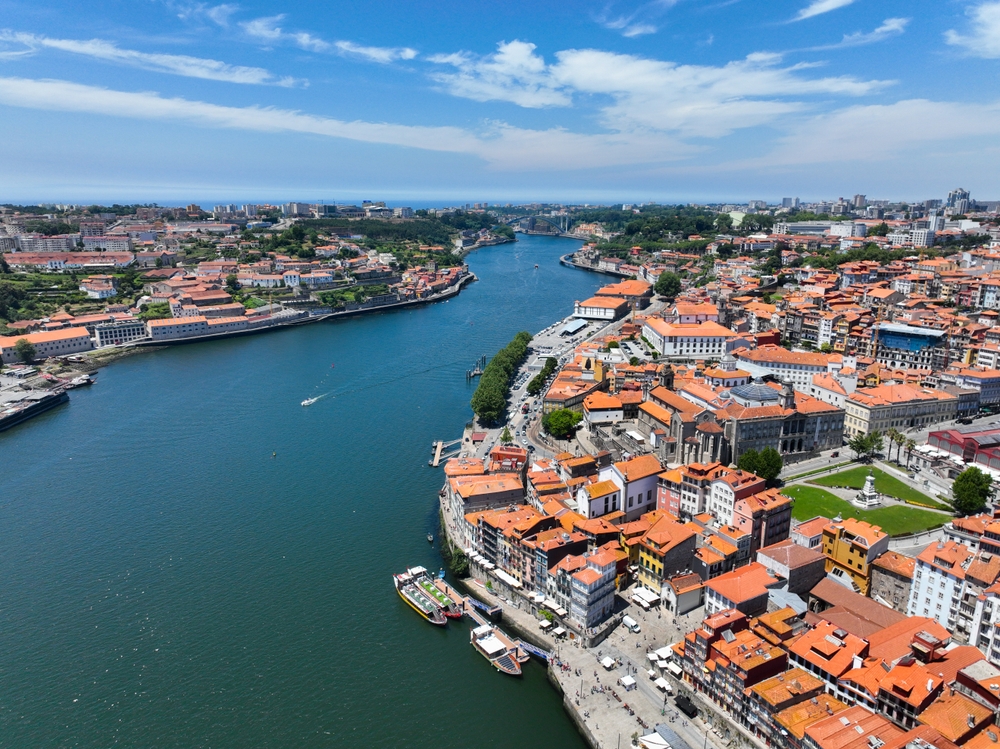
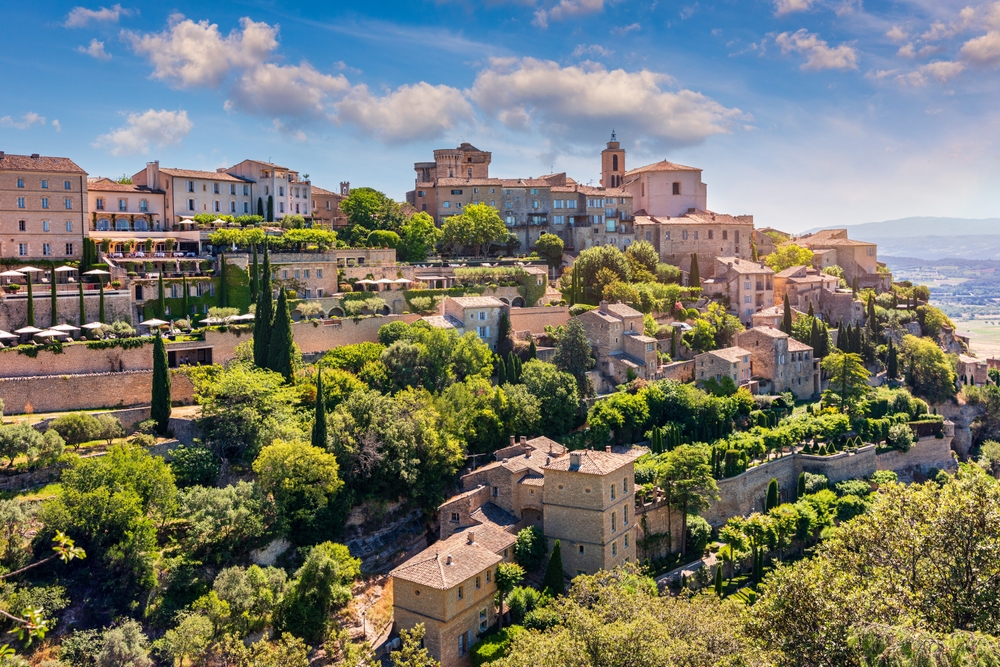
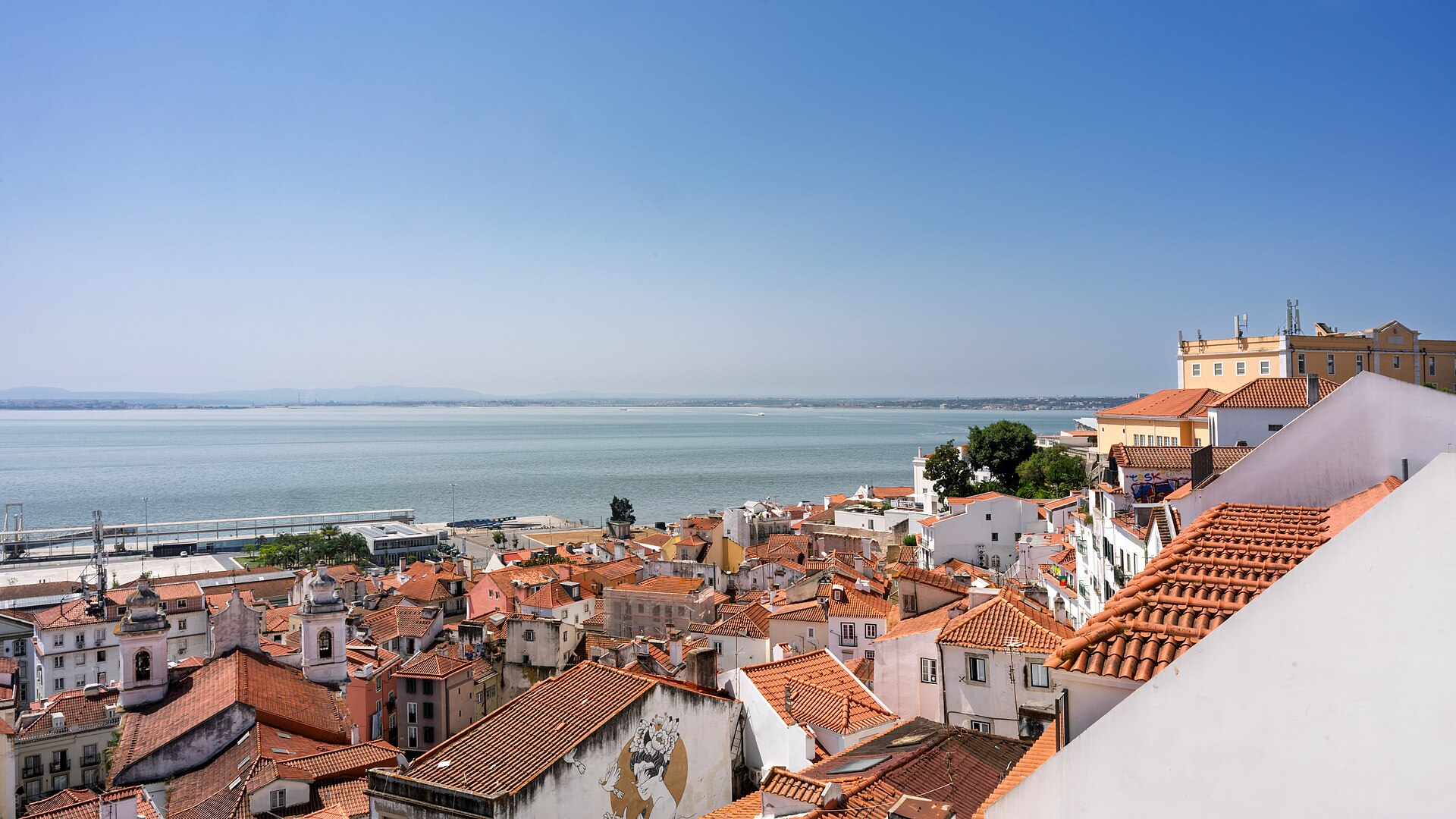
Places like Madrid
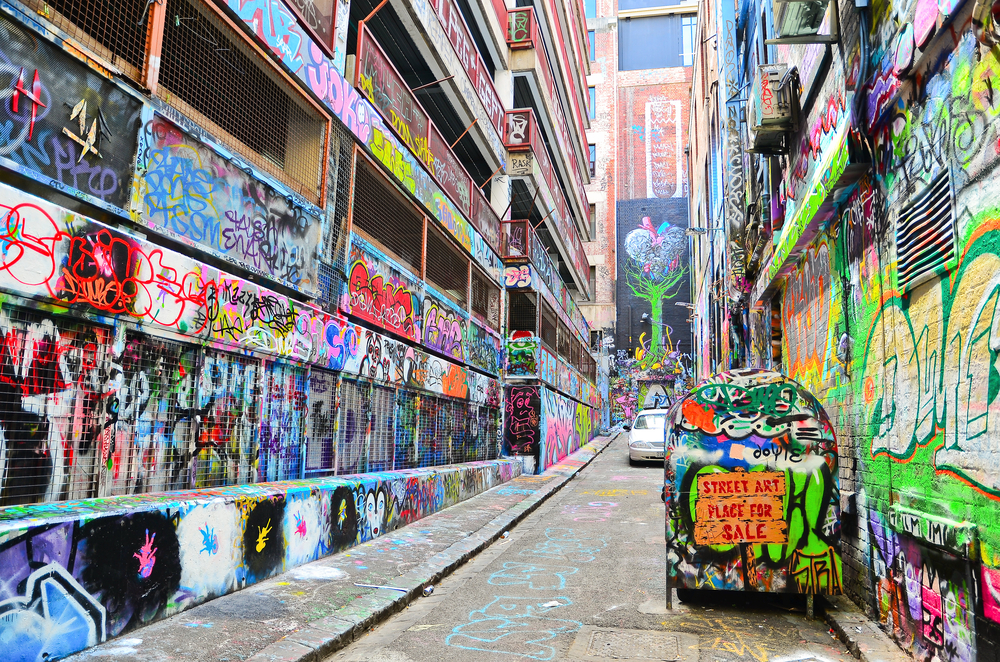
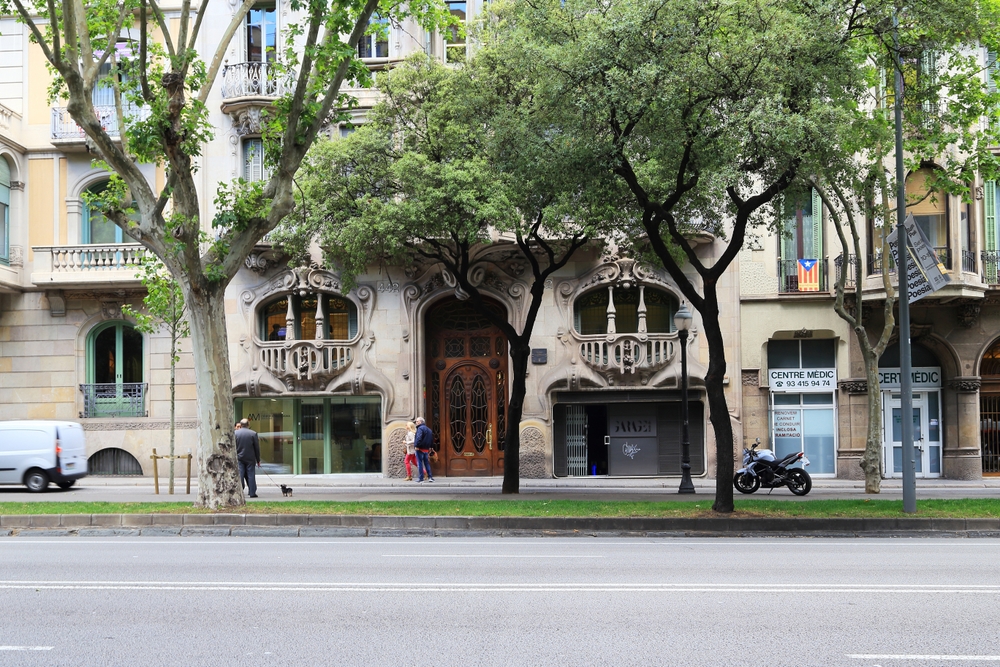
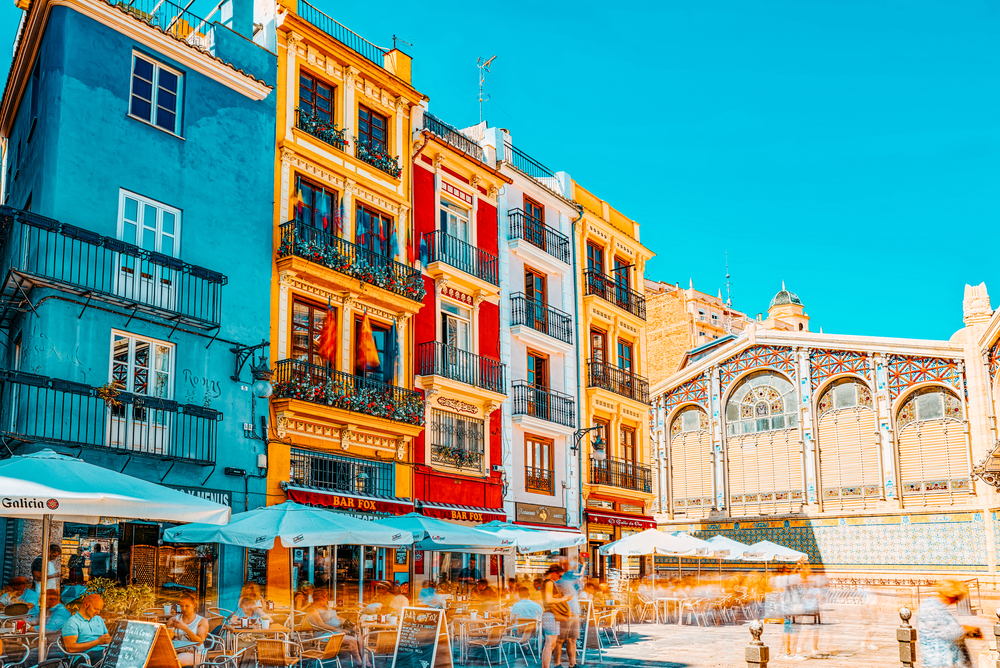
Community
Community & practical notes
The expat scene: Madrid has a large foreign-born population, most of it Latin American, plus a substantial American and British presence. English-language meetups, intercambio (language exchange) nights, and expat groups run constantly; Americans who make an effort with Spanish tend to integrate faster here than on the tourist-heavy coasts. The city is also notably LGBTQ-friendly, with Chueca as one of Europe's best-known gay neighborhoods.
Healthcare: Spain's public system is excellent, but most newcomers can't use it on day one. Non-lucrative and student visas require private insurance, and the big Spanish insurers all run English-speaking doctor networks in Madrid. Public coverage follows once you're contributing through work or social security. The main friction is administrative: getting your residency card, registering at your local health center, and waiting out appointment backlogs all take patience.
Limited mobility: Metro de Madrid says a little over 70 percent of its stations have step-free access today; its 2021-2028 plan aims to reach 84 percent with more than a hundred new elevators. That average hides a lot. The newest lines are step-free end to end, while some of the oldest have lifts at fewer than half their stations. In practice, your route matters more than the destination. Elevators also break, and the operator publishes live lift status in its app and by phone, so it's worth checking before you set out.
Remote work: Internet runs about $35 a month for fast fiber, which is nearly universal in the city. Coworking is everywhere, clustered in Malasaña and Chueca for the startup crowd, Chamberí for a quieter community feel, and Salamanca and the Castellana corridor for corporate offices. Madrid is also Spain's corporate capital, and banking, telecom, consulting and a growing startup scene all hire English speakers. Spain's digital nomad visa lets remote employees of foreign companies live here legally.
Retiring here: Spain's main retirement route is the non-lucrative visa, which requires proof of passive income (the threshold is tied to Spain's IPREM index and rises with each dependent) and full private health insurance. This visa doesn't allow work. You renew in-country and can obtain permanent residency at five years. Be aware that tax residency comes fast at 183 days; Spain taxes worldwide income, so talk to a cross-border tax advisor before you commit. However, the U.S. tax treaty lets you avoid paying double taxes on the same money. Compare retirement visa options and see our full Spain guide.
Housing
Renting and buying
- 1-bed rent (center)
- $1,350–$1,700/mo
- 1-bed rent (outside center)
- $1,000–$1,300/mo
- Buy price (center)
- $683/sq ft
- Buy price (outside center)
- $386/sq ft
Expatsi estimates, based on rental listings, government statistics, and local reporting.
Good to know
Frequently asked questions
How much does it cost to live in Madrid?
One person needs roughly $2,600 a month in Madrid, a couple about $3,800, and a family around $6,000, in U.S. dollars. Rent dominates that: a one-bedroom is about $1,150 further out, or $1,500 if you want to be central. An inexpensive restaurant meal costs about $16, and getting around adds roughly $50 a month.
What is the weather like in Madrid?
Madrid is high, dry, and continental, averaging about 59.7F (15.4C) across the year on roughly 16.5 inches (419 mm) of rain. The summers are the thing Americans underestimate: July and August average daily highs around 90F, with hotter spells on top of that, and almost no rain. October and November are the wettest stretch. Snow is occasional rather than annual, though Storm Filomena buried the city in January 2021.
How do Americans move to Madrid?
You need a visa before you arrive for any stay past 90 days. The common routes are the non-lucrative visa for people with passive income, the digital nomad visa for remote workers employed abroad, student visas, and work visas through a Spanish employer. Applications start at a Spanish consulate in the U.S., and processing takes months, so start early.
Do I need a car in Madrid?
No. The metro, Cercanías commuter trains, and buses cover the city thoroughly, and the center is walkable on top of that. Emissions-label restrictions now cover the entire municipality, and street parking is scarce. Most residents skip the car and rent one for countryside trips.
Do people speak English in Madrid?
Less than you might expect for a capital. Younger madrileños and anyone in international business usually speak some English, but daily errands, landlords, and government offices mostly run in Spanish. You can land without fluency, but learning Spanish quickly makes life in Madrid dramatically easier and cheaper.
How does healthcare work for expats in Madrid?
Most visas require private health insurance, and Madrid has deep English-speaking private networks. Once you're a legal resident paying into Spanish social security, you can register for the public system, which is high quality. The paperwork to get registered is the slowest part.
Is Madrid safe for Americans?
Madrid scores 69 on the safety index against a crime index of 31, which is mid-pack for the Spanish cities we cover and well above Barcelona at 56. OSAC, the State Department's overseas security council, describes violent crime in Spain as not prevalent and says foreigners are the targets of choice for pickpockets working transit, airports and tourist areas. Sol, Gran Vía and the metro are where that plays out in Madrid.
Can I retire in Madrid?
Yes, most American retirees use Spain's non-lucrative visa, which requires documented passive income and private health insurance and does not permit work. It renews in-country and leads to permanent residency after five years. Note that Spain taxes residents on worldwide income once you pass 183 days a year, so get cross-border tax advice first.
See how Madrid fits your life
Take the free Expatsi Test and compare Spain to nearly 200 countries on what actually matters: cost, healthcare, climate, and safety. About five minutes.
Why not you?