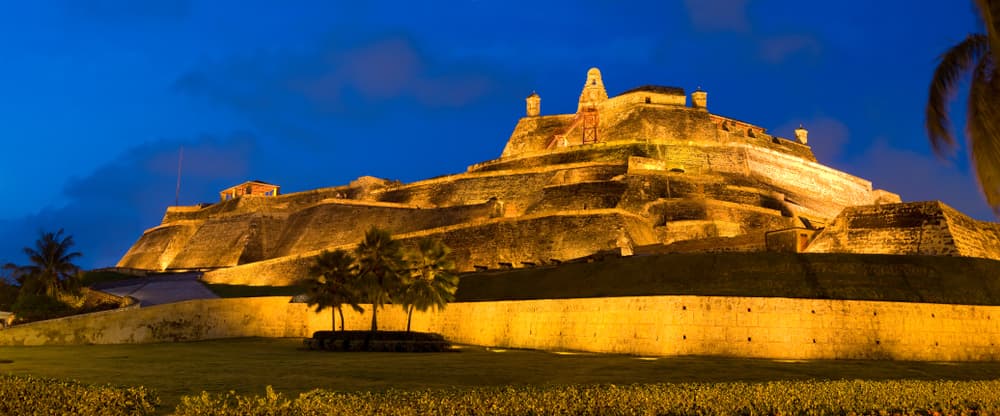
Living in Cartagena, Colombia
A Caribbean port of about 915,000 where you can live beside colonial ramparts or a block from the beach, as long as you can take the heat every month of the year.
- 914,552
- Population (2020)
- $1,700/mo
- Monthly budget · single
- 83°F / 28°C
- Avg temperature
Plan on about $1,700 a month for one person in Cartagena in 2026, and most singles land somewhere between $1,400 and $2,000. A couple needs about $2,400 and a family of four about $2,900. A one-bedroom near the center rents for about $950 a month, or about $550 farther out, and a meal at a neighborhood spot runs about $5.
Cartagena suits people who want the Caribbean as daily life rather than a vacation: a walled colonial center, beach neighborhoods, islands a boat ride away, and a real Colombian city around all of it. It works best for remote workers on U.S. hours and retirees who love the water and don't mind sweating.
Here's the catch: it's hot and humid every month, tourist crowds never really leave, and the city scores 45 out of 100 on safety. None of that rules Cartagena out. It does mean the neighborhood you pick shapes your life here, more than almost any other choice.

Reviewed and updated September 26, 2026 · 3 min read
At a glance
$1,700
Monthly budget · single person
$950/mo 1-bed rent, center
45/100
Safety index
$20
Internet / month
83°Fannual average
Jan 81° · May 84°
Climate
914,552
Population (2020)
Expatsi estimates, updated Aug 2026, based on rental listings, government statistics, and local reporting.
Cost of living
What it costs to live in Cartagena
Single person
$1,400–$2,000/mo
about 45% below Austin, TX
Couple
$2,000–$2,800/mo
about 50% below Austin, TX
Family of four
$2,400–$3,400/mo
about 65% below Austin, TX
Compared with Austin, TX (Expatsi estimate, 2026).
- $5 −75%
- Inexpensive meal
- $800–$1,100/mo −51%
- 1-bed rent, center
- $450–$650/mo −59%
- 1-bed rent, outside
- $20/mo −69%
- Internet
- $25/mo −39%
- Transit pass
- $186/sq ft −71%
- Buy price, center
Expatsi estimates, updated Aug 2026, based on rental listings, government statistics, and local reporting.
Daily life
How Cartagena lives
- B- grade, 33rd percentile among the cities we track
- Dining & caféstypical
- C grade, 10th percentile among the cities we track
- Arts & culturemodest
- A- grade, 85th percentile among the cities we track
- Parks & outdoorsstrong
- A grade, 89th percentile among the cities we track
- Schools & educationstandout
- A- grade, 81st percentile among the cities we track
- Healthcare accessstrong
- C+ grade, 24th percentile among the cities we track
- Bike infrastructuremodest
- B- grade, 29th percentile among the cities we track
- Public transittypical
Graded on OpenStreetMap amenity density relative to the 369 cities we track. Accessibility is the exception: it's graded against a fixed standard (terrain steepness and sidewalk surfaces), not a curve.
Climate
Weather through the year
Annual average 83°F (28°C) · 44 in of rain a year · Source: Meteostat station normals (80022, 1991-2020)
On the ground
Scenes from Cartagena
Getting around
Transport in Cartagena
Transcaribe is the city's bus rapid transit system: high-capacity articulated buses on dedicated or preferential lanes. Its trunk line runs along Avenida Pedro de Heredia toward the historic center, so it's handy if you live near that corridor and less so if you don't. Budget about $25 a month for getting around.
The Centro Histórico and Getsemaní are compact and walkable, and plenty of people live there without any wheels at all. From Crespo, out by the airport, or La Boquilla, up the coast, you'll lean on taxis more. Whatever the neighborhood, the heat sets your schedule: errands on foot happen early in the morning or after sunset.
You don't need a car. Most daily trips are short, and the nearby beach islands are reached by boat anyway. For trips home, Rafael Núñez International Airport has nonstop flights to Miami, Fort Lauderdale, and New York JFK.
- 5.4/sq mi
- Transit stops
- 0.1/sq mi
- Bike infrastructure
- 1.3/sq mi
- Wheelchair-accessible places
Mapped features per square mile from OpenStreetMap.
Keep exploring
Places like Cartagena

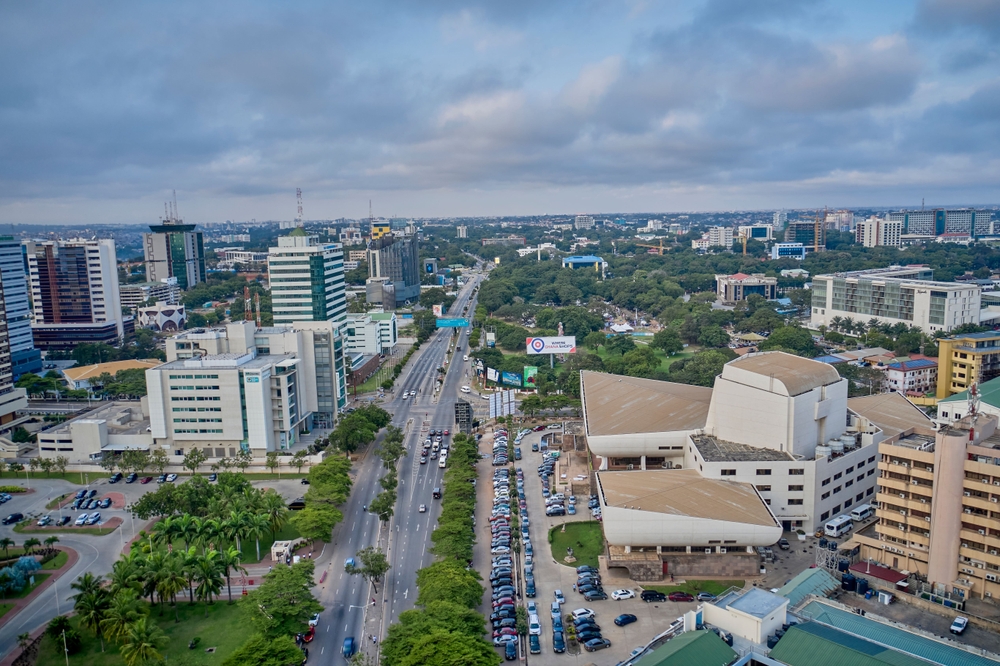
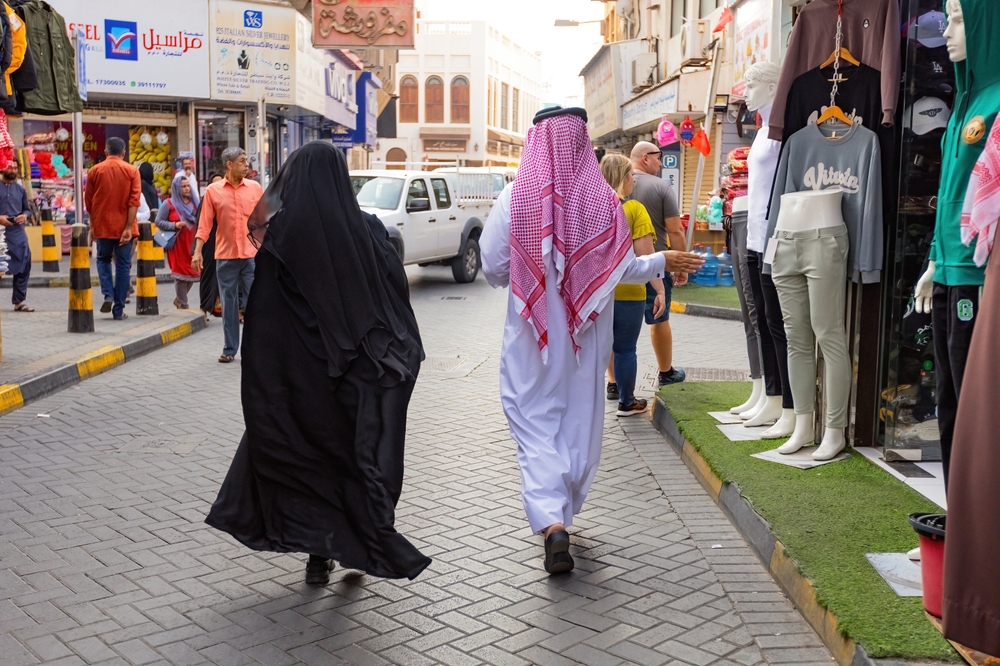
Community
Community & practical notes
The expat scene: Foreigners here tend to sort by neighborhood. Bocagrande is the high-rise beach strip, with ocean views, malls, restaurants, and nightlife. Manga is quieter and family-oriented, with yacht clubs and green space. Crespo is local and less touristy, right next to the airport. Centro and Getsemaní put you among plazas, murals, rooftop bars, and street music, along with the tourists who come for exactly that. Most newcomers find their people through expat Facebook and WhatsApp groups.
Healthcare: For serious care, the big name is Hospital Serena del Mar, about 15 minutes from the historic center. It's a high-complexity hospital with more than 60 specialties and subspecialties, and it holds Joint Commission International (JCI) accreditation. Don't assume English at every desk: ask about help for international patients before you need it, and have your health coverage sorted before you move.
Internet and remote work: Home internet runs about $20 a month. Speeds vary a lot from building to building, so ask the landlord for a speed test before you sign. Make sure the room you'll work in has air conditioning.
Limited mobility: This is a hard city for wheelchair users, especially in the old town. Curb cuts are rare there; sidewalks are narrow and uneven; and many shops, restaurants, and churches have a step at the door. Visitors who use wheelchairs often bring a small portable ramp. There are no wheelchair-accessible taxis, so plan on transferring into a regular sedan, though some newer buses have ramps. If mobility's a concern, look at modern buildings with elevators outside the walls, and visit before you commit.
Retirement: Cartagena works for retirees who want the beach and are fine with heat and crowds. Colombia's Pensionado visa, part of its M (migrant) category, is the usual route for people living on a pension; our Colombia M visa guide covers the rules. If you're still comparing countries, our retirement visa guide lines up the options, and the Colombia country guide covers taxes, banking, and the rest of the move.
Housing
Renting and buying
- 1-bed rent (center)
- $800–$1,100/mo
- 1-bed rent (outside center)
- $450–$650/mo
- Buy price (center)
- $186/sq ft
- Buy price (outside center)
- $121/sq ft
Expatsi estimates, based on rental listings, government statistics, and local reporting.
Good to know
Frequently asked questions
Are there direct flights from the U.S. to Cartagena?
Yes. Rafael Núñez International Airport in Cartagena has nonstop flights to Miami, Fort Lauderdale, and New York JFK. Schedules change by season, so check current routes before you plan around one.
Is Cartagena safe for Americans?
Cartagena scores 45 out of 100 on the safety index we use, with a crime index of 55, so it calls for city smarts rather than fear. Choose your neighborhood carefully, keep your phone out of sight on the street, and take a taxi instead of walking in quiet areas late at night.
What is the weather like in Cartagena?
Hot and humid all year. Average highs sit between about 86F and 88F in every month, and average lows between about 77F and 80F. The dry season runs roughly December through April, with barely any rain from January through March. October is the wettest month, averaging about 9.5 inches of rain.
How much does it cost to live in Cartagena, Colombia?
One person needs about $1,700 a month in 2026, with most budgets falling between $1,400 and $2,000. A couple needs about $2,400 and a family of four about $2,900. Rent is the biggest variable: a one-bedroom near the center runs about $950 a month, and about $550 farther out.
Do I need a car in Cartagena?
No. The walled city and Getsemaní are walkable, taxis cover most other trips, and the Transcaribe bus rapid transit line runs along Avenida Pedro de Heredia toward the center. The nearby beach islands are reached by boat, not by road.
What are the best neighborhoods in Cartagena for expats?
It depends on what you want day to day. Bocagrande is the high-rise beach area with malls and nightlife, Manga is quieter and family-oriented, Crespo is local and close to the airport, and the Centro Histórico and Getsemaní are walkable and lively but full of tourists. Visit a few before you sign a long lease.
Can I retire in Cartagena?
Yes. Many retirees use Colombia's Pensionado visa, part of the M (migrant) visa category, which is built for people living on a pension. Cartagena suits retirees who want beach life and are comfortable with year-round heat and humidity. Check the current pension requirement with Colombia's Foreign Ministry before you apply, since it's tied to the Colombian minimum wage.
See how Cartagena fits your life
Take the free Expatsi Test and compare Colombia to nearly 200 countries on what actually matters: cost, healthcare, climate, and safety. About five minutes.
Why not you?