Jakarta: a megacity that works best with a job and a South Jakarta address
Indonesia's capital of about 11 million, with private hospitals, international schools and an MRT, set against floods, heavy traffic and hazy dry-season air.
- 11,135,191
- Population (2024)
- $1,500/mo
- Monthly budget · single
- 84°F / 29°C
- Avg temperature
Plan for about $1,500 a month in U.S. dollars as a single person in Jakarta, and most singles spend between $1,200 and $1,800. A couple needs about $2,300 and a family of four about $3,400. A central one-bedroom rents for around $650 a month and one farther out for about $450, and a meal at an inexpensive restaurant is about $3. Those are 2026 figures.
Jakarta suits people here on assignment or doing business. Most foreigners live in South Jakarta, in and around Kemang, Senopati and the office towers of SCBD, near the big malls, the large private hospitals and international schools like the Jakarta Intercultural School in Cilandak.
It's a harder fit if you want an easy, low-key daily life. Rainy-season flooding, traffic that can swallow hours of your week, and air that's often poor come with the address, so living close to your office or your kids' school matters a lot here.

Reviewed and updated October 8, 2026 · 5 min read
At a glance
$1,500
Monthly budget · single person
$650/mo 1-bed rent, center
45/100
Safety index
$20
Internet / month
84°Fannual average
Feb 82° · Oct 85°
Climate
11,135,191
Population (2024)
Expatsi estimates, updated Oct 2026, based on rental listings, government statistics, and local reporting.
Cost of living
What it costs to live in Jakarta
Single person
$1,200–$1,800/mo
about 50% below Austin, TX
Couple
$1,900–$2,700/mo
about 50% below Austin, TX
Family of four
$2,700–$4,000/mo
about 55% below Austin, TX
Compared with Austin, TX (Expatsi estimate, 2026).
- $3 −85%
- Inexpensive meal
- $550–$750/mo −67%
- 1-bed rent, center
- $350–$500/mo −67%
- 1-bed rent, outside
- $20/mo −69%
- Internet
- $223/sq ft −66%
- Buy price, center
Expatsi estimates, updated Oct 2026, based on rental listings, government statistics, and local reporting.
Daily life
How Jakarta lives
- B grade, 43rd percentile among the cities we track
- Dining & caféstypical
- B grade, 46th percentile among the cities we track
- Arts & culturetypical
- B grade, 45th percentile among the cities we track
- Parks & outdoorstypical
- A grade, 91st percentile among the cities we track
- Schools & educationstandout
- A- grade, 77th percentile among the cities we track
- Healthcare accessstrong
- B- grade, 32nd percentile among the cities we track
- Bike infrastructuretypical
- B+ grade, 66th percentile among the cities we track
- Public transitstrong
- A grade, good physical accessibility
- Accessibilitygood
Graded on OpenStreetMap amenity density relative to the 298 cities we track. Accessibility is the exception: it's graded against a fixed standard (terrain steepness and sidewalk surfaces), not a curve.
Climate
Weather through the year
Annual average 84°F (29°C) · 73 in of rain a year · Source: Meteostat station normals (96745, 1991-2020)
On the ground
Scenes from Jakarta
Getting around
Transport in Jakarta
The MRT is the easy part. Its north-south line runs about 16 kilometers (10 miles) from Lebak Bulus to Bundaran HI, through Blok M, Senayan and the Sudirman business strip, and the longest ride costs Rp14,000, under a dollar. An extension north toward Kota is being built.
TransJakarta buses cover much of the rest. They run in their own lanes, walled off from cars by concrete blocks, a ride has cost Rp3,500 since the system opened, and the main corridors have a 24-hour service. KRL commuter trains reach Bogor and Depok to the south, Tangerang to the west and Bekasi to the east. The airport train takes about 56 minutes from Soekarno-Hatta to Manggarai, with a stop at BNI City next to the Dukuh Atas MRT station.
For door-to-door trips, people use Grab, Gojek or Bluebird taxis, which the U.S. State Department calls the most reliable. Do you need a car? Usually not. If you do drive, you'll need an International Driving Permit along with your U.S. license, and you'll run into the odd-even plate rule: on 25 main roads, weekdays from 6 to 10 a.m. and 4 to 8 p.m., only cars whose plate ends in an odd digit can pass on odd dates, and even on even dates. Electric cars are exempt.
Walking works along Sudirman and Thamrin, where wide new sidewalks went in for the 2018 Asian Games. Away from that corridor, expect broken stretches, street vendors and parked motorbikes on the sidewalk, plus average highs of 87F to 92F all year.
- 43/sq mi
- Transit stops
- 0.9/sq mi
- Bike infrastructure
- 3.3/sq mi
- Wheelchair-accessible places
Mapped features per square mile from OpenStreetMap.
Keep exploring
Places like Jakarta
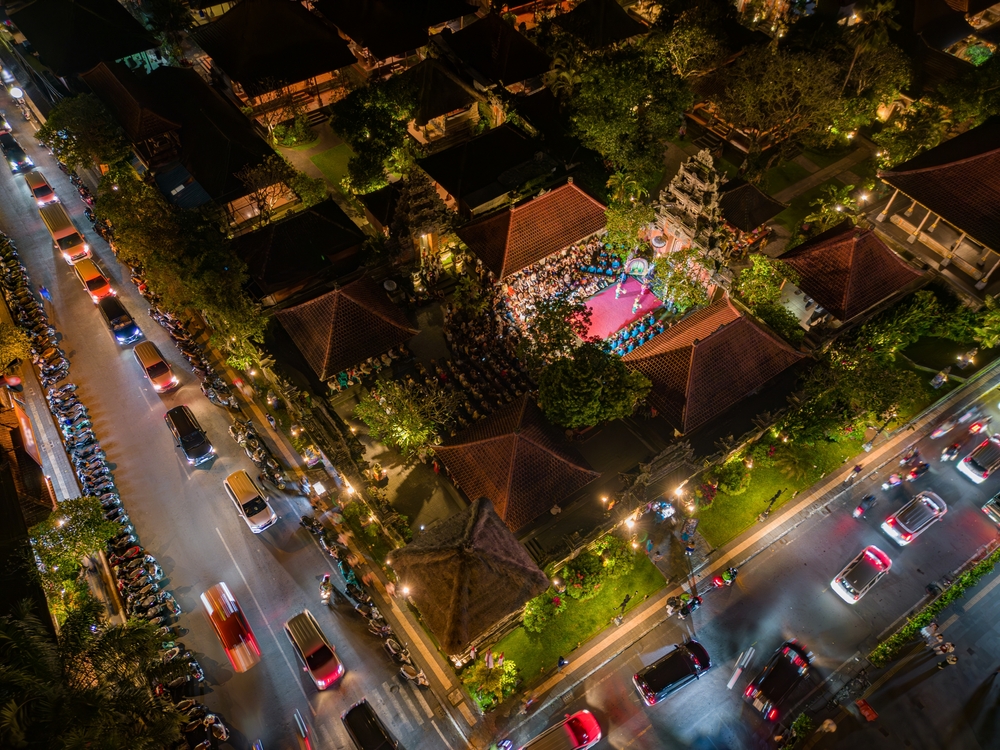
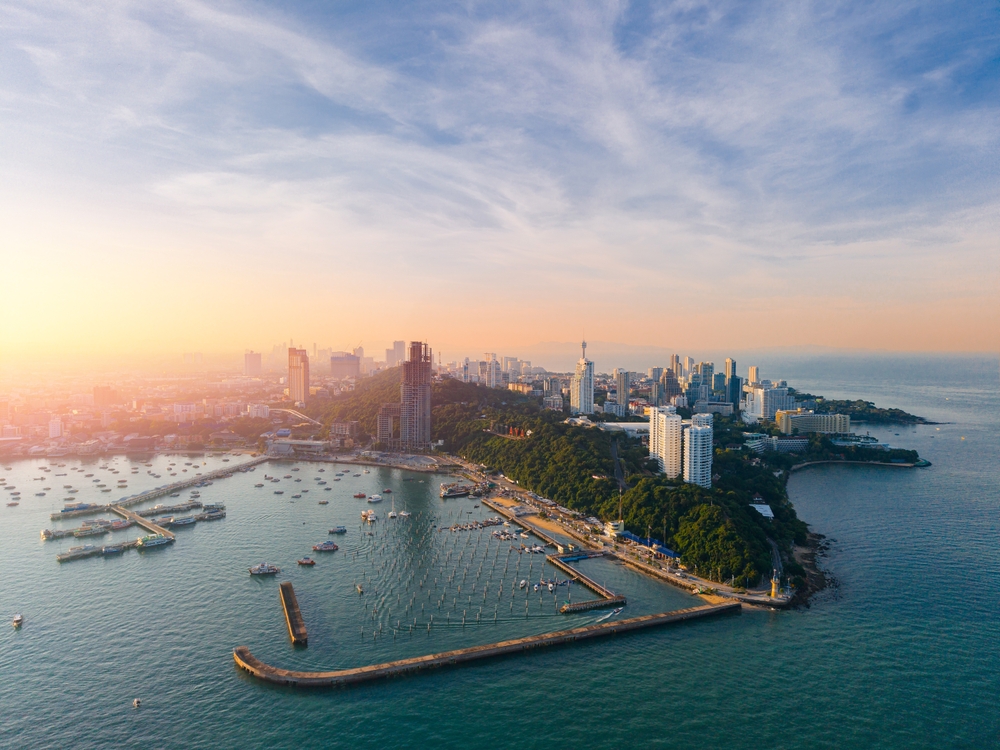
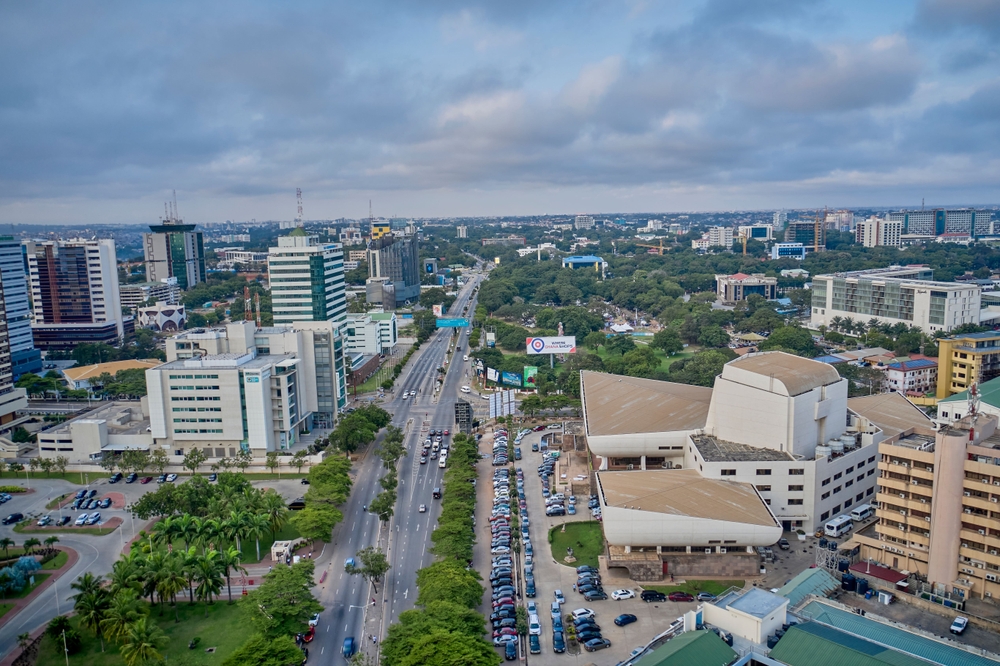
Community
Community & practical notes
Community: Social life here runs through offices, schools and embassies more than cafes or beaches, so plan to meet people through work or your kids' school. Two practical things to know before you land: Jakarta is 11 to 12 hours ahead of Eastern, by season, and Indonesia's criminal code, in force since January 2026, applies to foreigners too. It bans cohabitation and sex outside marriage, with up to a year in prison. However, charges need a complaint from a parent, child or spouse. Unmarried couples should read the rules before signing a lease together.
LGBTQ expats: Gay and lesbian relationships aren't illegal at the national level, but some local governments criminalize them, and same-sex marriages from abroad aren't recognized. The 2026 criminal code's penalties on sex outside marriage and cohabitation cover same-sex couples as well. Plan on discretion in public; talk to an immigration lawyer before moving with a partner, since your marriage won't carry over.
Black Americans: A preference for lighter skin runs deep in Indonesia, rooted in colonial history and still visible in advertising and media, and jokes about dark skin are familiar here. Expect curiosity and some comments. We couldn't find a Black American community group in Jakarta to point you to, so ask your employer or your kids' school to connect you with Black expats already living here.
Healthcare: Stick to the accredited private hospitals. The Pondok Indah hospital group holds Joint Commission International (JCI) accreditation, RS Premier Jatinegara has held it since December 2018, and Siloam runs Indonesia's largest private hospital network, with several Jakarta branches. Hospitals often want payment or a deposit up front, and an ambulance can take 45 minutes or more, so a taxi is often faster. For anything serious, foreigners who can afford it usually fly to Singapore or Malaysia, so carry international coverage with medical evacuation. Check your prescriptions too: Adderall and Vyvanse are illegal in Indonesia.
Floods and air: The rainy season runs from November to March or April, and January and February are the wettest months. Parts of Jakarta are sinking, which makes flooding worse, so ask how a building fared in past floods before you rent. Air quality is poor much of the year and worst in the dry season: IQAir readings moved from moderate between November and April to unhealthy in June 2026. Air purifiers at home are standard kit.
Internet: Home internet runs about $20 a month.
Schools: Jakarta Intercultural School, founded in 1951, teaches ages 3 to 18 from over 70 nationalities and offers the IB Primary Years, Middle Years and Diploma programs. Its main campus is in Cilandak. British School Jakarta and Nord Anglia School Jakarta are other English-language options.
Limited mobility: Hard. The State Department warns that accessibility is extremely limited in public transport, lodging and general infrastructure. The rebuilt sidewalks along Sudirman and Thamrin are the exception; elsewhere, curbs, gaps and parked motorbikes get in the way. Most people with limited mobility rely on Bluebird or app-booked cars for door-to-door trips.
Retirement: Jakarta makes sense for retirees mainly when family or work ties are here; the heat, traffic and air make it a tough first pick otherwise. Our south Bali guide covers a calmer base. Indonesia's E33F Retirement KITAS is issued one year at a time, generally from age 55, needs a licensed sponsor and a domestic helper, and doesn't allow work. Some 2026 guidance applies a minimum age of 60, so confirm the current rule before you apply. Indonesia doesn't recognize dual nationality, so naturalizing would mean giving up your U.S. passport. Compare options on our retirement visa page and see the full rules in our Indonesia guide.
Housing
Renting and buying
- 1-bed rent (center)
- $550–$750/mo
- 1-bed rent (outside center)
- $350–$500/mo
- Buy price (center)
- $223/sq ft
- Buy price (outside center)
- $139/sq ft
Expatsi estimates, based on rental listings, government statistics, and local reporting.
Good to know
Frequently asked questions
Is Jakarta a good place to retire?
For most retirees, no. Heat, traffic, flooding and poor air make daily life tiring, and many Americans who retire in Indonesia look at Bali instead. Jakarta can work if you have family or work ties there. Indonesia's E33F Retirement KITAS is renewed yearly, needs a sponsor, and doesn't allow work.
Is Jakarta safe for LGBTQ expats?
It takes caution. Gay and lesbian relationships aren't illegal nationally, but some local laws criminalize them, same-sex marriages aren't recognized, and the criminal code in force since January 2026 penalizes sex outside marriage and cohabitation, including for same-sex couples. Most LGBTQ foreigners keep a low profile in public.
What is the weather like in Jakarta?
Hot and humid all year, with average highs of about 87F to 92F and average lows near 77F to 79F. The rainy season runs from November to March or April, when flooding is common, and the dry season from June to October.
How bad is air pollution in Jakarta?
Often bad. The U.S. State Department says air quality in Indonesia is generally poor all year, and Jakarta's is worst in the dry season, from about June to October. People with asthma, heart or lung conditions, and families with young children should talk to a doctor before moving and plan on air purifiers at home.
How good is healthcare in Jakarta for expats?
Good for routine care at private, JCI-accredited hospitals such as those in the Pondok Indah group and RS Premier Jatinegara. For complex treatment, many foreigners go to Singapore or Malaysia, so international health coverage with medical evacuation is worth having. Expect hospitals to ask for a deposit before admission.
How much does it cost to live in Jakarta?
A single person spends about $1,500 a month in Jakarta, with most between $1,200 and $1,800 (2026 figures). A couple spends about $2,300 and a family of four about $3,400. Rent is the biggest swing: a one-bedroom apartment in the center averages around $650 a month.
Can you live in Jakarta without a car?
Yes. The MRT, TransJakarta buses and KRL commuter trains cover the main corridors, and Grab, Gojek and Bluebird taxis handle the rest. If you do drive, you'll need an International Driving Permit with your U.S. license, and odd-even plate limits apply on main roads during weekday rush hours.
Is Jakarta safe for Americans?
Mostly, with care. The U.S. State Department rates Indonesia Level 2, exercise increased caution, because of natural disasters, unrest and terrorism. Pickpocketing and snatch-and-grab theft are common, and demonstrations happen often in Jakarta. Foreigners aren't allowed to join protests, so steer clear of them.
See how Jakarta fits your life
Take the free Expatsi Test and compare Indonesia with other countries on what actually matters: cost, healthcare, climate, and safety.
Why not you?