
Living in Quebec City: about $2,000 a month, and a lot of French
A safe, walkable provincial capital with a UNESCO-listed old town and long winters. What it costs, how people get around, and what settling in takes for Americans.
- 574,482
- Population (2024)
- $2,000/mo
- Monthly budget · single
- 43°F / 6°C
- Avg temperature
One person can live comfortably in Quebec City on about $2,000 a month in U.S. dollars, and most single budgets land between $1,700 and $2,200. Rent does most of the work: a one-bedroom in the center goes for around $1,000, and about $750 farther out.
That money buys a quiet, orderly city of about 575,000 people, with a historic core you can walk end to end and ski hills within reach for weekends. It suits remote workers, couples whose kids are grown, and retirees who have a family route into Canada.
Two things decide whether it works for you. The first is French: Quebec gives newcomers English government services only for the first six months after they immigrate. The second is winter, with average January highs near 22F and lows near 8F.

Reviewed and updated September 30, 2026 · 3 min read
At a glance
$2,000
Monthly budget · single person
$1,000/mo 1-bed rent, center
80/100
Safety index
$50
Internet / month
43°Fannual average
Jan 15° · Jul 69°
Climate
574,482
Population (2024)
Expatsi estimates, updated Aug 2026, based on rental listings, government statistics, and local reporting.
Cost of living
What it costs to live in Quebec City
Single person
$1,700–$2,200/mo
about 35% below Austin, TX
Couple
$2,700–$3,500/mo
about 35% below Austin, TX
Family of four
$3,900–$5,500/mo
about 40% below Austin, TX
Compared with Austin, TX (Expatsi estimate, 2026).
- $18 −10%
- Inexpensive meal
- $900–$1,100/mo −49%
- 1-bed rent, center
- $700–$850/mo −44%
- 1-bed rent, outside
- $50/mo −23%
- Internet
- $70/mo +70%
- Transit pass
- $386/sq ft −41%
- Buy price, center
Expatsi estimates, updated Aug 2026, based on rental listings, government statistics, and local reporting.
Daily life
How Quebec City lives
- B+ grade, 55th percentile among the cities we track
- Dining & cafésstrong
- A- grade, 78th percentile among the cities we track
- Arts & culturestrong
- B grade, 44th percentile among the cities we track
- Parks & outdoorstypical
- B grade, 40th percentile among the cities we track
- Schools & educationtypical
- B- grade, 34th percentile among the cities we track
- Healthcare accesstypical
- A- grade, 70th percentile among the cities we track
- Bike infrastructurestrong
- B+ grade, 58th percentile among the cities we track
- Public transitstrong
- A grade, good physical accessibility
- Accessibilitygood
Graded on OpenStreetMap amenity density relative to the 369 cities we track. Accessibility is the exception: it's graded against a fixed standard (terrain steepness and sidewalk surfaces), not a curve.
Climate
Weather through the year
Annual average 43°F (6°C) · 48 in of rain a year · Source: Meteostat station normals (71578, 1991-2020; no sunshine data)
On the ground
Scenes from Quebec City
Photos by Wikimedia Commons contributors; open any photo for its credit and license.
Getting around
Transport in Quebec City
Quebec City gets around by bus for now. The RTC runs the regular network plus the high-frequency Métrobus routes, numbered 800 to 807. An adult monthly pass comes to about $70 in U.S. dollars; the RTC sets it at CAD $102.50. At 65 you can drop to the senior pass, CAD $68.35, once you have a photo OPUS card.
Rail is on the way, slowly. Work on a 19 km (12-mile) tramway picked up in 2026, and service is scheduled for 2033.
From May 1 to October 31, àVélo covers a lot of short trips. Every bike in the system is electric-assist, which helps in a city where Upper Town and Lower Town sit on either side of a rocky promontory. As of 2026 there are 225 stations and 2,300 bikes. It shuts down for winter.
The car question comes down to your neighborhood. In Saint-Roch, Saint-Jean-Baptiste, Montcalm and Limoilou, walking, the bus and a bike handle daily life. In the suburbs, or if you want to be on the slopes every Saturday in February, a car starts to earn its keep.
- 29/sq mi
- Transit stops
- 27/sq mi
- Bike infrastructure
- 19/sq mi
- Wheelchair-accessible places
Mapped features per square mile from OpenStreetMap.
Keep exploring
Places like Quebec City
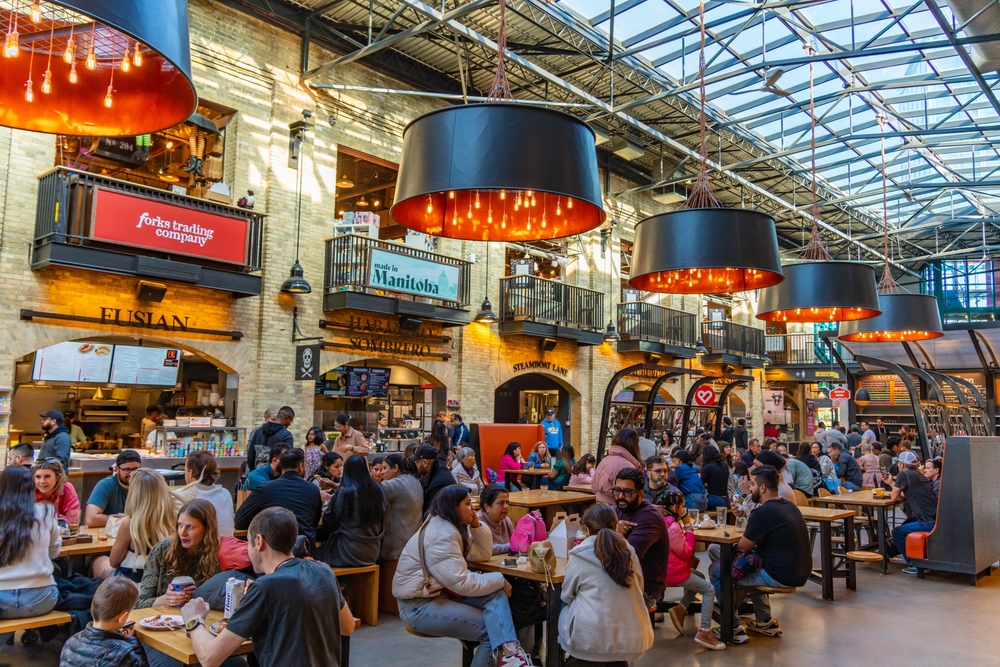
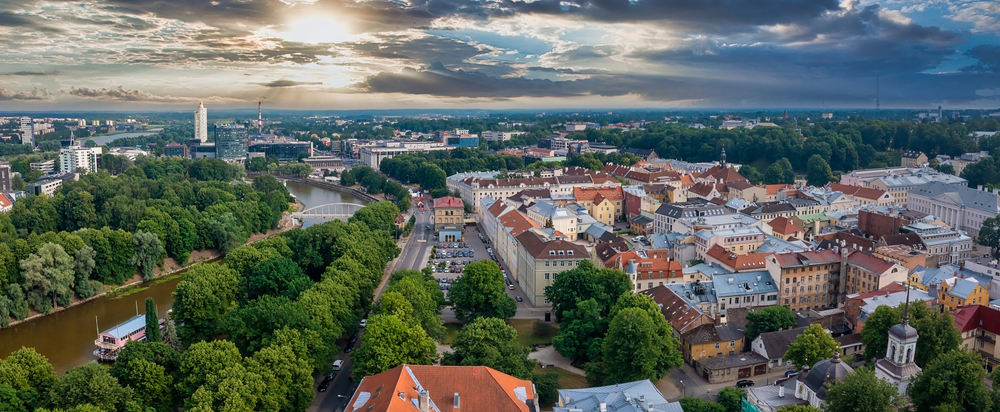
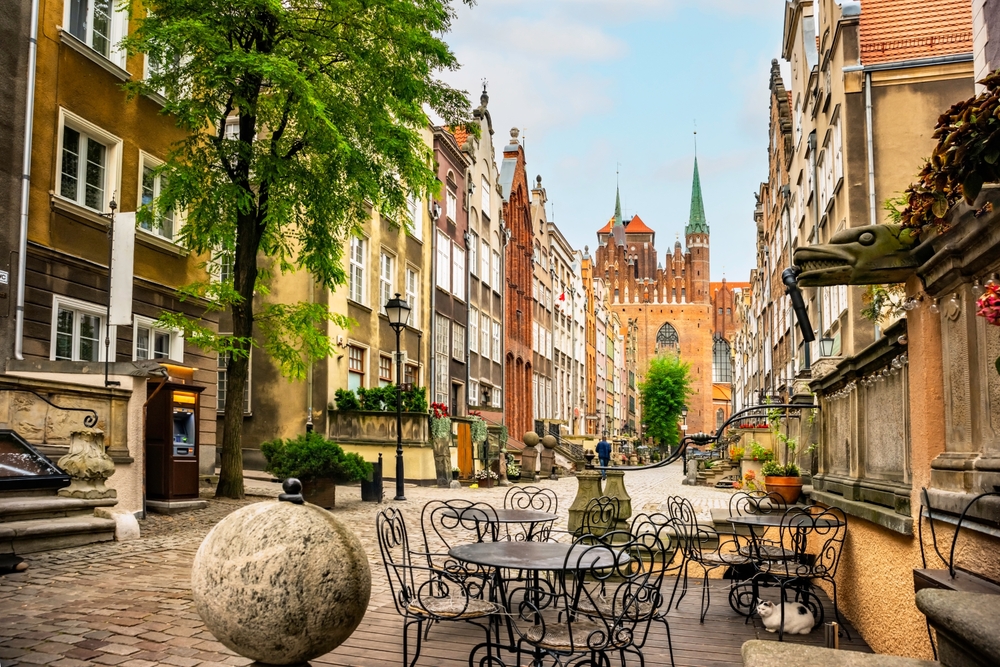
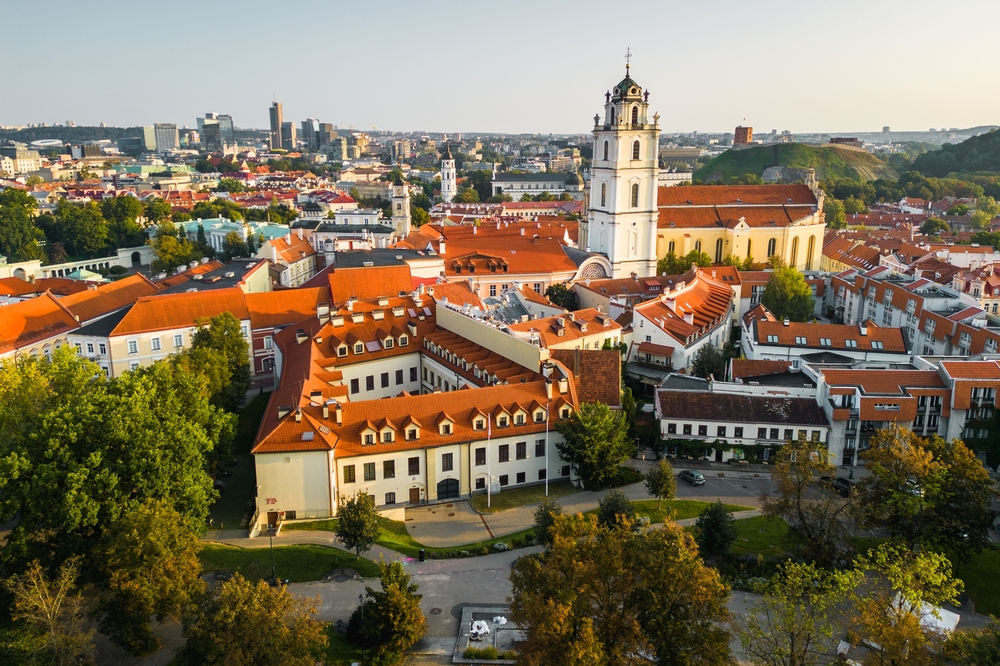
Living here
Settling in: language, health, and the rest
Language: Expect to live in French. Under Quebec's language charter, provincial and city offices serve newcomers in English only for the first six months after they immigrate, and after that they'll usually deal with you in French unless you qualify for an exception. Health and safety emergencies are one of them. For community in English, start with the Voice of English-speaking Québec (VEQ). It has a newcomers coordinator, a welcome kit, and seasonal get-togethers like Spring Fest and Fall Fest.
Healthcare: New permanent residents wait up to three months after registering before RAMQ, Quebec's public health plan, starts paying. RAMQ itself recommends buying private coverage when you arrive to bridge the gap. For care in English, Jeffery Hale Saint Brigid's is a public institution that works in French and English, and its walk-in minor emergency clinic is open 8 a.m. to 8 p.m. VEQ's free Health Passport app helps you explain symptoms to French-speaking providers.
Working remotely: Home internet runs about $50 a month. A remote income paid in U.S. dollars sits well against a $2,000 monthly budget, but sort out your immigration status first, since living here long term takes more than a visitor stay.
Limited mobility: Mixed. The old town is split by a cliff, and the streets of Petit-Champlain and Place-Royale are mostly cobblestone: power chairs manage with extra time, while manual chair users may need a hand. A wheelchair-accessible funicular links Petit-Champlain with Dufferin Terrace. The Métrobus routes have ramps, and STAC paratransit takes bookings 24 hours ahead. Snow usually arrives in November and stays, so plan routes with winter in mind.
Retirement: There's no retirement visa in Canada. Americans can visit for up to six months per entry, but visitors don't get provincial health coverage, and spending 183 days or more in Canada in a year can make you a tax resident. The exception is family: if your child or grandchild is a Canadian citizen or permanent resident living in Canada, the Super Visa lets you stay up to five years at a time. Your host has to meet an income minimum, and you need private health insurance valid for at least a year from entry. Compare the retirement visa options and read our guide to moving to Canada before you commit.
Housing
Renting and buying
- 1-bed rent (center)
- $900–$1,100/mo
- 1-bed rent (outside center)
- $700–$850/mo
- Buy price (center)
- $386/sq ft
- Buy price (outside center)
- $242/sq ft
Expatsi estimates, based on rental listings, government statistics, and local reporting.
Good to know
Frequently asked questions
Can Americans retire in Quebec City?
Not on a retirement visa, because Canada doesn't have one. Americans can visit for up to six months per entry, without provincial health coverage. Parents and grandparents of Canadian citizens or permanent residents can apply for the Super Visa, which allows stays of up to five years at a time with private health insurance and a host who meets an income minimum.
How does healthcare work for newcomers in Quebec City?
New permanent residents wait up to three months after registering before Quebec's public plan, RAMQ, starts covering them, so buy private insurance for the gap. Visitors aren't covered at all. For care in English, Jeffery Hale Saint Brigid's serves patients in French and English and runs a walk-in minor emergency clinic from 8 a.m. to 8 p.m.
How much does it cost to live in Quebec City?
A single person spends about $2,000 a month in U.S. dollars, a couple about $3,100, and a family of four about $4,700, based on 2026 figures. Rent is the biggest line: a one-bedroom in the center runs around $1,000 a month, and about $750 outside the center.
Is Quebec City safe?
Yes. Quebec City scores 80 out of 100 on the safety index we track, with a crime index of 20, which puts it on the low-crime end of the cities we cover.
Do you need a car in Quebec City?
Not if you live centrally. Buses, including the frequent Métrobus routes, cover the core, and the all-electric àVélo bike share runs from May 1 to October 31. A 19 km (12-mile) tramway is scheduled to open in 2033. In the suburbs, a car is far more useful.
Do I need to speak French to live in Quebec City?
For daily life, yes. French is the working language, and Quebec's language charter limits English government services for newcomers to the first six months after they immigrate, with exceptions such as health and safety emergencies. The Voice of English-speaking Québec helps English speakers settle in and meet people.
How cold does Quebec City get in winter?
January is the coldest month, with average highs near 22F and average lows near 8F, and December highs average near 28F. Summers are mild: July highs average near 78F. The city gets about 48 inches of total precipitation a year, and snow usually starts in November.
See how Quebec City fits your life
Take the free Expatsi Test and compare Canada to nearly 200 countries on what actually matters: cost, healthcare, climate, and safety. About five minutes.
Why not you?