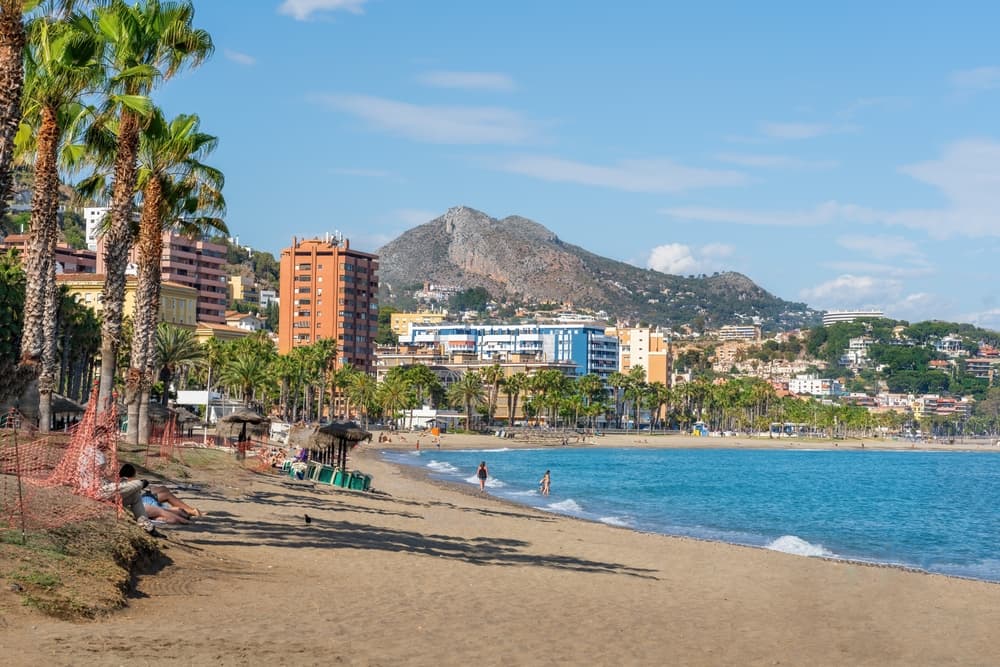
Malaga: Andalusian sun in a working tech city
Spain's sixth-largest city pairs a flat, walkable historic center and swimmable beaches with summers that go almost entirely without rain.
- 599,063
- Population (2025)
- $2,400/mo
- Monthly budget · single
- 66°F / 19°C
- Avg temperature
Budget about $2,400 a month in U.S. dollars for one person in Malaga, around $3,500 for a couple, and roughly $5,400 for a family. A one-bedroom runs about $1,400 in the center and closer to $1,000 in outer neighborhoods like Teatinos or Ciudad Jardín. Rent has climbed fast, but daily costs stay reasonable: a lunch menú del día runs about $15.
Malaga suits people who want a real working city rather than a resort. It has close to 600,000 residents, a growing tech scene anchored by the Malaga TechPark and Google's cybersecurity center, museums including the Picasso and a Pompidou outpost, and beaches you can walk to. The airport reaches most of Europe, plus a seasonal United nonstop to Newark, the only direct U.S. link in Andalusia.
The coast beyond the city is half the appeal, and it gets cheaper as you leave Malaga. Nerja, east toward the Axarquía, runs about $2,100 a month for one person against Malaga's $2,400, with Mijas and Estepona in between. All three rent cheaper than the city and score higher on the safety index. Marbella, the one everyone has heard of, is the glossy end of the same coast.
The trade-off is what popularity costs. Of the 19 Spanish cities we track, only five cost more for one person, and only Barcelona and Madrid have pricier center rents. Rentals are competitive, landlords increasingly favor short-term lets, and locals have protested tourist saturation in the old town. Expect to hunt for an apartment, and expect July and August to be hot and crowded.
At a glance
$2,400
Monthly budget · single person
$1,400/mo 1-bed rent, center
69/100
Safety index
$30
Internet / month
66°Fannual average
Jan 55° · Aug 80°
Climate
599,063
Population (2025)
Expatsi estimates, updated Aug 2026, based on rental listings, government statistics, and local reporting.
Cost of living
What it costs to live in Malaga
Single person
$2,100–$2,700/mo
about 25% below Austin, TX
Couple
$3,100–$3,900/mo
about 25% below Austin, TX
Family of four
$4,800–$6,000/mo
about 30% below Austin, TX
Compared with Austin, TX (Expatsi estimate, 2026).
- $15 −25%
- Inexpensive meal
- $1,250–$1,600/mo −28%
- 1-bed rent, center
- $900–$1,150/mo −26%
- 1-bed rent, outside
- $30/mo −54%
- Internet
- $35/mo −15%
- Transit pass
- $441/sq ft −32%
- Buy price, center
Expatsi estimates, updated Aug 2026, based on rental listings, government statistics, and local reporting.
Daily life
How Malaga lives
- A- grade, 75th percentile among the cities we track
- Dining & cafésstrong
- A- grade, 81st percentile among the cities we track
- Arts & culturestrong
- A+ grade, 97th percentile among the cities we track
- Parks & outdoorsstandout
- A- grade, 80th percentile among the cities we track
- Schools & educationstrong
- A grade, 88th percentile among the cities we track
- Healthcare accessstandout
- B grade, 50th percentile among the cities we track
- Bike infrastructuretypical
- A- grade, 83rd percentile among the cities we track
- Public transitstrong
- A grade, good physical accessibility
- Accessibilitygood
Graded on OpenStreetMap amenity density relative to the 298 cities we track. Accessibility is the exception: it's graded against a fixed standard (terrain steepness and sidewalk surfaces), not a curve.
Climate
Weather through the year
Annual average 66°F (19°C) · 20 in of rain a year · Source: Meteostat station normals (08482, 1991-2020)
On the ground
Scenes from Malaga
Getting around
Transport in Malaga
Malaga is compact enough that most newcomers live without a car. The historic center is largely pedestrianized, and the seafront Paseo Marítimo connects downtown to the beach neighborhoods of Pedregalejo and El Palo on foot or by bike.
Public transit is run by the EMT bus network, which covers the city densely, plus the Metro de Malaga, which runs underground through the center out to the western districts and the university. The line is being extended north toward the Hospital Civil, with construction running to the end of the decade. A monthly transport budget of about $35 covers normal use.
The Cercanías line C-1 reaches the airport in under 15 minutes and runs on to Torremolinos, Benalmádena, and Fuengirola, where it stops. West of there the coast has no rail at all, which is why Marbella is the largest town in Spain without a railway station.
For longer trips, María Zambrano station has high-speed trains that reach Madrid in under three hours. Taxis and ride-hailing apps like Uber, Bolt, and Cabify all operate in the city.
A car mainly makes sense if you settle in the hillier outer suburbs, want the far coast, or want weekend trips into the Andalusian interior. In the center parking is scarce and much of the old town is closed to private vehicles, so many residents who own cars leave them in garages most of the week.
- 59/sq mi
- Transit stops
- 6.9/sq mi
- Bike infrastructure
- 82/sq mi
- Wheelchair-accessible places
Mapped features per square mile from OpenStreetMap.
Keep exploring
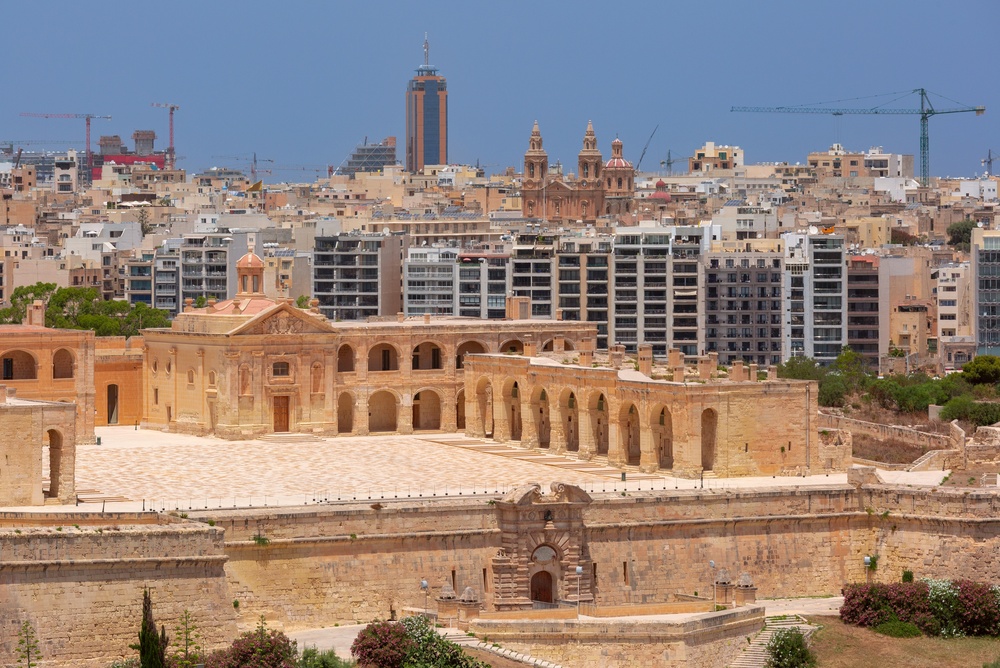
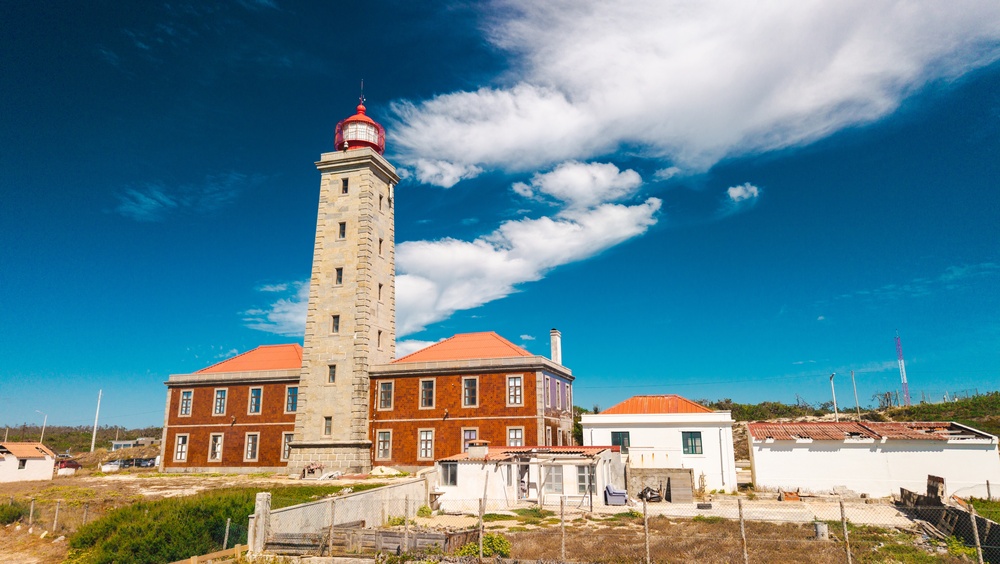
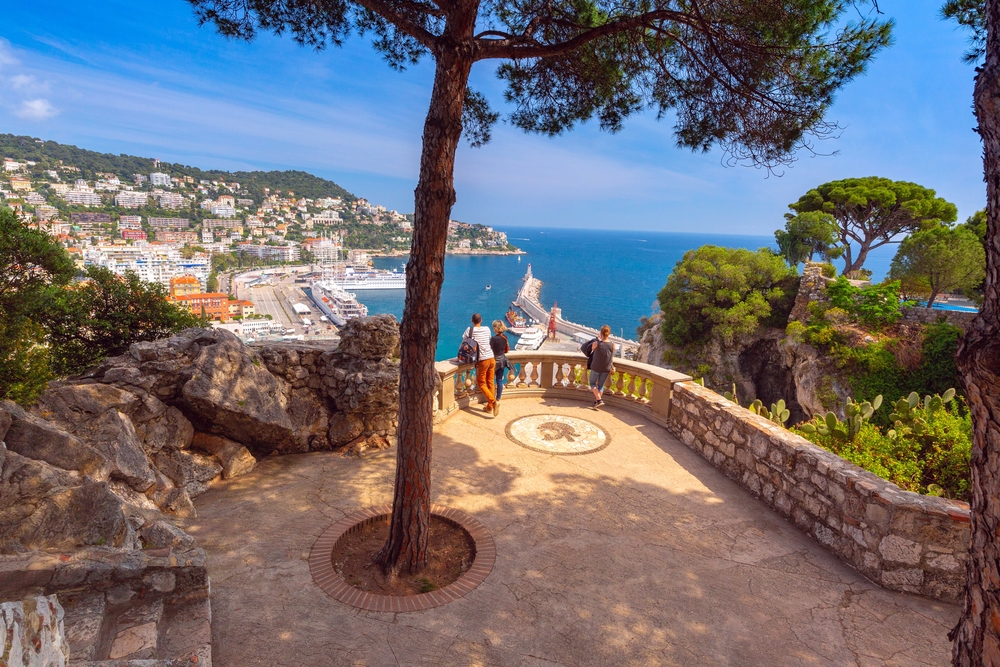
Places like Malaga
Community
Community & practical notes
The expat scene: Malaga has a large, long-established foreign-born population, historically British, German, and Scandinavian, with a fast-growing American and remote-worker contingent since the pandemic. English is widely spoken in expat-facing services, though daily life in most neighborhoods still runs in Spanish, and learning it changes the experience. Meetup groups, language exchanges, and international associations are easy to find.
Healthcare: The public system is well regarded, and the friction is administrative rather than clinical: signing up needs your residency paperwork and padrón (town hall registration) in order first, and it all happens in Spanish. Retirees on the non-lucrative visa stay on private cover for the life of the visa. The Hospital Regional Universitario and the Hospital Clínico are the main public hospitals, and the private networks (Quirónsalud, Vithas) are where English-speaking doctors are easiest to find.
Limited mobility: Geography does most of the work here. The center, Soho, and the seafront sit flat at almost sea level, and most of the old town is pedestrianized with comparatively little cobblestone. The whole EMT bus fleet has carried ramps since the 1990s, and the metro and Cercanías platforms have lifts. In summer the city staffs assisted-bathing points on several beaches with amphibious chairs and monitors. The honest limits are the Gibralfaro and Alcazaba hill, which accessible-tourism guides tell wheelchair users to reach by bus or taxi, and the adapted-taxi fleet, which the council has put at roughly 40 vehicles out of about 1,400 licences.
Getting online: Fiber is fast and cheap. Coworking spaces cluster in the Soho district and around the center. Local hiring skews toward software, cybersecurity, and tourism, though most Americans here work remotely for U.S. or European employers. Spain's digital nomad visa covers exactly this situation.
Retiring here: Spain's non-lucrative visa is the standard retirement route. It requires proof of passive income (the threshold is tied to Spain's IPREM index and rises with each dependent), full private health insurance, and a clean background check, and it does not permit working. After five years of residence you can apply for long-term status. Spain taxes worldwide income once you become a tax resident, so talk to a cross-border tax advisor before committing. Compare retirement visa options and see our full Spain guide.
Housing
Renting and buying
- 1-bed rent (center)
- $1,250–$1,600/mo
- 1-bed rent (outside center)
- $900–$1,150/mo
- Buy price (center)
- $441/sq ft
- Buy price (outside center)
- $279/sq ft
Expatsi estimates, based on rental listings, government statistics, and local reporting.
Good to know
Frequently asked questions
Do I need a car in Malaga?
Most residents don't. The center is walkable and largely car-free, EMT buses and the metro cover the city, and about $35 a month covers typical transit use. The Cercanías train reaches the airport and the coastal towns west of the city. A car mainly helps if you live in the outer suburbs or want frequent trips inland.
How do I move to Malaga from the US?
Americans need a long-stay visa before arriving, since the 90-day Schengen allowance doesn't permit residence. The most common routes are the non-lucrative visa for people with passive income, the digital nomad visa for remote workers, and work or student visas. Applications go through the Spanish consulate serving your U.S. state, and processing takes a few months, so start early.
How does healthcare work for expats in Malaga?
Residents who work or pay into Spanish social security use the public system, which is high quality and inexpensive. Retirees and non-lucrative visa holders must carry private insurance for as long as they hold the visa. Malaga has major public hospitals plus private networks like Quirónsalud where English-speaking doctors are easy to find.
Can I retire in Malaga?
Yes, and many Americans do. The non-lucrative visa is the usual path: you show sufficient passive income, carry private health insurance, and renew until you reach five years and qualify for long-term residency. Be aware that Spanish tax residency means Spain taxes your worldwide income, including U.S. retirement accounts, so get cross-border tax advice first.
Is Malaga good for remote workers?
Malaga works well for remote work. Fiber internet costs about $30 a month, coworking is easy to find, and the tech scene runs from Google's European cybersecurity center to the Malaga TechPark. Spain's digital nomad visa gives Americans working for U.S. employers a legal path to live here.
Is Malaga safe for Americans?
Malaga scores 69 on the safety index with a crime index of 31, which puts it mid-range among the 19 Spanish cities we hold data for. OSAC's Spain report describes violent crime as not prevalent and notes that foreigners are the targets of choice for pickpockets. That is the real risk here: theft in the tourist-heavy old town and on crowded beaches.
How much does it cost to live in Malaga?
One person needs roughly $2,400 a month here, a couple about $3,500, and a family around $5,400, all in U.S. dollars. In the center a one-bedroom averages about $1,400, and about $1,000 outside it. An inexpensive restaurant meal runs about $15.
What is the weather like in Malaga?
Malaga averages about 66°F (18.9°C) across the year with roughly 20 inches (505 mm) of rain. Winter is the wet season and summer is close to rainless: December is both the wettest and the darkest month, while July is effectively dry. Average daily highs run near 89°F in August and near 63°F in January.
See how Malaga fits your life
Take the free Expatsi Test and compare Spain to nearly 200 countries on what actually matters: cost, healthcare, climate, and safety. About five minutes.
Why not you?