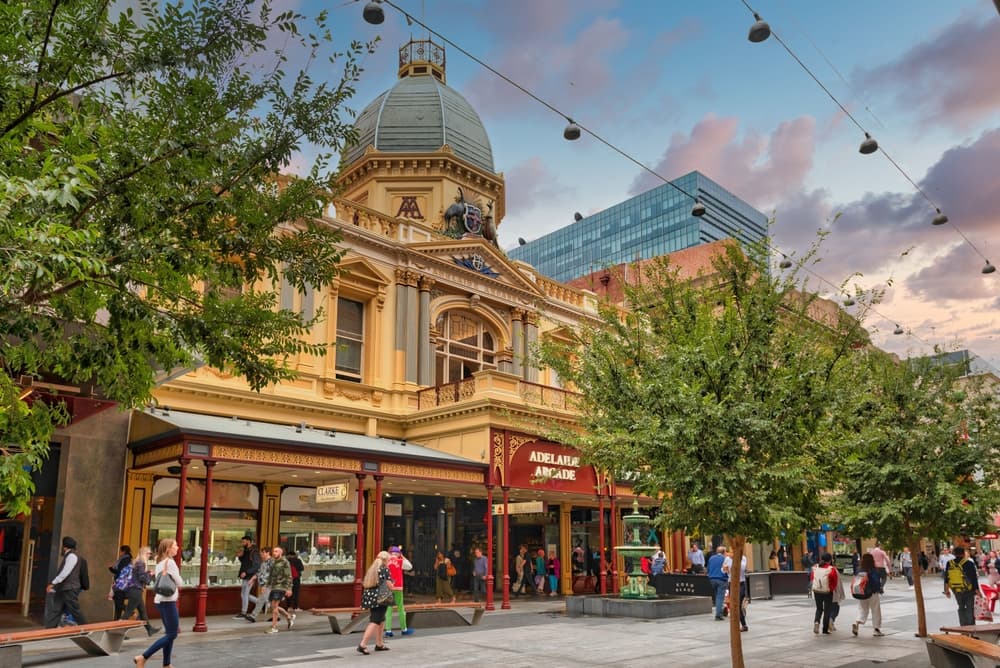
Adelaide: a city inside a ring of parks, with wine country next door
A central one-bedroom costs about a third less than in Sydney, the city-center trams are free, and January afternoons average around 86F.
- 1,387,290
- Population (2021)
- $2,600/mo
- Monthly budget · single
- 64°F / 18°C
- Avg temperature
Budget around $2,600 a month in U.S. dollars for one person in Adelaide, with a realistic range of $2,100 to $3,100 depending on how you live. A couple should plan on about $3,700, and a family of four about $5,400. A one-bedroom near the center averages $1,500 a month, or $1,250 farther out.
That's roughly $700 a month less than one person needs in Sydney and $300 less than in Melbourne. For the difference you get a city of about 1.4 million (2021 count) built around a green belt of parks, with the Barossa and McLaren Vale wine regions close by and the Fringe festival filling February and March.
Adelaide suits people who want Australian city life without eastern-capital rents: remote workers paid in U.S. dollars, families who want space, and anyone who'd rather spend weekends at a cellar door than in traffic. It's a weaker fit if your career needs a big job market, since Sydney and Melbourne have far more openings.

Reviewed and updated October 8, 2026 · 3 min read
At a glance
$2,600
Monthly budget · single person
$1,500/mo 1-bed rent, center
76/100
Safety index
$50
Internet / month
64°Fannual average
Jul 53° · Jan 75°
Climate
1,387,290
Population (2021)
Expatsi estimates, updated Oct 2026, based on rental listings, government statistics, and local reporting.
Cost of living
What it costs to live in Adelaide
Single person
$2,100–$3,100/mo
about 15% below Austin, TX
Couple
$3,000–$4,400/mo
about 20% below Austin, TX
Family of four
$4,400–$6,400/mo
about 30% below Austin, TX
Compared with Austin, TX (Expatsi estimate, 2026).
- $15 −25%
- Inexpensive meal
- $1,250–$1,750/mo −23%
- 1-bed rent, center
- $1,000–$1,500/mo −7%
- 1-bed rent, outside
- $50/mo −23%
- Internet
- $95/mo +130%
- Transit pass
- $511/sq ft −21%
- Buy price, center
Expatsi estimates, updated Oct 2026, based on rental listings, government statistics, and local reporting.
Daily life
How Adelaide lives
- B+ grade, 68th percentile among the cities we track
- Dining & cafésstrong
- B+ grade, 55th percentile among the cities we track
- Arts & culturestrong
- A grade, 90th percentile among the cities we track
- Parks & outdoorsstandout
- B- grade, 34th percentile among the cities we track
- Schools & educationtypical
- B grade, 46th percentile among the cities we track
- Healthcare accesstypical
- A grade, 88th percentile among the cities we track
- Bike infrastructurestandout
- A- grade, 76th percentile among the cities we track
- Public transitstrong
- A+ grade, good physical accessibility
- Accessibilitygood
Graded on OpenStreetMap amenity density relative to the 298 cities we track. Accessibility is the exception: it's graded against a fixed standard (terrain steepness and sidewalk surfaces), not a curve.
Climate
Weather through the year
Annual average 64°F (18°C) · 22 in of rain a year · Source: Meteostat station normals (94675, 1991-2020; no sunshine data); sunshine: Adelaide Airport M.O. (1991–2020 averages 1887–2025 extremes) via en.wikipedia.org/wiki/Climate_of_Adelaide
On the ground
Scenes from Adelaide
Getting around
Transport in Adelaide
Whether you need a car comes down to where you live. In the city center and North Adelaide you can get by without one: the streets are compact and mostly flat, and a good share of the transit is free. Trams cost nothing inside the city zone, between South Terrace, the Adelaide Entertainment Centre, Festival Plaza and the Botanic Gardens. Free City Connector buses loop the center from just before 7am to 7:15pm, or 9:15pm on Fridays. Routes 98A and 98C also cover North Adelaide every day, while 99A and 99C run on weekdays only.
Beyond the center, Adelaide Metro runs buses, trains and a tram line out to the beach at Glenelg. Fares are flat, so a ride to the suburbs costs the same as a short hop, and transit runs about $95 a month. You can tap a credit card on buses and trams or use a metroCARD on everything. Bikes are allowed on trains but not on buses or trams, which matters if you plan to ride one leg of a commute.
The Park Lands make walking or cycling in from the inner suburbs a pleasant way to start the day. Out in the hills or the outer suburbs, plan on owning a car.
- 51/sq mi
- Transit stops
- 89/sq mi
- Bike infrastructure
- 21/sq mi
- Wheelchair-accessible places
Mapped features per square mile from OpenStreetMap.
Keep exploring
Places like Adelaide
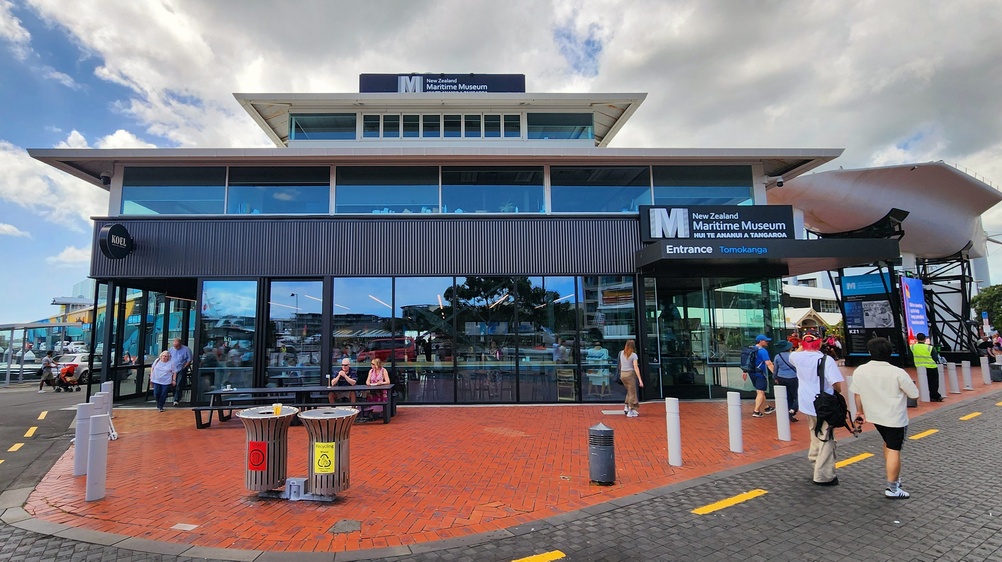
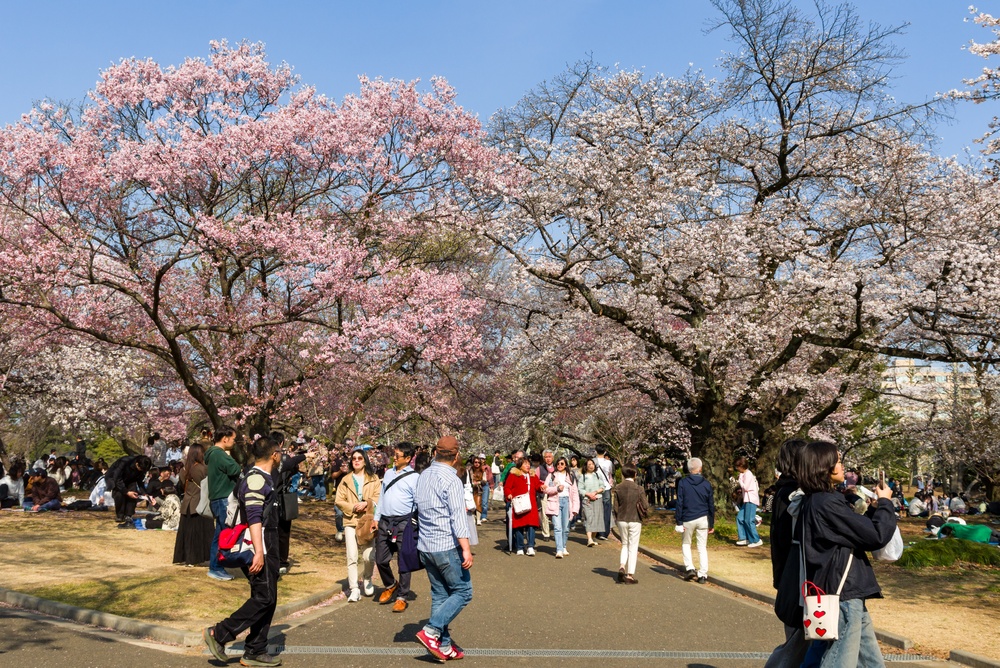
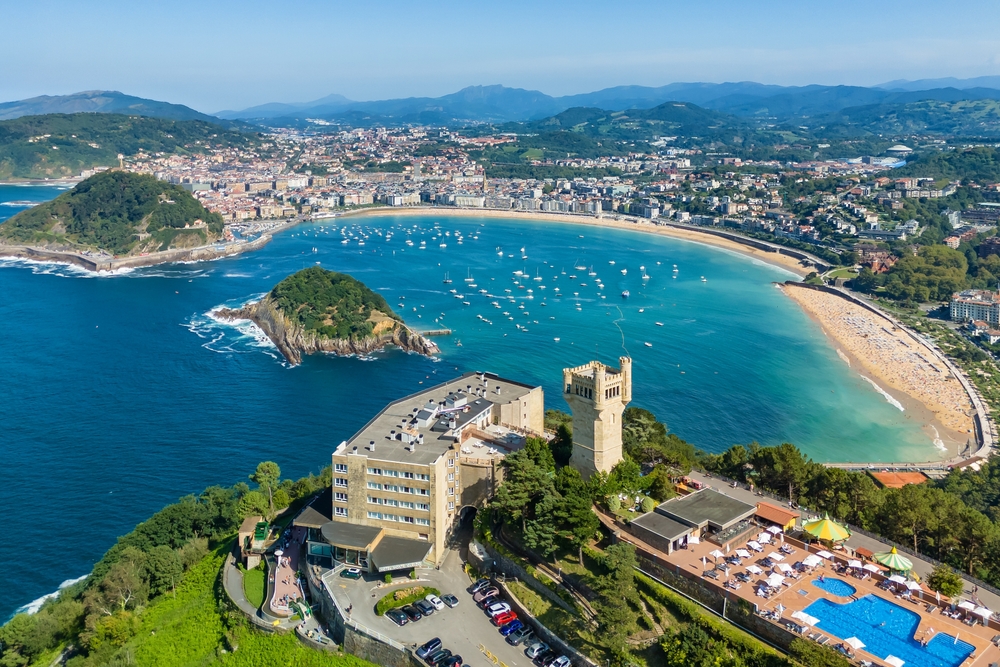
Living here
Settling into Adelaide
The expat scene: Adelaide has no American neighborhood, and most newcomers build a circle through work, sports clubs, volunteering and their kids' schools. Relocation guides point new arrivals to the Newcomers and Friends Association and the Australian American Association, and volunteer groups such as Friends of the Art Gallery of South Australia are a common way to meet locals.
Healthcare: The Royal Adelaide Hospital is the state's flagship public hospital, treating an estimated 85,000 inpatients and 400,000 outpatients a year. Medicare, Australia's public system, doesn't cover Americans on temporary visas, so you'll need private coverage until you hold permanent residency. Our Australia healthcare report explains what to buy and when.
Remote work: Home internet runs about $50 a month. The clock is the harder part. Adelaide sits on a half-hour time zone, 13.5 to 15.5 hours ahead of U.S. Eastern by season, so a 9am New York meeting lands somewhere between 10:30pm and 12:30am here.
Limited mobility: All Adelaide Metro trains and trams are accessible, and so are most buses. On trains, wait at the front: the driver puts out a ramp at the first door. The free city trams and the flat, compact center make the core manageable, while the hills suburbs bring steeper streets and longer distances.
Retirement: On paper Adelaide suits retirees, with a calm pace, a compact center and lower costs than the eastern capitals. Here's the catch: Australia stopped taking new applications for its Investor Retirement visa in June 2018, and the skilled visas generally require you to be under 45. Unless you qualify another way, Adelaide works for long visits rather than retirement. Our retirement visa hub compares countries that still have a route, and the guide to moving to Australia covers every door that's open. If you're still working, South Australia can nominate you for the subclass 190 visa.
Housing
Renting and buying
- 1-bed rent (center)
- $1,250–$1,750/mo
- 1-bed rent (outside center)
- $1,000–$1,500/mo
- Buy price (center)
- $511/sq ft
- Buy price (outside center)
- $390/sq ft
Expatsi estimates, based on rental listings, government statistics, and local reporting.
Good to know
Frequently asked questions
How much does it cost to live in Adelaide?
Plan on about $2,600 a month in U.S. dollars for one person, $3,700 for a couple and $5,400 for a family of four, based on Expatsi's 2026 estimates. Rent is the biggest line: a one-bedroom near the center averages $1,500 a month, and about $1,250 in the suburbs.
Do you need a car in Adelaide?
Not if you live in the city center or North Adelaide, where trams and City Connector buses are free and the streets are compact and flat. In the outer suburbs or the Adelaide Hills, a car makes daily life much easier.
Can Americans retire in Adelaide?
Not easily. Australia stopped accepting new applications for its Investor Retirement visa in June 2018 and has no dedicated retirement visa open to newcomers. Americans who don't qualify through work, study or family can visit Adelaide but generally can't settle there in retirement.
Is Adelaide a good place for Americans to live?
It's a good fit if you want Australian city life for less than Sydney or Melbourne, with parks around the center and wine regions nearby. The trade-offs are a smaller job market, hot summers and distance from home: Adelaide is 13.5 to 15.5 hours ahead of U.S. Eastern, depending on the season.
Is Adelaide cheaper than Sydney?
Yes. Expatsi estimates one person needs about $3,300 a month in Sydney and $2,600 in Adelaide. A central one-bedroom runs about $2,200 in Sydney against $1,500 in Adelaide. Melbourne falls in between on both.
Is Adelaide safe?
Adelaide scores 76 out of 100 on the safety index Expatsi uses, and 24 on the matching crime index, where lower is better. Use the same care at night you would in any U.S. city of about 1.4 million people.
What is the weather like in Adelaide?
Summers are hot and dry, with January average highs near 86F. Winters are mild and wetter: July averages highs near 60F and lows near 46F. Most of the year's roughly 22 inches of rain falls between May and September.
See how Adelaide fits your life
Take the free Expatsi Test and compare Australia to over 100 countries on what actually matters: cost, healthcare, climate, and safety. About five minutes.
Why not you?