Australia's 190 Visa: Permanent Residency If a State Picks You
The Skilled Nominated visa is the same points test as the 189, plus five points and one extra gatekeeper. An Australian state or territory has to choose you first.
This one hands you permanent residency on the day it's granted. Medicare, any employer you want, family included, and the clock toward citizenship already running. The five extra points for state nomination sound like rounding. In practice, they're often the difference between an invitation and another year of waiting.
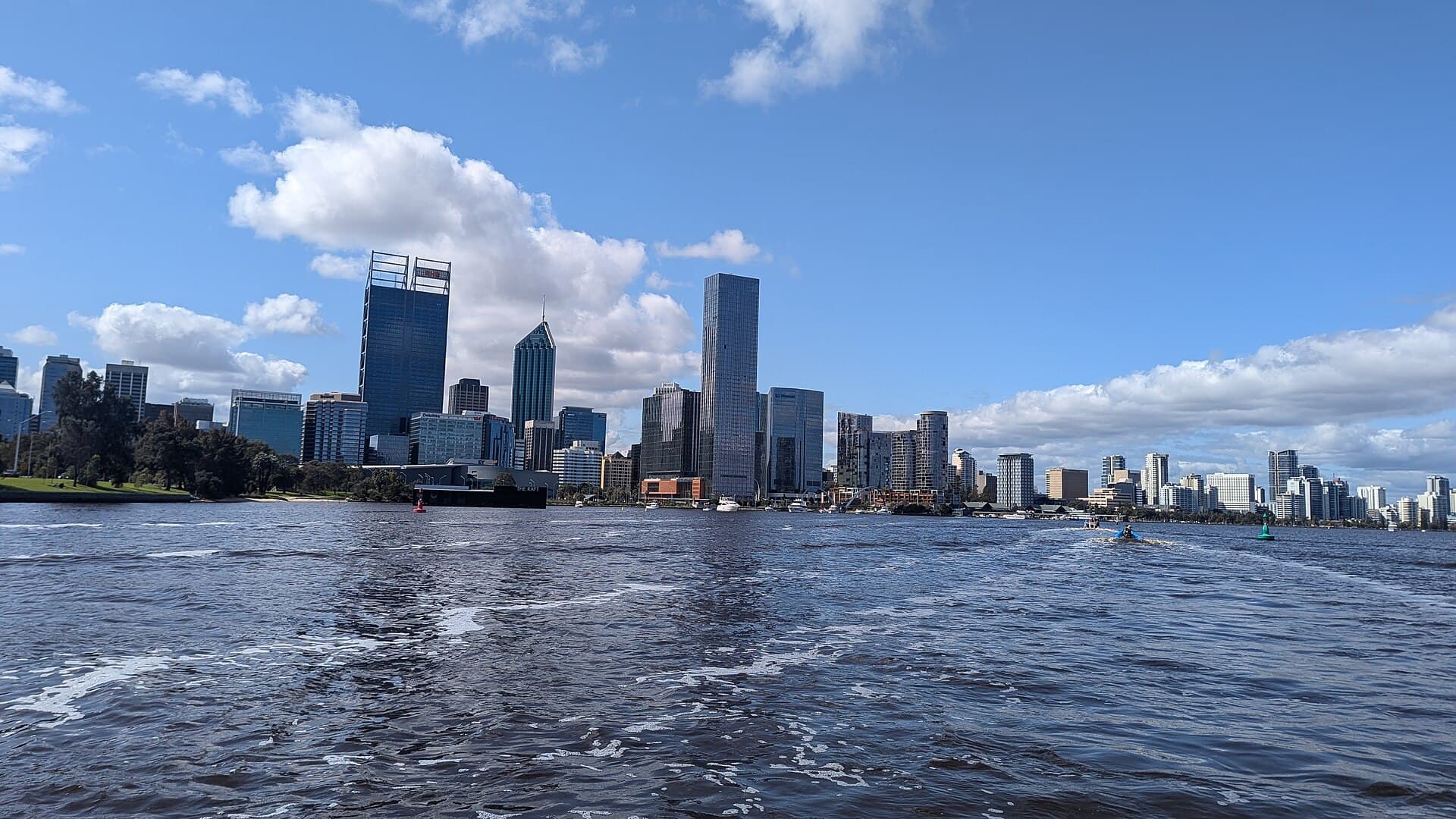
Skilled State Sponsored Work (subclass 190 )
Australian permanent residency visa for skilled workers who are nominated by an Australian state or territory government.
- Government cost
- $4,640
- Processing time
- ~180 days
- Timeline
- Permanent residency
- Difficulty
- Hard
Key requirements
- Skills assessment in eligible occupation
- State or territory nomination
- Minimum 65 points on points test
- English proficiency (IELTS 6+)
- Under 45 years old
- Health and character requirements
About that data card
Since July 2026, Home Affairs charges 6,140 Australian dollars for the main applicant, about $4,390, so the figure above is a year behind. The 180 days is optimistic, too. The Department's own tool now says half of these visas are decided in 12 months and 90 percent inside 17. The six requirements on the card are correct.
How it really works
Eight programs hiding behind one visa number

There's no national 190 queue. There are eight of them: New South Wales, Victoria, Queensland, South Australia, Western Australia, Tasmania, the ACT and the Northern Territory each get a slice of places, write their own occupation list, and pick who they want.
What the nomination is worth
Five points, and a second occupation list. The 189 only accepts the Medium and Long-term Strategic Skills List. The 190 also takes the Short-term Skilled Occupation List, so for the 200-odd occupations that miss the 189 entirely, state nomination is the only points-tested way in. (The Core Skills list you see quoted everywhere is for employer-sponsored visas, not this one.)
What a state is looking at
Your occupation against its shortage list, then your points, English, years in the job, and any real link to the place. Priority sectors repeat across the country: health and aged care, construction, teaching, engineering and ICT. Victoria's most recent published round invited people between 65 and 105 points, depending on the occupation.
- Nomination is a gate, not a bonus. No state, no invitation, no application.
- Each state sets its own rules and can change them mid-year.
- You commit to living and working in that state for two years.
- That promise is made to the state. It's not a condition written on the visa.
The 190 by the numbers
$4,390
Visa application charge, main applicant
6,140 Australian dollars, billed by Home Affairs
65
Points just to be in the running
Includes the 5 for nomination
35,500
State nominated places for 2026-27
Up from 33,000 the year before
12 months
Median wait once you lodge
90 percent decided inside 17 months
The process
Half of this is yours to drive. Half of it isn't.
The part you control
Get your skills assessed by the authority that covers your occupation, sit an English test anyway (your U.S. passport satisfies Competent English on its own, but English points come off a test result and there are 10 or 20 of them going spare), then lodge an Expression of Interest in SkillSelect. The EOI is free, lasts two years, and is where you tick the states you would accept. South Australia only sees you if you list it first.
The part the state controls
Some states invite straight from the SkillSelect pool. Others, like Victoria, want a separate Registration of Interest on their own portal. Either way you wait, and nobody publishes a wait time for this step. Get picked and the windows slam shut fast: New South Wales gives you 14 days to lodge the nomination application and won't extend it, assessment runs about six weeks. Once Home Affairs invites you, you have 60 days to lodge the visa itself.
Being in the US can actually help you here
New South Wales lists three ways to qualify for a 190 invitation, and one of them is having lived outside Australia for at least six months, which is true of most people reading this. South Australia pulls offshore candidates straight out of SkillSelect with no extra form, and Victoria charges nothing to register interest. Offshore is not the same thing as ineligible.
Read this part twice
Here's the catch

Australia is openly steering this program toward people who are already there. Of the 185,000 permanent places for 2026-27, 129,590 are set aside for applicants onshore and 55,110 for everyone else. Ministerial Direction 119, in force since July 2026, covers the 190 and puts an offshore applicant in a non-priority occupation in the bottom of five processing tiers.
States are reading the same signal. Tasmania switched off the pathway that let it pick overseas candidates who had no job there yet, stating plainly that it's because the federal government prioritizes people already in Australia. What's left for someone offshore is a narrow 190 door for health and education workers who already hold a Tasmanian job offer. The Northern Territory's offshore priority stream is closed, too.
Then there is the calendar. By June 2026, every one of the eight programs was closed or running on fumes. They reopen one at a time, not on July 1: Tasmania took new registrations from August 17 2026, the Northern Territory reopened on August 21, and Queensland was still waiting on its allocation. Being ready before your state opens is most of the game.
What you get the day it's granted
Permanent residency
No provisional stage, no second visa to win later.
Medicare
You enrol as a resident. Americans get no reciprocal cover on temporary visas.
Any job, any employer
Nobody sponsors you, so nobody can hold your status.
Family on the same application
Partner and dependent children, with full work rights.
Five year travel facility
Then a Resident Return visa to keep coming and going.
Citizenship at four years
Four years of residence with the last 12 months as a permanent resident.
Plan B
If no state picks you
Take the nomination and its 5 points out of the 190 and you have the 189 Skilled Independent visa, the same test with nobody to please but Home Affairs. If your occupation sits on the long-term list, run both Expressions of Interest and take whichever invitation lands first.
If neither points-tested door opens, the employer route skips the points test completely. A job offer can get you a 482 Skills in Demand visa, and two years with that sponsor can turn into permanent residency through the 186 Employer Nomination Scheme. Our work visa hub lines up every country we cover on that basis.
Other ways into Australia
Distinguished Talent Visa (subclass 124/858)
- Internationally recognized exceptional achievement
- Nomination by an Australian organization or individual
- Health and character checks
Employer Nomination Scheme Visa (subclass 186)
- Nomination by approved Australian employer
- Relevant skills and qualifications
- Health and character checks
Skilled Independent Visa (subclass 189)
- Occupation on skilled occupation list
- Points test (age, English, qualifications, experience)
- Health and character checks
Skills in Demand Visa (subclass 482)
- Job offer from approved Australian employer
- Relevant skills and qualifications
- Health and character checks
Student Visa (subclass 500)
- Enrollment in a CRICOS-registered course
- Sufficient funds
- Health insurance
Temporary Graduate Visa (subclass 485)
- Recent graduate of an Australian institution
- Health and character checks
- English proficiency
Questions people actually ask
How many points do you need for the 190 visa?
Sixty-five is the floor, and the 5 points for state nomination count toward it. That gets you into the pool, not an invitation. States pick the strongest profiles they can, and reported cut-offs in 2026 sit anywhere from 65 in a shortage trade to 100 or more in a crowded profession. Age, English test results and years in your occupation move the number most.
How long does the whole thing take?
Home Affairs decides half of these visas in 12 months and 90 percent in 17. That clock only starts when you lodge. Before it, you wait an unpublished stretch for a state to invite you, then about six weeks for the nomination to be assessed. A year and a half from skills assessment to grant is a realistic plan, and faster is luck.
Should I apply for the 189 or the 190?
Run both if you can. The 189 needs no nominator and leaves you free to live anywhere, but it wants your occupation on the long-term list and a score that clears a national round. The 190 adds 5 points, opens the short-term occupation list, and asks for two years in one state. Occupations that only appear on the short-term list have no 189 option at all.
Do I really have to live in the state that nominates me?
You promise the state you will live and work there for two years, in writing, as part of the nomination. It is a commitment to the state rather than a condition attached to the visa, so it is not enforced the way the regional 491 condition is. Break it anyway and the state can hold it against you if you ever need it to nominate a relative.
Can I apply for a 190 visa from the United States?
Yes, and a few states make room for it. New South Wales counts six months of continuous residence outside Australia as one route to eligibility, and South Australia selects offshore candidates directly from SkillSelect if you list it as your first preference. Others want you already living, working or studying in the state, so check each program before you pin hopes on it.
Do I need a job offer for state nomination?
Not as a federal requirement, and Victoria specifically says a 190 applicant does not have to be employed. Individual states are free to ask for more, and some reserve their offshore places for people who already hold a local job offer in health or education. A live offer never hurts your ranking.
What does the 190 visa cost in 2026?
The visa charge is 6,140 Australian dollars for the main applicant, about $4,390, plus 3,070 dollars for each adult and 1,535 for each child, roughly $2,200 and $1,100. Add a skills assessment, an English test, medicals and police checks. Some states charge a nomination fee too, from nothing in Victoria to a few hundred dollars elsewhere. The dollar figures here use a rate of about 71 US cents, taken in the middle of September 2026, so check it again the day you pay.
Not sure Australia is your answer?
Take the Expatsi Test and see which countries fit your work, your money and your family.