
Vilcabamba: a mild Andean valley village an hour from Loja
A small village in southern Ecuador where Americans have been retiring for decades, with the same gentle weather all year and a city's hospitals an hour up the road.
- 4,478
- Population (2012)
- $1,000/mo
- Monthly budget · single
- 67°F / 20°C
- Avg temperature
Plan on roughly $1,000 a month for one person in Vilcabamba and about $1,500 for a couple, in U.S. dollars as of 2026. A one-bedroom near the plaza rents for about $400, or closer to $300 a little further out. Home internet runs about $30 a month, and a meal at an inexpensive restaurant about $4. Ecuador uses the U.S. dollar, so there's no exchange rate to track.
Vilcabamba is a parish of about 4,500 people in a valley of Loja province, at around 5,100 feet. Average highs stay in the mid-70s F all year, and nights are cool. It suits retirees who'd rather have a garden and a hiking trail than theaters and malls, along with people drawn to yoga, organic farming and a slower pace.
The tradeoff is distance. The nearest real city is Loja, about an hour north by bus, and the nearest airport sits past Loja at Catamayo. If you need regular specialist care, you'll make that trip every time.

Reviewed and updated October 1, 2026 · 3 min read
At a glance
$1,000
Monthly budget · single person
$400/mo 1-bed rent, center
60/100
Safety index
$30
Internet / month
67°Fannual average
Jul 66° · Sep 69°
Climate
4,478
Population (2012)
Expatsi estimates, updated Aug 2026, based on rental listings, government statistics, and local reporting. Coverage here is thin, so treat these as a rough guide.
Cost of living
What it costs to live in Vilcabamba
Single person
$800–$1,300/mo
about 70% below Austin, TX
Couple
$1,100–$1,900/mo
about 65% below Austin, TX
Family of four
$1,700–$2,700/mo
about 70% below Austin, TX
Compared with Austin, TX (Expatsi estimate, 2026).
- $4 −80%
- Inexpensive meal
- $300–$500/mo −79%
- 1-bed rent, center
- $250–$400/mo −78%
- 1-bed rent, outside
- $30/mo −54%
- Internet
Expatsi estimates, updated Aug 2026, based on rental listings, government statistics, and local reporting. Coverage here is thin, so treat these as a rough guide.
Daily life
How Vilcabamba lives
- C+ grade, 17th percentile among the cities we track
- Dining & cafésmodest
- C- grade, 0th percentile among the cities we track
- Arts & culturemodest
- C grade, 13th percentile among the cities we track
- Parks & outdoorsmodest
- C grade, 12th percentile among the cities we track
- Schools & educationmodest
- C+ grade, 21st percentile among the cities we track
- Healthcare accessmodest
- C- grade, 0th percentile among the cities we track
- Bike infrastructuremodest
- C- grade, 4th percentile among the cities we track
- Public transitmodest
Graded on OpenStreetMap amenity density relative to the 369 cities we track. Accessibility is the exception: it's graded against a fixed standard (terrain steepness and sidewalk surfaces), not a curve.
Climate
Weather through the year
Annual average 67°F (20°C) · 59 in of rain a year · Source: Open-Meteo Historical Weather API (temps: ERA5-Land 0.1°; precip/sunshine: ERA5 best-match; 1991-2020 normals)
On the ground
Scenes from Vilcabamba
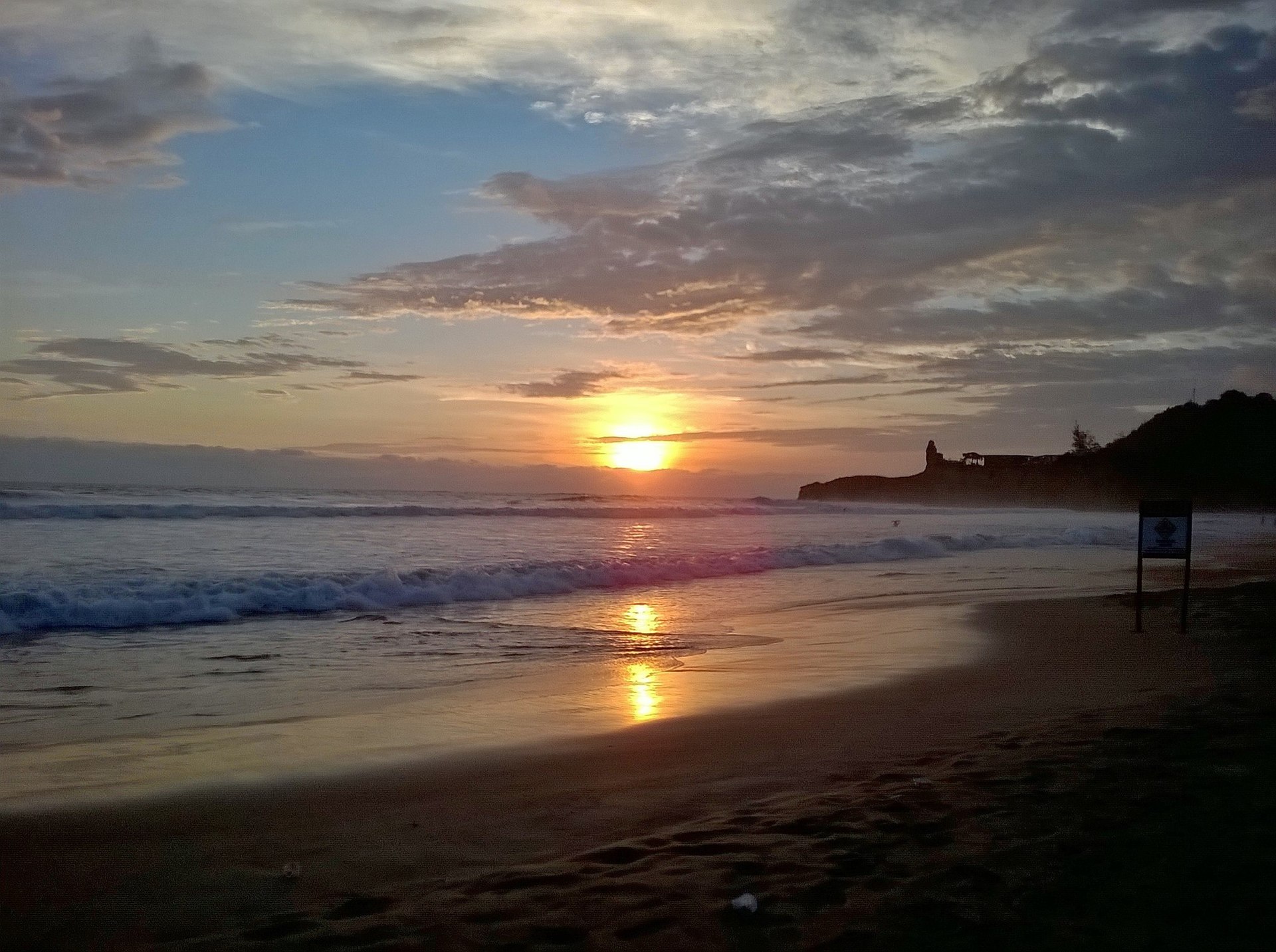
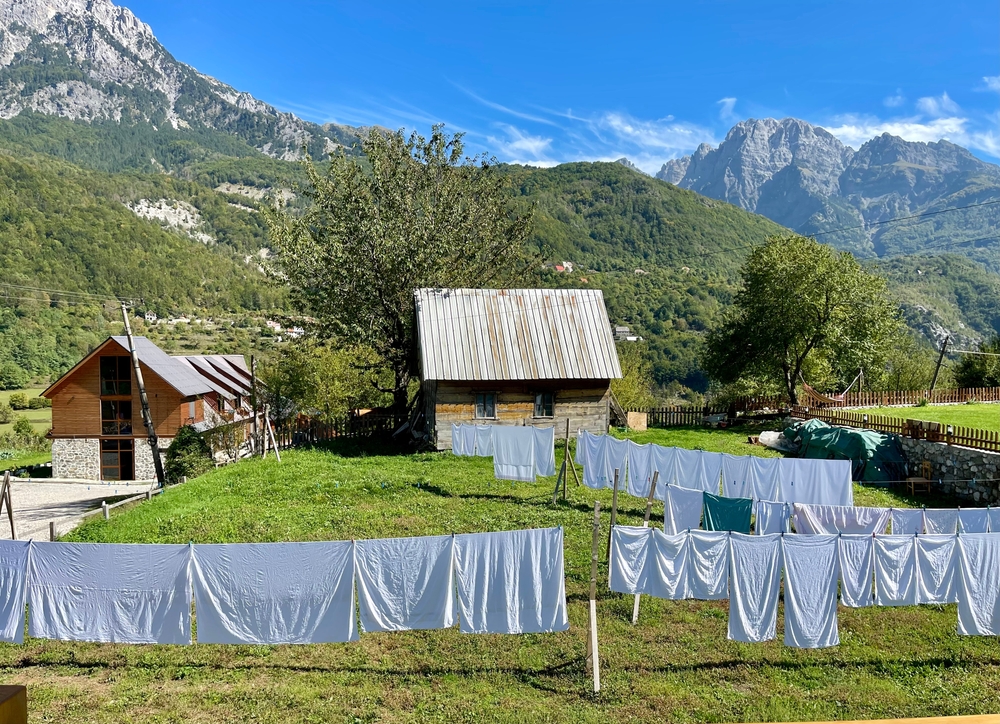
Photos by Wikimedia Commons contributors; open any photo for its credit and license.
Getting around
Transport in Vilcabamba
The center of Vilcabamba is a plaza and the blocks around it, and you can walk all of it: cafes, shops, restaurants and the public hospital on Avenida Eterna Juventud are close together. Plenty of foreigners live further out in the valley, though, and that's where getting around takes more planning.
The connection that matters is the bus to Loja. Vilcabambaturis runs buses from Loja's main terminal about every 30 minutes from early morning into the evening; the ride takes about an hour and 15 minutes and costs under $2. A taxi covers the same trip in about 45 minutes, and one local lodge quotes $20 for up to four people.
Loja's airport is at Catamayo, west of the city, and the flight to Quito takes about 50 minutes. There's no direct bus from Vilcabamba to the airport, so you'll change in Loja or book a taxi. Overnight buses from Quito to Loja take 12 to 14 hours if you'd rather skip the flight.
Do you need a car? In the village, no. Out in the valley, a car or a taxi driver you can call makes daily errands much easier.
- 0.1/sq mi
- Transit stops
- 0.0/sq mi
- Bike infrastructure
- 0.1/sq mi
- Wheelchair-accessible places
Mapped features per square mile from OpenStreetMap.
Keep exploring
Places like Vilcabamba
Living here
Community and practical notes
The expat scene: Foreigners here are a mixed group: retirees, families with kids, artists, small-business owners, and people who came for permaculture, yoga or alternative health. The community is small, so you'll know faces quickly. A lot of social life runs through Facebook groups such as Vilca People and Vilcabamba Community, a weekly hiking group, and long dinners in restaurant gardens. One World Vilcabamba runs local education projects if you want to volunteer. The town's "Valley of Longevity" reputation is best treated as local lore and lifestyle, not medicine.
Healthcare: The Health Ministry's Hospital Básico Koquisi Otani sits in town, with a 24-hour emergency room, 15 inpatient beds and one operating room. Its outpatient clinics cover internal medicine, general surgery, pediatrics, gynecology and family medicine, with X-ray and ultrasound on site. For specialists and private hospitals, residents go to Loja, about an hour away, and some continue to Cuenca, roughly four hours' drive past Loja, for complex care.
Remote work: Home internet runs about $30 a month. Service in a rural valley can vary from one street or hillside to the next, so if your income depends on video calls, ask for a speed test at the house before you sign a lease.
Limited mobility: The center is compact and the hospital is in town, both of which help. The accessibility grade above rests on thin map data, so read it as a rough signal rather than a guarantee. Much of what draws people here is hill and trail country, and reaching Loja means more than an hour on a bus. If mobility is a factor, rent close to the plaza, check the route from the door to the street in person, and budget for taxis.
Retirement: Vilcabamba has held a small, settled community of American retirees for years. It works if you want mild weather, outdoor time and quiet, and don't mind traveling to Loja for specialists. Ecuador has a residence visa for retirees. See how Ecuador compares for retirement and our guide to moving to Ecuador for visas, taxes and healthcare.
Housing
Renting and buying
- 1-bed rent (center)
- $300–$500/mo
- 1-bed rent (outside center)
- $250–$400/mo
Expatsi estimates, based on rental listings, government statistics, and local reporting. Coverage here is thin, so treat these as a rough guide.
Good to know
Frequently asked questions
What is the weather like in Vilcabamba?
Vilcabamba has mild weather all year. Average daytime highs run from about 74F to 78F, and average lows sit around 59F to 62F. February and March are the wettest months, and June through September are the driest. Total rainfall averages about 59 inches a year.
Is Vilcabamba safe for Americans?
Vilcabamba scores 60 out of 100 on Expatsi's safety index, with a crime index of 40, which puts it in the middle range. It's a small village where most people know each other by sight. Check the U.S. State Department's current advisory for Ecuador before you visit, since conditions vary by province.
Is Vilcabamba a good place to retire?
Vilcabamba suits retirees who want mild weather year-round, a quiet village and easy access to hiking, and who are comfortable handling life in Spanish. Its town hospital covers emergencies and routine care, but specialists are in Loja, about an hour away by bus. Ecuador offers a residence visa for retirees.
How much does it cost to live in Vilcabamba, Ecuador?
Monthly budgets for one person in Vilcabamba typically fall between $800 and $1,300, depending mostly on housing and how often you eat out. Couples usually spend $1,100 to $1,900 a month, and a family of four about $2,200 (2026 figures, in U.S. dollars). Ecuador uses the U.S. dollar, so prices don't move with an exchange rate.
Is there a hospital in Vilcabamba?
Yes. Hospital Básico Koquisi Otani, run by Ecuador's Health Ministry, has a 24-hour emergency room, 15 inpatient beds, one operating room, and X-ray and ultrasound. For specialists and private hospitals, residents travel to Loja, about an hour north.
How do you get to Vilcabamba from the U.S.?
Most people fly to Quito, then take a flight of about 50 minutes to Loja's airport at Catamayo. From there, change in Loja for the Vilcabamba bus, which takes about an hour and 15 minutes, or take a taxi. Overnight buses from Quito to Loja take 12 to 14 hours.
Do people really live longer in Vilcabamba?
Vilcabamba is marketed as the "Valley of Longevity," and the reputation is a big part of why foreigners first came. Treat it as local lore rather than medical evidence. What the valley does offer is mild weather, clean air, fresh local produce and plenty of walking.
See how Vilcabamba fits your life
Take the free Expatsi Test and compare Ecuador to over 100 countries on what actually matters: cost, healthcare, climate, and safety. About five minutes.
Why not you?