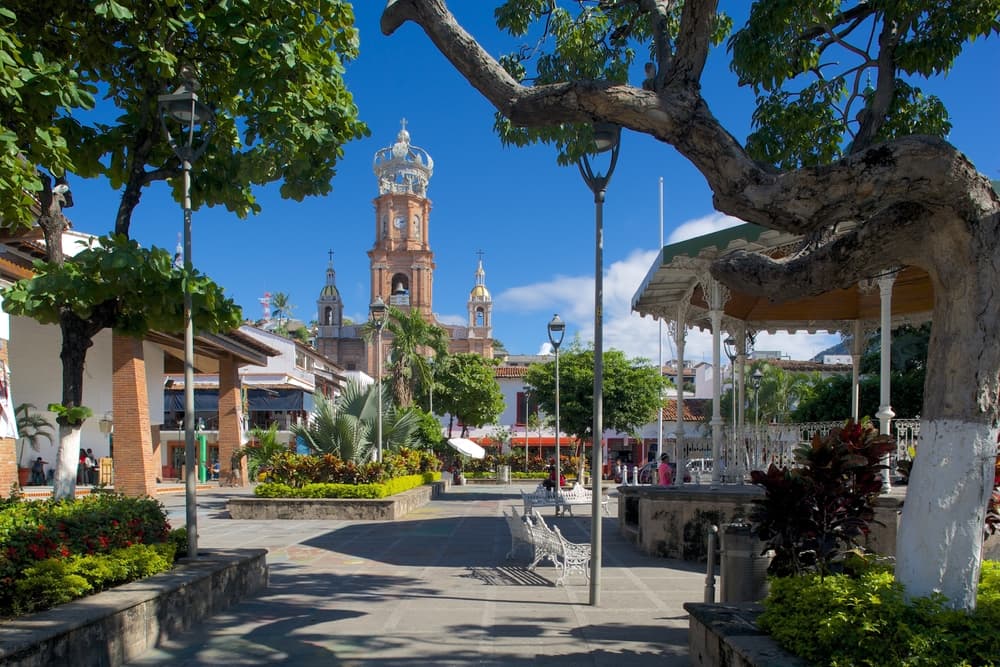
Puerto Vallarta: Mexico's softest landing on the Pacific
A Pacific resort city of about 224,000 with a long-established American community, average highs between 83F and 90F all year, and direct flights to most major U.S. hubs.
- 224,166
- Population (2020)
- $2,300/mo
- Monthly budget · single
- 78°F / 25°C
- Avg temperature
Budget about $2,300 a month in U.S. dollars for one person in Puerto Vallarta, around $3,200 for a couple, and roughly $4,100 for a family. A one-bedroom in the center averages about $1,300 a month, while the same apartment outside the tourist core runs about $800. Rent is the whole story here: dinner at a local place runs about $9, but an ocean-view condo is priced for the vacation-rental market it competes with.
Puerto Vallarta suits people who want a soft landing in Mexico. English is widely spoken in the Zona Romántica and along the hotel zone. The city has one of the largest and most visible LGBTQ+ communities in Latin America, and there's enough long-term American and Canadian residents that newcomer questions have well-worn answers. It works especially well for retirees and remote workers who want beach access without giving up city services.
The honest drawback is that the center no longer feels like a bargain, or entirely like Mexico. High season (roughly November through April) brings cruise ships, packed streets, and short-term rental pricing, while summer is hot and genuinely humid. If you want a quieter, less touristed Mexico at these prices, PV isn't it.
At a glance
$2,300
Monthly budget · single person
$1,300/mo 1-bed rent, center
55/100
Safety index
$25
Internet / month
78°Fannual average
Jan 73° · Jul 81°
Climate
224,166
Population (2020)
Expatsi estimates, updated Aug 2026, based on rental listings, government statistics, and local reporting.
Cost of living
What it costs to live in Puerto Vallarta
Single person
$2,000–$2,600/mo
about 25% below Austin, TX
Couple
$2,800–$3,600/mo
about 30% below Austin, TX
Family of four
$3,600–$4,600/mo
about 50% below Austin, TX
Compared with Austin, TX (Expatsi estimate, 2026).
- $9 −55%
- Inexpensive meal
- $1,150–$1,450/mo −33%
- 1-bed rent, center
- $700–$900/mo −41%
- 1-bed rent, outside
- $25/mo −62%
- Internet
- $260/sq ft −60%
- Buy price, center
Expatsi estimates, updated Aug 2026, based on rental listings, government statistics, and local reporting.
Daily life
How Puerto Vallarta lives
- B+ grade, 56th percentile among the cities we track
- Dining & cafésstrong
- B- grade, 25th percentile among the cities we track
- Arts & culturetypical
- C+ grade, 23rd percentile among the cities we track
- Parks & outdoorsmodest
- B+ grade, 69th percentile among the cities we track
- Schools & educationstrong
- B- grade, 29th percentile among the cities we track
- Healthcare accesstypical
- C- grade, 0th percentile among the cities we track
- Bike infrastructuremodest
- B grade, 45th percentile among the cities we track
- Public transittypical
Graded on OpenStreetMap amenity density relative to the 298 cities we track. Accessibility is the exception: it's graded against a fixed standard (terrain steepness and sidewalk surfaces), not a curve.
Climate
Weather through the year
Annual average 78°F (25°C) · 55 in of rain a year · Source: Open-Meteo Historical Weather API (temps: ERA5-Land 0.1°; precip/sunshine: ERA5 best-match; 1991-2020 normals)
On the ground
Scenes from Puerto Vallarta
Getting around
Transport in Puerto Vallarta
Most residents get around without a car. Unibus runs the city bus network, and one flat fare covers any ride inside town. Buses run often along the coastal corridor from the airport and marina through downtown to the Zona Romántica, showing their destination on the windshield rather than a route map. Payment is shifting from cash to a prepaid card, so carry coins for now.
Taxis are everywhere and cheap; Uber and DiDi also work here, settling the late-night question. Two limits: neither is licensed across the state line in Nayarit, and rideshares can't use the airport curb, so you prepay an official taxi or cross the pedestrian bridge. Water taxis reach beach towns south of the city, like Yelapa and Quimixto, that roads don't.
The central neighborhoods are very walkable. The Malecón connects downtown to the Zona Romántica; within those areas, you can handle groceries, restaurants, and errands on foot. The catch is topography: blocks climb steeply into the hills a few streets back from the water, and cobblestones are the default surface.
A car only makes sense in the suburbs north of the marina, in Nuevo Vallarta across the state line, or for regular trips into the Sierra Madre towns. In the center, parking is scarce enough that a car is more burden than convenience.
- 20/sq mi
- Transit stops
- 0.0/sq mi
- Bike infrastructure
- 0.5/sq mi
- Wheelchair-accessible places
Mapped features per square mile from OpenStreetMap.
Keep exploring
Places like Puerto Vallarta
 Coming soon
Santo Domingo
Dominican Republic
2.2M people · $2,100/mo
Riviera Maya
Mexico
$2,100/mo
Tulum
Mexico
33.4K people · $2,100/mo
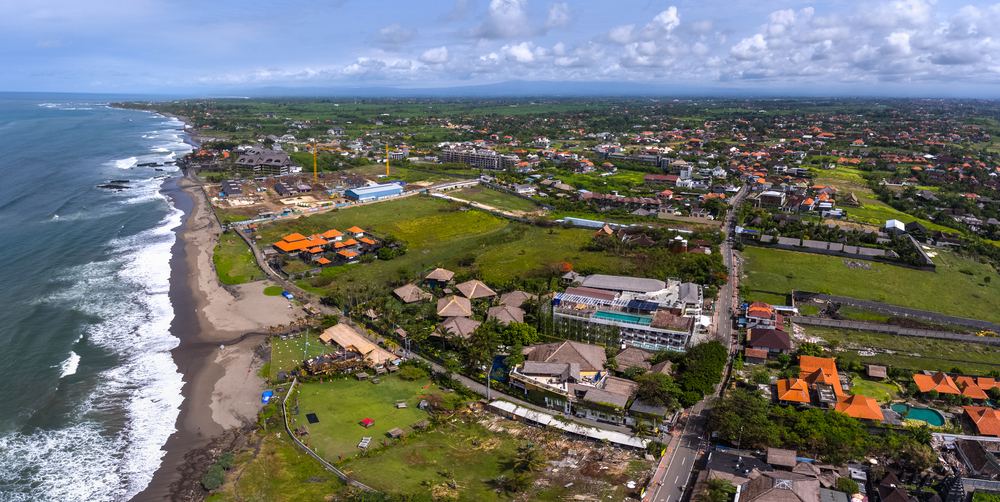
Canggu
Indonesia
7.1K people · $2,100/mo
 Coming soon
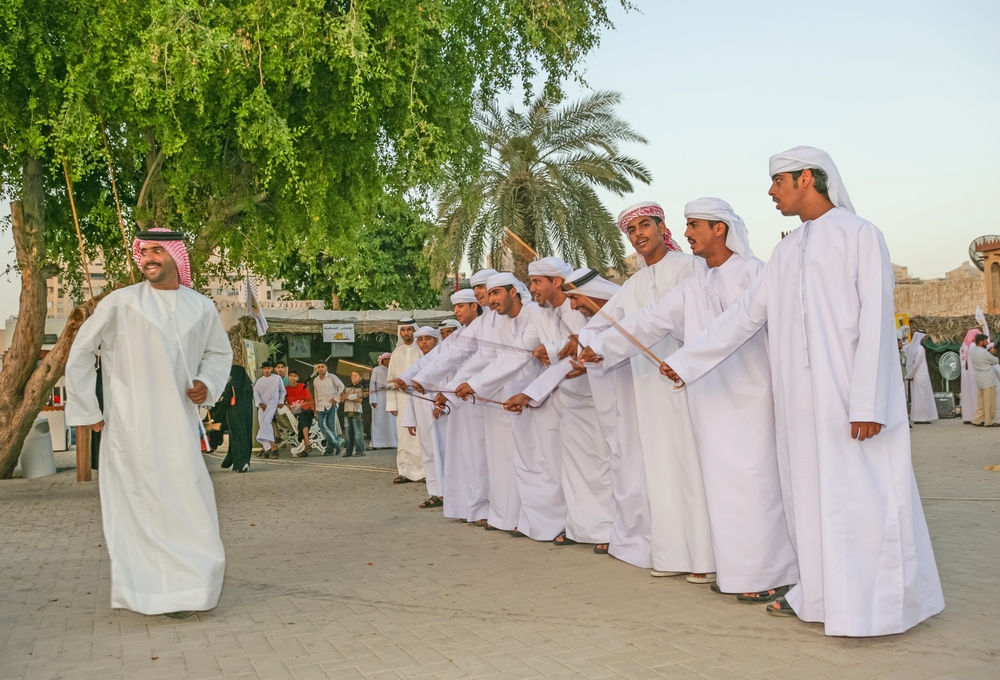
Sharjah
United Arab Emirates
1.2M people · $2,200/mo
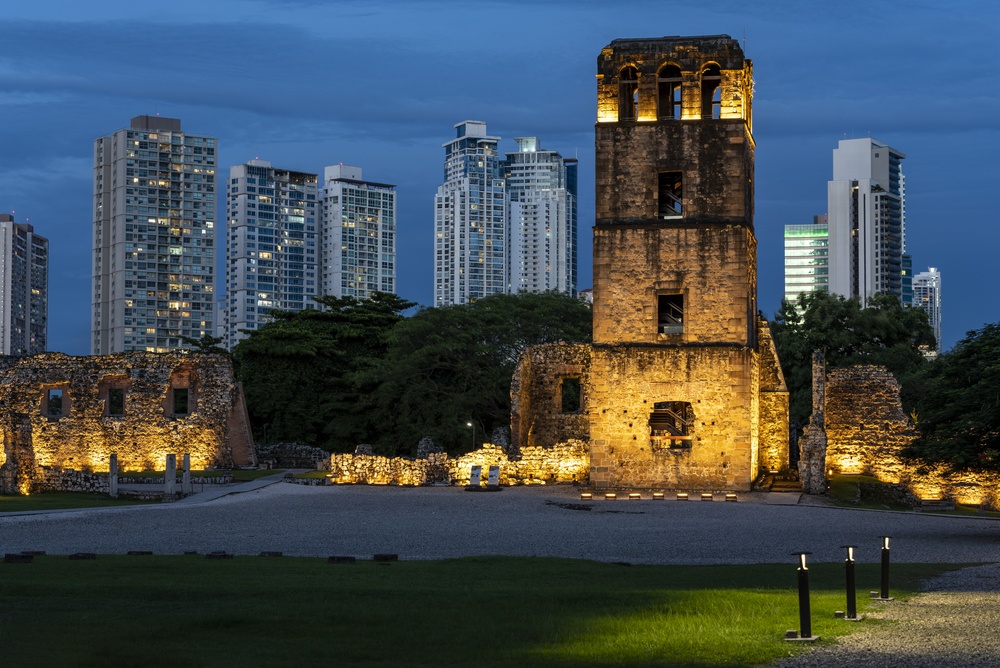
Panama City
Panama
1.5M people · $2,100/mo
Community
Community & practical notes
Community: Puerto Vallarta has hosted American and Canadian residents for decades, so the expat infrastructure is mature: an English-language theater season at Act2PV, volunteer organizations, church groups, and active online forums where rentals and recommendations circulate. The Zona Romántica is the social center of gravity and heart of the city's LGBTQ+ scene, while Versalles and Fluvial draw residents who want newer buildings and lower prices. Snowbirds swell the population every winter, so the community you see in January thins out noticeably by June.
Healthcare: Private care is the default for Americans here. Several private hospitals serve the city, with CMQ and San Javier the two that expats name most, and many doctors trained in the U.S. or speak fluent English. Medicare stops at the border, so a private Mexican or international policy is the norm; insurers get stricter or decline new applicants past their mid-70s, the real friction for retirees who wait too long. Residents can enroll in the public IMSS system, though most expats keep it as a backup. Serious specialty care sometimes means a trip to Guadalajara.
Limited mobility: Be realistic here. The flat blocks near the water, the Malecón, and the hotel zone are manageable. However, much of the city is cobblestone, sidewalks are narrow and frequently broken or interrupted by steps, and the streets uphill from the center are genuinely steep. Buses aren't reliably accessible, so wheelchair users generally depend on taxis and choose ground-floor or elevator housing in the flat zones. It's workable with planning, but this is not a city that's built for wheels.
Remote work: Fiber reaches most of the central neighborhoods and home service is cheap. Vallarta Cowork was the first of a small but real coworking scene, and the time zone lines up with U.S. Central time, keeping meetings painless. Local hiring is dominated by tourism, hospitality, and real estate, so nearly every American working here does so remotely for a U.S. employer or their own business.
Retirement: Mexico's temporary resident visa is the standard route. The financial test is what trips people up: it's income or savings, one or the other, and the income figure is higher than most people expect. Thresholds reset every January and each consulate applies them a little differently, so check the office you'll actually use. After four years, you can convert to permanent residency. You file at a consulate in the U.S. before you move, not after. Compare retirement visa options and see the full Mexico guide.
Housing
Renting and buying
- 1-bed rent (center)
- $1,150–$1,450/mo
- 1-bed rent (outside center)
- $700–$900/mo
- Buy price (center)
- $260/sq ft
- Buy price (outside center)
- $177/sq ft
Expatsi estimates, based on rental listings, government statistics, and local reporting.
Good to know
Frequently asked questions
How is healthcare in Puerto Vallarta?
The city has several private hospitals with English-speaking doctors, and private care is what most American residents use. U.S. Medicare does not cover care in Mexico, so newcomers buy private Mexican or international insurance; enrolling gets harder past your mid-70s, so don't wait. Residents can also join the public IMSS system, and complex specialty care is in Guadalajara.
How fast and expensive is internet in Puerto Vallarta?
Home internet runs about $25 a month, and fiber connections are available in the central neighborhoods where most Americans live. Speeds handle full-time remote work and video calls, and the U.S. Central time zone keeps working hours normal.
How much does it cost to live in Puerto Vallarta?
Expect about $2,300 a month for one person, $3,200 for a couple, and $4,100 for a family, in U.S. dollars. A one-bedroom averages about $1,300 in the center and around $800 outside it. A meal at an inexpensive restaurant runs about $9.
Do I need a car in Puerto Vallarta?
Not if you live centrally. City buses are frequent and cheap, taxis and Uber are plentiful, and the neighborhoods along the water are walkable. A car mainly makes sense if you settle in the northern suburbs or Nuevo Vallarta, or want regular trips into the mountains.
What's the weather like in Puerto Vallarta?
The annual average is about 78°F (25.4°C), with roughly 55 inches (1,404 mm) of rain a year, most of it in the summer wet season. Average highs run from about 83°F in January to about 90°F in May. Winters are dry and sunny, which is why the snowbird population peaks from November through April.
How do I move to Puerto Vallarta from the US?
Start with a temporary resident visa, which you apply for at a Mexican consulate in the U.S. by showing sufficient monthly income or savings. Once approved, you finish the paperwork at a Mexican immigration office within 30 days of arriving. Many people scout first on a tourist entry, then return home to file, since the visa can't be started inside Mexico.
Can I retire in Puerto Vallarta?
Yes, and many Americans have. You'll need a temporary resident visa, which you qualify for on either monthly income or a savings balance. The income bar is higher than an average Social Security check, so plenty of retirees qualify on savings instead, then convert to permanent residency after four years. At around $2,300 a month for one person and $3,200 for a couple, a comfortable life here is realistic, especially outside the tourist core.
Is Puerto Vallarta safe for Americans?
Puerto Vallarta sits in Jalisco, which the U.S. State Department rates Level 3, reconsider travel. The same advisory then exempts this city by name, listing no restrictions for U.S. government employees in Puerto Vallarta and neighboring Riviera Nayarit, because the violence behind the state rating is inland rather than coastal. The city's safety index of 55 puts it mid-pack, and standard precautions apply: watch your belongings on the beach and use registered taxis or Uber at night.
See how Puerto Vallarta fits your life
Take the free Expatsi Test and compare Mexico to nearly 200 countries on what actually matters: cost, healthcare, climate, and safety. About five minutes.
Why not you?