The complete guide
So you want to move to Colombia
Eternal-spring weather, a cost of living that gives your dollar room to breathe, and a visa system friendlier than its reputation. Here is the honest guide.
Retire, work remotely, or invest. We will walk you through the money, the visas, the safety questions, and where Americans are actually settling.

By Jen Barnett, Co-founder, Expatsi
Reviewed and updated August 30, 2026 · 11 min read
01 · The case for Colombia
Why Colombia keeps winning people over

For years, Colombia was the country Americans crossed off the list. That Colombia is gone. Since the 2016 peace deal, the big cities have reinvented themselves; today, Colombia is one of the most talked-about moves in the Americas. Once you visit, it's easy to see why.
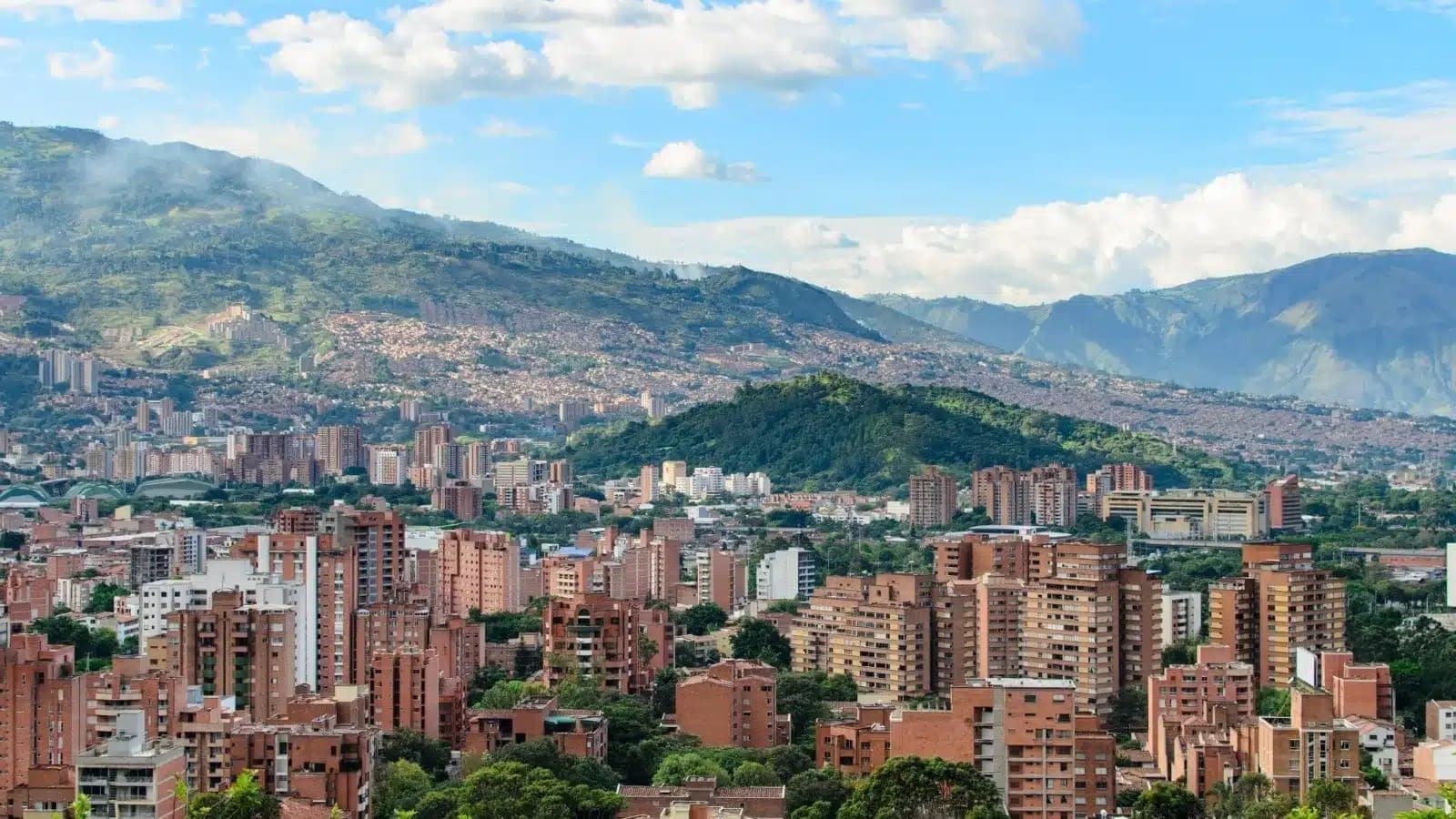
Start with the weather. Medellin is called the City of Eternal Spring for a reason: it sits at about 72 degrees all year - no heating, no air conditioning, just an open window. Bogota is cooler and greener; Cartagena is hot and Caribbean; the coffee country in the middle is all rolling hills and morning fog. Colombia is the only country in South America with both a Pacific and a Caribbean coast, plus Andes mountains and a slice of the Amazon. In other words, you get to pick your climate without leaving the country.
Then there's the money. A comfortable life in Medellin or Bogota costs a fraction of what the same life costs back home, and a U.S. salary or pension goes a long way. Add a time zone that matches the U.S. East Coast, so there's no jet lag and you can keep working U.S. hours, a flight home of about six hours, and some of the warmest people you will meet anywhere, and the appeal becomes obvious. Tens of thousands of Americans have already made the move, with most estimates landing around 60,000, and that number climbs every year.
Here's the catch
Colombia is not a soft landing for everyone. The U.S. State Department has it at Level 3, Reconsider Travel; that's not a formality. Street crime is real, some regions are genuinely off-limits, and you've got to live with a little more awareness than you might at home. English is rare once you leave the big-city expat pockets, so Spanish is closer to required than optional. Bureaucracy runs on its own clock, in Spanish. If you want a place where nothing goes wrong and everyone speaks English, Colombia isn't it. If you can trade a bit of friction for a lot of life, keep reading. We'll be straight with you about all of it.
- Cost of living (single)
- $900/mo
- Safety index
- 45/100
- Internet speed
- 70 Mbps
- English proficiency
- 20/100
- Capital
- Bogotá
- Population
- 52.2M
02 · The numbers
$1,550
Monthly budget, couple
all-in, comfortable in a mid-size city
$900
Monthly budget, one person
local-style, outside the priciest zones
$350
One-bedroom, city center
per month, before utilities
$5
Lunch at a local spot
the menu del dia, drink included
What your dollar actually buys
Those figures are Expatsi estimates, and they sit at the frugal end. In practice, a single person living comfortably in Medellin or Bogota, with a modern apartment in a safe neighborhood, spends more like $1,200 to $2,000 a month. A couple can do it on roughly the same budget, if not a bit more. That still buys a life that would cost three to five times as much in a U.S. city: a doorman building, meals out, ride apps everywhere, and private healthcare on top.
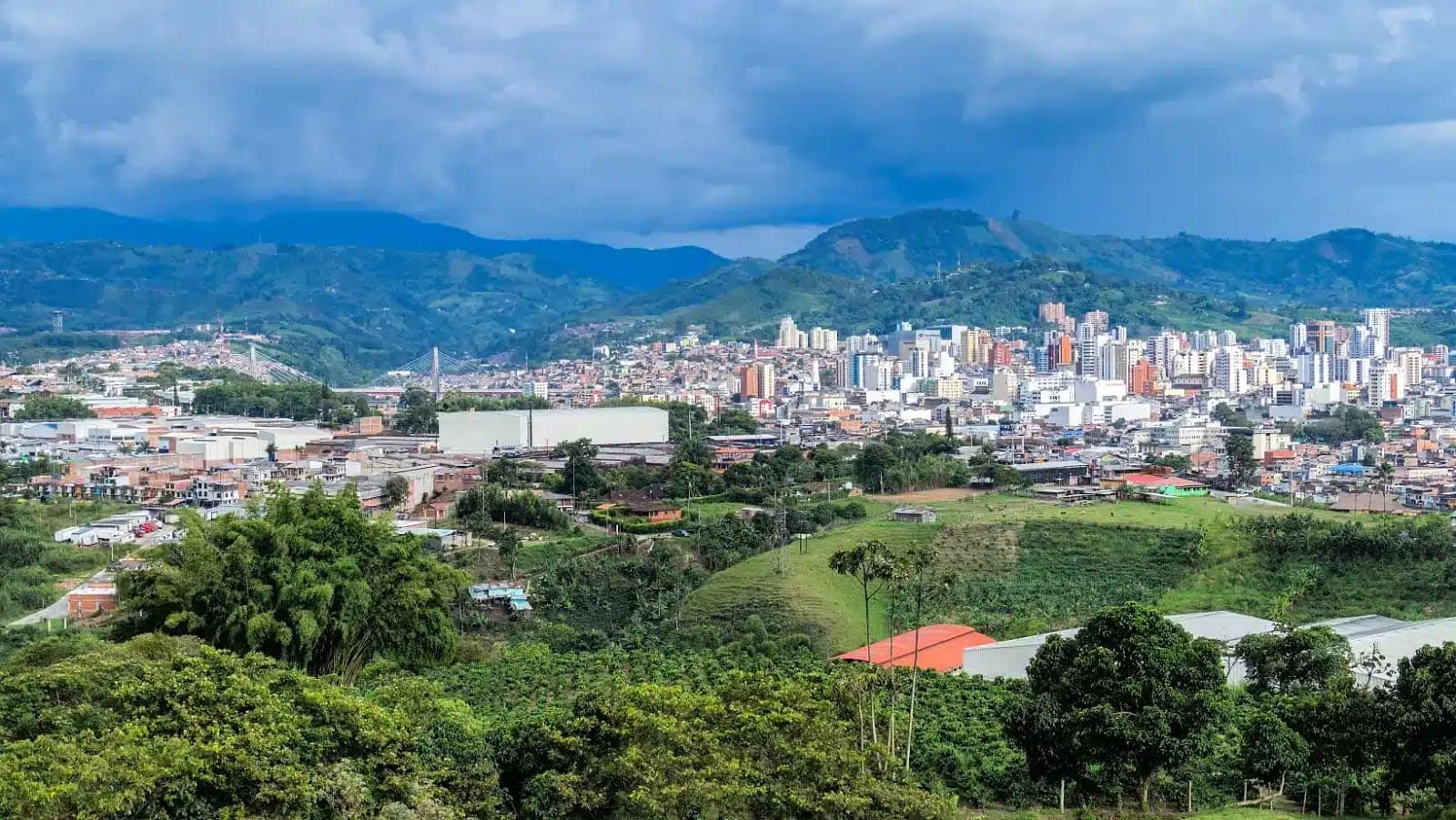
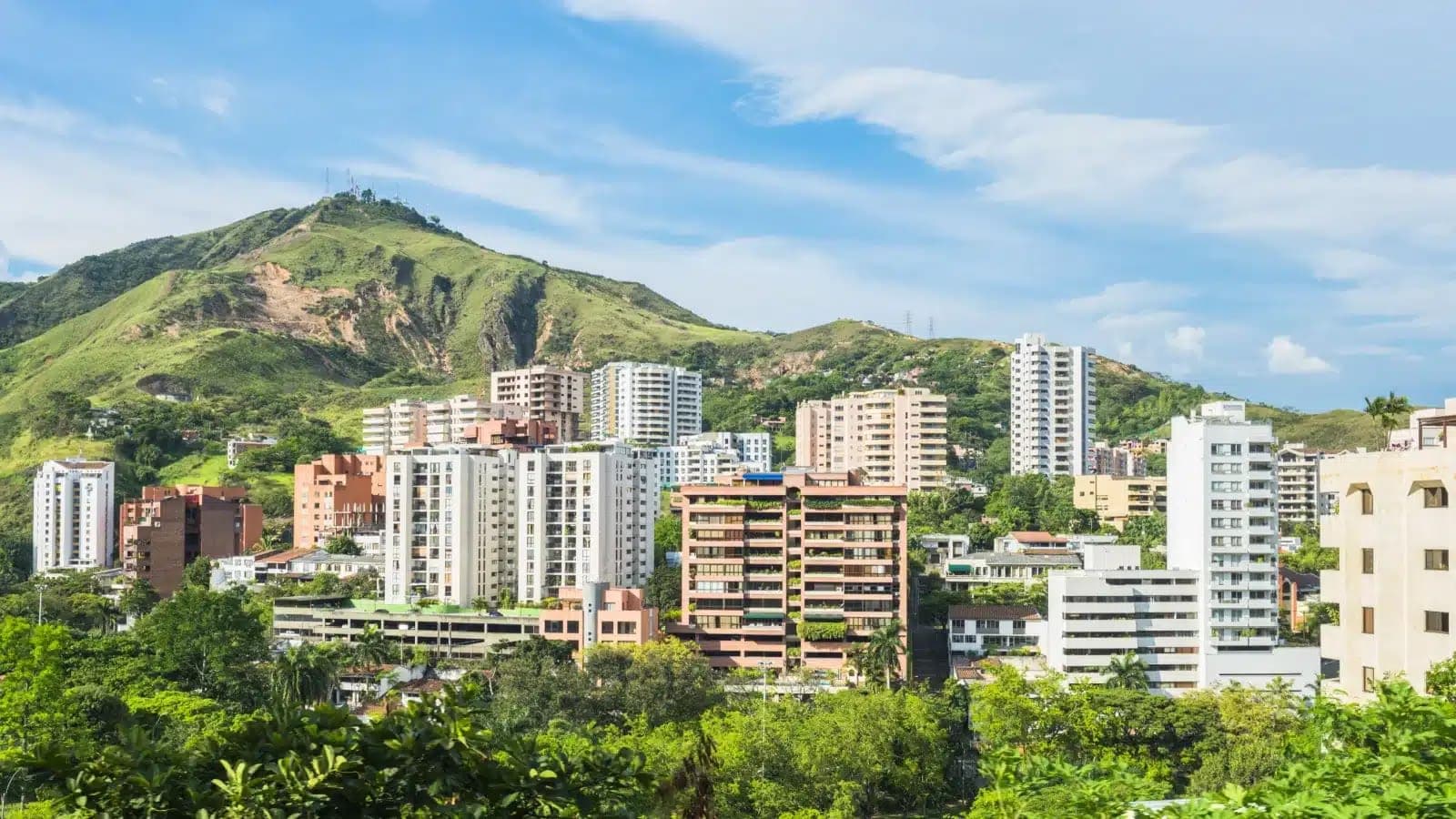
Where you land changes the math. The Coffee Triangle towns of Pereira, Manizales, and Armenia are the cheapest, with comfortable budgets closer to $800 to $1,100. Medellin and Bogota sit in the middle. Cartagena and the Caribbean coast run the highest, partly because the heat means you pay for air conditioning that highland cities never need, which can add $60 to $150 a month. El Poblado in Medellin is priced for foreigners; Laureles or Envigado next door cost noticeably less for a very similar life.
Two quirks worth knowing. Colombia rates every address on an estrato scale of one to six, and your utility bills scale with it, so a fancier neighborhood costs more than just rent. Groceries are cheap if you shop at neighborhood markets and fruit stands rather than the imported aisles at Carulla.
Then, there's the exchange rate. Prices are set in Colombian pesos, and the peso has been weak against the dollar for a few years, which is great news if you earn in USD. It also swings the other way, so a 10 percent move changes your real cost by about the same. When you're moving larger sums for a rent deposit or a home, a currency specialist like Moneycorp will beat your bank's rate and spare you the guesswork.
Why the budget and the visa line up
Here's a happy coincidence. Colombia's retirement visa asks for a pension of about $1,400 a month, and the digital nomad visa asks for roughly the same in foreign income. That's about what a comfortable single-person life costs in Medellin or Bogota. In other words, the income that qualifies you for a visa is close to the income you need to live well once you're there.
03 · Daily life
Daily life, and who actually thrives

Spanish is not optional
Colombia scores near the bottom on English proficiency. Cou can get by in El Poblado or a coworking space, but the pharmacy, landlord, visa office, and your neighbors all run in Spanish. The good news is that Colombian Spanish, especially the paisa accent around Medellin, is clear and friendly, and locals are patient with learners. Come with the basics and keep studying, and you'll find that daily life gets easier fast.
The people, the food, and the pace
Colombians are famously warm; they'll forgive a lot if you try. Daily life comes with great coffee, arepas and fresh tropical fruit you've never heard of, salsa and reggaeton, and a calendar full of festivals. The flip side is the pace. Paperwork, repairs, and appointments happen on Colombian time, and pushing harder rarely speeds things up. Bring patience.
Who thrives here
Retirees on a pension, remote workers on U.S. hours, and investors buying property or starting a business all do well. So do people who genuinely want to learn the language and build a local life, rather than try to recreate their old one. Medellin's nomad and startup scene is one of the most active in Latin America, so remote workers find community fast, and the coffee-shop-and-coworking rhythm is easy to slip into.
Here's the catch: who struggles
People who expect everything to work like home, who won't learn any Spanish, or who need total predictability tend to bounce off of this country. Anyone hoping to walk into a local job should think twice: salaries are low by U.S. standards, with good roles going to Spanish speakers. Colombia rewards people who come for the life, not a paycheck.
Is Colombia your kind of place?
Eternal spring
Medellin and the highlands hover around 65 to 75 degrees all year.
Your money stretches
A U.S. salary or pension buys a genuinely comfortable life.
Real healthcare
Ranked among the world's best, at a fraction of U.S. prices.
Same time zone
Work U.S. hours and fly home in about six hours.
Spanish first
English is rare outside big-city expat pockets.
Street smarts required
Safe daily life in the right areas, but stay aware.
04 · The visas
The visa paths, from a weekend to forever
Colombia sorts almost everything into three buckets: V for visitors, M for migrants, and R for residents. You climb the ladder as your plans get more permanent. The table below lays them side by side. Almost every visa also requires local health insurance. Once you've got one valid for more 90+ days, you register for your cedula, the foreign-resident ID, within 15 days of arriving.
Just visiting (V)
Americans get 90 days visa-free on arrival, extendable to 180 days in a calendar year. Great for a scouting trip, and no paperwork needed. The Visitor (V) category also holds the Digital Nomad visa: show about $1,400 a month in foreign income (three times the local minimum wage) in each of your last few bank statements, and you can stay up to two years working for clients abroad. Fees run around $55 to apply, plus a couple hundred on approval, and the official decision window is 30 days. Two catches: approvals got noticeably stricter in 2025 and 2026, so your file has to be clean, and time on a V visa does not count toward residency.
Putting down roots (M)
The Migrant (M) visa is for stays over two years, and it counts toward residency. The retirement version asks for a lifetime pension of about $1,400 a month, again pegged to three times the minimum wage, with no minimum age. If your income comes from investments or rentals instead of a pension, the rentista route wants about ten times the minimum wage instead. The investment version wants roughly $85,000 to $90,000 or more in property, routed and registered as foreign investment with the central bank before you buy. There's also work, business, and marriage or family versions.
Staying for good (R)
After about five continuous years on an M visa, you can apply for the Resident (R) visa. It runs for five years, renews, and opens the door to Colombian citizenship. Colombia has no residency that never expires, so the R visa's as permanent as it gets. One rule that trips people up: an M visa can be canceled if you spend more than 180 days in a row outside the country, so retirees who fly home for a long stretch need to plan around this limit.
Colombia's visas, side by side
| Visa | Category | Application cost | Processing | Difficulty | Guide |
|---|---|---|---|---|---|
| Migrant Visa (Type M) | skilled work | — | ~30 days | 2/5 | Guide |
| Visitor Visa (Type V) | skilled work | — | ~15 days | 1/5 | Guide |
05 · The practical stuff
Healthcare, taxes, banking, and getting around

Healthcare that surprises people
The World Health Organization has long ranked Colombia's system around 22nd in the world, ahead of the U.S., and Medellin is a genuine medical-tourism hub. Hospitals like Pablo Tobon Uribe in Medellin and Fundacion Santa Fe in Bogota are internationally accredited, drawing patients from across the hemisphere. It works in two layers: EPS, the mandatory public plan (roughly 12 percent of your declared income, often $70 to $150 a month), and Medicina Prepagada, a private top-up that buys same-week specialist access and English-speaking doctors for about $80 to $200 a month. One catch: private plans often stop accepting new members past age 60, so sign up early. A partner like ExpatInsure can set you up with coverage that meets the visa rules while your local plan gets sorted.
Taxes
Spend more than 183 days in a year in Colombia, and you become a tax resident on your worldwide income. The good news for retirees: a 2024 reform exempts most foreign pension income, so a typical Social Security or pension check is effectively untaxed. There's no US-Colombia tax treaty, though, so keep filing U.S. returns no matter what. Talk to a cross-border accountant before you cross the 183-day line.
Banking and money
You will need your cedula before you can open a real Colombian bank account, so expect to run on cash and your home cards for the first few months. Moneycorp is the easy way to move dollars into pesos without losing money to your bank, which matters most on a rent deposit or a home purchase.
Getting around
Getting around is simple in the big cities. Medellin has Colombia's only metro, clean and cheap, with cable cars up the hillsides. Ride apps like Uber and DiDi are the safe, cheap way to travel, especially at night; you should use them instead of street-hailed taxis. Between cities, cheap domestic flights beat the long mountain drives.
Schools and Spanish
Families have solid options: Medellin and Bogota both have well-regarded bilingual and international schools, with tuition roughly $7,000 to $16,000 a year; popular ones keep waitlists, so apply early. Whatever your situation, keep working on Spanish with Lingoda or a local tutor, because it pays off every single day.
This guide is dated on purpose
Colombia's minimum wage resets every January; because the visa income rules are pegged to it, the peso figures move each year and the dollar figure moves with the exchange rate. The Level 3 travel advisory and its off-limits regions also change. Treat every number here as a well-researched starting point as of 2026. Confirm the current rules with the Cancilleria and a Colombian immigration lawyer before you file.
Where to live
Where Americans are settling

Medellín
Eternal spring
The expat capital. El Poblado and Laureles for walkable, English-friendly streets, Envigado and Sabaneta for better value. A metro, a real tech scene, and 72-degree days.

Cartagena
Walled Caribbean city
A walled colonial city on the Caribbean, with balconied streets inside the ramparts, Getsemani's nightlife next door, and beach islands an hour out by boat. It is hot and humid every month of the year, tourist crowds are constant, and you choose your neighborhood with some care.

Bogotá
Capital at altitude
A capital of eight million at 8,660 feet, cool and gray more often than not, with a colonial quarter climbing toward Monserrate and a restaurant scene that outclasses the rest of the country. On Sundays the city closes a hundred kilometers of road to cars. Traffic and street crime are the daily costs.
Santa Marta
Oldest city, wildest coast
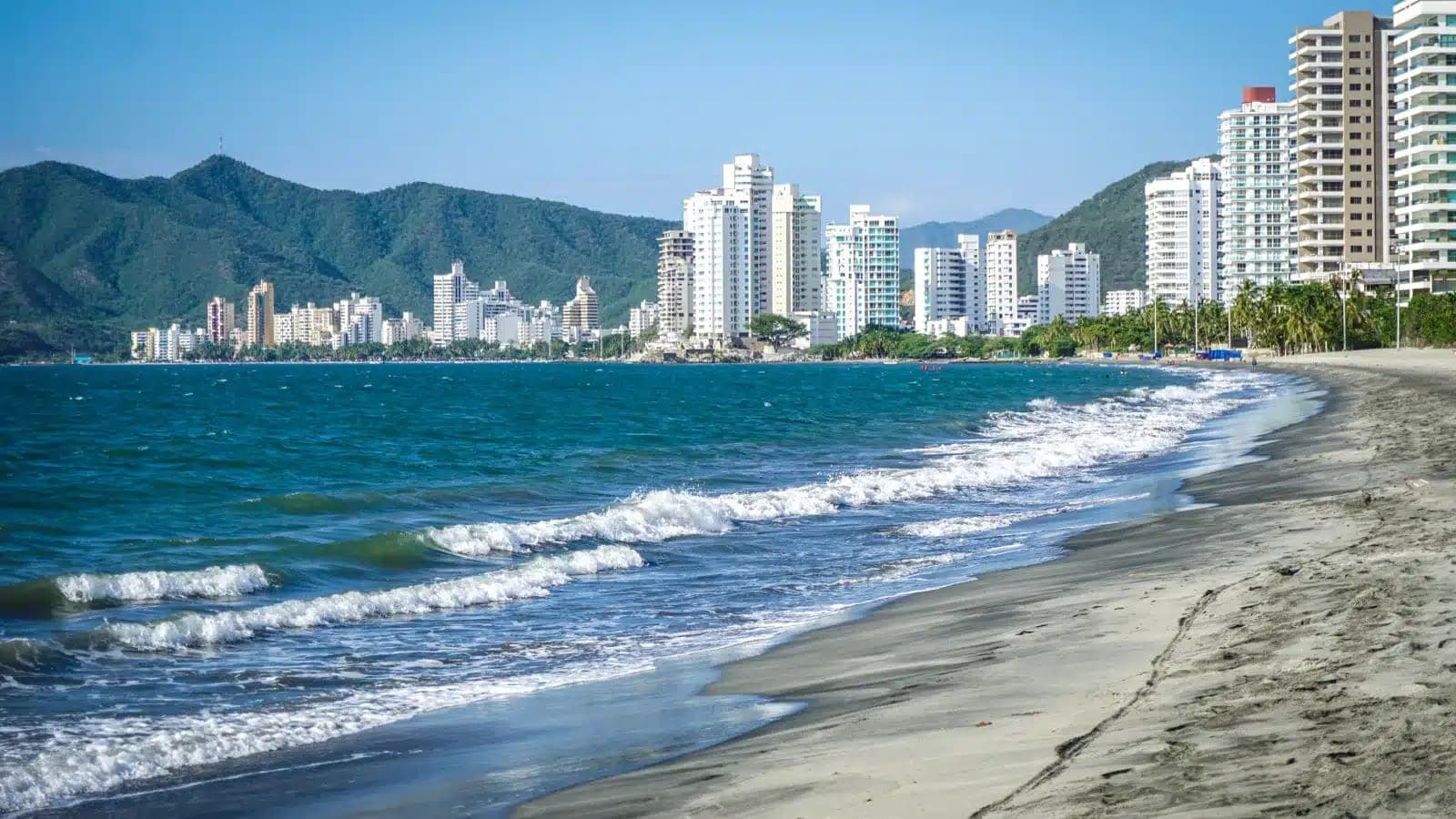
The oldest surviving city in Colombia, founded in 1525, with Tayrona's jungle beaches east of town and the world's highest coastal mountain range climbing behind it to over 18,000 feet. Minca sits up in those hills for cooler air. The city itself runs hot, hard-edged, and touristy in parts.
The people who make it easier
You don't have to piece this together alone. We work with vetted partners on the ground in Colombia and a few global specialists who handle the parts that go wrong most often: the visa file, health coverage that actually meets the rules, moving your money, and learning enough Spanish to feel at home. Here is who does what.


Moneycorp
Currency Exchange
Moneycorp handles dollar-to-peso transfers at rates that beat the banks, which matters a lot on deposits and property.
Learn more
Simon Conn
International Mortgage Lending
Simon Conn arranges international mortgages if you'd rather finance a Colombian home than buy it outright.
Learn more
See it before you commit
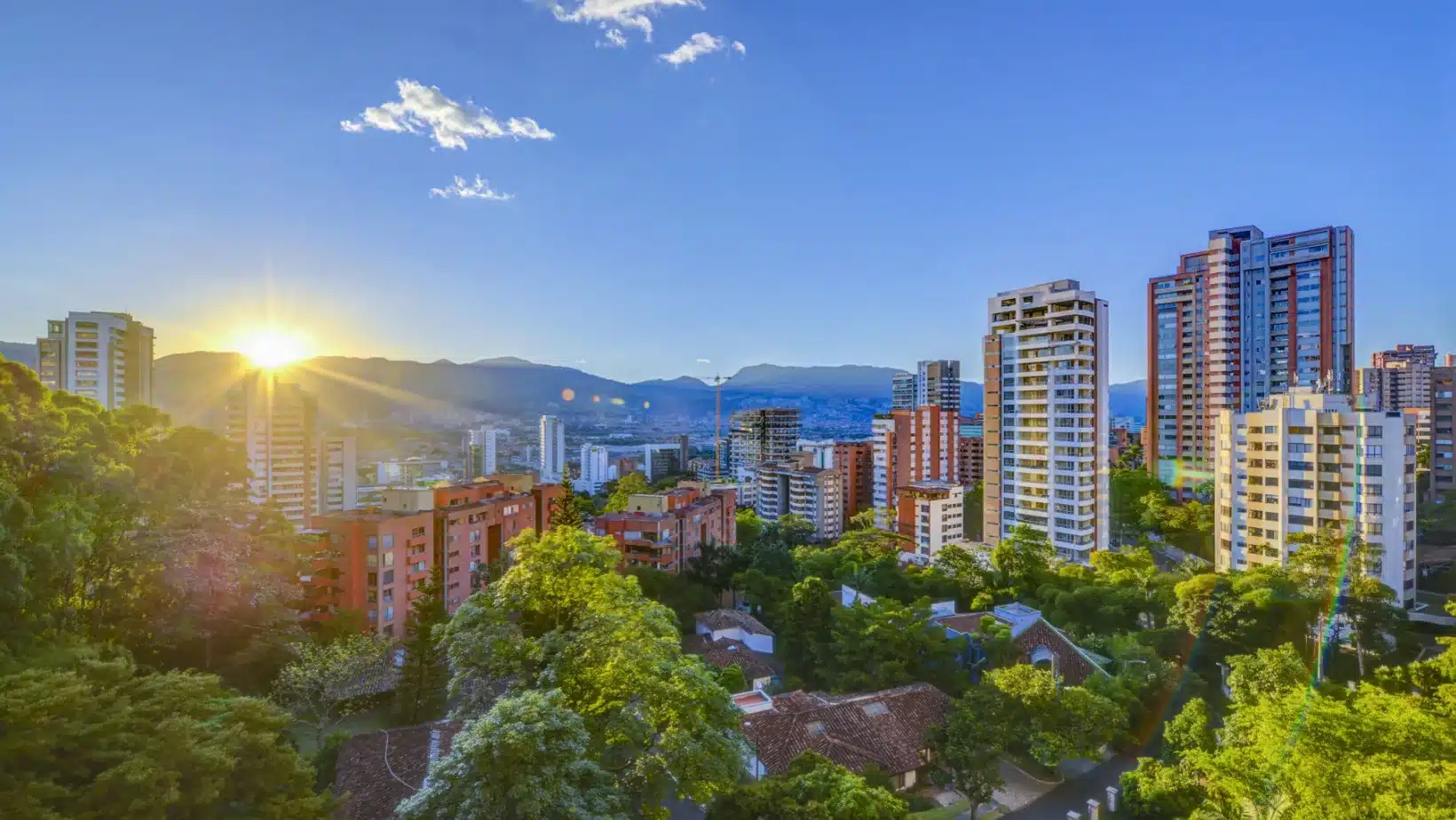
Reading about Medellin is one thing. Standing in Laureles at golden hour, meeting a lawyer, real estate agent and doctor in the same week, is another. Before you sign a lease or ship a box, come scout it with people who live there. Our Colombia relocation tour packs the practical and the fun into one week on the ground.
Medellin
6 nights · Jan 18-24 or Apr 26-May 2, 2027 · hosted by RJ Mood, Mood Travel
- Relocation Seminar with experts in Immigration visas, healthcare, neighborhoods & Property Investment & Renting
- Lodging included: Four-star accommodations, daily breakfast & lunch, and ground transportation (inc. airport)
- 6 nights
From $3,495 per person
See this tripGo deeper
One more resource for when you are ready to get serious.
How To Move To Colombia
Thinking about moving to Colombia? This concise, info-packed webinar walks you through what life in Colombia actually looks like, from visa options and cost of living to healthcare, housing, and choosing the right city for your lifestyle. You’ll learn what Americans need to know before making the move, common mistakes to avoid, and practical next steps if Colombia is on your shortlist for living abroad.
Our How To Move To Colombia webinar walks through visas, costs, and first steps with people who have done it.
Colombia questions, answered
How much money do I need to retire in Colombia?
For the retirement visa you need a lifetime pension of about $1,400 a month, which is three times the local minimum wage. To live well, most single retirees spend $1,200 to $2,000 a month depending on the city, and couples not much more. Your Social Security or pension will stretch far further here than at home.
Can I get permanent residency or citizenship?
Yes. After about five continuous years on a Migrant (M) visa, you can apply for the Resident (R) visa, which renews every five years and leads to Colombian citizenship. Watch the rule that an M visa can lapse if you spend more than 180 days in a row outside the country.
Do I really have to learn Spanish?
Basically, yes. English proficiency in Colombia is low, and outside big-city expat pockets you will need Spanish for everything from the pharmacy to the visa office. The upside is that Colombian Spanish is clear and locals are patient. Start before you arrive and daily life gets much easier.
Will I have to pay Colombian taxes?
If you spend more than 183 days in a year in Colombia, you become a tax resident on your worldwide income. A 2024 reform exempts most foreign pension income, so a typical pension is effectively untaxed, but rental and investment income is not. There is no US-Colombia tax treaty, so you keep filing US returns too. Get a cross-border accountant before your first full year.
Is Colombia safe for Americans?
Be honest with yourself: Colombia is a Level 3, Reconsider Travel country, and that reflects real risks. But most of it is concentrated in a handful of regions like Arauca, parts of Cauca and Valle del Cauca, Norte de Santander, and the Venezuela border, which you simply avoid. In the expat cities, Bogota, Medellin, Cartagena, Santa Marta, and the Coffee Triangle, daily life is safe with normal street smarts: use ride apps instead of street taxis, do not flash valuables, and stay alert at night. Bogota is actually one of South America's safer big cities.
Is the healthcare any good?
Yes, and it is one of the best reasons to move. The World Health Organization ranks Colombia's system around 22nd in the world, and cities like Medellin and Bogota have excellent, internationally accredited hospitals. You combine the mandatory public plan (EPS) with an optional private top-up (prepagada) for roughly $70 to $200 a month total. Just sign up for private coverage before you turn 60, when it gets harder to join.
What is the digital nomad visa income requirement?
You need to show about $1,400 a month in foreign income, three times the Colombian minimum wage, in each of your recent bank statements (they do not average it). The visa lets you stay up to two years working for clients or employers outside Colombia, but time on it does not count toward permanent residency.
How long can I stay as a tourist first?
US citizens get 90 days visa-free on arrival, and you can usually extend to a total of 180 days per calendar year. That is plenty of time for a scouting trip, but it is not a residency path, so plan a proper visa if you intend to stay.
Sources
- Colombia Travel Advisory (Level 3, Reconsider Travel) · U.S. Department of State (checked 2026-08-07)
- Colombia visa categories (Resolucion 5477 de 2022) · Cancilleria de Colombia (checked 2026-08-07)
- Retiring in Colombia: the Pensionado visa, pensions and taxes (2026) · The Rio Times (checked 2026-08-07)
- Colombia Digital Nomad Visa: 2026 income and rules · Rippling (checked 2026-08-07)
- Healthcare in Colombia for expats (EPS and prepagada) · InternationalInsurance.com (checked 2026-08-07)
- Colombia cost-of-living and country data · Expatsi (checked 2026-08-07)

Is Colombia your place?
Speak to an Expatsi advisor to discuss how your needs match the country.
green