
Paris: the whole city on foot, the rest of Europe by train
A capital where more than half of all trips happen on foot, with excellent hospitals and a train to most of Europe.
- 2,103,778
- Population (2023)
- $3,000/mo
- Monthly budget · single
- 55°F / 13°C
- Avg temperature
Paris runs about $3,000 a month for one person and $4,500 for a couple, all in. A one-bedroom in the center averages $1,600 a month, or $1,200 once you move out of the core. A family of four should budget closer to $7,400.
That makes Paris the most expensive city in France by a wide margin; buying is steeper still at roughly $13,000 per square meter downtown. What you get back is a city where a car is genuinely optional. About $100 a month covers the métro, buses, trams and regional trains, and more than half of all trips inside Paris are made on foot.
Here's the catch: you're paying for the city, not for square footage. Paris suits people who'll trade a big apartment for short walks, excellent hospitals and a train to most of Europe. If you want room and quiet for the money, Bordeaux and Montpellier will treat you better.
At a glance
$3,000
Monthly budget · single person
$1,600/mo 1-bed rent, center
55/100
Safety index
$35
Internet / month
55°Fannual average
Jan 41° · Aug 70°
Climate
2,103,778
Population (2023)
Expatsi estimates, updated Aug 2026, based on rental listings, government statistics, and local reporting.
Cost of living
What it costs to live in Paris
Single person
$2,700–$3,400/mo
about the same as Austin, TX
Couple
$4,000–$5,000/mo
about the same as Austin, TX
Family of four
$6,500–$8,300/mo
about 5% below Austin, TX
Compared with Austin, TX (Expatsi estimate, 2026).
- $19 −5%
- Inexpensive meal
- $1,400–$1,800/mo −18%
- 1-bed rent, center
- $1,050–$1,350/mo −11%
- 1-bed rent, outside
- $35/mo −46%
- Internet
- $100/mo +142%
- Transit pass
- $1,208/sq ft +86%
- Buy price, center
Expatsi estimates, updated Aug 2026, based on rental listings, government statistics, and local reporting.
Daily life
How Paris lives
- A+ grade, 100th percentile among the cities we track
- Dining & cafésstandout
- A+ grade, 100th percentile among the cities we track
- Arts & culturestandout
- B+ grade, 70th percentile among the cities we track
- Parks & outdoorsstrong
- A+ grade, 99th percentile among the cities we track
- Schools & educationstandout
- A+ grade, 98th percentile among the cities we track
- Healthcare accessstandout
- A+ grade, 97th percentile among the cities we track
- Bike infrastructurestandout
- A+ grade, 98th percentile among the cities we track
- Public transitstandout
- A grade, good physical accessibility
- Accessibilitygood
Graded on OpenStreetMap amenity density relative to the 298 cities we track. Accessibility is the exception: it's graded against a fixed standard (terrain steepness and sidewalk surfaces), not a curve.
Climate
Weather through the year
Annual average 55°F (13°C) · 25 in of rain a year · Source: Meteostat station normals (07156, 1991-2020; no sunshine data)
On the ground
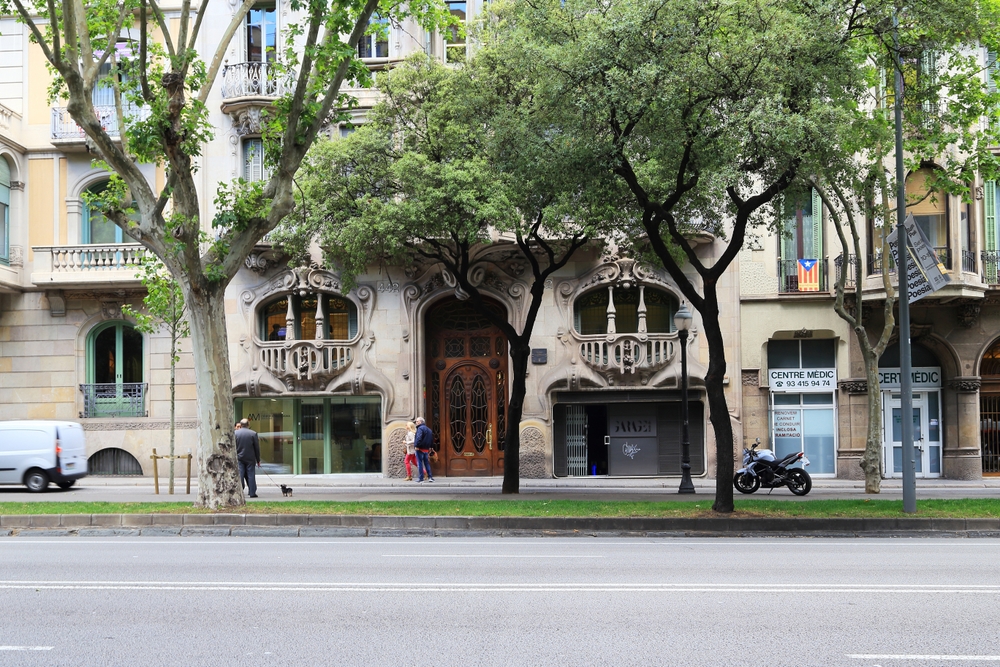
Scenes from Paris
Getting around
Transport in Paris
You don't need a car in Paris, and most people here don't have one. Private cars account for only about 4% of trips inside the city. Walking accounts for more than half.
A monthly pass costs around $100 and covers the métro, the buses, the trams and the RER regional trains across the Paris region. The métro is the fast option and runs every few minutes on the busy lines. Buses are slower, but they're scenic and step-free. The RER is what you take out to Versailles, the suburbs and the airports.
Paris has also turned into a cycling city faster than almost anywhere. Bicycle traffic rose 240% between 2018 and 2023, the city has built more than 1,000 kilometers of bike lanes, and Vélib' bike share docks sit on most large streets. In March 2025, residents voted to hand another 500 streets over to pedestrians, though turnout was low and wealthier western arrondissements voted against it.
Owning a car is possible but mostly a nuisance. Parking is expensive and getting scarcer on purpose. Plenty of Parisians rent one for the weekend instead.
- 101/sq mi
- Transit stops
- 198/sq mi
- Bike infrastructure
- 687/sq mi
- Wheelchair-accessible places
Mapped features per square mile from OpenStreetMap.
Keep exploring
Places like Paris





Living here
Community and practical notes
The expat scene: Paris has the oldest and best organized American community in Europe. The American Women's Group in Paris has been running since 1949, the Association of American Women in Europe since 1961, and Message, the network for English-speaking parents, since 1984. The US Embassy keeps a public directory of Franco-American organizations, which is the fastest way in. Plenty of newer arrivals skip the institutions entirely and find their people around the 10th and 11th instead.
Healthcare: AP-HP, the public hospital system, runs 38 hospitals and treats close to 8 million patients a year. Pitié-Salpêtrière in the 13th is the largest hospital group in France. The American Hospital of Paris in Neuilly and the Hertford British Hospital in Levallois are the usual English-speaking options. The route in is the standard French one: register with CPAM, get a carte vitale, declare a médecin traitant, add a mutuelle and book on Doctolib. Workers can apply on arrival; retirees and people living on passive income wait about three months. Expect the carte vitale itself to take months, so keep every receipt until it lands.
Schools: The American School of Paris is in Saint-Cloud, just west of the city. The International School of Paris sits in the 16th, which is part of why so many American families cluster around Trocadéro. École Jeannine Manuel, the EIB campuses and the Lab School in the 11th are other common choices, and some public lycées run international sections. AAWE publishes a guide to bilingual schooling that parents pass around.
Remote work: Internet runs about $35 a month and fiber is standard. Coworking space is everywhere. The real constraint is the clock: Paris is six hours ahead of New York, so an East Coast morning is your late afternoon and a West Coast call lands after dinner.
Limited mobility: The streets are good and the métro is not. Paris is flat, the paving is in solid shape, and the density of wheelchair-accessible venues here is the highest of any city we cover. Every bus route in Paris is listed as wheelchair accessible, though individual stops vary, and the trams are step-free. On the métro, Line 14 is the one line that is fully accessible end to end, and the regional transport authority says plainly that the rest of the network will never be entirely accessible, because it is more than a century old and mostly underground. RER lines A and B are step-free down to the platform, but staff have to set a ramp to get you onto the train. Plan around buses and Line 14, and check venues on the Jaccede app first.
Retirement: Paris works for retirees who can carry the budget. The healthcare is excellent, you can live without a car, and daily life happens within a few blocks. But $3,000 a month for one person is a lot to ask of a fixed income, and the apartments are small. If the numbers are tight, Bordeaux and Montpellier run about a third cheaper. Most retirees arrive on the long-stay visitor visa: see our France retirement visa guide, the full guide to moving to France, and our retirement visa hub.
Housing
Renting and buying
- 1-bed rent (center)
- $1,400–$1,800/mo
- 1-bed rent (outside center)
- $1,050–$1,350/mo
- Buy price (center)
- $1,208/sq ft
- Buy price (outside center)
- $887/sq ft
Expatsi estimates, based on rental listings, government statistics, and local reporting.
Good to know
Frequently asked questions
Is Paris wheelchair accessible?
Partly. The city is flat, well paved and has an unusually high density of accessible venues. Every Paris bus route is listed as wheelchair accessible, though stops vary, and trams are step-free. The métro is the problem: Line 14 is the only line fully accessible end to end, and the transport authority says the older network will never be entirely accessible. RER A and B are step-free to the platform but need staff to ramp you onto the train.
What is the weather like in Paris?
Mild, with four real seasons. The annual average is 55F. July and August average highs near 78F and nights around 61F, though summer heat waves push well past that and most apartments have no air conditioning. Winter afternoons sit in the mid to upper 40s, with nights averaging in the upper 30s, so frost happens but deep cold is unusual. Paris gets about 25 inches of rain a year, spread evenly across all twelve months rather than in a wet season.
How hard is it to rent an apartment in Paris?
Hard, and the paperwork is the reason. Landlords expect a complete dossier and gross income around three times the rent, plus a French guarantor. Visale is the free state-backed guarantor; paid services like GarantMe fill the same gap. Paris also caps rent by neighborhood under encadrement des loyers, but a recent city study found roughly half of listings priced above the legal ceiling, so check the address before you sign.
How much does it cost to live in Paris?
Budget about $3,000 a month for one person and $4,500 for a couple, covering rent, food, transport and the ordinary bills. A family of four runs closer to $7,400. A one-bedroom in the center averages $1,600 a month, dropping to $1,200 outside it. An inexpensive restaurant meal is around $19, internet about $35 and a monthly transit pass roughly $100.
Is Paris safe?
Paris scores 55 on the safety index. That is moderate, and the lowest of the French cities we cover: Nice is 68, Bordeaux 67, Montpellier 62. Violent crime is genuinely rare. Theft is not. Pickpockets work métro Line 1, the RER B from Charles de Gaulle, Gare du Nord, Châtelet, Trocadéro and the steps under Sacré-Cœur. The US Embassy says about 2,000 Americans report a stolen or lost passport in Paris each year.
Do I need a car in Paris?
No, and most residents don't have one. Private cars make up only about 4% of trips inside the city. A monthly pass of roughly $100 covers the métro, buses, trams and regional trains, and walking covers most of the rest. Parking is expensive and deliberately shrinking. If you need a car for a weekend away, renting one is easier than owning.
Can you retire in Paris?
Yes, if your income supports it. Americans usually come on the long-stay visitor visa, which requires you to show you can support yourself and carry health cover. Paris rewards retirees with world-class hospitals, no need to drive and everything within walking distance. The trade-off is $3,000 a month for one person and a small apartment. Bordeaux and Montpellier cost roughly a third less.
See how Paris fits your life
Take the free Expatsi Test and compare France to nearly 200 countries on what actually matters: cost, healthcare, climate, and safety. About five minutes.
Why not you?