Country guide
Montenegro spends euros, charges Balkan prices, and is the EU's frontrunner
Two people live here on roughly $2,300 a month, one person on roughly $1,400. This is what that buys, what the paperwork now asks of you, and where the honest problems are.
Montenegro is a euro country where an American can still buy Adriatic coastline outright. The paperwork got harder in January 2026. Below: the monthly arithmetic, the routes open to Americans, tax with no treaty behind it, the healthcare you should plan for, and the places people settle.

Reviewed and updated September 30, 2026 · 12 min read
01 · The case for Montenegro
The euro, without the European Union
Start with the size. Montenegro is slightly smaller than Connecticut, and it has the coastline of a much richer country, wedged on the Adriatic between Croatia and Albania. It already pays in euros, too. That last part is the strange one. Montenegro is not in the European Union or the eurozone. It adopted the euro on its own in 2002 after using the Deutsche Mark through the Yugoslav hyperinflation. Nobody has made Montenegro stop.
So you get a euro country without euro wages. Prices are low because Montenegrin salaries are low, not because a soft currency is doing you a favor. There's no exchange-rate discount here and no FX risk either. What you see in the till is what your card gets charged.
The other half of the story is Brussels. Montenegro applied in 2008 and has opened all 33 negotiating chapters. Eighteen had been provisionally closed by August 2026, six of them that year alone, and the EU has started drafting the accession treaty. The government wants to be the 28th member state in 2028. Enlargement Commissioner Marta Kos called it the endgame.
Who ends up staying
Two groups do well. Remote workers who want a European base without touching their Schengen allowance, and people who want to own a piece of Mediterranean coast for a Midwestern price. Outdoors people do well too, because a two-hour drive takes you from an Adriatic beach to a glacial lake in the Durmitor massif.
Here's the catch
Montenegro is not a soft landing. There's no retirement visa or passive-income visa. Retirees end up on a property permit or a company permit like everybody else. The country got stricter in January 2026, not looser. Healthcare is honest but thin, the public system will ask you to pay, and the State Department tells Americans to carry medical evacuation insurance. Finally, if you ever wanted the passport, Montenegro won't let you keep your American one alongside it.
- Currency
- Euro (EUR)
- Safety index
- 65/100
- English proficiency
- 55/100
- Population
- 620,000
- Capital
- Podgorica
02 · What it costs
Four figures, in dollars
$1,400
One person, a month
Comfortable, outside the August coast
$2,300
A couple, a month
Rent, food, transit and utilities
$700
One-bedroom, city center
About $500 further out
$12
A meal out, inexpensive place
Coffee runs a euro or two
Cheap, but not for the reason you think
Read those four figures as dollars, because that's the unit our country data uses. One euro cost about $1.17 in September 2026, which puts a couple's budget near 1,965 euros. Check the rate the morning you transfer anything.
Here's what the averages flatten. Montenegro has two price levels, separated by about two weeks in July. Off-season, a coffee on a stone terrace in Herceg Novi runs about a euro. In August, the coast is a resort economy and priced like one. Kotor took 523 cruise calls in its 2026 season, more than eighty of them in each of July, August and September. A walled old town absorbs that badly.
The inland arithmetic is completely different. Podgorica and the northern towns stay cheap all year, and they're where the cheaper end of that rent range lives. Internet runs about $32 a month; transit costs about $35. Roughly 78 percent of households can already get 100 Mbps or better, a shade under the EU average, so remote work is no longer the gamble it once was here. The 21 percent value-added tax (VAT) is baked into everything you buy. What you won't find is a big salary. Our own country notes list thin job options outside tourism and hospitality as the main drawback, and that, we believe, is the correct read.
One number does most of the work
Since January 2026, the property route to residency asks Americans for real estate with a tax-assessed value of at least 150,000 euros, roughly $175,000. Set that against a couple's monthly budget of $2,300, and the shape of the decision gets clear. Montenegro is cheap to live in but no longer cheap to get into. If you can't clear that threshold, the company route or the nomad permit is your way in, not a smaller apartment.
03 · Daily life
Day to day, in a very small country
Montenegro is small and almost entirely vertical, and that changes how everything works. There are two commercial airports, no domestic flights, and no big city in the American sense. Podgorica is the administrative one; the coast is where the money goes.
Where the English stops
English here is a coastal phenomenon, not a national one. Our own proficiency score lands mid-table. In Kotor, Budva and Tivat you'll get by in English all day. In a municipal office, bank branch or village north of Nikšić, you won't. The State Department says plainly that police have limited ability to speak English. Montenegrin is close enough to Serbian, Bosnian and Croatian that learning it opens four countries at once.
Level 1, and what that leaves out
Montenegro holds a Level 1 advisory, reissued in August 2026. Level 1 is the least severe of the State Department's four steps, and the advisory says in its own words that violent crime is rare. The honest footnotes sit further down the same page. ATM robberies climb during the May to September season. Financial and romance scams are common; taxi overcharging, fake rental listings and inflated restaurant bills get named, as well. Organized crime is a real domestic problem. The advisory says foreigners aren't normally the targets, with a small bystander risk if you're near an attack.
The people who leave
Anyone who needs a deep specialist, a reliable bus network or a big-city job market. Anyone who assumed the paperwork would be casual. Families who need autism services, which our data flags as unavailable. And people who expected an EU passport at the end of it.
Six rules Americans trip over
Register within 24 hours
Every arrival registers their address. Hotels do it for you. In a private rental you do it yourself, or risk fines and trouble leaving.
No nonstop from the U.S.
Montenegro has never had a scheduled transatlantic route. Plan on one stop through Vienna, Frankfurt, Istanbul or Belgrade.
Buy evacuation coverage
The State Department encourages it outright. Complex cases go to Belgrade, Zagreb or Vienna, and you pay for the transfer.
One passport only
Montenegro does not recognize dual citizenship with the United States for anyone naturalized American after June 2006.
Snow tires are the law
Chains and winter tires are required from mid-November to the end of March. The blood alcohol limit is 0.03, well under half the U.S. one.
Cash still matters
Card acceptance is good in towns and patchy in villages. The euro is legal tender, but Montenegro cannot mint its own coins.
04 · Ways to stay
Staying past the ninetieth day
Montenegro runs one system with several doors into it: a temporary residence permit, renewed every year, issued by the Ministry of Interior. Five years of that gets you permanent residence. Ten years makes you eligible to apply for citizenship. The doors changed in January 2026 when amendments to the Law on Foreigners took effect, so every guide written before then is now wrong in at least one place.
Your first 90 days
Americans don't need a visa. You get 90 visa-free days per rolling 180, counted from the day you first land, and a weekend in Dubrovnik doesn't reset the clock. If you want to stay longer, the State Department says to file for temporary residence at least a month before those 90 visa-free days run out. Bring an apostilled birth certificate and FBI background check because the embassy can't help you get either.
The property route, and the number that changed in January
Own a titled home or commercial unit and you can apply for a one-year renewable permit. This used to work with any property at any price. It doesn't now. Since January 2026, a non-EU applicant must show a tax-assessed value of at least 150,000 euros; that means the transfer-tax figure the Tax Authority sets, not what you paid. The government first proposed 200,000 euros, withdrew it after investors pushed back, and settled on 150,000. People who already held a property permit are grandfathered.
A company and the 5,000 euro test
You can still register a Montenegrin limited company for one euro of share capital and take a permit as its director. Renewing it is the hard part now. A director who personally owns more than half the company has to show the company paid at least 5,000 euros in taxes and contributions over the previous year. That's an activity test, not a fee, and shell companies are what it was written to kill.
The digital nomad permit, and its expiry date
This route asks for the least money and offers the least certainty. You need foreign-source income of three times the minimum wage, which in 2026 means 1,800 euros a month with a vocational qualification or 2,400 with a degree, plus 30,000 euros of health coverage. It runs two years, renews once, and stops at four. Two problems. The program was announced through the end of 2026 and no decision extending it has been published. And nomad years do not count toward permanent residence.
What Montenegro doesn't have
A retirement visa. A passive-income visa. A golden visa. And since the end of 2022, a citizenship-by-investment program.
The one row in our visa table
| Visa | Category | Application cost | Processing | Difficulty | Guide |
|---|---|---|---|---|---|
| Golden Visa (Investment Visa) | investment | $250,000 | ~90 days | 4/5 | Guide |
About that table
That row is the one thing on this page we cannot fix from here, so here's the correction. The $250,000 is a leftover from Montenegro's citizenship-by-investment program, which closed at the end of 2022. There's no golden visa or investment route to a passport today. The live figure that matters is the 150,000 euro property threshold in the chapter above. The processing estimate on that row is a decision window, not the 90 visa-free days you get on arrival; in practice, the Ministry takes around 40 days after police and security checks. Everything else here was checked in September 2026. Montenegro's rules moved twice in the twelve months before that, so treat the numbers as a snapshot.
05 · The practical chapter
Getting there, getting seen, getting taxed
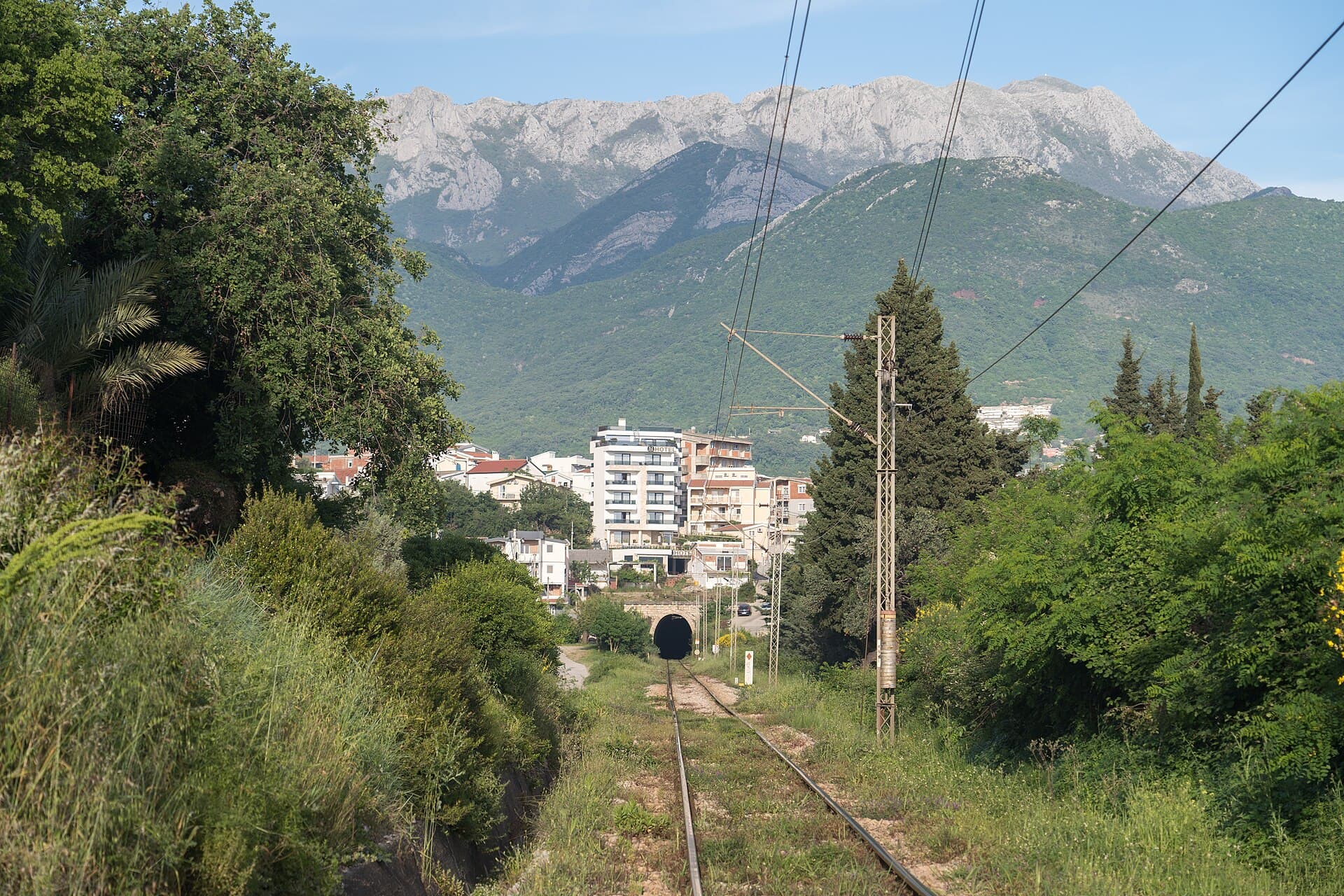
Getting there is the annoying part
There are two airports. Podgorica carries the year-round network and is home to Air Montenegro. Tivat sits at the mouth of the Bay of Kotor, and it is where the summer charters land. Tivat's schedule thins out sharply once the season ends. From New York, you're looking at roughly twelve and a half hours with a connection. Once you're there, forget ride-hailing: Uber and Lyft don't operate, taxis are metered but usually ordered by phone, and public transit scores worse than anything else in our own country data. Almost everything outside the two airports assumes a car. The State Department is blunt that the roads aren't up to U.S. standards.
Doctors, and the sentence the State Department uses
Montenegro abolished compulsory health-insurance contributions in 2022, so public entitlement now follows residence rather than payroll. Holding a permit isn't enough on its own. You have to file a separate registration with the Health Insurance Fund, and your coverage expires with your permit. Then read the State Department's own line: medical care is not free in Montenegro, and you'll pay even at a public facility. Ambulances are not widely available and carry no advanced equipment. Most expats use private clinics in Podgorica, Tivat, Kotor and Budva, where a consultation runs 20 to 30 euros and somebody speaks English. Local voluntary coverage starts around 300 euros a year.
Tax with no treaty behind it
Three things can make you a Montenegrin tax resident: a home in the country, a center of personal and economic interests sitting there, or day 183 inside the tax year. Cross that line and Montenegro claims income you earned anywhere. Salaries run 9 percent in the middle band and 15 percent above roughly 1,000 euros a month. Other personal income is a flat 15 percent. On top of that sits a municipal surtax of 13 percent of the tax itself, 15 percent in Podgorica and Cetinje. Corporate tax starts at 9 percent. Now the part nobody advertises: PwC's treaty list for Montenegro runs to more than forty countries and ours is not among them. You keep filing a 1040 either way, and the tools against double taxation are the ones written into the U.S. code: the earned-income exclusion, the foreign tax credit, and FBAR and FATCA reporting alongside them. Price an accountant who does cross-border work into your first year here.
Buying a place
Foreigners buy apartments, houses and commercial buildings in their own name. Most buyers pay cash, because mortgages for non-residents barely exist. Prices have moved hard: new-build averages more than doubled between 2020 and late 2025. The permit consequence is the thing to plan around, since the 150,000 euro tax valuation now decides whether a purchase carries residency with it.
06 · Where to live
Our Montenegro city guides, as they go up
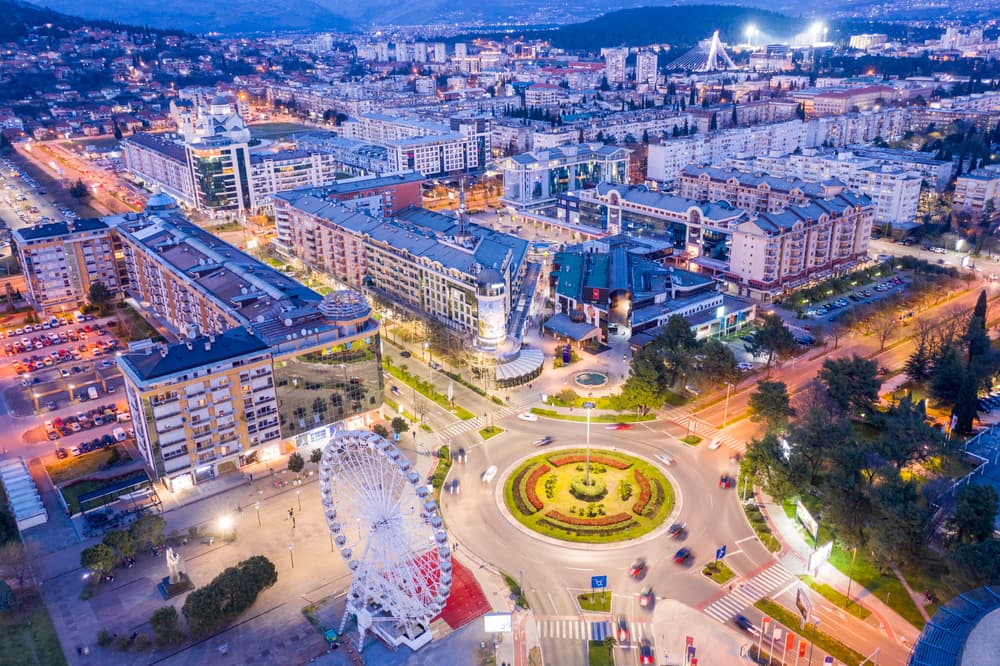
Podgorica
Inland capital, year-round
The administrative city, with the government offices, the private clinics and rents well below the coast. It's the practical base if you'd rather not live in a resort economy and want the same prices in August as in February. Summers are very hot, and the city is more concrete than charm.
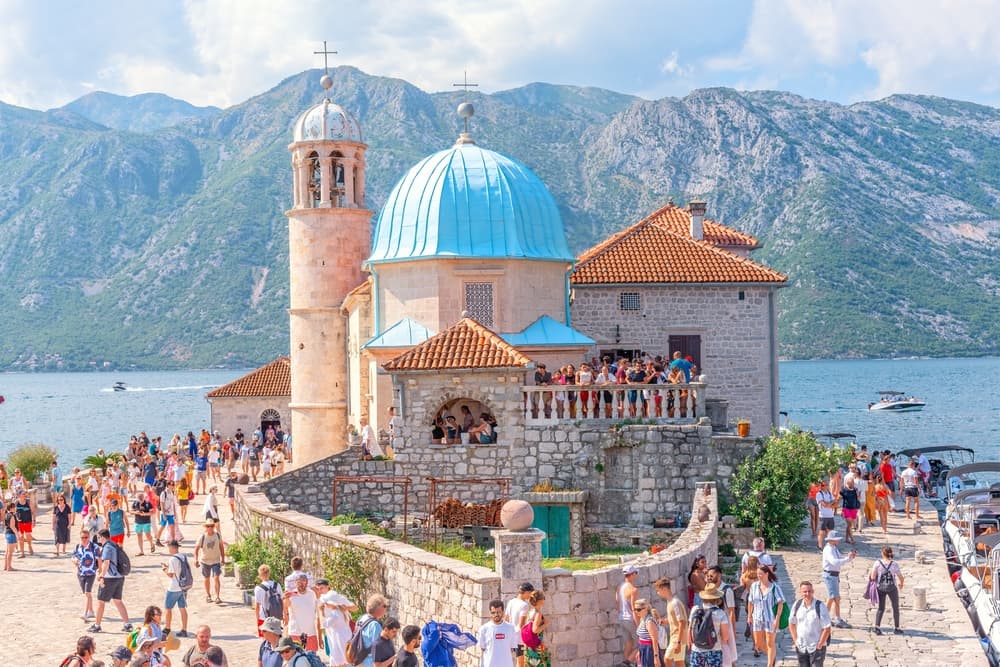
Kotor
Bay of Kotor
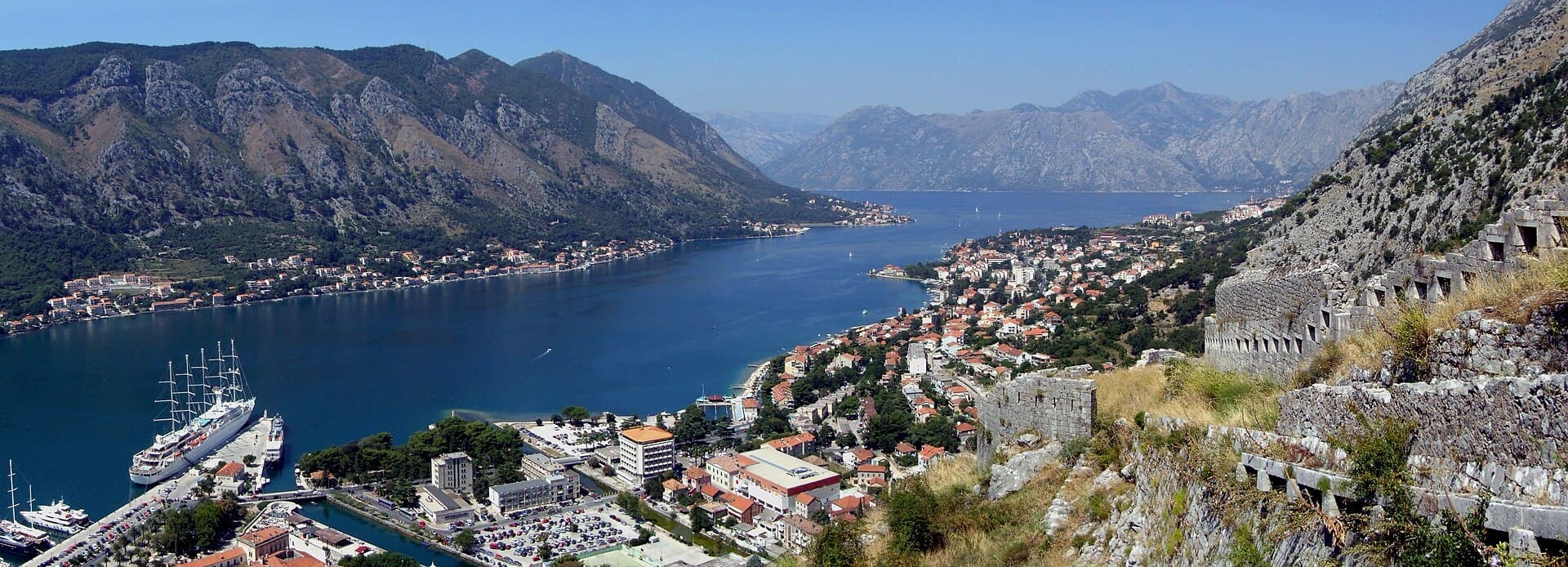
A medieval walled town at the end of a fjord-like bay, with the Ladder of Kotor switchbacks climbing the mountain behind it. Dobrota and Prcanj, along the bay shore, are calmer places to rent than the old town. Cruise ships crowd the small old town through summer.
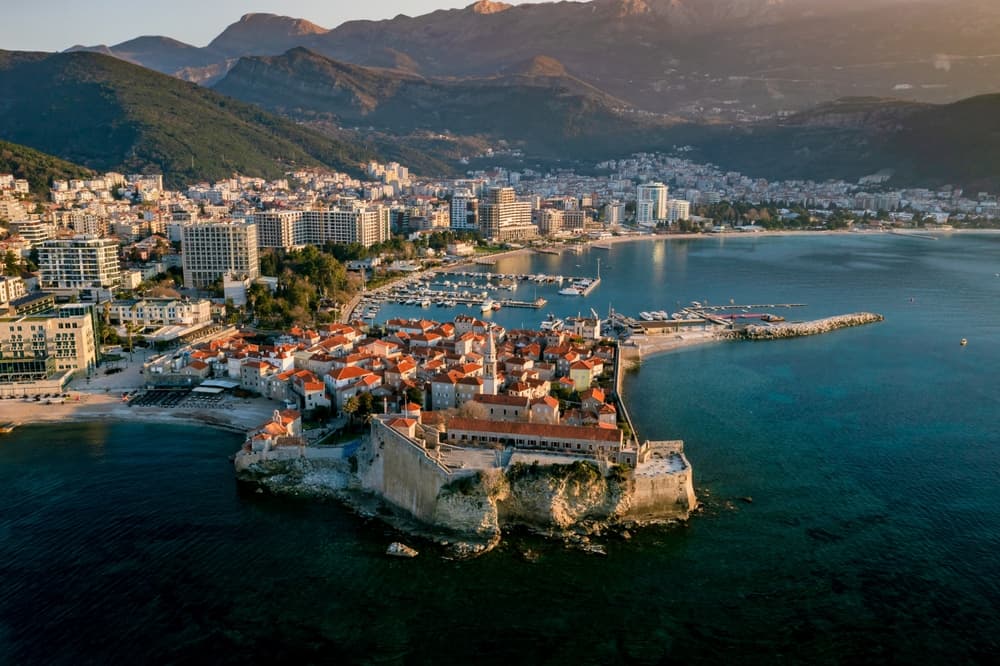
Budva
Beach and nightlife
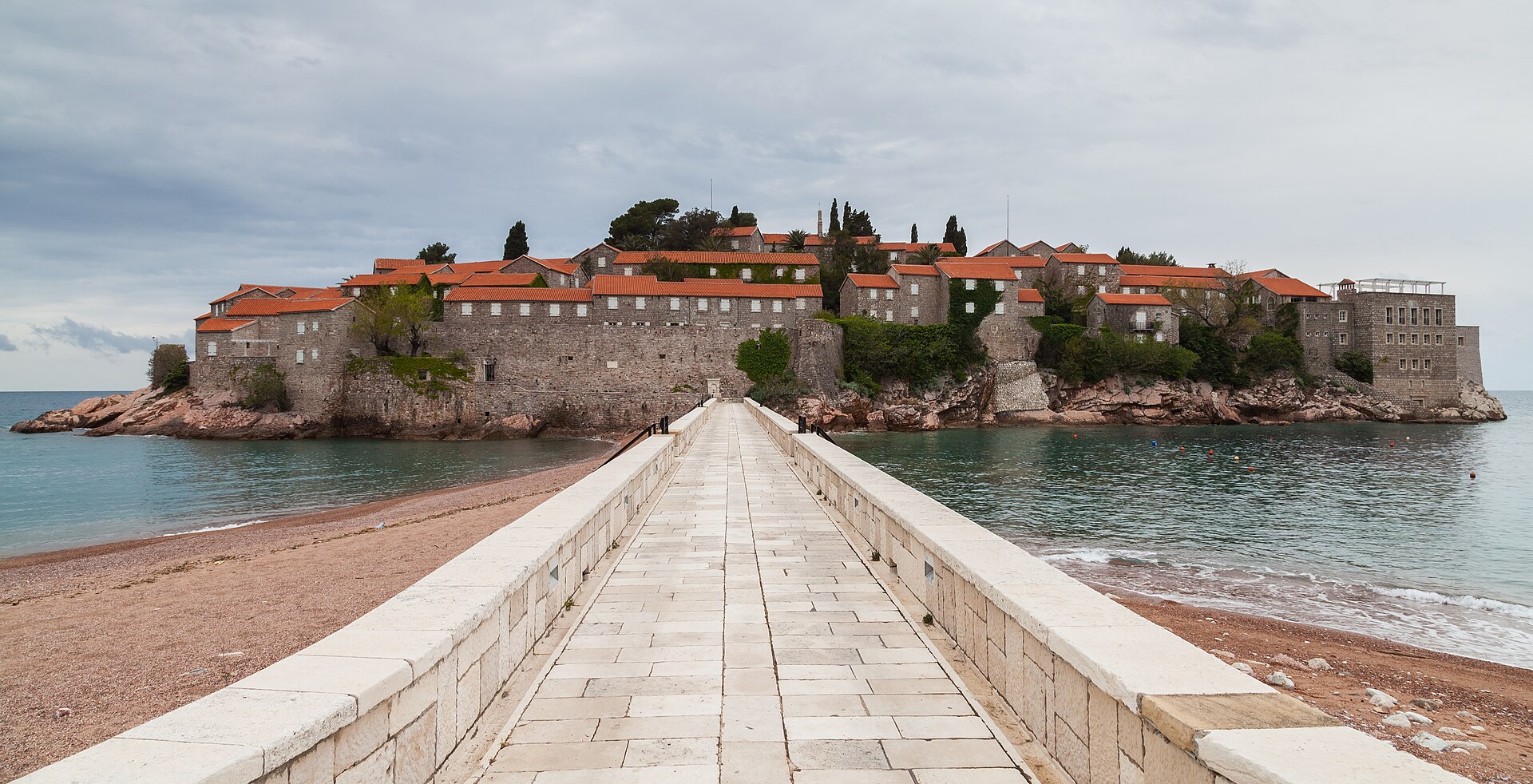
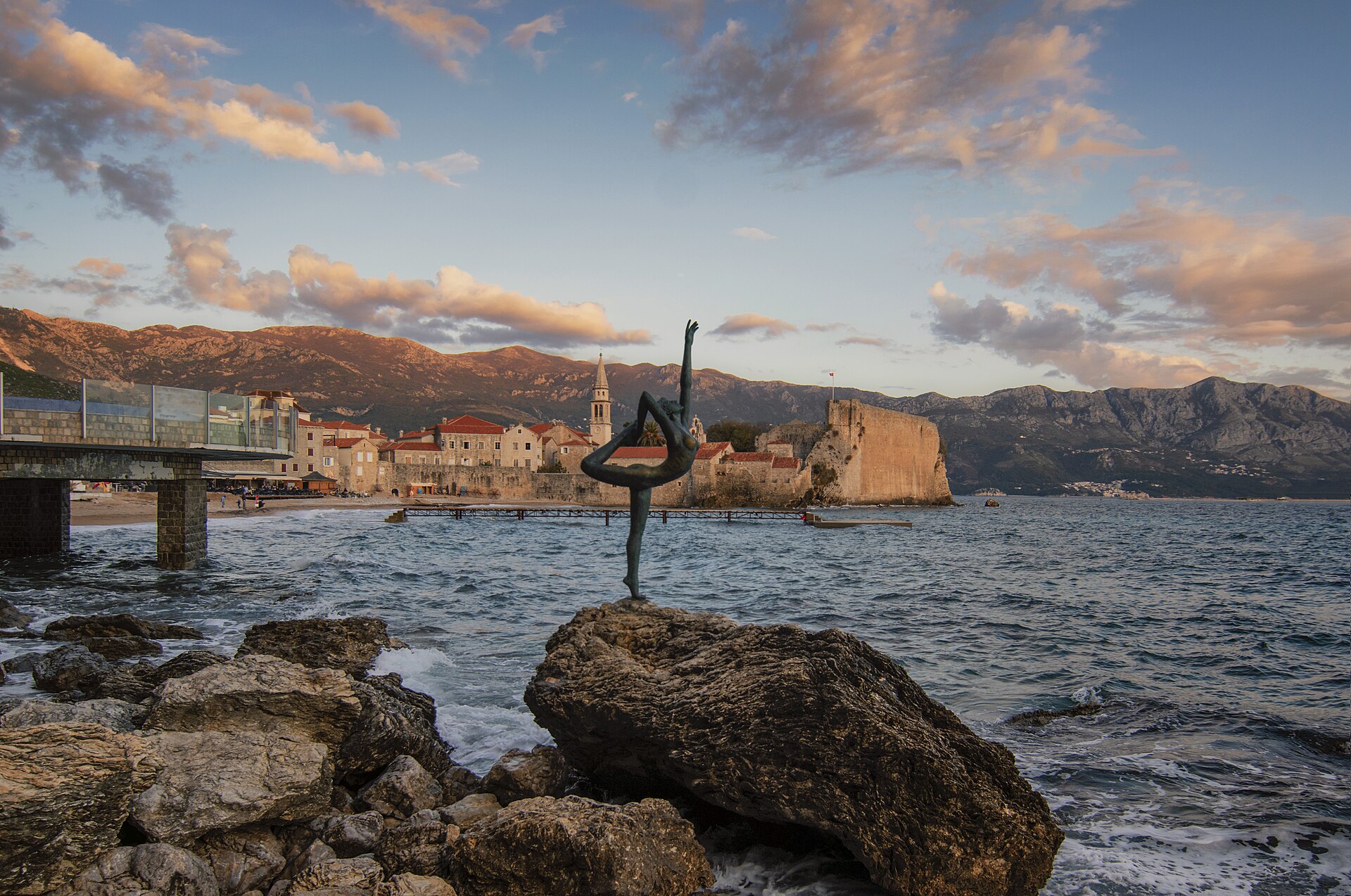
The party coast of Montenegro, with beaches, a walled old town on a small peninsula and Sveti Stefan close by. It's the easiest coastal town for English and services. Summer is loud and crowded, and a lot of places close from October.
Tivat
Marina town
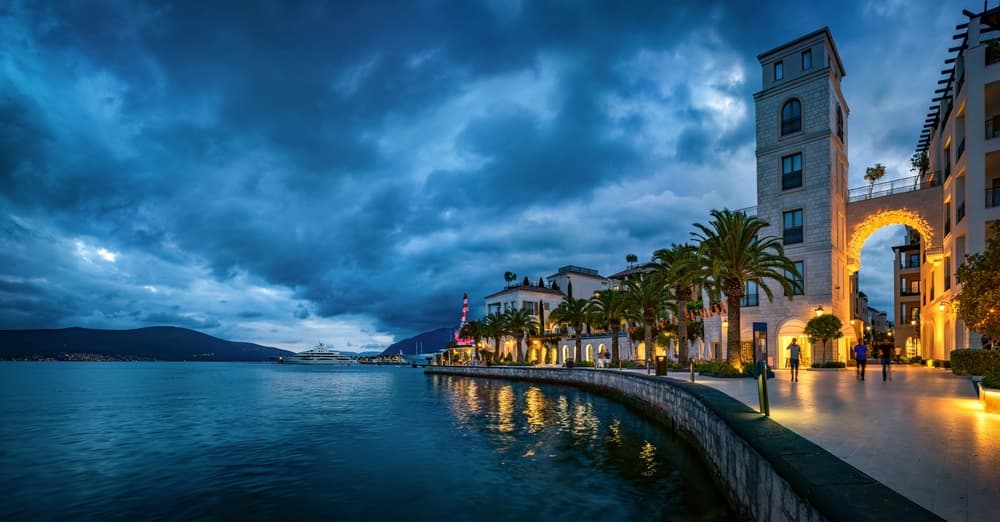
A quiet, tidy town centered on the Porto Montenegro marina, with a waterfront promenade and the airport minutes from town. It's the easiest bay town for services in English. Prices run higher than the rest of Montenegro, and winters are very quiet.
The places people actually pick
Kotor and the bay
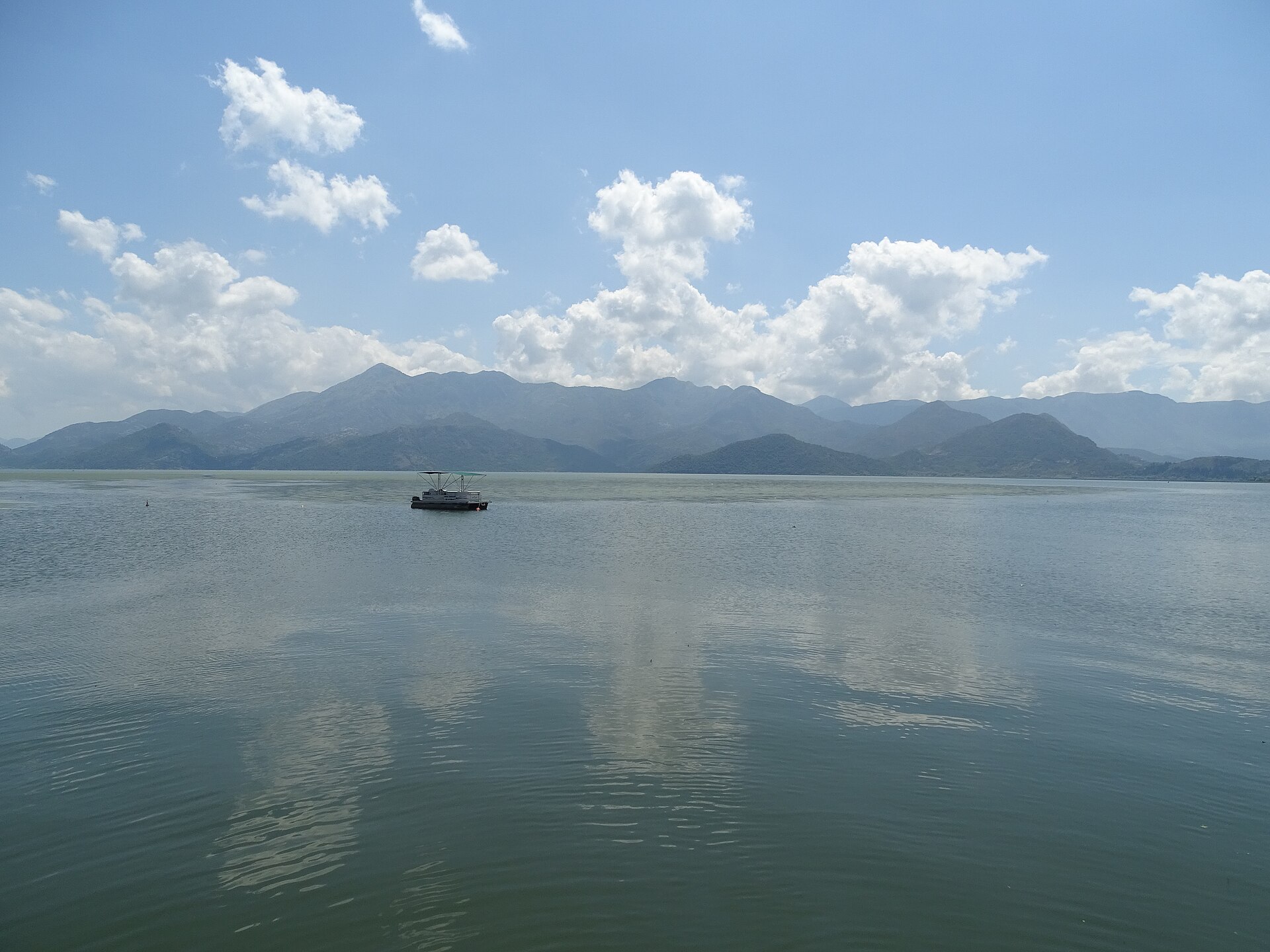
The postcard, and the crowded one. Kotor, Perast, Dobrota, Prčanj and Tivat ring a drowned river canyon that looks like a fjord. It's the address everyone photographs, and the one the cruise season hits hardest. People who live here well tend to live just outside the walls.
Budva and the riviera
Montenegro's resort belt, with the nightlife, the beaches and the highest rents on our list at 450 to 900 euros. It's busy, built-up and genuinely fun. It also empties out.
Bar and Ulcinj
The southern coast, cheaper and far less foreign. Bar is a working port with the ferry to Italy and the railway to Belgrade, and rents start around 300 euros. Ulcinj has the long sand beach and an Albanian-speaking majority.
Podgorica
Not pretty, and not trying to be. It's where the ministries, the hospitals, the airport network and the year-round jobs are. Rent runs 350 to 600 euros a month. The catch is summer heat in a valley and winter air pollution from coal smoke.
The north
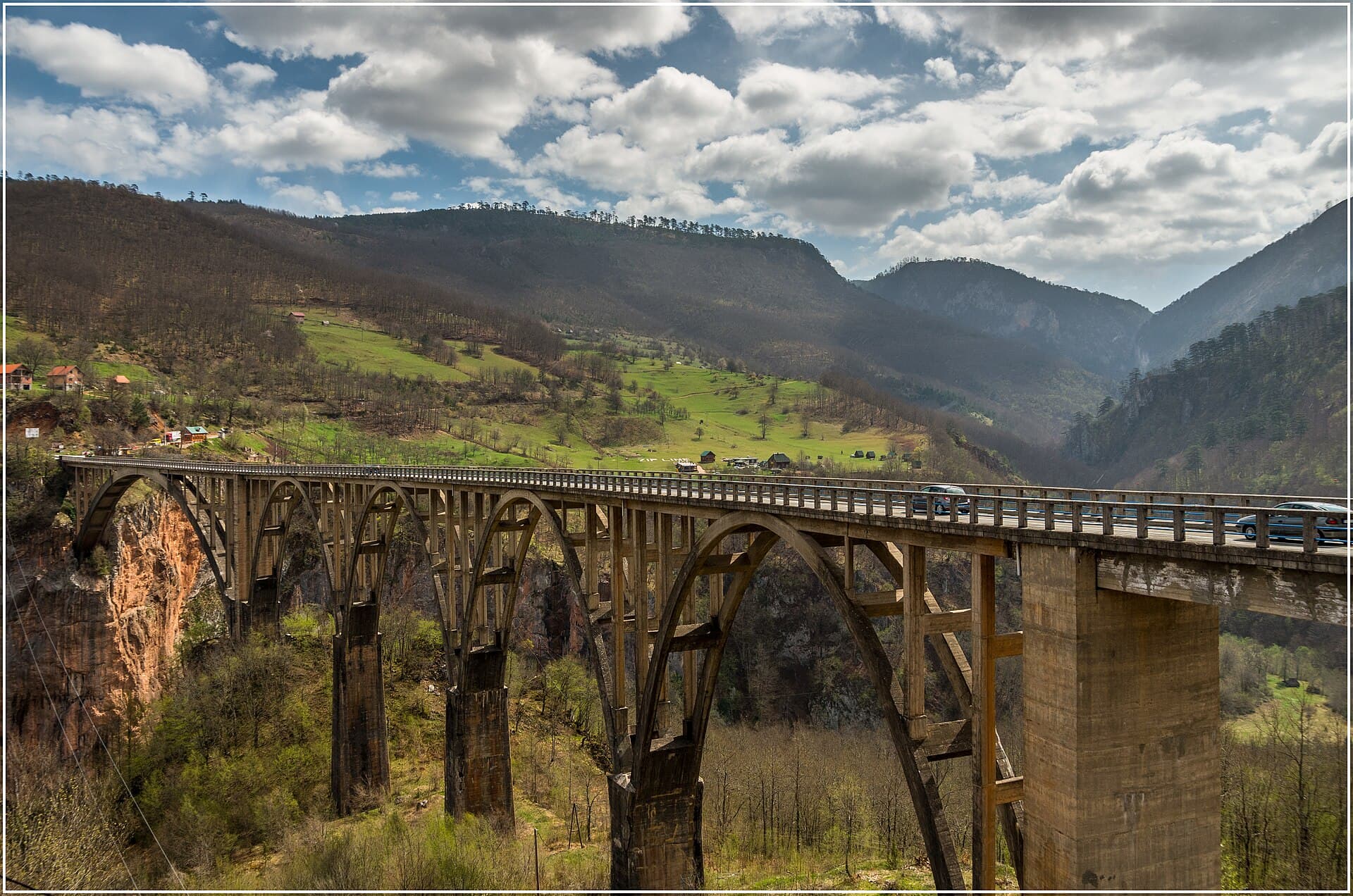
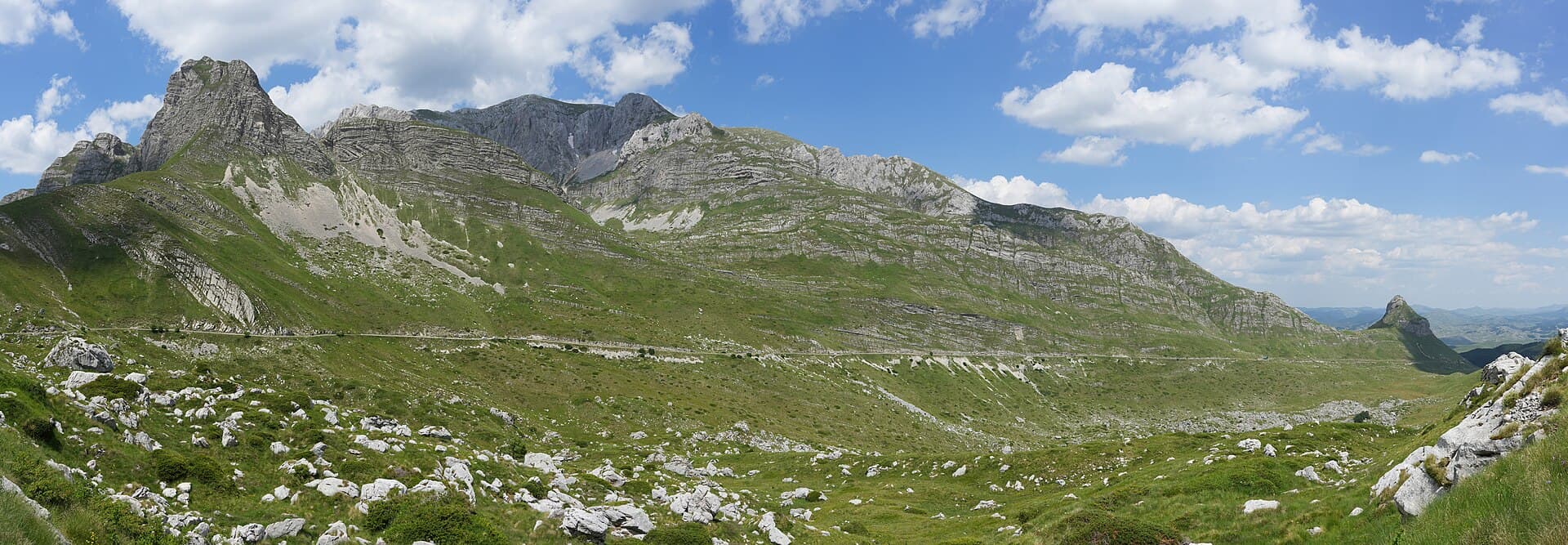
Žabljak, Kolašin and the Durmitor high country. Glacial lakes, the Tara canyon, skiing, and winters that close roads. The foreign presence up here is thin, which is either a warning or the appeal.
Who is actually selling help here
The help market here doesn't look like Portugal's or Spain's. Every route runs through the same Ministry of Interior counter, a cadastre extract and a tax valuation from the Tax Authority, which is why the people worth paying are lawyers and accountants rather than relocation consultants. The one Montenegrin partner in our own network is a law firm, and that's not an accident.

Go deeper
Read these before your first appointment, not after it.
Do I have enough money?
Our partners at Beacon Financial outline how much money a move abroad could cost you as well as how much you may need to retire.
Work out your own floor before you look at a single apartment listing.
Can I get healthcare?
Our partner Hunter Schultz explains what you need to know if you're concerned about healthcare abroad.
The questions to ask about any system that isn't the one you grew up with.
Strategies for Buying or Renting in Europe
we'll dive into the real-world process of searching for property across some of Europe’s most popular destinations. You'll get practical tips on using the top real estate portals, how to contact agents effectively, what red flags to watch for.
Renting first is the cautious move now that a purchase has a threshold attached.
US Expat Taxes 101
Moving abroad doesn't mean leaving the US tax system behind. In this webinar, we'll cover the basics every American expat should know, including filing requirements, foreign income exclusions, tax treaties, reporting foreign bank accounts, and common mistakes to avoid. Whether you're planning your move or already living overseas, this session will help you better understand your tax obligations and where to turn for professional guidance.
Start here if the no-treaty part of the tax chapter was news to you.
The questions that come up first
What is healthcare like in Montenegro for foreign residents?
Montenegro ties public health entitlement to residence rather than payroll contributions, but you must register separately with the Health Insurance Fund and your coverage ends when your permit does. The State Department warns that care is not free even in public facilities and that ambulances lack advanced equipment. Most foreigners use private clinics at 20 to 30 euros a visit and carry evacuation coverage.
Is Montenegro joining the European Union?
Montenegro is the furthest along of any candidate. All 33 negotiating chapters are open and 18 were provisionally closed by August 2026, and the EU began drafting an accession treaty in May 2026. The government is aiming at membership in 2028. The rule-of-law chapters are the ones that will decide whether that date holds.
How much does it cost to live in Montenegro?
Our country figures, which are stored in dollars, come to about $1,400 monthly for a single person and about $2,300 for a couple. A city-center one-bedroom runs about $700 and drops to around $500 further out. Inland towns run below the average all year, while the coast in July and August is priced as a resort.
Does Montenegro use the euro if it is not in the EU?
It does. Montenegro adopted the euro unilaterally in 2002, without an agreement with the European Union or the European Central Bank, after years of using the Deutsche Mark. It is one of only two territories in Europe that did this. There is no seat at the ECB and Montenegro cannot mint its own coins.
Is Montenegro safe for Americans?
Montenegro sits at Level 1, the lightest of the four advisory levels the State Department issues, and the advisory states that violent crime is rare. The practical risks it names are seasonal ATM robberies, scams and taxi overcharging. Driving is the real hazard: roads are below U.S. standards and winter mountain driving is dangerous.
How do I get residency in Montenegro in 2026?
The rules changed in January 2026. A non-EU buyer now needs property with a tax-assessed value of at least 150,000 euros to use the property route. A company director who owns more than half the business must show 5,000 euros of taxes and contributions paid to renew. The nomad permit needs 1,800 to 2,400 euros a month of foreign income.
Can Americans live in Montenegro?
Yes. Americans arrive visa-free and may stay 90 days out of every rolling 180. Staying longer means a temporary residence permit, renewed annually, on grounds such as property ownership, a company you direct, employment, family or the digital nomad program. Five years of permits opens permanent residence.
Can I become a Montenegrin citizen and keep my U.S. passport?
Almost certainly not. Montenegro does not recognize dual citizenship with the United States for people who became American citizens after June 2006. Naturalization also takes about ten years of legal residence, five on temporary permits and five on permanent. Treat the passport as out of reach rather than as a plan.
Sources
- Montenegro travel advisory · U.S. Department of State (checked September 2026)
- Montenegro: taxes on personal income · PwC Worldwide Tax Summaries (checked September 2026)
- Montenegro: individual tax residence · PwC Worldwide Tax Summaries (checked September 2026)
- Montenegro: withholding taxes and treaty list · PwC Worldwide Tax Summaries (checked September 2026)
- Montenegro: corporate income tax rates · PwC Worldwide Tax Summaries (checked September 2026)
- Montenegro adopts amendments to the Foreigners Act · BDK Advokati (checked September 2026)
- Amendments to the Foreigners Act: key changes · Adzic & Knezevic (checked September 2026)
- Montenegro sets a 150,000 euro minimum for property-based residency · Investment Migration Insider (checked September 2026)
- EU and Montenegro close two more accession chapters · European External Action Service (checked September 2026)
- Montenegro advances its EU accession with 2028 in sight · The New Union Post (checked September 2026)
- Montenegro and the euro · Wikipedia (checked September 2026)
- Montenegro's digital nomad visa in 2026 · Remote Work Europe (checked September 2026)
- Healthcare in Montenegro: system and access · Living Abroad (checked September 2026)
- Kotor cruise port schedule, 2026 season · Montenegro Submarine (checked September 2026)
- Buying property in Montenegro: foreign buyer's guide · MontenegroHousing (checked September 2026)
- Montenegro's internet infrastructure, providers and speeds · TS2 (checked September 2026)
- Airports in Montenegro and their route networks · Mappr (checked September 2026)
Run Montenegro against the rest.
Speak to an Expatsi advisor about your unique expat needs. We'll provide the roadmap that helps to achieve your goals.
Why not you?