Your 2026 guide to Panama
Panama might be the easiest move you'll ever make
It runs on the US dollar, sits three hours from Miami, and hands retirees permanent residency on day one. Here's the honest, up-to-date guide to moving there in 2026.
Costs, visas, healthcare, safety, and where to actually live, all in one honest place.

By Jen Barnett, Co-founder, Expatsi
Reviewed and updated October 6, 2026 · 11 min read
01 - The case for Panama
Why Americans keep landing in Panama
Panama is one of the few countries abroad where you barely have to change your wallet. It runs on the US dollar, so there's no exchange-rate math and no watching your savings swing with a foreign currency. Prices are already in dollars, your Social Security lands in dollars, and you spend the same dollars, all with zero conversion. The flight is short too. Panama City is about three hours from Miami, and the whole country sits in the Eastern time zone with no daylight saving, so calls home never land at a weird hour and a weekend trip back to the States is genuinely doable.
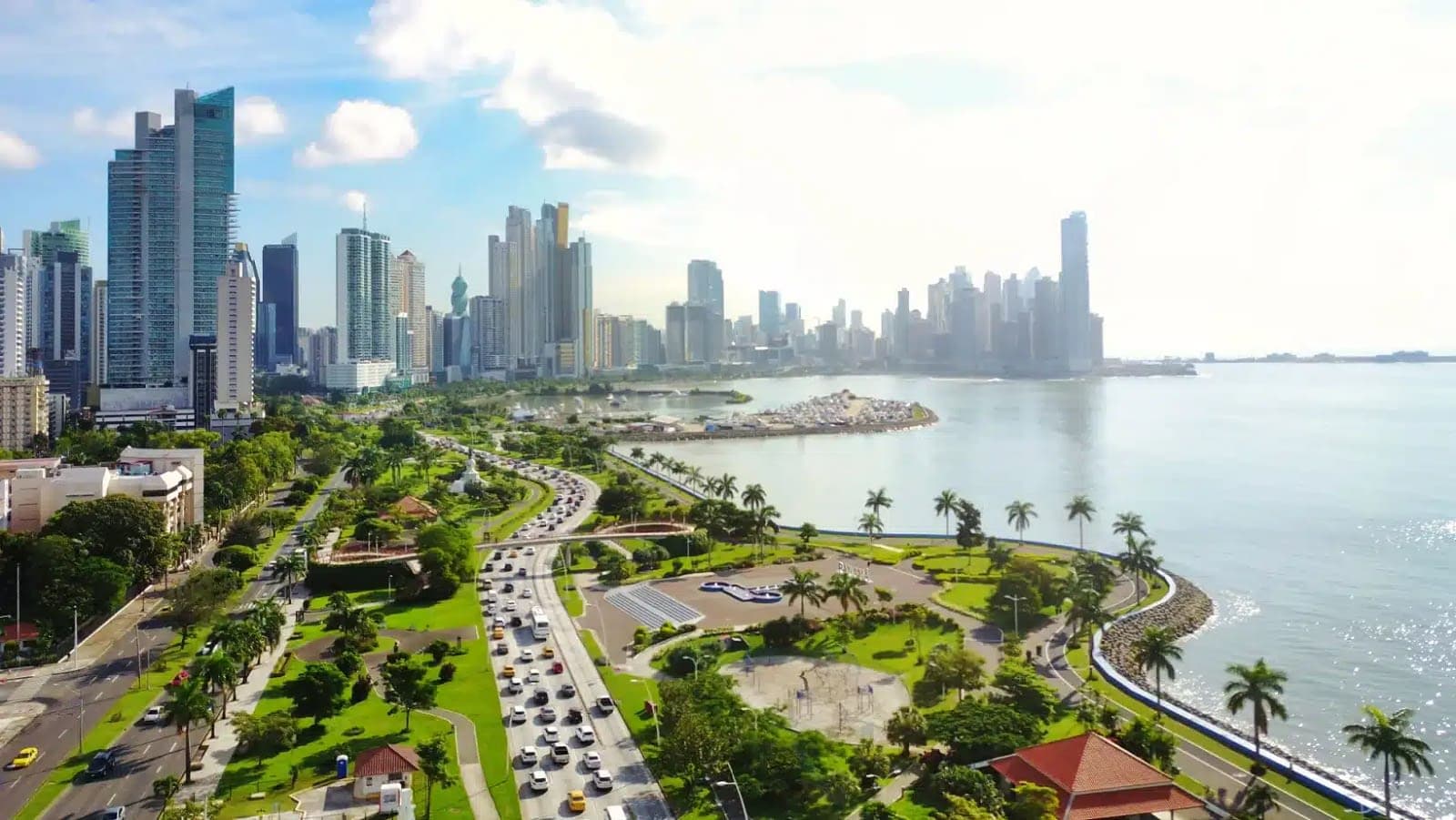
The rest of the pitch holds up. For two years running, expats surveyed by InterNations ranked Panama the number one country in the world to live abroad, and 94 percent said they have a good life there. Panama City is the only true first-world capital in Central America, with a real skyline, modern hospitals, reliable high-speed internet, and drinkable tap water in most of the country. You get two coastlines a couple of hours apart, mountains that stay cool, a big and easygoing expat community, and residency programs that were built to welcome foreigners rather than fend them off. For a lot of Americans, it's the rare move that feels like an upgrade without feeling like a leap.
Here's the catch
Panama is not a bargain paradise, and it isn't for everyone. It's hot and humid all year, with a rainy season that runs from May into December and afternoon downpours you'll learn to plan around. Outside Panama City and the bigger towns you'll want real Spanish, because English thins out fast once you leave the capital. The bureaucracy is slow and paperwork-heavy, banks take their time, and daily costs run higher than in some neighbors like Colombia or Mexico. There's also the honest truth that Panama City traffic is rough and parts of the country still feel developing-world once you get off the main roads. If you need four crisp seasons, quiet weather, or a quick errand at the DMV, this probably is not your country. If you can roll with heat, rain, and a slower clock, keep reading.
- Cost of living (single)
- $1,700/mo
- Safety index
- 55/100
- Internet speed
- 120 Mbps
- Currency
- US Dollar (USD) and Panamanian Balboa (PAB)
- Capital
- Panama City
- Population
- 4.4M
What it costs to live in Panama
$2,650
Monthly budget, couple
comfortable, most of the country
$1,700
Monthly budget, single
all-in estimate
$900
One-bed in the city center
far less outside the capital
$10
Lunch out
local restaurant
02 - The numbers
Your money goes further, with a few asterisks
For a single person, Panama runs about 36 percent cheaper than the United States, and rent is close to 44 percent lower. In small towns and mountain communities, plenty of couples live well on $800 to $1,500 a month. In Panama City you'll want closer to $2,500, and a lavish life with a maid, a driver, and dinners out every night can run past $4,000. Our own estimates put a single person around $1,700 a month and a couple around $2,650 across most of the country.
The good news is that everyday things are cheap. A local lunch is about $10, produce and fresh fish are inexpensive, a housekeeper a few days a week is affordable, and a Pensionado discount card knocks 15 to 50 percent off a long list of services once you're a resident. Those retiree discounts are not a gimmick, either. They're written into law and cover real money: a quarter off restaurant bills and domestic flights, half off entertainment, big cuts on hotels midweek, and reductions on utilities and doctor visits, all claimed by flashing your residency card. The asterisks matter, though. Anything imported (cars, electronics, your favorite brand of anything) costs more than back home, air conditioning runs the electric bill up in the heat, and Panama is genuinely pricier than several of its Latin American neighbors. Where you land changes the math a lot. Boquete and David in the western highlands stretch a budget the furthest, the Azuero beach towns are quiet and cheap, and Panama City and the resort strip around Coronado are where the numbers climb. One more line item people forget: private health insurance, which we'll get to below. Treat these figures as honest estimates rather than quotes, and build in a real cushion for your first year while you learn what things actually cost.
Why the budget and the visa line up
Panama's retirement visa asks for a guaranteed pension of at least $1,000 a month for one person, or $1,250 for a couple. That's not a coincidence. It's roughly the floor for a modest life outside the capital, which is exactly who the program was built to attract. If your pension clears that bar with room to spare, both the paperwork and the daily math tend to work. If it's tight, plan to live in the highlands or an Azuero beach town rather than the capital, where the same income goes noticeably further.
03 - Daily life, honestly
Warm, friendly, and a little slower
Panamanians are known for being welcoming, and the pace is unhurried. Meetings start late, Sundays are for family, and nobody is in a rush. That's a feature, not a bug, but it takes some getting used to if you're wired for American efficiency.
The language
Spanish is the language of daily life. In Panama City, plenty of doctors, bankers, and business people speak English, and the medical community especially is used to treating Americans. Move to a mountain town or a fishing village and English disappears fast, so a working grasp of Spanish is the difference between visiting and belonging. You don't need to be fluent to start, but the people who are happiest here put in the effort, and locals are patient and warm with anyone who tries.
Is it safe
The US State Department puts Panama at Level 2, exercise increased caution, the same tier as much of Western Europe. The real risks are petty theft, the occasional home break-in, and driving at night on the highway, not violent crime aimed at foreigners. Statistically it's one of the safer countries in Latin America, with violent crime far lower than most of its neighbors. Skip the rough parts of Colon city and a few Panama City neighborhoods like El Chorrillo, steer clear of the remote Darien region near Colombia, use rideshare after dark, and daily life feels calm and normal. One honest note: protests and road blockages flare up now and then over local politics, and they can snarl travel for a day, so it pays to keep an eye on the news.
The people and the pace
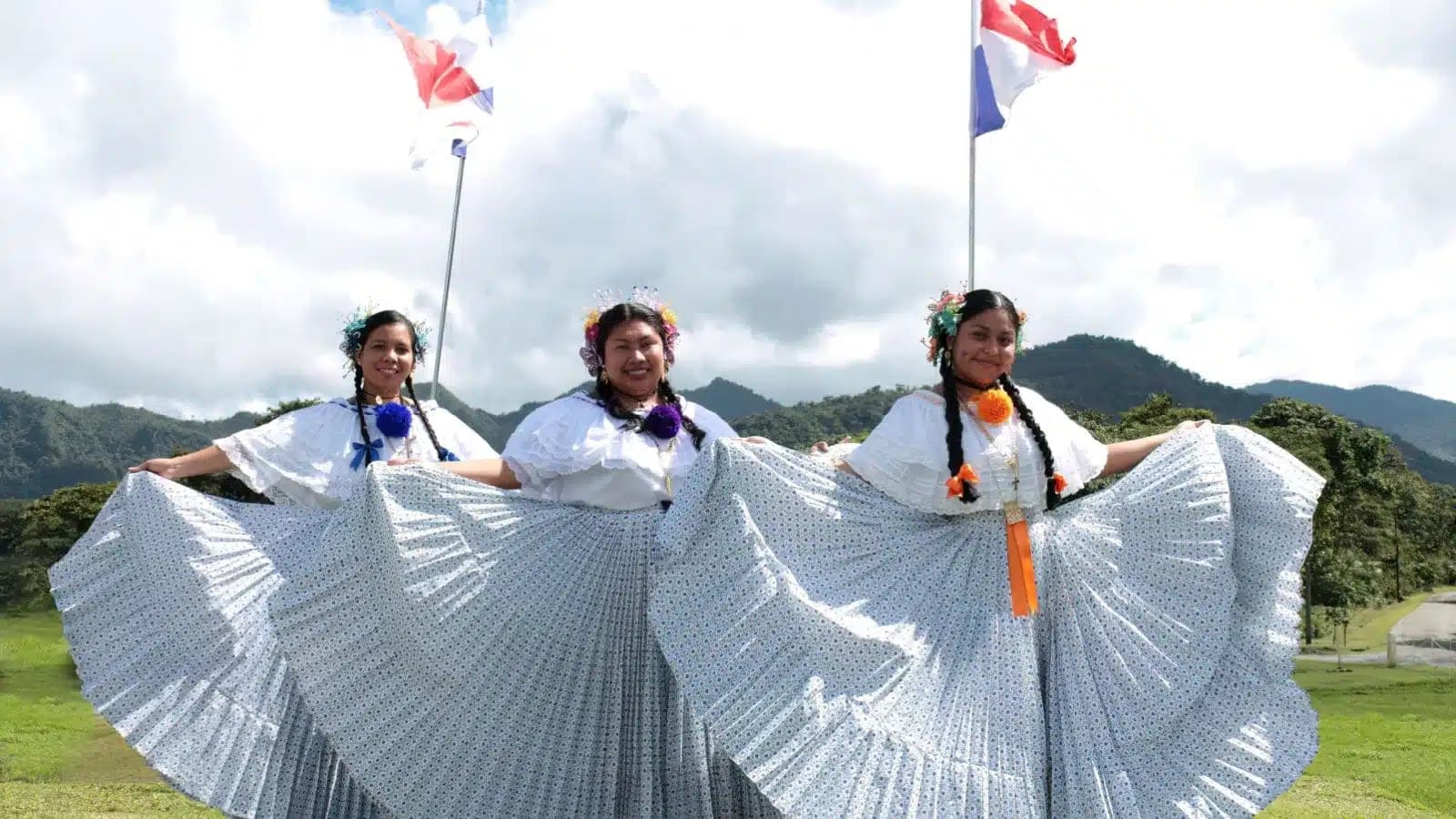
Festivals are constant, the food leans fresh and simple, and the folk traditions (the pollera dresses, the drumming, Carnival in the Azuero towns) are alive rather than staged for tourists. It's a diverse, cosmopolitan place, especially in the capital, thanks to a century of people passing through the canal. Expats tend to find their people quickly through community groups and a shared table, and Panamanians fold newcomers into the mix without much fuss.
What comes standard
The US dollar
Panama uses your currency, so no exchange-rate risk and no conversion games.
Three hours to Miami
Direct flights all day from a hub airport, the biggest in Latin America.
World-class hospitals
Panama City has the only Johns Hopkins-affiliated hospital in Latin America.
Summer all year
Tropical and about 27C, with highlands that stay cool if you want a sweater.
Two coastlines
The Pacific and the Caribbean are a couple of hours apart at the isthmus.
Eastern time, no DST
Same clock as the East Coast year-round, so calls home stay easy.
04 - Your visa options
Four real ways to get residency
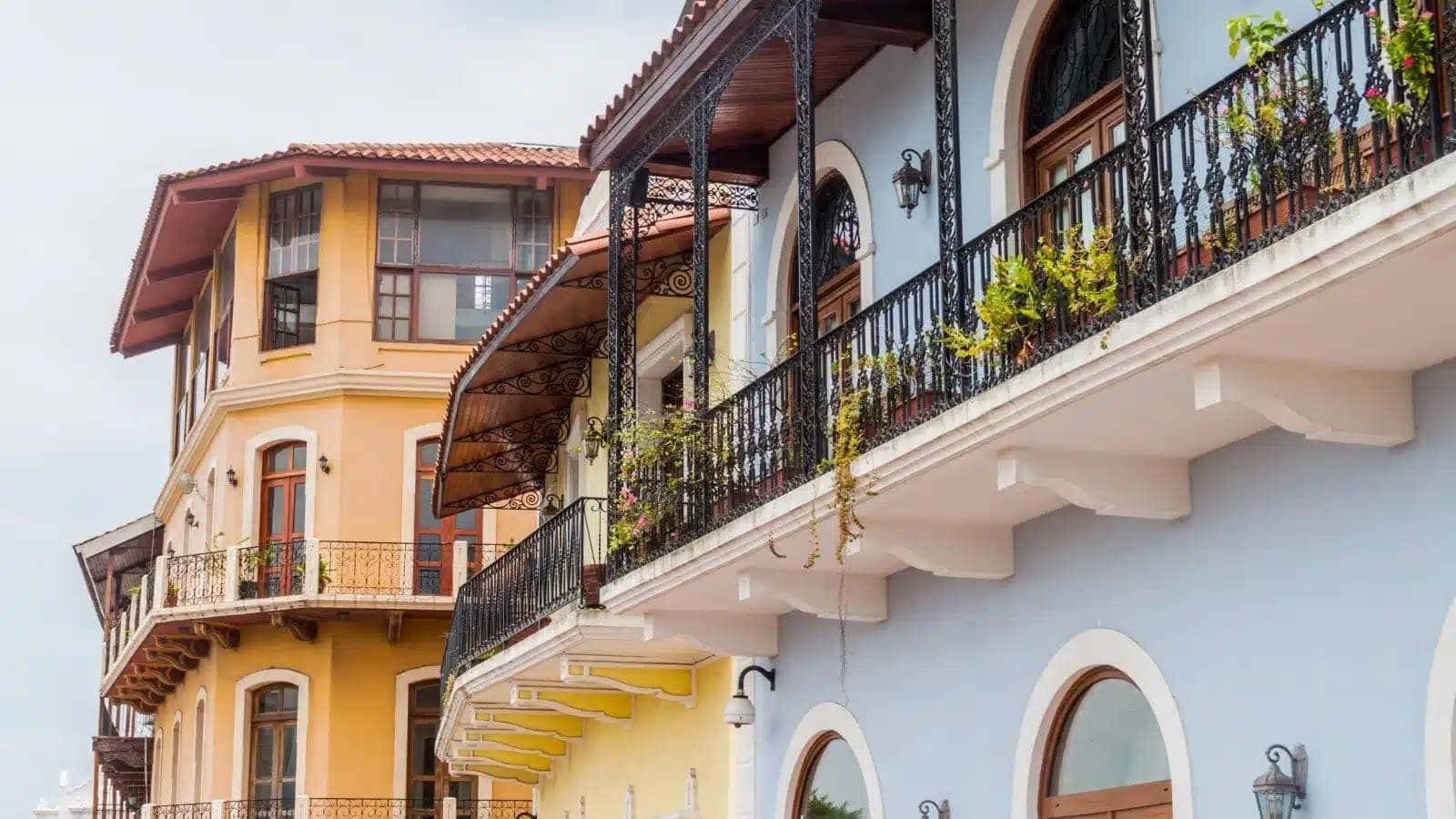
Panama has one of the friendliest residency menus in the Americas, and most Americans fit one of these four. Every one of them runs through a licensed Panamanian immigration lawyer, and each has its own trade-offs.
Pensionado, for retirees
If you have a guaranteed lifetime pension of at least $1,000 a month, Panama's Pensionado Visa grants permanent residency from day one, plus the famous Law 6 discounts on everything from flights to restaurants to medical bills. There's no minimum age, so a 40-year-old with a military pension qualifies just as easily as a 70-year-old on Social Security. The catch is that the income has to be a pension guaranteed for life, not an investment account or rental income. See the full breakdown on our Pensionado page.
Friendly Nations, for workers and investors
US citizens are on the friendly-nations list, so the Friendly Nations Visa is open to you through a $200,000 property purchase, a $200,000 three-year bank deposit, or a job with a Panamanian company. Since a 2021 overhaul it's a two-step path: two years of provisional residency first, then permanent. The old $5,000-deposit shortcut is gone, but for working-age movers who want to own a home here, it's still the sweet spot. Our Friendly Nations page walks through all three routes.
Qualified Investor, for speed
Invest $300,000 or more in real estate (or larger sums in securities or a bank deposit) and you can hold permanent residency in as little as 30 to 90 days. It's the fast lane for people with capital who don't want to wait around.
Digital Nomad, for a test run
Remote workers with foreign income of at least $36,000 a year can get a short-stay permit for up to 18 months. It isn't a path to permanent residency, but it's a low-commitment way to try Panama on before you commit to buying in. Whichever route you take, five years of permanent residency opens the door to citizenship, and Panama lets you keep your US passport.
Compare Panama's residency visas side by side
| Visa | Category | Application cost | Processing | Difficulty | Guide |
|---|---|---|---|---|---|
| Friendly Nations Visa | skilled work | $800 | ~60 days | 4/5 | Guide |
| Investor Visa | investment | $300,000 | ~90 days | 5/5 | Guide |
| Pensionado Visa | retirement | $800 | ~60 days | 3/5 | Guide |
| Professional Visa | skilled work | $800 | ~60 days | 4/5 | Guide |
| Short Stay/Digital Nomad Visa | digital nomad | $300 | ~30 days | 2/5 | Guide |
05 - The practical stuff
Healthcare, taxes, and moving your money
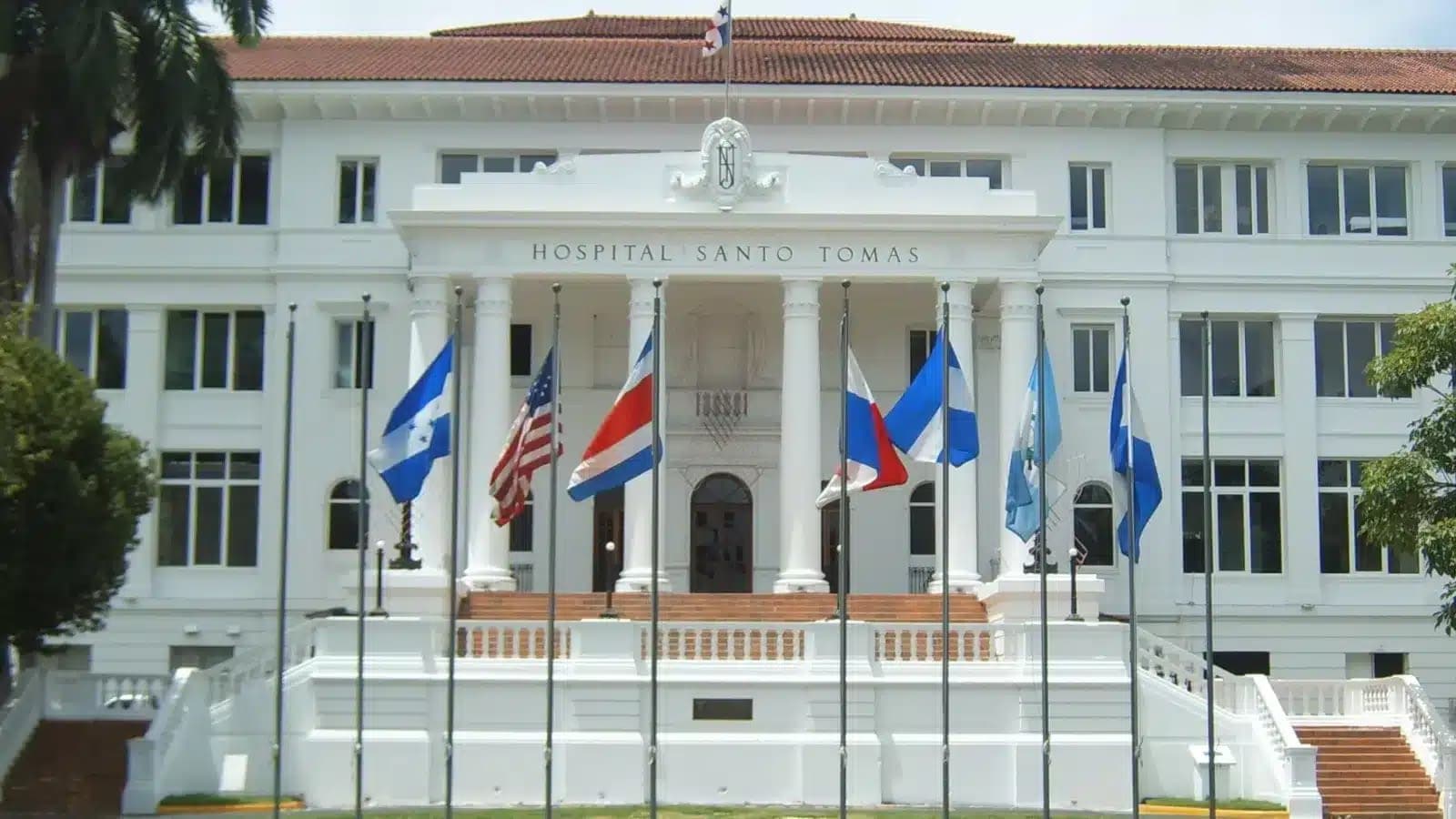
This is the part people underestimate. Get it right and Panama is smooth; wing it and you'll wait in lines or overpay.
Healthcare
There are two systems. Public hospitals (MINSA and the social-security CSS) are cheap but crowded, with long waits and bare-bones amenities, and Panama has no universal coverage for residents who aren't paying into the system. Most expats use the private side, where a specialist visit runs $25 to $75, the doctors often trained in the US or Europe and speak English, and Panama City's Pacifica Salud is the only hospital in Latin America affiliated with Johns Hopkins Medicine. Care outside the capital is solid too, with strong private hospitals in David serving the Boquete highlands. Out-of-pocket prices generally run 40 to 60 percent below the US, and many expats simply pay cash for routine visits. Budget roughly $100 to $300 a month for private insurance (less for a local-only plan) and carry it for the big stuff.
Taxes
Panama uses a territorial system, which means it doesn't tax income earned outside the country. Your Social Security, pension, and foreign investment income are not taxed in Panama, and there's no tax on foreign inheritances or gifts. The catch every American already knows: you still file a US return every year no matter where you live, and you'll want to understand the Foreign Earned Income Exclusion and foreign-account reporting. A cross-border accountant is money well spent.
Banking and bringing money
Because it's a dollar economy, you're not converting currency, but Panamanian banks are conservative and slow to open accounts for newcomers, and they'll ask for references and paperwork. A licensed Panamanian attorney is required for your residency filing anyway, and a good one smooths the bank introduction, the apostilles, and the certified Spanish translations that trip up do-it-yourselfers. Get your FBI background check and pension or bank letters apostilled at home before you fly down, because sorting that out from Panama is the single most common reason a move stalls.
This guide is dated on purpose
Panama changes its rules. The Friendly Nations Visa was overhauled in 2021, income thresholds and discounts get tweaked, and tax details shift year to year. Everything here reflects the rules as of 2026, and the dollar figures are estimates and typical ranges rather than firm quotes. Before you file anything or wire any money, confirm the current requirements with a licensed Panamanian immigration lawyer and a cross-border tax professional. It's the cheapest insurance you'll buy on this whole move.
Where to live
Seven Panamas to choose from
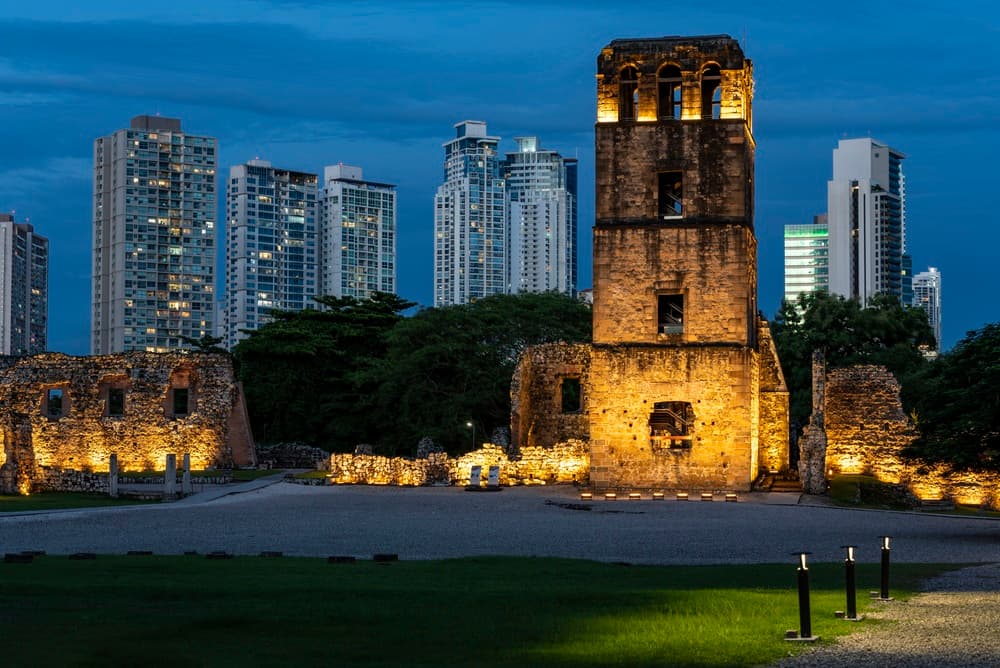
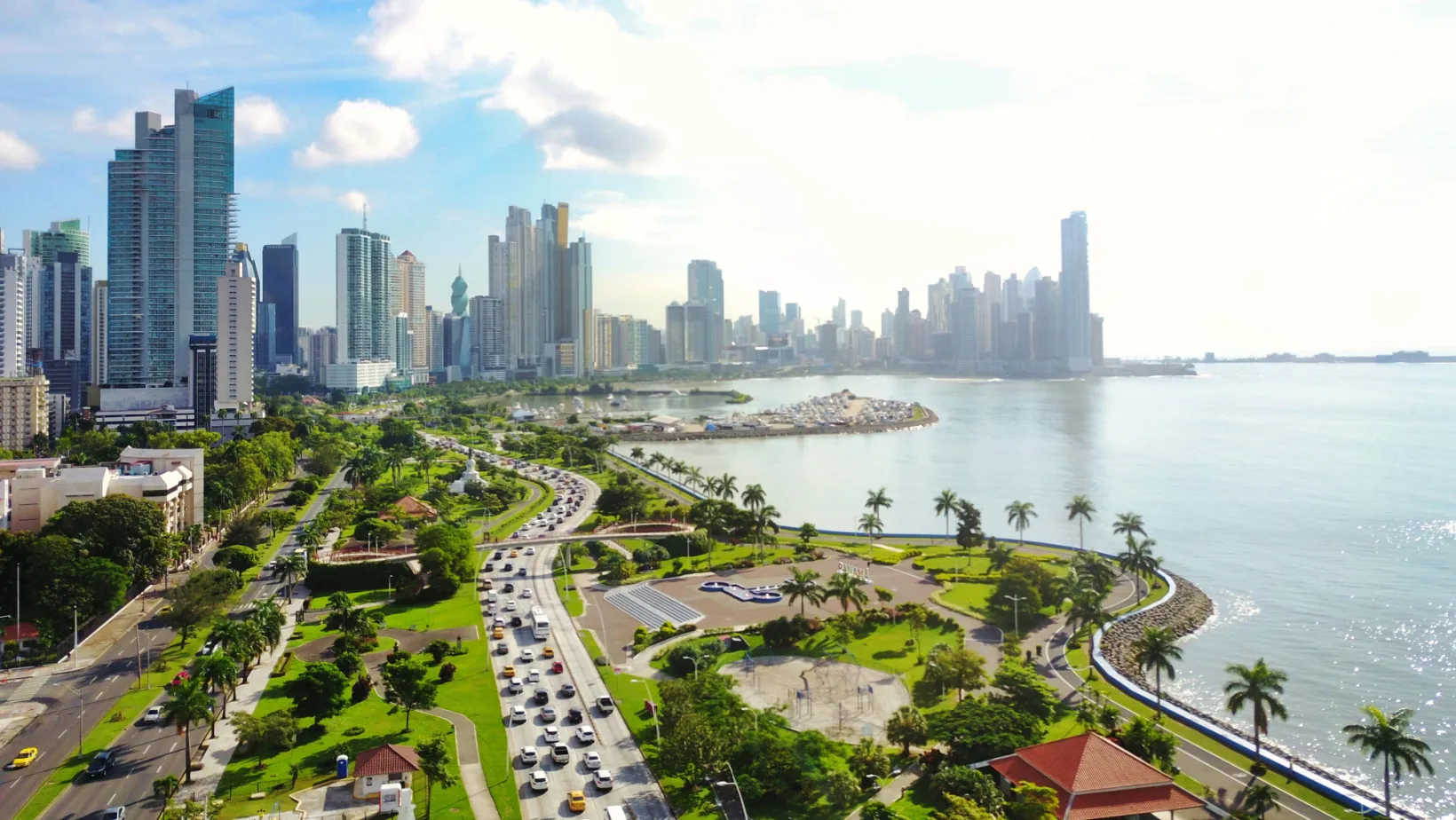
Panama City
City life
A real skyline, international schools, top hospitals, and nonstop restaurants. The priciest and busiest option, and the easiest place to land without much Spanish, but you'll trade quiet for convenience and sit in some traffic.
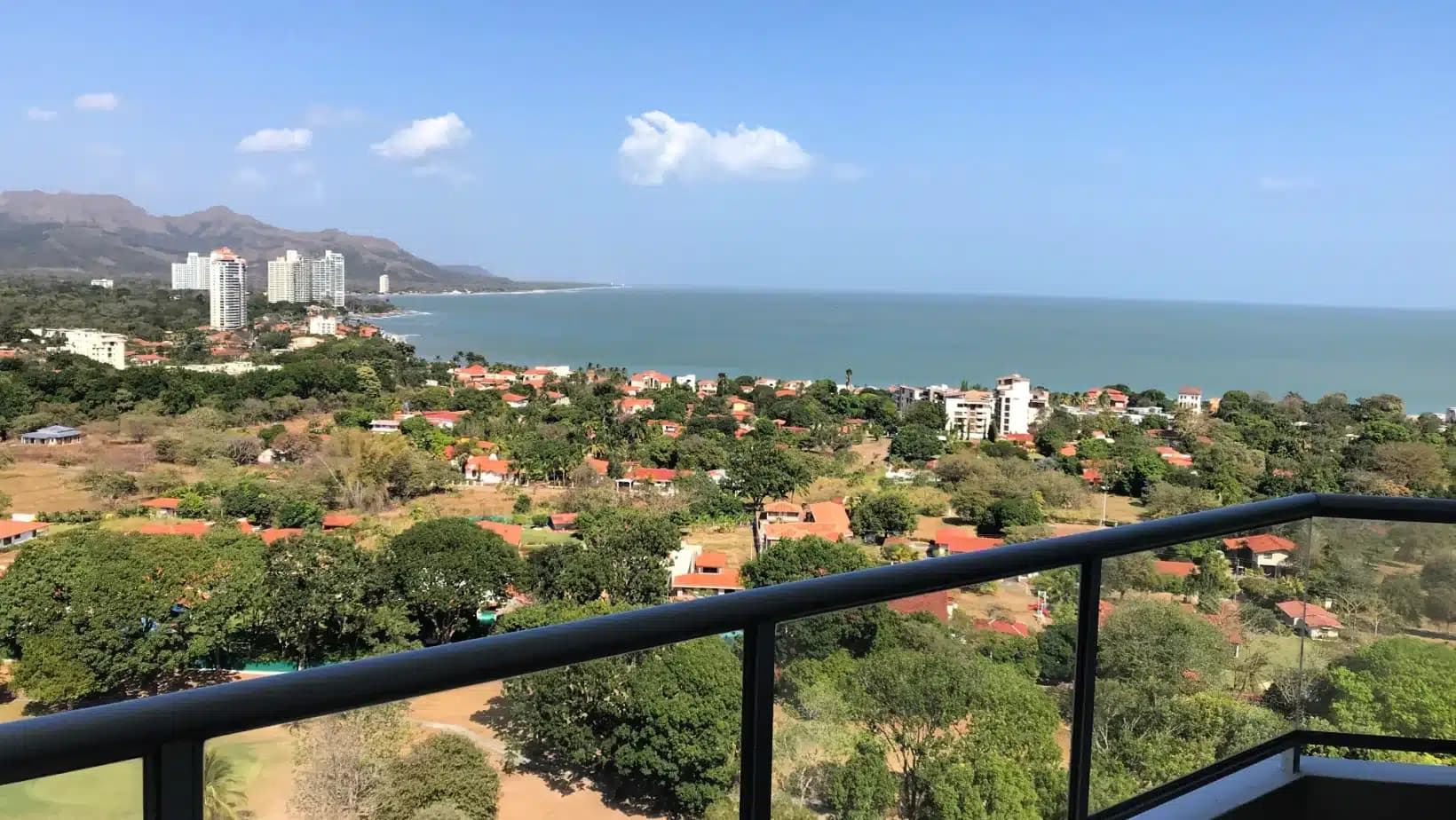
Coronado
Beach and golf
An hour from the capital on the Pacific, with gated communities, golf, and a big, established expat crowd that makes settling in simple. Weekend traffic from the city and a hotter, drier climate are the trade-offs.
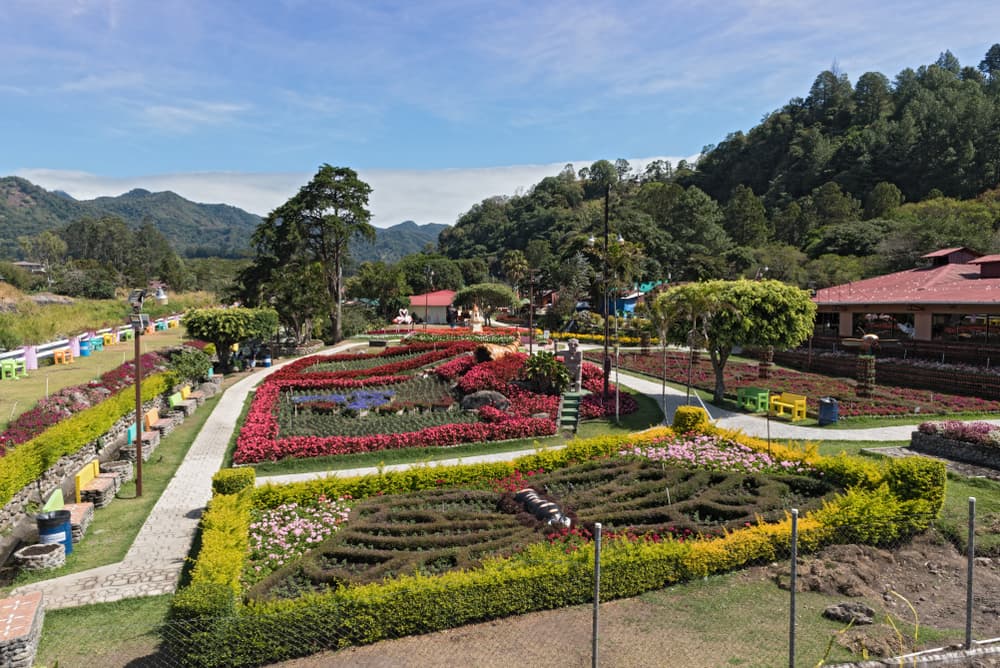
Boquete
Cool mountain town
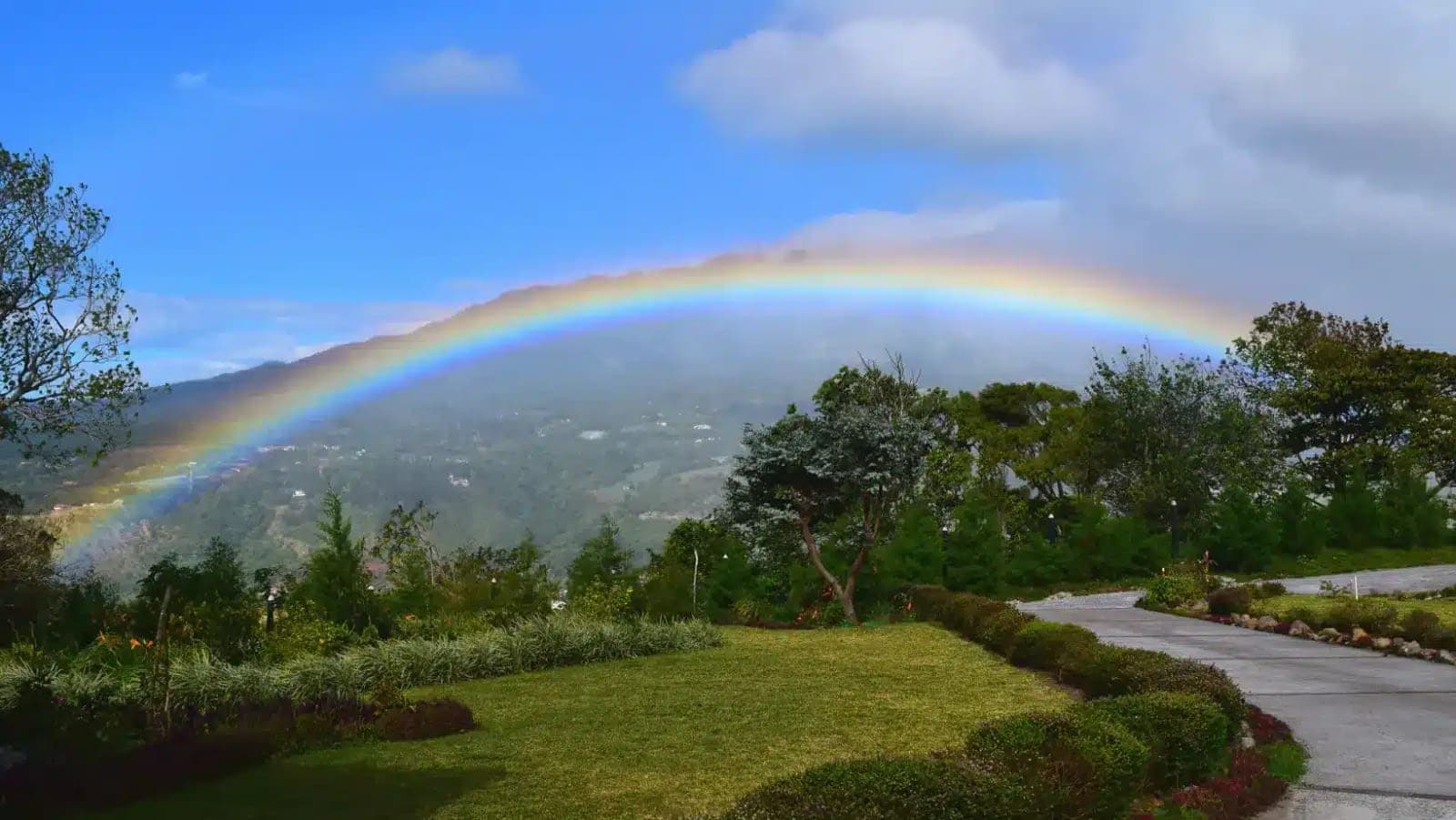
Spring-like weather in the Chiriqui highlands, coffee farms, hiking, and one of Panama's oldest expat communities. David's hospitals and airport are close by, and your budget stretches further up here than almost anywhere else.
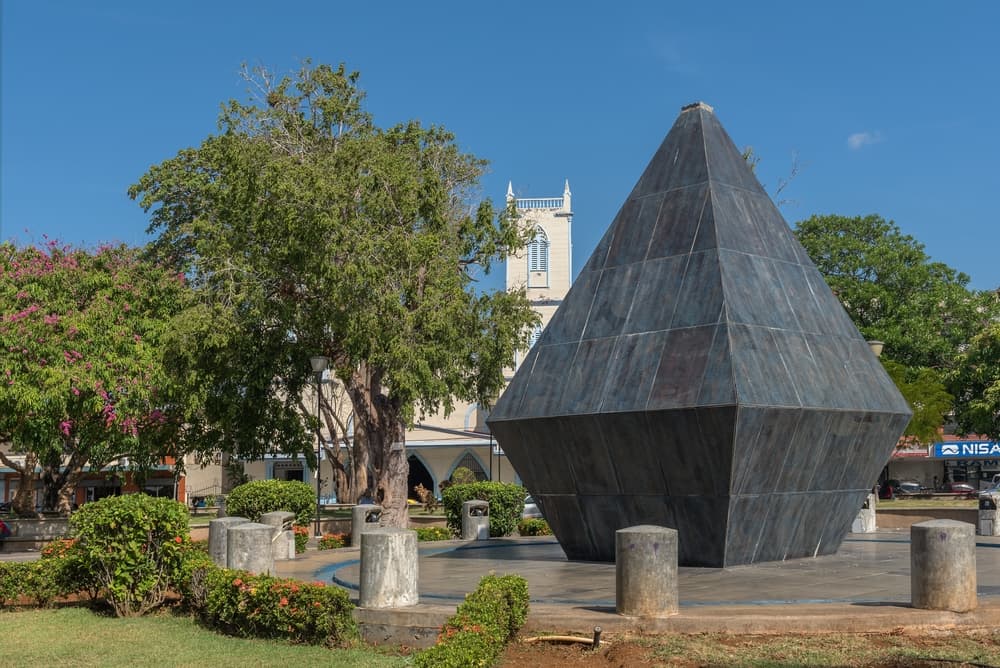
David
Affordable second city
The unpretentious capital of Chiriqui province and Panama's third-largest city. Hot and flat, but you get real hospitals, an airport, big-box shopping, and prices well below the capital. Many expats base here for errands and healthcare while living up in nearby Boquete.
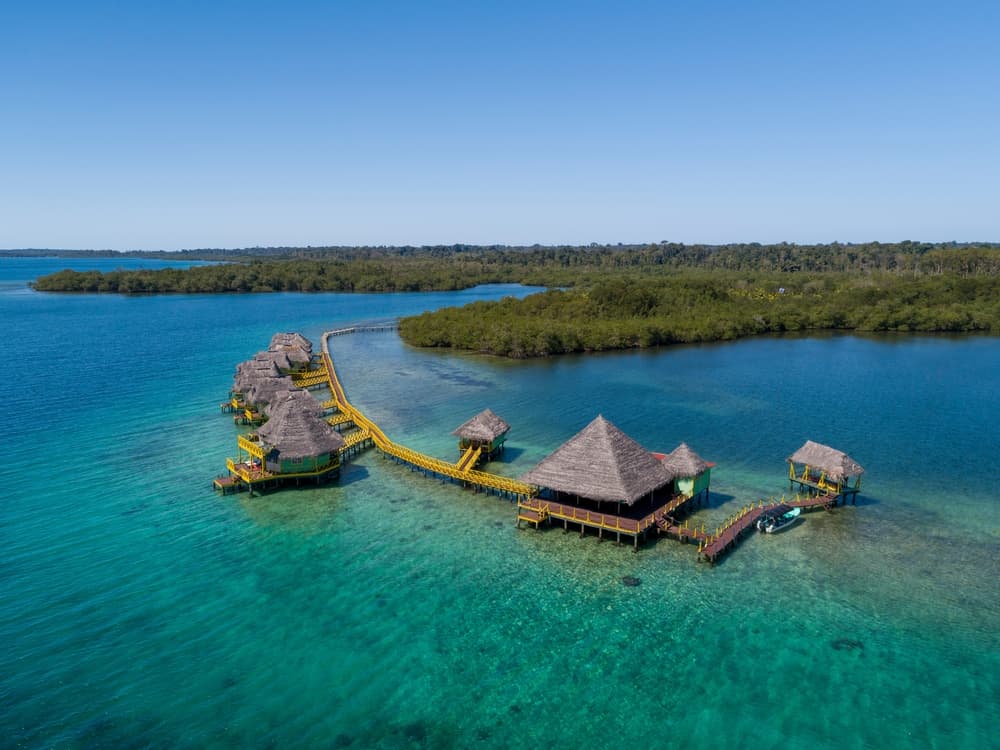
Bocas del Toro
Caribbean island life
A Caribbean archipelago you get around by water taxi, with a ramshackle town on Isla Colon, surf breaks, and a long-established foreign crowd. It is one of the wettest corners of Panama, healthcare is basic, and power and internet drop out. For people who want island, not convenience.
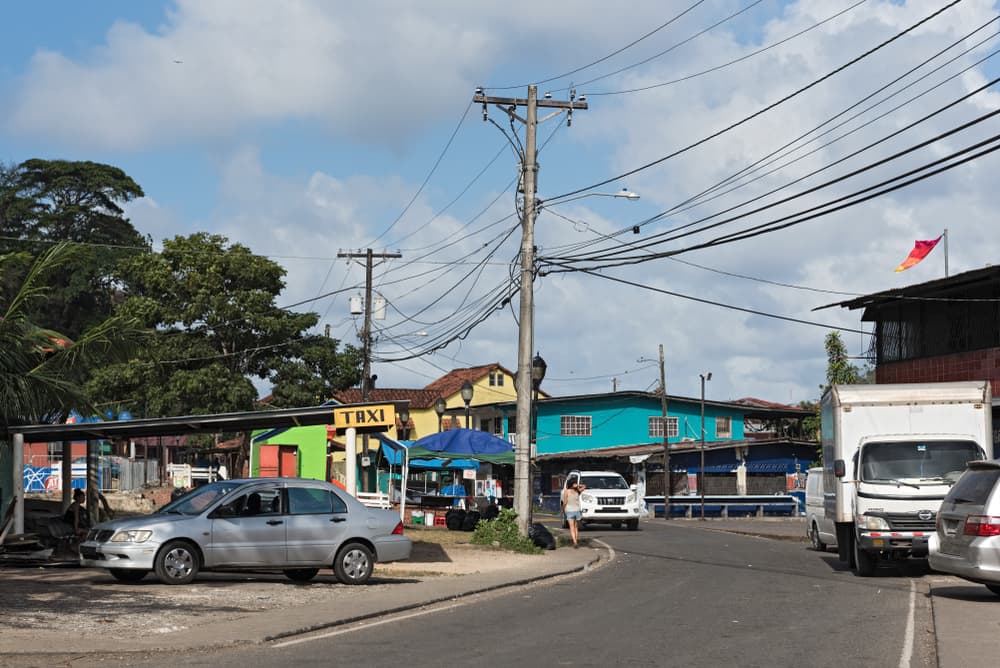
El Valle de Antón
Town in a crater
A mountain town sitting inside an extinct volcanic crater, cool enough for a sweater at night, with hot springs, a Sunday handicraft market, and the golden frog as its emblem. Panama City is two to three hours away depending on the road. Small, quiet, and long settled by retirees.
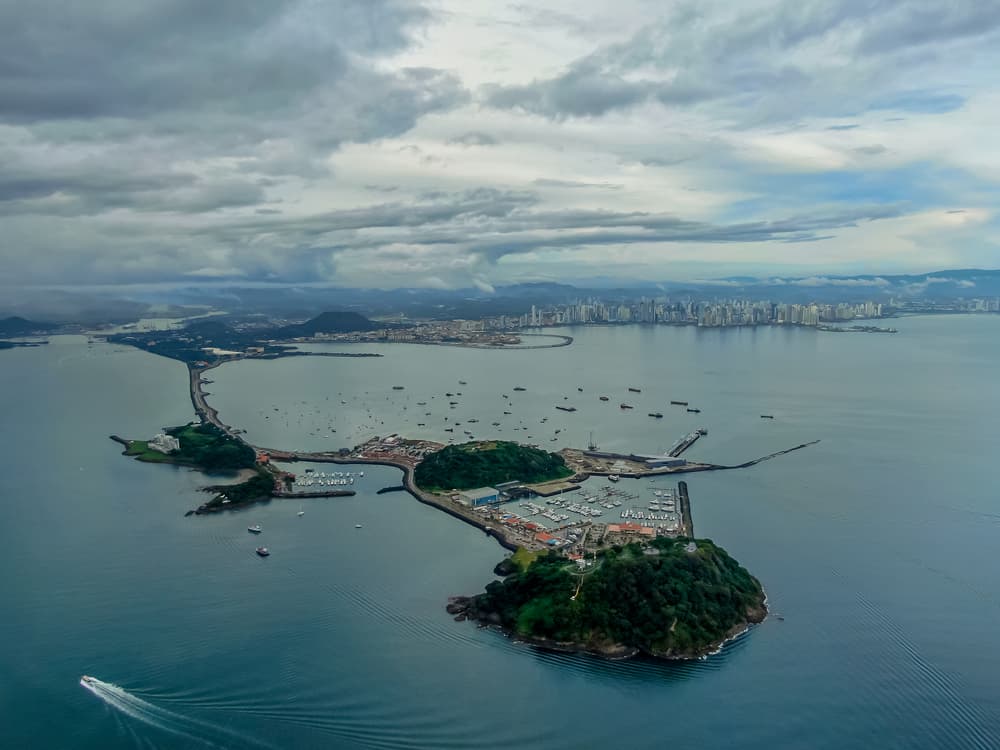
Pacific Coast
Beach and golf corridor
The beach corridor along the Pan-American Highway from Gorgona through Coronado to Rio Hato, an hour or two west of Panama City, built around gated communities, golf, and a large North American retiree crowd. The dry season runs December to April. Nothing here connects without a car.
The people who make it easier
You don't have to figure Panama out alone. These are vetted partners we trust to handle the parts that trip people up, from the residency filing to the house hunt to your first doctor. Every one of them works with Americans every week, knows the current rules rather than last year's, and can tell you the difference between what the law says and how the office actually behaves. Start with whichever one matches the question keeping you up at night.


See it before you commit
Photos only go so far. The smartest thing you can do is spend a week on the ground before you wire a dollar or ship a box. Our small-group scouting trips run through Panama City, the beaches at Coronado, and the highlands of Boquete, so you can feel the heat, ride the traffic, taste the food, and meet expats who already made the jump. You'll walk real neighborhoods with people who live there, ask the awkward questions, and come home knowing whether Panama is a someday daydream or your actual next address.
Panama City / Coronado / Boquete
7 nights · Nov 15-22 or Jan 15-22, 2026 · hosted by Sabrinna Misasi
- Seminar & opening dinner with experts in visas, healthcare, & taxes
- Four-star accommodations, breakfast, and group transportation
- 7 nights
From $2,999 per person
See this tripPanama + Teak Tour
10 nights · Jan 12-22 or Dec 2-12, 2027 · hosted by Sabrinna Misasi, ECI Development
- Seminar & opening dinner with experts in visas, healthcare, & taxes
- 10 nights
- Experience a 2 day expedition while learning about Teak as an investment opportunity.
From $4,199 per person
See this tripGo deeper
A few free and members-only guides to help you take the next step once Panama moves from maybe to plan.
Panama Healthcare Report
Healthcare guide for Panama
A free rundown of how healthcare and insurance actually work for expats in Panama.
How to Move To Panama
Join this webinar to explore everything you need to know about moving to Panama—from navigating residency and cost of living to embracing a new lifestyle in one of Central America’s most welcoming destinations.
Our step-by-step webinar on planning and making the move to Panama.
How To Move To Panama via Investment
Looking for a residency option that doesn't require a seven-figure portfolio? Panama offers some of the most approachable investment-based pathways in the region, with options that are significantly more affordable than many traditional "golden visa" programs. In this webinar, we'll break down the available investment routes, who qualifies, what the process looks like, and how to determine whether Panama could be the right fit for your move abroad plans. We'll also cover timelines, family inclusion, and the practical realities of building a life in Panama after you make the move.
A deeper session on the investment and Friendly Nations routes to residency.
Find your people
Panama
Expatsi Community
Trade notes with Americans who've already made the move, from visa questions to which neighborhood to rent in first, which lawyer to call, and where to find a decent bagel. It's the fastest way to shortcut the mistakes everyone makes in year one.
Join the Panama communityPanama questions, answered
Will Panama tax my Social Security or pension?
No. Panama has a territorial tax system, so income earned outside the country, including Social Security, pensions, and foreign investments, is not taxed there. You do still file a U.S. tax return every year, so work with a cross-border accountant.
Is Panama safe?
For most people, yes. The U.S. State Department rates it Level 2, exercise increased caution, the same as much of Western Europe. The real risks are petty theft and road safety, not violent crime aimed at foreigners. Avoid a few rough neighborhoods and the remote Darien region, and daily life feels calm.
Do I have to give up my U.S. dollars?
No. Panama uses the U.S. dollar as its everyday currency, alongside the balboa that's pegged to it one-to-one. There's no exchange-rate risk or conversion, which is one of the biggest reasons Americans find the move easy.
How much money do you need to move to Panama?
It depends on where you land. A couple can live comfortably on around $2,650 a month across most of the country, and $800 to $1,500 goes far in small towns and the highlands. Panama City costs more, closer to $2,500 for a couple. The retirement visa sets a floor of a $1,000 monthly pension for one person.
Can I keep my US citizenship, and can I become Panamanian?
Yes on both. Panama recognizes dual citizenship, so you keep your U.S. passport. After about five years of permanent residency, you can apply for Panamanian citizenship, which involves Spanish proficiency and history tests.
What's the easiest visa for a retiree?
The Pensionado. If you have a guaranteed lifetime pension of at least $1,000 a month (from Social Security, a government fund, the military, or a regulated private plan), it grants permanent residency from day one, with no minimum age. See our full Panama Pensionado guide for the details.
Do I need to speak Spanish?
You can get by with English in a lot of places in Panama City, especially in medicine and business. Everywhere else, a working knowledge of Spanish makes daily life much easier and is close to essential in small towns. It also helps later if you apply for citizenship.
How good is the healthcare?
The private system is excellent and affordable. Doctors often trained in the U.S. or Europe, a specialist visit runs $25 to $75, and Panama City has the only Johns Hopkins-affiliated hospital in Latin America. Budget about $100 to $300 a month for private insurance, since there's no universal coverage for non-working residents.
Sources
- Panama is the best country for expats, InterNations Expat Insider 2025 · CNBC (checked 2026-07-30)
- Panama Pensionado Visa 2026: requirements and Law 6 discounts · ExpatDen (checked 2026-07-30)
- Panama Friendly Nations Visa 2026: investment, deposit and work routes · Lawzana (checked 2026-07-30)
- Healthcare in Panama for expats 2026 · Rio Times (checked 2026-07-30)
- Panama Travel Advisory (Level 2) · US Department of State (checked 2026-07-30)
- US expat tax guide for Americans in Panama · Bright!Tax (checked 2026-07-30)
- Detailed guide to living in Panama: pros and cons · Global Citizen Solutions (checked 2026-07-30)
Is Panama your place?
Take the Expatsi Test and see how Panama stacks up against everywhere else you could go.
navy