A Panama work permit that isn't tied to an employer
It turns a university degree into residency and the right to work. Here is who qualifies, what has to clear the University of Panama first, and what it costs.
You've got a degree, and want to work in Panama, but the Panama routes that get all the attention want a lifetime pension or a couple hundred thousand dollars. This one wants a diploma the University of Panama recognizes.
The trade
The diploma is the qualification
Panama calls this one residency as a foreign professional. It's open to anyone with a university degree in a field the country doesn't reserve for its citizens. No employer sponsors you, no job has to be lined up when you file, and the permit is issued to you rather than to a company. You can change jobs later without reopening the immigration file.
You get two years of provisional residency with a work permit attached. Keep working, keep your record clean, then apply for permanent residency and a cédula at the end of it.
Here's the catch, and it surprises couples: only the main applicant gets the work permit. A spouse and children ride along as dependents, which buys them residency, not the right to take a Panamanian job. If you both want to work, you both file.
What this route costs in money and months
$1,050
Government checks, per applicant
$250 to the National Treasury, $800 to immigration
3 to 9 months
To get a foreign degree recognized here
Start it from home, before anything else
2 years
Provisional residency, then you apply to make it permanent
The work permit runs on the same clock
5 years
As a permanent resident before you can apply for citizenship
Spanish and a civics exam come with it
Credentials
The degree check that comes before the visa
A foreign degree has to be recognized by the University of Panama or the Technological University before anyone at immigration looks at your case. You hand over the apostilled diploma, transcript, course-by-course study plan and a check for the review. The university holds your program up against a Panamanian one and comes back with a yes, a no, or a list of classes to take here first.
A bachelor's degree goes through one step. A master's or a doctorate goes through two and costs another $500, so filing on the bachelor's is the faster, cheaper move even when you hold both.
Panamanian firms quote three to nine months for this stage, though it's the part you can start from home. The diploma, the transcript and your police record all need an apostille; that police record has to be under six months old the day the file goes in.
Professions Panama keeps for its own citizens
Medicine and dentistry
Doctors, dentists, dental assistants, medical assistants and radiology are all closed.
Nursing and lab work
Nursing, pharmacy, nutrition, physiotherapy and lab technicians sit on the same list.
Law
Only Panamanians practice law here, so a U.S. law degree cannot carry this permit.
Engineering and architecture
Civil, electrical, mechanical, industrial, chemical, mining, geological, plus architecture.
Accounting and economics
Public accounting and economics are reserved. Plenty of other finance work is not.
Psychology and social work
Psychology, social work, sociology and speech therapy round out the big groups.
Professional Visa
For qualified professionals with validated credentials and a job offer in Panama. This is a temporary visa that can be renewed and may lead to permanent residency.
- Government cost
- $800
- Processing time
- ~60 days
- Timeline
- Temporary (renewable)
- Difficulty
- Hard
Key requirements
- Professional qualification in an approved field
- Validated credentials
- Employment offer from a Panamanian company
- Valid passport
- Police clearance certificate
- Health certificate
- Migration fee application and payment
About that data card
Two lines up there need a correction. The requirement list asks for an employment offer from a Panamanian company. This route doesn't work that way: the Panamanian firms that file it say plainly that there is no job offer and no employer sponsorship involved, which is the whole reason people choose it. The other is the clock. Sixty days describes a clean file on a good day. Attorneys quote three to six months for the residency decision, and that's after the degree has already been recognized. We've flagged both for the data team.
The job market
Where the hiring happens
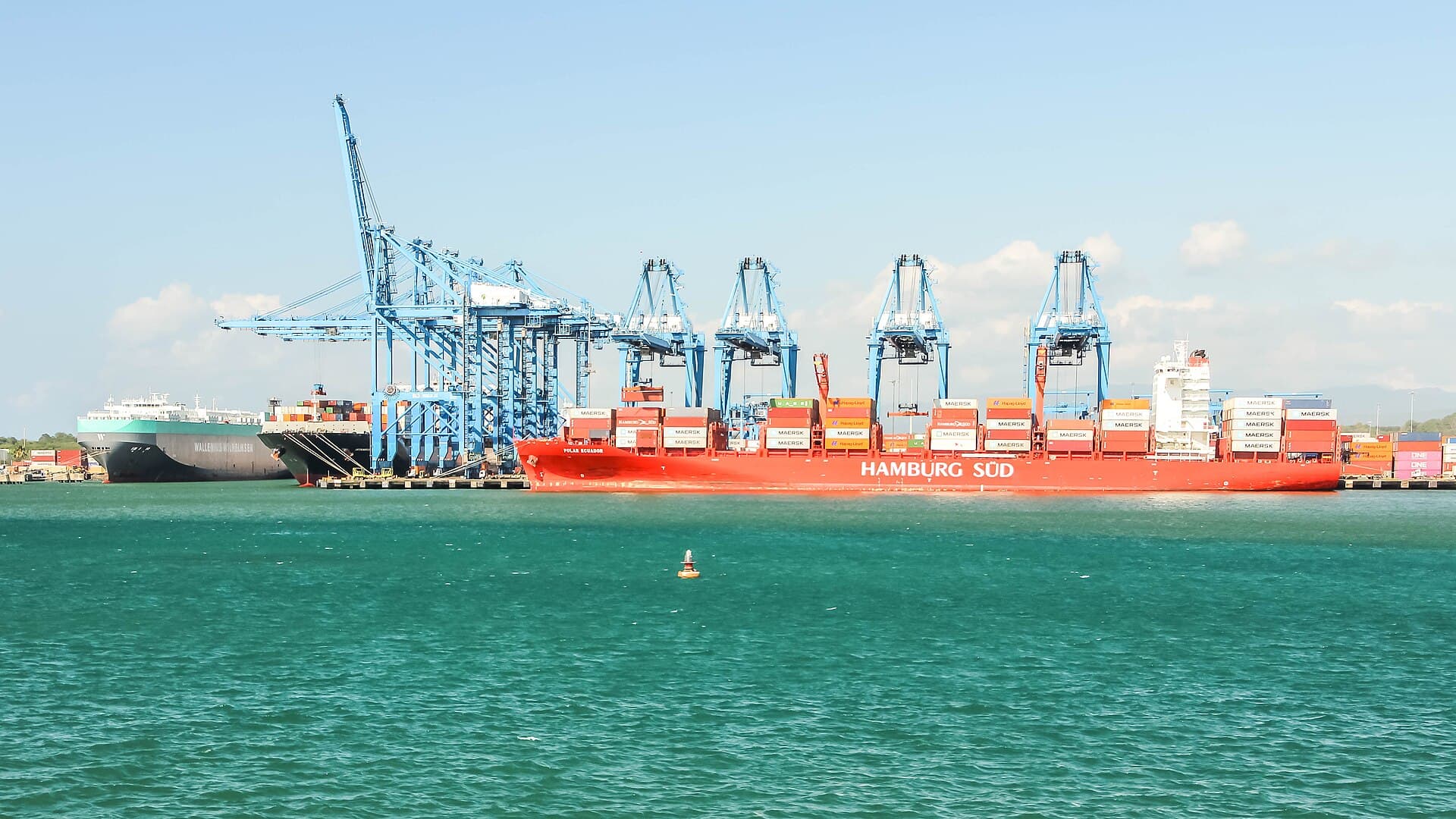
Panama sells itself as the region's office and the numbers back it up. As of May 2026, the country hosted 192 multinational regional headquarters under its SEM regime, worth about 10,000 jobs, roughly half of them held by Panamanians. Add the banks on Calle 50, the container ports at both ends of the canal and the free zone in Colón, and the hiring clusters in finance, logistics, tech, shipping and tourism.
There's a ceiling worth knowing. Panamanian labor law lets a company fill only 10 percent of its payroll with foreign staff, a little higher for specialists, and licensed multinational headquarters are exempt. Ask your lawyer how a hire on this permit counts against an employer's quota before you sign anything.
Then there's Spanish. English carries you inside the multinational towers but runs thin outside them. If you plan to job hunt at a Panamanian company, your Spanish is part of your resume.
If this door is closed to you
A reserved profession isn't the end of the road, it just means a different file. Executives moving with a licensed multinational headquarters get their own SEM staff visa. Americans and citizens of the other friendly nations can qualify through a Panamanian employment contract or a $200,000 investment. If your paycheck stays foreign, the short-stay remote worker permit or the Pensionado will be cheaper and faster than any of this.
The long view
Residency, and the tax that comes with a local salary
Getting to permanent
At the two-year mark you refile: proof you're still legally employed, updated paperwork, and a clean criminal record from both Panama and home. Approval brings permanent residency and a cédula, and it ends the renewal treadmill, because permanent residents aren't re-applying for work permits. Five years after that, the door to Panamanian citizenship opens, and there is a Spanish and civics exam behind it. Eligibility is where that process starts, not where it ends.
What comes out of the paycheck
Panama's territorial tax system is the headline draw for retirees and remote workers, and it doesn't help you the way it helps them. A salary from a Panamanian company is Panama-source income: nothing on the first $11,000 a year, 15 percent income tax to $50,000, 25 percent past that. Payroll takes another 9.75 percent for social security and 1.25 percent for the education levy. Your U.S. return is still due. There's no tax treaty or social security totalization deal between the two countries, so find a cross-border accountant before your first Panamanian payday.
Who helps with what

Freedom Panama
Panama Relocation Specialist
A Panama City team that has taken foreign professionals through degree recognition and the immigration desks, and knows which documents get bounced.

Miss Rosa Spanish Lessons
Spanish Language Teacher
One-to-one Spanish lessons with a teacher who works across Latin America. Start before the interviews, not after you land.
MyExpatTaxes
U.S. Expat Tax Service
Tax preparers for Americans abroad, which matters the moment part of your income starts coming from a Panamanian employer.
Questions we get from degree holders
Do I need a job offer for Panama's Professional Visa?
No. The Panamanian firms that file this permit are clear that there's no employer sponsorship and no job offer requirement. You qualify on a recognized university degree in a profession Panama does not reserve for its citizens, and the permit is yours rather than an employer's.
Does the Professional Visa lead to citizenship?
It can. Two years of provisional residency lead to an application for permanent residency and a cédula. Five years as a permanent resident after that makes you eligible to file for naturalization, and Panama tests your Spanish and your civics before it decides.
Can my spouse and children come with me?
Yes, as dependents on your application, with marriage and birth certificates apostilled and proof that you can support them. The catch is that the work permit covers the main applicant only. A spouse who wants a Panamanian job files a separate application on their own degree.
How much does the Panama Professional Visa cost?
Government checks are $250 to the National Treasury and $800 to the immigration service for each person on the file. The degree review costs a separate fee, with another $500 for a postgraduate credential. Panamanian law requires a licensed attorney to file, so budget legal fees on top of that, plus a bank reference letter from a Panamanian bank.
How long does the Panama Professional Visa take?
Plan on the better part of a year. Getting a foreign degree recognized by the University of Panama runs three to nine months on its own, and the residency file takes another three to six months after that. Gathering apostilled documents at home adds a month or two before either clock starts.
Do Americans still file a US tax return?
Always. US citizens file on worldwide income wherever they live. Panama has no income tax treaty with the United States and no social security totalization agreement, so the usual tools are the foreign earned income exclusion and the foreign tax credit. Get an accountant who handles both countries.
Which professions are closed to foreigners in Panama?
Medicine, dentistry, nursing, pharmacy, nutrition, physiotherapy, lab work, law, every branch of engineering, architecture, public accounting, economics, psychology, social work, sociology and speech therapy, among others. Surveyors, barbers, security agents and public school teachers are on the list too. Each one is closed by its own statute, so have a Panamanian lawyer check your exact field.
Do I pay Panamanian tax on a Panamanian salary?
Yes. Panama taxes income earned inside the country, and a local salary is exactly that. The first $11,000 a year is untaxed, income to $50,000 is taxed at 15 percent, and the rate past that is 25 percent. Social security takes another 9.75 percent of pay, plus 1.25 percent for the education levy.
Wondering whether your degree clears the bar?
Bring your field, your diploma and your timeline. We'll talk through whether this permit fits or whether another Panama route gets you there sooner.
Why not you?