Lithuania relocation guide
Moving to Lithuania: the 2026 guide for Americans
A euro-zone Baltic country with a UNESCO-listed capital and strong English, but no retirement or nomad visa. Here's which door you can use, what it costs, and the citizenship rule to know first.
Written for U.S. passport holders: which permit you can realistically get, what a month in Vilnius or Kaunas costs, where the rules just changed, and who can do the paperwork with you.

Reviewed and updated October 22, 2026 · 13 min read

01 · The honest pitch
What Lithuania offers, and the three things that rule people out

Lithuania is the southernmost of the three Baltic states, a country of about 2.8 million people on the EU's eastern edge. It uses the euro, occupies both the Schengen zone and NATO, and its capital, Vilnius, has a baroque old town that UNESCO listed as a World Heritage Site in 1994.
For Americans, a few things stand out right away. English goes a long way here: Lithuania scores 543 on the EF English Proficiency Index, putting it in the "high" band and 33rd in the world, and Vilnius scores 569 on its own. The U.S. State Department rates Lithuania Level 1, "exercise normal precautions," as of April 2026, its lowest advisory level. Home internet runs about 120 Mbps for around $16 a month. By our numbers, a couple can live comfortably on about $2,700 a month, all in.
It's also a practical base for Europe. You're inside the euro and the Schengen zone, so the rest of the continent is a train, bus or short flight away with no border fuss once you're a resident. Vilnius sits seven hours ahead of New York, which makes a U.S. morning meeting a Lithuanian late afternoon.
Where it works best
Lithuania rewards people with a specific reason to be there. The strongest cases we see are professionals with a Lithuanian job offer, who can use the EU Blue Card and bring their family right away; Lithuanian-Americans whose parents, grandparents or great-grandparents were citizens between the world wars, who may be able to reclaim citizenship and keep their U.S. passport; founders building a company there; and students, since international bachelor's tuition at VILNIUS TECH runs 3,600 to 9,000 euros a year for 2026-2027.
Here's the catch
Three things rule a lot of Americans out, and it's better to know them now.
First, there's no visa built for retirees or remote workers. The grounds for a Lithuanian residence permit are family, work, study, business and Lithuanian descent. Lithuania has no official digital nomad visa in 2026; consultants who sell the generic national visa as one are stretching the truth. If your income is Social Security, a pension or a paycheck from a U.S. company, Lithuania is a 90-days-in-180 visit unless one of the routes below applies to you.
Second, naturalizing means giving up your U.S. passport. Ordinary naturalization takes more than 10 years of permanent residence, and you have to hold no other citizenship or declare that you'll renounce it. Lithuanians voted on loosening that in 2024: 74.49% of those who voted said yes, but the change still failed because it needed the backing of more than half of all registered voters. The exception is citizenship by descent, covered below.
Third, winter and the language are real. January averages 25°F in Vilnius, and lakes and rivers stay frozen from December to March. Lithuanian is required for permanent residence and citizenship exams, and since January 2026 foreigners in customer-facing jobs need basic Lithuanian (A1) for their first two years, then A2. That's roughly 100 to 120 hours of study per level.
If none of that knocked you out, keep reading. The rest of this guide covers the money, each residency route with its real numbers, healthcare and taxes, and the people who can help.
- Cost of living (single)
- $1,650/mo
- Safety index
- 75/100
- English proficiency
- 70/100
- Internet speed
- 120 Mbps
- Capital
- Vilnius
- Currency
- Euro (EUR)
02 · Money
A month in Lithuania, in U.S. dollars
$2,700
Monthly budget, couple
all in, comfortable
$1,650
Monthly budget, single
all in, comfortable
$4,300
Monthly budget, family
housing included
$750
Rent, 1-bed city center
$500 outside center
$14
Inexpensive meal out
one person
$34
Monthly transit pass
local buses and trolleys
$16
Home internet, monthly
about 120 Mbps
75/100
Safety index
low crime
Where the money goes, and what locals earn

Our 2026 estimates put a comfortable month at about $1,650 for one person, $2,700 for a couple and $4,300 for a family with housing included. Those figures are in U.S. dollars and assume a normal city life, not a bare-bones one.
Housing is the biggest line. A one-bedroom in a city center averages about $750 a month and about $500 farther out. Day to day, a simple meal out is around $14, a monthly transit pass about $34, and fast home internet about $16. Budget extra for winter: heating, a real coat, and the occasional flight south in February all add up.
It helps to know what Lithuanians earn because it tells you how far a local job will stretch. The average gross monthly wage was 2,628.20 euros in the second quarter of 2026, according to Statistics Lithuania, before income tax and social contributions. That's why the country works best when you arrive with a solid salary offer, a business, or family ties rather than a plan to find work after you land.
If you're coming on a Blue Card, the salary floor (more on that in the next chapter) sits above the national average, so the permit and a comfortable budget line up. If you're a student or a founder, plan your savings around the budgets above, not the government's minimum.
The government's money test is a floor, not a budget
To get a temporary residence permit in 2026, you show monthly means equal to Lithuania's minimum wage, 1,153 euros, covering the permit period or at least a year. That's the amount the Migration Department checks, not what a comfortable life costs. Plan on the budgets above, and keep the paperwork for the minimum ready when you apply.
03 · Getting residency
The five doors into Lithuania, and which one is yours

As an American, you can visit Lithuania without a visa for up to 90 days in any 180-day period, counted across the whole Schengen area. Your passport needs at least three months of validity beyond the day you leave. Since the EU's Entry/Exit System became fully operational in April 2026, your fingerprints, photo and every entry and exit are recorded at the border, so the 90-day count is tracked for you whether you track it or not.
Staying longer means a temporary residence permit. Nearly every route runs through the same process: you apply online in MIGRIS, the Migration Department's system, then give fingerprints at a VFS Global center abroad (which adds 30 to 120 euros) or at a Migration Department office in Lithuania. The state fee is 160 euros, or 320 euros for faster handling, and standard processing takes about 45 to 90 days. You'll show housing, health insurance and monthly means of at least 1,153 euros, and you must file renewals at least two months before your permit runs out.
Have a Lithuanian job offer: the EU Blue Card
This is the cleanest route for a skilled professional. Your salary has to be at least 1.5 times last year's average monthly salary, currently about 3,617 euros a month, or 1.2 times (about 2,894 euros) for professions on the shortage list. You need a relevant degree or five years of relevant experience within the last seven, or three years for IT specialists, and a contract of at least six months. The fee is 160 euros, or 320 for faster review, and a decision takes 15 days to a month in Lithuania, or one to two months through VFS. The card lasts up to three years, and switching employers or roles on a work-based permit carries a 100-euro fee. The big perk: your spouse and kids can come right away on permits of the same length without needing a work permit to take a job. An ordinary work permit, by contrast, needs the employer to register the vacancy first, lasts up to two years, and doesn't entitle you to bring family with you.
Joining family, or bringing yours
If your spouse already lives in Lithuania, family reunification is its own ground for a permit, and family members can work without a separate work permit. Going the other way, most permit holders must have lived in Lithuania legally for two years, on a permit valid for at least one more year, before their family can join them. Blue Card holders, researchers and university teachers, and qualifying investors skip that wait. For a couple, that difference often decides which route is worth the effort.
Have Lithuanian roots: reinstate citizenship
This route is easy to overlook. If a parent, grandparent or great-grandparent was a Lithuanian citizen at any time between February 16, 1918 and June 15, 1940, you may be able to reinstate citizenship. If they left Lithuania before March 11, 1990, you can keep your U.S. citizenship. The hard part is proof: you need documents showing your ancestor was a citizen, since being born or living there isn't enough. You apply through MIGRIS, and foreign documents need an official Lithuanian translation and an apostille. Lithuanian descent is also its own ground for a temporary residence permit.
Starting a company: the Startup Visa
Founders approved through the Startup Visa Lithuania program get a residence permit issued for two years at first. You'll show funds to support yourself (the 2025 figure was 1,038 euros a month, or 12,456 euros a year) and health insurance with at least 30,000 euros of coverage. The national visa also covers businesspeople investing 28,000 euros or more.
Studying: the national D visa
The national visa lets you stay longer than 90 days for set purposes, including study, research and journalism. It lasts up to 12 months, costs 140 euros, and decisions come within 15 calendar days, stretching to 45 if needed. Students also pay a reduced 80-euro fee for a temporary residence permit.
Retiring or working remotely: the straight answer
There's no route for you unless one of the doors above applies. Lithuania doesn't issue residence permits for passive income, and there's no digital nomad visa. The workarounds are real ones: citizenship by descent, marrying or joining a resident family member, or building a business there.
Staying for good
After five years on a temporary permit, you can apply for permanent residence. You'll pass the Lithuanian language and Basics of the Constitution exams (the exam fee is 52 euros in 2026), pay 160 euros, and wait 45 days to three months. Renewing the permanent card later costs 45 euros. Citizenship by naturalization comes after more than 10 years and requires giving up U.S. citizenship. For anyone keeping a U.S. passport, permanent residence is the finish line.
EU Blue Card (Highly Skilled Worker)
The fastest route for professionals with an offer
For hires paid at least 1.5 times Lithuania's average salary. Your family can join right away and work without a permit.
- Valid employment contract or binding job offer in Lithuania for at least 1 year
- University degree or 5+ years of professional experience
- Salary at least 1.2 times the average Lithuanian gross annual salary
National Long-Stay Visa
For stays past 90 days with a defined purpose
Covers study, research and a few other purposes for up to 12 months. It's not a remote-work or retirement visa.
- Completed national visa application form
- Passport valid for at least 3 months beyond intended stay
- Proof of purpose (e.g., work, study, family reunion)
04 · Daily life logistics
Healthcare, taxes, banking and getting around
The practical questions Americans ask most, answered with the rules as they stand in September 2026.
Healthcare
Lithuania runs a compulsory health insurance system, known as PSD. Whether you're in it depends on your status. Permanent residents are covered, and so are temporary residents who work, along with their dependents and self-employed people, who pay about 80 euros a month, per the Migration Information Centre. People on a national D visa aren't covered, and temporary residents who don't work can't pay into the system on their own. They need private insurance instead.
That gap is why you'll want your coverage sorted before you land. Hospitals typically ask visitors to pay upfront and may not accept U.S. insurance, according to the State Department. Hunter Schultz, our healthcare coach, helps Americans work out what coverage they'll need, and ExpatInsure can set up the international policy your permit application asks for.
Taxes
Once you're a tax resident, Lithuania taxes your worldwide income, while the U.S. still taxes you as a citizen wherever you live. Lithuania's 2026 reform made income tax more progressive: 20% on employment income up to about 82,962 euros a year, 25% up to 138,270 euros, and 32% above that. Dividends are taxed at a flat 15%. The U.S. and Lithuania have an income tax treaty, signed in 1998, meant to stop the same income being taxed twice. There's no U.S.-Lithuania Social Security agreement, though, so anyone working there should get advice on contributions before signing a contract. MyExpatTaxes, one of our partners, prepares and files U.S. returns for Americans abroad.
Banking and money
You'll want a euro account for rent and bills. Revolut, the app-based bank, holds its EU banking license in Lithuania, granted by the European Central Bank on the Bank of Lithuania's proposal in December 2021. For moving larger sums from dollars to euros, Moneycorp, another partner, handles currency transfers and can set up recurring payments.
Getting around
If you'll drive, bring an International Driving Permit along with your U.S. license, and know that Lithuania enforces zero tolerance on drunk driving. In town, a monthly transit pass costs about $34.
Safety and emergencies
The State Department's main warnings are pickpocketing in crowded areas and on public transportation, and financial and romance scams aimed at visitors. The emergency number is 112, and English-speaking operators are available. If you're carrying 10,000 euros or more in cash, that limit applies both entering and leaving, so declare it.
The language
English scores are high, but the permanent residence and citizenship exams are in Lithuanian, and so is most official paperwork. Start lessons early. Even A1, which takes around 100 to 120 hours, makes daily life and paperwork noticeably easier.
This guide is dated on purpose
Lithuania changed its income tax brackets in January 2026, started its service-job language rule the same month, and resets the Blue Card salary floor every year from the national average. Everything here reflects the rules as of September 2026. Before you file anything, check the current figures with the Migration Department or a licensed professional.
05 · Picking a city
Vilnius, Kaunas or the coast
Lithuania's three biggest cities each suit a different kind of move.
Vilnius, the capital, is home to about 619,000 people, the UNESCO-listed old town, and the country's highest English score on the EF index (569). Kaunas, the second-largest city, is known for its universities and arts scene, and its English score is close behind at 564. Klaipėda is the Baltic Sea port, the pick for people who want the coast and a smaller city.
Try to spend time in more than one city before you sign a long lease. Visit at least once between November and March so the winter isn't a surprise. Our city guides below go deeper on each one as they're published.
Lithuania city guides
Where to live in Lithuania

Vilnius
Baltic capital
The only city in Lithuania with a real expat scene, a baroque Old Town, a growing tech crowd and plenty of English spoken among younger people. Užupis and the Old Town are the walkable neighborhoods. The catch is winter, with January averaging 25°F and short dark days, plus no visa for retirees.

Kaunas
Student second city
Lithuania's second city has a long pedestrian Laisvės alėja, interwar modernist buildings and a large student population from several universities. It was European Capital of Culture in 2022 and feels calmer and cheaper than Vilnius. The catch is a smaller job market and fewer English-speaking services, plus the same long Baltic winters.
Klaipėda
Baltic port city
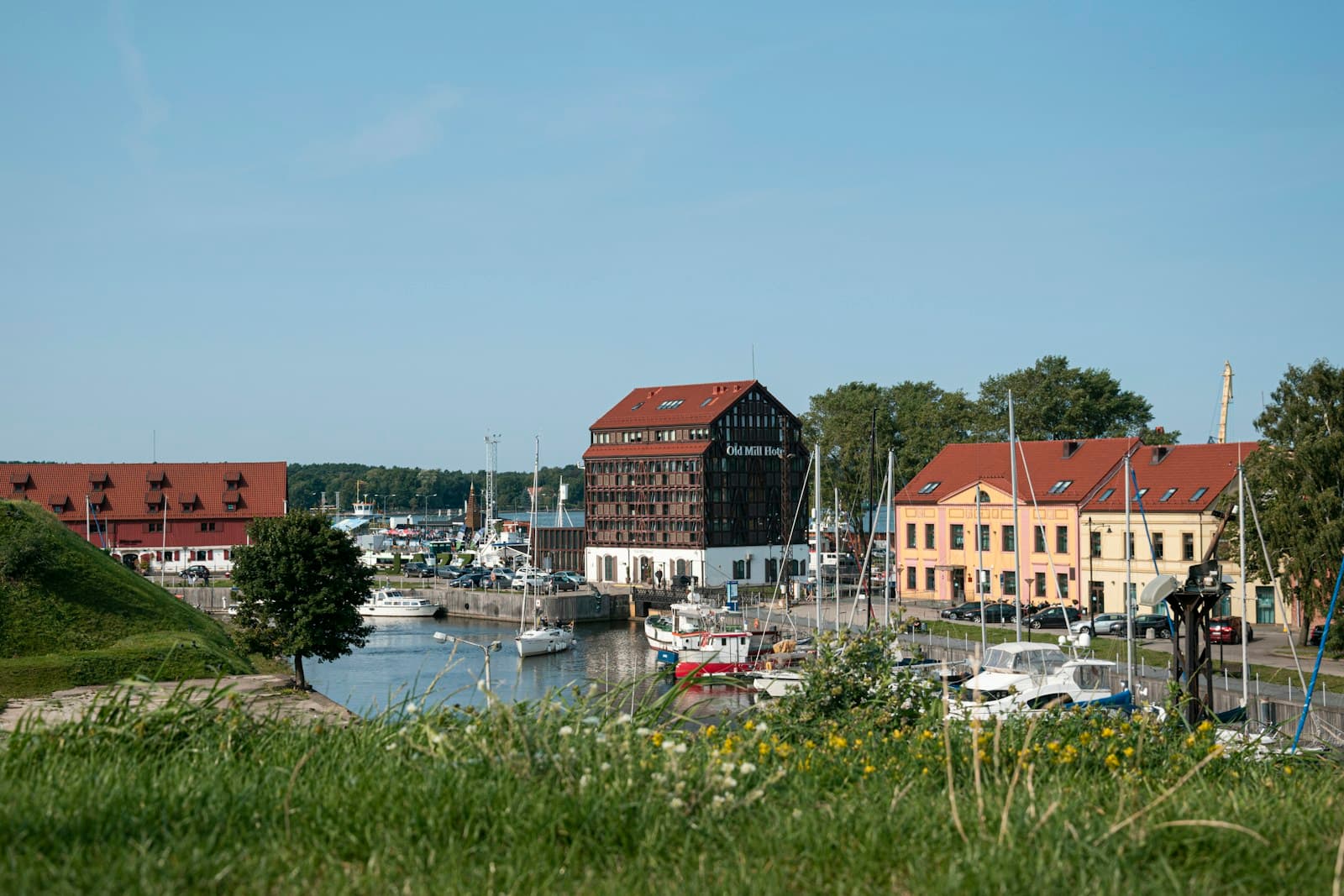
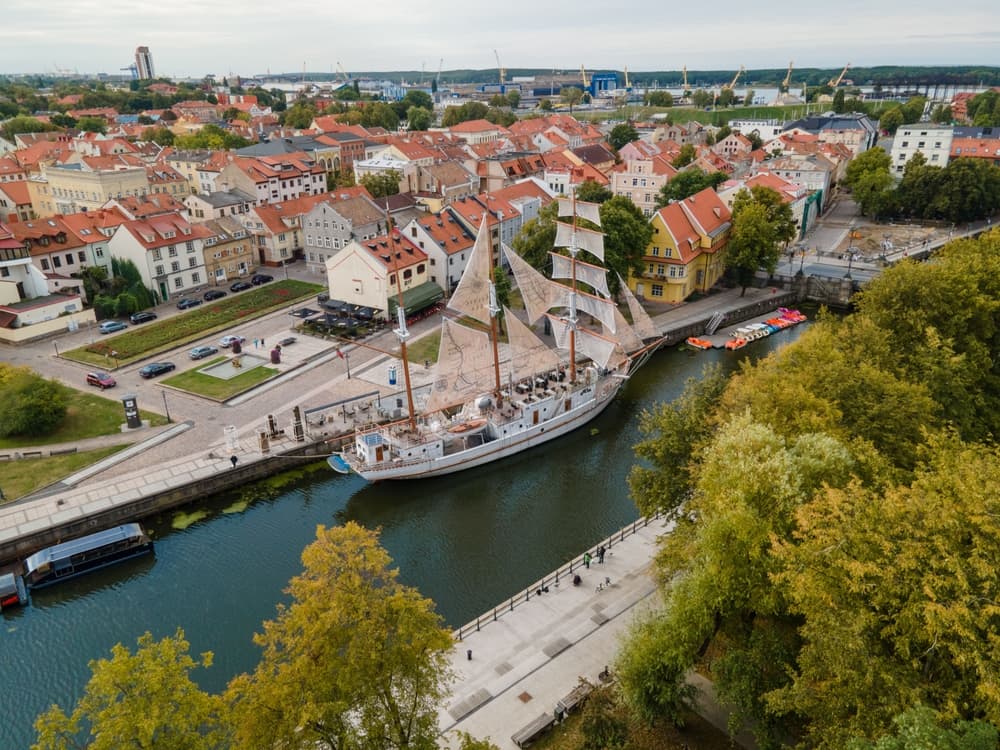
Lithuania's only seaport, with a half-timbered old town, ferries over to the Curonian Spit and Palanga's beaches a short drive up the coast. It suits people who want sea air and a smaller city. The catch is a cold, windy winter and a short beach season.

Šiauliai
Quiet northern city
Known as the City of the Sun, with a gilded Archer on a sundial obelisk by Talkša Lake and the Hill of Crosses about 12 km north. It suits someone with family ties who wants low costs and quiet streets. The catch is a tiny expat community, little English outside the center, and Vilnius about two and a half hours away.
06 · Your move team
The people who handle the hard parts
Lithuania's routes are narrower than most, so the details matter: which ancestor's papers count, whether your job qualifies for the shortage list, and how your U.S. taxes and health coverage fit around a new permit.
With standard permit processing at 45 to 90 days, a mistake that sends you back to the start can cost a season. These are the Expatsi-vetted people we'd call for each piece. Some handle citizenship and paperwork, others the money, the health insurance, the pets and the cultural side of settling in.


Hunter Schultz
Healthcare Coach
A healthcare coach who helps Americans understand how care works abroad and what coverage to carry, especially useful when your permit leaves you outside the public system.
Learn more
ExpatInsure
Global Health Insurance
Expatsi's global health insurance partner. They set up the international policy a residence permit application asks for.
Learn more
MyExpatTaxes
U.S. Expat Tax Service
A U.S. expat tax service that prepares and files American returns for people living abroad.
Learn more
Moneycorp
Currency Exchange
A currency exchange and international payments company. They move dollars into euros and set up the recurring transfers rent and bills need.
Learn more


07 · Quick answers
Moving to Lithuania: frequently asked questions
Does Lithuania allow dual citizenship with the U.S.?
Only in limited cases. People who reinstate citizenship because they or their ancestors left Lithuania before March 11, 1990 can keep U.S. citizenship. Foreigners who naturalize after more than 10 years of residence must hold no other citizenship or declare they will renounce it. A 2024 referendum to loosen the rule won 74.49% of votes cast but failed to reach the required share of all voters.
Can I retire in Lithuania as an American?
Not on retirement income alone. Lithuania doesn't issue residence permits based on pensions or Social Security. Retirees usually qualify only through another route: reinstating Lithuanian citizenship by descent, joining a family member who lives there, or running a business. Otherwise the limit is 90 days in any 180-day period.
Can I get Lithuanian citizenship through my grandparents?
Possibly. If your parent, grandparent or great-grandparent was a Lithuanian citizen at any time between February 16, 1918 and June 15, 1940, you may be able to reinstate citizenship. You must prove the ancestor held citizenship, not just that they lived there. If the ancestor left Lithuania before March 11, 1990, you can keep U.S. citizenship. Applications go through MIGRIS, with apostilled and translated documents.
Is Lithuania safe for Americans?
The U.S. State Department rates Lithuania Level 1, exercise normal precautions, as of April 2026, its lowest advisory level. The main issues it flags are pickpocketing in crowded areas and on public transportation, and financial and romance scams. Expatsi's data gives Lithuania a safety index of 75 out of 100.
What is the salary requirement for an EU Blue Card in Lithuania?
The salary must be at least 1.5 times Lithuania's average monthly salary for the previous year, currently about 3,617 euros a month, or 1.2 times (about 2,894 euros) for shortage professions. You also need a relevant degree or five years of relevant experience within the last seven, or three years for IT roles, and a contract of at least six months.
How much money do I need to live in Lithuania?
Expatsi's 2026 estimates put a comfortable month at about $1,650 for a single person, $2,700 for a couple and $4,300 for a family, with a one-bedroom city-center apartment averaging about $750. For a temporary residence permit, the government's minimum is monthly means equal to the 2026 minimum wage of 1,153 euros.
Does Lithuania have a digital nomad visa?
No. As of 2026, Lithuania has no official digital nomad visa, and its residence permit grounds don't include remote work for a foreign employer. Some consultants market the general national D visa as a nomad option, but it isn't designed for remote workers. Remote workers without a Lithuanian employer, business or family tie usually look at countries that run a nomad visa.
Can Americans move to Lithuania?
Yes, but you need a reason Lithuania recognizes. Americans can visit visa-free for up to 90 days in any 180-day period. To stay longer you need a temporary residence permit, issued for work (including the EU Blue Card), study, family reunification, business, or Lithuanian descent. Lithuania has no retirement visa and no digital nomad visa as of 2026.
Sources
- Temporary Residence Permit (grounds, 2026 means requirement, processing) · Migration Information Centre (checked September 2026)
- State fees for residence permits · Migration Department of Lithuania (checked September 2026)
- EU Blue Card (salary floor, fees, processing) · Migration Information Centre (checked September 2026)
- Family member in Lithuania · EU Immigration Portal (checked September 2026)
- Reinstatement of the Lithuanian Citizenship · Embassy of Lithuania to the United States (checked September 2026)
- Naturalization in Lithuania 2026 · migration.lt (checked September 2026)
- Permanent Residence Permit · Migration Information Centre (checked September 2026)
- Visa D · Migration Information Centre (checked September 2026)
- Health Insurance · Migration Information Centre (checked September 2026)
- Changes in Taxation of Personal Income as of 2026 · KPMG (checked September 2026)
- Lithuania to require foreign service workers to speak Lithuanian starting in 2026 · LRT (checked September 2026)
- Lithuania International Travel Information · U.S. Department of State (checked September 2026)
- The Entry/Exit System will become fully operational on 10 April 2026 · European Commission (checked September 2026)
- U.S. International Social Security Agreements · Social Security Administration (checked September 2026)
- What non-EU remote workers should know before picking Lithuania in 2026 · Remote Work Europe (checked September 2026)
- Lithuania, EF English Proficiency Index · EF Education First (checked September 2026)
See how Lithuania fits your life
Take the free Expatsi Test and compare Lithuania with other countries on what matters to you: cost, healthcare, climate and safety.
Why not you?