Guatemala guide for Americans
Moving to Guatemala: residency, real costs and the safety picture for Americans in 2026
Spring-like highland weather, a couple's budget near $2,350 a month, and a retiree residency that asks for $1,250 in monthly income. Here's what it takes, and where it gets hard.
Guatemala opened new residence routes for remote workers and the self-employed in October 2025. This guide covers every path, the risks nobody should gloss over, and the people who can help.

Reviewed and updated September 30, 2026 · 12 min read
01 · Life in the highlands
What draws Americans to Guatemala, and what gives them pause
Guatemala is for people who want mountains, color and a slower day, and who can live with more risk than they're used to. Here's both sides.
Start with the weather. The highlands, where most foreigners settle, stay mild all year. Antigua sits about 4,900 feet up, and its temperature usually runs between 53°F and 78°F, so you won't need air conditioning or a winter coat. The rainy season runs from mid-May to mid-November, and the rest of the year is mostly dry.
Your money goes a long way. Expatsi's 2026 estimate puts a couple's all-in budget at about $2,350 a month and a single person's at about $1,400, with a one-bedroom in a city center averaging around $700.
The residency rules suit people with outside income. A retiree with a U.S. pension or Social Security can qualify for permanent residence on $1,250 a month, and since October 2025 remote employees and the self-employed have routes of their own. On top of that, Guatemala doesn't tax pay for work done outside the country or investment income from abroad.
It's close to home, too. Guatemala stays on Central Standard Time all year, one to two hours behind Eastern by season, so your workday lines up with the U.S. Nonstop flights connect Guatemala City with Los Angeles (daily on Alaska Airlines) and New York JFK (JetBlue).
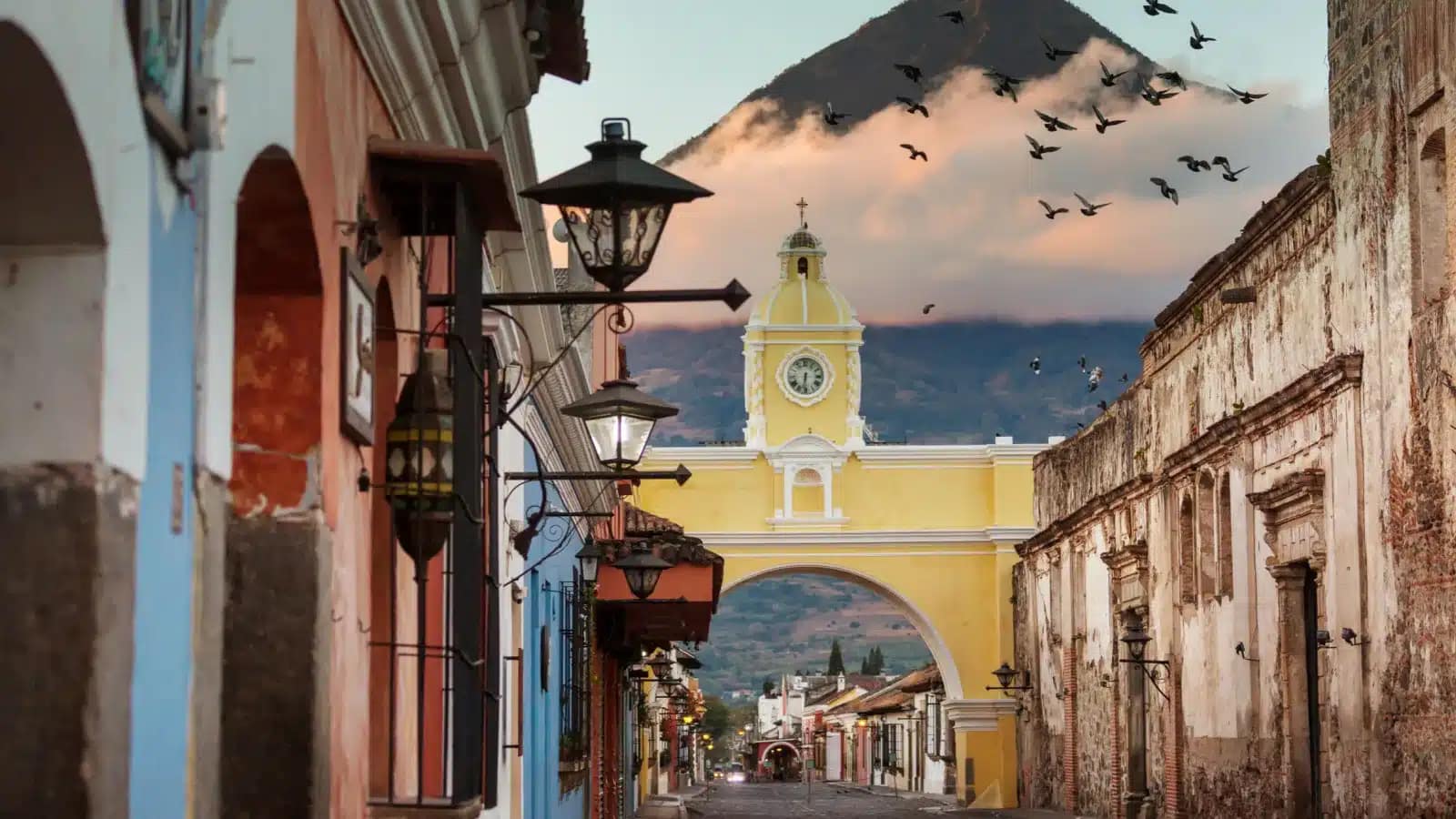
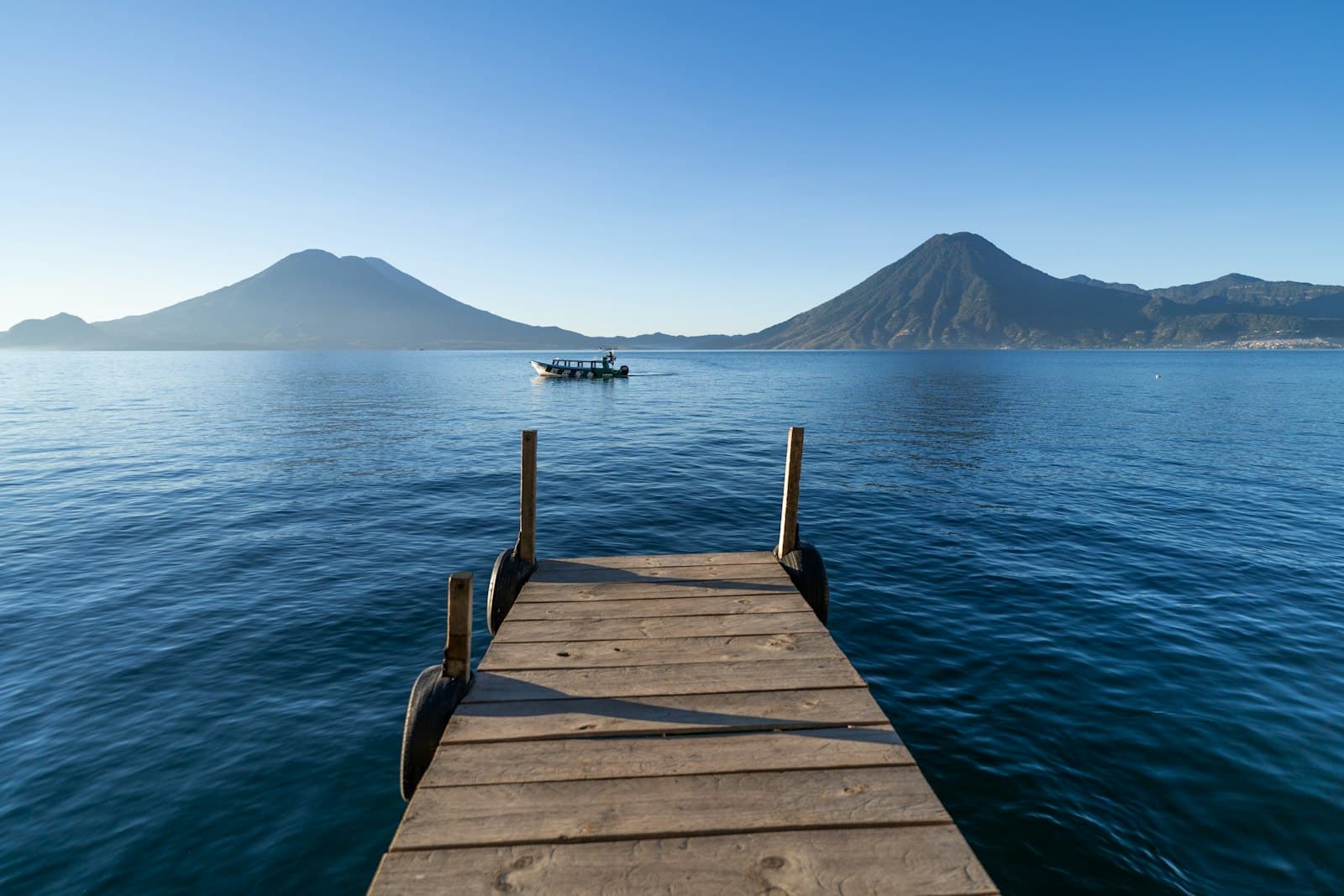
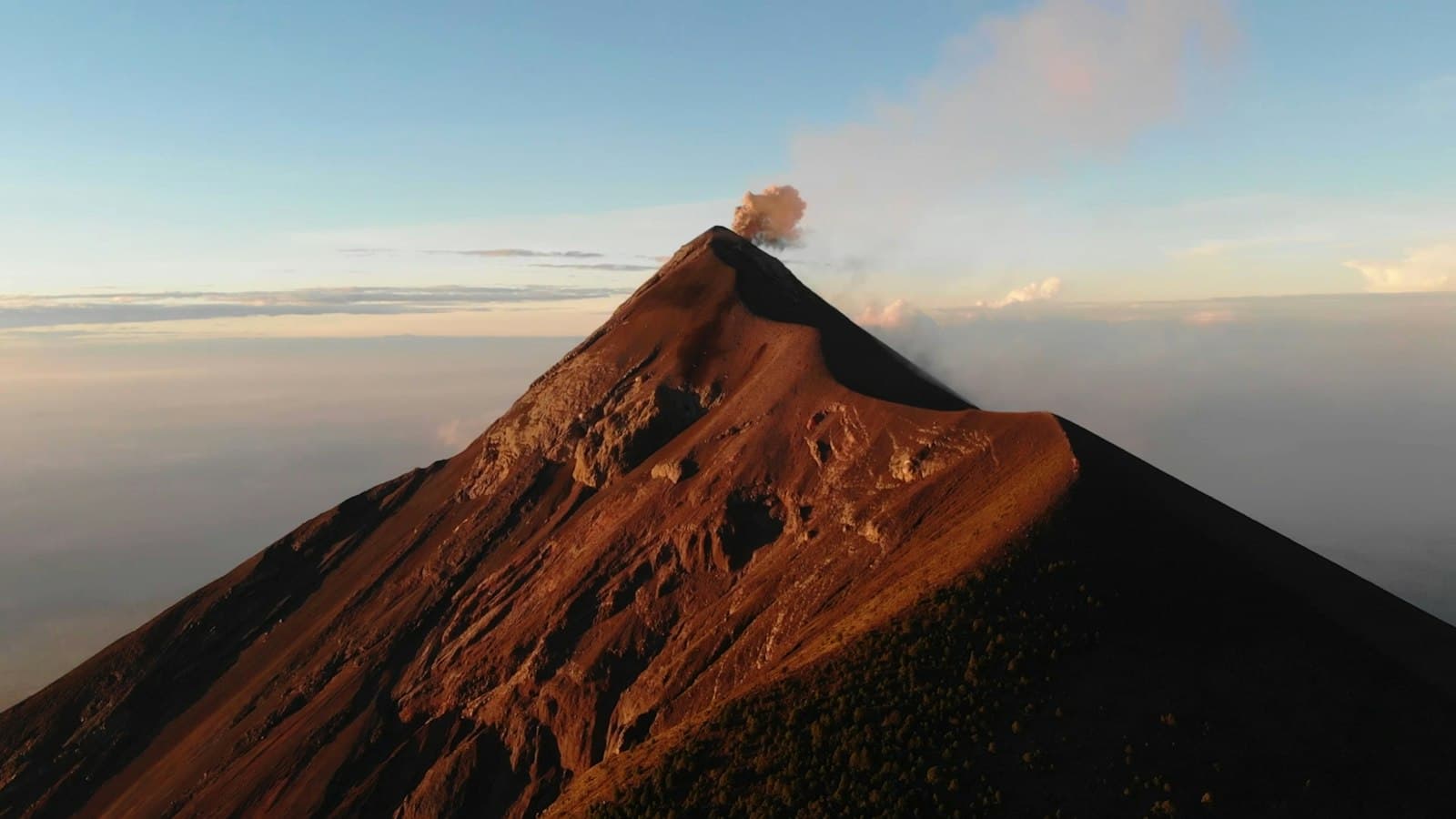
And the setting is hard to beat. Antigua's colonial streets have been a UNESCO World Heritage site since 1979, Lake Atitlán sits ringed by volcanoes, and on a clear morning you can watch one of the country's four active volcanoes send up a puff of smoke.
Here's the catch
Guatemala asks more of you than most places on our list, and some people should skip it.
Safety comes first. As of March 2026, the U.S. State Department rates Guatemala Level 3, Reconsider Travel, citing crime and terrorism. It tells Americans not to go at all to San Marcos and Huehuetenango departments, Zone 18 of Guatemala City, or the city of Villa Nueva. The homicide rate rose to 17.4 per 100,000 people in 2025, from 16.1 the year before. Americans who live here well pick neighborhoods with care and follow the same rules the U.S. Embassy gives its own staff: no white taxis and no chicken buses.
Second, this isn't a place to earn a local salary. The 2026 minimum wage for most jobs in Guatemala department is about Q4,002 a month, around $524. If you need a paycheck, bring it with you: a pension, a remote job, or clients abroad.
Third, daily life and paperwork run in Spanish. Our English proficiency score for Guatemala is 30 out of 100, and residency files are built on apostilles and certified translations.
Fourth, nature is part of the deal. The rainy season brings flash floods and landslides, and Antigua itself was largely destroyed by an earthquake in 1773.
Last, good care is private and urban. Outside the cities, public and rural facilities vary a lot, which matters if you're older or managing a condition.
If you can plan around all of that, the rest of this guide covers costs, residency, healthcare, taxes, where people live, and who can help.
- Cost of living (single)
- $1,400/mo
- Safety index
- 45/100
- English proficiency
- 30/100
- Internet speed
- 25 Mbps
- Currency
- Guatemalan Quetzal (GTQ)
- Capital
- Guatemala City
02 · Money
What life costs in Guatemala
$2,350
Monthly budget, couple
all in, 2026
$1,400
Monthly budget, single
all in, 2026
$700
Rent, 1-bed city center
$450 outside center
$6
Inexpensive meal out
2026 estimate
$13
Monthly local transit
2026 estimate
$50
Home internet, monthly
about 25 Mbps
$4,000
Monthly budget, family
all in, 2026
45/100
Safety index
Expatsi score
Where the money goes
All figures here are Expatsi's 2026 estimates in U.S. dollars. For reference, the quetzal traded at about Q7.64 to the dollar in September 2026.
Rent is the big variable. A one-bedroom averages about $700 in a city center and $450 further out, which is why the same couple can land well under or a bit over the $2,350 monthly figure depending on the neighborhood they choose. Families should plan on about $4,000 a month once school and a bigger home come in.
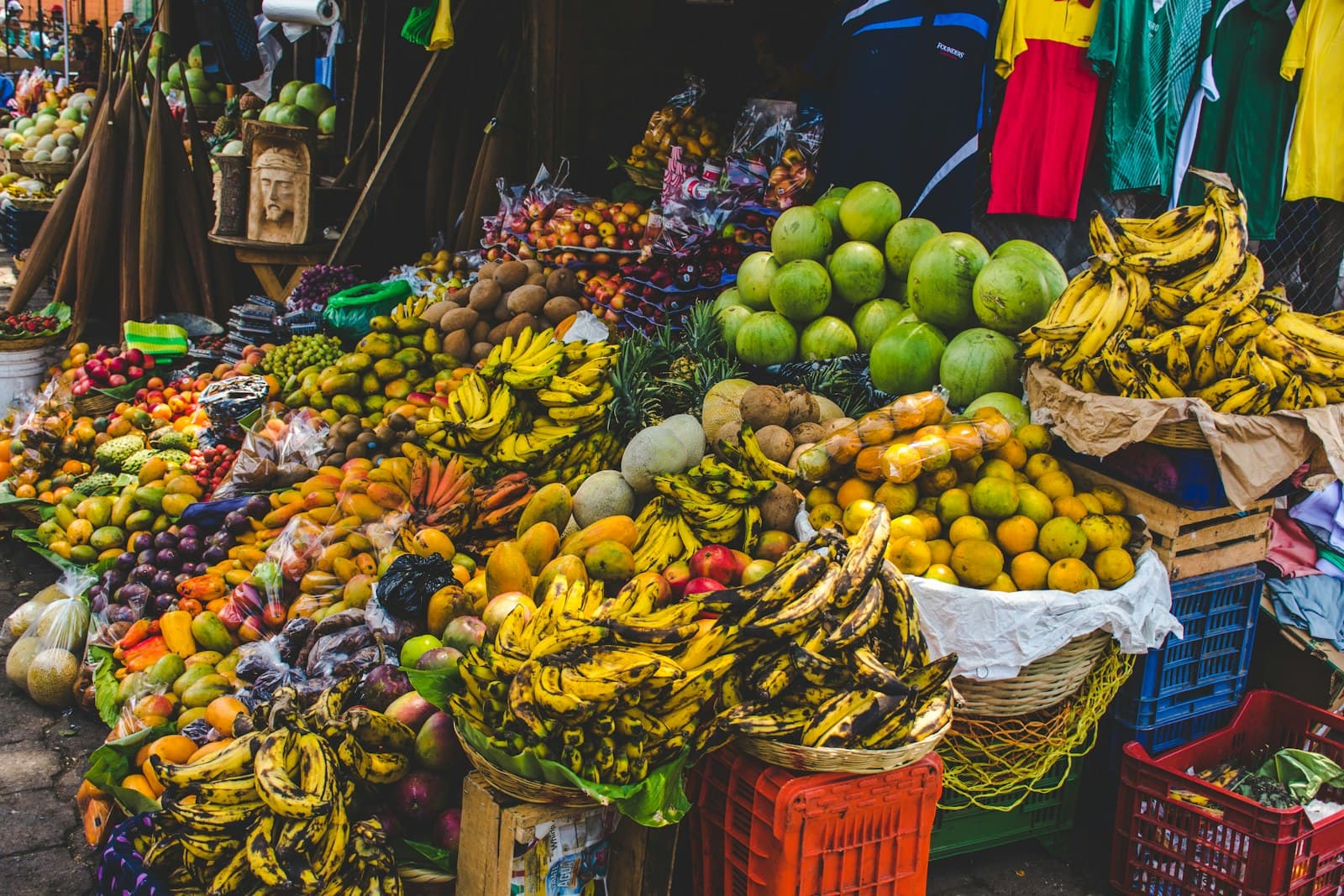
Day to day, Guatemala feels affordable. A simple meal out runs about $6, and markets like the one in Antigua are piled with fruit and vegetables. Local transit averages about $13 a month, though many foreigners spend more on private rides for safety reasons you'll read about below.
Remote workers, check the internet first. Home service averages about $50 a month, and our speed estimate is around 25 Mbps, so confirm fiber at the exact address before you sign a lease.
Two costs people forget. Health insurance is the first: basic expat plans start around $50 a month and cost more with pre-existing conditions. The second is the paperwork to get residency. Before any legal fees, expect apostilles at $10 to $50 per document, certified translations at $5 to $15 a page, and an $18 FBI background check.
How the budget and the retiree residency fit together
Guatemala asks retirees to show $1,250 a month, plus $300 for each dependent, so $1,550 for a couple. That's about Q9,550 for one person, more than twice the minimum wage in Guatemala department, yet well under what our budget says a couple spends. In short, most American retirees who can afford to live here can also qualify to stay. The routes are next.
03 · Residency routes
Four ways to stay in Guatemala, sorted by where your money comes from
Guatemala rewrote its residency rules in 2025. The new regulation, Acuerdo IGM-016-2025, grants temporary residence for one to five years, lets temporary residents apply for permanent residence after five years, and added two routes on October 8, 2025, for people whose work isn't tied to a Guatemalan employer.
You can start as a visitor. Americans don't need a visa for up to 90 days and can ask Guatemala's immigration institute (IGM) for one extension of the same length, for a $25 fee paid in quetzales at its office in Zone 4 of Guatemala City. Overstay, and you'll be fined and given five days to leave. Working online for a U.S. employer on a tourist entry isn't addressed by any Guatemalan rule, and the Migration Code fines unauthorized commercial activity Q5,000, so treat it as a gray area rather than a permission.
Retiring on a pension or passive income
The pensionado and rentista category is the main route for American retirees, and it's a permanent residence. You'll show at least $1,250 a month in lawful, verifiable income from outside Guatemala, plus $300 a month for each dependent. A pension, Social Security, or steady investment income can count. The trade-off is that you can't do paid work in Guatemala on this status, and you'll re-prove your income every five years. An applicant guide puts the IGM fee at $400 and says complete files are usually decided in about 30 business days. Most delays happen before you file: apostilles stamped on photocopies instead of originals, vague pension letters, and FBI checks older than 12 months are the usual problems.
Working remotely for a company abroad
Since October 2025, people employed by a company outside Guatemala can get temporary residence without a Guatemalan guarantor or a Labor Ministry work permit. You'll need bank statements showing at least $2,000 a month from abroad over the previous year, or $3,000 if your family comes too. People working for NGOs or international organizations are exempt from the income paperwork. It's new and small so far: by September 2026, 8 of the 13 applications filed had been approved.
Freelancing or running your own business
The other 2025 addition covers the self-employed. Instead of an income floor, you'll need a Guatemalan business license (patente de comercio) or an individual merchant registration, plus registration with SAT, the tax agency. It's been the busier of the two new routes, with 54 approvals by September 2026 out of 125 applications across both. Only seven of those applicants were American, so you'd be early.
Hired by a Guatemalan employer
Classic temporary residence as a worker still exists for people hired by a company in Guatemala. With local wages where they are, it mostly fits people transferred by an international company.
Other routes, and the rules that apply to all of them
Investors can get temporary residence by putting $100,000 into a Guatemalan business or property. Any temporary resident can apply for permanent residence after five years. And whatever status you hold, don't leave Guatemala for more than a year without IGM's authorization, or your residence can be canceled.
Citizenship is a longer road. The nationality law asks for five years of residence, with no absence over six months in a row or a year in total, plus a Spanish and civics exam, and its naturalization oath asks you to renounce your nationality of origin. For most Americans, residency is the goal, not a second passport.
Permanent Residence Visa
The main route for American retirees
Permanent residence for people living on income from outside Guatemala, as pensionados or rentistas. No paid work in the country.
- Several years of continuous legal stay in Guatemala
- Clean criminal record
- Proof of stable income or employment
Work Visa with Foreign Employer
New since October 2025
Temporary residence for employees of companies outside Guatemala, with no local guarantor or work permit needed.
- Valid passport
- Certified birth certificate
- Police clearance certificate
Self-Employed Residence Visa
For the self-employed
Temporary residence tied to a Guatemalan business license and tax registration rather than an income floor.
- Valid passport
- Certified birth certificate
- Police clearance certificate
Temporary Residence Visa
Needs a local sponsor
Temporary residence as a worker for a company in Guatemala. Local wages are low, so it suits transfers more than job hunters.
- Valid passport
- Certified birth certificate
- Police clearance certificate
04 · Health, taxes, banks and safety
The practical side of living in Guatemala
Here's how the everyday systems work once you're on the ground.
Healthcare
Good care in Guatemala is private and urban. Private hospitals and clinics in the cities provide good care, while public and rural facilities vary widely, and the public system is short of staff, equipment and medicines. In practice, expats pay for private care and carry insurance. Basic expat plans start around $50 a month and cost more with pre-existing conditions. If you settle at the lake or in a small town, plan on driving to the capital for anything serious. Healthcare coach Hunter Schultz, one of our partners, can build your care plan before you pick a town, and ExpatInsure can quote the coverage.
Taxes
The good news is that Guatemala taxes income from Guatemalan sources, not your worldwide income. Pay for work done outside the country and investment income from abroad aren't taxed there. Local income is another matter: employment income is taxed at 5% up to Q300,000 a year and 7% above that, and Guatemalan capital gains at a flat 10%. The U.S. still taxes you as a citizen wherever you live, and you'll file an FBAR once your foreign accounts top $10,000 at any point in the year. MyExpatTaxes, our tax partner, files U.S. returns for Americans abroad.
Banking
You can open an account on a tourist passport, but not at every bank. Banco Industrial branches in Zones 10 and 14 of Guatemala City are the realistic option without residency, and BAC takes passports if you bring a reference letter from your U.S. bank. Expect to show a utility bill in your name, which is tricky before you've signed a lease. Many people keep their U.S. accounts for pensions and use a transfer service like Moneycorp, one of our partners, to move dollars into quetzales.
Safety and getting around
Choose where you live by zone and by street, and stay out of the Do Not Travel areas the State Department names. Skip the chicken buses, the recycled school buses that Canada's government calls mechanically unreliable and unsafe, and skip white taxis too.
Buying property
Foreigners can buy real estate, with two limits in the Constitution. Only Guatemalans by birth can own land within 15 kilometers (about 9 miles) of a border, and the state keeps the land within 200 meters (about 650 feet) of lakeshores and 3 kilometers (about 1.9 miles) of the oceans. That second rule matters at Lake Atitlán, so have a lawyer check any lakefront deal.
Dated on purpose: September 2026
Guatemala's residency regulation changed in 2025, the remote-worker and self-employed routes are less than a year old, and the U.S. travel advisory was updated in March 2026. Everything here reflects what we could verify as of September 2026. Before you file anything, confirm the current rules with a licensed professional in Guatemala.
05 · Where people settle
Picking your base in Guatemala
Where you live in Guatemala shapes your costs, your safety and your social life more than in most countries, so it's worth a scouting trip before you commit.
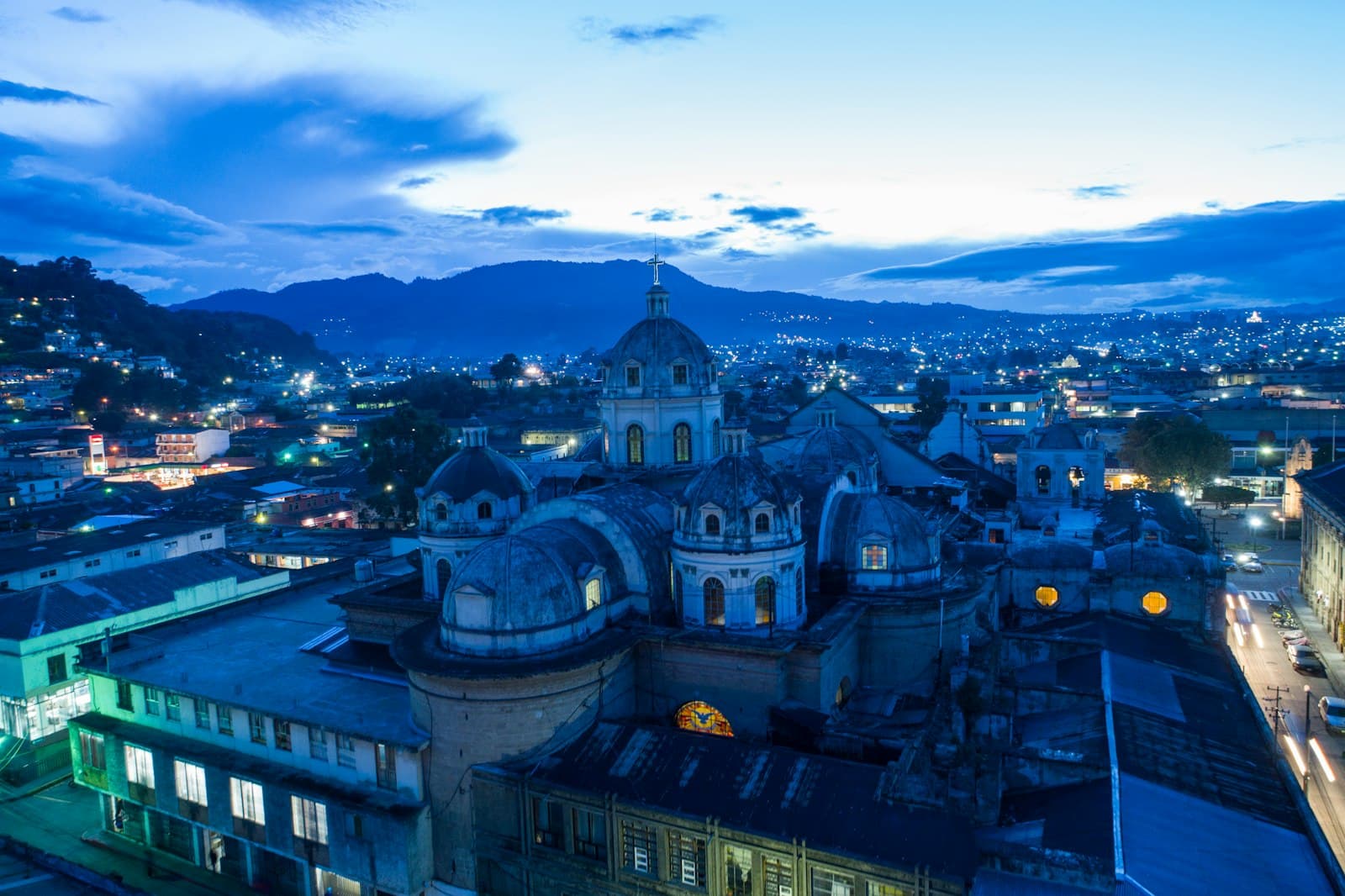
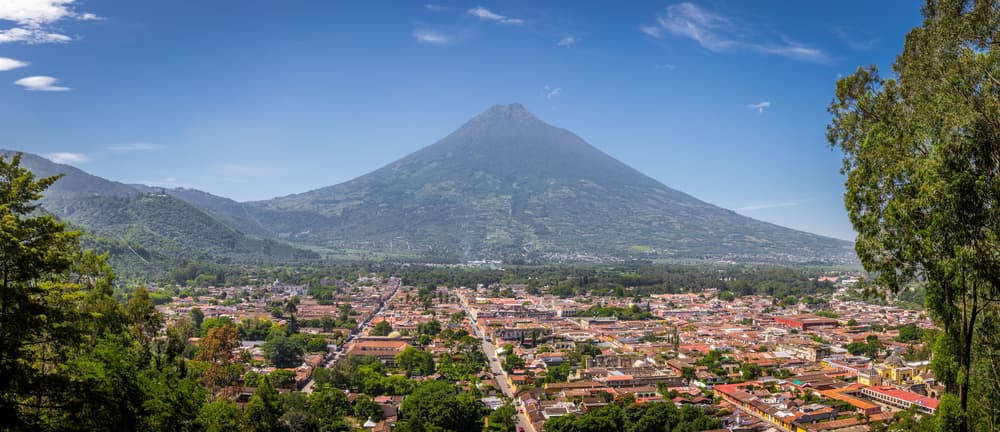
Antigua is the colonial town with cobblestone streets, a lively expat community, and the mild climate that comes with 4,900 feet of altitude. Panajachel and the other villages around Lake Atitlán draw expats and digital nomads with the views and a relaxed pace, in exchange for longer drives to hospitals and the airport. Guatemala City is the country's hub for business and international flights and has the best private hospitals, and choosing your zone there is part of staying safe. Quetzaltenango, known as Xela, is a cooler highland city with a strong Indigenous presence and a long reputation for Spanish schools.
City guides for Guatemala will appear below as they're published.
Guatemala city guides
Antigua Guatemala
Colonial cobblestones
A UNESCO colonial city ringed by volcanoes, with cobblestone streets, ruined churches, Spanish schools and a long-established expat crowd. The weather is mild year-round. It's popular with visitors, so tour groups, noise and earthquake awareness come with it.
Guatemala City
Big city, big hospitals
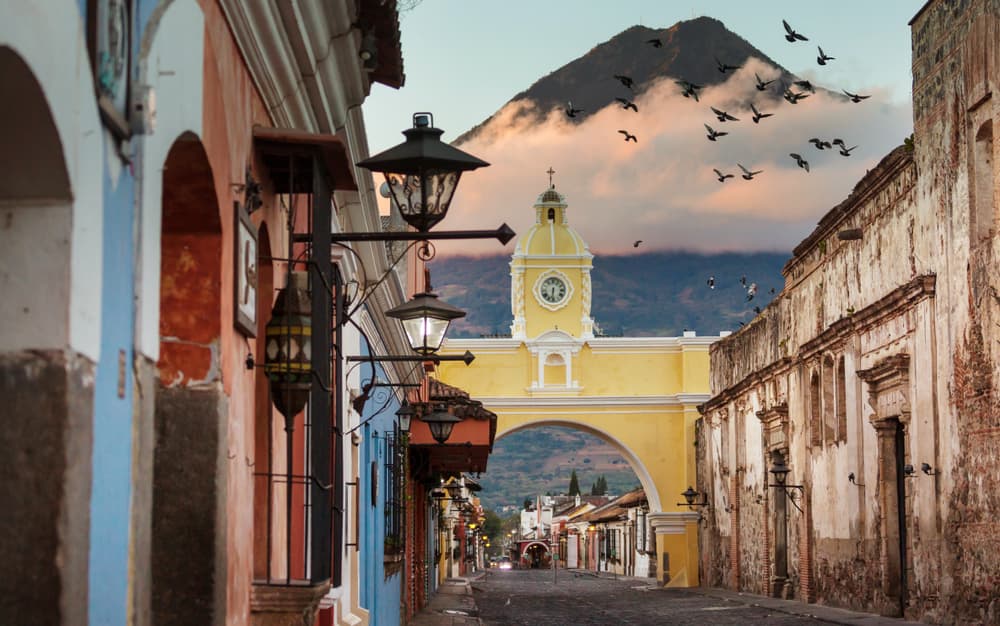
The sprawling capital has the country's best hospitals, international schools and the main airport, concentrated in Zonas 10, 14 and 15. The weather is mild at about 1,500 meters. Traffic is punishing, and most expats live in guarded buildings and avoid walking at night.
Panajachel
Lake Atitlan gateway
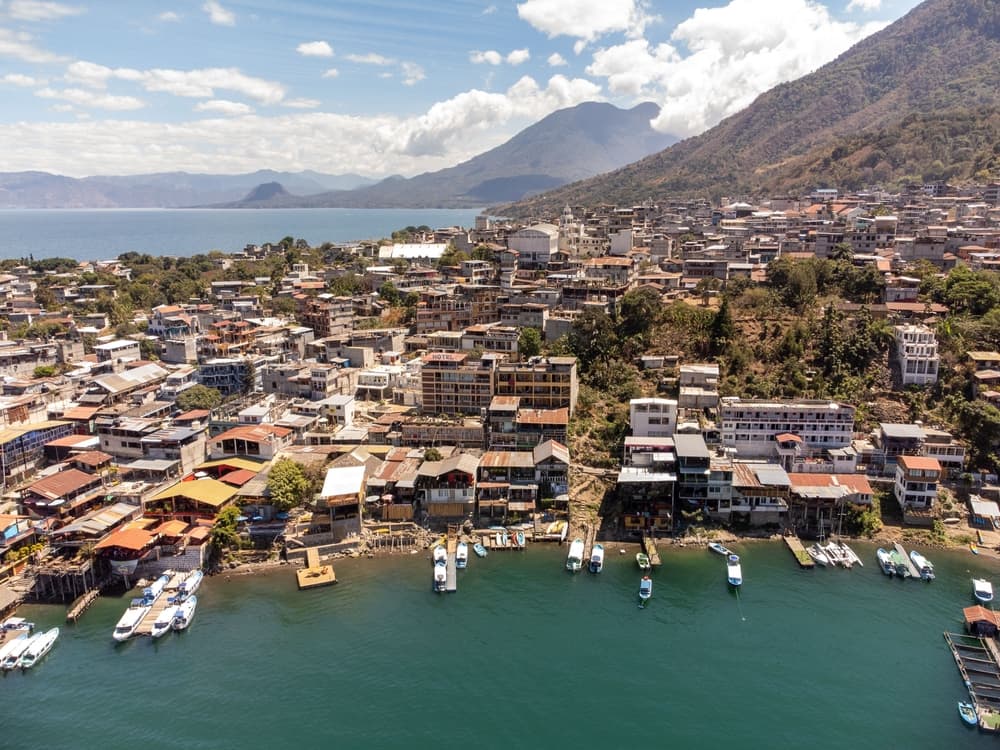
The main town on Lake Atitlan, with volcano views, boat taxis to the villages around the lake and a mix of backpackers, artists and long-term foreigners. Mornings are clear and afternoons are often windy. Healthcare is limited and the road in is steep.
Quetzaltenango
Highland university city
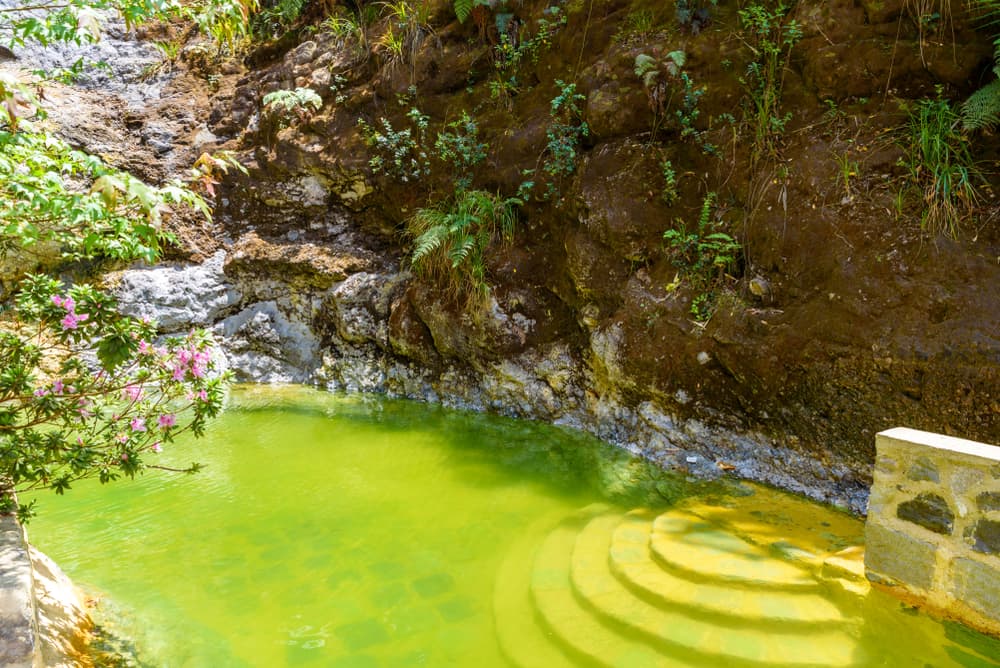
Known as Xela, Guatemala's second city in the western highlands, with Spanish schools, a student crowd, hot springs nearby and a far more Guatemalan feel than Antigua. At about 2,300 meters the nights are cold, and expat amenities are few.
06 · Your move team
The people who help you land
For the residency filing itself, you'll want a Guatemalan lawyer who files with IGM regularly. For everything around it, these are the Expatsi-vetted people we trust: healthcare and insurance, U.S. taxes, moving your money, bringing your pets, learning Spanish, and adjusting to a new culture.
A note on pets: dogs and cats need a rabies shot at least a month before travel and the specific U.S.-to-Guatemala export health certificate, which is exactly the kind of detail a pet travel planner catches.

Hunter Schultz
Healthcare Coach
A healthcare coach with more than 20 years of living abroad and a background in air medical transport. His one-hour consultation turns your health needs into a care plan for your new country.
Learn more
ExpatInsure
Global Health Insurance
Expatsi's international health insurance partner, led by Andy Seale and Stephanie Edwards. Their team matches you with a private plan that fits your age, health and budget.
Learn more
MyExpatTaxes
U.S. Expat Tax Service
Tax software and support built for Americans overseas, filing U.S. expat returns since 2018, including the foreign-income forms most movers need.
Learn more
Moneycorp
Currency Exchange
A currency and international payments specialist since 1979, with U.S. clients looked after by Kelly Cutchin. They can lock in a rate and set up the regular transfers your rent and bills need.
Learn more
Bodzin Pet Travel Solutions
Pet Relocation
A pet travel advisory and concierge service founded by Aliza Bodzin in Pennsylvania's Lehigh Valley. They plan the vet paperwork, timing and flights for your dog or cat.
Learn more
Miss Rosa Spanish Lessons
Spanish Language Teacher
Online Spanish lessons with Agustina, who has lived and taught in Argentina, Mexico and Brazil. Her structured, friendly classes build the everyday Spanish that Guatemala runs on.
Learn more
Culturosity Co.
Cultural Skills Coach
Co-founders Jennifer and Janka coach individuals and groups on settling into a new culture, using certified intercultural assessment tools and research-backed frameworks.
Learn more07 · Common questions
Moving to Guatemala: frequently asked questions
Can foreigners buy property in Guatemala?
Yes, with limits. Only Guatemalans by birth can own land within 15 kilometers (about 9 miles) of a border, and the state keeps the land within 200 meters (about 650 feet) of lakeshores and 3 kilometers of the oceans. Have a lawyer check the title and location, especially near Lake Atitlán.
How much income do I need to retire in Guatemala?
Guatemala's pensionado and rentista residency asks for at least $1,250 a month in lawful income from outside the country, plus $300 a month for each dependent, as of 2026. That's $1,550 for a couple. Pensions and Social Security can count, but you can't do paid work in Guatemala on this status.
Do Americans need a visa to visit or scout Guatemala?
No. U.S. citizens can stay up to 90 days without a visa and can ask Guatemala's immigration institute (IGM) for one extension of the same length, for a $25 fee as of 2026. Overstaying brings a fine and five days to leave. Living there longer means applying for residency.
Does Guatemala tax my Social Security or other U.S. income?
Generally no. Guatemala taxes income from Guatemalan sources, and pay for work done abroad and investment income from outside the country aren't taxed there. The U.S. still taxes its citizens abroad, and Americans must file an FBAR if their foreign accounts total more than $10,000 at any point in a year.
Can I live in Guatemala while working remotely for a U.S. company?
Yes. Since October 2025, Guatemala has offered temporary residence to people employed by a company abroad. You need bank statements showing at least $2,000 a month over the previous year, or $3,000 with dependents, and no Guatemalan guarantor or local work permit is required.
Can I become a Guatemalan citizen and keep my U.S. passport?
Probably not through naturalization. Guatemala's nationality law requires five years of residence and a Spanish and civics exam, and its naturalization oath asks applicants to renounce their nationality of origin. Most Americans treat permanent residency, not citizenship, as the goal. Confirm current practice with a Guatemalan lawyer.
Is Guatemala safe for Americans?
It takes care and planning. As of March 2026 the U.S. State Department rates Guatemala Level 3, Reconsider Travel, and says not to go to San Marcos, Huehuetenango, Zone 18 of Guatemala City or Villa Nueva. Americans who settle there choose neighborhoods carefully and avoid chicken buses and white taxis.
How much does it cost to live in Guatemala?
Expatsi's 2026 estimates put a couple's all-in budget at about $2,350 a month, a single person's at about $1,400 and a family's at about $4,000. A one-bedroom apartment averages about $700 in a city center and $450 outside it. Private health insurance and residency paperwork come on top.
Sources
- Acuerdo IGM-016-2025, Reglamento de Residencias Guatemaltecas · Instituto Guatemalteco de Migración (checked September 2026)
- Novedades en el nuevo Reglamento de Residencias Guatemaltecas · Arias (checked September 2026)
- Nuevas reglas migratorias suman 125 solicitudes de residencia · Prensa Libre (checked September 2026)
- Guatemala Travel Advisory · U.S. Department of State (checked September 2026)
- Travel advice and advisories for Guatemala · Government of Canada (checked September 2026)
- InSight Crime's 2025 Homicide Round-Up · InSight Crime (checked September 2026)
- Guatemala: taxes on personal income and income determination · PwC Worldwide Tax Summaries (checked September 2026)
- Ley de Nacionalidad, Decreto 1613 · UNHCR legal database (checked September 2026)
- Constitución de Guatemala, Articles 122 and 123 · Justia Guatemala (checked September 2026)
- Guatemala residency: costs, fees and common mistakes · Atitlán Vida (checked September 2026)
- Report of Foreign Bank and Financial Accounts (FBAR) · IRS (checked September 2026)
- Cost of living and country data for Guatemala · Expatsi (checked September 2026)
See if Guatemala fits your life
Take the free Expatsi Test and compare Guatemala with other countries on what matters to you: cost, healthcare, climate and safety.
Why not you?