Quetzaltenango: Guatemala's highland student city, lived in Spanish
Cost of living, safety and retiring in Xela, a cool, rainy-summer university town in the western highlands where language schools set the pace.
- 207,620
- Population (2023)
- $1,200/mo
- Monthly budget · single
- 59°F / 15°C
- Avg temperature
Plan on about $1,200 a month for one person in Quetzaltenango, with most single budgets in our 2026 data landing between $1,000 and $1,400. A couple runs about $1,800 and a family of four about $2,600. A one-bedroom in the center rents for around $450, or about $350 farther out.
Everyone calls it Xela. It's Guatemala's second city, a university and Spanish-school town where daily life happens in Spanish and most foreigners are students passing through. It suits people who want to learn the language properly, live on a modest budget and don't mind sweaters in the evening.
It's a harder fit if you want an English-speaking retiree scene, a quick trip to the airport or a warm house. The capital is about 4 hours away by road, and few homes here have heating.

Reviewed and updated October 9, 2026 · 4 min read
At a glance
$1,200
Monthly budget · single person
$450/mo 1-bed rent, center
48/100
Safety index
$30
Internet / month
59°Fannual average
Jan 58° · May 60°
Climate
207,620
Population (2023)
Expatsi estimates, updated Oct 2026, based on rental listings, government statistics, and local reporting.
Cost of living
What it costs to live in Quetzaltenango
Single person
$1,000–$1,400/mo
about 60% below Austin, TX
Couple
$1,500–$2,100/mo
about 60% below Austin, TX
Family of four
$2,000–$3,200/mo
about 65% below Austin, TX
Compared with Austin, TX (Expatsi estimate, 2026).
- $5 −75%
- Inexpensive meal
- $350–$550/mo −77%
- 1-bed rent, center
- $300–$400/mo −74%
- 1-bed rent, outside
- $30/mo −54%
- Internet
- $93/sq ft −86%
- Buy price, center
Expatsi estimates, updated Oct 2026, based on rental listings, government statistics, and local reporting.
Daily life
How Quetzaltenango lives
- B- grade, 36th percentile among the cities we track
- Dining & caféstypical
- B- grade, 29th percentile among the cities we track
- Arts & culturetypical
- C+ grade, 16th percentile among the cities we track
- Parks & outdoorsmodest
- B grade, 52nd percentile among the cities we track
- Schools & educationtypical
- B+ grade, 65th percentile among the cities we track
- Healthcare accessstrong
- C+ grade, 24th percentile among the cities we track
- Bike infrastructuremodest
- C grade, 15th percentile among the cities we track
- Public transitmodest
Graded on OpenStreetMap amenity density relative to the 298 cities we track. Accessibility is the exception: it's graded against a fixed standard (terrain steepness and sidewalk surfaces), not a curve.
Climate
Weather through the year
Annual average 59°F (15°C) · 118 in of rain a year · Source: Open-Meteo Historical Weather API (temps: ERA5-Land 0.1°; precip/sunshine: ERA5 best-match; 1991-2020 normals)
On the ground
Scenes from Quetzaltenango
Getting around
Transport in Quetzaltenango
Most of daily life happens on foot in Zona 1, the historic center around Parque Centro América, where the banks, language schools and cafés sit within a few blocks of each other. City buses cover the rest of town for a few quetzales, and taxis and tuk-tuks are easy to find. Agree on the tuk-tuk fare before you get in. Hills and congested streets make cycling a poor bet.
You don't need a car if you live centrally, though outlying residential zones are easier with one. Guatemala's roads are their own hazard: the State Department warns that drivers often ignore traffic laws and that secondary roads are often unlit, so plan intercity trips for daylight.
Guatemala City and its international airport are about 4 hours away by road. Express buses from Líneas Dorada and Transportes Galgos make the run in 4 to 5 hours, and travel agencies near the central park book shared and private shuttles. The brightly painted "chicken buses" are the budget option between towns, but the State Department flags crime and accidents on them.
- 1.6/sq mi
- Transit stops
- 0.3/sq mi
- Bike infrastructure
- 0.4/sq mi
- Wheelchair-accessible places
Mapped features per square mile from OpenStreetMap.
Keep exploring
Places like Quetzaltenango
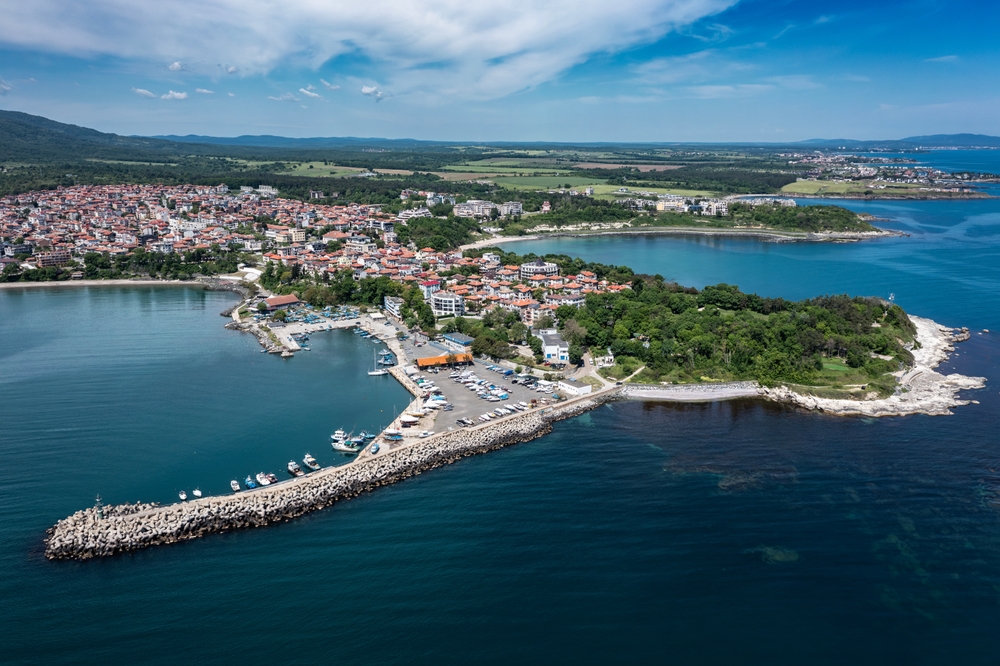
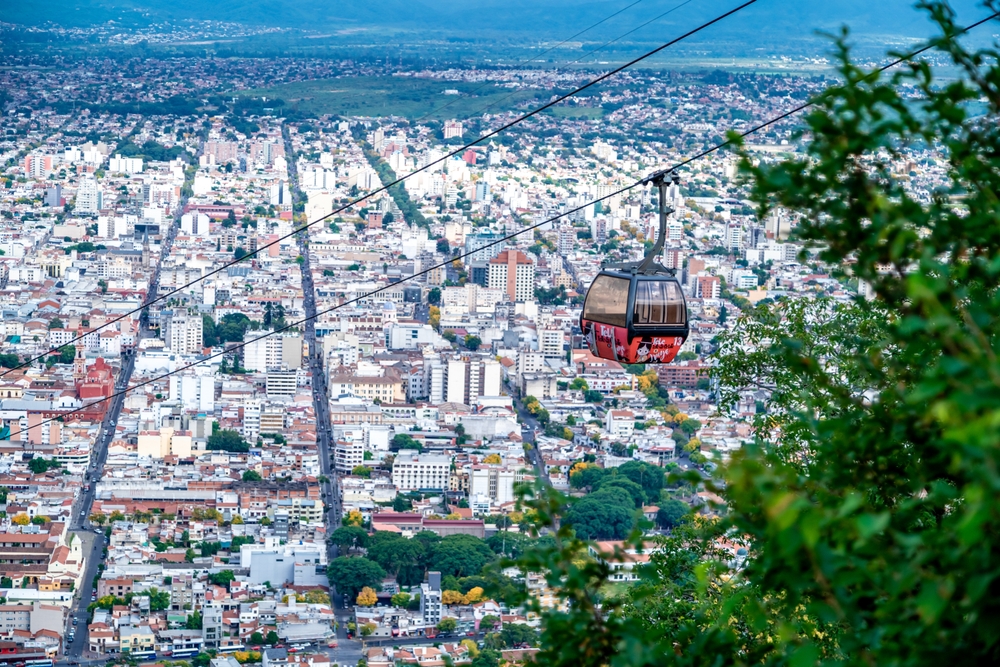
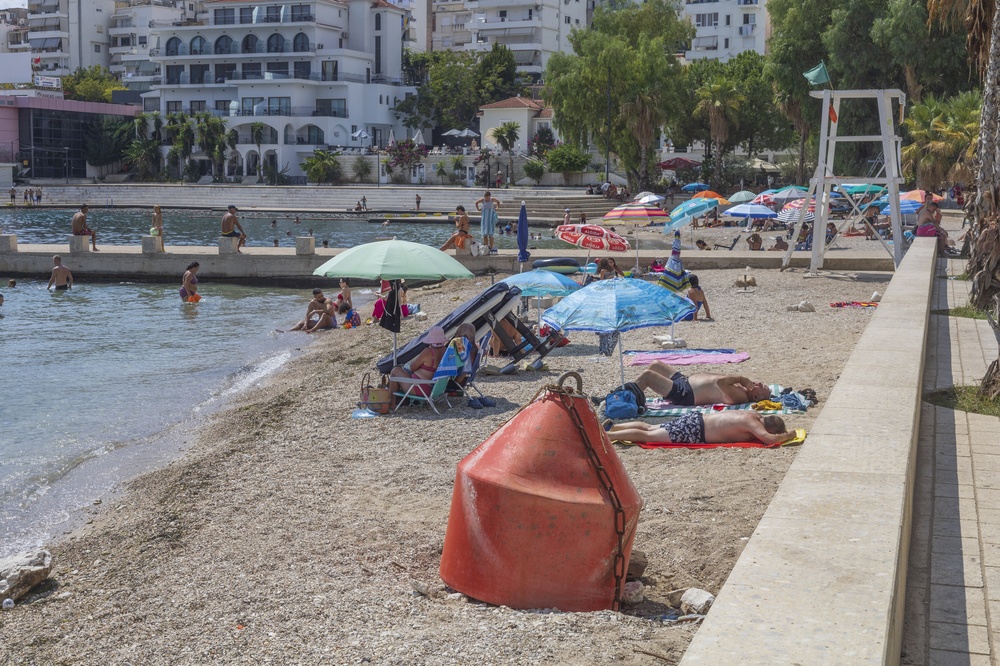
Community & practical notes
Settling into Xela: people, care and the cold
Who's here: The foreign community is small and always turning over. Most of it is Spanish students staying a few weeks, many in their 20s, plus a thin layer of long-term residents who came for lower costs than Antigua. The city isn't set up around tourists, so expect little English on signs, in shops or from your landlord. Enrolling in a language school is the fastest way in; that's where most newcomers meet their first friends.
Healthcare: Hospital Privado Quetzaltenango is the main private hospital, with a 24-hour emergency room, and Hospital La Democracia is another private option. The public Hospital Regional de Occidente serves the region, with longer waits. For complex specialist care, plan on the trip to Guatemala City. Hospitals often want payment upfront, even if your insurance reimburses later; carry coverage that includes medical evacuation. Healthcare coach Hunter Schultz, one of our partners, can work out a care plan with you. ExpatInsure can quote the coverage.
Working remotely: Home internet runs about $30 a month in our data. Xelacoworking in Zona 1 sells day passes, and the university libraries have study space with Wi-Fi. Power cuts happen more often here than in Antigua or the capital, so a battery backup and a mobile hotspot definitely earn their keep.
The cold: Average lows sit in the low to mid 50s F all year, and houses generally aren't heated. Budget for a space heater and heavy bedding, and favor an apartment that gets afternoon sun.
Limited mobility: This is a tough city on a wheelchair or walker. Streets are hilly, sidewalks are narrow and uneven, and the State Department says to expect limited accessibility on public transportation and in general infrastructure. Taxis are the practical way around, so walk the route from any rental before you sign.
LGBTQ expats: Same-sex relationships are legal in Guatemala, but anti-discrimination laws don't cover sexual orientation, and the State Department notes that gay and lesbian travelers often face social discrimination. Many people keep a lower public profile here than they would at home and build their circle through the student and expat crowd first.
Black Americans: We couldn't find reporting on Black Americans' experience in Xela specifically, and with so few long-term foreigners you're likely to stand out. Before you commit, talk with Black expats already living in Guatemala about daily life, and spend a few weeks here on a trial stay.
Retiring here: Xela works for retirees who want to live in Spanish on a modest budget and can live with cold mornings and a long ride to specialist care. If you'd rather have an established English-speaking circle, look at Antigua or Panajachel. Our retirement visa guide compares the residency routes, and our Guatemala moving guide covers residency, taxes and safety in full.
Housing
Renting and buying
- 1-bed rent (center)
- $350–$550/mo
- 1-bed rent (outside center)
- $300–$400/mo
- Buy price (center)
- $93/sq ft
- Buy price (outside center)
- $70/sq ft
Expatsi estimates, based on rental listings, government statistics, and local reporting.
Good to know
Frequently asked questions
Where do expats live in Quetzaltenango?
Most foreigners live in or near Zona 1, the historic center, which is walkable end to end and close to the language schools, banks and cafés. Zona 3 is mainly residential, and outlying zones such as Zona 9 work better if you have a car.
How much does it cost to live in Quetzaltenango, Guatemala?
Expatsi's 2026 estimate is about $1,200 a month for one person in Quetzaltenango, with most single budgets between $1,000 and $1,400. A couple spends about $1,800 and a family of four about $2,600. A one-bedroom apartment in the city center rents for around $450 a month.
How far is Quetzaltenango from Guatemala City?
About 4 hours by road. Express buses from Líneas Dorada and Transportes Galgos take 4 to 5 hours, and shared or private shuttles can be booked through agencies in Quetzaltenango's center. Guatemala City is also where the nearest major international airport is.
What is the weather like in Quetzaltenango?
Quetzaltenango is cool all year. Average monthly highs run from about 64F to 68F and average lows from about 52F to 56F. The rainy season runs roughly May through October, and November through April is mostly dry.
Is Quetzaltenango safe for Americans?
Quetzaltenango falls under the U.S. State Department's nationwide Level 3 "Reconsider travel" advisory for Guatemala, and its department isn't on the "Do not travel" list, which names San Marcos, Huehuetenango, Zone 18 of Guatemala City and Villa Nueva. Armed robbery is a risk after dark in Guatemalan cities, so take taxis at night and do intercity travel in daylight.
Is Quetzaltenango good for digital nomads?
It can be, on a budget. Home internet costs about $30 a month, and there's a coworking space with day passes in the city center. Power cuts are more frequent than in Antigua or Guatemala City, so a battery backup and a mobile data plan are worth having.
Do I need to speak Spanish to live in Quetzaltenango?
In practice, yes. Quetzaltenango has little English on signs, in shops or from landlords, and the foreign community is small. The good news is that it's one of Guatemala's best-known places to learn Spanish, with language schools all over the city center.
Can you retire in Quetzaltenango?
Yes, if you're comfortable living in Spanish, with cold mornings and a 4-hour trip to Guatemala City for complex specialist care. The city has private hospitals and modest living costs, but only a small long-term foreign community. Americans can stay up to 90 days as tourists, so plan your residency route before you move.
See how Quetzaltenango fits your life
Take the free Expatsi Test and compare Guatemala to over 100 countries on what actually matters: cost, healthcare, climate, and safety. About five minutes.
Why not you?