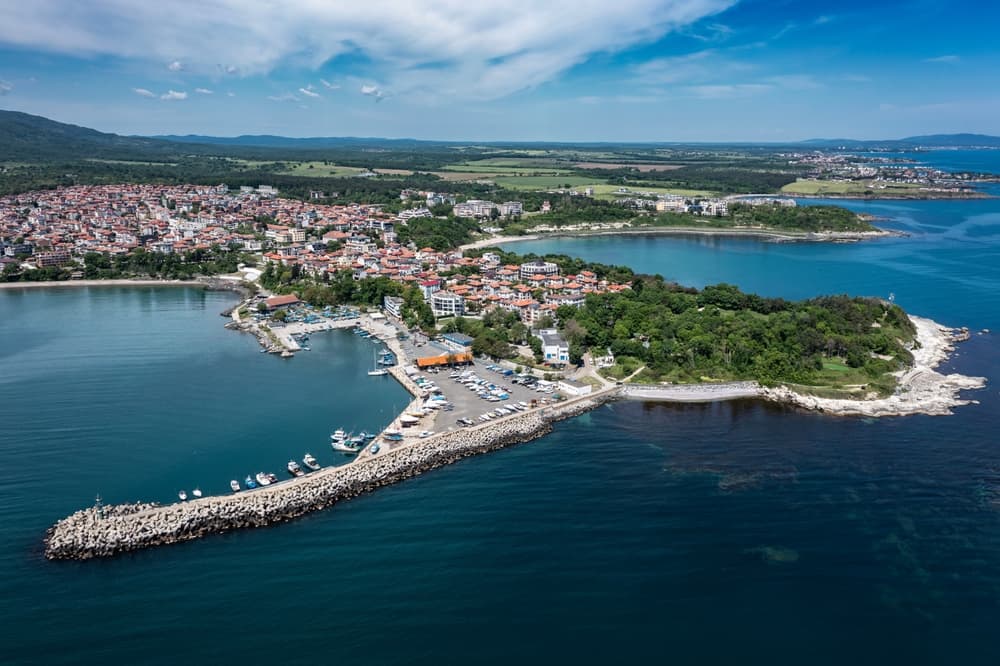
Burgas: Black Sea living without the resort crowds
What it costs in U.S. dollars, how safe it is, what winter feels like, and how retirees and remote workers make Bulgaria's southern port city work.
- 189,086
- Population (2025)
- $1,200/mo
- Monthly budget · single
- 55°F / 13°C
- Avg temperature
Plan on about $1,200 a month for one person in Burgas, with most single budgets falling between $900 and $1,400. A couple spends around $1,800, a family of four around $2,600, and a one-bedroom near the center rents for about $450. All figures are in U.S. dollars as of 2026.
Burgas suits people who want daily life by the Black Sea without living in a resort: retirees on Social Security, remote workers who don't need a big foreign crowd, and anyone happy in a flat, unhurried city of about 189,000. The big seaside park and the pier are part of an ordinary evening walk, and Nessebar and Sunny Beach are a short drive north when you want the busier coast.
Here's the catch: the coast runs on a summer economy. June through August are lively, winter is quiet, and English-language services are thin all year. You'll want some Bulgarian, starting with the Cyrillic alphabet.

Reviewed and updated October 8, 2026 · 3 min read
At a glance
$1,200
Monthly budget · single person
$450/mo 1-bed rent, center
66/100
Safety index
$15
Internet / month
55°Fannual average
Jan 37° · Aug 74°
Climate
189,086
Population (2025)
Expatsi estimates, updated Oct 2026, based on rental listings, government statistics, and local reporting.
Cost of living
What it costs to live in Burgas
Single person
$900–$1,400/mo
about 60% below Austin, TX
Couple
$1,500–$2,100/mo
about 60% below Austin, TX
Family of four
$2,100–$3,100/mo
about 65% below Austin, TX
Compared with Austin, TX (Expatsi estimate, 2026).
- $8 −60%
- Inexpensive meal
- $350–$550/mo −77%
- 1-bed rent, center
- $350–$450/mo −70%
- 1-bed rent, outside
- $15/mo −77%
- Internet
- $30/mo −27%
- Transit pass
- $204/sq ft −69%
- Buy price, center
Expatsi estimates, updated Oct 2026, based on rental listings, government statistics, and local reporting.
Daily life
How Burgas lives
- B- grade, 32nd percentile among the cities we track
- Dining & caféstypical
- B grade, 42nd percentile among the cities we track
- Arts & culturetypical
- B- grade, 35th percentile among the cities we track
- Parks & outdoorstypical
- B grade, 50th percentile among the cities we track
- Schools & educationtypical
- B grade, 52nd percentile among the cities we track
- Healthcare accesstypical
- B+ grade, 61st percentile among the cities we track
- Bike infrastructurestrong
- B- grade, 37th percentile among the cities we track
- Public transittypical
- A+ grade, good physical accessibility
- Accessibilitygood
Graded on OpenStreetMap amenity density relative to the 298 cities we track. Accessibility is the exception: it's graded against a fixed standard (terrain steepness and sidewalk surfaces), not a curve.
Climate
Weather through the year
Annual average 55°F (13°C) · 21 in of rain a year · Source: Open-Meteo Historical Weather API (temps: ERA5-Land 0.1°; precip/sunshine: ERA5 best-match; 1991-2020 normals); precipitation: Meteostat station 15655 normals 1981-2010
On the ground
Scenes from Burgas
Getting around
Transport in Burgas
Burgas is flat, and the center is easy on foot. Plenty of residents handle errands and the beach walk without a car.
Burgasbus, the city-owned operator, runs the buses and trolleybuses, and its fleet is low-floor. Travel passes are sold at the operator's kiosks around town, and our data puts a monthly transport budget near $30. The Velo Burgas bike share was listed as suspended when we checked in October 2026.
Burgas Airport sits about 6 miles from the center. Bus 15 links it with the central train station and the south bus station in roughly 25 minutes, though it doesn't run overnight; a taxi takes about 10 minutes.
Sofia is the long trip. The train takes about seven hours at best, buses around six. Bulgaria Air flies the route in under an hour on most days of the week.
You don't need a car to live in town. You'll want one for day trips along the coast and into the countryside.
- 13/sq mi
- Transit stops
- 14/sq mi
- Bike infrastructure
- 12/sq mi
- Wheelchair-accessible places
Mapped features per square mile from OpenStreetMap.
Keep exploring
Places like Burgas
Concepción
Chile
217.5K people · $1,200/mo
 Coming soon
Valparaíso
Chile
296.7K people · $1,200/mo
Pécs
Hungary
139.4K people · $1,400/mo
 Coming soon
Varna
Bulgaria
322.7K people · $1,300/mo
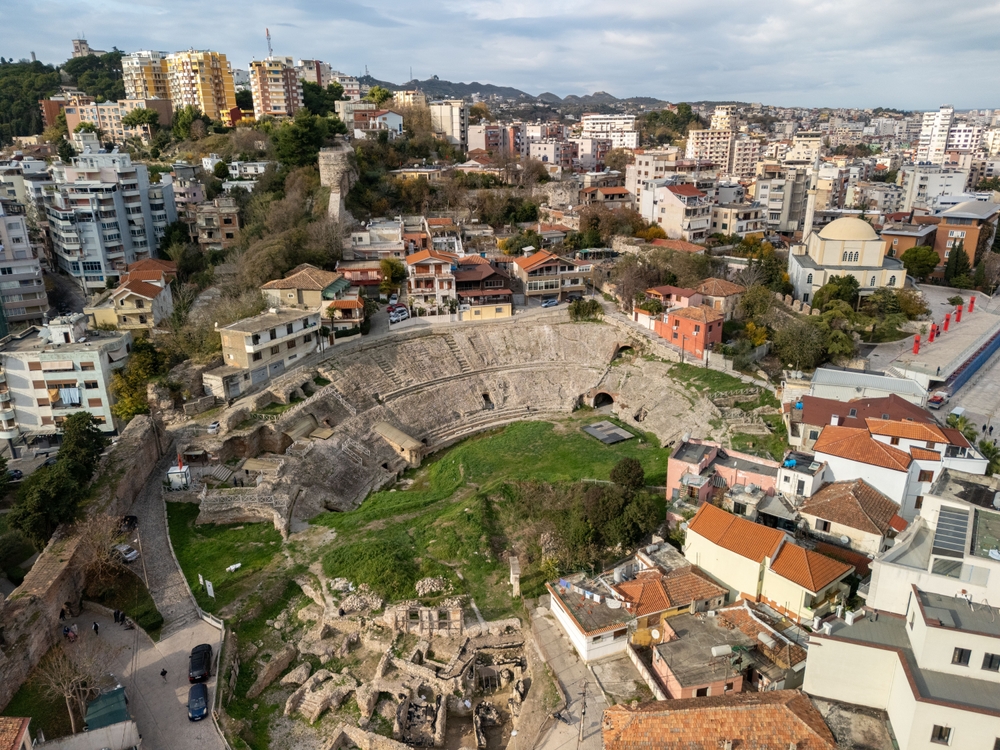
Durrës
Albania
101.7K people · $1,200/mo
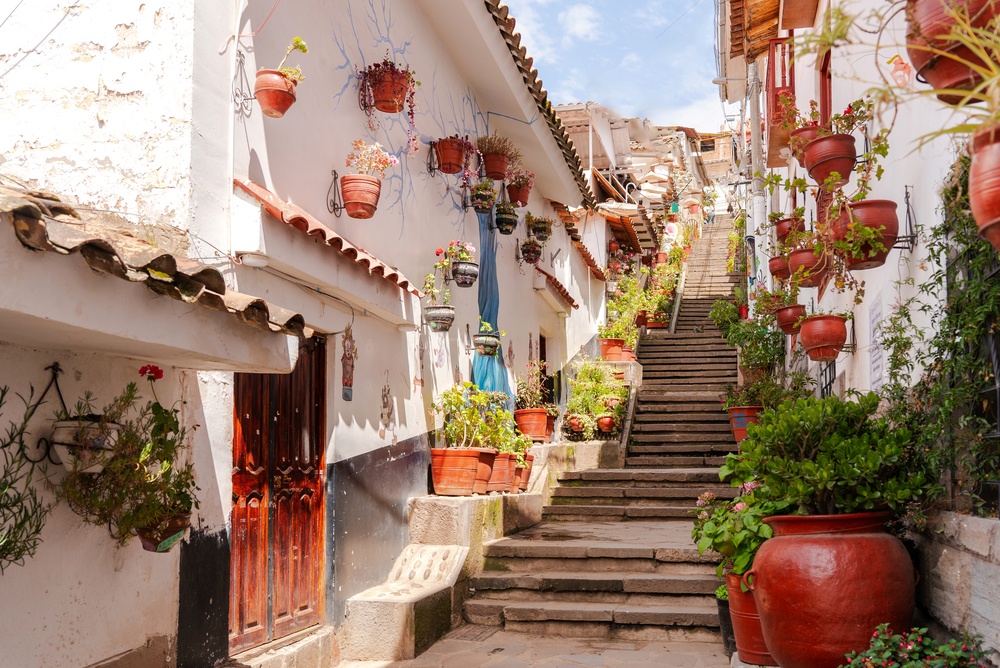
Cusco
Peru
428.5K people · $1,000/mo
Community & practical notes
Living in Burgas day to day
The expat scene: Small and seasonal. Like Varna, Burgas drew European retirees who bought on the coast in the 2000s, but it's the smaller, calmer of the two, and you won't find the English-speaking services Sofia has. English drops off quickly outside Sofia, Plovdiv and Varna, so most people who settle in here build their social life with Bulgarian neighbors and take language classes early.
Healthcare: UMBAL Burgas is the main public hospital. On the private side, Life Hospital and Deva Maria (listed in English as Virgin Mary Hospital) both appear on the UK government's list of facilities with English-speaking staff, though that list is several years old. New residents usually sit outside the public insurance fund in their first year, so you'll carry private coverage, which the residence permit requires anyway. Sofia has the widest choice of English-speaking specialists.
Remote work: Home internet runs about $15 a month in our data. Burgas isn't a remote-work hub the way Bansko has become, so plan on a home office. Bulgaria is seven hours ahead of Eastern for most of the year, which makes U.S. morning meetings an afternoon job.
Limited mobility: The flat terrain helps more than anything else, and the city's low-floor buses help too. In August 2026 the city began installing Bulgaria's first rail-mounted sea-access ramps at North Beach, next to a parking lot, and supplied 20 sand-ready wheelchairs to beach operators; the ramps are pulled in when the sea is rough. Beyond that, access varies building by building, so check an apartment's entrance, elevator and route to the nearest stop in person before you sign.
Retirement: Burgas fits retirees who want the sea on a modest budget, with a couple spending about $1,800 a month. Summers are warm rather than brutal, with average highs near 82F in July and August, and winters are cool, with January highs near 44F. Most Americans come on Bulgaria's pensioner route: a Type D long-stay visa, then a residence card renewed every year, backed by a Social Security benefit letter and private insurance. Our retirement visa guide compares the options, and our Bulgaria moving guide covers the rest of the country.
Housing
Renting and buying
- 1-bed rent (center)
- $350–$550/mo
- 1-bed rent (outside center)
- $350–$450/mo
- Buy price (center)
- $204/sq ft
- Buy price (outside center)
- $149/sq ft
Expatsi estimates, based on rental listings, government statistics, and local reporting.
Good to know
Frequently asked questions
Can Americans move to Burgas?
Yes. Americans can visit Bulgaria for up to 90 days in any 180 without a visa, counted against the shared Schengen allowance. To stay longer you apply for a Type D long-stay visa at a Bulgarian consulate in the U.S. on a specific ground such as a pension, remote work or a job, then get a residence card in Bulgaria.
Do people speak English in Burgas?
Some do, especially younger people, but English is less common than in Sofia, Plovdiv or Varna. Expect to need basic Bulgarian for leases, utility bills and pharmacies. Learning the Cyrillic alphabet is the first step and takes most people a few weeks.
How much does it cost to live in Burgas, Bulgaria?
One person spends about $1,200 a month in Burgas, with most single budgets between $900 and $1,400. A couple spends about $1,800 and a family of four about $2,600. A one-bedroom apartment in the center rents for around $450 a month, and about $400 farther out. Figures are in U.S. dollars as of 2026.
Is Burgas safe?
Burgas scores 66 on Expatsi's safety index, where higher is safer, and 34 on its crime index. That points to a city where most people go about daily life without trouble. Use ordinary city sense with your belongings.
What is the weather like in Burgas?
Burgas has warm summers and cool winters. Average highs reach about 82F in July and August, and January averages a high near 44F with lows around 31F. The city gets about 21 inches of precipitation a year, and November is the wettest month.
Is Burgas a good place to retire?
It is for retirees who want the sea, a flat walkable city and a modest budget: a couple spends about $1,800 a month. The trade-offs are a quiet winter, a small English-speaking community and the need for private health insurance. Most Americans use Bulgaria's pensioner route, a Type D visa followed by a residence card renewed each year.
Do you need a car in Burgas?
Not for daily life in the city. Burgas is flat, and the city-run bus and trolleybus network covers town, including bus 15 to the airport about 6 miles away. A car helps for coastal day trips and the countryside.
See how Burgas fits your life
Take the free Expatsi Test and compare Bulgaria to over 100 countries on what actually matters: cost, healthcare, climate, and safety. About five minutes.
Why not you?