Jeonju: a slower Korea for about $1,500 a month
Bibimbap, a hanok village in the middle of town, and the KTX to Seoul in about 90 minutes, all outside the capital region that sets Korea's toughest visa income bar.
- 653,055
- Population (2016)
- $1,500/mo
- Monthly budget · single
- 55°F / 13°C
- Avg temperature
One person can live in Jeonju on about $1,500 a month as of 2026, and anywhere from $1,200 to $1,800 depending on your habits. A couple needs about $2,300, and a family of four about $3,300. Rent is the big relief: a one-bedroom near the center goes for around $450, and about $350 farther out.
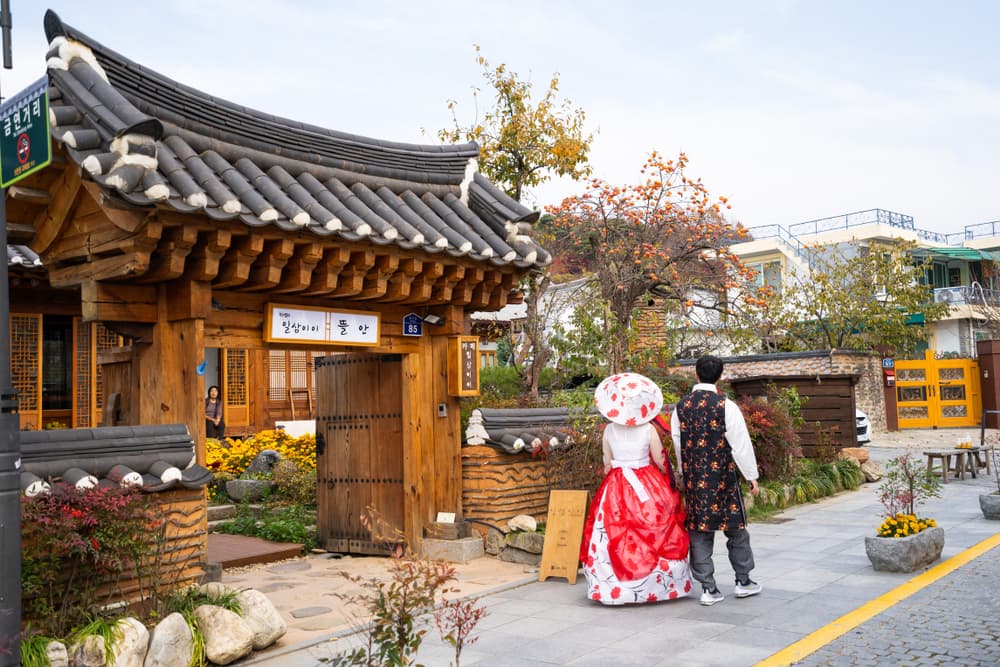
Jeonju is the capital of Jeonbuk province and a university town, home to Jeonbuk National University. Koreans know it for bibimbap and for its hanok village, more than 800 tile-roofed traditional buildings in the middle of the city. Daily life is slower and smaller than in Seoul.
It suits English teachers, remote workers under 35, and anyone who wants Korea without the capital's prices and crowds. It's a harder fit if you need English at the clinic and the landlord's office, or if you're retiring, since Korea has no retirement visa.

Reviewed and updated October 22, 2026 · 4 min read
At a glance
$1,500
Monthly budget · single person
$450/mo 1-bed rent, center
80/100
Safety index
$20
Internet / month
55°Fannual average
Jan 31° · Aug 78°
Climate
653,055
Population (2016)
Expatsi estimates, updated Oct 2026, based on rental listings, government statistics, and local reporting.
Cost of living
What it costs to live in Jeonju
Single person
$1,200–$1,800/mo
about 50% below Austin, TX
Couple
$1,900–$2,700/mo
about 50% below Austin, TX
Family of four
$2,600–$4,000/mo
about 60% below Austin, TX
Compared with Austin, TX (Expatsi estimate, 2026).
- $7 −65%
- Inexpensive meal
- $350–$550/mo −77%
- 1-bed rent, center
- $300–$400/mo −74%
- 1-bed rent, outside
- $20/mo −69%
- Internet
- $35/mo −15%
- Transit pass
- $279/sq ft −57%
- Buy price, center
Expatsi estimates, updated Oct 2026, based on rental listings, government statistics, and local reporting.
Daily life
How Jeonju lives
- B- grade, 37th percentile among the cities we track
- Dining & caféstypical
- B+ grade, 58th percentile among the cities we track
- Arts & culturestrong
- C+ grade, 23rd percentile among the cities we track
- Parks & outdoorsmodest
- B+ grade, 66th percentile among the cities we track
- Schools & educationstrong
- A grade, 92nd percentile among the cities we track
- Healthcare accessstandout
- B+ grade, 65th percentile among the cities we track
- Bike infrastructurestrong
- B grade, 42nd percentile among the cities we track
- Public transittypical
Graded on OpenStreetMap amenity density relative to the 436 cities we track. Accessibility is the exception: it's graded against a fixed standard (terrain steepness and sidewalk surfaces), not a curve.
Climate
Weather through the year
Annual average 55°F (13°C) · 48 in of rain a year · Source: Open-Meteo Historical Weather API (temps: ERA5-Land 0.1°; precip/sunshine: ERA5 best-match; 1991-2020 normals)
On the ground
Scenes from Jeonju
Getting around
Transport in Jeonju
Jeonju doesn't have a subway. City buses and taxis do the work, and the old center around the hanok village is compact enough to see on foot. Pick up a T-money card at any convenience store, top it up there, and tap it on the bus. A month of transit runs about $35. For a taxi, the Kakao Taxi app will send one to your door.
One thing surprises new arrivals: Jeonju Station isn't next to the hanok village. It's on the edge of town, so you'll take a city bus or a 10 to 15 minute taxi into the old center. From the station, the KTX reaches Seoul's Yongsan Station in about an hour and a half. Mugunghwa and ITX trains are cheaper and take roughly 45 minutes longer. Express buses to Seoul or Busan take around three hours.
You can skip the car. Buses, taxis and walking cover daily errands, and a rental mostly earns its keep on weekend trips out of the city.
- 14/sq mi
- Transit stops
- 14/sq mi
- Bike infrastructure
- 1.2/sq mi
- Wheelchair-accessible places
Mapped features per square mile from OpenStreetMap.
Keep exploring
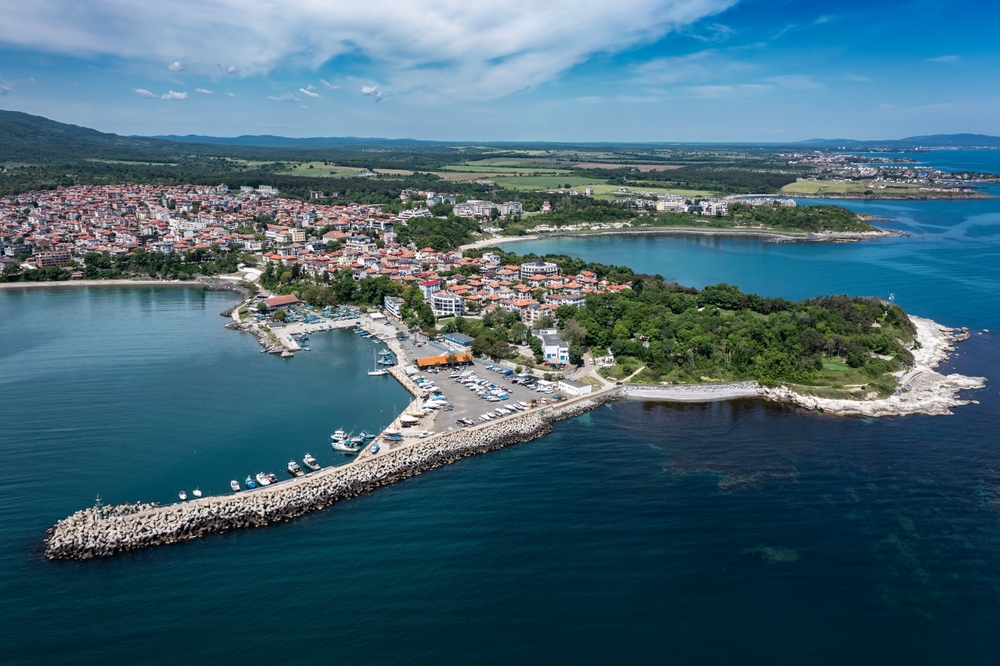
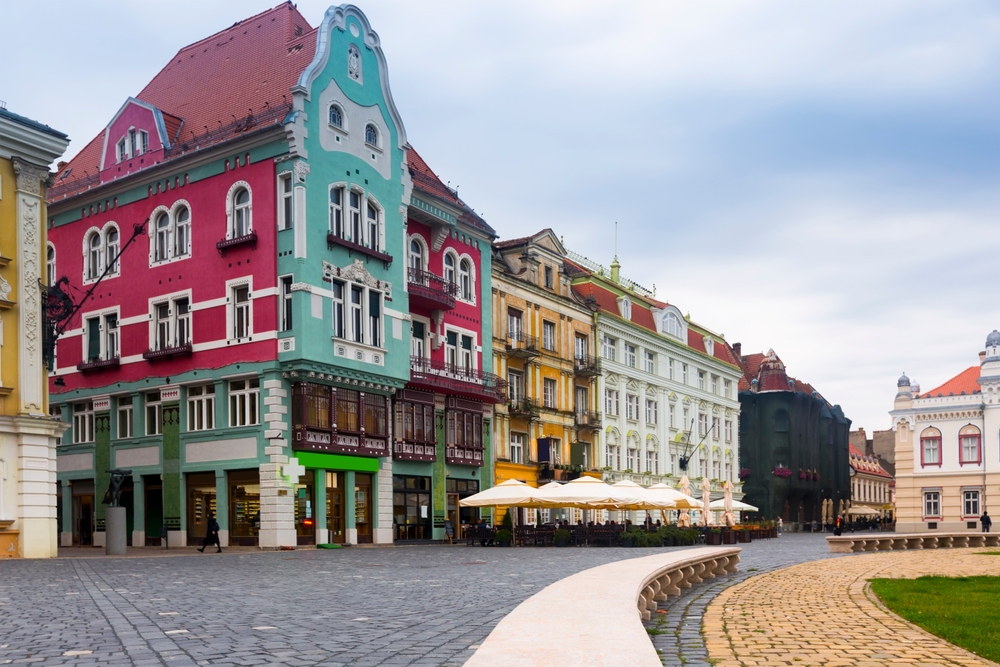
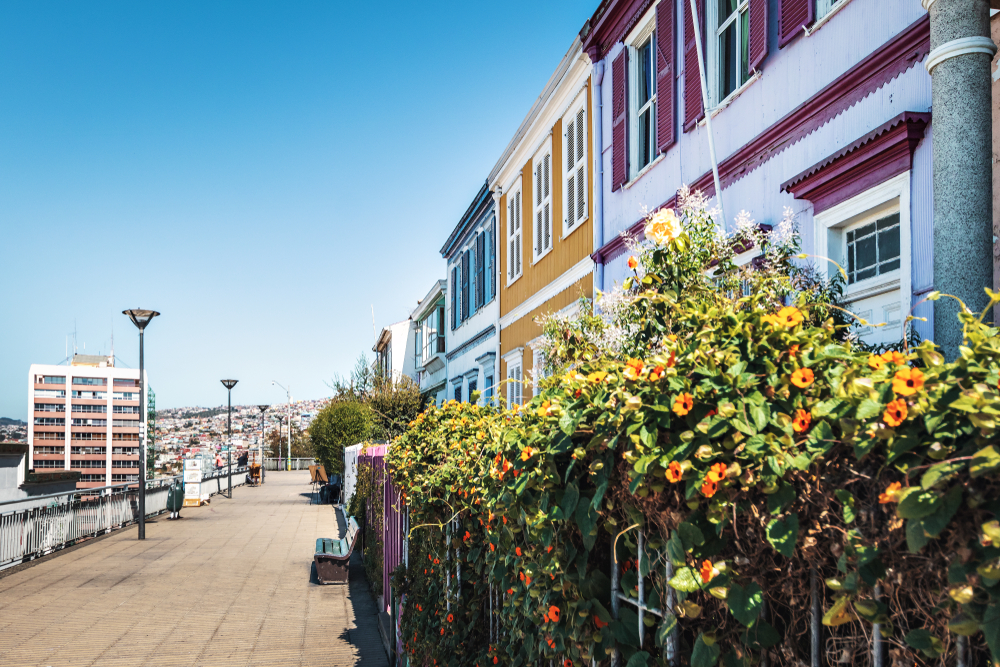
Places like Jeonju
Living here
Community and practical notes
Who you'll meet: Most foreigners in Jeonju teach English; many live in apartments their school chose, scattered across the city's two districts, Deokjin-gu and Wansan-gu. The universities draw international students too. The Facebook group Jeonju Knowledge is the usual way to plug into the expat scene, and Korean classes are an easy way to meet locals and other foreigners at once. Come expecting a small-city scene. People who arrive hoping for Seoul tend to be disappointed.
Healthcare: Jeonbuk National University Hospital, in Deokjin-gu, is the city's university hospital. Don't count on English at the front desk; the State Department warns that medical staff in Korea may speak little English. Bring a Korean-speaking friend or a translation app to anything complicated. How national health insurance works for foreigners is in our guide to moving to South Korea.
Remote work: Home internet costs about $20 a month. Coworking is thin on the ground: Coworker lists a single space in Jeonju, Space Cowork. Living here can also change your visa math. On the F-1-D workation visa, applicants aged 18 to 34 who live outside Seoul, Incheon and Gyeonggi Province need income of one times Korea's GNI per capita, not twice it, and can stay up to three years. Korea doesn't use daylight saving, so you're 13 to 14 hours ahead of Eastern, by season.
LGBTQ expats: Same-sex relationships are legal in Korea. The law bans discrimination based on sexual orientation, though the State Department notes there are no specific penalties and that same-sex marriage isn't legal. Gender identity isn't specifically protected. Jeonju held its first queer culture festival in April 2018 at Pungnammun Square, in the old center.
Black Americans: Jeonju's foreign community is small and mostly teachers, so expect to be noticed. The State Department's 2023 human rights report on Korea recorded concern about a reported rise in ethnic discrimination, and rights groups were still pushing for a comprehensive anti-discrimination law. Talk to Black teachers already working in Korea before you sign a contract; they'll give you the most honest read.
Limited mobility: Korean law requires public buildings and transit to be accessible, but older buildings and streets lag behind. The city is working on its buses. In July 2026 it announced it would rebuild six busy stops for low-floor buses, starting with Nambu Market, with room for a wheelchair to turn and tactile paving. Check any apartment and your regular routes in person before you commit.
Retirement: South Korea doesn't offer a retirement visa, so Jeonju's modest costs only help retirees who already have a way in, such as the F-4 for Korean Americans or a spouse visa through a Korean partner. Our South Korea guide covers every route in, and if you're weighing countries that do welcome retirees, start with our retirement visa hub.
Housing
Renting and buying
- 1-bed rent (center)
- $350–$550/mo
- 1-bed rent (outside center)
- $300–$400/mo
- Buy price (center)
- $279/sq ft
- Buy price (outside center)
- $204/sq ft
Expatsi estimates, based on rental listings, government statistics, and local reporting.
Good to know
Frequently asked questions
Is Jeonju cheaper than Seoul?
Yes, by a wide margin on rent. Expatsi's 2026 estimates put a single person's monthly budget at about $1,500 in Jeonju versus about $2,200 in Seoul, and a central one-bedroom at about $450 versus about $1,000.
Can I live in Jeonju as a digital nomad?
Yes, on Korea's F-1-D workation visa, which lets you stay up to three years while working for a company outside Korea. Because Jeonju is outside Seoul, Incheon and Gyeonggi Province, applicants aged 18 to 34 who live there need to earn only one times Korea's GNI per capita instead of twice it.
How far is Jeonju from Seoul?
The KTX from Seoul's Yongsan Station takes about an hour and a half. Slower Mugunghwa and ITX trains add roughly 45 minutes, and an express bus takes around three hours.
Can Americans retire in Jeonju?
Not on a retirement visa, because South Korea doesn't offer one. Americans can visit for up to 90 days without a visa, and Korean Americans can often use the F-4 overseas Korean visa to stay longer. Retirees with a Korean spouse may qualify for a marriage visa. Otherwise, the options are investor or work visas.
Do people speak English in Jeonju?
Not widely. You can live in Jeonju without fluent Korean, but locals appreciate the basics, and you'll want a translation app or a Korean-speaking friend for doctors, landlords and government offices. Hospital staff may speak little English.
Is Jeonju safe?
Yes. Jeonju scores 80 out of 100 on Expatsi's safety index, and the U.S. State Department keeps South Korea at Level 1, "exercise normal precautions," its lowest advisory level.
What is the weather like in Jeonju?
Jeonju has four distinct seasons. Average highs reach about 84F in August, and July is the wettest month. In January, average highs are near 38F and average lows near 25F. The city gets about 48 inches of precipitation a year.
How much does it cost to live in Jeonju, South Korea?
As of 2026, one person typically spends $1,200 to $1,800 a month in Jeonju, depending on lifestyle. A one-bedroom apartment near the center rents for roughly $350 to $550 a month, and a couple's monthly budget runs about $1,900 to $2,700.
See how Jeonju fits your life
Take the free Expatsi Test and compare South Korea to over 100 countries on what actually matters: cost, healthcare, climate, and safety. About five minutes.
Why not you?