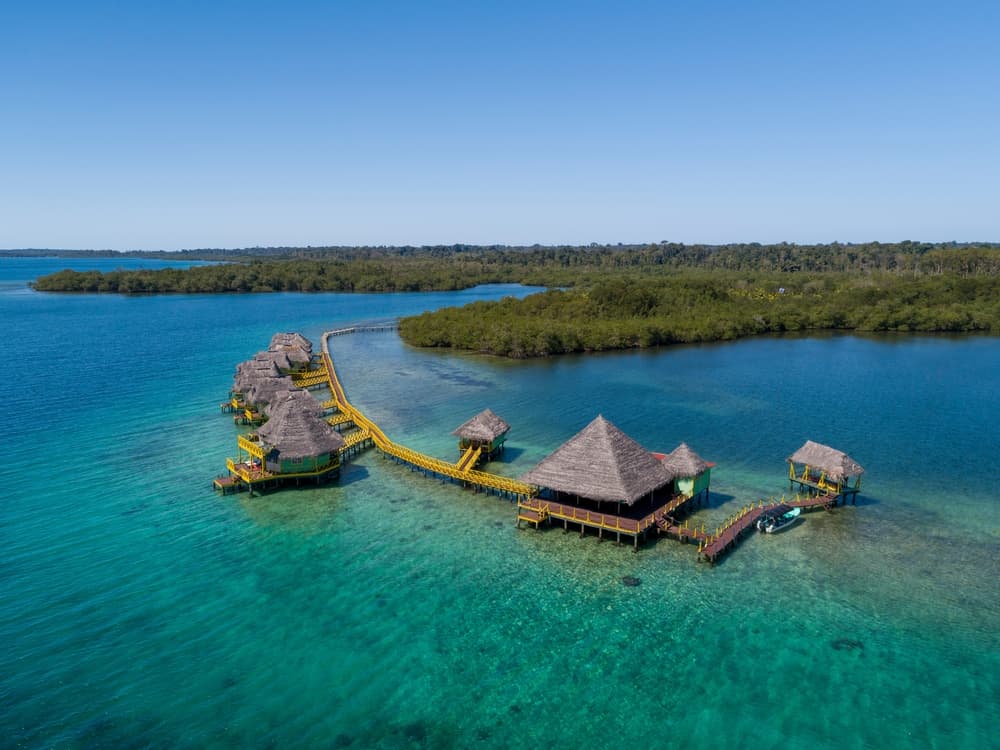
Bocas del Toro: Panama's Caribbean islands, where the commute is a boat ride
A small, rainy Caribbean town on Isla Colón with surf breaks, a long-settled foreign community, and basic healthcare, about an hour's flight from Panama City.
- 5,380
- Population
- $1,700/mo
- Monthly budget · single
- 77°F / 25°C
- Avg temperature
Plan on about $1,700 a month for one person in Bocas del Toro, with a realistic range of $1,300 to $2,100 depending on how you live. A couple should budget about $2,400, and a family of four about $3,500. A one-bedroom in town runs about $700 a month, or about $500 farther out, and home internet is about $45. Panama uses the U.S. dollar, so those are the prices you'll pay.
Bocas Town is a Caribbean town of about 5,400 people on Isla Colón, the main island of an archipelago near the Costa Rica border. It suits surfers, boaters, remote workers who keep a backup connection, and anyone who wants island life enough to live with its rough edges.
Those rough edges are real. It rains about 110 inches a year, the public hospital handles basic care rather than specialist work, and the power still goes out. If quick access to big hospitals matters to you, look at Panama City or David first.

Reviewed and updated October 1, 2026 · 4 min read
At a glance
$1,700
Monthly budget · single person
$700/mo 1-bed rent, center
55/100
Safety index
$45
Internet / month
77°Fannual average
Jan 76° · Jun 78°
Climate
5,380
Population
Expatsi estimates, updated Aug 2026, based on rental listings, government statistics, and local reporting. Coverage here is thin, so treat these as a rough guide.
Cost of living
What it costs to live in Bocas del Toro
Single person
$1,300–$2,100/mo
about 45% below Austin, TX
Couple
$1,800–$3,000/mo
about 50% below Austin, TX
Family of four
$2,700–$4,300/mo
about 55% below Austin, TX
Compared with Austin, TX (Expatsi estimate, 2026).
- $9 −55%
- Inexpensive meal
- $550–$900/mo −64%
- 1-bed rent, center
- $400–$650/mo −63%
- 1-bed rent, outside
- $45/mo −31%
- Internet
Expatsi estimates, updated Aug 2026, based on rental listings, government statistics, and local reporting. Coverage here is thin, so treat these as a rough guide.
Daily life
How Bocas del Toro lives
- C+ grade, 20th percentile among the cities we track
- Dining & cafésmodest
- C- grade, 0th percentile among the cities we track
- Arts & culturemodest
- C- grade, 2nd percentile among the cities we track
- Parks & outdoorsmodest
- C grade, 7th percentile among the cities we track
- Schools & educationmodest
- C grade, 9th percentile among the cities we track
- Healthcare accessmodest
- C- grade, 0th percentile among the cities we track
- Bike infrastructuremodest
- C grade, 6th percentile among the cities we track
- Public transitmodest
Graded on OpenStreetMap amenity density relative to the 369 cities we track. Accessibility is the exception: it's graded against a fixed standard (terrain steepness and sidewalk surfaces), not a curve.
Climate
Weather through the year
Annual average 77°F (25°C) · 110 in of rain a year · Source: Open-Meteo Historical Weather API (temps: ERA5-Land 0.1°; precip/sunshine: ERA5 best-match; 1991-2020 normals)
On the ground
Scenes from Bocas del Toro
Getting around
Transport in Bocas del Toro
You don't need a car in Bocas Town. It's compact enough to walk end to end, lots of people ride bikes, and a taxi across town costs about $1 a person. Isla Colón is the only island in the archipelago with roads, and a paved one crosses to Boca del Drago on the far side, so a car or scooter starts to make sense only if you live out toward Bluff Beach or Boca del Drago.
Off Isla Colón, the boat is the bus. Water taxis run from the town docks to Carenero, Bastimentos, Solarte and the beaches beyond, and anyone who settles on those islands depends on them (or a boat of their own) for groceries, appointments and the airport.
Leaving the islands takes some planning. Air Panama flies from Albrook Airport in Panama City, not Tocumen, and lands on Isla Colón in about an hour. The overland route is a long bus ride or drive to the mainland port of Almirante, then a water taxi of about 30 minutes for around $6. The boats stop around 6 p.m., so a late arrival means a night in Almirante. A slower car ferry also runs from Almirante if you're bringing a vehicle.
- 0.3/sq mi
- Transit stops
- 0.0/sq mi
- Bike infrastructure
- 0.1/sq mi
- Wheelchair-accessible places
Mapped features per square mile from OpenStreetMap.
Keep exploring
Places like Bocas del Toro
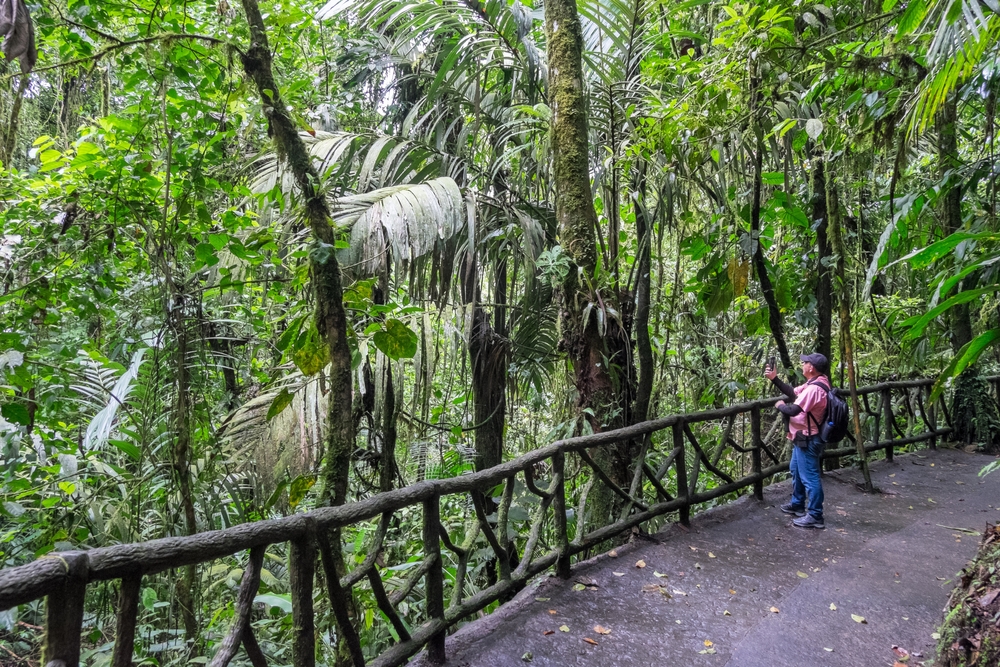
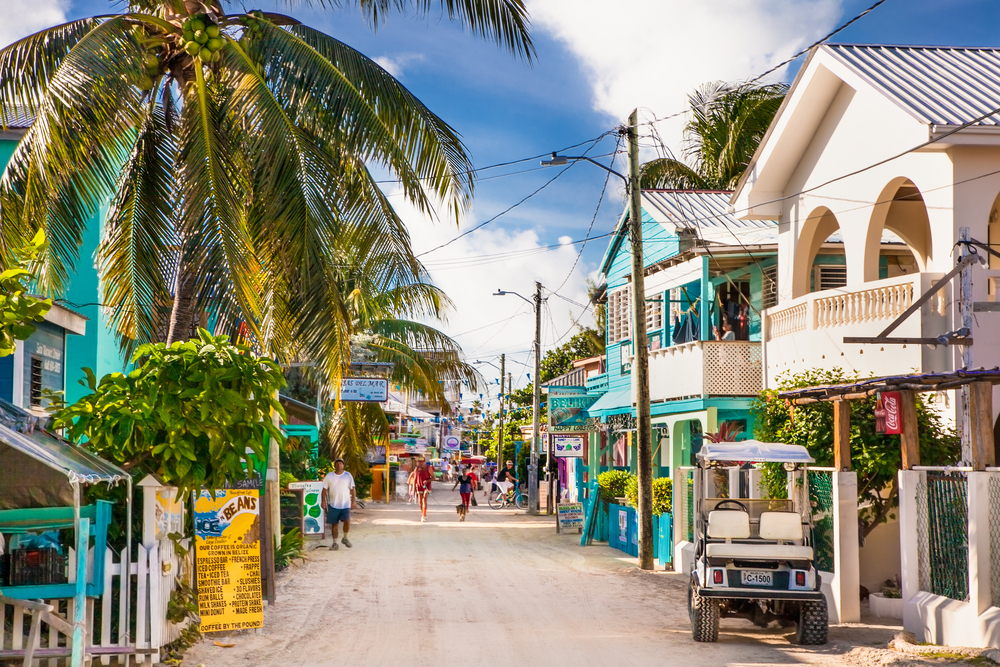
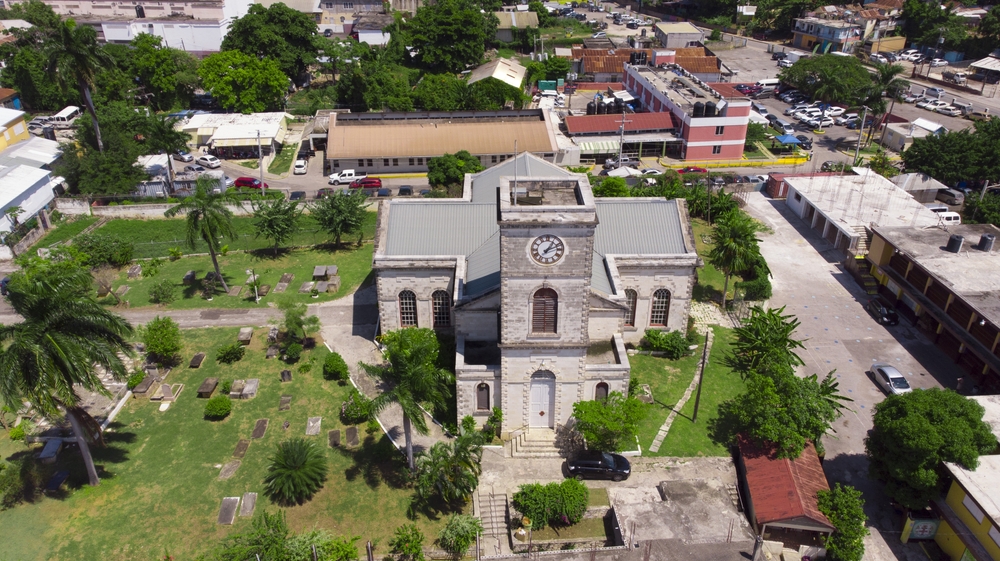
Community
Community & practical notes
Who lives here
The foreign community has been here for decades and it's mixed: Americans, Canadians, South Africans and Europeans, plus Argentines, Venezuelans and Colombians, alongside a large Chinese-Panamanian community. Social life centers on Bocas Town, where volunteer groups and the waterfront bars do the work of a community center. Life on Bastimentos or Solarte is quieter and more isolated, and it runs on the boat schedule.
Healthcare
Hospital Guillermo Sánchez Borbón, the public hospital on Isla Colón, opened in June 2019 and is open 24 hours. Residents describe it as fine for cuts, minor injuries and routine tests, with few specialists. Most expats go to David or Panama City for private care, which means a flight or a boat and a long drive. If you see a specialist regularly, count that travel as part of the cost of living here.
Internet, power and water
Bocas Town has fiber from the big national providers, and Starlink is common across the islands. Power outages happen; residents report them lasting anywhere from a few minutes to several hours, with busy holiday weekends straining the grid. If your income depends on being online, keep a battery backup and a second connection. The town has also lacked a full water treatment system, so plan on filtering or buying drinking water.
The 2025 unrest
In June 2025, after weeks of banana-worker strikes and protests over pension reform, Panama declared a state of emergency across Bocas del Toro province and cut mobile and home internet for about ten days. Much of the trouble was on the mainland around Changuinola, but the islands lost their connection too. The State Department rates Panama at Level 2, exercise increased caution, and its August 2026 update removed the civil unrest warning.
Limited mobility
Bocas is a hard place to live with limited mobility. Much of daily life beyond Bocas Town involves stepping down from a dock into a small open boat, and months of heavy rain make unpaved lanes muddy. Someone using a wheelchair should plan to live in town, close to the main street, and visit for a few weeks before committing.
Retiring here
Bocas works for healthy, active retirees who love the water and don't mind flying out for specialist care. It's a harder fit if you need regular appointments with specialists. Most retirees with a pension look at Panama's Pensionado visa; compare it with other countries in our retirement visa guide, or start with the full Panama guide.
Housing
Renting and buying
- 1-bed rent (center)
- $550–$900/mo
- 1-bed rent (outside center)
- $400–$650/mo
Expatsi estimates, based on rental listings, government statistics, and local reporting. Coverage here is thin, so treat these as a rough guide.
Good to know
Frequently asked questions
How do you get to Bocas del Toro from the U.S.?
Fly into Tocumen International Airport in Panama City, then take a taxi of about $30 to $35 across town to Albrook Airport, where Air Panama flies to Isla Colón in about an hour. The cheaper overland route is a bus to the port of Almirante and a 30-minute water taxi, but the boats stop around 6 p.m.
Is Bocas del Toro safe for Americans?
Bocas del Toro has a safety index of 55 out of 100, middling rather than worrying. The U.S. State Department rates Panama at Level 2, exercise increased caution, mainly for theft and break-ins. The bigger disruption in recent years was political: in June 2025 the province was under a state of emergency during banana-worker protests, and home internet and mobile service were cut for about ten days.
Is the internet good enough to work remotely in Bocas del Toro?
In Bocas Town, usually yes: fiber is available from the national providers, and Starlink is widely used across the islands. The weak point is power. Outages of a few minutes to several hours still happen, so remote workers keep a battery backup and a second connection, such as a phone hotspot.
How much does it cost to live in Bocas del Toro, Panama?
A single person typically spends $1,300 to $2,100 a month in Bocas del Toro, with about $1,700 a common middle figure. Couples budget around $2,400 and families of four around $3,500. Panama uses the U.S. dollar, so there's no exchange rate to track. Living off Isla Colón can cost more than the rent suggests, because every grocery run and appointment needs a water taxi.
What is the weather like in Bocas del Toro?
Warm and wet all year. Average highs sit around 80F to 82F and average lows around 72F to 75F, and the area gets about 110 inches of rain a year. February and March are the driest months on average; July, November and December are the wettest.
Can you retire in Bocas del Toro?
Yes, and many foreigners have, but it suits healthy, active retirees best. The public hospital on Isla Colón handles basic care, while specialists are in David or Panama City, a flight or a boat and drive away. Retirees with a pension usually apply for Panama's Pensionado visa through a Panamanian lawyer.
What is healthcare like in Bocas del Toro?
Basic. Hospital Guillermo Sánchez Borbón, a public hospital on Isla Colón, is open 24 hours and handles minor injuries, routine tests and emergencies. It has few specialists, so most expats travel to David or Panama City for private care. Anyone with a chronic condition should plan for regular trips off the islands.
See how Bocas del Toro fits your life
Take the free Expatsi Test and compare Panama to over 100 countries on what actually matters: cost, healthcare, climate, and safety. About five minutes.
Why not you?