Croatia
Moving to Croatia: sunshine, EU paperwork, and an 18-month clock
One person lives well here on about $1,650 a month, and the remote-work permit is one of the easiest in Europe. Staying past 18 months is the part nobody warns you about.
Croatia joined the euro and the Schengen area on the same day in January 2023, and it has been rebuilding its rules for foreigners ever since. The newest rewrite landed in June 2026. This guide covers what a month costs, every route that lets you stay past 90 days, what you'll owe the IRS and the Croatian tax office, and which towns people settle in once the ferry tickets stop being fun.

Reviewed and updated September 17, 2026 · 14 min read
01 · The case for Croatia
What Croatia is good at
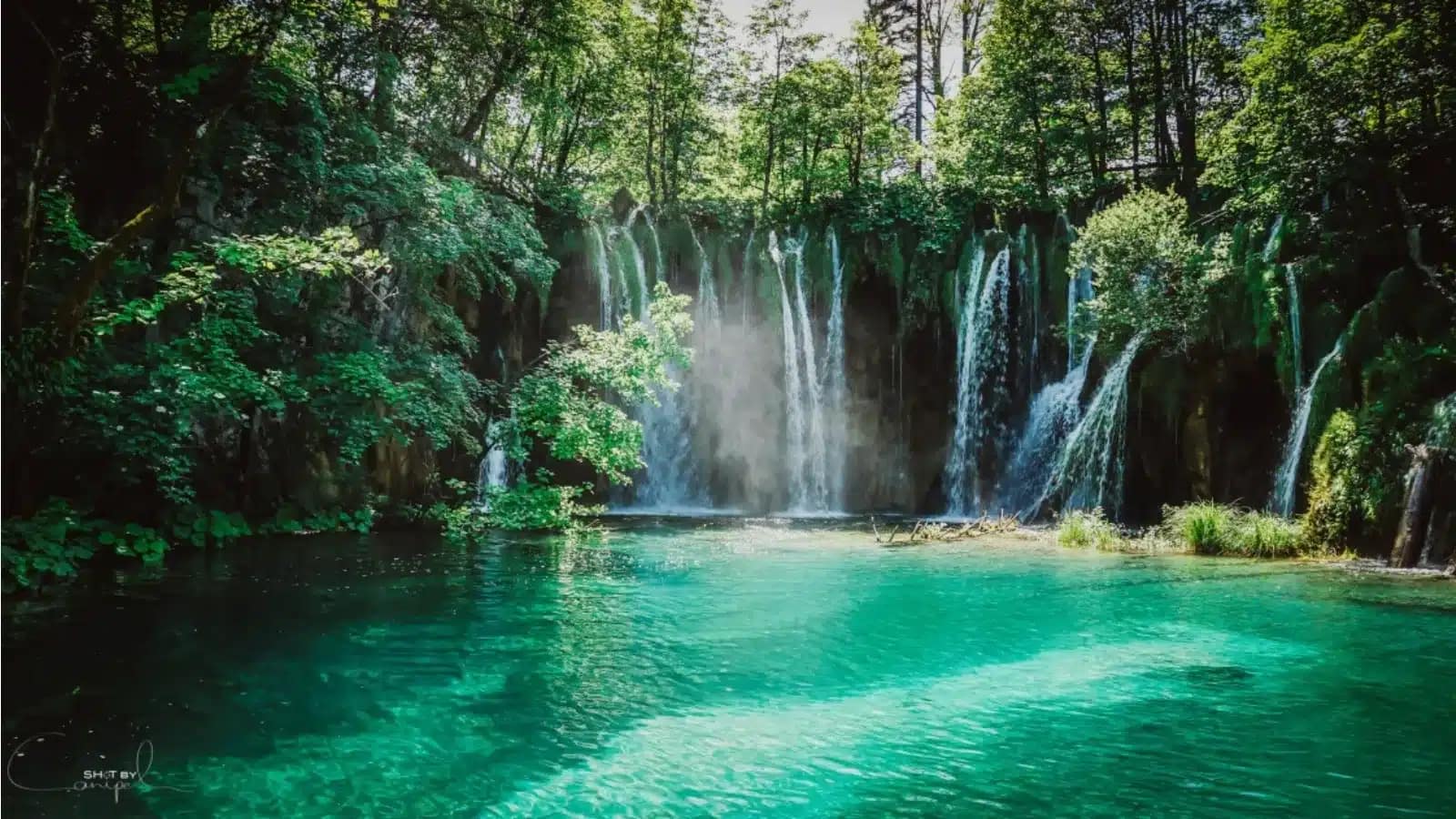
Croatia is small, sunny and unusually easy to function in, though the reasons are not the ones listed on the cruise brochures.
Start with language, because there isn't a barrier. Croatia placed second in the world on EF's 2025 English Proficiency Index, behind only the Netherlands and ahead of Austria, Germany and Norway. Two years earlier, it sat in 11th. That's not a statistic about tourism; it means you can open a bank account, argue with a landlord and explain a symptom to a doctor without a translator.
Then the arithmetic. What Croatian prices buy you is an EU passport zone, tap water you can drink, roughly 220 sunny days, and more than a thousand islands off the coast, with the inhabited ones on a public ferry.
For remote workers, the paperwork is genuinely good. Croatia wrote a digital nomad permit into law in January 2021, early enough that the rest of Europe copied it, and it still charges zero Croatian income tax on foreign earnings.
Who gets the most out of it
Remote workers billing American clients, first of all. A U.S. salary against Croatian rents is the whole trade, and the tax exemption makes it sharper than Spain or Portugal. Then anyone with a Croatian grandparent, because that route asks for no residence or language test. Then people who organize their year around water, rock and trail, which is a real personality type and Croatia is built for it. Families do well in Zagreb where the schools, hospitals and trams all work in winter.
Here's the catch
Croatia is easy to visit and hard to settle. There's no retirement visa, so a 65-year-old with a pension has to qualify under a general financial-means permit that gets renewed one year at a time. The nomad permit stops dead at 18 months and sends you out of the country for six. Local salaries are low; if you need Croatian income, the math turns against you fast. Finally, the coast runs on a tourist season that reprices your apartment every May. If you want a country that hands you a decade of certainty on day one, Croatia is not the one.
- Safety index
- 75/100
- Internet speed
- 80 Mbps
- Currency
- Euro (EUR)
- Capital
- Zagreb
- Population
- 3.8M
02 · The money
The monthly math
$1,650
One person, per month
all-in, off the summer coast
$2,750
A couple, per month
same basket, two people
$750
One-bedroom, city center
nearer $600 farther out
$4,240
Income the nomad permit demands
2.5x the average Croatian paycheck
Rent is the whole story
Zagreb behaves like a normal European capital: leases run year-round, a one-bedroom in the center goes for roughly $700 to $1,170 (600 to 1,000 euros), and the outer neighborhoods drop to $470 to $760. Nothing about that market surprises anyone.
The coast is a different animal. In Split, an off-season one-bedroom runs about $585 to $995; the same apartment lists at $1,400 to $2,340 once June arrives. Dubrovnik gets worse. Landlords on the Adriatic flip to tourist lets from June through September because four months of holiday rates beat twelve months of tenancy. The winter bargain you signed in November can evaporate in the spring.
The standard advice from people who have done a winter there: arrive in September or October, sign then, and get the summer written into the lease before you hand over a deposit. A deposit is normally one to two months, and agents take a month's rent as commission.
The rest is cheap by Western European standards and no longer cheap by Balkan ones. Groceries run roughly $230 to $350 a month for one person; a sit-down meal is about $14; a monthly transit pass is $56; home internet runs roughly $34. Since the euro and Schengen both landed in 2023, property prices have climbed about 25 percent in two years and food and services have gone with them. Croatia is still a bargain against Munich or Paris. Against its own prices five years ago, it isn't.
Why the budget and the permit don't line up
Croatia's nomad threshold is written as 2.5 times the average Croatian net salary from the previous year, and that average was 1,449 euros in 2025. So the country asks a remote worker to prove two and a half times what the typical Croatian takes home. That's also about two and a half times what one person needs to live here comfortably. The permit isn't means-testing your survival. It's selecting for people who will spend.
03 · Living there
Twelve months on the ground

The English is not a courtesy
Croatians speak English to a standard that catches Americans off-guard, and they do it without the faint sigh you get in Paris. That has a downside worth naming: you will never be forced to learn Croatian, so plenty of foreigners never do. Croatian is a hard Slavic language with seven cases. The point at which it stops being optional is the day you sit down with a tax clerk, landlord's contract or hospital admissions desk in a town of 8,000 people.
The season runs the coast
Croatia took 17.6 million foreign arrivals and 85.6 million overnight stays in 2025, and the Adriatic absorbed 94 percent of those nights. In July, the old town you fell in love with is a line, the ferry is sold out and your favorite restaurant has a second menu in four languages. In February, the same town is beautiful, empty, with half of it shuttered until Easter. Both versions are the real place, and the one you should test is February.
The paperwork runs on paper
Everything starts with an OIB, the personal ID number, and nothing works without it: no lease, no bank account, no utility contract. American documents need an apostille and a certified Croatian translation, and a criminal-record check has to be the FBI's federal one, not your state's. Once your stay is approved, you register your address at the police station within three days. The good news is that the fees are trivial by EU standards, about $54 for the residence decision and $37 for the biometric card. The bad news is that the counters keep their own hours and no one sends a reminder.
What trips people up on arrival
Nonstop, but only in summer
United flies Newark to Dubrovnik seasonally and added the first ever nonstop to Split in April 2026. Both stop in the fall, and everyone else connects through Frankfurt, Munich or Amsterdam.
Your Schengen clock is shared
Croatia joined Schengen in January 2023, so days spent here eat the same 90-in-180 allowance as France or Italy. Plenty of guides online still say otherwise.
Euros since 2023
The kuna is gone. No exchange risk on an EU salary, and prices that have moved up smartly since the changeover.
Bring an International Driving Permit
A U.S. license on its own is not valid to drive here. Once you're a resident, you can use it for 12 months before exchanging it for a Croatian one.
A few fields are still mined
The government says about 24.5 square kilometers may still hold landmines from the 1990s, mostly deep forest and rough ground, all signposted. Full clearance is targeted for the end of 2026.
04 · Ways to stay
Ways to stay longer than 90 days
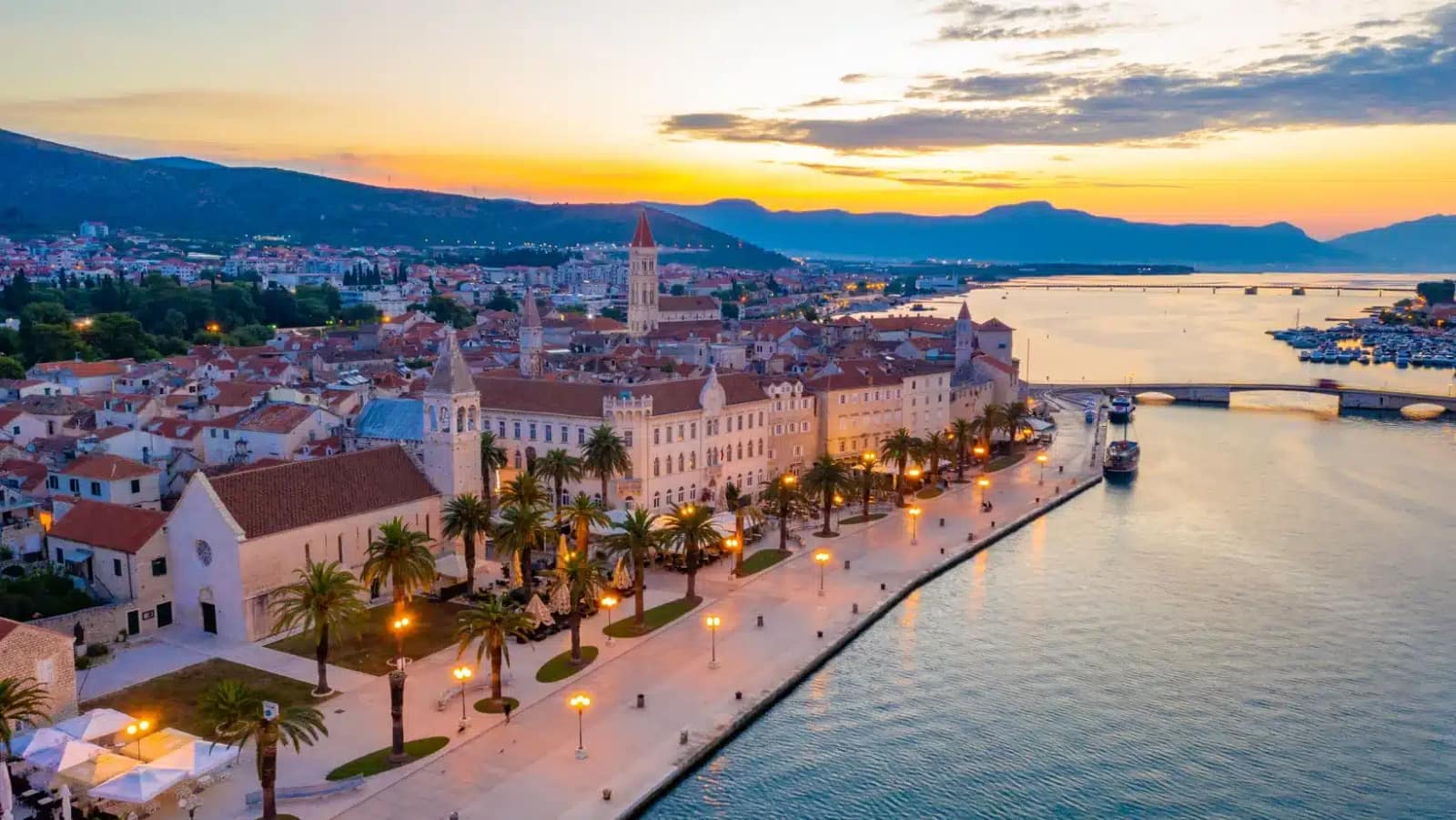
There is no golden visa or pensioner visa here. Every route below is a temporary stay under the Aliens Act; Americans get 90 visa-free days in any 180 before they need one.
The digital nomad permit and its ceiling
The flagship. You show foreign income of at least 3,622.50 euros a month, about $4,240, through six months of bank statements or payslips, prove you work remotely for a company that isn't Croatian, carry health insurance and pass a criminal-record check. Savings work instead: 43,470 euros for a twelve-month stay, 65,205 for eighteen. Foreign income is exempt from Croatian income tax for the whole permit, even past 183 days. You cannot take Croatian clients or a Croatian job, and the cap is 18 months with a mandatory six-month exit before you can apply again.
Temporary stay for everyone else
This is the retiree route, filed as stay 'for other purposes' on the strength of financial self-sufficiency, or on the strength of a property you own. It runs one year at a time, renews as long as you keep qualifying, and unlike the nomad permit it stacks toward permanent residence at five years. The published income floor is vague and sources disagree wildly, so treat it as a case-by-case test and budget well above whatever number you read. A 12-month registered lease is usually required, sometimes with the year prepaid, and a holiday booking will not be accepted.
Work, rewritten in June 2026
Croatia overhauled its Foreigners Act this year. Since June 2026,there's a single combined residence-and-work permit. Foreign workers can change employer after six months without a new permit. Student permits run three years instead of one, and the unemployment cushion stretches to three months. In exchange, the Interior Ministry now gets three months to decide a work permit instead of one; anyone past their first year has to pass an A1.1 Croatian language and Latin-script exam to renew.
A Croatian grandparent
Worth checking before anything else. If a direct-line ancestor emigrated from today's Croatia before 8 October 1991, you can apply for citizenship by descent with no residence requirement and no language test, and there is no generational limit as long as every link is documented. You file at the Croatian consulate covering your address, and decisions commonly take one to two years. Croatia and the United States both allow dual nationality.
Croatia's visa records, side by side
| Visa | Category | Application cost | Processing | Difficulty | Guide |
|---|---|---|---|---|---|
| Digital Nomad Visa | digital nomad | — | ~30 days | 3/5 | Guide |
| Long-Stay National Visa (D Visa) | skilled work | — | ~60 days | 4/5 | Guide |
About that data card
Three lines above need a footnote. The nomad permit is capped at 18 months in total, not 18 and then another 18: the Interior Ministry requires a six-month break before you can reapply. That break also blocks a family permit tied to the same person. The income requirement reads as unspecified because it lives in a separate regulation, and since March 2026 it is 3,622.50 euros a month. The long-stay D visa is an entry document for people who need a visa to land, not a way to live here; Americans skip it entirely and file at a police station instead.
05 · The fine print
Taxes, doctors and deeds
Tax, and the treaty that isn't
Croatia abolished its old municipal surtax in 2024 and folded it into the rates, so your bill now depends on your town. Income up to 60,000 euros a year is taxed at 15 to 23 percent, anything above at 25 to 33, with 20 and 30 as the default where a council makes no choice. Zagreb charges the top of both bands. There's a personal allowance of 600 euros a month, VAT is 25 percent, and employees pay 20 percent in pension contributions. Then there's the part Americans miss: the United States and Croatia still have no income tax treaty in force. One was signed in December 2022. A protocol amending it was signed in Dubrovnik in April 2026, and the package is waiting on the U.S. Senate. Croatia is not on the IRS treaty list, and there's no totalization agreement either, so self-employment tax has nowhere to go. Find someone who prepares U..S and Croatian returns together. Do it while you're still choosing a route rather than after you have picked one.
Getting into the health system
The public system is HZZO, and residents join the mandatory tier called obvezno once they're past 90 days. Digital nomad permit holders are exempt and keep private insurance instead. The contribution is 16.5 percent of a statutory base rather than your real income, which for foreign pension recipients in 2026 works out to roughly $145 to $385 a month. Expect a bill for the previous twelve months when you first register. Almost everyone adds dopunsko, a supplement of about $12 to $23 a month that wipes out the co-pays. Your GP is the gatekeeper for every referral.
Buying a place, and the ministry that has to say yes
Americans can buy, but not freely. Non-EU buyers need written consent from the Ministry of Justice, which first checks reciprocity; for U.S. citizens, reciprocity gets assessed state by state, which is why the file includes a notarized copy of your driver's license. The law gives the ministry a month to decide, or two when it opens an investigation; reciprocity files usually get one. In practice, people wait two to six months, and some sellers will not hold a property that long. Without consent the contract is void. Farmland and forest are off the table for non-EU individuals. And remember: a deed is not a residence permit.
This guide is dated on purpose
Two Croatian numbers reset on a schedule, so read the ones above as a snapshot taken in September 2026, when a euro bought about $1.17. The nomad income floor re-indexes every spring once the statistics office publishes the previous year's average net salary, and every town picks its income tax rates by 30 November for the year ahead. Check the Interior Ministry's own page for the live figure on the day you file.
06 · Where to live
City guides, as we publish them
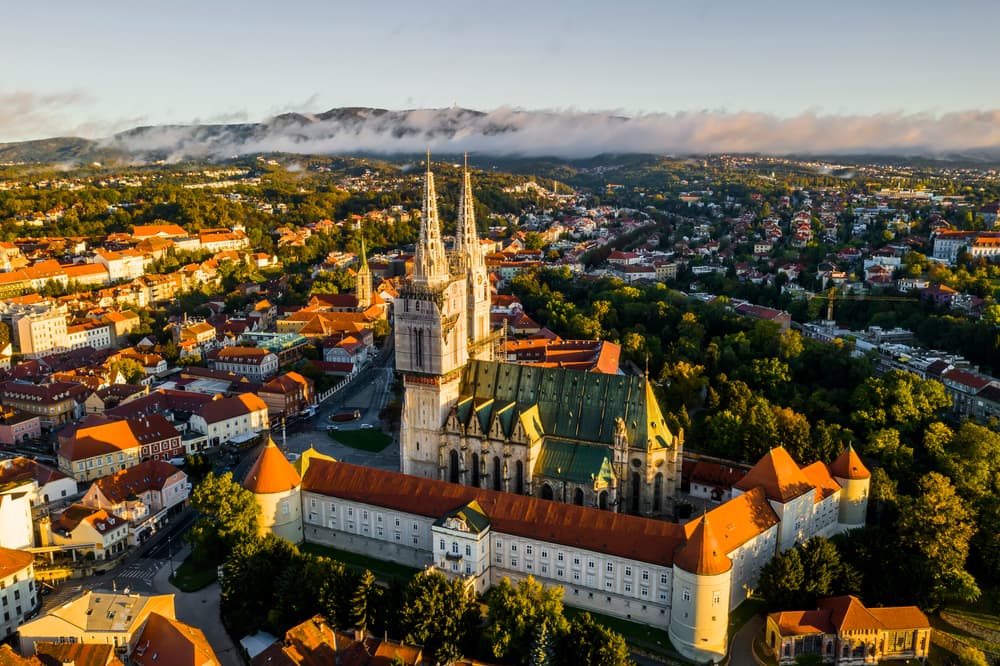
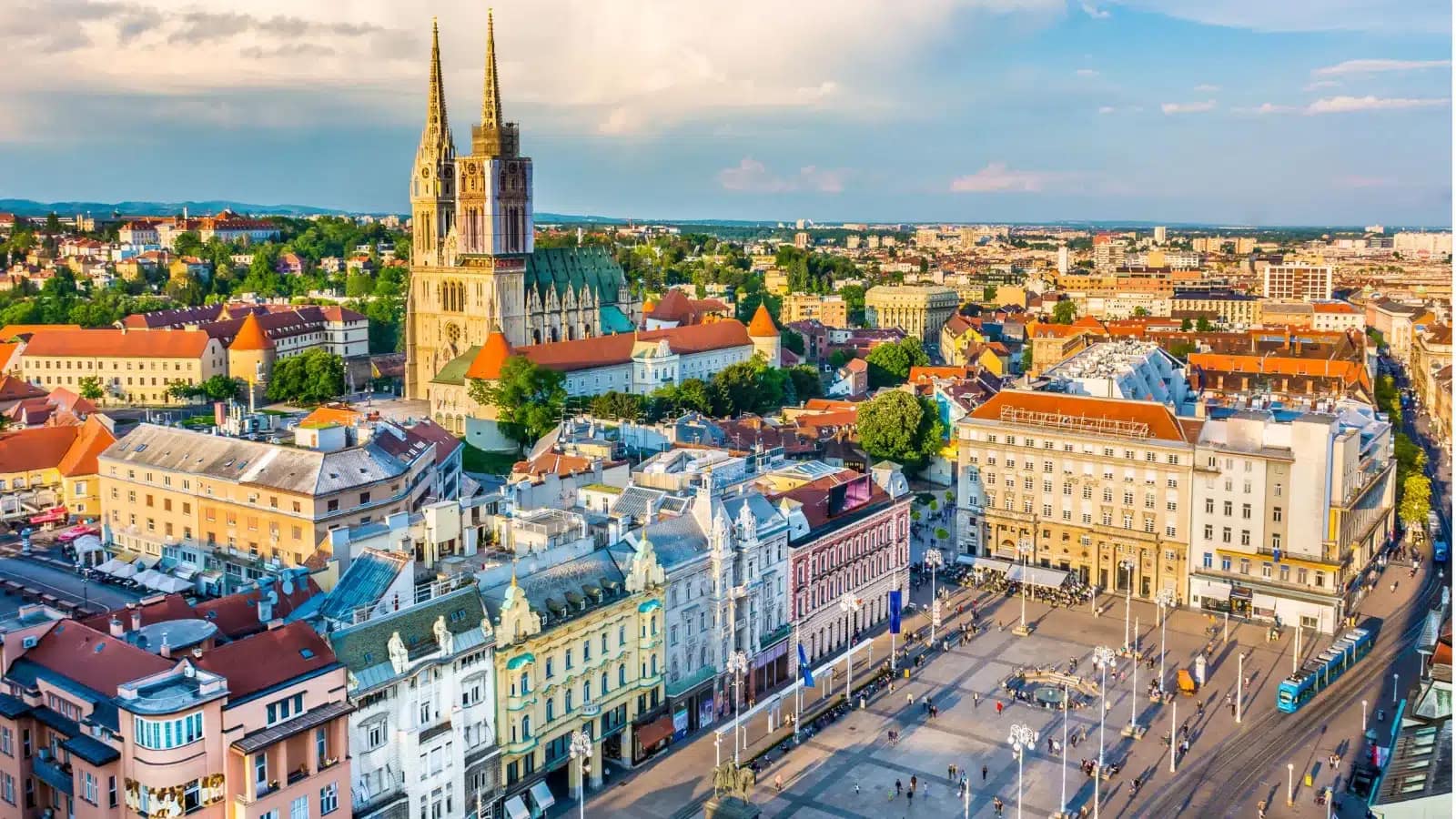
Zagreb
Real capital, no resort
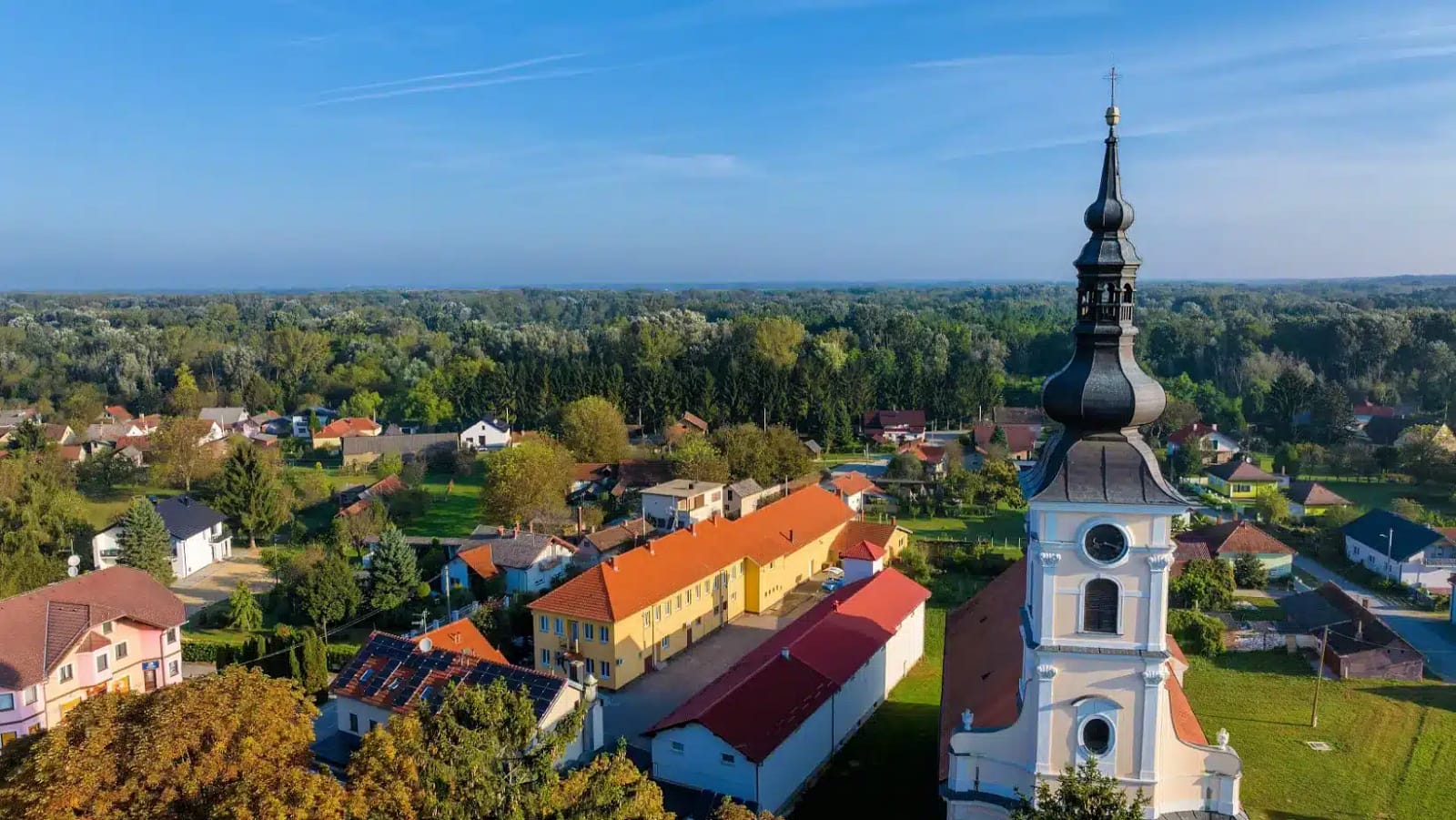
A working capital with trams, a walkable Upper Town, Saturday morning cafe terraces and the best schools and hospitals in Croatia. It's the year-round pick for families. It's inland with no beach, and winters are gray and cold.
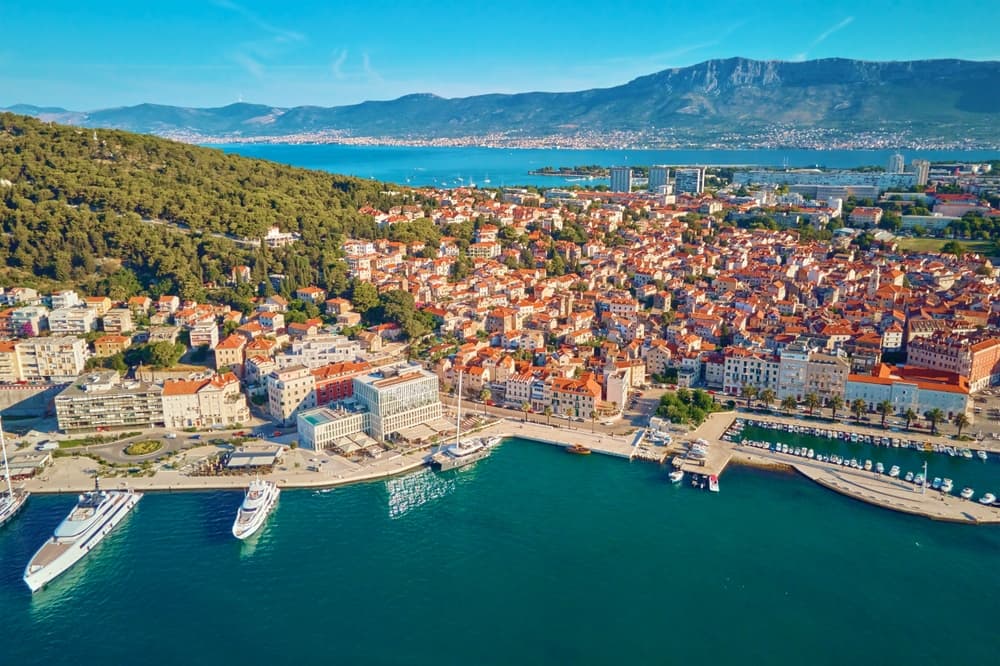
Split
Palace city
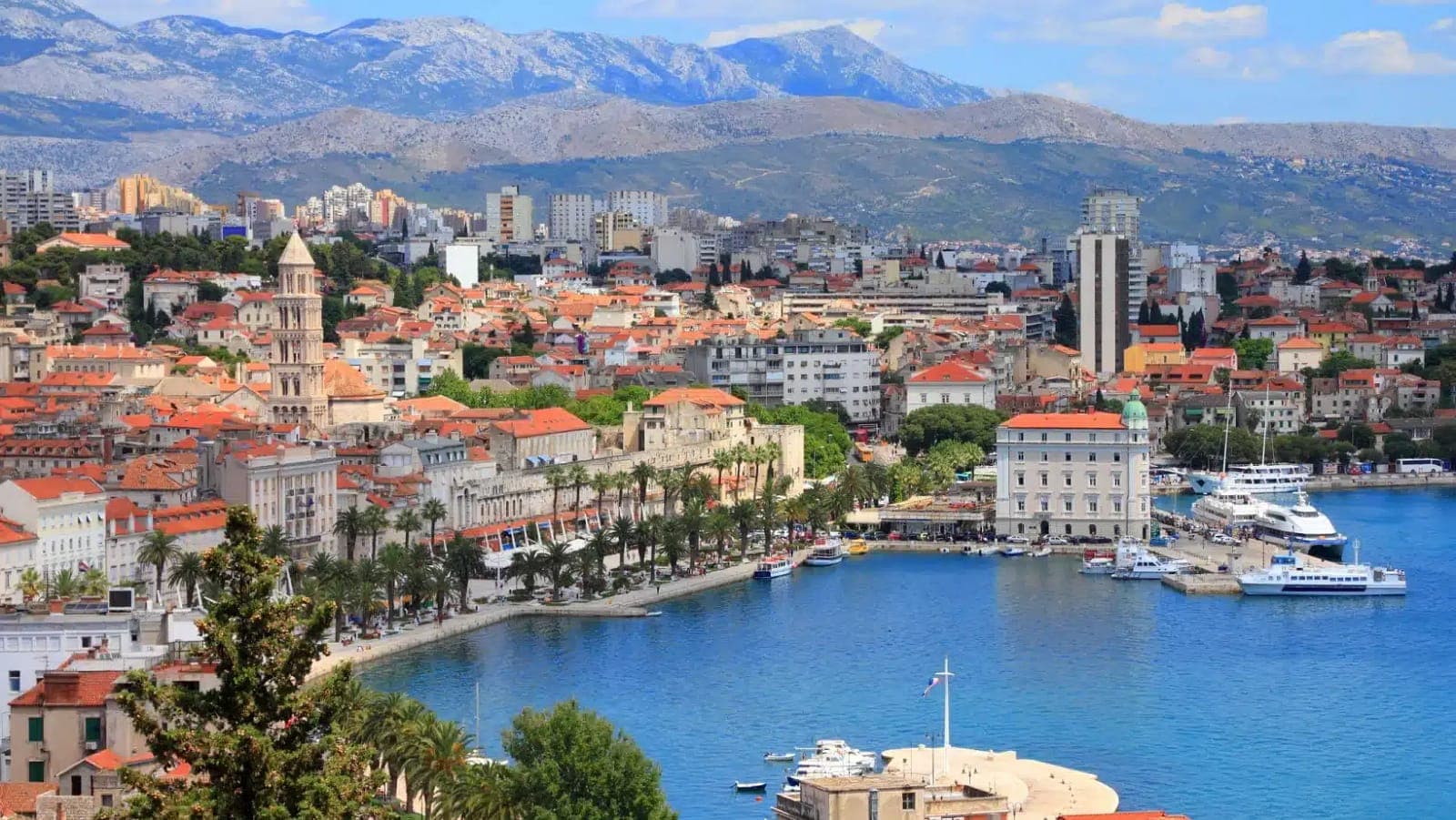
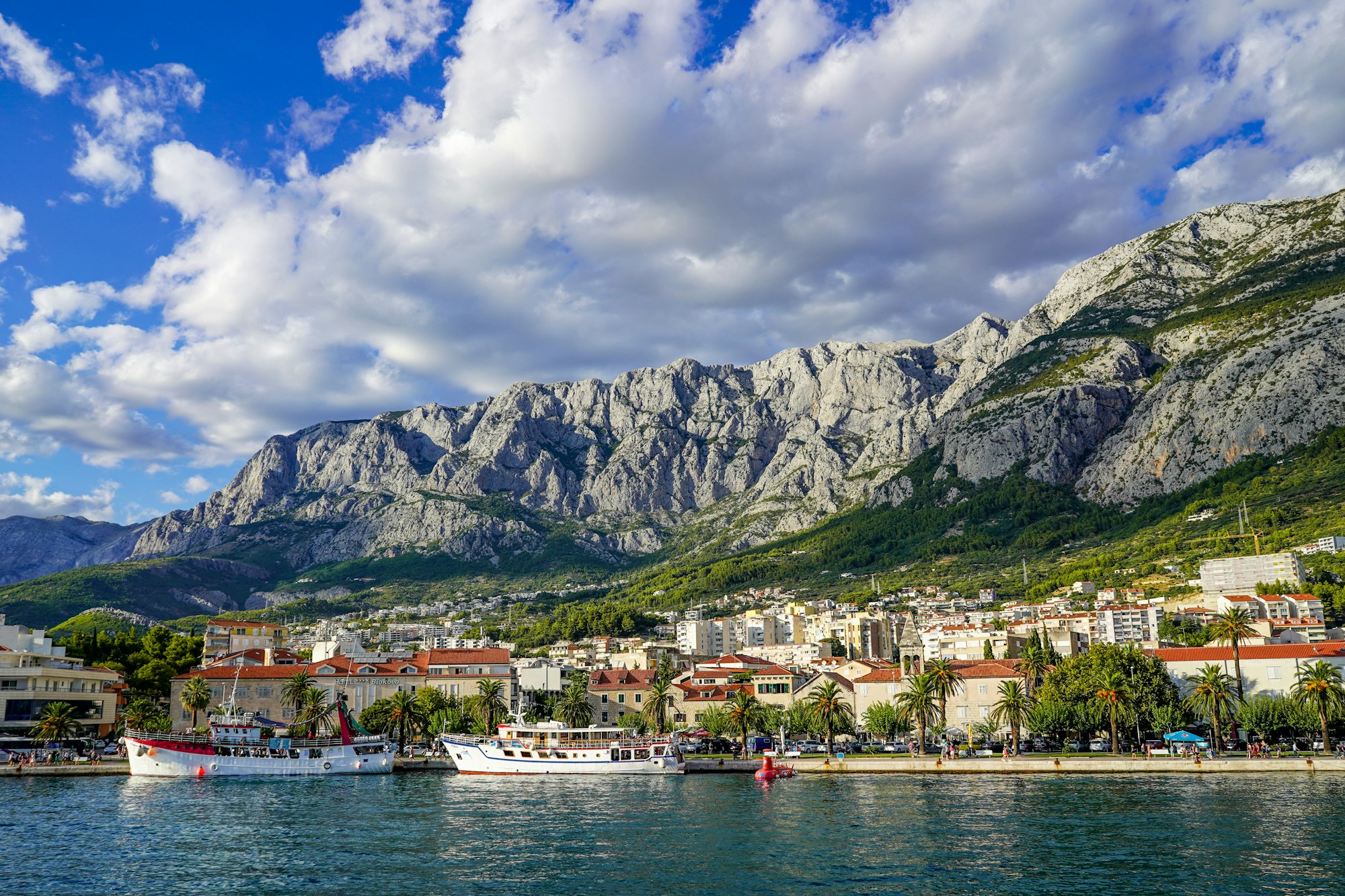
Diocletian's palace is the living center of town, with the Riva waterfront, Marjan hill for morning runs and ferries to Brac, Hvar and Vis from the harbor. Landlords flip to tourist lets in summer, so sign a year lease in autumn.
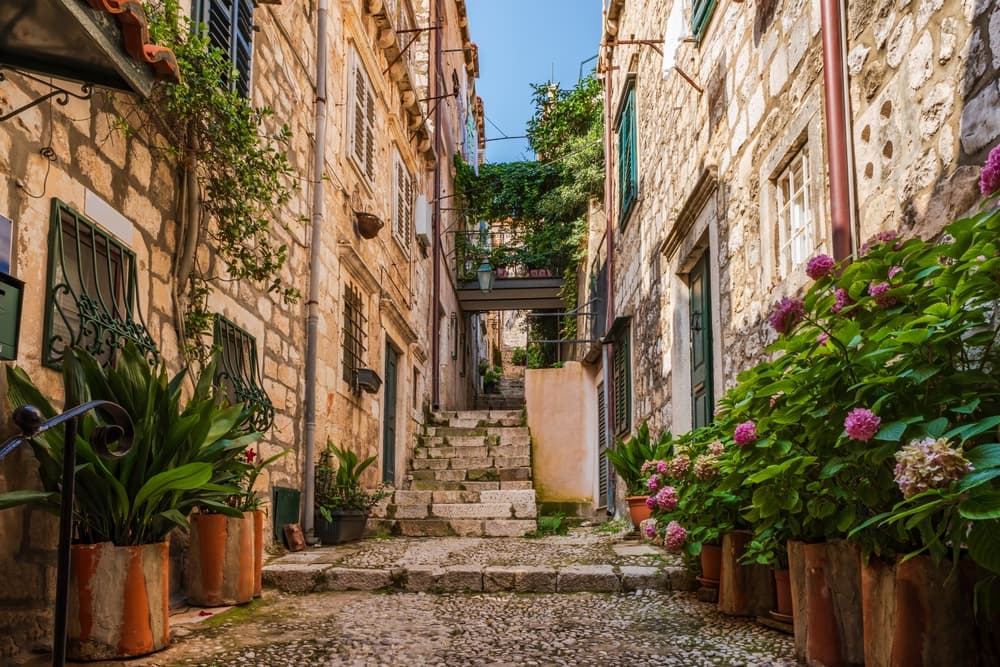
Dubrovnik
Walled Adriatic city
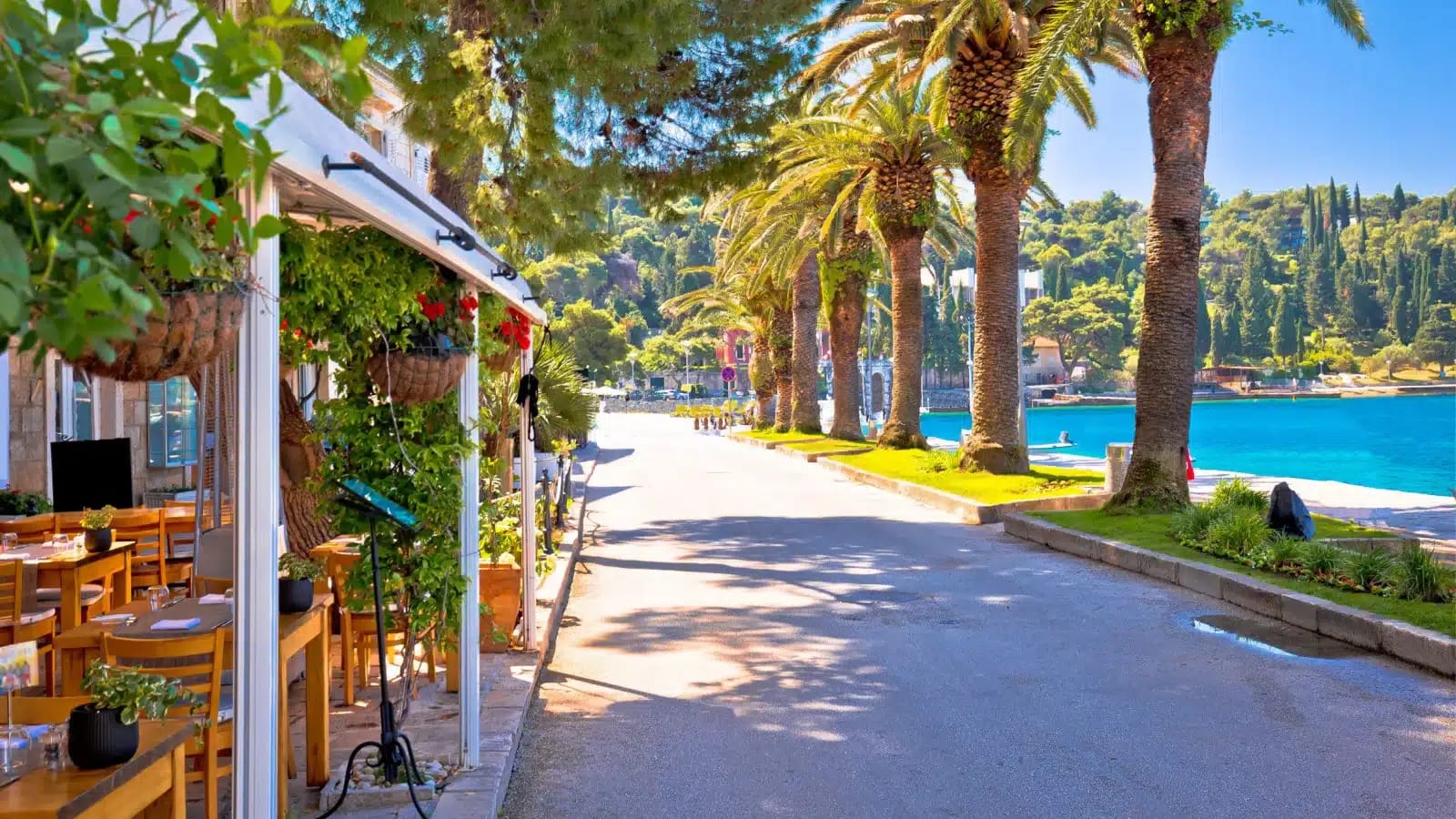
Lapad and Gruz are where residents live, a short bus ride from the old town walls. Winters are mild, and the sea's warm enough to swim from June into October. In summer cruise crowds fill the old town, and landlords chase tourist rents.
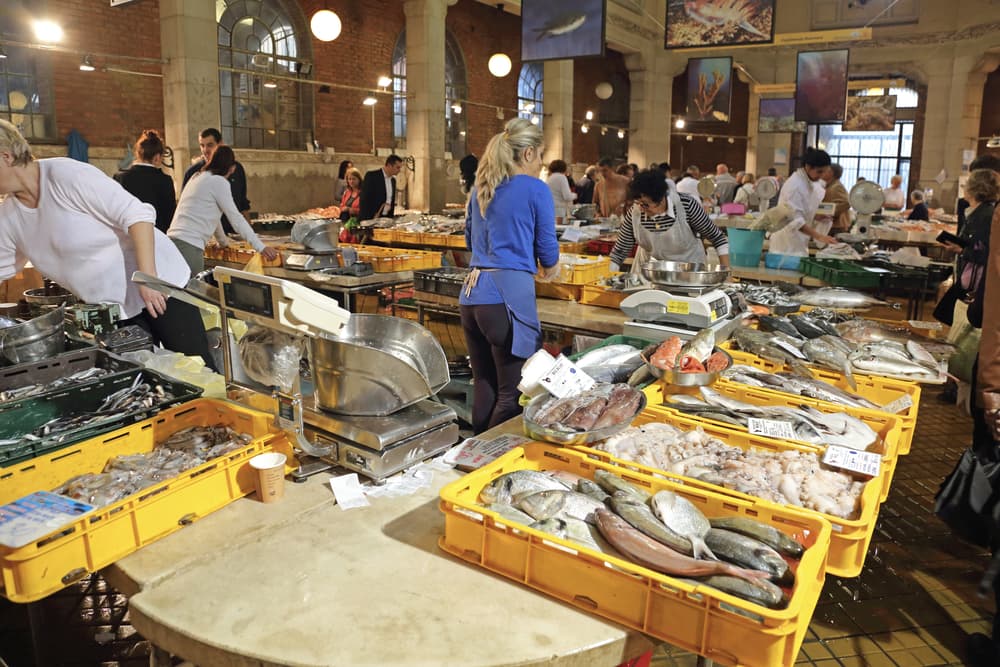
Rijeka
Working port city
An Italianate center on a port that is still a port, with a student crowd, a European Capital of Culture title in 2020 and Opatija's seaside promenade a short drive away. It's a real city and not a resort. Winters are damp and gray, and there are few other expats.
The short list, north to south
Croatia counted 3.87 million people at its last census, in a country slightly smaller than West Virginia, and the interior is emptying while the coast fills up every July. Five counties have lost more than a quarter of their residents since 2001. That shapes where it makes sense to land.
Zagreb
The capital, about 770,000 people, and the city least disturbed by the tourist season. Hospitals, universities, trams, the tech scene, the coworking spaces, the airport with real connections. It has no sea and gets properly cold, which is exactly why its rental market behaves.
Rijeka and the Kvarner
A working port city rather than a resort, cheaper than Dalmatia, with Opatija's belle-epoque seafront next door and the ski-and-forest country of Gorski Kotar an hour inland.
Istria
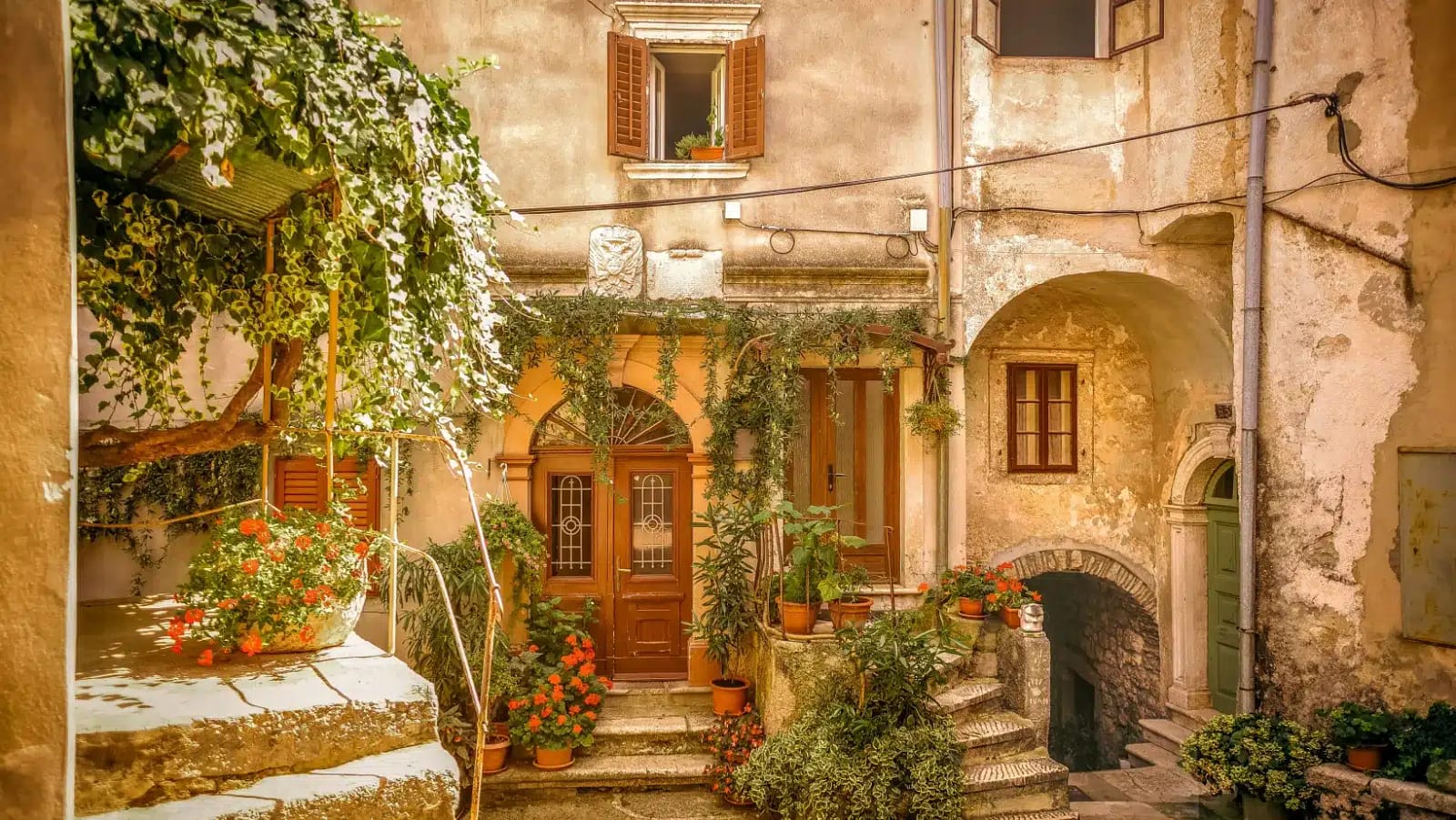
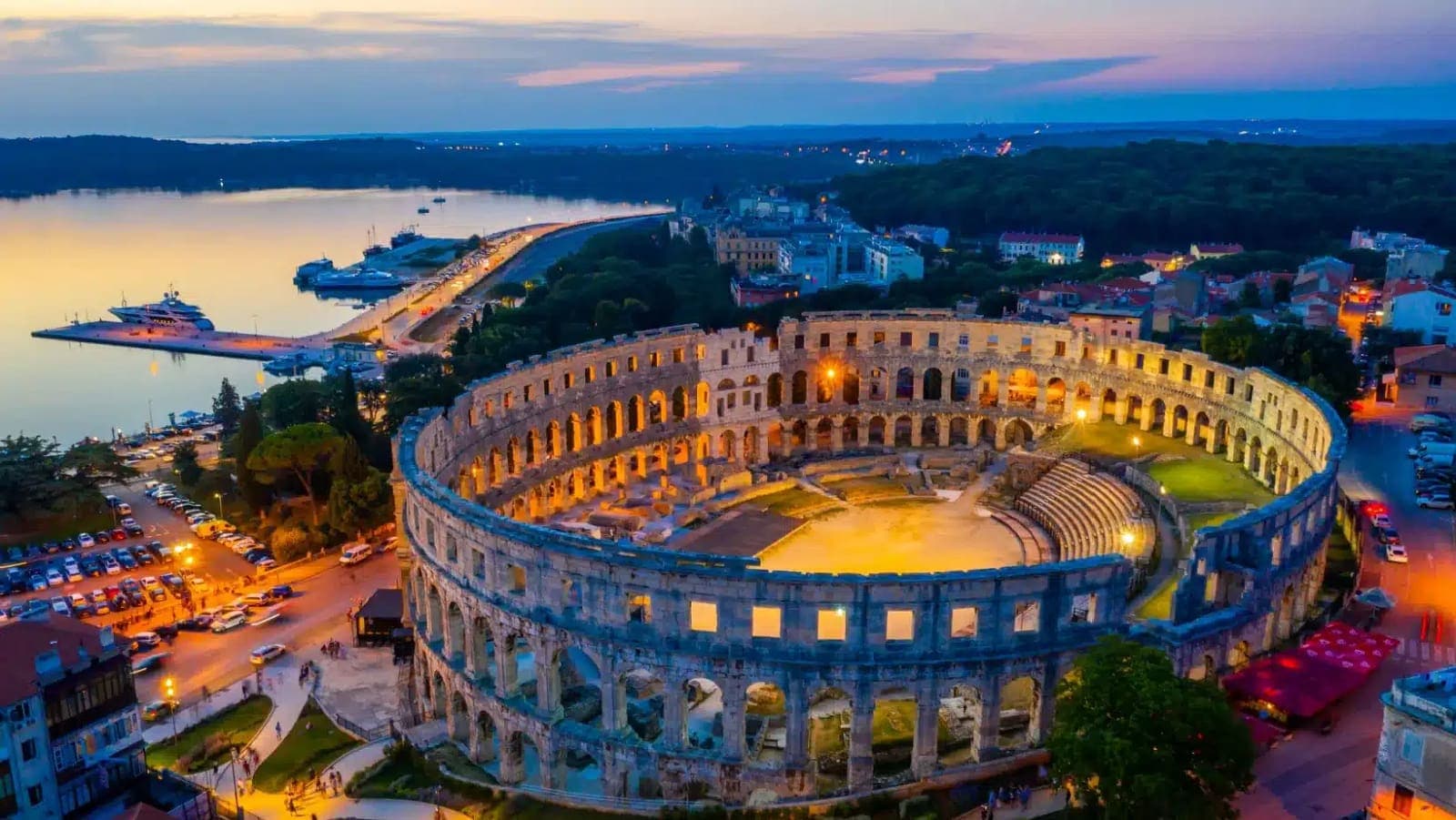
The peninsula that feels half Italian, because for a long time it was. Rovinj and Poreč for the coast, Pula for the Roman arena and the airport, Grožnjan and Motovun for hill towns, truffles and olive oil. It keeps more of its economy running through winter than the Dalmatian resort towns do.
Zadar
Compact, real, and the site of Croatia's first curated nomad village out at Borik. Close to the Krka and Plitvice national parks and noticeably cheaper than Split.
Split
Dalmatia's capital, a Roman palace with a city grown inside it, the ferry hub for the islands, and now the first Croatian city with a nonstop flight from Newark. Also a place where the same apartment can cost twice as much in July as in January.
Osijek and the east
Slavonia, flat and green and half forgotten, with rents at the bottom of the national range and a population trend to match. Cheap for a reason, it's lovely if the reason doesn't bother you.
Who we'd call first
Croatia never grew the expat-services industry that sprang up around Portugal and Spain. There is no relocation agency on every corner in Split, which cuts both ways: far fewer people trying to sell you a package you don't need, and far fewer who have already run your exact case. Croatian legal fees are also low by EU standards. The thing worth paying for is coordination, because a residence file and a property consent file sit at two different ministries and nobody joins them up for you.



Go deeper
Three reads that save time once you start a file.
Croatia Healthcare Report
Healthcare guide for Croatia
Our own walkthrough of obvezno, dopunsko and dodatno, and how to find an English-speaking GP.
Do I have enough money?
Our partners at Beacon Financial outline how much money a move abroad could cost you as well as how much you may need to retire.
The money session. Useful before you decide whether the nomad threshold or the general permit is your realistic route.
Strategies for Buying or Renting in Europe
we'll dive into the real-world process of searching for property across some of Europe’s most popular destinations. You'll get practical tips on using the top real estate portals, how to contact agents effectively, what red flags to watch for.
How buying and renting actually work across Europe, which matters more here than usual because of the ministry consent step.
Ask the people who live there

Croatia
Expatsi Community
People already living in Croatia, comparing landlords, paperwork and winter heating bills. Ask which towns stay open in February, and which police station handled somebody's file without drama.
Join the communityCroatia questions we get asked
Does Croatia have a retirement visa?
No. Croatia has no dedicated pensioner or retirement visa, which surprises a lot of people comparing it with Portugal or Spain. Retirees use a temporary stay granted for other purposes, based on proving they can support themselves without working, or a stay tied to property they own. It is issued for one year and renewed annually, and five continuous years of it opens the door to permanent residence. Published income floors vary by source, so get a Croatian lawyer to size your case.
Is Croatia safe?
Croatia sits at Level 1 on the US State Department's advisory scale, its least severe grade, in an advisory issued on 18 May 2026. The realistic risk is petty theft in tourist crowds rather than violence. Two hazards are specific to Croatia. About 24.5 square kilometers of the country may still contain landmines from the 1990s war, all signposted and mostly in forest, with full clearance targeted for the end of 2026. And the country is seismically active, as the 2020 Zagreb and Petrinja earthquakes showed.
Can Americans move to Croatia?
Yes, but you need a reason Croatian law recognizes. Americans get 90 visa-free days in any 180-day Schengen window. To stay longer you apply for a temporary stay under the Aliens Act: the digital nomad permit if your income comes from outside Croatia, a general financial-means permit if you're living off savings or a pension, a work permit if a Croatian employer hires you, or family reunification. Visa-free nationals file in person at the police station covering their Croatian address.
Can Americans buy property in Croatia?
Yes, with an extra step EU buyers skip. A non-EU buyer needs written consent from the Croatian Ministry of Justice, which first confirms reciprocity, and for Americans that is judged state by state. The legal deadline is a month, or two where an investigation is required, but real files commonly take two to six months and the purchase contract is void without consent. Farmland and forest are closed to non-EU individuals, and owning a home does not by itself grant the right to live in Croatia.
Do people speak English in Croatia?
Widely and well. Croatia ranked second in the world on EF's 2025 English Proficiency Index with a score of 617, behind only the Netherlands and ahead of Austria, Germany and Norway. In cities you can bank, rent and see a doctor in English. Government offices and small inland towns are less reliable, official documents have to be translated into Croatian by a certified translator, and long-term residents eventually hit an A1 Croatian requirement on permanent residence.
How much income do you need for Croatia's digital nomad visa?
As of the March 2026 update, 3,622.50 euros a month, roughly $4,240. The figure is set at 2.5 times Croatia's average monthly net salary from the previous year, so it moves every spring. You prove it with six months of bank statements or payslips, or instead show savings of 43,470 euros for a twelve-month stay or 65,205 euros for eighteen. Each extra family member adds about 145 euros a month to the requirement.
How much money do you need to live in Croatia?
Plan on roughly $1,650 for one person and $2,750 for two, covering rent, groceries, transport, utilities and a normal social life. Housing drives the difference: roughly $750 centrally, roughly $600 a few tram stops out. Zagreb and inland towns sit at the low end all year. Split and Dubrovnik are affordable from October to May and can double in summer, which is the biggest swing in a Croatian budget.
How long does it take to get Croatian citizenship?
It depends entirely on the route. Through descent, if a direct-line ancestor emigrated from today's Croatia before 8 October 1991, you apply at the Croatian consulate covering your US address with no residence and no language test, and decisions commonly take one to two years. Through residence, the standard route runs to eight years of continuous legal stay plus Croatian language and culture exams. Croatia and the United States both permit dual nationality.
Sources
- Temporary stay of digital nomads · Croatian Ministry of the Interior (checked September 17, 2026)
- Croatia: Individual taxes on personal income · PwC Worldwide Tax Summaries (checked September 17, 2026)
- United States, Croatia Sign Protocol to Income Tax Treaty · U.S. Department of the Treasury (checked September 17, 2026)
- United States, Croatia Sign Income Tax Treaty · U.S. Department of the Treasury (checked September 17, 2026)
- Croatia Travel Advisory, Level 1 · U.S. Department of State (checked September 17, 2026)
- Buying Real Estate in Croatia · U.S. Embassy in Croatia (checked September 17, 2026)
- Reciprocity in the acquisition of ownership rights in real estate · Croatian Ministry of Justice and Public Administration (checked September 17, 2026)
- EF English Proficiency Index 2025 · EF Education First (checked September 17, 2026)
- Croatia introduces mandatory Croatian language test for foreign workers · Croatia Week / Hina (checked September 17, 2026)
- Croatia's demographic crisis: how to address depopulation · OSW Centre for Eastern Studies (checked September 17, 2026)
- Basic state health insurance in Croatia: costs and coverage · Expat in Croatia (checked September 17, 2026)
- Croatian citizenship based on descent · Expat in Croatia (checked September 17, 2026)
- Croatia Digital Nomad Visa 2026: requirements, costs and how to apply · Remote Work Europe (checked September 17, 2026)
- United Airlines launches nonstop Newark to Split service · Yahoo Travel (checked September 17, 2026)
Is Croatia the right one, or just the prettiest?
Schedule a call with an Expatsi investor to get your personalized roadmap to life abroad.
Why not you?